Trinetra Ganesh Temple Ranthambore Fort: Timings, History, Postal Tradition, and Complete Pilgrim Guide
Trinetra Ganesh Temple, situated at the pinnacle of the historic Ranthambore Fort in Rajasthan, is one of the oldest and most revered shrines dedicated to Lord Ganesha in India. Famous for housing an ancient, self-manifested (Swayambhu) idol with three eyes, it is the only temple where Lord Ganesha is enshrined alongside his entire divine family: his consorts, Riddhi and Siddhi, and his sons, Shubha and Labha. Every day, the temple receives thousands of wedding invitations, business letters, and personal prayers sent through the postal service by devotees seeking the Lord’s blessings before beginning any new auspicious endeavor.

Quick Information: Trinetra Ganesh Temple, Ranthambore
| Feature | Details |
| Temple Name | Trinetra Ganesh Temple (Pratham Ganesha of Rajasthan) |
| Main Deity | Lord Ganesha in three-eyed form (Trinetra), with Riddhi, Siddhi, Shubha, and Labha |
| Location | Inside Ranthambore Fort, Sawai Madhopur District, Rajasthan, India |
| Elevation / Setting | ~1,574 feet above sea level, inside a UNESCO World Heritage hill fort complex |
| Daily Temple Timings | 6:00 AM to 6:00 PM (Synchronized with Ranthambore National Park daylight gates) |
| Aarti Timings | Morning Aarti: 9:00 AM to 9:30 AM | Evening Aarti: 6:00 PM to 6:30 PM |
| Best Time to Visit | October to March (Pleasant weather) and Bhadrapada Shukla Chaturthi (August–September) |
| Nearest Railway Station | Sawai Madhopur Junction (SWM) – approx. 14 km |
| Nearest Airport | Jaipur International Airport (JAI) – approx. 160 km |
| Climbing Requirement | Approximately 200 to 300 stone steps from the inner fort vehicle drop-off |
| Entry Fee | Free entry to the temple; vehicle entry/parking fees may apply at the forest check post |
| Dress Code | Modest, respectful traditional Indian attire recommended; leather items restricted inside sanctum |
| Postal Address for Cards | Trinetra Ganesh Temple, Ranthambore Fort, Sawai Madhopur, Rajasthan – 322021 |
The Significance of the Three Eyes: Trinetra Iconography
In Hindu iconography, Lord Ganesha is universally recognized as Vighnaharta (the remover of obstacles) and Prathama-pujya (the first deity invoked before any ritual). However, the representation at Ranthambore holds a unique scriptural and philosophical position.
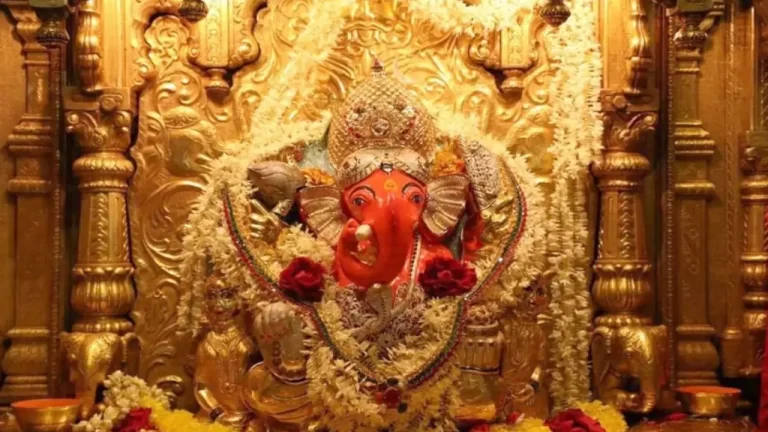
The murti here is depicted with three distinct eyes (Trinetra). In Vedic thought, the third eye symbolizes spiritual intellect, supreme vision, and the destruction of ignorance, closely associating Ganesha with his father, Lord Shiva. The third eye represents the eye of inner wisdom, capable of seeing beyond the physical universe into cosmic reality.
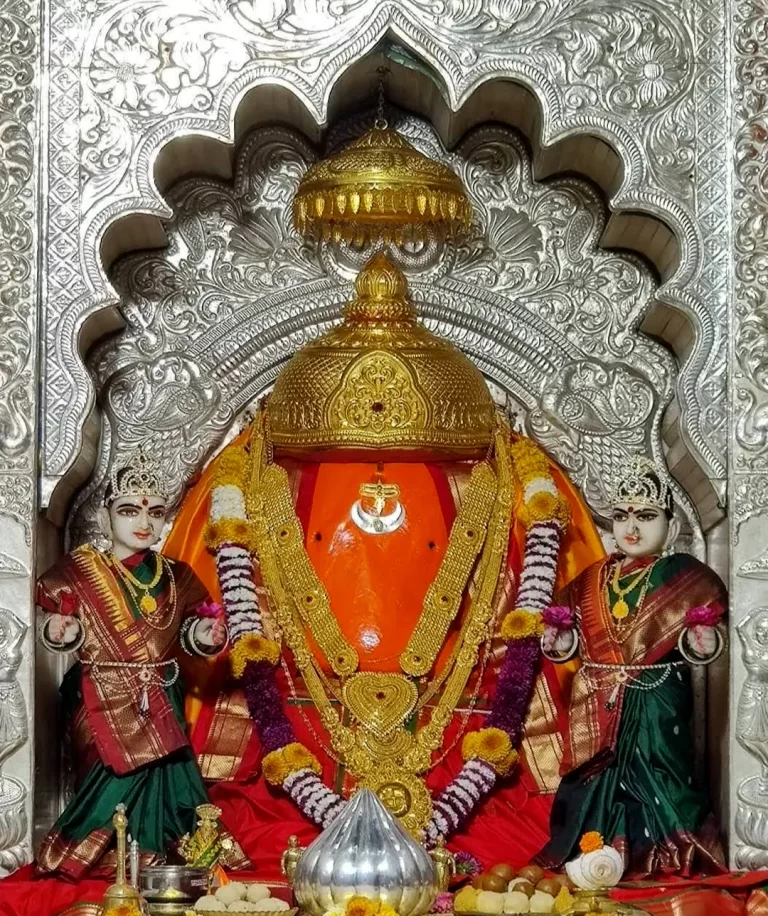
Unlike conventional shrines where Ganesha is worshipped alone or flanked only by his consorts, the Ranthambore sanctum displays the complete divine household:
- Goddess Riddhi: Embodiment of prosperity, abundance, and spiritual fortune.
- Goddess Siddhi: Personification of enlightenment, intellectual mastery, and occult perfection.
- Shubha and Labha: The two sons representing auspiciousness and righteous gain.
- Mushak (The Mouse): The traditional vahana (vehicle) positioned faithfully before the sanctum.
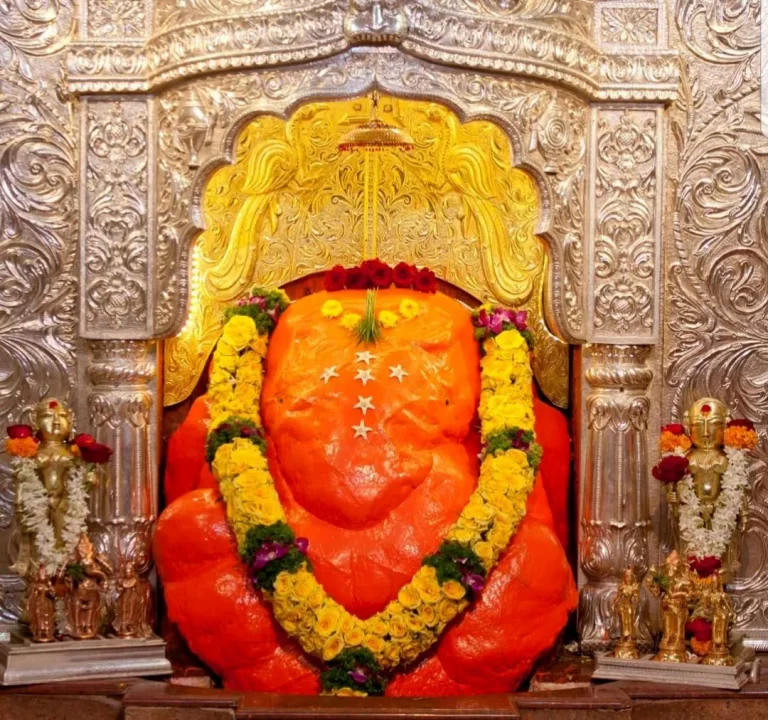
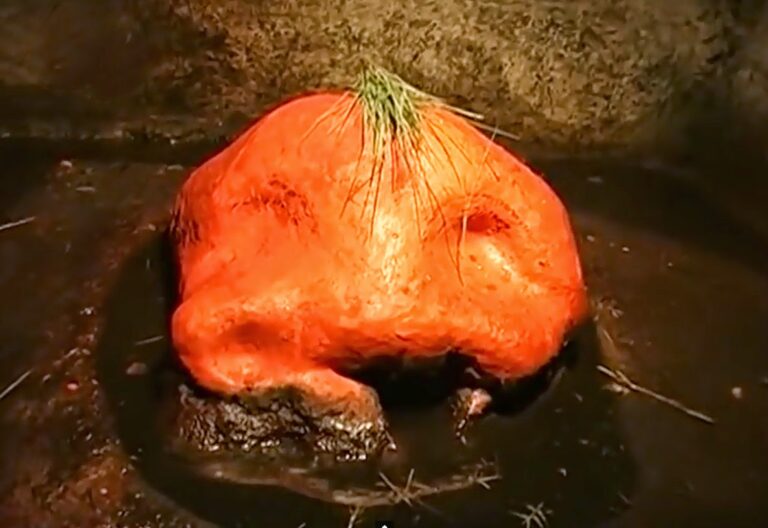
The deity itself is coated in sacred bright orange vermilion (sindoor), presenting a powerful, elemental presence that radiates warmth and meditative stillness.

Historical Origins: King Hamir Dev Chauhan and the Siege of 1299 CE
While popular devotion links this site to ancient Puranic events, the verifiable historical architecture of the temple is deeply rooted in the medieval chivalric history of Rajasthan.
During the late 13th century, Ranthambore Fort was ruled by the legendary warrior Rana Hamir Dev Chauhan, renowned for his uncompromising adherence to honor (sharanagat raksha). In 1299–1301 CE, the Delhi Sultan Alauddin Khalji laid an unrelenting siege to Ranthambore Fort. The siege dragged on for months, cutting off all external supply chains to the fortress.
As the grain and water reserves dwindled to alarming levels, King Hamir Dev, an ardent devotee of Lord Ganesha, faced imminent defeat through starvation. According to regional epics and temple tradition, the Lord appeared in Hamir Dev’s dream one night, assuring him that the crisis would resolve by morning.
Concurrently, on the same night, a mysterious divine sign appeared to the Sultan’s camp, dampening their offensive momentum. The following dawn, the fort’s granaries were miraculously found replenished, and a natural outline of the three-eyed Ganesha was discovered inscribed upon one of the fort’s stone ramparts. In gratitude for this divine deliverance, King Hamir Dev commissioned the permanent marble-and-stone temple sanctum inside the fort complex around 1300 CE, consecrating the shrine that stands today.

The Wedding Invitation Tradition: Sending Letters to the Lord
One of the most touching and distinctive living traditions of Trinetra Ganesh is the daily arrival of postal mail addressed directly to the deity. Across Northern and Western India, it is considered essential custom that the very first formal invitation card (Pratham Nimantran Patra) for any wedding, housewarming (Griha Pravesh), or major business milestone be delivered to Ranthambore.
Every morning, postal workers from the India Post branch at Sawai Madhopur carry large mailbags filled with thousands of letters up the stone steps of the fort.
How to Send Your Invitation Card by Post
Devotees who cannot visit the temple in person can post their cards via regular mail or speed post using the official temple delivery address:
Shri Trinetra Ganesh Ji Maharaj
Ranthambore Fort, Sawai Madhopur District,
Rajasthan, India — PIN Code: 322021
Upon arrival at the shrine:
- The temple priests (pujaris) collect the mail bundles.
- The letters and wedding cards are formally opened in the sanctum.
- The names of the bride, groom, and their families are read aloud during morning prayer sessions.
- The cards are placed at the feet of the deity to receive divine blessings before being archived in the temple trusts records.

Darshan Timings and Daily Rituals
Because Trinetra Ganesh Temple is situated inside Ranthambore National Park boundaries, its opening hours are strictly synchronized with the daylight regulations enforced by the Rajasthan Forest Department.
- Morning Opening: 6:00 AM (Gates open around sunrise)
- Morning Aarti (Shringar Aarti): 9:00 AM to 9:30 AM
- Midday Bhog: 12:00 PM to 12:30 PM
- Evening Aarti (Sandhya Aarti): 6:00 PM to 6:30 PM
- Night Closure: 6:30 PM (All non-resident visitors must exit the fort before total darkness)
Note: Unlike ordinary city temples, devotees are not permitted to stay inside the fort overnight. The forest gates at the base of the hill are sealed shortly after dusk to ensure the safety of both visitors and the wild animal population inhabiting the tiger reserve.
Ganesh Chaturthi and the Annual Ranthambore Mela
The spiritual energy at Ranthambore peaks during the annual Bhadrapada Shukla Chaturthi (typically falling between August and September). This three- to four-day religious fair (Mela) attracts upwards of three to five hundred thousand pilgrims from Rajasthan, Madhya Pradesh, Gujarat, and Haryana.
During this festival:
- Devotees undertake long foot pilgrimages (Padyatras), walking dozens of miles while carrying saffron flags (Dhwaja) and singing traditional Rajasthani bhajans.
- The Forest Department and District Administration set up special medical camps, continuous drinking water supply booths, and security barricades along the 10-kilometer jungle road leading to the fort.
- Special Prasadam—predominantly traditional wheat flour Laddoos and Churma—is offered in metric tonnes and distributed among the pilgrims.
Visiting during the annual fair requires patience, as queues to ascend the steps and reach the inner sanctum often extend for several hours in hot, humid weather.

Step-by-Step Logistics: How to Reach the Temple
1. By Air
The closest airport is Jaipur International Airport (JAI), situated approximately 160 kilometers away. From Jaipur, one can hire a direct private taxi or board an express train from Jaipur Junction to Sawai Madhopur (approx. 2 to 2.5 hours travel time).
2. By Train
Sawai Madhopur Junction (SWM) is a major railway stop on the primary New Delhi – Mumbai railway corridor. Superfast trains (including the August Kranti Rajdhani, Kota Jan Shatabdi, and Golden Temple Mail) stop here regularly. From the station, local autorickshaws, shared jeeps, and private cabs are readily available to transport pilgrims to the fort check post.
3. Fort Road Access & Step Navigation
From Sawai Madhopur town, proceed along Ranthambore Road toward the park perimeter:
- Vehicle Access: Private cars, taxis, and autorickshaws can drive up to the parking zone located near the base of Ranthambore Fort. You do not need to book an expensive wildlife safari jeep just to visit the temple.
- The Stone Staircase: From the base parking area, pilgrims must climb approximately 200 to 300 stone steps passing through formidable defensive gateways including Navlakha Pol, Hathi Pol, and Ganesh Pol.
- Climbing Railings & Rest Points: Handrails are installed along steeper portions of the stairs, and stone benches are situated under shaded ramparts for elderly pilgrims to catch their breath.

Important Rules, Wildlife Precautions, and Visitor Advice
Visiting a temple situated within a world-renowned tiger reserve requires strict adherence to natural and institutional protocols.
1. The Monkey Menace (Macaques & Langurs)
The steps and battlements leading to the temple are home to hundreds of bold rhesus macaques and gray langurs.
- Carry Prasadam Safely: Keep all offerings (Prasad, flowers, coconuts) completely hidden inside zippered cloth bags or opaque backpacks. Carrying loose plastic bags or visible food items will attract immediate aggressive charges from monkeys.
- Avoid Eye Contact: Do not tease, taunt, or attempt to pet the monkeys along the stone stairways.
2. Wildlife Regulations inside the Forest Buffer
The road ascending to Ranthambore Fort winds directly through core tiger and leopard habitat.
- Stay in Vehicles: Walking along the vehicular ghat road between the lower forest check post and the fort base is strictly prohibited. Use private or hired transport.
- Strict Curfew: You must clear the forest check post before the scheduled sunset cut-off time. Vehicles found inside the forest zone after dark are subject to severe penalties by forest rangers.
3. Senior Citizen Accessibility
Because the historic fort is an ASI-protected medieval monument, modern elevators or motorized ramps cannot be constructed. Senior citizens or pilgrims with limited physical mobility should note:
- Traditional sedan chairs / palanquins (Dolis) carried by local porters are occasionally available on peak festival days, but are not guaranteed on ordinary weekdays.
- Wear sturdy, slip-resistant walking shoes, as the ancient stone steps have been worn smooth by centuries of pilgrims’ bare feet.

Frequently Asked Questions (FAQs)
1. Is a national park safari booking required to visit Trinetra Ganesh Temple?
No. You do not need a wildlife safari ticket, permit, or dedicated safari gypsy to visit the temple. Pilgrims are permitted to enter the fort road in their private vehicles, taxis, or autorickshaws during normal daylight visiting hours without paying safari fees.
2. Can I send my wedding invitation card to the temple by ordinary speed post?
Yes. India Post delivers thousands of wedding invitations to the temple every week. Simply address your card to: Shri Trinetra Ganesh Ji, Ranthambore Fort, Sawai Madhopur, Rajasthan – 322021. The temple priests receive and place these invitations before the deity daily.
3. How many stairs must one climb to reach the shrine?
Pilgrims must ascend between 200 and 300 stone steps from the inner fort parking clearing to reach the temple entrance. The staircase features safety railings in steeper sections, but requires moderate physical stamina.
4. What are the best months of the year to plan a visit?
The most comfortable months are from October through March, when daytime temperatures in Rajasthan are pleasant (15°C to 28°C). Devotees seeking deep spiritual immersion visit during Bhadrapada Ganesh Chaturthi (August/September), though heavy festival crowds should be anticipated.
5. Are mobile phones and photography permitted inside the temple?
Photography of the ancient stone ramparts and fort gates is allowed. However, photography and video recording inside the inner sanctum (Garbhagriha) of Trinetra Ganesh is strictly prohibited out of respect for temple sanctities.
Architectural and Pilgrimage Context: Explore Further
To understand the broader context of ancient Hindu hill shrines, Rajasthani royal patronage, and sacred Ganesha sanctuaries, explore our comprehensive pilgrimage guides across India:
- Understand the scriptural rules of Ganesha worship and idol placement: “Significance of Ganesha Puja and Rituals“
For official regional conservation rules, monument preservation updates, and local transport advisories, refer to the Archaeological Survey of India (ASI) Jaipur Circle and the Rajasthan Tourism Development Corporation (RTDC).