Bakreshwar Temple | Mahishmardini Shaktipeeth Hot Springs
Bakreshwar Temple in the midst of Birbhum, West Bengal. Here is where myth and living faith meet, where the power of Lord Shiva and the Devine Mother, Maa Shakti, pervades every nook and cranny. Allow yourself to be spellbound by the legend and the sanctity of the site. We’ll visit the Bakreshwar Temple and the vibrant Mahishmardini Shaktipeeth, a spiritual powerhouse that has attracted worshippers for centuries.

A Glimpse into the Sacred Landscape of Bakreshwar Temple
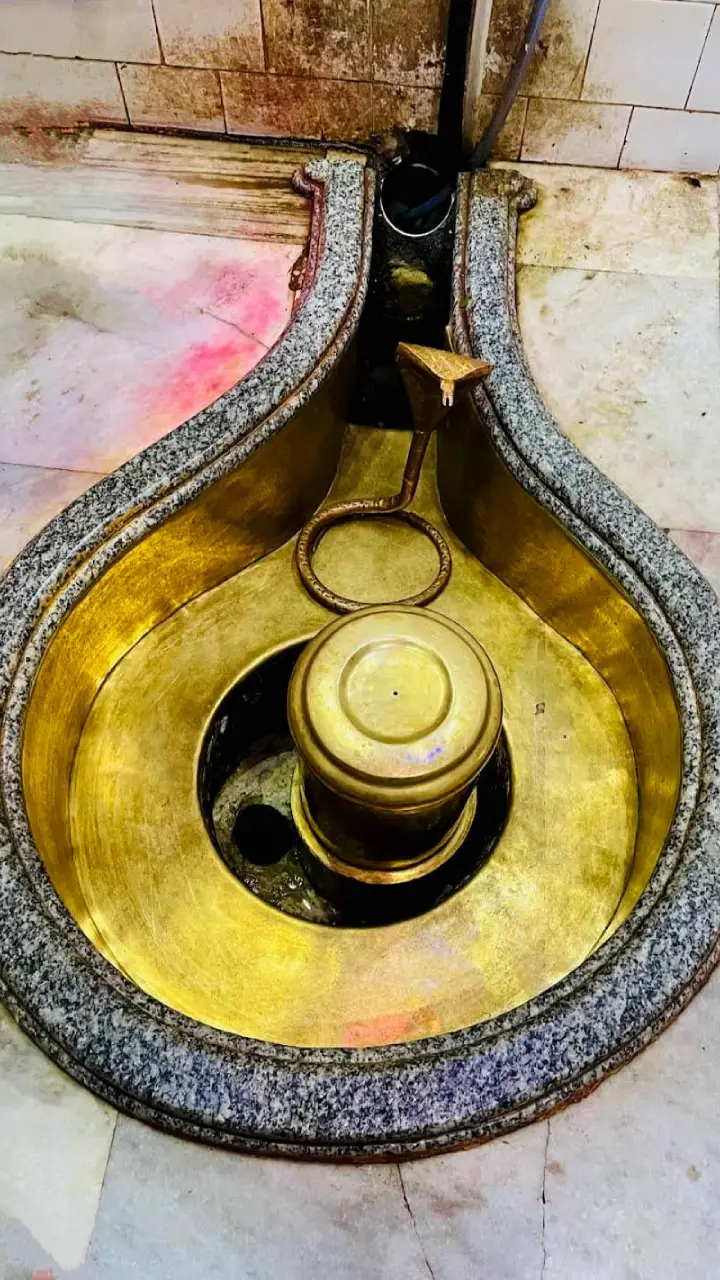
We start our journey in the peaceful district of Birbhum, West Bengal. The town’s name itself carries a tale, “Vakra” meaning crooked or curved and “Ishwar” meaning Lord. The main deity in this place is Lord Shiva, worshiped as Bakranath, and Maa Mahishmardini, a protective and fierce manifestation of the Divine Mother, is his companion. With both Shiva and Shakti being present here simultaneously, the Bakreshwar Temple is a very special and powerful spiritual site.
Not just one temple but a complex of spiritual power, Bakreshwar is one of the 51 Shaktipeeths, the holiest shrines of the Mother Goddess, and also contains an important Shiva temple and a chain of ancient healing hot springs. The air itself seems imbued with spiritual energy, and a pilgrimage to this sacred shrine is not merely a journey—it’s an intense spiritual experience that lingers long after you’ve departed.
Read More>> Attahas Temple Birbhum Shaktipeeth
History of Bakreshwar Temple:
The history of the Bakreshwar Temple is a rich tapestry woven through historical incident and age-old legend. While the mythological origins are rooted in the story of Devi Sati, historical accounts suggest the present-day temple structure has been rebuilt and renovated over centuries. According to some historical records, a local king named Darpanarayan is credited with the construction of the present-day temple in 1761 AD. Nonetheless, the existence of several architectural styles and older shrines in the complex indicates that this place was a shrine even before the 18th century.
It is said that the original temple was much older, perhaps even predating the current structure by several centuries. The site’s significance as a pilgrimage center is deeply embedded in the religious traditions of Bengal, drawing pilgrims from all over the country. The preservation of ancient paintings and relics by the Archaeological Survey of India (ASI) further solidifies the historical importance of this sacred space.
Next, let us proceed to the legends that infuse this site with its essence. The tale of Bakreshwar is dual, weaving together the stories of Lord Shiva and the Divine Mother.
Read More>> Gayatri Shaktipeeth Chitrakoot Temple
Legend of the Bakreshwar Temple and Mahishmardini Shaktipeeth
Now, let’s delve into the legends that give this place its soul. The story of Bakreshwar is twofold, entwining the narratives of Lord Shiva and the Divine Mother.
The Legend of Rishi Ashtavakra
The name Bakreswar Temple is inherently connected to the legend of a great sage called Ashtavakra. In the Satya Yuga, when Lord Vishnu and Devi Lakshmi were being wedded in a ceremony, a young sage called Subrata was insulted by Lord Indra. The insult was so deep and the fury of the sage so great that his body got twisted in eight places. Since then, he was referred to as Ashtavakra Muni (one with eight curves).
Extremely upset over his state, Ashtavakra Muni consulted a guru. He was told that he should go to a spot in Bengal and do penance unto Lord Shiva. The sage approached this very location, which was then a forest, and meditated for thousands of years. Impressed with his unshakeable faith, Lord Shiva presented himself before him.
Not only did Shiva bless him and heal his bodily deformity, but he gave a splendid boon as well. Lord Shiva proclaimed that from then on, whoever worships Ashtavakra Muni first before worshipping him would be blessed by him. It is on the strength of this great legend that even today the Shiva Lingam here is named Vakranath, and the place itself came to be named Bakreswar. That is why the devotees make their offerings first at the shrine of Ashtavakra Muni and then move to the great Shiva temple.
Read More>> Uttarkashi Temple Kashi Vishwanath
The Legend of the Mahishmardini Shaktipeeth
The second, no less strong, legend concerns the birth of all Shaktipeeths. It is found in various Hindu texts, the Shiva Purana and the Devi Bhagavata Purana. It describes how Goddess Sati, the wife of Lord Shiva, self-immolated at her father Daksha’s Yagna (sacrificial fire). Not being able to tolerate the humiliation Daksha threw at her husband, Sati laid down her life.
Seized with sorrow, Lord Shiva danced the Tandava, the dance of destruction of the cosmos, while holding Sati’s dead body. In order to end Shiva’s fury and salvage the cosmos, Lord Vishnu employed his Sudarshan Chakra to cut Sati’s corpse into pieces. The different fragments of her body plummeted at different points along the Indian subcontinent, and each such place became a revered Shaktipeeth.
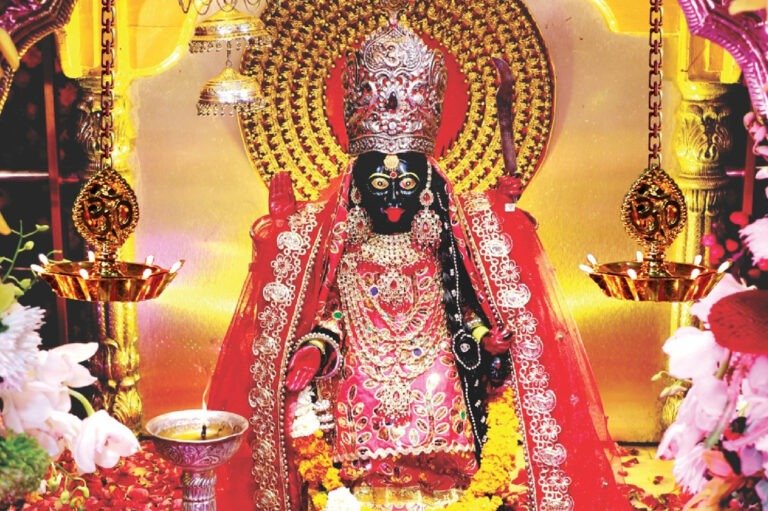
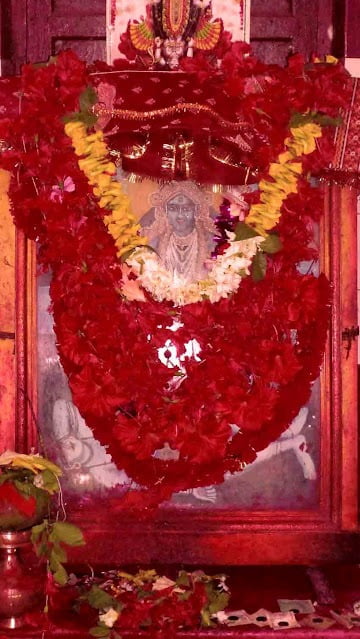
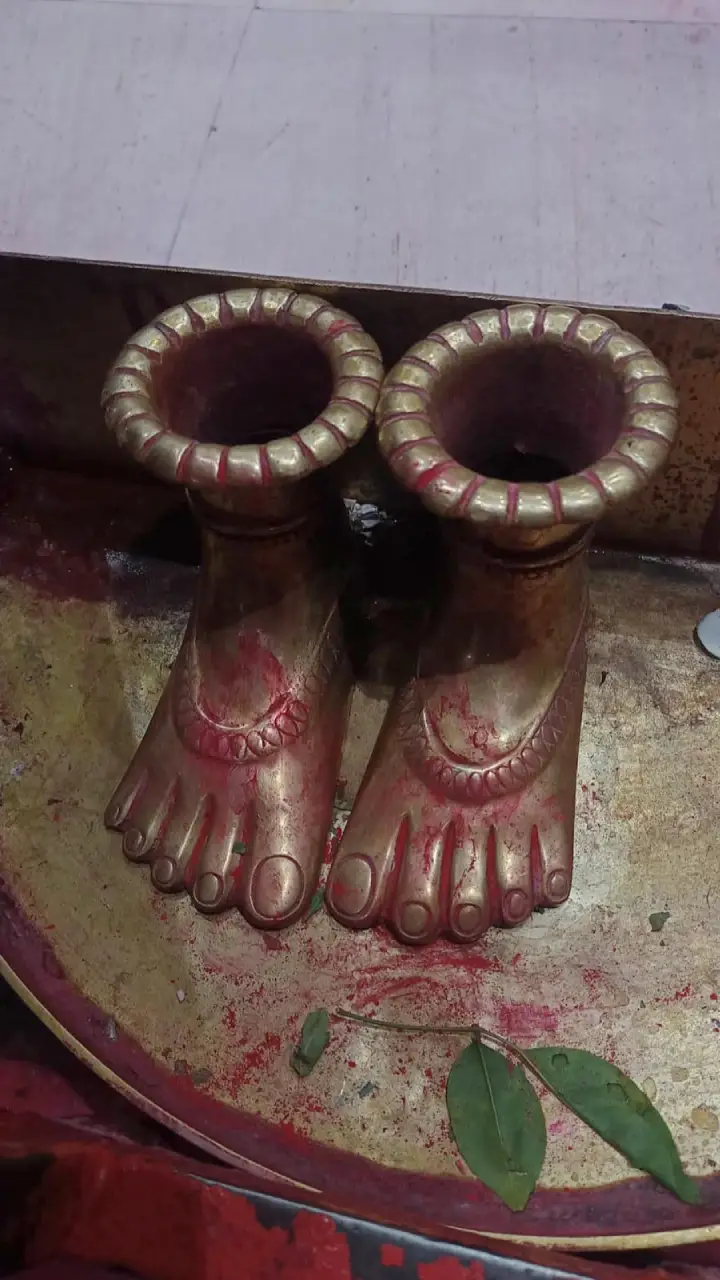
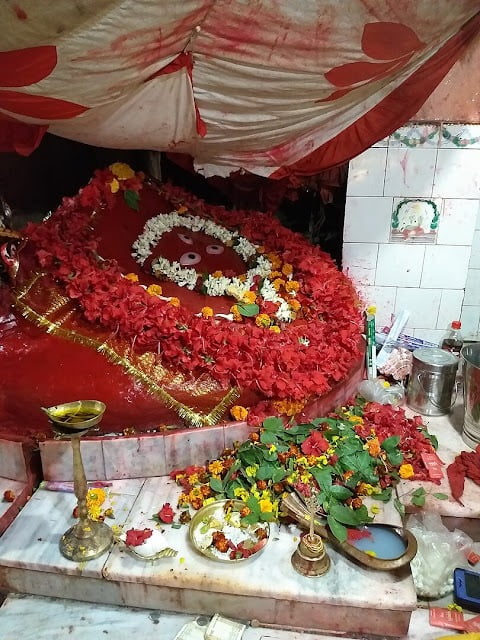
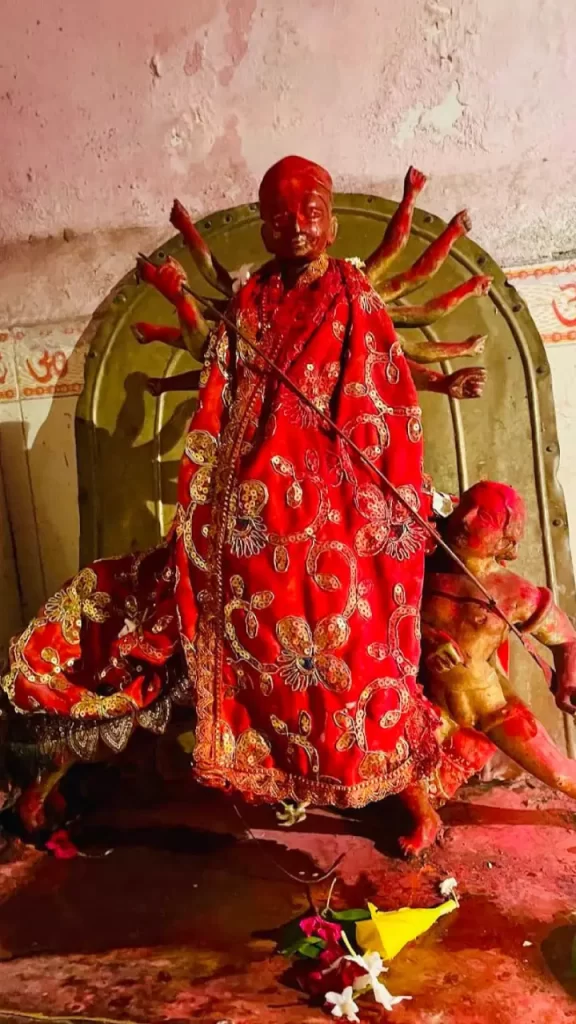
At this hallowed site, it is believed that a part of Sati’s body—some say her forehead, others say her mind, and some say a part of her eyebrows—fell. The Divine Mother is worshipped here as Mahishmardini, the slayer of the buffalo demon Mahishasura, and she is protected by Bhairav, an incarnation of Lord Shiva, known here as Vakranath. The name Mahishmardini Shaktipeeth perfectly encapsulates the fierce and protective nature of the goddess enshrined here.
Read More>> Tripura Sundari Temple in Tripura
Cultural, Spiritual, and Mythological Significance
The Bakreshwar Temple complex is extremely significant on various levels.
Spiritual Significance: Being one of the most significant Shaktipeeths, Bakreshwar is a first-rate pilgrimage destination for worshipers of the Divine Mother. The existence of Lord Shiva as Vakranath and Maa Mahishmardini together signifies the concordant union of the masculine and feminine divine forces, Shiva and Shakti. It is a site where a person can find blessings for worldly comforts and spiritual emancipation. The rituals and surroundings are so made that they raise the level of consciousness of a devotee, joining him to a higher power.
Mythological Significance: The mythology of Ashtavakra Muni and Devi Sati is not mere legend; it is moral and spiritual teaching. Ashtavakra’s story teaches us how penance, repentance, and divine mercy overcome even the darkest of deeds. It demonstrates that only actual devotion can conquer any physical or mental disability. The legend of the Shaktipeeths is a bedrock of Hindu mythology, confirming the strength of the Divine Feminine and the deep, infinite relationship between Shiva and Shakti.
Cultural Significance: The Bakreshwar Temple is a cultural icon, a reflection of the rich religious history of West Bengal. It attracts thousands of tourists, boosting the economy and upholding age-old traditions. The architecture of the temple, the native traditions, and the festivals being celebrated here are all part of the region’s culture.
Read More>> Sri Kshetra Dharmasthala Temple: Miracles of Lord Manjunatha
Unique Architectural Styles and Carvings
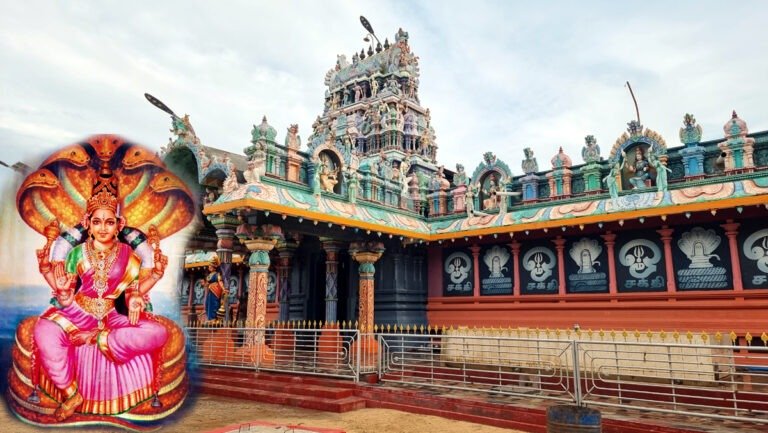
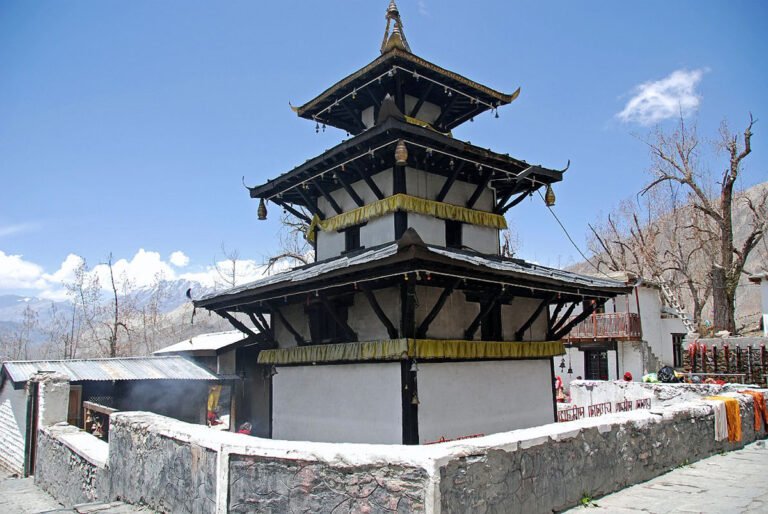
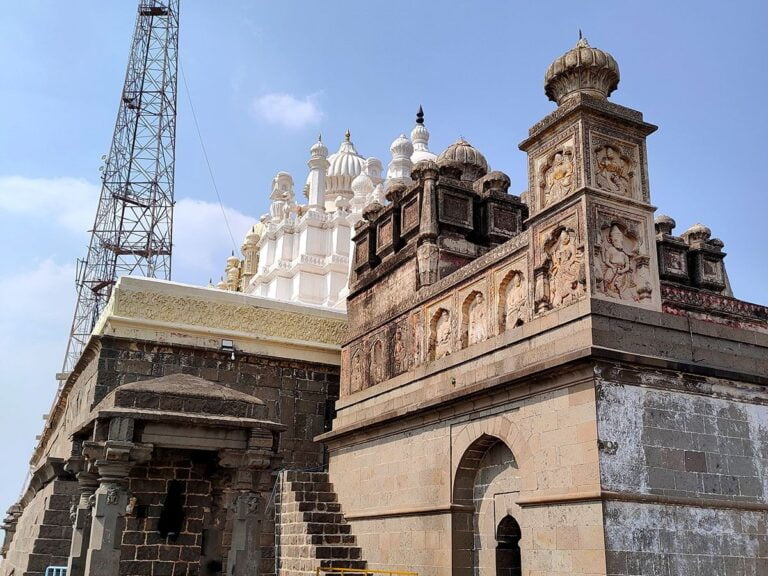
As soon as you enter the complex, you will notice the unique architectural style of Bakreswar Temple. The central shrine of Lord Shiva is a stunning representation of Odisha architectural style Rekha-Deul. It’s an imposing building with a high, curved tower, with exquisite carvings. The temple walls are filled with mythological motifs, gods, and ornaments that narrate stories and are visual prayers.
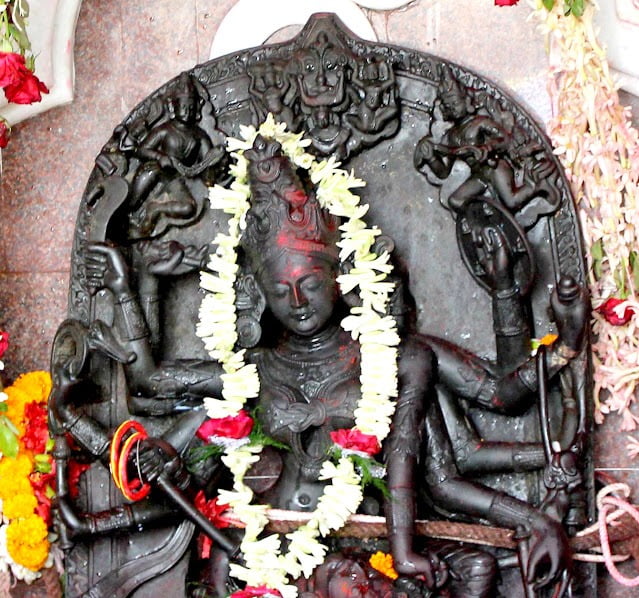
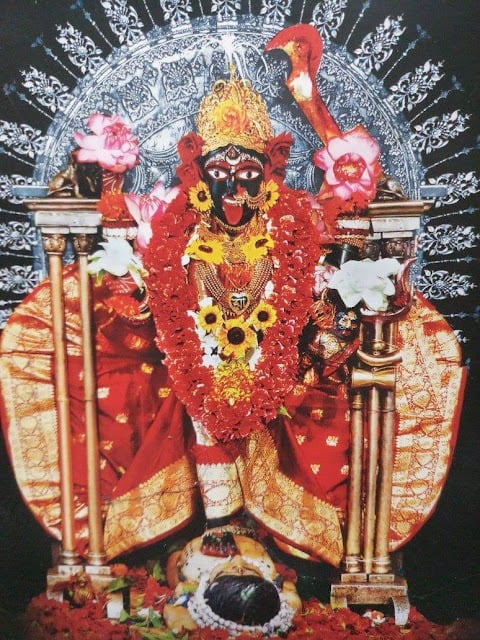
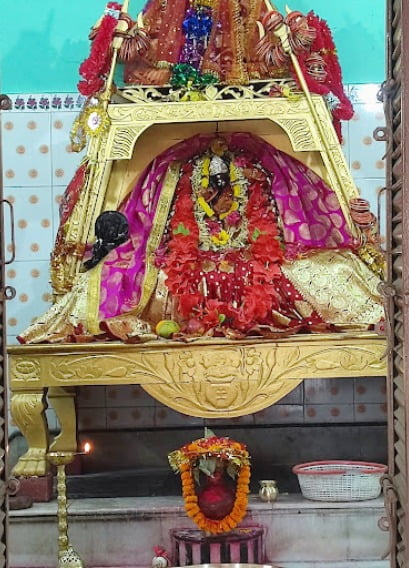
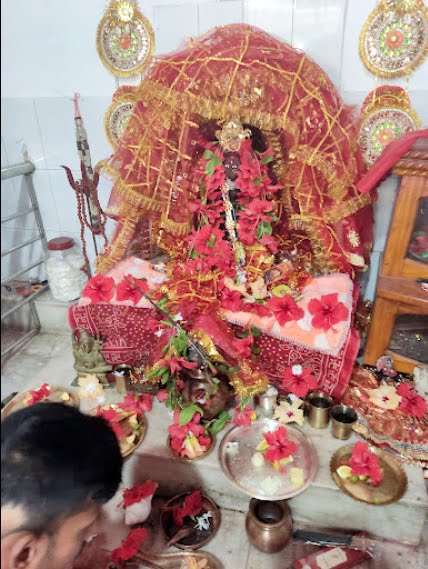
The Maa Mahishmardini Shaktipeeth temple is also well worth seeing. Though possibly smaller in size, its holiness is inescapable. The sanctum sanctorum contains the ten-handed goddess idol sitting on a lion, killing the buffalo demon Mahishasura. It is this inculcating iconography that has lent the goddess her name. There are also many small shrines and ancient buildings within the complex, each with their own story and history.
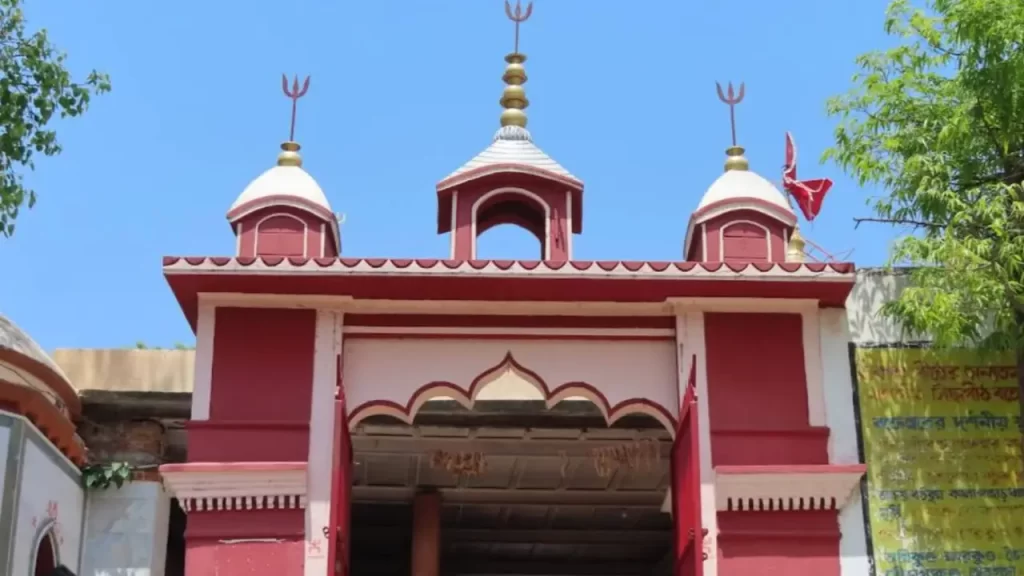
Festivals and Special Days
The Bakreswar Temple is in its most colorful and populous during special festivals and auspicious days.
Mahashivratri: Perhaps the most significant festival in the Bakreshwar Temple, it is here that the entire complex is abuzz with pilgrims who flock to give special puja and prayer to Lord Shiva. A grand fair, a Mela, is also held during this period by the Bakreswar Development Authority. The air is filled with the repetition of “Om Namah Shivaya,” and the mood is charged with piety.
Navaratri and Durga Puja: Though Mahishmardini Shaktipeeth is a temple where the goddess is worshipped daily, the festival of Navaratri that lasts nine days and is followed by Durga Puja is a celebration in full fervor. The goddess is dressed in new clothes and ornaments, and special pujas and aartis are held. This period is when the goddess is supposed to be at her strongest, and devotees from all over visit in order to obtain her blessings.
Other Festivals: Other Hindu celebrations such as Makar Sankranti and Bengali New Year also attract a large number of pilgrims. The temple daily puja and rituals are conducted with utmost devotion and care all year round, but these festivals are when the temple is at its best.
Read More >> Gangaikonda Cholapuram Temple
Myths and Beliefs
Apart from the popular legends, there are several local myths and beliefs connected with the Bakreshwar Temple.
The Healing Hot Springs: One of the most distinctive aspects of Bakreshwar is its renowned sequence of hot springs, which are also holy. There are a number of springs, each of which has a different name, including Agni Kund, Bhairav Kunda, and Suryakund. The water from these springs is believed to be medicinal, and has the ability to cure many skin conditions and other long-term illnesses. Most of these are used as bathing springs by many devotees as a form of purification before they can enter the temple. The most popular, the Agnikunda, has a temperature of approximately 80 degrees Celsius, which is rather impressive.
The Holy River: The temple stands on the shores of the Paaphara River. As is the case with most ancient Hindu temples, the river is sacred and part of the spiritual experience. Pilgrims frequently take a dip in its cold waters as an act of devotion and cleansing.
The Double Worship: It is a deeply rooted practice here that one has to worship Rishi Ashtavakra first before worshipping Lord Shiva. It is a reminder of the very legend that made the temple what it is today and its spiritual basis.
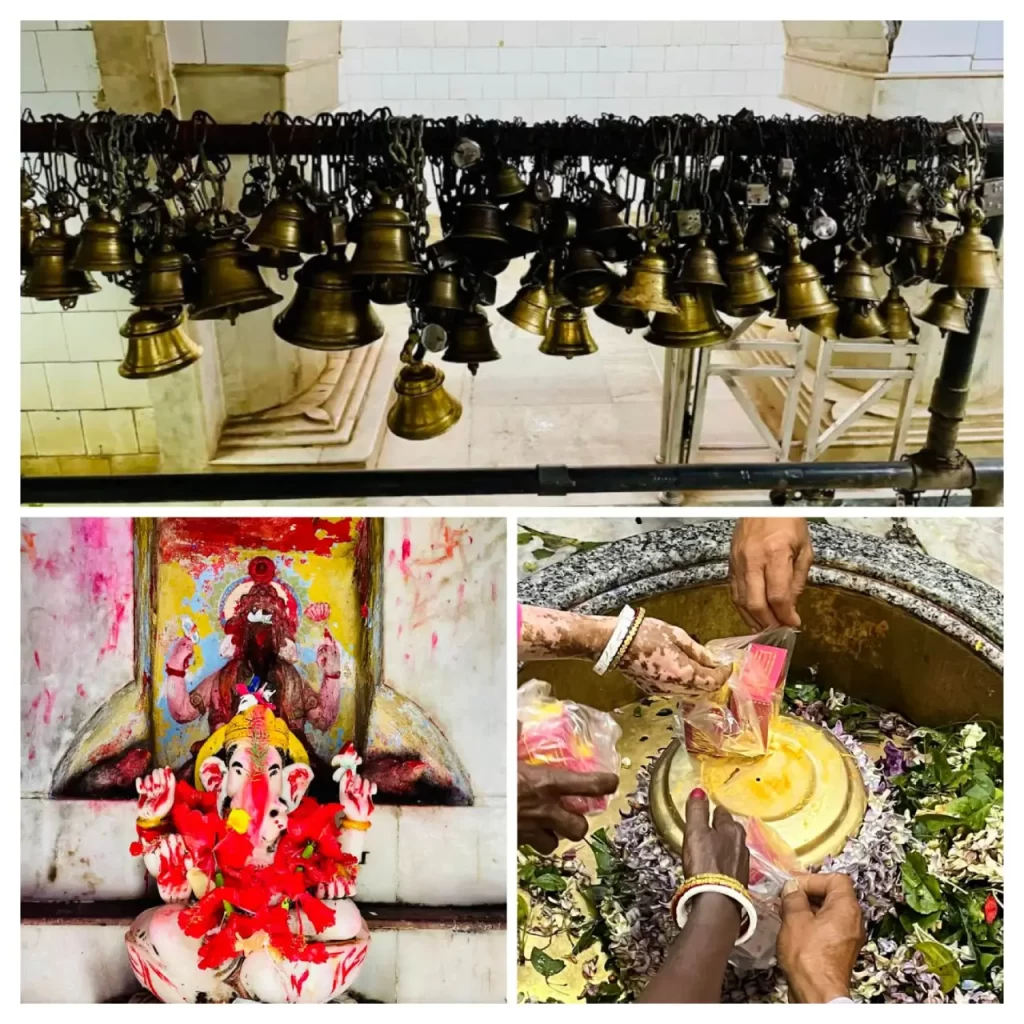
Bakreswar Temple Timings
The Bakreswar Temple complex remains open from morning until evening to suit the pilgrim flow. Though timings may slightly change, especially during festive periods, these are the usual timings:
- Morning: 6:00 AM to 12:00 PM
- Afternoon: The temple tends to close for a brief interval for a break.
- Evening: 4:00 PM to 8:00 PM
It is always best to confirm with local sources or with temple authorities for the most accurate timings, especially if you are going there on a particular day for a particular puja.
Sites to See Close to the Bakreshwar Temple
Your journey does not have to conclude at the Bakreshwar Temple. The Birbhum district is scattered with other cultural and holy sites worth visiting.
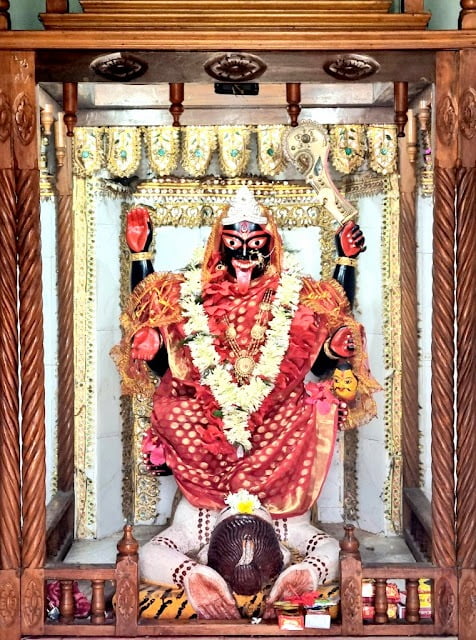
Tarapith Temple: Approximately 30 km from Bakreshwar, Tarapith is yet another of the 51 Shaktipeeths and a very significant pilgrimage site. It is devoted to the worship of Maa Tara, a fiery incarnation of the Divine Mother. The temple is renowned for its strong rituals and tantric practices. It is a general practice among devotees to visit Tarapith and Bakreshwar on the same pilgrimage.
Kankalitala Temple: It is another Shaktipeeth in the Birbhum district and is very close to the renowned university town of Santiniketan. “Kankal” means skeleton, and it is said that a limb of Sati’s fell here. The temple is found in a quiet and scenic place and provides for a calm spiritual experience.
Santiniketan: Rabindranath Tagore’s legendary town, Santiniketan is a haven for art, culture, and learning. Stop by Visva-Bharati University, the Tagore Ashram, and local art and craft centers. A lovely spot to spend the day absorbing the cultural heritage of the area.
Mama Bhagne Pahar: Just outside Dubrajpur, this is an unusual rock formation with an interesting local tale. Translated “Uncle-Nephew Hill,” the story goes that the two rock formations were ordained by a god. It’s an easy stop for a quick look around and some photographs.

Accommodation Options
As Bakreshwar is a pilgrimage and tourist spot, you will get options of accommodation to fit your purse as well.
**Guest Houses and Dharamshalas:** If you are looking for a simple and cheap stay, there are many guest houses and dharamshalas (pilgrim rest houses) close to the temple complex. These provide basic facilities and a clean and comfortable atmosphere.
Hotels and Resorts: If you find newer facilities more appealing, there are several hotels and resorts in the nearby towns of Suri and Bolpur/Santiniketan. The venues provide a variety of amenities, ranging from air-conditioned rooms to in-house restaurants, that make your stay more convenient.
Homestays: You may also be able to find local homestays that provide you with a real cultural experience, where you get to stay with a local family and experience authentic Bengali food.
How to Access the Bakreshwar Temple
The Bakreswar Temple is easily accessible by road, rail, or air.
By Air: Netaji Subhas Chandra Bose International Airport (CCU) in Kolkata is the closest major airport. From there, you can avail a taxi or train to the closest railway station.
By Train: The closest railway stations are Siuri and Dubrajpur, both well-served by bigger cities like Kolkata. Either of these stations is easily accessible by auto-rickshaw or local taxi to the temple, which is very close.
By Road: Bakreshwar is well connected by road to the rest of West Bengal. You could take a bus from Kolkata or other major towns in the state. If you travel in your own car, the distance from Kolkata is approximately 4-5 hours depending on traffic. The road is generally good, and it is a nice drive.
There you have it, folks! A full tour of the stunning Bakreshwar Temple and mighty Mahishmardini Shaktipeeth. It’s not only a site of worship but also a vortex of spiritual energy, a repository of mythology, and a living reminder of the unshakeable devotion of millions. I hope this guide finds you helpful and that your pilgrimage to this holy site is filled with peace, dedication, and deep blessings. Jai Ma Kali, Jai Bhole Nath!