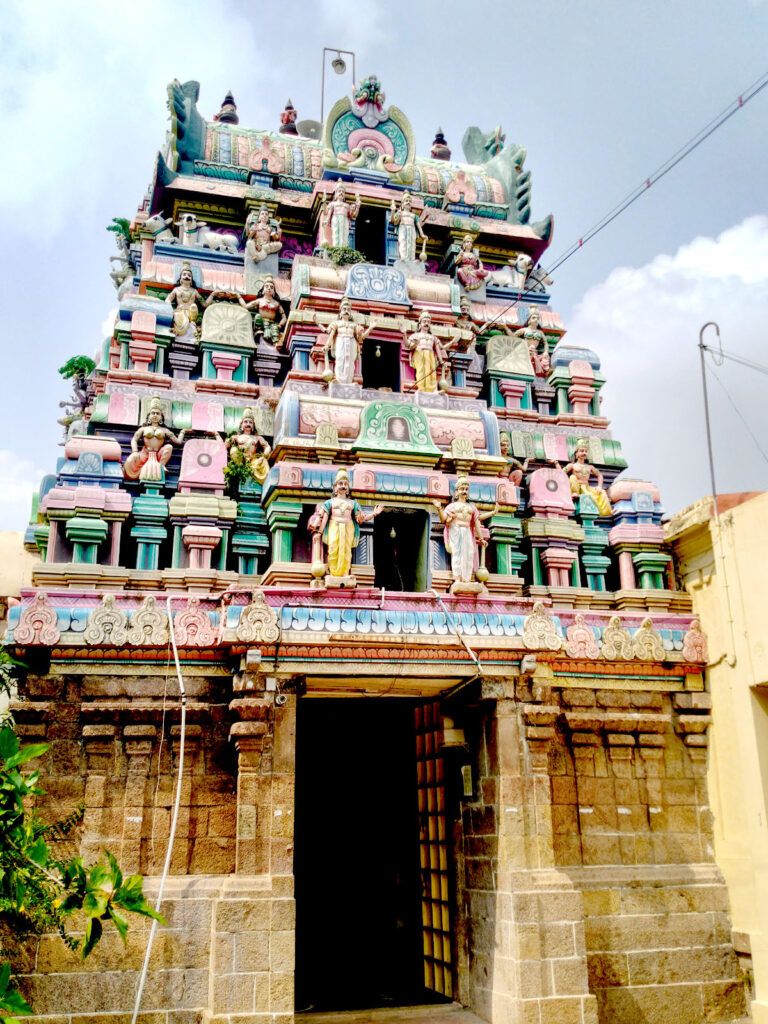
Sivanmalai Temple: Murugan’s Sacred Box Predicts the Future
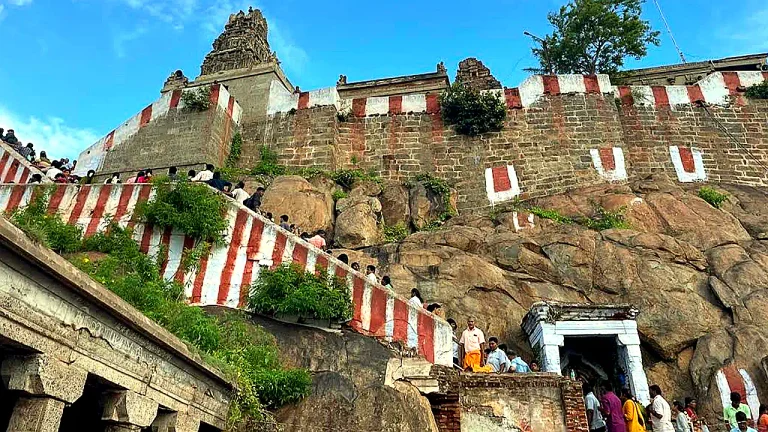
Sivanmalai Temple: Standing on a peaceful hillock a few kilometers from the hustle and bustle of Kangeyam town in Tirupur district, the Sivanmalai Murugan Temple is not merely a place to visit; it is an experience, a journey into the very essence of devotion and ancient knowledge.
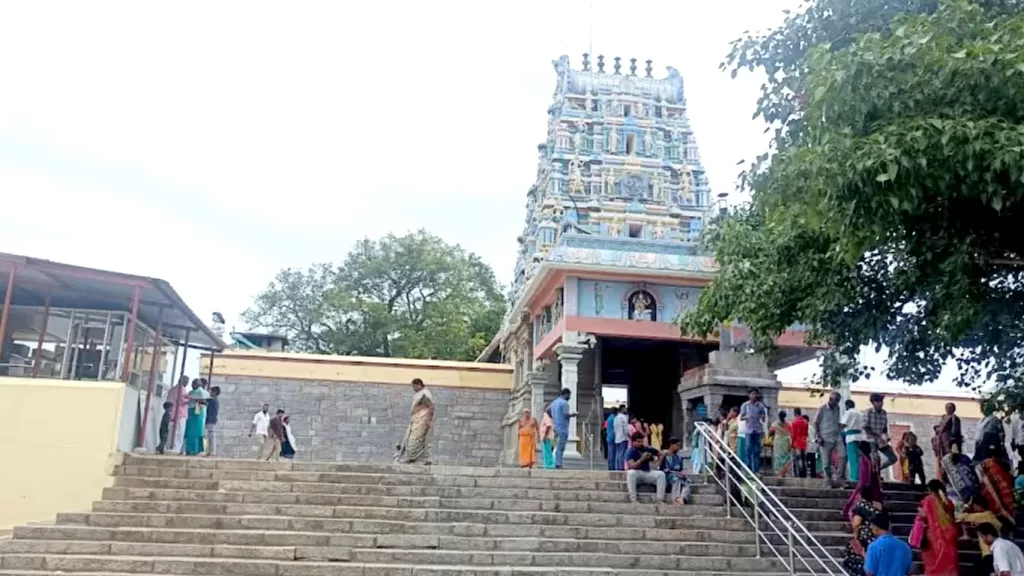
This is not a mere hill shrine; it is a holy place with a past that goes back millennia, a location where myths are not only retold but are believed to be part of the here and now. Each stone, each step, and each breath of wind bears whispers of the gods. Before we start our ascent, allow me to relate to you the stories, the myths, and the religious meaning of this unique site.
Sivanmalai Temple History: A Saga Inscribed in Stone
The origins of the Sivanmalai Murugan Temple are heavily rooted in the ancient past of the Kongu area of Tamil Nadu. In order to understand fully its significance, we need to look back across the ages. Although we no longer know the date of its establishment, archaeological findings and inscriptions indicate that this temple has been a place of devotion since the early centuries of the Common Era.
The hill itself, Sivanmalai, has been a sacred site long before the current structures were built. It is believed to have been a place of penance for great sages and Siddhars, who were drawn to its unique spiritual vibrations. The earliest known patrons of the temple were the Kongu Chieftains, who ruled this region and were great devotees of Lord Murugan. They are said to have constructed some of the first stone buildings and helped to popularize the temple.
In the medieval age, the temple was prosperous under the patronage of a number of powerful dynasties. The Vijayanagara Empire, which ruled much of South India from the 14th to the 16th centuries, left its imprint here. Inscriptions inscribed on the walls of the temple extol their efforts in its enlargement and restoration, such as in the construction of several mandapams and gopurams. The Nayaka kings of Madurai also patronized the temple after them, and its upkeep and glory were ensured.
The temple’s venerability is further attested to by its reference in ancient Tamil poetry. The illustrious saint and poet Arunagirinathar, who was a 15th-century contemporary, has composed several lines of his sacred work, Thiruppugazh, in praise of this temple. He extols the splendor of Lord Murugan as the deity who rules over Sivanmalai through his divine elegance and majesty. This poetic evidence from one of the all-time great poets of the Murugan tradition is definitive proof of the temple’s historical and spiritual stature. Arunagirinathar’s hymns are not poems, though. They are a means of communicating with God, and his hymn of praise to the Sivanmalai Temple is a testament to its religious sanctity.
And even the name of the temple, Sivanmalai, is a statement. It is a sign that there exists Lord Shiva there, even though the main deity is his son, Murugan. It is a common and lovely aspect found in numerous South Indian temples, where the father and son are both worshipped in a single, harmonious space. The history of the temple is, thus, not one of a building but of an unbroken line of patronage, devotion, and faith that has maintained this holy hill over the centuries.
Read More>> Chelamattom Sreekrishna Swami Temple: Powerful Temple for Ancestors
The Legend of Sivanmalai: Divine Tales and Miracles
The pulse of the Sivanmalai Murugan Temple is that of divine myths. These are no fables; they are part of the collective psyche, handed down from generation to generation, fortifying the strong faith of the people. As I climb with you to the top, let me tell you some of these marvelous stories.
The most widely known legend, as recorded in the ancient work Sivanmalai Kuravanji, describes how the hill came to be. It is said that when Lord Shiva employed his mighty bow to annihilate the three cities in the heavens of the Asuras (demons), a portion of the bow snapped off and landed on the earth. This holy part of Lord Shiva’s weapon, filled with his divine power, transformed into the hill where we are today. This myth bestows the name Sivanmalai (Shiva’s Hill) upon the hill and is the reason why Lord Murugan, his son, built his home here.
Another stunning myth links the temple to the epic of Ramayana. As you are aware, when Lord Hanuman was instructed to bring the Sanjeevi mountain to save the life of Lakshmana, he carried it on his shoulders. It is considered that a small portion of this mountain detached itself and fell here. This is why the hill contains numerous medicinal and rare herbs and why the very atmosphere here is considered to have curative properties. They feel that going up the steps is not only a physical exercise but a spiritual exercise that will restore body and soul.
The temple is also connected to the life of a great devotee, Sadaichi Amman. She was a humble, devout woman who lived on this hill and devoted her entire life to fierce meditation and worship of Lord Murugan. Her devotion was such that she wished to go to Mount Kailash, the abode of Lord Shiva. In her dream, Lord Murugan had appeared before her and vowed that he along with his whole family would visit Sivanmalai to bless her, sanctifying the hill as much as Kailash. She became one with the divine after this vision of the divine. Now, a miniature idol of Sadaichi Amman is placed close to the central sanctum, and she is worshipped for her unshakeable faith.
Her spiritual aura is also closely linked with the 18th step of the temple, called the Sathya Padi or the “Step of Truth.” This step, for centuries, was a site where local quarrels were resolved. Individuals would stand on this step and vow to the truth, lest they incur the anger of Sadaichi Amman if they were to tell lies. The tradition emphasizes the temple’s function not only as a place of worship but as one that serves as a moral beacon for society.
The Unique Cultural, Spiritual, and Mythological Importance
The Sivanmalai Murugan Temple is also close to the heart of the devotees, not only due to its history and myths, but its deep cultural and spiritual relevance. It is one of the three most revered hill temples of Lord Murugan in the Kongu area, with Chennimalai and Marudamalai being the other two. Together, they form a trinity that is believed to emit a strong spiritual energy which cleanses the entire region.
Spiritually, the hill is regarded as a point of great power and communication from God. The accompaniment of Lord Murugan along with his two wives, Valli and Deivanai, indicates the combination of Ichha Shakti (the desire power), Kriya Shakti (the action power), and Jnana Shakti (the knowledge power). This heavenly trinity bestows on devotees all three qualities of a complete life. For most people, a trip to the Sivanmalai Murugan Temple is a means of asking for blessings for good education, a happy wedded life, and a prosperous life.
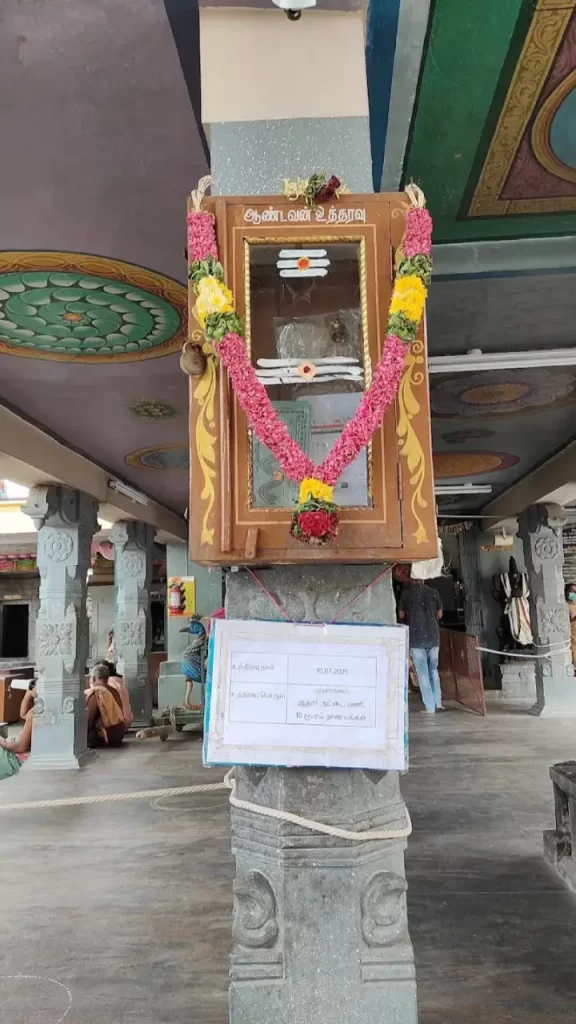
The most striking and discussed aspect of this temple is the Andavar Utharavu Petti, or “The Lord’s Command Box.” This is a wooden box of considerable size with a glass front that sits in a commanding position in the main mandapam of the temple. The belief is that Lord Murugan himself will manifest in the dream of a select devotee and command him to put a particular object within this box. The devotee will then go to the temple priests, who attesting to the divine order put a red and white flower on the idol of the Lord. The red flower falling is taken as the command having been accepted.
The item left in the box is said to be a prediction of what the world or the area will be like in the future. For instance, some years ago, a gun was left in the box, and shortly afterward, there were incidences of disturbance and war in other parts of the world. Then, when a padlock was left, it was said to be an indicator that gold prices would rise. This wonderful tradition makes the Sivanmalai Murugan Temple a site where the divine directly speaks to humankind, giving us a glimpse of the future. It inspires awe and abiding faith in the might of the divine.
This unique belief marks the Sivanmalai Temple as apart from the majority of other temples. It is a site where faith is not ritualistic but an ongoing, living conversation with the divine.
Read More>> Basara Gnana Saraswati Temple
Distinct Architectural Forms and Carvings
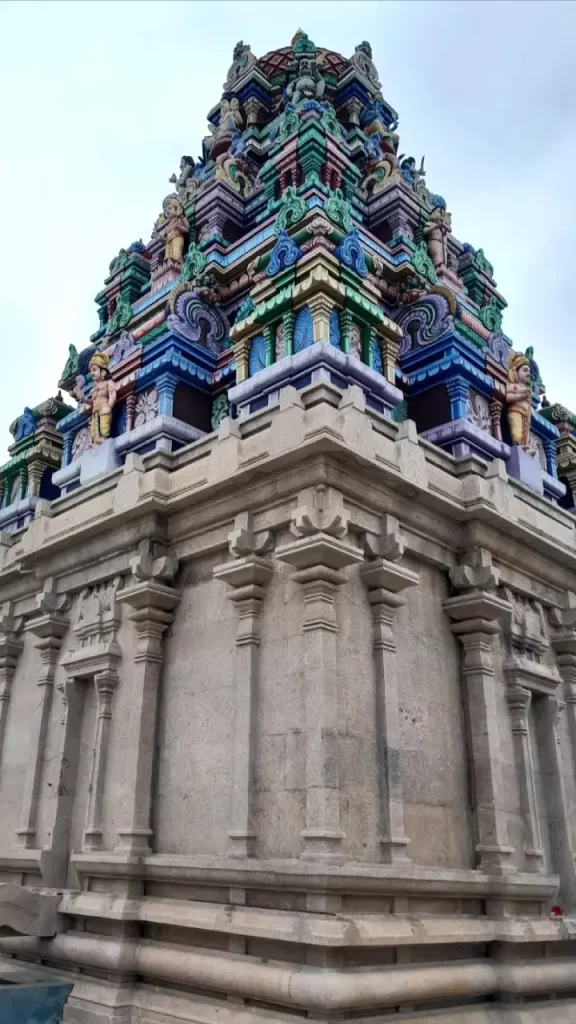
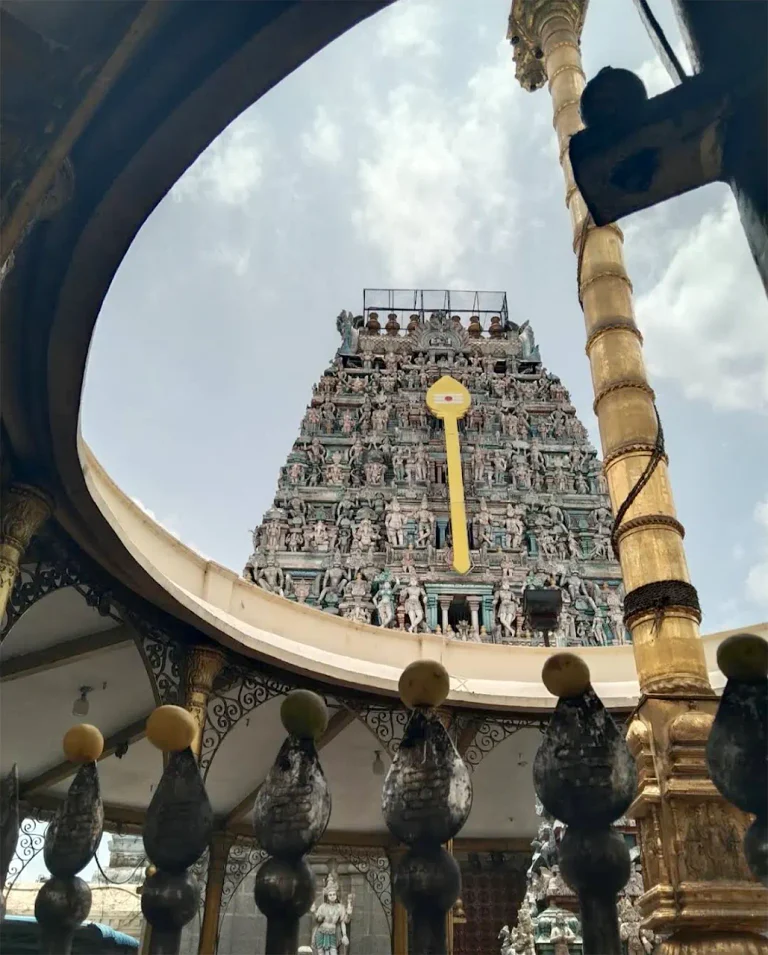
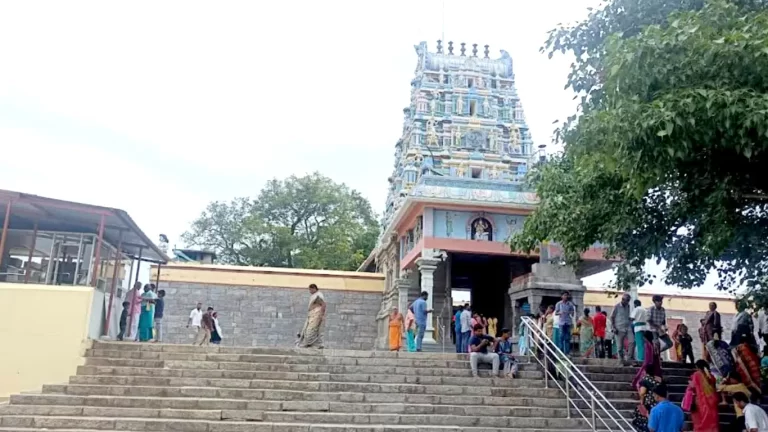
As we approach the top of the hill, you will be amazed at the architectural splendor of the Sivanmalai Murugan Temple. The temple is a classic example of traditional Dravidian architecture, with a stunning Rajagopuram (the chief gateway tower) at the end of the hill road. The tower, while not as high as those found in bigger temples, is an awe-inspiring work of artistry, covered with exquisite stucco sculptures of different gods and mythological creatures.
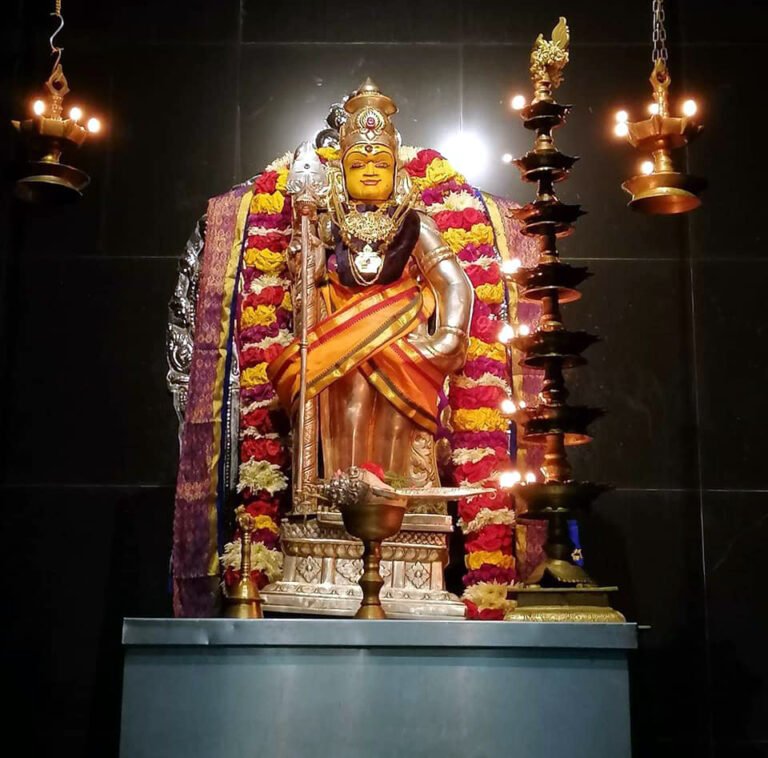
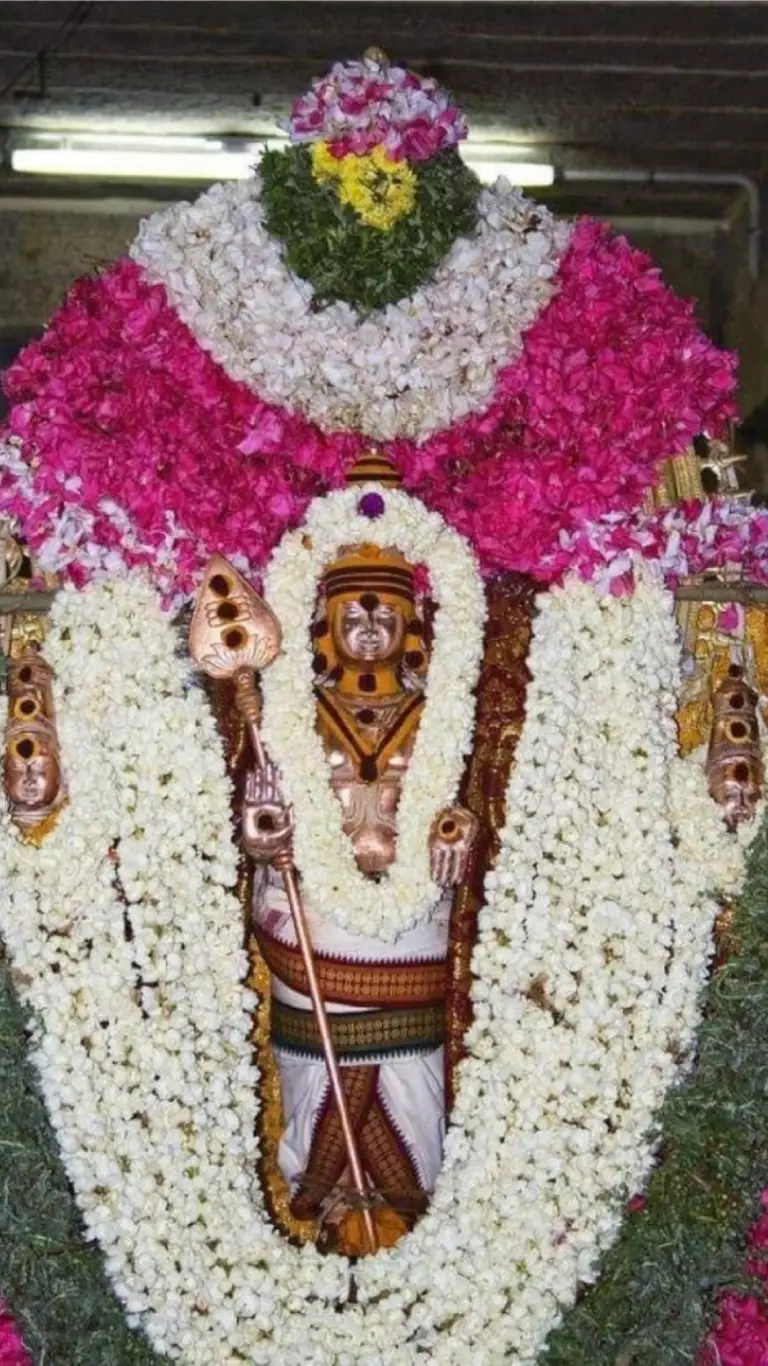
The temple complex is constructed of granite stone, a reflection of the craftsmanship and endurance of the ancient era. The sanctum sanctorum where Lord Murugan enthrones is encircled by a peaceful prakaram (courtyard). The image of Lord Murugan here is referred to as Dandapani, a manifestation in which he is holding a staff, a reflection of his status as a guru. He stands tall and majestic, and merely gazing at him fills your soul with tranquility.
One of the most distinctive and lovely architectural elements is the shrine of the Navagrahas, the nine planetary gods. In most temples, the Navagrahas are placed in a particular pattern, but here at Sivanmalai Murugan Temple, all nine gods are placed in one straight line, looking towards the central sun god. This special setup is said to be very auspicious and energetic. Worshipping at this specific shrine is claimed to counteract all adverse planetary influences, providing a strong remedy for astrological issues.
The temple itself is also adorned with exquisite carvings on its pillars and walls. The carvings show scenes of the lives of Lord Murugan, Lord Shiva, and other gods, and they are a visual record of the Puranas. You can spend hours looking at the intricate work and hearing the stories behind it. The whole temple, from the footings to the spires, is a masterpiece and a record of the unshakeable devotion of its creators.
Myths and Beliefs: The Pulse of Sivanmalai Murugan Temple
Behind the sweeping legends, the Sivanmalai Murugan Temple is a rich brocade of smaller myths and beliefs woven into the daily lives of the people in and around it. One such precious belief is that of the Sivanmalai Murugan Temple’s healing powers. As noted, the linkage to the Sanjeevi Parvatham hill of herbs has many believing that the air, earth, and water on the hill possess medicinal qualities. It is on this hill that people pray for their own ailments and for the health of those dear to them and depart with renewed hopes and energies.
Another prevalent belief surrounds the relation of the god to his followers. The tale of Sadaichi Amman and her final divine marriage is a strong symbol that even devotion, no matter the social class, can bring salvation. This belief renders the Sivanmalai Temple a beacon of hope for everyone. The temple also enjoys a robust image for granting the desires of those praying for a child. Devotees conduct special abhishekams and prayers, and most of them visit the temple with their children to express gratitude to Lord Murugan.
The Sivanmalai Murugan Temple is also believed to be a lucrative site for attaining prosperity. Farmers from nearby agricultural fields visit the temple frequently to seek a bountiful harvest. They take their tools and animals to the temple and have them blessed. This association with the people and the earth also indicates how the temple serves as a guardian and a giver for the community, again supporting the credence that Lord Murugan is a god of war but also an understanding giver of essentials in life.
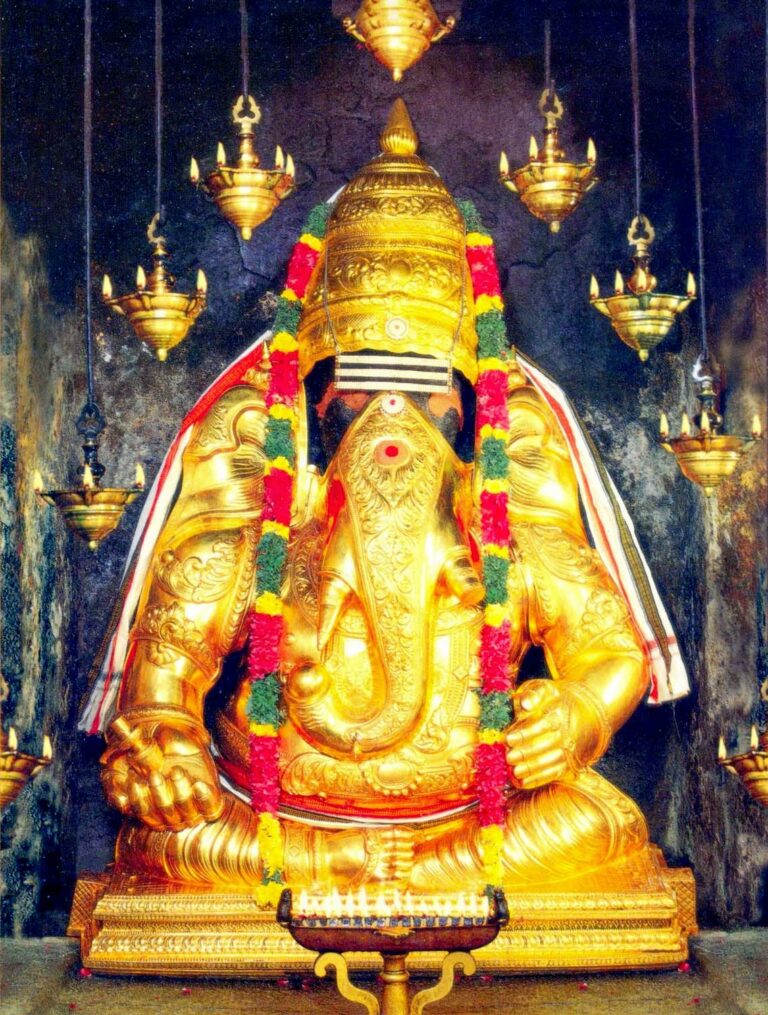
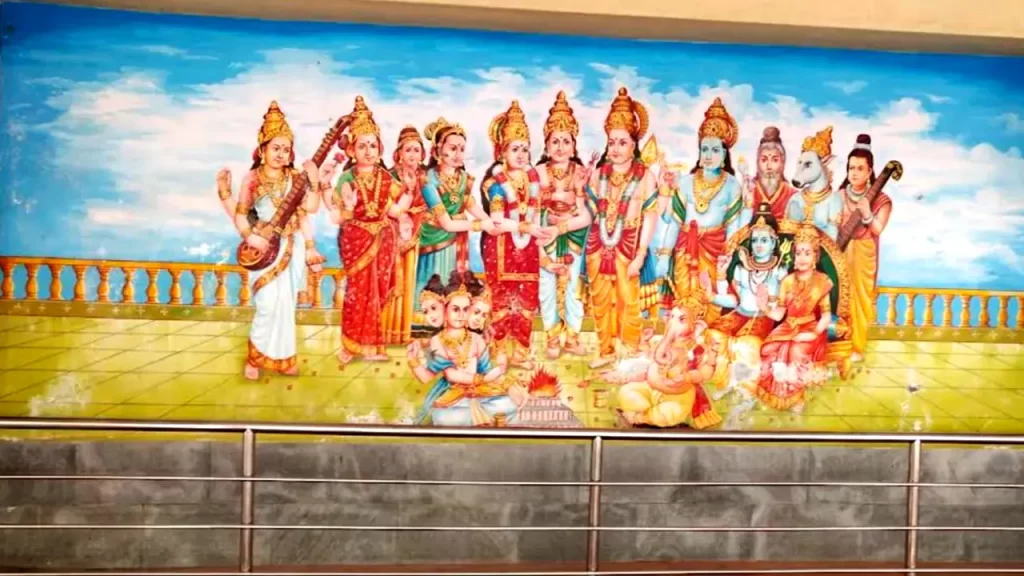
The myth that Lord Ganesha does the first pooja of the day is a special and charming one. According to it, Lord Ganesha, the elder brother of Lord Murugan, visits the temple daily to do the first pooja before the priests wake up. It indicates the affectionate relationship between the two brothers and a bit of charm and divinity to the daily rituals at the temple.
Read More>> Thiruvidaikazhi Murugan Temple: Remove Sins of Even the Gods
Festivals and Festive Days: A Dazzling Celebration of Faith
The Sivanmalai Murugan Temple is a festival center per se, and attending its festivals is a memory you will always treasure. The temple comes alive on its big festivals with thousands of devotees from around the globe.
The most significant festival is Thai Poosam, which falls during the Tamil month of Thai (January-February). It is a 18-day celebration, ending on the full moon day with the sacred Poosam star. Throughout the festival, the utsavar (processional deity) of Lord Murugan, resplendent in garlands and jewels, is taken on a grand wooden chariot. The procession goes through the streets of Kangeyam, and the chariot is pulled by the devotees with religious fervor and enthusiasm. The atmosphere resonates with the melody of folk music, the chant of “Muruga, Muruga,” and the rhythmic sound of drums. It is a breathtaking scene to behold. Kavadi (ceremonial offering) is carried by devotees as an expression of penance and thanksgiving.
Another important festival is that of Kandha Shasti during the Tamil month of Aippasi (October-November). This six-day festival is celebrated to commemorate the triumph of Lord Murugan over the demon king Soorapadman. The temple conducts special rituals and poojas, such as a reenactment of the battle dramatically. The culmination of the festival is the Soorasamharam (killing of the demon), which is a devotional and theatrical event that attracts large crowds. The mood is filled with an intense feeling of divine triumph and righteousness.
Karthigai Deepam is another breathtaking festival. It comes during November and December in Karthigai month. Thousands of little clay lamps are put all over the hill and the entire temple complex. The spot, glowing as if ‘ignited’ during nightfall, is simply mind-blowing. It is a celebration of divine light of Lord Shiva and Murugan.
The Sivanmalai Murugan Temple too experiences a large influx of pilgrims on Tuesdays and Fridays, and on the Shasti (sixth day from the new moon) and Kiruthigai (the star of Lord Murugan) days every month. These are very sacred days for praying to Lord Murugan. If you wish to visit the temple at its busiest and most active, go on a festival day. If you like a more serene visit for quiet contemplation, I would suggest going during a non-festival weekday.
Sivanmalai Temple Timings and Daily Rituals
The daily routine of the temple is adhered to with great care, with sacred rituals and poojas being performed all day long. It’s a reflection of the zeal of the temple priests and the nature of the shrine.
The routine opening timings of the Sivanmalai Murugan Temple are 6:00 AM to 12:00 PM and 5:00 PM to 8:00 PM. Yet, I always recommend that pilgrims inquire about any alterations in timings, particularly on festive occasions or special days.
The principal poojas are conducted at fixed timings:
Ushakkala Pooja (Morning Pooja): This is the day’s first pooja, done at 6:00 AM. As I told you, people believe this pooja is ritually invoked by Lord Ganesha himself.
Kalasandhi Pooja: Done at 8:30 AM, this is the major morning pooja, in which special hymns are sung and offerings are offered.
Uchikkala Pooja (Mid-day Pooja): At 11:30 AM, this is the most elaborate pooja before the temple reopens for the afternoon.
Sayaraksha Pooja (Evening Pooja): Conducted at approximately 5:30 PM, this pooja signifies the reopening of the temple for the night.
Rakaala Pooja (Night Pooja): The last pooja of the day, conducted at approximately 7:30 PM, in which the deity is put to rest.
Attending any of these poojas is an experience spiritually enriching. The chanting of mantras, the synchronized ringing of bells, and the scent of incense all contribute to a deeply meditative ambiance.
Read More>> 3BCE Pathala Sembhu Murugan Temple: Underground Copper Pot
Frequently Asked Questions (FAQs) About the Sivanmalai Temple
Many people have questions before they plan their pilgrimage, and I’ll be happy to answer some of the most common ones about the Sivanmalai Murugan Temple.
Q: Is there an entry fee to visit the Sivanmalai Temple?
A: No, there is no entry fee to visit the temple. It is open to all devotees. However, you can make voluntary donations or purchase special pooja tickets for specific rituals.
Q: How many steps are there to climb to the Sivanmalai Temple?
A: There are approximately 496 steps to reach the top. It’s a moderately easy climb for most people. For those who can’t climb, there is a two-kilometer paved road that allows vehicles to reach the summit.
Q: Is the Andavar Utharavu Petti a real thing, and does it still happen?
A: Yes, it is a very real and a deeply beloved tradition at the Sivanmalai Murugan Temple. The ritual of receiving a divine mandate and putting something in the box still occurs on a regular basis, reaffirming the beliefs of thousands of devotees.
Q: Are there any special offerings I can make to Lord Murugan here?
A: You can gift garlands, fruits, and flowers. Special items such as milk for abhishekam are also quite sought after. You can give a kavadi if you are performing a penance.
Q: What is the ideal time of year to travel to the Sivanmalai Murugan Temple?
A: Winter months, November to February, are the most comfortable with mild weather. If you want to see a grand festival, timing your visit in Thai Poosam or Kandha Shasti would be best.


Hindu Places to Visit Near the Sivanmalai Murugan Temple
The Kongu country is full of spiritual landmarks. Your trip to the Sivanmalai Temple can be a part of a bigger pilgrimage to other temples in the region that hold significance.
Arulmigu Magudeswarar Swamy and Arulmigu Veeranarayana Perumal Swamy Temple, Kodumudi: Approximately 45 km from Kangeyam, this temple stands out in the sense that it has both Lord Shiva and Lord Vishnu residing within the same compound. It is a lovely temple by the Cauvery River.
Chennimalai Murugan Temple: It is situated in the vicinity of Erode and is another significant hill temple of Lord Murugan. The vel (spear) of Murugan is said to have been fabricated here.
Marudamalai Murugan Temple: It is one of the most popular hill temples of Tamil Nadu and can be found in the vicinity of Coimbatore. It is a point of must-visit for every follower of Lord Murugan.
Aravakurichi Kasi Viswanathar Temple: With its rich history and exquisite architecture, Shiva temple is a peaceful and tranquil location to enjoy.
Tiruppur Tirupati Temple: Devotees of Lord Vishnu can find a replica of the popular Tirupati temple’s spirituality in this temple.
Adding these temples to your itinerary will provide you with an in-depth understanding of the rich spiritual heritage of the area.
Read More >> Bhakta Kannappa Temple Srikalahasti
Pilgrim and Tourist Accommodation Options
Though the Sivanmalai Temple itself is a peaceful hill temple, the surrounding towns provide ample choices for your stay.
Kangeyam: Being the closest town, Kangeyam has a number of inexpensive lodges and hotels with basic facilities and a good night’s sleep. You have options like:
- Hotel Lakshmi Towers
- Gayathri Hotel & Lodge
- S.P.R. Residency
Tirupur: If you need more choices and improved facilities, you may stay at Tirupur, which is 20 km from there. Being a big city, it has all levels of hotels right from budget to mid-range.
- Hotel Le Royal Park
- The Fortune Grand
- Poppys Tower
Erode: Approximately 40 km away from the temple, Erode too has an assortment of hotels and is worth choosing if you intend to see other temples in the direction.
- Hotel Radha Prasad
- Hotel K.S.V.
- Hotel Atrium
It is best to stay at Kangeyam for the sake of being near the temple, but if you want a little more luxury and greater variety in dining options, then Tirupur would be the best choice.
Reaching the Sivanmalai Murugan Temple
The temple is easily accessible, courtesy the well-established transportation infrastructure in Tamil Nadu.
By Air: The closest airport is Coimbatore International Airport (CJB), which is around 75 km from the destination. You can directly hire a taxi from the airport to the temple or take a bus to Tirupur and further to Kangeyam.
By Train: The closest important railway station is Tirupur, which is 20 km away. Tirupur is well connected to all major cities of India. From the railway station, you can get a local bus or a taxi for Kangeyam.
By Road: The temple is located just off the National Highway 81 (NH 81) and hence accessible by road. Bus facilities are available from all major cities of Tamil Nadu, such as Chennai, Coimbatore, Erode, and Madurai, to the Kangeyam bus stand. Then one can hire an auto-rickshaw or travel by local bus to the base of the hill.
The drive itself is a lovely one, cutting across the green and fertile plains of the Kongu country. It’s a great way to get your mind and heart ready for the spiritual experience in store for you.
Conclusion
Our pilgrimage to the Sivanmalai Temple is at an end, but I hope the spiritual vibrations and the tales of this great shrine remain etched in your hearts forever. Sivanmalai Murugan Temple is a location where history, myth, and unshakeable devotion all meet to give a really heavenly experience. It’s a venue that reminds us that faith is more than blind faith but is a living, ongoing relationship with the divine.