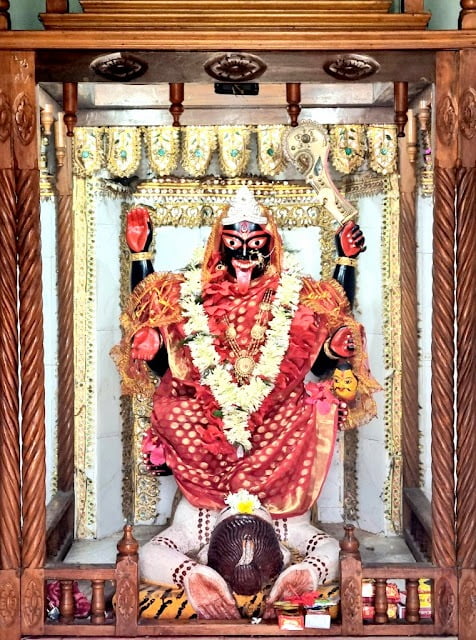
Kalmadhava Shakti Peeth Amarkantak
Kalmadhava Shakti Peeth, situated in the mythological hills of Amarkantak, Madhya Pradesh, is where myth becomes reality. It’s not a journey for the body, but a spiritual one. This article will be your guide, providing information on its history, myths, rituals, and all that you need to know to make your pilgrimage worthwhile.
The King of Pilgrimages
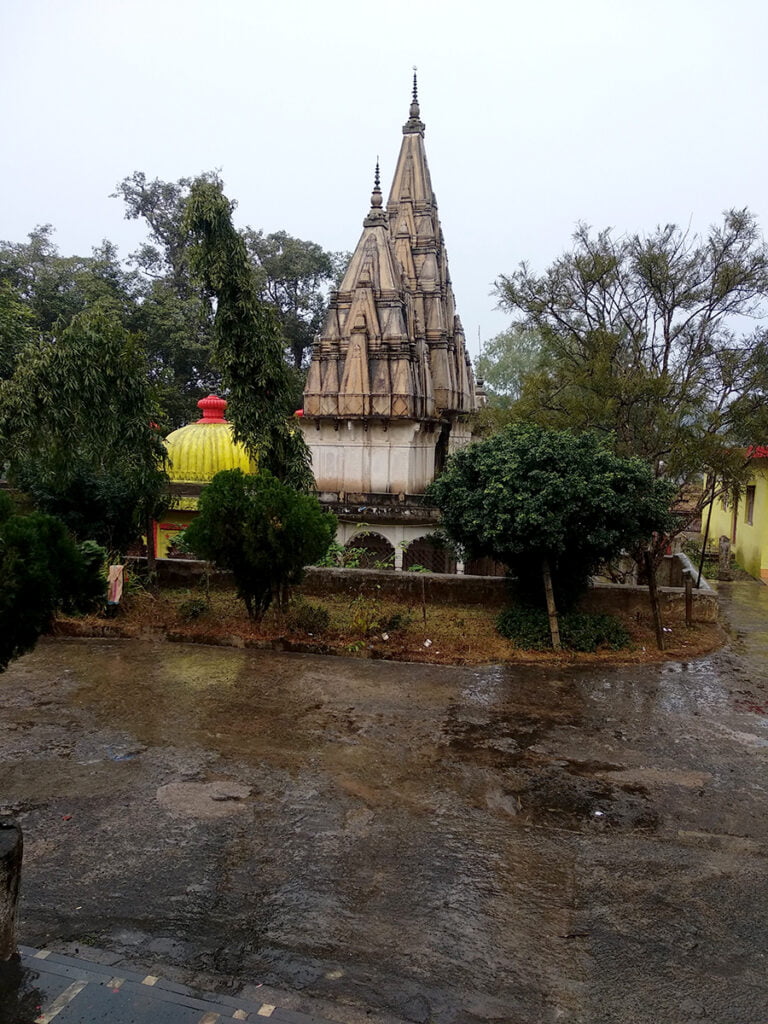
Amarkantak, also called “Tirthraj” or the “King of Pilgrimages,” is a town of great religious importance. It’s the singular intersection point of the Vindhya and Satpura mountain ranges and the origin point of three large rivers: the Narmada, the Son, and the Johilla. The town itself is a colorful mosaic of old temples, dense forests, and peaceful water bodies. But at its heart is the intense spiritual power of the Kalmadhav Shakti Peeth, a holy place that attracts pilgrims from across the globe.
This temple is one of the 51 Shakti Peethas, a collection of sacred places where, as per Hindu mythology, parts of Goddess Sati dropped when she immolated herself. Every Shakti Peeth is an intense whirlpool of divine power. The Kalmadhav Shakti Peeth Amarkantak is not only a unique destination due to its mythical origin but also due to the serene environment and the unparalleled faith of pilgrims. The area is also connected to the Gayatri Shakti Peeth, which is an area of immense spiritual energy in honor of Goddess Gayatri, thus adding more to Amarkantak’s position as a sacred center. The coexistence of these two potent energies renders Amarkantak a special and highly spiritual place.
History of the Kalmadhava Shakti Peeth
The history of the Kalmadhav Shakti Peeth is as ancient and multi-layered as the hills on which it is situated. Locals and Puranic writings indicate that this temple is more than 6,000 years old, with its genesis dating back to the era of Suryavanshi Samrat Mandhata. Through the ages, the temple has been a place of worship and a witness to the unrelenting devotion of the people. Although the precise details of its construction have been forgotten in the passage of time, it is held that the ancient Kalachuri dynasty, which governed the area, played a pivotal role in constructing and restoring many of the temples at Amarkantak, of which this one is an example.
The temple complex, especially the site surrounding the Narmada Udgam (the source of the Narmada river), has been an important place long enough. The fact that there are several Kalachuri temples in close proximity to each other, which are now protected by the Archaeological Survey of India (ASI), says a lot about Amarkantak’s stature as a religious and architectural hub. The white stone utilized in the temple’s construction, as well as the ponds around it, lends it an air of serenity and timelessness. The whole complex has an otherworldly feel, as if one is transported into a different era, with each stone serving as a witness to faith and devotion.
The temple’s importance is further enhanced by its connection to the greater divine geography of Amarkantak. Pilgrims have been visiting this place for millennia seeking salvation and the divine blessings. The Kalmadhav Shakti Peeth has been a beacon of hope and a source of fortification for generations upon generations.
Explore More>> Narmada Devi Shondesh Shakti Peeth
The Legend of the Temple: The Cosmic Dance of Sorrow
In order to appreciate the deep significance of the Kalmadhav Shakti Peeth, let us first read the rich and intense legend of the Shakti Peethas. The tale is a prime pillar of Hindu mythology and accounts for the creation of these divine sites.
The story starts with the son of Lord Brahma, King Daksha, and his daughter Sati. Sati was very much in love with the ascetic god Lord Shiva, but she did not get her father’s approval. Despite his displeasure, Sati married Shiva. This resulted in a serious rift between the father and son-in-law.
One day, King Daksha had a big yagna (a fire ritual) and invited all the gods and goddesses, but specifically did not invite Shiva and Sati. Sati, not being able to tolerate the slight to her husband, decided to visit the yagna uninvited. During the ritual, Daksha insulted Shiva publicly, and Sati, dismayed and angry, used her yogic powers and sacrificed herself in the sacrificial fire.
When Lord Shiva was informed of the ghastly news, he was overcome by an uncontrollable sorrow and anger. He rushed to the site, destroyed the yagna, and beheaded Daksha in his virulent form of Virabhadra. He then lifted Sati’s dead body and started the Tandava, the dance of destruction of the world, roaming the universe in his sorrow. The other gods, in fear of the destruction of the cosmos, called upon Lord Vishnu to step in.
Lord Vishnu, in a gesture of kindness, employed his Sudarshan Chakra to dismember the body of Sati into 51 pieces. Wherever the pieces dropped to the ground, they became a sacred Shakti Peeth. A temple was constructed at every such place to remember the fallen piece of body of the Goddess.
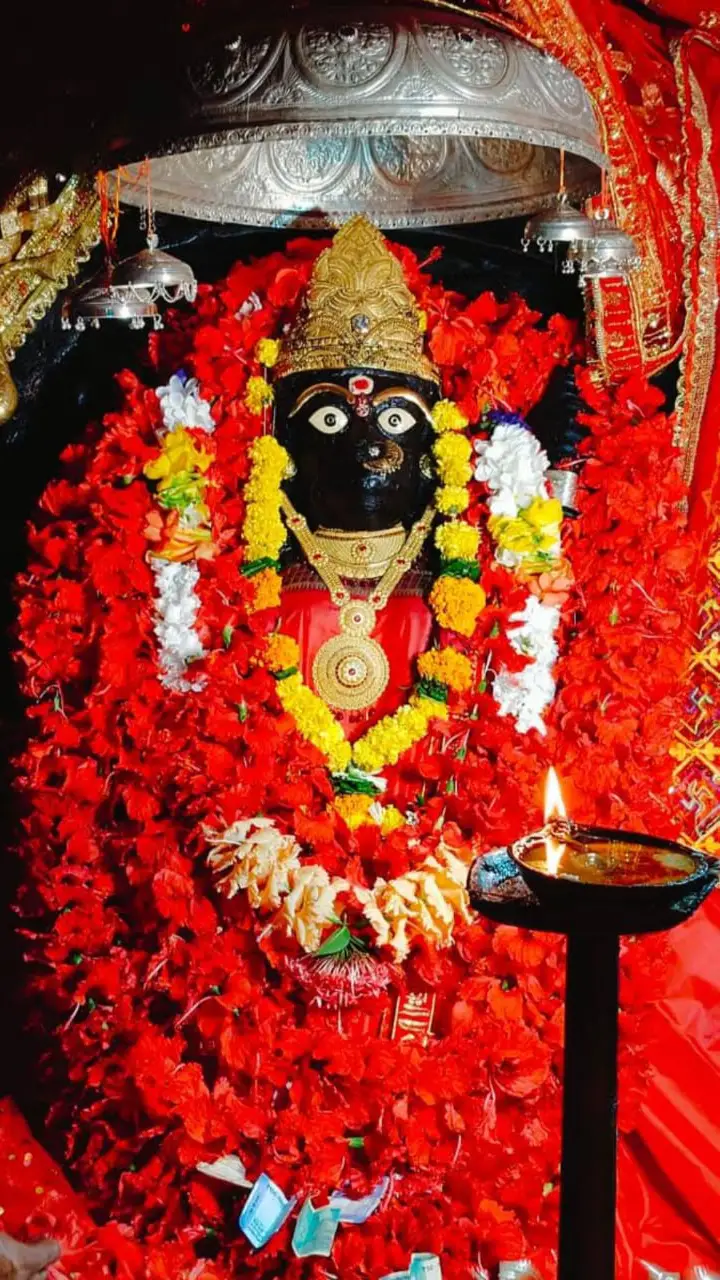
The Kalmadhav Shakti Peeth Amarkantak is said to be the place where the left buttock of Goddess Sati dropped. It is here that the Goddess is worshiped as Kali (or Kalmadhav), and Lord Shiva is worshiped as her consort, Asitanda (or Asitananda). It is the intense spiritual power of this place, sanctified by a portion of the divine mother’s body, which makes the Kalmadhav Shakti Peeth so highly revered.
This myth is a strong reminder of the intimate bond between Shiva and Shakti, the male and female forces that control the universe. It tells us why the sites are so powerful for spiritual exercises and why people make long journeys to be blessed by the divine mother.
Explore More>> Gandaki Shakti Peeth Muktinath Temple
Cultural, Spiritual, and Mythological Importance
The Kalmadhav Shakti Peeth is not merely a temple; it’s a point of convergence of cultural, religious, and mythological importance.
Culturally, the temple is a foundation of the community. It is a center of religious activity, social events, and maintenance of ancient customs. The priests and locals are a wealth of knowledge, and they tell wonderful stories and traditions that add value to the visitor’s experience. The temple’s white rock building, complete with intricate carvings and peaceful surroundings, is a representation of the artistic and cultural heritage of the area.
Spiritually, the temple is a strong hub for followers of Shakti. The worship of the divine feminine is at the heart of Hinduism, and the Kalmadhav Shakti Peeth offers a direct connection to this ancient power. Followers visit here to find salvation, healing from illnesses, intelligence, riches, and the satisfaction of wants. The belief here is that the Goddess in her fierce but compassionate manifestation as Kali bestows all favors upon her true devotees. The fact that the Gayatri Shakti Peeth is located close by, adds to the spiritual heritage of the surroundings since Gayatri is worshiped as the mother of the Vedas and personification of divine wisdom.
Mythologically, as explained, the history of the temple is also closely associated with the story of Sati and Shiva. It’s a living testament to this great story, providing pilgrims with an opportunity to connect with a tale that has influenced Hindu cosmology for centuries. The mix of the holy Narmada river and the fact that there is a Shakti Peeth here make Amarkantak a very unique and powerful site for spiritual practice.
The Puranas state that anyone who passes away in Amarkantak is assured a seat in heaven, a reflection of the town’s incredible sacredness. This conviction also highlights the importance of sites such as the Kalmadhava Shakti Peeth and the Gayatri Shakti Peeth in the overall scenario of Hindu pilgrimages.
Read More>> Manibandh Shakti Peeth Pushkar
Festivals and Special Days: A Symphony of Devotion
At the Kalmadhav Shakti Peeth, the mood is always one of devotion, but it reaches an all-time high at some of the festivals.
Navratri: This is perhaps the most significant festival to be observed at the temple. Throughout the nine nights of Navratri, the temple buzzes with activity. Thousands of devotees throng to the temple to pray and take part in special rituals performed in honor of Goddess Durga, in whose powerful form Kali is considered to be. The temple is gorgeously adorned with lights and flowers, and the environment is filled with the recitation of mantras and the rhythmic ringing of bells. If you visit during this time, be prepared for large crowds, but also for an incredibly vibrant and spiritually uplifting experience.
Narmada Jayanti: Since it is the origin of the sacred Narmada river, Amarkantak observes Narmada Jayanti with utmost zeal. Although the principal celebrations revolve around the Narmadakund, religious fervor takes over the whole town, including the Kalmadhav Shakti Peeth. Pilgrims perform a sacred bath in the river and pray to the river goddess. The whole area bristles with religious processions and cultural events.
Daily Rituals: The temple daily rituals are something to witness.
The temple opens early in the morning for the mangala aarti and stays open till late in the evening. A series of pujas and aartis are conducted throughout the day by the temple priests. Devotees are free to give their own prayers, do Abhishek (sacred bathing of the deity), and present flowers, fruits, and sweets as offerings. The ideal time to visit and eschew the most congestion on a regular day is early in the morning. But expect an enigmatic and serene experience on any ordinary day.
Unique Architectural Styles and Carvings
The architecture of the Kalmadhav Shakti Peeth is elegant but simple, echoing Amarkantak’s natural and spiritual mood. The temple is mainly made of white rock, lending it a clean and eternal look. The design is an excellent example of ancient Hindu temple architecture, with a sanctum sanctorum containing the central deity and an arena for circumambulation around it.
Noticeable are the detailed carvings that decorate the pillars and walls of the temple complex. Without the exact information of a specific school of architecture, the style reminds one of the Kalachuri era, which is characterized by elaborate sculptures and superior craftsmanship.
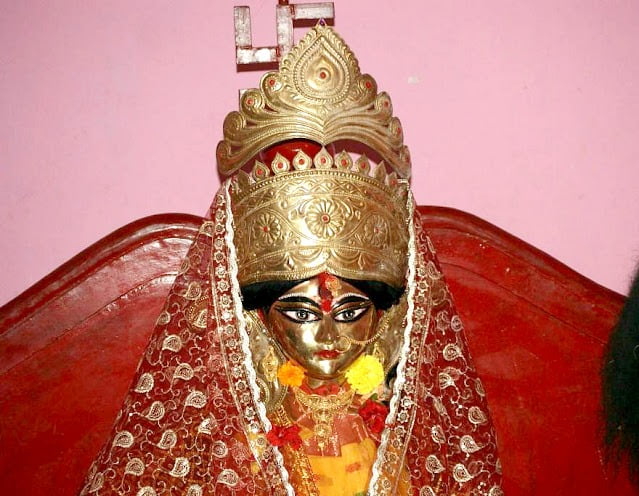
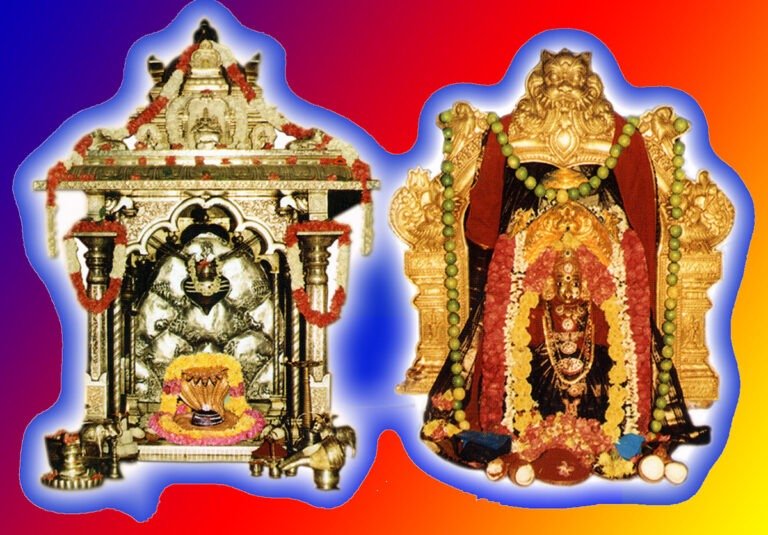
The carvings tend to feature a number of deities, mythological incidents, and floral designs. The central altar within the temple, upon which the goddess of Goddess Kali sits, is elegantly covered, and the idols of the goddesses are bedecked with resplendent mukuts (crowns). The platform where the idols sit is usually constructed of silver, enhancing the majesty of the inner sanctum. The availability of ponds and water bodies surrounding the temple adds to its scenic beauty, turning it into a site of spiritual and aesthetic delight. The architectural aspect of the Kalmadhav Shakti Peeth is a reflection of the zeal and craftsmanship of those who constructed it.
Myths and Beliefs
Amarkantak is a land where myth and faith are intricately interwoven into the very texture of everyday life. The Kalmadhav Shakti Peeth is at the core of most of these.
The Goddess’ Power: The pilgrims are sure that going to the Kalmadhav Shakti Peeth and praying to Goddess Kali with sincere devotion will grant them all that they want. Whether it is for good fortune, wealth, business success, or knowledge, the Goddess is said to bestow her blessings on all who approach her with an open heart.
Her form as Kali, the fierce form of the Goddess, is not to be feared, but rather to be revered as a defender of righteousness and destroyer of evil and ignorance. The connection of this location to the Kalmadhav Shakti Peeth and the Gayatri Shakti Peeth imbues it with a level of unimaginable power, representing both the violent and kind sides of the divine.
The Two Shakti Peethas: Another interesting belief surrounding Amarkantak is that it remains the sole location in India where two Shakti Peethas exist within proximity. Whereas the Kalmadhav Shakti Peeth is where the left hip of Sati fell, the Narmada Udgam (Narmada origin) is also a Shakti Peeth, where the right hip of the Goddess fell. This odd set of circumstances makes Amarkantak all the more potent pilgrimage destination.
The Divinity of Amarkantak: As stated above, everyone has a firm belief that Amarkantak is the residence of gods, and whoever dies here is assured to reach heaven. This one is based on the Puranas, which reinforces the divinity of the whole place. The existence of such a divine Shakti Peeth as Kalmadhav Shakti Peeth reinforces this conviction and makes it a place of longing for spiritual people.
Temple Timings and Busy Days
To assist you in planning your trip, following are the approximate temple timings and a few suggestions on when to anticipate crowds.
Temple Timings: The Kalmadhav Shakti Peeth typically opens early morning, around 6:00 AM, and closes in the evening, roughly at 8:00 PM. It is always advisable to verify with local sources or the temple administration for any changes in timings.
Crowded Days: Generally, the temple is busier on weekends, public holidays, and during major festivals such as Navratri and Shivaratri. If you would rather experience a quieter and more serene atmosphere, then visit on a weekday morning. If you wish to experience the lively energy and festival atmosphere, however, a visit during Navratri is mandatory.
The fact that there are two Shakti Peeths here, the Kalmadhav Shakti Peeth and the Gayatri Shakti Peeth, draws many pilgrims year-round, so a feeling of crowded devotion is to be expected.
Tourist Spots Near the Temple
Your pilgrimage to Amarkantak is not complete without a visit to the other places of importance nearby. Amarkantak is a temple’s paradise and nature’s wonderland, and here are a few you should not miss:
Narmadakund and Temples: This is the hallowed source of the Narmada river, a place of abiding reverence. The complex has some tiny temples and a kund (water tank) in which pilgrims bathe holily. Mai ki Bagiya (Mother’s Garden): A tranquil and lovely garden devoted to Goddess Narmada. It is said to be the spot where the Narmada river initially began as a little stream.
Kapildhara Waterfall: It is named after the sage Kapil, said to have meditated here. This lovely waterfall is a sight for sore eyes. It is a short walk from the Narmadakund and is a peaceful retreat into nature. The Kalmadhav Shakti Peeth is in a lovely natural environment, and a trip to Kapildhara serves to strengthen this bond with nature.
Jwaleshwar Mahadev Temple: Situated a few kilometers from here, this temple is of Lord Shiva and another important pilgrimage destination. It is said that a portion of the power of Lord Shiva, who defeated a demon, came here, and the famous shrine was born.
Sonmuda: This is where the Son river, a tributary of the Ganga, originates. The scenery at Sonmuda is breathtaking, with a panoramic view of hills and forests in the area. The sanctity of the site is due to the divine origin of the river, further adding to the spiritual presence of the Kalmadhav Shakti Peeth and the area in general.
Shri Yantra Mandir: A one-of-a-kind and contemporary temple with an interesting architectural style inspired by the Shri Yantra, an esoteric geometric figure. It is worth a visit for its uncommon structure as well as spiritual value.
Accommodation Options
There are various accommodation facilities available in Amarkantak to meet every budget, ranging from humble guesthouses to more luxurious resorts. Most hotels are within walking distance of the main temple site.
Some popular options include MPT Holiday Homes and Hotel Amarkantak Inn, which offer comfortable stays and are well-regarded by tourists.
For a more rustic experience, there are also a number of ashrams and dharamshalas that provide simple and affordable lodging for pilgrims.
It is advisable to book your accommodation in advance, especially during the peak season and festival times, to ensure a comfortable stay.
How to Reach the Temple
Access to Amarkantak, and then the Kalmadhav Shakti Peeth, is quite easy. The town has excellent road connectivity, and there are a range of air, rail, and road options.
By Air: The closest airports are in Jabalpur (about 228 km from Amarkantak) and Raipur (about 230 km from Amarkantak). On arrival at the airport, you can take a taxi or bus to Amarkantak.
By Train: The nearest railway stations are Pendra Road (approximately 42 km) and Anuppur (around 48 km away). Anuppur is usually considered a more convenient option. Local transport such as taxis or buses from the railway station is easily available to reach Amarkantak.
By Road: Amarkantak is well-linked by state and national highways. Regular bus services connect major cities in Chhattisgarh and Madhya Pradesh like Jabalpur, Bilaspur, Shahdol, and Rewa. The road journey is scenic with picturesque views of hills and forests all around.
Local Transport: After reaching Amarkantak, you can find local transport in the shape of rickshaws and taxis to reach the different temples and tourist attractions.
Popular Questions about Kalmadhava Shakti Peeth Amarkantak
Lastly, I would like to discuss some of the most popular questions and concerns that people usually ask about this holy site.
Is Kalmadhava Shakti Peeth an accepted Shakti Peeth?
Yes, the Kalmadhava Shakti Peeth is a well-accepted one among the 51 Shakti Peethas. The acceptance of Goddess Sati’s left buttock having fallen here is at the heart of its mythology and thus it is one of the important places for Shakti bhaktas.
What is Gayatri Shakti Peeth’s importance in Amarkantak?
Though the Kalmadhava Shakti Peeth is the most popular Shakti Peeth in Amarkantak, the town also features a temple for Goddess Gayatri, commonly known as Gayatri Shakti Peeth. This temple is a pilgrimage center for followers of Goddess Gayatri, which is the personification of the divine Gayatri Mantra. The coexistence of these two energies in the same town makes Amarkantak a rare merger of feminine divine energy.
Are there other Shakti Peethas in Madhya Pradesh?
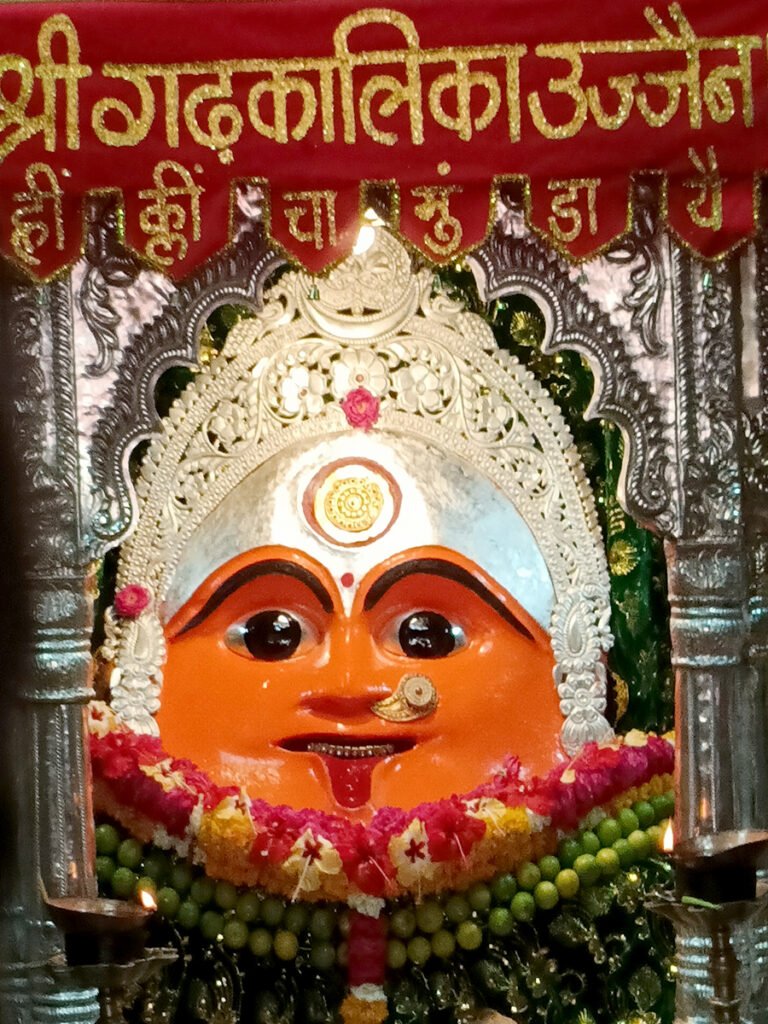
Yes, there are a few other Shakti Peethas found in Madhya Pradesh. The Mahakali Shakti Peeth in Ujjain and the Sharada Peeth in Maihar are also very sacred places. A combined pilgrimage tour of these locales, including the Kalmadhav Shakti Peeth, is a very sought-after pilgrimage circuit.
What are the special rituals in the temple?
Apart from the usual pujas, the temple has special rituals during Navratri. Special fasts and special prayers are performed by several devotees in front of Goddess Kali. The surroundings are filled with hymn chanting and a feeling of extreme devotion.
How can I make my visit more meaningful?
To make your visit to the Kalmadhav Shakti Peeth a truly meaningful experience, I would suggest a few things:
- Spend some time in quiet contemplation. The peaceful atmosphere is perfect for meditation.
- Talk to the local priests and guides. Their knowledge of the temple’s history and legends is invaluable.
- Attend the daily aarti if possible. The experience is very emotional.
- Walk around the temple complex and the Narmadakund. The combination of spiritual energy and natural beauty is so special.
I hope that this guide has provided you with a glimpse into the sacred spiritual realm of Amarkantak and the mighty Kalmadhava Shakti Peeth. May your travels be blessed and filled with a deep peace. I look forward to leading you once again on your next adventure!