Karpaga Vinayagar Temple – 5th CE Pillayarpatti Vinayagar
Karpaga Vinayagar Temple in the picturesque village of Pillayarpatti, Tamil Nadu. It is more than a temple; it’s a living, breathing example of devotion, an engineering marvel of rock-cut sanctity, and a haven where dreams are allegedly fulfilled.
As your guide, I’ll guide you through the rich history of the temple, its enchanting legends, and the deep spiritual meaning it embodies. You’ll be there with me, hearing the sounds of prayer and temple bells ringing out. We’ll take in everything from its interesting architecture to when to go and what to do in the area, all to make you experience all the enchantment of this holy site. So let’s set off on our journey to the home of the wish-granting Lord Vinayagar, otherwise Pillayarpatti Vinayagar.
The Home of the Wish-Fulfilling God
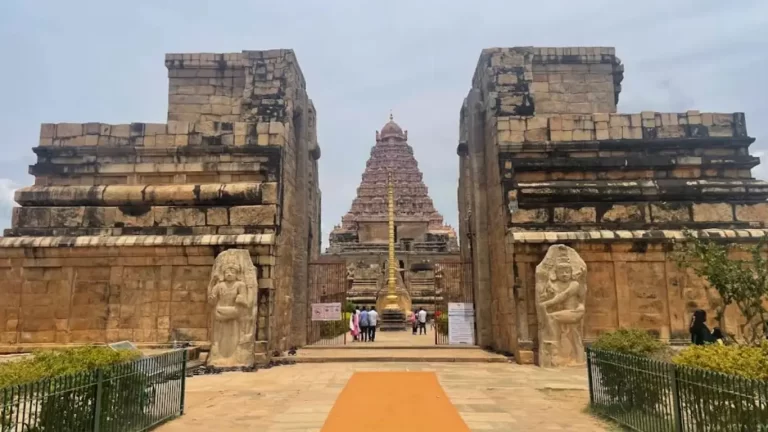
It is here in the Sivaganga district of Tamil Nadu that the trip to the Karpaga Vinayagar Temple starts. The name itself of this village, Pillayarpatti, is a testament to its main deity, Pillayar being the Tamil name for Lord Ganesha. Situated on the eastern side of a rocky hillock, the temple is peacefully located, an atmosphere that at once soothes your mind. As you get closer, the tall gopurams (temple towers) greet you with their colorful carvings, a promise of what lies inside.
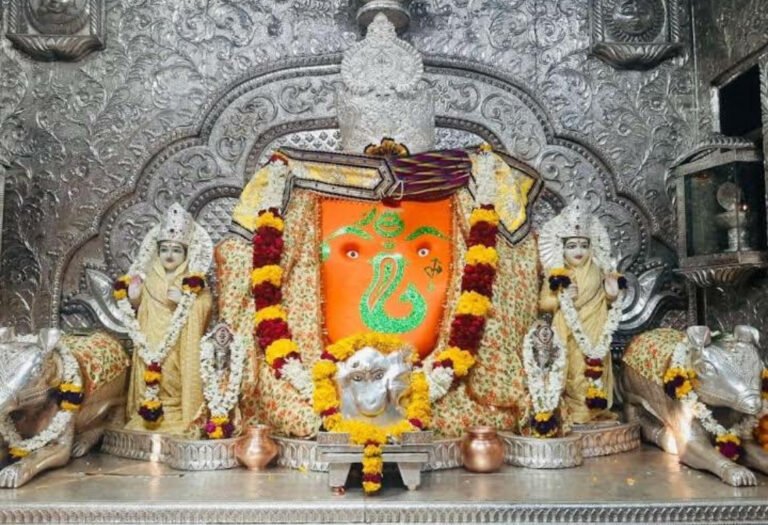
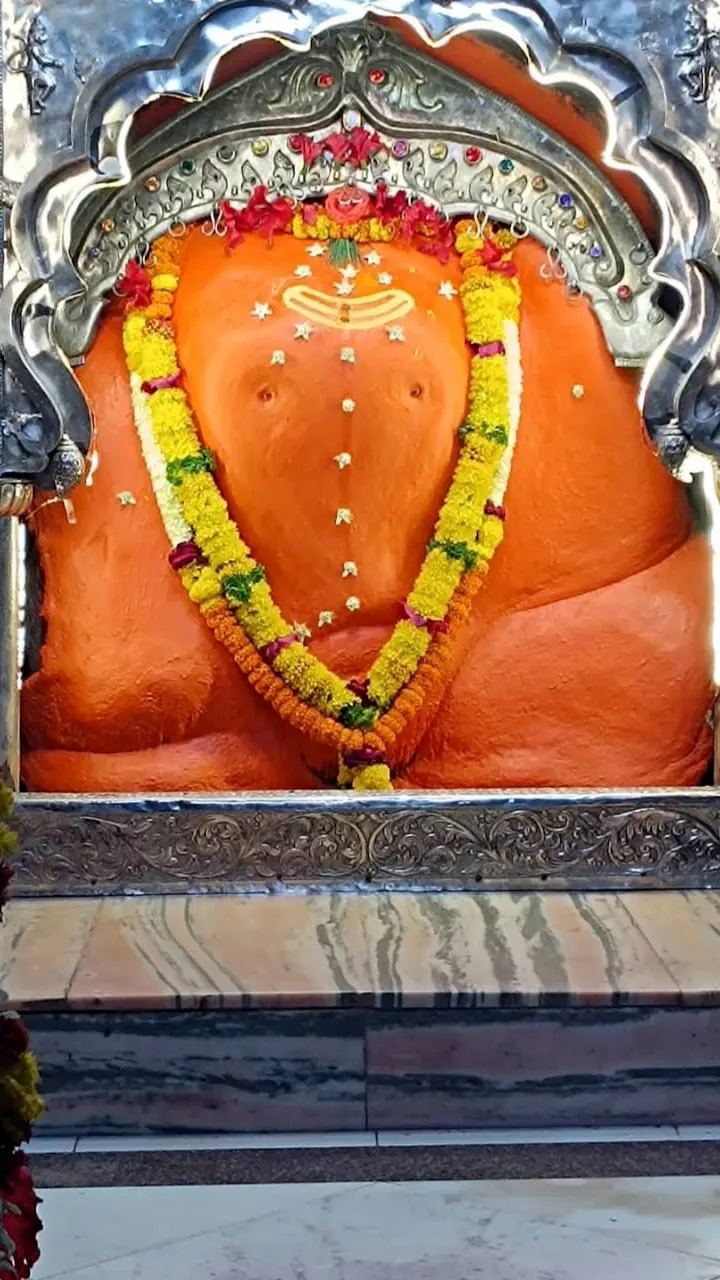
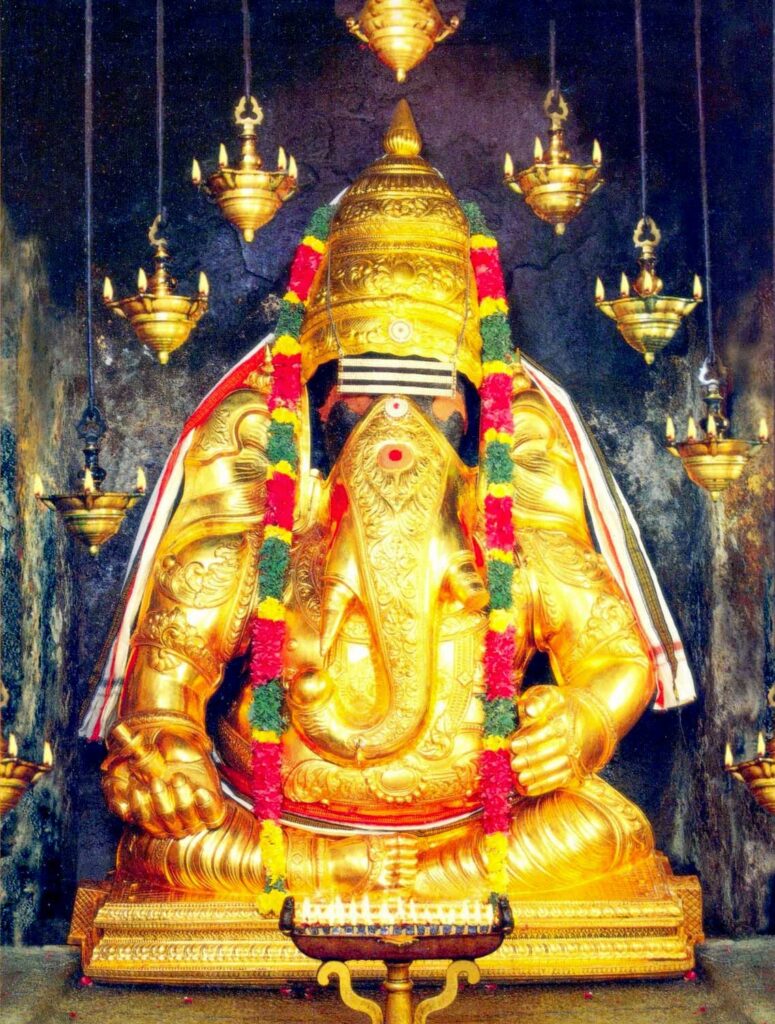
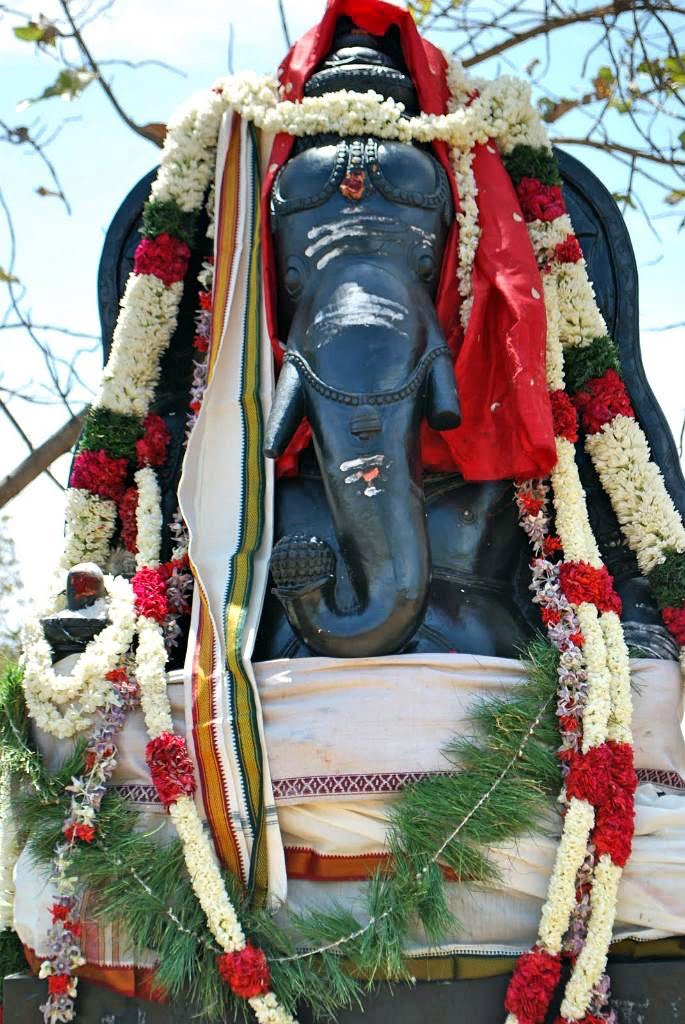
So why is this temple so special? It’s the main deity himself, a six-foot-tall bas-relief of Lord Vinayagar, sculpted straight into the rock face. It’s not your average idol; it’s a masterpiece hundreds of years old. The deity, Pillayarpatti Vinayagar, is called “Karpaga Vinayagar” because he is believed to grant wishes, much like the mythical Karpagam tree, a divine tree that fulfills desires. This belief, combined with the deity’s unusual iconography—a two-armed Ganesha with his trunk curled to the right—makes this a site of immense spiritual power and historical importance.
This temple is a pillar of the Nagarathar (Chettiar) community, who have been guardians of this hallowed place for generations. Their worship and patronage have helped preserve and enhance the temple, keeping it a well-cared-for and spiritually charged destination. For those looking for blessings on new endeavors, a prosperous life, or the banishment of obstacles, a pilgrimage to this temple is an absolute necessity.
Read More>> Bhimashankar Temple: 6th Jyotirlinga – Lions Seek Blessings
History of the Temple: A Walk Through Time
If one is to fully understand the Karpaga Vinayagar Temple, it would help to have a grasp of its historical roots. The history of the temple is an interesting walk through time, with the inscriptions and style of architecture serving as pointers to a rich, multi-faceted past.
Historians and archaeologists attribute the history of the temple as far back as the 4th century AD, when the Pandya dynasty was ruling. The oldest section of the temple is the rock-cut cave shrine, which contains the principal idols of Karpaga Vinayagar and Lord Thiruveesar (another name for Shiva). The inscription located near the central deity is a vital piece of evidence. It is inscribed in an ancient form of Tamil Brahmi script, and it refers to the sculptor, “Ekkattur Koon Peruparanan,” who carved the sacred images. This inscription serves to substantiate the long-standing antiquity of the temple.
The temple’s second expansion phase took place sometime during the 11th century, when its administration was then managed by the Pillayarpatti Nagarathar community. Inscriptions from then, between 1091 and 1238 AD, indicate that the community helped to develop the temple complex further, including the grand rajagopurams and vimanam (the tower over the sanctum). It was during this period that the temple became what it is today, albeit more intricate in design.
The third and latest phase of development is the current modern renovations and refurbishments, such as the extension of the temple tank and the two great gopurams. Such renovations have maintained the temple in perfect condition, a fusion of old-time art and new maintenance. The testimonial to the strength of faith of the devotees and the community that nurtures it lies in the fact that this temple has remained a place of worship for more than 1600 years.
Legend of the Temple: The Divine Story of Pillayarpatti Vinayagar
The history of the Pillayarpatti Vinayagar is as fascinating as that of the temple. The title “Karpaga Vinayagar” is the key to the primary myth. Karpagam is the name of a heavenly, wish-granting tree in Hindu lore. The idea is that Lord Ganesha, in this specific incarnation, is as kind and magnanimous as that divine tree, granting wishes to everyone praying to him with an honest heart.
The other crucial element of the legend is the two-armed stature and right-sided trunk (Valampuri) of the god. Lord Ganesha is usually depicted with four arms, but in this image, he is depicted with just two, which is a rare sighting and one of the oldest forms of the depiction of Ganesha found anywhere in the world. The right-sided trunk is also said to be extremely auspicious, meaning wealth, wisdom, and the direct path to liberation (Moksha).
The temple also houses other gods with their own stories. One of them is the shrine of Kathyayini Amman. It is commonly believed that women who are having problems getting married can find a solution by praying at Kathyayini Amman here. This belief is connected to the idea of Sevvai Dosham (a planetary position linked to Mars), which is said to impede marriage possibilities. The pilgrims visit from far and near in order to obtain the blessings of the goddess in the hope of a blissful married life.
The temple also features a fine sculpture of Pasupatheeswarar, an incarnation of Lord Shiva. The sculpture is of a cow (referred to as Kaaram Pasu) sharing its milk with a Shiva Lingam. The legend represents the concept that unselfish service and devotion towards others can give rise to divine blessings and salvation.
Read More>> Sri Siddhivinayak Temple Rejinthal
Cultural, Spiritual, and Mythological Importance
The Karpaga Vinayagar Temple is more than just a place of worship; it’s a vital center of cultural and spiritual life. Its importance is multifaceted:
A Pillar of the Nagarathar Community: The temple is one of the nine ancestral temples of Nagarathar (Chettiar) community. Their rituals and traditions are strongly woven into the temple’s day-to-day life and festivals. They have kept alive not just the temple but their distinctive cultural practices through their faith in Pillayarpatti Vinayagar.
The Remover of Obstacles: Just like with every other Ganesha temple, here also is the final spot for the devotees who wish to shoo away hindrances from their life. Prior to undertaking any new initiative, whether a business, a new employment, or a trip, the followers visit here to get the grace of the Karpaga Vinayagar, the Vigneshwara, or the remover of all obstacles.
Wish-Fulfilling Divinity: Even the name “Karpaga Vinayagar” points to the spiritual strength of the temple. The conviction that the lord grants the true wishes of his devotees turns it into a venue of unimaginable hope and faith. Individuals pray and conduct special pujas expecting the benevolence of the Lord for prosperity, health, and happiness.
A Unique Iconographic Shape: From a spiritual and mythological point of view, the two-armed, right-trunked shape of the deity is very meaningful. The right-leaning trunk represents Pingala Nadi, a hot, masculine energy that culminates in liberation of the spirit. This makes Pillayarpatti Vinayagar idol a unique representation of the final spiritual destination, Moksha.
Festivals and Special Days
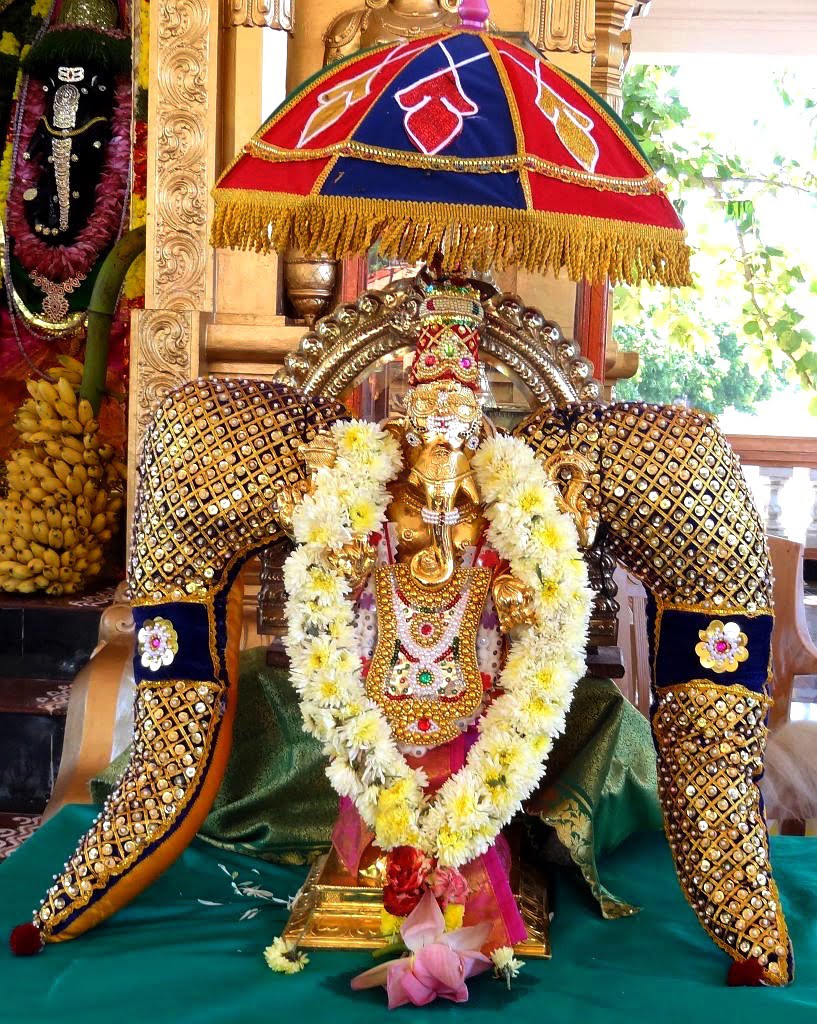
The Karpaga Vinayagar Temple comes alive with its festivals. These are colorful spectacles of devotion, tradition, and cultural grandeur.
The most significant and spectacular festival is Vinayaka Chaturthi, which falls annually in the Tamil month of Aavani (August-September). This is a ten-day celebration that sees an enormous number of devotees flocking from all over the nation and the world. The celebrations start with Kappukattu (a ceremonial kickoff) and hoisting of the flag. Lord Vinayagar is taken around the village roads in a procession on various vahanams (divine vehicles), each symbolizing a different meaning:
Day 1: Silver Mushika Vahanam (Mouse)
Day 2: Simha Vahanam (Lion)
Day 3: Boodha Vahanam (Divine Ghost)
Day 4: Kamala Vahanam (Lotus)
Day 5: Silver Rishaba Vahanam (Bull)
Day 6: Silver Elephant Vahanam
Day 7: Silver Peacock Vahanam
Day 8: Horse Vahanam
Day 9: The grand Car Festival (Ther). The day when chariot procession is held, which is a grand spectacle when the god is taken out in a lavishly decorated chariot.
Day 10: Theerthavari, the last ritual, is observed in the morning by the immersion of the processional deity. A silver and golden vahanams procession of five lords is done in the evening. Another important day is Sankashti Chaturthi, which falls every month. The devotees keep a fast and pray specially to Lord Ganesha on this day. The temple is particularly full in the evenings for abhishekam (bathing) and puja. To see the real spiritual enthusiasm of the temple, a visit on a Sankashti Chaturthi day is recommended, although you will have to contend with large crowds.
Distinctive Architectural Themes and Carvings
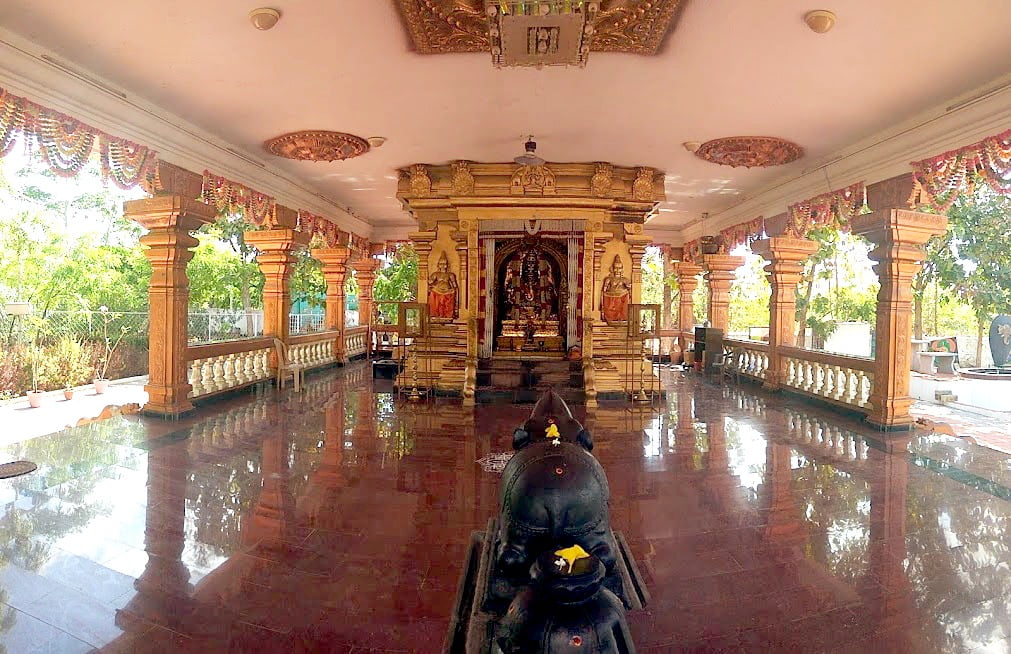
The Karpaga Vinayagar Temple architecture is an outstanding piece of temple architecture that represents Dravidian architecture, but with some extremely distinctive characteristics that make it stand out from the rest.
The most noticeable aspect is the rock-cut cave shrine itself. The sanctum sanctorum, excavated from the natural rock face, is a testament to ancient engineering and art. The idol of Pillayarpatti Vinayagar is a bas-relief carved directly into the southern face of the rock. This is an unusual type of sculpture, and the fact that it has stood for more than 1600 years is a tribute to the craftsmanship of the ancient artisans.
The temple complex, added to throughout the centuries, reflects a mixture of various architectural eras. The grand rajagopurams, particularly the eastern one, are elegantly decorated with delicate carvings and colorful paintings representing Hindu mythological scenes. The mandapams (halls) of the temple are also crowded with elaborate carvings and sculptures of many gods and mythological beings.
Within the cave shrine, you’ll also discover the rock-cut Shiva Lingam designated as Thiruveesar, as well as other deities such as the Saptha Kannimar (seven mothers), whose carving is also from ancient times. The fact that these various deities are housed under the same complex confirms the temple’s inclusivity and that it serves as a spiritual center for all sorts of worship.
One cannot help but admire the intricate details on the pillars and walls. From the depiction of the cow worshipping Lord Shiva to the unique form of Ganesha, every carving tells a story. The temple’s architecture is a living textbook of South Indian art and history, a must-see for anyone interested in the cultural heritage of the region.
Read More>> Sugandha Shaktipeeth Shikarpur
Myths and Beliefs Surrounding the Temple
The Karpaga Vinayagar Temple is filled with myths and beliefs that have been handed down through generations. These legends and beliefs contribute to the religious attraction of the site.
The Two-Armed Ganesha Myth: As stated, Pillayarpatti Vinayagar’s two-armed version is rare. A prevailing myth is that this version is an older, more ancient representation of Ganesha. Some experts even propose a link to the ancient tradition of Yaksha, an original divine entity. This myth supports the notion that this isn’t only a temple, but a link to the most basic pillars of Hindu divinity.
The Strength of the Right-Sided Trunk: The right-sided trunk, referred to as Valampuri, is a potent symbol. It is said to embody the cosmic power of the sun, and idols with a Valampuri trunk are said to bring about spiritual emancipation and earthly prosperity. This type of Ganesha is believed to be worshipped especially strongly, able to confer great blessings and dispel serious impediments.
The Wishing Divinity: The central faith of the temple is connected with its name, Karpaga Vinayagar. People believe that the god, as with the legendary tree, fulfills wishes. One cannot be surprised to find individuals doing special archanas (prayers) and pujas with certain wishes in their minds, whether it is for a child, a house, or a successful exam.
The Mythical Reference: Although direct references to this temple by name in ancient Puranas may be scarce, the idea of a Ganesha who could grant wishes is well-rooted in Hindu scripture. The Ganesha Purana and Mudgala Purana extol the different forms of Lord Ganesha and his power to grant the wishes of his followers and eliminate blockages, something that is aptly reflected in the Karpaga Vinayagar Temple.
Vital Information for Your Trip
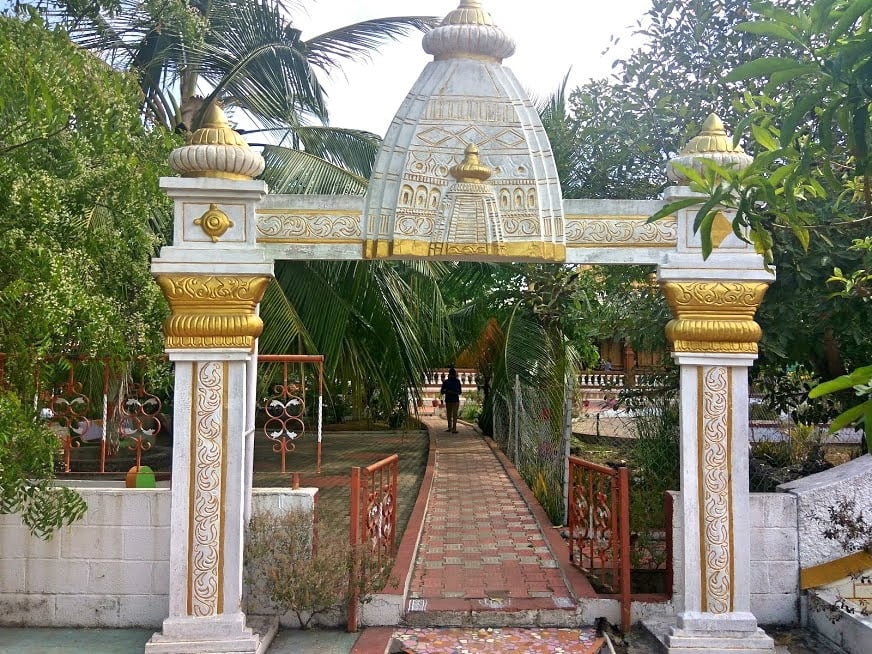
In order to ensure that your vacation to the Karpaga Vinayagar Temple is an easy and enjoyable one, here are some helpful facts you need to know.
Pillayarpatti Vinayagar Temple Timings:
Temple Hours and Busy Days
The temple is on a daily routine of pujas and darshan (sightseeing of the deity). The hours usually are as below:
Morning: 6:00 AM to 12:00 PM
Evening: 4:00 PM to 8:30 PM
The temple is shut down from 12:00 PM to 4:00 PM, so plan your visit in between. The temple is particularly busy on Fridays, Sankashti Chaturthi dates, and on Vinayaka Chaturthi festival in August/September. If you want a less crowded visit, weekdays are the ideal time.
Special Poojas Performed
The temple has different poojas that you can do. The most general one is the archana, where you make oblations of flowers and fruits to the Lord. But if you are looking for special blessings, there are special abhishekams (ritual bathing ceremonies) conducted during the day. You can check at the temple office for the timings and details of these special rituals.
Thiruvanandal Abhishekam: Early morning abhishekam (6:00 AM – 6:30 AM)
Kaalsanthi Abhishekam: Morning abhishekam (8:30 AM – 9:30 AM)
Uchikalam Abhishekam: Noon abhishekam (11:30 AM – 12:00 PM)
Sayaratchai Pooja: Evening pooja (5:00 PM – 6:30 PM)
Arthajamam Pooja: The last pooja of the day (7:45 PM – 8:30 PM)
Read More>> Tulja Bhavani Temple Tuljapur
Places to visit near the Karpaga Vinayagar Temple:
Kundrakudi Murugan Temple: It is about 10 kilometers away from the Karpaga Vinayagar Temple. Strictly a Murugan temple, son of Lord Shiva. The place is midst mindboggling views and another prominent religious hub in the area.
Thirumayam Fort: The distance between this and Pillaiyarpatti is 15 kilometers. This fort is very ancient. Architectural and military traditions of the place are visible in the fort. There is a rock-cut temple inside the fort for Lord Vishnu.
Chettinad: The food is delicious and buildings beautiful. It is about 40 km from Pillaiyarpatti. You can even see the splendorous houses of Chettinad, behold the Chettinad Palace, and savor some local delicacies as you visit.
Karaikudi: The town of Karaikudi in Chettinad is very cultural with some historical buildings. You can visit some of the key attractions such as Athangudi Palace, Athangudi Tile Factory, and enjoy some local specialties-different traditional Chettinad dishes.
Kanadukathan: This village boasts some of the bestpreserved Chettinad mansions. It is an interesting location to see the other unique architectural and craftsmanship involved in these heritage homes.
There are several ancient Jain temples, built in the 9th century, in the vicinity of the ancient Karpaga Vinayagar shrine. Gorgeous Jain sculptures and inscriptions can be seen on the temple rocks.
Ayyanar Sunai Temple: Situated around 15 km from Pillaiyarpatti, this is a Lord Ayyanar temple, dedicated to a local deity. It has unusual rituals and literally thousands of terracotta horses as offerings.
Raja Palace, Ramanathapuram: If willing to take a ride which is a little longer, there’s what is available at Ramanathapuram, about 70 km from Pillaiyarpatti-the old Raja Palace built in intriguing and unique architectural styles, an old relic of past times.
Rameswaram :If you have time enough to beget, head on to the sacred town of Rameshwaram which is 150 km from Pillaiyarpatti. Rameswaram is place that is known for its large number of holy temples as well as beautiful beaches.
Accommodation Options and How to Get to the Temple
Getting ready to go to the Karpaga Vinayagar Temple is simple with a little advice on accommodation and transport.
Accommodation Options
Pillayarpatti itself is a tiny village, but one finds some homestays and lodges, mostly for pilgrims. If one wants more variety, it is better to stay in the town of Karaikudi, located about 15 kilometers away. Karaikudi boasts a range of hotels, ranging from budget to slightly more upscale heritage stays that provide an insight into the Chettinad lifestyle. Most of these facilities are well-manicured and offer a comfortable stay to visit the area, including the Pillayarpatti Vinayagar temple.
Read More >> Manakula Vinayagar Temple
How to Reach the Temple
The temple is easily accessible by road, rail, and air.
By Air: The airports closest are Madurai (IXM), which is roughly 75 km from there, and Tiruchirappalli (TRZ), which is some 100 km away. From the airport, you can rent a taxi or bus to the temple.
By Train: Karaikudi (KKDI) is the nearest junction. From Karaikudi, you can find a local bus or an auto-rickshaw easily to reach Pillayarpatti.
By Road: Pillayarpatti has easy connectivity through state highways. Pillayarpatti lies on the State Highway of Thirupathur-Karaikudi. You can reach the temple directly from Karaikudi, Madurai, or Tiruchirappalli By bus. Taxis and private vehicles are also available easily for a smooth travel.
Conclusion: A Spiritual Pilgrimage to the Heart of Chettinad
A visit to the Karpaga Vinayagar Temple is not just a pilgrimage; it’s a spiritual and cultural pilgrimage that lingers long after you’ve gone. The old rock-cut sculptures, the peaceful environment, and the strong aura of Pillayarpatti Vinayagar give a special sense of calm and serenity.