
Bagheswari Temple Guwahati: 1000 Year Old Secret Tiger Goddess
Bagheswari Temple Guwahati, a holy place that holds dear in the heart of devotees from Northeast India. While most people link Guwahati to the popular Kamakhya Temple, few know that the religious fabric of this region is interwoven with numerous other ancient threads, and that the Bagheswari Mandir is one of the oldest and most sacred.

Placed on a peaceful hillock in the adjacent district of Bongaigaon, this Bagheswari Temple is a haven where the past and present blend together. The incense smell and ancient chanting infuse the air here with a profound calmness and piety. Here, the goddess Bageshwari Devi, who is a fierce and protective manifestation of the divine feminine, rules, and her blessings are a source of huge power and peace to all who come seeking them.
Here in this detailed guide, we will go much beyond the mere tour. We will peel away the mysteries of this holy site, delving into its rich historical foundation, its spellbinding myths, the special architectural wonders, and the colorful festivities bringing the temple alive. Upon completion of our tour, you will have an attachment to this site that extends beyond sightseeing. You will feel as if you have walked alongside me, a local, and imbibed the real spirit of the Bagheswari Mandir, seeing why it stands as a beacon of spirituality for millions. Let us embark on this holy pilgrimage to the very heart of Assam’s spiritual heritage.
Contents
- 1 Bagheswari Temple History
- 2 The Captivating Legend of Bageshwari Devi
- 3 The Cultural, Spiritual, and Mythological Significance
- 4 Festivals and Special Rituals: The Temple Comes Alive
- 5 Adventurous Architectural Styles and Ancient Carvings
- 6 Myths, Beliefs, and Miracles of Bageshwari Devi
- 7 Bagheswari Temple Timing and the Best Time for Your Visit
- 8 Sites and Other Sights to See Around the Bagheswari Mandir
- 9 How to Reach the Bagheswari Temple and Accommodation Options
- 10 FAQs Regarding the Bagheswari Temple Guwahati
Bagheswari Temple History
The Bagheswari Temple is a rich and complicated history that spans over a thousand years. Though its common identity is usually associated with contemporary Guwahati, the geographical location of the temple at Bongaigaon brings it at the intersection of medieval kingdoms and cultural flows. Archaeological and historical data indicate that the temple comes from the 10th or 11th century CE. This is a very interesting fact because, as a result, the Bagheswari Temple Guwahati becomes one of the oldest shrines within the whole region.
The earliest shrine would have been a plain, rock-cut building, a reflection of the primitive form of worship prevalent in this region of India. The area was a hub for the Shakta cult, a powerful offshoot of Hinduism which focused its worship on the Goddess. The medieval-era rock-cut Ganesha idol located in the temple complex is additional proof of its prolonged and uninterrupted history of worship. These remnants talk of days when the hill was a renowned pilgrimage center, attracting visitors from far and wide.
The Bagheswari Mandir, over the centuries, received patronage from numerous ruling dynasties. The most prominent among them were the Ahom kings, who governed Assam for more than 600 years. The Ahom dynasty was famed for its strong belief in Hindu gods and goddesses, and they frequently patronized the building and renovation of temples. Though not entirely accounted for in a single text, the history indicates that they played a significant role in the maintenance and enlargement of the Bagheswari Temple. The architecture of the temple, with its mix of native influences and subsequent additions, is a living testament to those various periods and their influence.
The temple’s survival is in itself a story. It withstood foreign occupation, natural disasters, and the passing of years, to be rediscovered and refurbished by one generation of devotees after another. The local people have been the sole custodians of this hallowed site since time immemorial, retaining the legends and rituals generation after generation. The faith of the locals has maintained the spiritual fire of the Bagheswari Mandir alight, so that its heritage lives on. Each stone and each carving in this temple has a tale of devotion that has stood the test of time, and the Bagheswari Temple Guwahati is indeed a historical gem.
Read More>> Sri Devi Dol Temple Sivasagar Assam
The Captivating Legend of Bageshwari Devi
My friends, to grasp the essence of this location, we have to explore the lovely and unfortunate legend that provides sanctity to the Bagheswari Temple. The legend is a pillar of Hindu mythology, evidenced in a number of ancient Puranas, which are compilations of mythological stories and genealogical records. The most well-known account of this legend revolves around the story of Goddess Sati and the origin of the Shakti Peethas.
As per the Devi Bhagavata Purana and Kalika Purana, two of the most sacred books in the Shakta tradition, Goddess Sati, who was Lord Shiva’s initial wife, immolated herself within her husband’s father’s sacrificial fire, King Daksha, who had blasphemed against her spouse. A grief-stricken and infuriated Lord Shiva then bore Sati’s body on his shoulders and started dancing the cosmic dance of annihilation, the Tandava, determined to destroy the universe. In order to preserve all of creation from this cosmic sorrow, Lord Vishnu, the preserver, employed his Sudarshana Chakra to fragment Sati’s body into 51 pieces. Every location where a piece of her body dropped was a holy pilgrimage destination, referred to as a Shakti Peetha.
The myth behind this particular Bagheswari Mandir is that it is the sacred location where a piece of Goddess Sati’s body or her fierce trishul (trident) dropped. The divine power of this cosmic phenomenon is said to have blessed the very earth, transforming it into a potent stronghold of the Mother Goddess. The appellation Bageshwari Devi itself is symbolic. Bagha in several Indian languages corresponds to ‘tiger,’ and Ishwari can be ‘goddess’ or ‘sovereign.’ Thus, she is the “Goddess who rides the tiger.” This is a literal allusion to Goddess Durga, the powerful aspect of Shakti, whose vehicle is the tiger, indicating her great power, courage, and capacity to overcome evil.
The tiger is more than an animal; it is the personification of wild, violent energy, and the goddess astride it represents her mastery over all forces of power, a true source of protection for her worshippers. The faith in Bageshwari Devi is not just a belief in a mythological story; it is a profound conviction that the Mother Goddess herself resides here, watching over her children. This legend is a constant source of inspiration, reminding us of the ultimate power of the divine feminine and the deep connection between the cosmic and the earthly. It is this powerful narrative that makes the Bagheswari Temple a truly extraordinary place of worship.
Read More>> Shree Lairaee Temple Goa | Shri Lairai Devi
The Cultural, Spiritual, and Mythological Significance
The significance of the Bagheswari Temple Guwahati goes beyond mere religious identity. It is a complex center for culture, spirituality, and mythological culture.
Cultural Significance: A Tapestry of Tradition
At the cultural level, the Bagheswari Mandir is a museum of Assamese tradition alive. The temple has silently watched centuries of customary practices, arts, and rituals of the region. The festivals that are celebrated here are indigenous to the area, and they are danced with a certain Assamese style. The folk music, the Bihu songs, and the folk dances tend to make their way into the temple celebrations and become beautiful fusions of religious devotion and cultural festivity.
The temple also acts as a focal point for community meetings, where people from various villages and towns are brought together. It is a site through which oral histories are passed down, recipes are traded in festivals, and the Assamese lifestyle is protected and commemorated. The temple itself stands as a reminder in the geography of Bongaigaon of the cultural history that has formed the region’s identity.
Spiritual Importance: A Refuge for the Soul
The Bagheswari Temple is a refuge for the soul for the pilgrim. The ride to the temple, usually up a hillock, is itself a religious experience. The city noises gradually recede into the background as you climb up, and are replaced by the soothing rustle of leaves and the far-off chanting of hymns. There is an air of deep tranquility inside the temple. The energy is felt here, and most worshippers report a profound sense of peace and communion with the divine.
It is a spot in which you can sit in reverent silence, pray a heartfelt supplication, and sense the benevolent presence of the Mother Goddess. This faith that Bageshwari Devi grants wishes and protects is not one born out of superstition; it is a deeply rooted belief that has brought comfort to millions of people in distress. A visit to the Bagheswari Temple Guwahati is a cleansing experience, a time to re-establish contact with your own self and the universe.
Mythological Significance: A Link to the Cosmos
Mythologically, the Bagheswari Mandir’s designation as a Shakti Peetha is its most distinguishing characteristic. This association puts it into an expansive cosmic history, connecting it to the everlasting tale of Lord Shiva and Goddess Sati. The temple is not singularly a shrine; it is part of a far broader web of sacred places throughout the Indian subcontinent. This mythological connection confers a pan-Indian significance on the temple as it attracts pilgrims undertaking an extended pilgrimage to seek out all the Shakti Peethas.
The reverence for Bageshwari Devi in this temple is a strong statement of Hindu ideology about the final authority of the feminine principle, or Shakti, as the source of creation and destruction. The stories of the goddess’s ferocity and her avuncular nature are a timeless source of mythological inspiration, reaffirming the belief of generations of believers. The Bagheswari Temple is a potent symbol of this timelessness of faith.
Read More>> Kamakhya Temple: The Tantric Temple of Mystery and Magic
Festivals and Special Rituals: The Temple Comes Alive
The real radiance of the Bagheswari Temple is seen only at its festivals and special rituals. These are the moments when the temple is churned out of its state of serene meditation into a frenetic hub of joy, attracting huge numbers of worshippers.
The grandest and most significant festival of the Bagheswari Mandir is without a doubt Navratri, the nine-night celebration for Goddess Durga. The celebrations start on the beginning of the month of Ashwin (which falls in September or October) and extend for nine nights. Every day is assigned a different incarnation of the goddess, and special aartis and pujas are conducted.
The temple is illuminated with lights, flowers, and vibrant decorations, producing an enchanting ambiance. The air is filled with the sound of dhaak (a conventional drum), conch shells, and devotional songs, and the whole community gathers in an atmosphere of communal devotion. The temple grounds transform into a center of activity, filled with food stalls, cultural activities, and a festive market.
The peak of Navratri is at Durga Puja, which is celebrated from the sixth to the tenth day. Mahasaptami, Mahaashtami, and Mahanavami are the holiest days. The temple is most crowded on Durga Mahashtami, when pilgrims come for the special Sandhi Puja that signals the break between Ashtami and Navami.
It is a period of fervent prayer and ritual. One of the strongest and most mournful rituals conducted here is the buffalo sacrifice, which has been performed here for centuries. This is not an act of cruelty but a very symbolic ritual of overcoming ego and malevolent forces by the goddess. The animal is representative of ignorance and evil, and its killing is an offering to the gods for protecting all.
Maha Shivratri: The Union of Shiva and Shakti
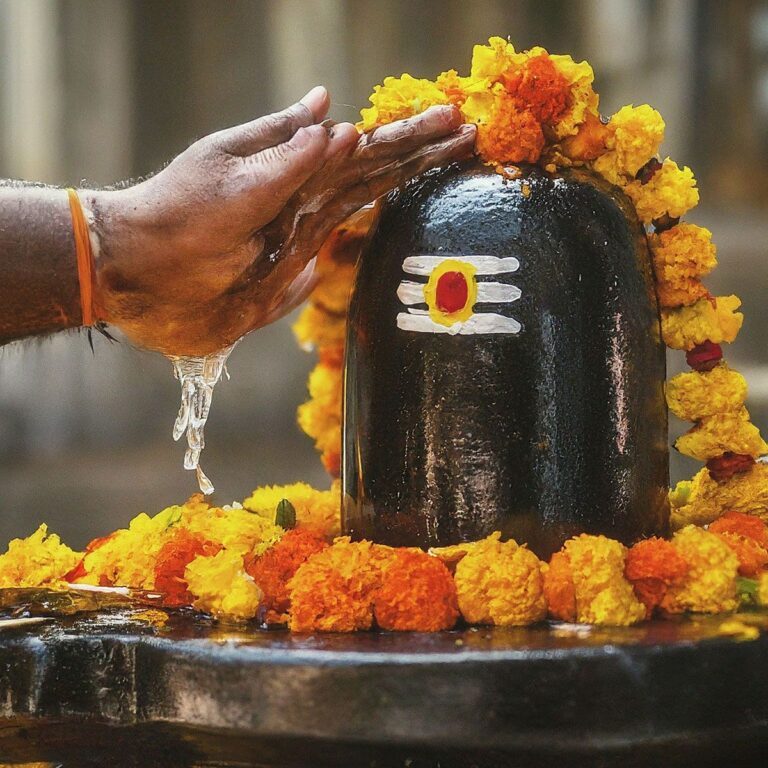
Another important festival is Maha Shivratri, which commemorates the marriage of Lord Shiva and Goddess Parvati (reincarnation of Sati). The Bagheswari Temple complex also contains an ancient shrine of Shiva, and this festival focuses on the strong bonding between the male and female divine forces. Pilgrims throng the temple, pouring milk, water, and belpatra (bael leaves) over the Shiva Lingam, fasting and praying day and night.
Daily Rituals and Pujas
Apart from the grand festivals, the temple also has a well-planned system of daily rituals. The day starts with the mangala aarti at dawn, where the goddess is awakened with devotional hymns and offerings. There are several pujas performed by the priests throughout the day, and devotees are also allowed to make their own offerings. The day is brought to a close with the sandhya aarti at sunset, a serene and lovely ceremony that serves as the culmination of the day’s worship. These daily rituals are the lifeblood of the Bagheswari Temple, with the divine energy of Bageshwari Devi being celebrated and honored every single day.
Read More>> 9 CE Prasat Preah Vihear Temple of Lord Shiva in Cambodia
Adventurous Architectural Styles and Ancient Carvings
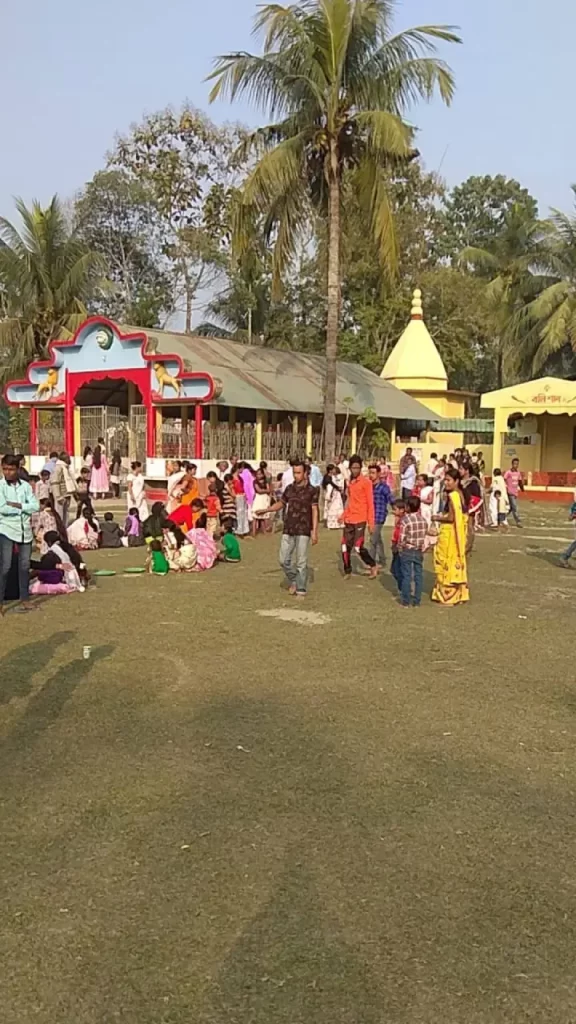
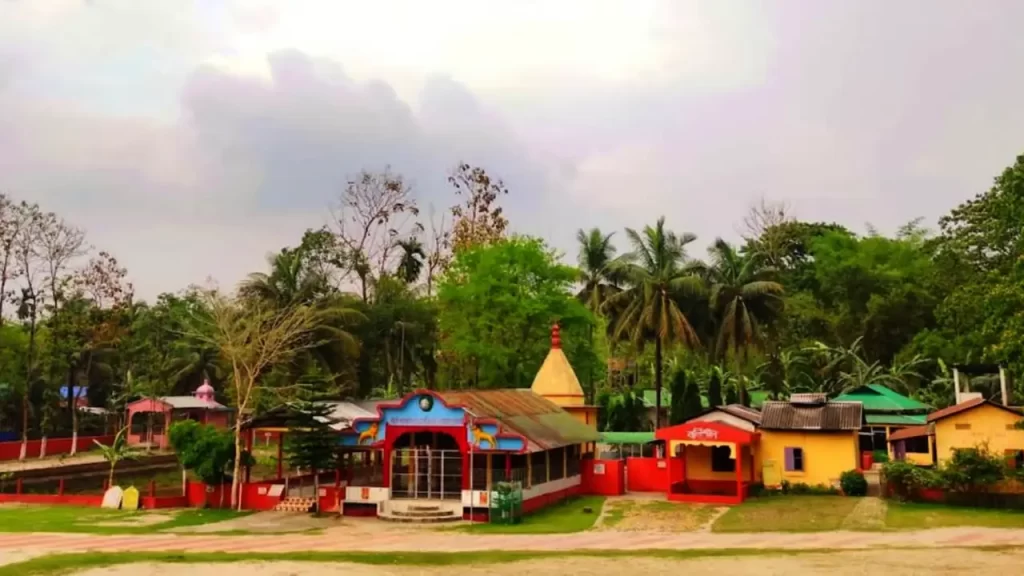
The Bagheswari Temple architecture is an interesting observation of various styles and eras, a tangible expression of its extensive history. You’ll be led to the temple by an intimidating main gate, a new building that, despite being new, honors the traditional look. The walk takes you up a small hillock, and each step up, you can sense the religious fervor building up.
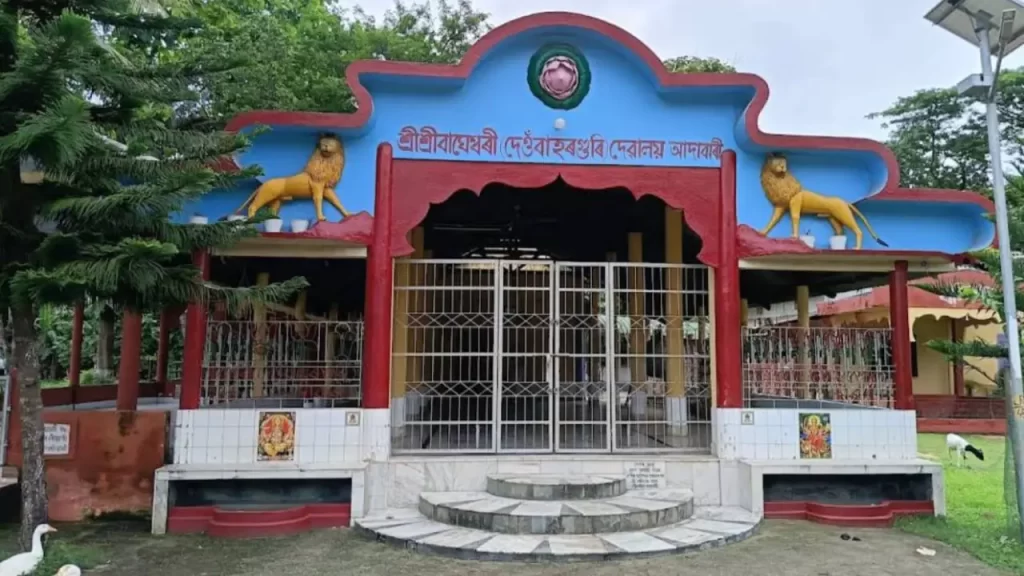
The central shrine is a wonder of ancient architecture. It is constructed in the traditional style of an Assamese temple, with a sloping roof and carvings. The most distinctive attribute is the ancient rock-cut construction of the central garbhagriha (sanctum sanctorum). This cave-like temple provides the temple with a primitive and untamed look, as if the goddess has been revered here since eternity, much earlier than man-made structures were constructed. Within this holy cave, the central idol of Bageshwari Devi is worshipped.
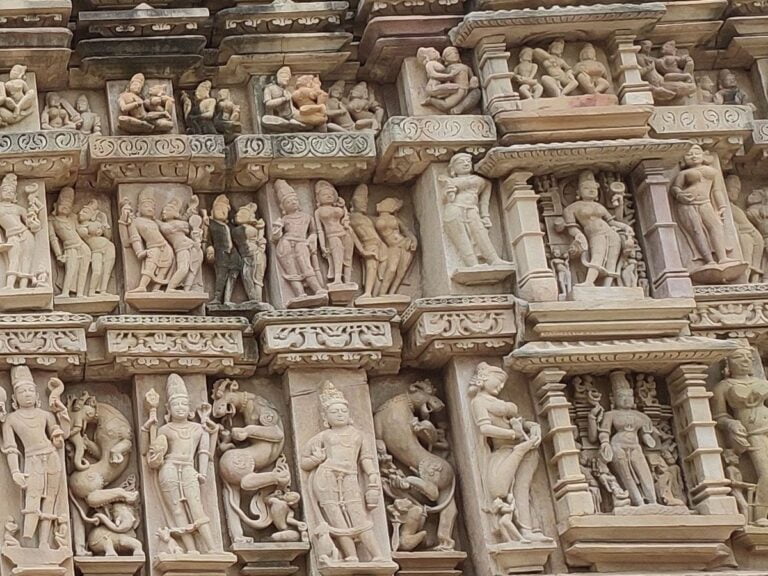
The pillars and walls of the temple are covered in elaborate carvings depicting Hindu mythological stories. You can spot carvings of other gods, heavenly beings, and scenes from ancient texts. One of the most important carvings is of a rock-cut Ganesha idol and it has been dated by archaeologists to the 10th-11th century. This is a unique discovery and gives a vital link to the temple’s ancient past, indicating that the different gods and goddesses were worshipped together here for centuries in perfect harmony.
Use of long-lasting brick and stone in the making of the temple has ensured these carvings have lasted through the ages, and thus it is a precious part of our heritage. The existence of a watchtower at the top of the hill that commands a bird’s-eye view of the area is another singular architectural feature of the Bagheswari Temple.
Myths, Beliefs, and Miracles of Bageshwari Devi
The Bagheswari Temple is a site where religion is intensely personal, and there is a vibrant repertoire of local myths and beliefs that contribute to its spiritualism. To the faithful, these are not mere tales but an ongoing part of their religion.
The Guardian Tiger Goddess: As her name implies, Bageshwari Devi is closely identified with the tiger. Regional myths are full of tales of the goddess defending nearby villages from wild beasts and other threats. Most are certain that she continues to appear in the form of a tiger, a vigilant protector of her temple and her people. These tales help perpetuate the idea that the goddess is a fierce defender, a mother who will stop at nothing to safeguard her children.
Power of Wish Fulfillment: The biggest belief of the pilgrims is the ability of the Bagheswari Mandir to grant wishes. Thousands of people visit here with a prayer in their mind, praying for a child, a good crop, a new employment opportunity, or health. The locals will share tales of miraculous cures and life-altering occurrences that took place following an earnest prayer at the temple. The number of red threads that are attached to the pillars and trees of the temple, one for each prayer or wish, is a strong witness to this belief.
The Divine Presence in Nature: The Bagheswari Temple is surrounded by nature, and this has resulted in the belief that the presence of the goddess is not only within the temple but infuses the whole hill and its vicinity. The ancient trees, the stones, and even the very air are holy. The worshipers naturally feel a certain oneness with the divine just by walking around the temple grounds, a reflection of the faith that the goddess resides in all of nature.
For more details visit Assam officail website
Bagheswari Temple Timing and the Best Time for Your Visit
To have a real meaningful experience, you must know the temple timings. The Bagheswari Temple usually remains open to devotees between 5:30 AM and 1:00 PM and then again from 4:00 PM to 8:00 PM. The temple remains closed in the afternoons for a couple of hours, so plan accordingly.
The best time to travel to Bagheswari Temple Guwahati is when it is cooler, between the months of October to March. The weather is pleasant and comfortable enough for pilgrimage, and you can also appreciate the gorgeous surroundings without the hot sun of the summer or the heavy rains of the monsoon.
But if you want to see the temple in all its colors and energy, I would strongly suggest going there during Navratri. That is when the temple is most crowded, and the mood is charged with devotion. Although the crowds will be huge, the sight of the rituals and the festive mood of the community is something not easily forgotten. Expect to stand in lines, but believe me, it shall be worth it.



Sites and Other Sights to See Around the Bagheswari Mandir
A visit to the Bagheswari Temple is an ideal time to see the best of the area’s cultural and natural sights. Being your guide, I strongly advise you stay on for a visit to these local jewels.
Kamakhya Temple, Guwahati: Perched atop the Nilachal Hill, the Kamakhya Temple is India’s most renowned and revered Shakti Peethas. It is a Tantric worship site and a pilgrim’s must-visit destination.
Umananda Temple, Guwahati: This stunning Shiva temple stands on Peacock Island, a small river island in the midst of the Brahmaputra. A ferry ride to the island is a sightseeing experience in itself.
Birjhora Tea Estate, Bongaigaon: Located near the Bagheswari Temple, this lush tea estate offers a serene and beautiful environment. A visit here will give you a glimpse into Assam’s famous tea culture.
Kakoijana Reserve Forest: A short drive from the temple, this reserve is famous for its population of the endangered Golden Langur. It is a great place for nature lovers and wildlife enthusiasts.
Jogighopa and Pancharatna: These are two ancient places on opposite sides of the Brahmaputra River. Jogighopa is well-known for ancient rock-cut caves, which were probably utilized by Buddhist monks for meditation. These places are the proof of the religiously varied past of the area.
Read More>> Sivanmalai Temple: Murugan’s Sacred Box Predicts the Future
How to Reach the Bagheswari Temple and Accommodation Options
Reaching the Bagheswari Temple in Bongaigaon is relatively easy, whether from within Assam or other regions of India.
By Air: The closest airport is Lokpriya Gopinath Bordoloi International Airport (GAU) in Guwahati. From the airport, you can arrange for a private taxi, or bus or train to Bongaigaon. It takes about 3-4 hours to reach Bongaigaon from Guwahati.
By Train: The easiest mode of reaching the temple is by train. The closest major railway station is New Bongaigaon Railway Station, which is an important railway junction and is well connected with important cities such as Kolkata, Delhi, and Mumbai. From the station, it is easy to get an auto-rickshaw or taxi to the temple, which is barely a few kilometers away.
By Road: Bongaigaon is adequately linked with Guwahati and the rest of Assam through a good road network. You can travel by an Assam State Transport Corporation (ASTC) bus or a private bus from Guwahati. The journey is scenic and comfortable.
Accommodation Options:
While Bongaigaon has some decent hotels and guesthouses, the choice is broader in Guwahati. If you are going on a day trip, it is advisable to stay in Guwahati, where you will find everything from luxury hotels to cheap lodgings. But if you would like to stay nearer to the temple to see its morning rituals, there are some reasonable hotels and guesthouses in Bongaigaon town.
FAQs Regarding the Bagheswari Temple Guwahati
For even smoother planning of your trip, here are some of the most common queries regarding the Bagheswari Temple Guwahati.
Is the Bagheswari Temple identical to the Kamakhya Temple?
No, they are two different temples. Although both are Shakti Peethas and equally spiritually important, the Kamakhya Temple is in Guwahati, whereas the Bagheswari Temple is in the district of Bongaigaon. Both are temples to different aspects of the Mother Goddess.
Is there any dress code to go inside the temple?
Yes, as with most Hindu temples, it is proper to dress modestly. It is recommended that men and women wear clothing that covers shoulders and knees.
What special pujas are done in the Bagheswari Mandir?
The most special pujas are done during the Navratri festival, particularly on Durga Mahashtami. These are the Sandhi Puja and the traditional buffalo sacrifice.
Is it safe to go to the temple?
Yes, Bongaigaon is a safe city, and the temple area is well kept. The people are very nice and helpful. But with any kind of travel, it’s always good to be attentive to your surroundings, just in case in a crowded area.
Can I offer the goddess myself?
Yes, devotees are welcome to make their own offerings of flowers, sweets, and coconuts. The temple priests are also available to perform specific pujas on your behalf.