Mopidevi Subramanya Swamy Temple
Mopidevi Subramanya Swamy Temple, situated in the quaint yet deeply spiritual village of Mopidevi in the Krishna District of Andhra Pradesh, India. It is a divine, immensely powerful abode of Lord Subrahmanya. Have you visited any sacred place whose energy changes the moment you step into it? That is the kind of aura surrounding Mopidevi Subramanya Swamy Temple.
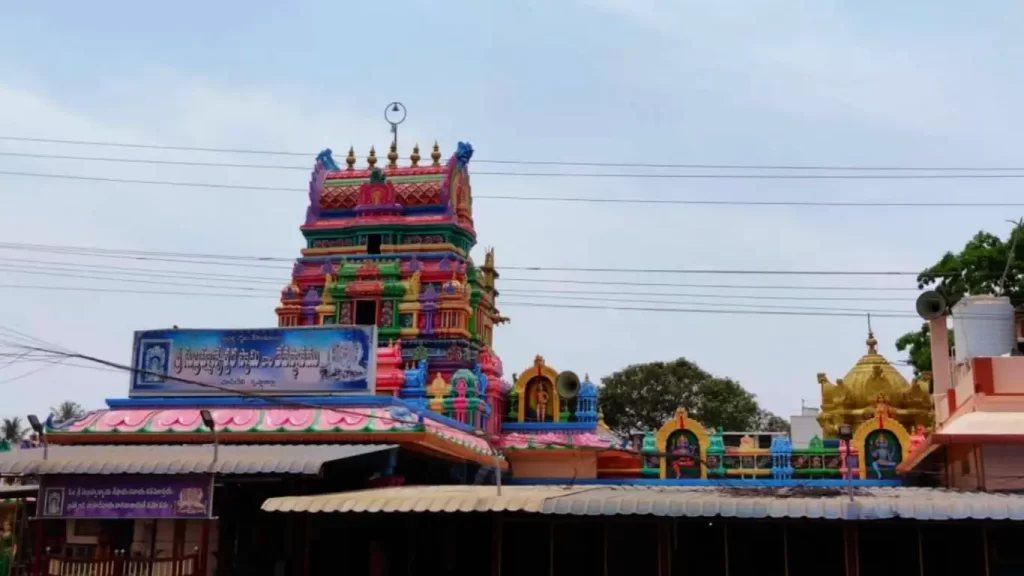
It is one of the most sacred Subrahmanya Kshetrams-considered as an abode of Lord Subrahmanya, commonly known as Kartikeya or Murugan-in South India, visited by thousands of devotees to solve different problems in their lives, especially those relating to serpentine influence in their horoscopes.
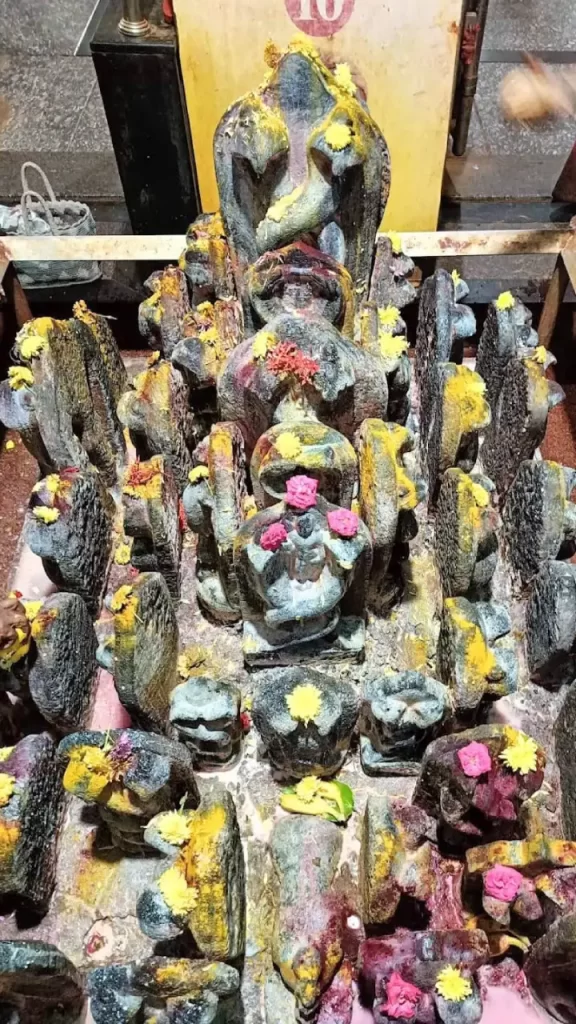
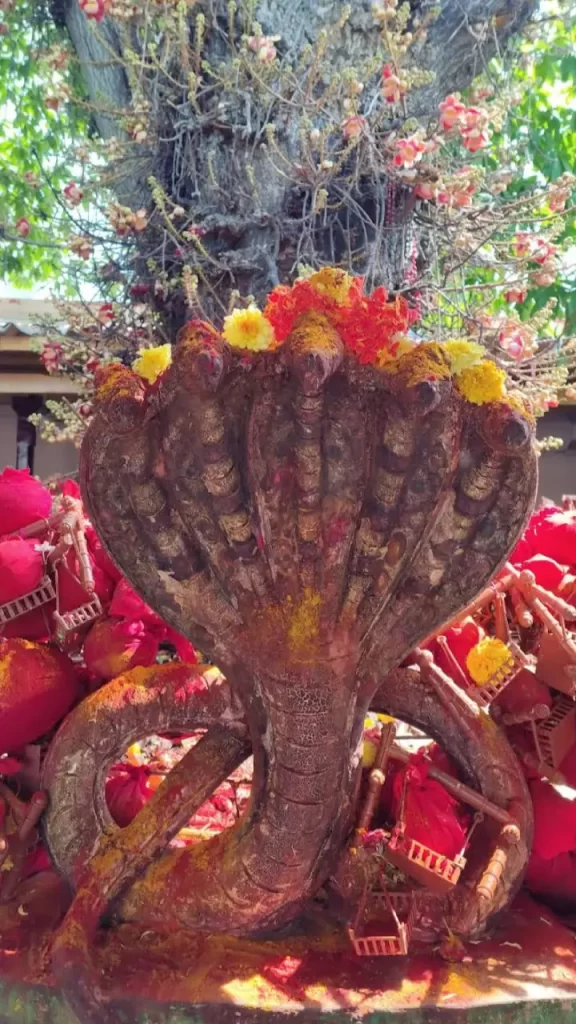
This temple is renowned for its Swayambhu Lingam of Lord Subrahmanya Swamy, worshipped here in the form of a Shiva Lingam with serpent coils sculpted on top. This self-manifestation makes this temple at Mopidevi different and very important among the pilgrims. This is a place where faith finds its fulfillment and the serpent-related afflictions of all kinds are believed to be totally nullified.
The village of Mopidevi itself is a picturesque, serene setting, offering a perfect environment for deep spirituality, far removed from the hustle and bustle of city life. I’ll walk you through its incredible history, the fascinating legends, the special rituals, and everything you need to know to plan your visit to this sacred site.
Contents
- 1 Mopidevi Subramanya Swamy Temple History
- 2 Sri Mopidevi Subramanya Swamy Temple – Fact and Legend
- 3 Mythological Importance: Mention in Hindu Scriptures
- 4 Significance of Mopidevi: Why this Place is Sacred
- 5 Unique Architectural Styles and Carvings
- 6 Special Poojas and Rituals at Mopidevi
- 7 Myths and Beliefs Surrounding the Temple
- 8 Special Days and Festivals
- 9 Mopidevi Subramanya Swamy Temple Timings
- 10 Hindu Places to Visit Near the Temple
- 11 Accommodation Options
- 12 How to Reach the Mopidevi Subramanya Swamy Temple
Mopidevi Subramanya Swamy Temple History
Though the history of Mopidevi Subramanya Swamy Temple is not precisely dated in the conventional sense, its origin is rooted in a Swayambhu or self-manifested form. However, the institutional history is interesting and directly relates to a humble potter and a noble royal family.
The Divine Manifestation
The history of the temple centers on the Swayambhu Lingam. According to local history, or Sthala Puranam, the divine presence manifested itself in an anthill.
It all began about 200 years ago when an ardent devotee of Lord Subrahmanya Swamy, Veeravarapu Parvathalu, a local pot-maker, started getting a recurring, vivid dream. In the dream, Lord Subrahmanya appeared before him and showed him the self-manifested form covered by an anthill in the village Mopidevi.
Following this divine instruction, Parvathalu, along with other villagers, went to the spot and dug up the anthill. To their utter amazement, they discovered the Swayambhu Lingam. This Lingam, which is the main idol, has the distinct feature of serpent coils sculpted on its surface, signifying Lord Subrahmanya’s deep connection with the serpent deity.
Construction and Management
It is said that Veeravarapu Parvathalu then made the idols of Nandi, Lord Shiva’s bull mount, and Garutmanthudu, Lord Vishnu’s eagle mount-who is generally considered to be opposed to serpents, yet is present here-out of clay and baked them in a furnace to harden them. These clay figures are placed on the temple premises, which is a unique element.
The present structure of the temple is connected with the royal family of Challapalli. The temple was later constructed and managed by the Adusumilli family, notably by the landlord Adusumilli Gangubhotlu around the year 1785 A.D. Later, the Challapalli royal family took over the principal management. The Mopidevi Subramanya Swamy Temple remains the paramount spiritual center of the royal family of Challapalli.
Sri Mopidevi Subramanya Swamy Temple – Fact and Legend
The beautiful saga of the self-manifestation of the Lord at Mopidevi Subramanya Swamy Temple is narrated through the ancient texts and legends passed on through generations. This explains why Lord Subrahmanya chose to do penance here in the form of a serpent.
The Giggling of the Divine Child
The story begins in Kailasa, the holy abode of Lord Shiva. Four great Sages—Sanaka, Sanakasa, Sanatkumara, and Sanatsujata—who were immortal and forever appeared as young children of five years, once came to Kailasa to worship Lord Shiva. These Sages were known for their profound knowledge and complete detachment from the material world, so much so that they were always naked (Digambaras).
Whereupon, several Goddesses, such as Sachi Devi-wife of Indra, Swaha Devi-wife of Agni, Goddess Saraswathi, and Goddess Lakshmi also arrived, fully and exquisitely attired.
Lord Subrahmanya, the child god, sat on the lap of his Mother, Goddess Parvati. He innocently giggled upon seeing the stark contrast between the fully ornamented Goddesses and the naked Sages.
Goddess Parvati immediately reprimanded her son for his momentary lapse in judgment as a divine being to laugh at the appearance of great Sages. Immediately, Lord Subrahmanya realized the gravity of his mistake. He sought his mother’s permission to perform penance on Earth to expiate the sin of showing disrespect to enlightened Sages.
The Repentance as a Serpent
Lord Subrahmanya came to Earth and opted for serious penance in the form of a serpent, namely Naga, within an anthill. He took this form to atone for his fault specifically.
The site where he performed this profound penance is the very spot where the Mopidevi Subramanya Swamy Temple stands today. It is this powerful penance in the form of a serpent that is said to make this temple an exceptionally potent center for mitigating Sarpa Doshas (serpent-related afflictions) and all kinds of planetary defects.
Read More>> Salai Kumaraswamy Temple Tirunelveli
Mythological Importance: Mention in Hindu Scriptures
This importance of Mopidevi Subramanya Swamy Temple is not just a local legend, but its sanctity is mentioned in the Hindu Puranas, namely Skanda Purana.
The Prophecy of Sage Agasthya
Skanda Purana is the largest Mahapurana and is mainly oriented to Lord Kartikeya, also known as Skanda or Subrahmanya. A part of the Skanda Purana describes the greatness of the region around the river Krishna and about Mopidevi Kshetram.
One famous mythological event connected with it is the subjugation of the Vindhya Mountain. According to the scriptures, the mighty Vindhya Mountain once grew so enormous out of arrogance that it began to obstruct the path of the Sun, plunging the world into darkness. The Devas, or gods, appealed to the great Sage Agasthya to humble the mountain.
Sage Agasthya, while traveling south, crossed the Vindhya mountain, which out of respect, lowered itself to allow the Sage to pass, having promised to remain humble until the Sage returned. Sage Agasthya settled in the South and never returned, keeping the Vindhyas in a perpetual state of humility.
While passing through the Southern region along with his disciples, Sage Agasthya came upon the area that is now known as Mopidevi. He identified the sacredness of the spot and revealed its location and significance to his disciples.
Quoting the text from Skanda Purana:
“Vyaghrasya poorva digbhage. Kumara kshetramuttamam. Subrahmanyena satyatra. Bhukti mukti phalapradam.”
This Sanskrit verse essentially translates to: “East of Vyagrapuri, a place nearby often associated with tigers, is the supreme Kshetram of Kumara, Subrahmanya. By the truth of Subrahmanya being here, it grants the fruit of worldly pleasures – Bhukti and final liberation – Mukti.
It was Sage Agasthya who showed them the anthill from which the divine radiance was issuing forth and instructed his disciples that Lord Kartikeya was performing penance there in the form of a serpent. Thus, the scriptural mention by a great Sage like Agasthya solidifies the Mopidevi Subramanya Swamy Temple as an ancient and divinely sanctioned Kumara Kshetram.
Significance of Mopidevi: Why this Place is Sacred
Mopidevi Subramanya Swamy Temple is of critical importance to the spiritual landscape of Andhra Pradesh and the devotees of Lord Subrahmanya everywhere. The two major reasons behind this significance are: its divine origin and the special power it has of granting boons.
The Power of Sarpa Dosha Nivarana
The main reason for the temple’s importance is its renowned power to alleviate and completely remove Sarpa Doshas, better known as serpent afflictions, and Kala Sarpa Doshas from one’s horoscope. The Sarpa Dosha is a serious planetary affliction that is said to be caused by the curse of a serpent or by the transgression of a vow related to serpent worship in a previous birth; it can lead to severe life problems like:
- Delay or Obstacles in Marriage.
- Childlessness (Anapathya Dosha).
- Chronic Skin Diseases and other Ailments.
- Lack of Career/Financial Growth.
Since the Lord himself performed penance here in the form of a serpent to cleanse his own dosha, He is considered the supreme reliever of serpent curses. Devotees come here with deep faith, believing that a sincere prayer and the prescribed rituals at the Mopidevi Subramanya Swamy Temple will bring instant relief from these curses.
The Swayambhu and ‘Naga’ Form
The deity being Swayambhu (self-manifested) dramatically increases the temple’s sanctity. A Swayambhu Lingam is considered immensely powerful because it was not consecrated by human hands but was created by the divine will itself. The Lingam in the sanctum sanctorum is not a man-made idol but the actual manifestation of the Lord in the anthill, with the serpent coils at its head. This unique representation confirms the Lord’s identity as the Nagaladhipati (Lord of Serpents) here.
Boons for Progeny and Health
The temple is one of the major pilgrim centers for childless couples. The Sarpa Dosha Nivarana Pooja and Anapathya Dosha Pooja are performed specifically to get the blessing of progeny. It is a very strong tradition that couples seeking a child sleep one night within the temple premises before performing the Pooja the next morning. Moreover, people suffering from skin diseases, problems with vision, and hearing defects also receive relief after worshiping here.
Read More>> Tulja Bhavani Temple Tuljapur
Unique Architectural Styles and Carvings
The Mopidevi Subramanya Swamy Temple is a befitting example of the Dravidian architecture that most temples in South India are built in. While the history of the temple indicates a very simple and humble origin on an anthill, its later construction and renovations have incorporated majesty.
The Majestic Gopuram
The temple is eminently decorated with a multi-tiered Gopuram or temple tower, which is elaborately ornamented with stucco sculptures depicting various mythological scenes, especially those connected with Lord Subrahmanya Swamy and other Hindu deities. The height and the artwork of Gopuram make the temple visible to a distance and stand as an appealing beacon of faith.
Carvings and Sculptures
Carvings depicting episodes from the Puranas and from the Sthala Puranam of the temple are found inside the temple complex and also on the pillars of the Mandapams. Watch out for Lord Subrahmanya’s depiction on his peacock vahana and scenes associated with his birth and that of his battle with Tarakasura.
The Sanctum Sanctorum
The central part of the temple is the Garbha Griha, or sanctum sanctorum, where exists the Swayambhu Lingam. This Lingam is peculiar in that the devotees worship it by pouring milk and Abhishekam liquids into a hole underneath the Panavattam, or base of the Lingam, which they believe is the opening of the original anthill. Other unique features not found in any other temples are the presence of baked clay idols of Nandi and Garutmanthudu within the complex.
Special Poojas and Rituals at Mopidevi
Specific rituals aimed at appeasing planetary and ancestral afflictions are performed at the Mopidevi Subramanya Swamy Temple. The most important one, of course, is the Sarpa Dosha Nivarana Pooja.
The Sarpa Dosha Nivarana Pooja (Naga Dosha Nivarana)
This is the most famous and frequent Pooja performed here, which is an elaborate ritual for getting rid of the curse of the serpent god.
Who performs it: Singles or couples experiencing Sarpa Dosha, Kala Sarpa Dosha, delayed marriage, or childlessness.
The Ritual: It is performed daily, generally during morning hours. Devotees are advised to take a head bath and have to fast until the Pooja gets completed. All the materials required for the Pooja are provided by the temple.
The Procedure: Devotees sit for the Pooja and participate in the rituals as instructed by the priests. After the Pooja, it is highly advisable to perform Rudrabhishekam to Lord Shiva (Subrahmanya’s father) for complete purification.
The ‘Sleeping’ Ritual: It has been an important tradition for childless couples to stay overnight in the place allotted for the purpose within the temple premises before doing the Sarpa Dosha Pooja the next morning. This is believed to invoke the Lord’s blessing for progeny.
Naga Pratishta Pooja
It includes consecrating a small stone idol of a serpent, called the Naga Shilpa or Naga Pratishta, within the temple premises. It is performed to symbolically appease the Serpent God and seek forgiveness for harm caused to a serpent in this birth or any previous birth.
Kalyanotsavam (Celestial Marriage)
The daily Nithya Kalyanotsavam, or daily celestial marriage of the Lord, is performed as an important ritual to bless devotees, especially those seeking a suitable life partner or for general prosperity and marital bliss.
Kavadi Offering
As in other Murugan temples, the Kavadi offering-where devotees carry an ornate and decorated arch on their shoulders as a vow to Lord Subrahmanya-is also commonly practiced here by devotees, especially during major festivals. This is a very visible demonstration of devotion.
Read More>> Pancharama Kshetras | Divine 5 Pancharamalu List and Locations
Myths and Beliefs Surrounding the Temple
The Mopidevi Subramanya Swamy Temple is steeped in beliefs, connecting the spiritual realm with the practical aspects of daily life. These beliefs have stood the test of time and are the driving force for the immense pilgrim traffic.
The Power of the Soil: It is deeply believed that the Swayambhu Lingam emerged from an anthill, and the soil in the precincts of the temple is sacred. Devotees often take a pinch of the soil as prasadam, believing it can cure various skin ailments.
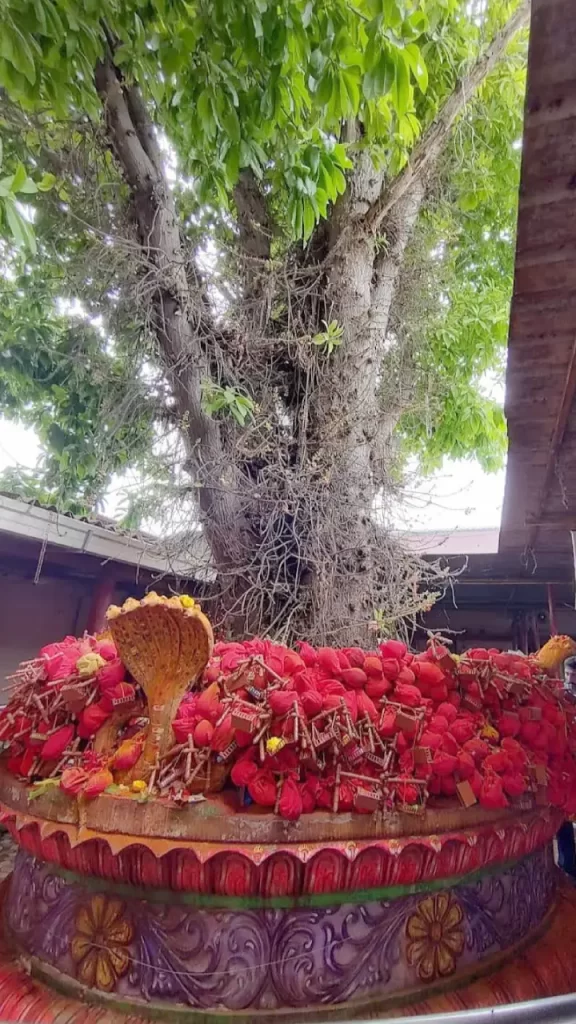
The Cradle Miracle: Women desirous of children often tie a small cradle (Uyyala) with saree or cloth to any sacred tree on the temple premises. This is a general ritual denoting their prayer for a child.
A Temple for Planetary Doshas: While famous for Sarpa Dosha, Lord Subrahmanya is considered the deity presiding over Kuja Dosha (Mangal/Mars affliction) in astrology. Therefore, many visiting the Mopidevi Subramanya Swamy Temple do so to mitigate the effects of Kuja Dosha or other afflictions related to Mars.
The Sacred Abhishekam Milk: The milk that has been used for Abhishekam is considered very holy. This milk, after flowing out from the unique hole underneath the Lingam, is collected by the devotees and used for its curative properties, especially for vision and hearing issues.
Read More>> Sri Kshetra Dharmasthala Temple: Miracles of Lord Manjunatha
Special Days and Festivals
The temple comes alive during its annual festivals and on specific days dedicated to Lord Subrahmanya Swamy. These days are the most crowded, so plan your visit accordingly!
| Festival/Special Day | When it Occurs | Significance | Crowded Status |
| Subrahmanya Sashti (Subbaraya Sashti) | Sixth day after the New Moon in the month of Margasira (Nov/Dec) | Commemorates the manifestation and birth of Lord Subrahmanya. | Extremely Crowded |
| Skanda Sashti (Kanda Sashti) | Sixth day of the bright fortnight in the month of Kartika (Oct/Nov) | Celebrates Lord Subrahmanya’s victory over the demon Tarakasura. | Very Crowded |
| Nagula Chavithi | Fourth day after Deepavali in the month of Kartika | Dedicated to the worship of the Snake God (Naga Devata). Highly auspicious for Sarpa Dosha Nivarana. | Very Crowded |
| Brahmotsavam | Annual Festival (dates vary, typically in Feb/Mar) | A grand 5-day celebration with Teppotsavam (Float Festival) and Vahana Seva. | Heavily Crowded |
| Tuesdays (Mangalavaram) | Every Tuesday | Auspicious day for Lord Subrahmanya (who is the presiding deity for Mars/Kuja). | Crowded |
Mopidevi Subramanya Swamy Temple Timings
To ensure you have a smooth darshan (viewing of the deity) and can perform the necessary rituals, here are the general temple timings. Please note that these timings can slightly change during festivals.
| Activity | Morning Hours | Evening Hours |
| Temple Darshan (Opening – Closing) | 5:30 AM to 1:00 PM | 4:00 PM to 8:00 PM |
| Sarpa Dosha Nivarana Pooja | Generally from 8:00 AM to 12:00 PM (Daily) | Not performed in the evening. |
| Abhishekam & other special Sevas | Morning hours (check daily schedule at the counter) | Varies |
Important Note: The temple remains closed in the afternoon, generally from 1:00 PM to 4:00 PM, for the deity’s rest.
Read More>> Sabarimala Temple: Abode of Lord Ayyappa
Hindu Places to Visit Near the Temple
Your pilgrimage to Mopidevi Subramanya Swamy Temple could form part of a greater, wonderful tour of the region, as there are many other spiritually and historically significant places not far from here.
Sri Sakaleswara Swamy Temple (Mopidevi):
- Situated right beside the Mopidevi Subramanya Swamy Temple.
- Dedicated to Lord Shiva in the form of another Swayambhu Shiva Lingam. A visit to the temple of Lord Shiva is traditional after worshipping his son, Lord Subrahmanya, for complete blessings.
Hamsaladeevi Venugopala Swamy Temple:
- Located near the confluence of the Krishna River with the Bay of Bengal (Krishna Sangamam).
- The beautiful temple dedicated to Lord Krishna, known as Venugopala Swamy. The main attraction is the drive at delta point amidst scenic nature.
Navagraha Temples (Mopidevi)
- Mopidevi village is also home to a unique set of temples dedicated to the Navagrahas, or Nine Celestial Bodies.
- Visiting these temples is believed to be essential for those seeking relief from the adverse effects that planetary positions in their horoscope may bring (Graha Doshas).
Machilipatnam
- About 30 km away from Mopidevi.
- A historical port city with a rich colonial past. You can relax at the Manginapudi Beach famous for its black soil and serene atmosphere.
Read More>> 5000 Years Old Mystery of Guruvayur Temple Kerala
Accommodation Options
As Mopidevi is a village, the accommodation facilities are mainly targeted for pilgrims.
Temple Choultries and Guest Houses: Most comfortable and economic option. Mopidevi Subramanya Swamy Temple offers basic Choultries or pilgrim rest houses and a few guest rooms. These are utilised mainly by couples performing the overnight Anapathya Dosha ritual.
Private Lodges in Mopidevi: A few small, private lodges are available near the temple complex, providing simple and clean accommodation.
Hotels in Nearby Towns: For more comfortable or luxurious stays, it is best to book a hotel in Machilipatnam (approximately 30 km away) or Vijayawada (approximately 70 km away) and plan a day trip to Mopidevi.
How to Reach the Mopidevi Subramanya Swamy Temple
Mopidevi Subramanya Swamy Temple is easily accessible, although in a rural area, road connectivity is well developed.
By Air
Nearest Airport:
- Vijayawada International Airport, Gannavaram, which is approximately 65-70 km away.
- From the airport, one can hire a pre-paid taxi directly to Mopidevi.
By Train
Nearest Major Railway Station: Vijayawada Junction (BZA) – approximately 70 km. This is a major hub and is connected to all parts of India.
Nearest Local Railway Station: Repalle Railway Station (RAL) – approximately 12 km away. Auto-rickshaws and local taxis are easily available from Repalle to Mopidevi.
By Road
From Vijayawada: Mopidevi is located about 70 km away from Vijayawada. There are regular public and private buses available from the Vijayawada-Avanigadda route, which passes through Mopidevi and takes up to approximately 2-2.5 hours.
From Machilipatnam: It is about 30 km away. State-run APSRTC buses and private transport are frequently available.
Read More>> Paramekkavu Bhagavathi Temple
Trending Questions About the Temple
Here are some of the most common and trending questions devotees ask about Mopidevi Subramanya Swamy Temple:
1. Is Mopidevi the right place for Kala Sarpa Dosha Nivarana?
Yes, definitely! Mopidevi Subramanya Swamy Temple is considered one of the most powerful and effective places in South India for the complete removal of Kala Sarpa Dosha and Sarpa Dosha. It is believed that the Swayambhu form of the Lord, who performed penance in the form of a serpent, can remove the affliction once and for all.
2. Can Sarpa Dosha Pooja be performed on any day?
Yes, the Sarpa Dosha Nivarana Pooja is generally performed on a daily basis in the morning. However, performing it on a Tuesday, Sunday, or on the auspicious days of Subrahmanya Sashti or Nagula Chavithi is believed to yield even greater benefits.
3. Does an officially designated accommodation facility exist for the overnight stay of childless couples?
Yes, the temple management offers special rooms and Choultries for those couples who come to perform the Anapathya Dosha ritual and have to stay overnight on the temple premises. However, one needs to confirm this with the temple office upon arrival.
4. What is the significance of the clay idols of Nandi and Garuda?
The clay idols of Nandi and Garuda were made and baked by the potter, Veeravarapu Parvathalu, after the discovery of the Swayambhu Lingam. Their presence together is very unique. Garuda is the traditional enemy of serpents, and yet he is present to honor Lord Subrahmanya, who is worshipped here in the form of the serpent. This symbolizes the Lord’s supreme power over all creatures, including the serpent race, and their traditional adversaries.
One Comment