
Thiruvidaikazhi Murugan Temple: Remove Sins of Even the Gods
Thiruvidaikazhi Murugan Temple, located in the quaint village of Thiruvidaikazhi, near Thirukkadaiyur in the Nagapattinam district. This isn’t just a temple; it’s a place where legend, faith, and history intertwine, offering a unique spiritual experience that I believe you’ll cherish forever.
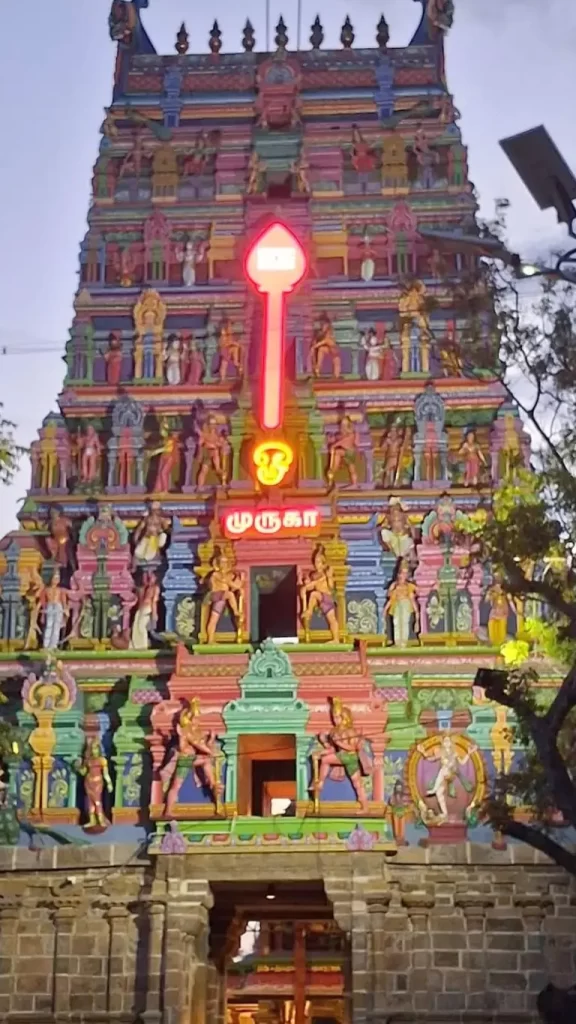
As we make our way along the serene streets to the temple, you can already sense the sanctity in the air. Thiruvidaikazhi Murugan Temple itself is a gorgeous reflection of devotion, and its history is one that has been shared through centuries. My intention today is to not only show you the temple, but to make you feel its rhythm and sense why it is so dear to the hearts of so many devotees, as it is to mine.
Contents
- 1 Thiruvidaikazhi Murugan Temple History
- 2 The Legend of the Temple: A Tale of Forgiveness and Betrothal
- 3 Why This Place Is So Important: A Spiritual Haven
- 4 Special Days and Rituals: When to Visit Thiruvidaikazhi Murugan Temple
- 5 Special Architectural Details and Carvings of Thiruvidaikazhi Murugan Temple
- 6 Myths and Beliefs at Thiruvidaikazhi Murugan Temple
- 7 Thiruvidaikazhi Murugan Temple Timings
- 7.0.1 Most Powerful Subramanya Swamy Temple at Thiruchendur
- 7.0.2 Subramanya Swamy Temple at Pazhamudircholai – Divine Wisdom
- 7.0.3 Subramanya Swamy Temple Thiruparankunram
- 7.0.4 Swaminatha Swamy Temple Swamimalai
- 7.0.5 Dhandayuthapani Swamy Temple Palani: Idol Made of POISON
- 7.0.6 Subramanya Swamy Temple at Tiruttani
- 8 Places to Visit Near the Temple
- 9 Accommodation and How to Reach
Thiruvidaikazhi Murugan Temple History
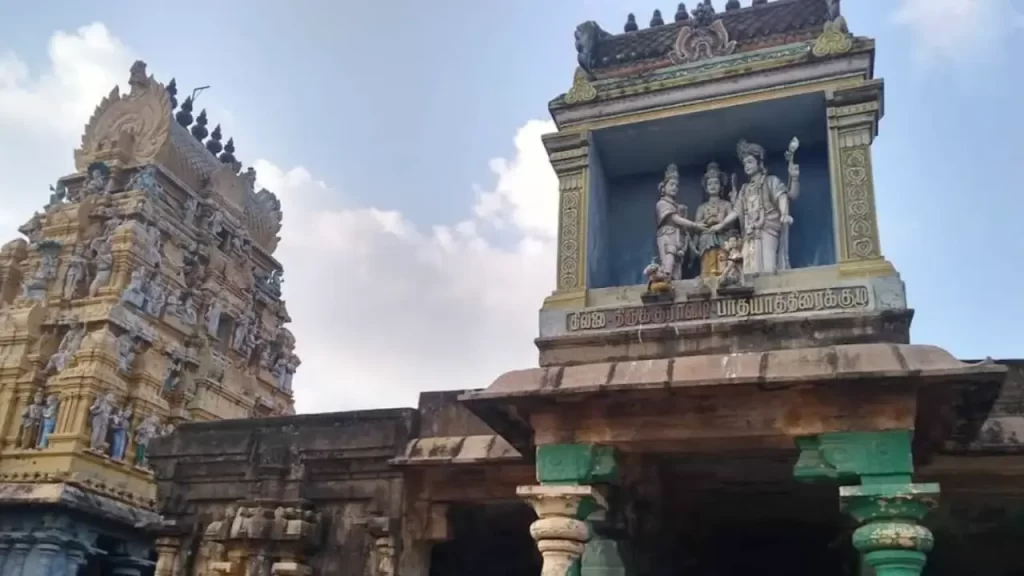
The Thiruvidaikazhi Murugan Temple has a history as old and deep as the myths surrounding it. As we walk towards the great seven-levelled Rajagopuram (central tower), you can spot the beautiful sculptures depicting tales of a forgotten time. Historical accounts and architectural designs indicate that the origin of this temple can be traced to the Chola dynasty, if not as early as the 10th century. The Cholas, with their majestic temple architecture, founded this sacred site.
The temple was renovated and expanded a number of times over the centuries, although the greatest additions were those by the Nayak dynasty during the 16th century. The Nayak kings were huge art and culture patrons, and their role can be seen in the intricate carvings and the overall design we witness today. The endurance of this temple for more than one thousand years is a reflection of the unshakeable belief of the people and the skill of the craftsmen who constructed it. It’s a living museum, an ever-unfolding story of faith that is present in every step you take. When you come to the Thiruvidaikazhi Murugan Temple, you’re not merely a tourist; you’re part of its living history.
Read More>> 3BCE Pathala Sembhu Murugan Temple: Underground Copper Pot
The Legend of the Temple: A Tale of Forgiveness and Betrothal
Each holy site has a Sthala Puranam, a local mythos that assigns to it its spiritual character. The Thiruvidaikazhi Murugan Temple’s legend is an interesting one, closely related to the well-known tale of Lord Murugan.
Following his glorious fight and triumph over demon Surapadman at Thiruchendur, Lord Murugan’s son Hiranyasuran fled and concealed himself in the sea just off this spot, as a fish. Lord Murugan, with the blessings of his mother, Goddess Parvathi, chased and defeated Hiranyasuran here. But since Hiranyasuran was a follower of Lord Shiva, Lord Murugan suffered the dosha (guilt) of having slain a Shiva bhakta.
To make amends for this fault, Lord Murugan was told to revere his father, Lord Shiva, under the hallowed Kura tree (a bottle-brush tree) at this place itself. Lord Shiva, being satisfied with his son’s penance, came as Papavimochana Peruman (The Lord who releases one from sin) and relieved him of his dosha. In a very unique and lovely gesture, Lord Shiva stood a little behind Lord Murugan in the sanctum, indicating his blessings and giving priority to his son.
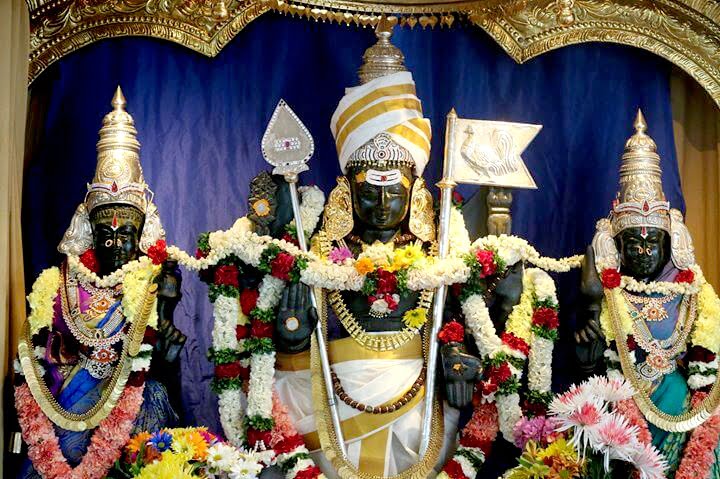
That is the reason the main sanctum happens to be one of the most unusual you will ever have seen—Lord Murugan remains in the front, while Lord Shiva, in the form of a lingam, stands behind him. This potent mix is said to bestow extraordinary blessings upon devotees who wish to be free from their own sins and karmic loads.
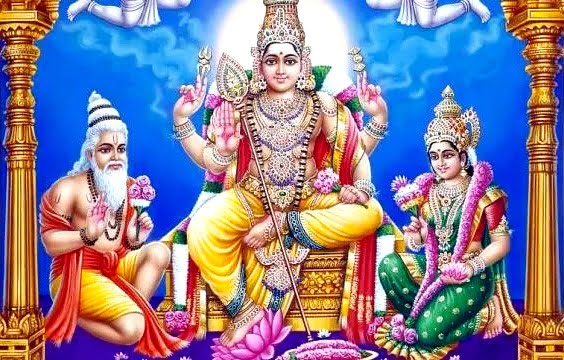
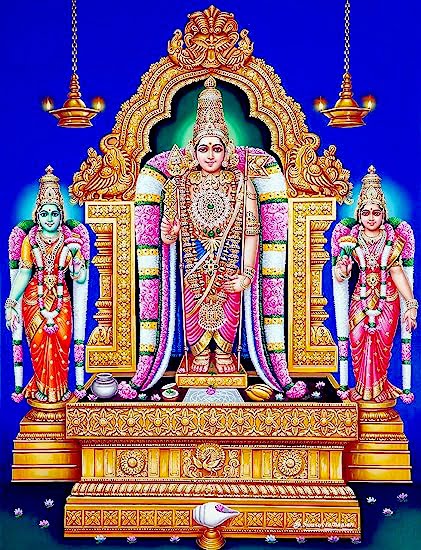
Another fascinating aspect of the mythology is that it is said that this was the location where Lord Murugan’s engagement (nichayathaartham) to his divine bride, Goddess Deivanai, was conducted. Deivanai is said to have done penance here so that she could wed the Lord. When her prayers were answered, the engagement was finalized at Thiruvidaikazhi Murugan Temple before the wedding was solemnized at Thiruparankundram. The idol of Goddess Deivanai here is a sight to behold; she is depicted in a slightly tilted posture, almost as if she is blushing with shyness at her engagement. It’s a beautiful detail that truly humanizes the divine.
Presence of the Kura tree is also important. The renowned Tamil saint, Arunagirinathar, in his devotional poetry Thiruppugazh, has sung Lord Murugan as “Thirukuravadi Nizhalthanil Uraivone,” that is, “The Lord who dwells beneath the shadow of the holy Kura tree.” This ancient testimony from the Thiruppugazh is a strong affirmation of the sanctity of the temple and its reference in ancient scriptures.

Why This Place Is So Important: A Spiritual Haven
The Thiruvidaikazhi Murugan Temple is not only a temple, it’s a spiritual powerhouse for a number of reasons. Its special designation as a Parihara Sthalam (a site for atonement) for certain planetary positions makes it extremely popular.
Rahu-Ketu and Sevvai Dosham Relief: The temple is universally regarded as a major parihara sthalam for individuals afflicted with the adverse influence of Rahu, Ketu, and Sevvai (Mars) doshas in their horoscopes. Rahu himself is said to have worshipped Lord Murugan here in order to be free from a curse. People come from all corners to undergo special poojas to counteract these planetary forces, hoping for peace in their lives, professions, and love affairs.
The Betrothal Site: For all those experiencing delays or hurdles in marriage, Thiruvidaikazhi Murugan Temple remains very significant. That the betrothal of Lord Murugan and Goddess Deivanai occurred here makes it a site of blessings for a happy and timely marriage. Fridays are especially auspicious, and many bachelors and bachelorettes make pilgrimages to the independent shrine of Goddess Deivanai to pray.
A Temple of Wisdom and Clarity: It is said to be possible that meditating beneath the holy tree of Kura can bestow clarity of the mind, keen intellect, and a calm mind. The spiritual power of the location is such that it assists one in getting over baseless judgments and negations.
The spiritual essence of the temple is easy to feel. As soon as you enter, you can sense calm and serenity that is not easy to find elsewhere. The atmosphere is filled with the collective prayers of thousands who have found peace and answers here.
Read More>> Miraculous Shirdi Sai Baba Temple
Special Days and Rituals: When to Visit Thiruvidaikazhi Murugan Temple
In order to really feel the vibrant spiritual vibration of the Thiruvidaikazhi Murugan Temple, you must attempt to go during festive days when the temple is filled with followers.
Thaipoosam (January-February): This is a very significant festival for Lord Murugan followers. The temple celebrates exuberantly, and you will find thousands of devotees carrying Kavadi—a ceremonial physical load—and Palkudam (milk pots) as an act of penance and worship. The display of the colorful processions and the rhythmic chants of “Vel Vel Muruga!” is an unforgettable experience.
Vaikasi Visakam (May-June): This is the birthday anniversary of Lord Murugan. It’s a six-day festival with special Abhishekams and cultural events. The festive mood is contagious, and it’s an excellent time to observe the strong devotion of the local populace.
Panguni Uthiram (March-April): This is another big festival with a 10-day Brahmotsavam (chief annual festival). The highlight is the Therottam (chariot festival), wherein the Lord along with his consorts is taken in a richly decorated chariot around the streets. It’s a scene of sheer devotion and festivity.
Some other special days are Sashti (sixth day from the new moon), Karthigai and Fridays. These are very busy days, but the energy and faith are simply spellbinding.

Special Architectural Details and Carvings of Thiruvidaikazhi Murugan Temple
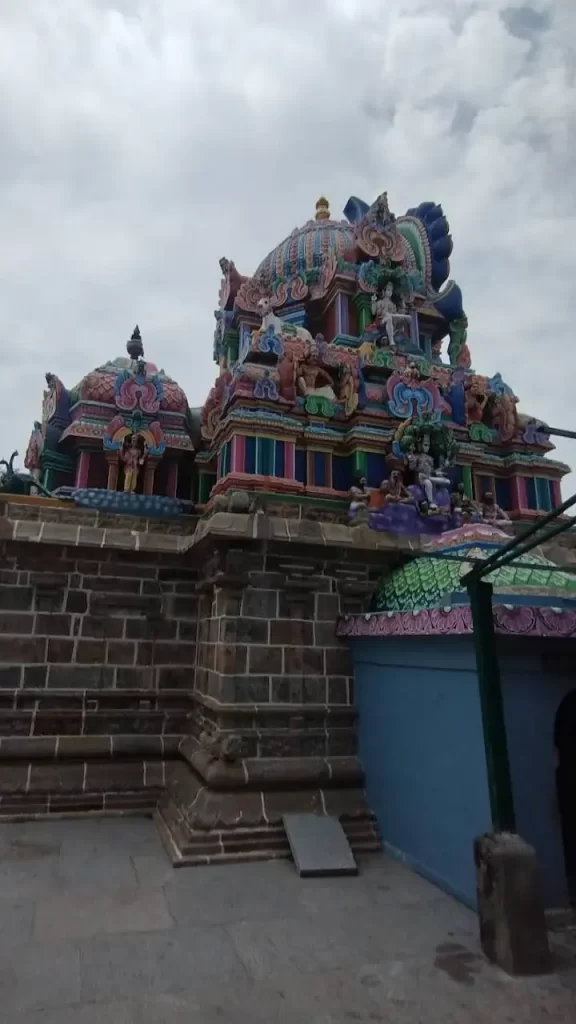
As a tour guide, I always try to persuade people to see beyond the rituals and admire the artistry that has gone into constructing these holy structures. The Thiruvidaikazhi Murugan Temple architecture is a fusion of Chola and Nayak styles, a music of stone and sculpture.
The Seven-Tiered Rajagopuram: The tower of the entrance is a work of art in itself, covered with colorful stucco sculptures (Sudhai) illustrating the scenes from the Skanda Puranam, the holy text that narrates the life of Lord Murugan. Every level has a different tale.
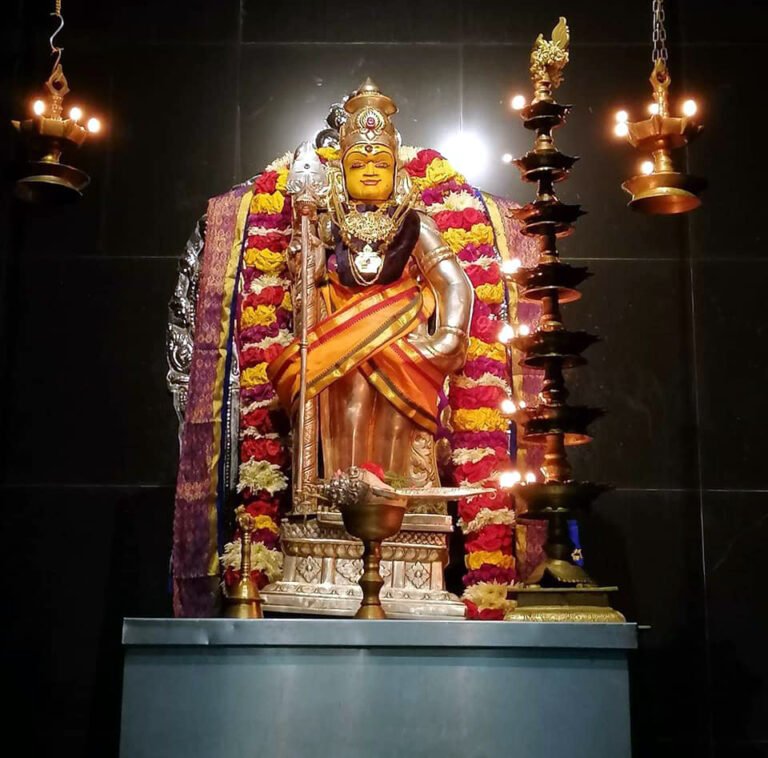
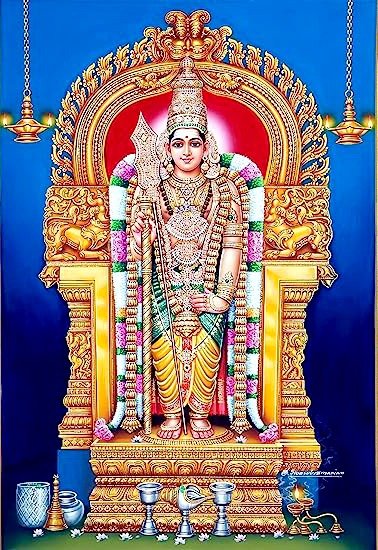
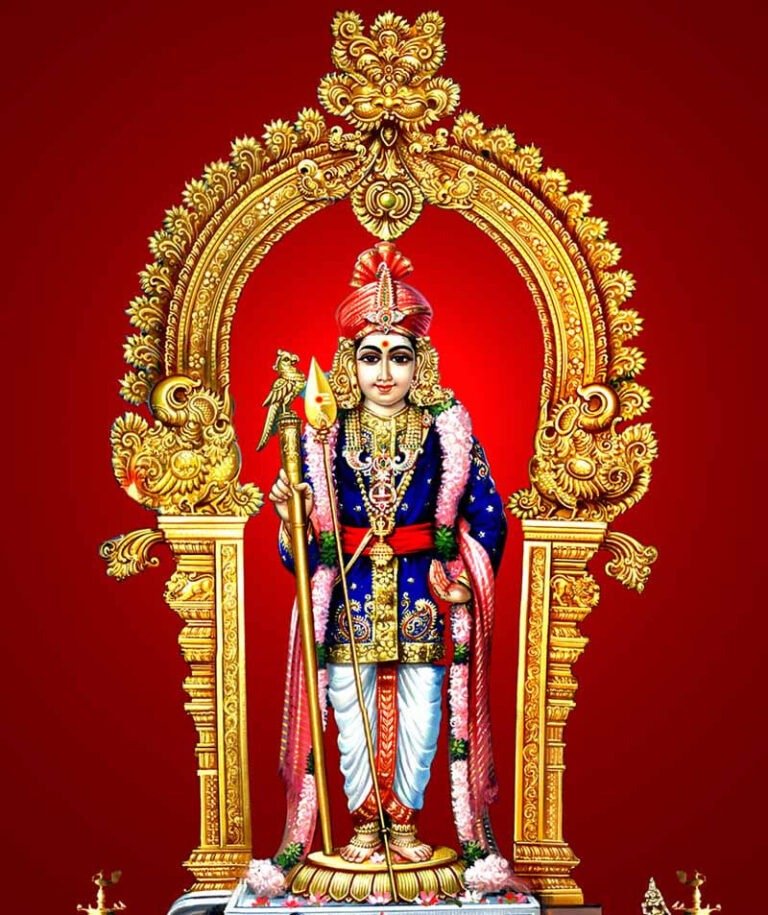
The Main Sanctum: As I said, the Garbhagriha (sanctum sanctorum) is really special, with Lord Murugan placed in front of Lord Shiva. The idol of Lord Murugan is six feet tall, a towering figure with his right hand in the Abhaya Hastha (blessing) position and his left hand resting on his waist.
A Temple of Ganeshas: One of the most fascinating aspects of this temple is that there are sixteen individual temples for Lord Ganesha (Vinayagar) within the temple premises. This is extremely unusual and represents the blessings of the elder brother of Lord Murugan at each juncture.
The Dwajasthambam: The flagpole itself is special. In most temples, at the bottom, you find only a Vinayagar idol, but here you will find both Lord Ganesha and Lord Murugan sitting side by side, a wonderful example of human brotherhood and mutual respect.
Each carving, each sculpture, ranging from the grand elephants in person (mandapam) to the gods on the walls, speaks of religion and mythology.
Read More>> Famous Tirumala Tirupati Venkateswara Swamy Temple Guide
Myths and Beliefs at Thiruvidaikazhi Murugan Temple
The Thiruvidaikazhi Murugan Temple is home to several myths and beliefs that have been passed down through generations.
The Miracle of the Kura Tree: One of the most dearly held convictions is that the leaves of the divine Kura tree are an antidote for snake poison. According to local legend, after a fight, one of Lord Murugan’s generals, Veerapagu, was bitten by a venomous snake, and he was rescued by the extract of the Kura leaves.
Child Blessing Ritual: For infertile couples, there exists a strong conviction that securing a small cradle to the trunk of the Kura tree will bless them with children. This tradition is still being practiced by many followers.
A Vow of Silence: Some pilgrims, as part of a vow, will pledge to bear a Kavadi and keep a vow of silence (Mauna Vratam) on their pilgrimage to the temple. It is a dramatic show of personal piety.
Such beliefs, though not always substantiable, create a personal and emotional attachment to the temple, such that the visit is a human and spiritual one.
Thiruvidaikazhi Murugan Temple Timings
Thiruvidaikazhi Murugan Temple is typically open during the following times:
Morning: 6:00 AM to 12:00 PM
Evening: 4:00 PM to 8:30 PM
Always a good idea to check beforehand, especially on festival days, as timings may slightly vary for special poojas and rituals. The temple is managed by the Hindu Religious & Charitable Endowments Department (HR&CE) of the Government of Tamil Nadu.

Places to Visit Near the Temple
Your visit to Thiruvidaikazhi Murugan Temple can be combined in a comprehensive spiritual tour. The area is full of historical and religious places.
Thirukkadaiyur: Only around 6 km from here, this is a “must-see.” The Sri Abhirami Sametha Amirthakadeshwarar Temple here is renowned for being relevant to the legend of Sage Markandeya, who was rescued by Lord Shiva from Yama (God of Death). It’s a favorite of couples to mark their 60th and 80th birthdays.
Tharangambadi (Tranquebar): A seaside town with a great Danish colonial past, situated around 16 km from Thiruvidaikazhi. You can visit the old Danish Fort, a lovely church, and the quiet beach.
Mayiladuthurai: Located approximately 21 km away, this town is famous for its numerous temples, of which the Mayuranathaswamy Temple dedicated to Lord Shiva is one.
Vaitheeswaran Koil: About 40 km from here is this well-known temple dedicated to Lord Shiva as Vaitheeswaran, the “Divine Doctor.” It is said to possess healing powers, and pilgrims go there seeking blessings for good health and well-being. It is also a Navagraha temple, one dedicated to Mars.
Accommodation and How to Reach
As Thiruvidaikazhi Murugan Temple is a small village, it’s advisable to find accommodation in the nearby towns of Thirukkadaiyur or Mayiladuthurai, where you can find budget hotels as well as more comfortable staying options.
By Air: The closest airport is Tiruchirappalli International Airport (TRZ), which is approximately 140 km away. From there, you can take a taxi to the temple.
By Train: The closest major railway station is Mayiladuthurai Junction (MV) and is well connected with major Tamil Nadu cities. From there, it is easy to get local buses, autos, or taxis to the temple, situated at a distance of 21 km.
By Road: The temple is also very well connected by road. You can travel by bus from Thirukkadaiyur or Mayiladuthurai and then take a local taxi or auto-rickshaw. The journey by road is very picturesque, passing through green fields and typical Tamil villages, making your journey a most memorable one.
I hope this guide has provided you with an even greater appreciation of the Thiruvidaikazhi Murugan Temple. It’s not just a place to visit; it’s an experience that reaches the heart. Whether you visit in search of blessings, historical knowledge, or perhaps a moment of serenity, this temple will embrace you with open arms and leave you feeling deeply at peace. It has with me, time and again.
One Comment