
Unbelievable Facts About Udiyanoor Devi Temple You Never Knew!
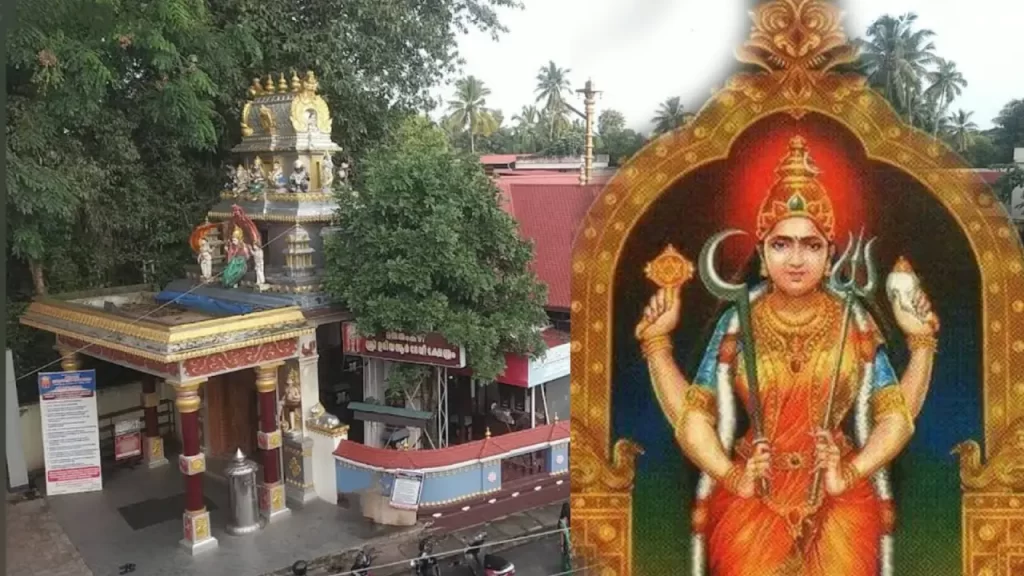
Udiyanoor Devi Temple, located in a quaint small village named Udiyanoor, close to Thiruvananthapuram, Kerala’s capital city, the beautiful state in the southern region of India. It’s an area where old myths and legends are brought to life, and you will sense the warmth and grace of a benevolent mother. Do you want an adventure? Let’s do it!
Contents
- 1 History of the Udiyanoor Devi Temple: A Story from Very Long Time Ago
- 2 Legend of the Udiyanoor Devi Temple: Tales of the Divine Mother!
- 3 Udiyanoor Devi Temple Significance: Why It Matters to Everyone
- 4 What’s So Special About Udiyanoor Devi Temple
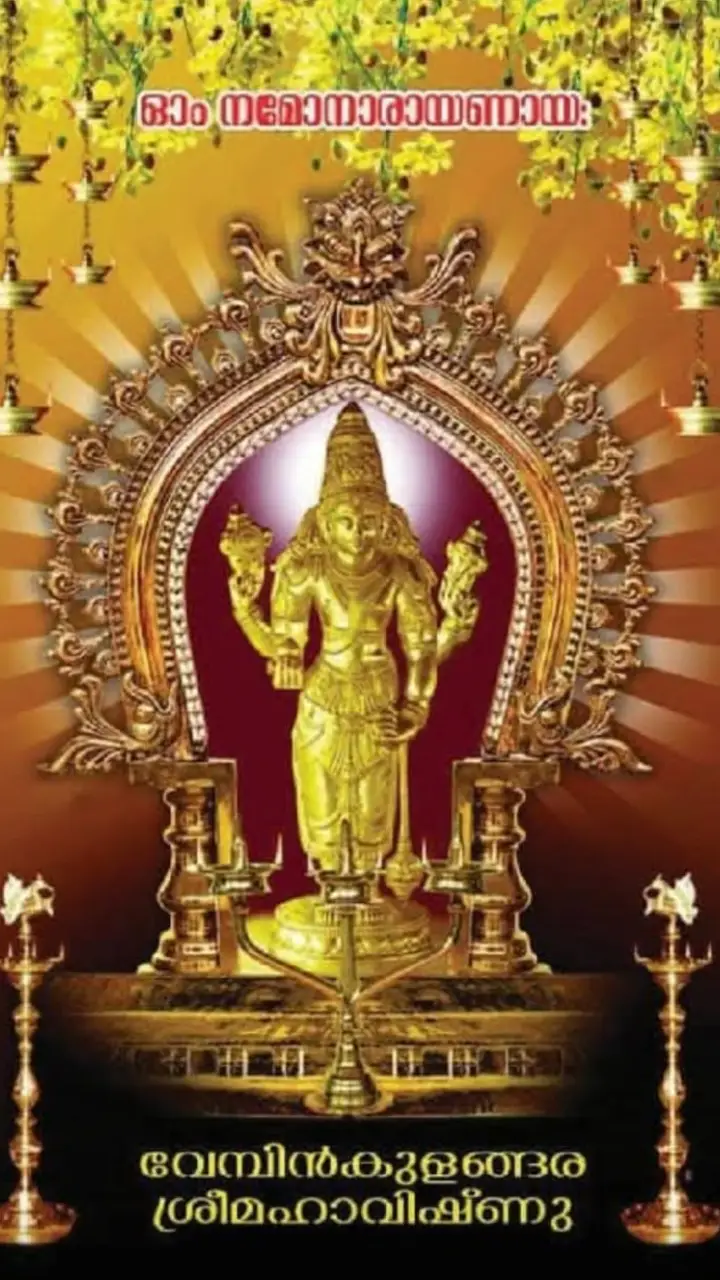
- 4.0.1 Vembinkulangara Sri Mahavishnu Temple
- 4.0.2 Chelamattom Sreekrishna Swami Temple: Powerful Temple for Ancestors
- 4.0.3 Kalluthipara Temple: Lord Krishna Divine Footprint in Stone!
- 4.0.4 Thuravoor Temple of 2 Powerful Deities Narasimha & Sudarsana
- 4.0.5 Nelluvaya Sree Dhanwanthari Temple
- 4.0.6 3000 yr Old Sacred Neerputhoor Shiva Temple Water Encircled
- 5 Architecture: The Way the Temple Appears!
- 6 Miracles: Stories of Divine Intervention!
- 6.0.1 Shri Jogadya Shaktipeeth, Kshirgram, West Bengal
- 6.0.2 Vibhash Shakti Peeth | Kapalini (Bhimarupa) Shaktipeeth
- 6.0.3 Ujani Shaktipeeth Shri Mangal Chandi Temple
- 6.0.4 Nandikeshwari Temple | Nandipur Shakti Peeth, Sainthia
- 6.0.5 Shree Trishrota Maa Bhramoree Debir Shaktipeeth Temple
- 6.0.6 Anandamayee Shakti Peeth Temple
- 7 Myths and Beliefs: More Enchanting Tales!
- 8 Temple Timings: When Can We Visit Our Divine Mother?
- 8.0.1 Most Powerful Subramanya Swamy Temple at Thiruchendur
- 8.0.2 Subramanya Swamy Temple at Pazhamudircholai – Divine Wisdom
- 8.0.3 Subramanya Swamy Temple Thiruparankunram
- 8.0.4 Swaminatha Swamy Temple Swamimalai
- 8.0.5 Dhandayuthapani Swamy Temple Palani: Idol Made of POISON
- 8.0.6 Subramanya Swamy Temple at Tiruttani
- 9 Strict Rules Adhered to by the Temple: Display of Respect
- 10 Places to Visit Around Udiyanoor Devi Temple: More Adventures!
- 11 Accommodation Options:
- 12 How to Reach the Temple: Your Way to Udiyanoor!
History of the Udiyanoor Devi Temple: A Story from Very Long Time Ago
Let us begin our adventure by going back in time, a long, long time ago. The Udiyanoor Devi Temple is extremely, extremely ancient! Although we don’t have a precise “birthday” recorded, it is believed to have been constructed centuries ago, even over a thousand years! Can you imagine that – this temple has been standing tall and proud for so many, many generations, guarding the people of Udiyanoor.
The temple was constructed by devoted fans who wished to have a unique abode for Goddess Bhagavathy, the presiding deity here. Kings and influential families have also cared for vazhipadu devi temple over the centuries, ensuring that it is a holy and beautiful site for all to see. It’s akin to a witty old friend who has witnessed so much and has so many memories in its old walls. The temple has been taken care of lovingly, and even now, you can sense the history and the faith that has run through it for centuries.
Read More>> Murudeshwar Temple Karnataka: India’s 2nd Massive Shiva Statue
Legend of the Udiyanoor Devi Temple: Tales of the Divine Mother!
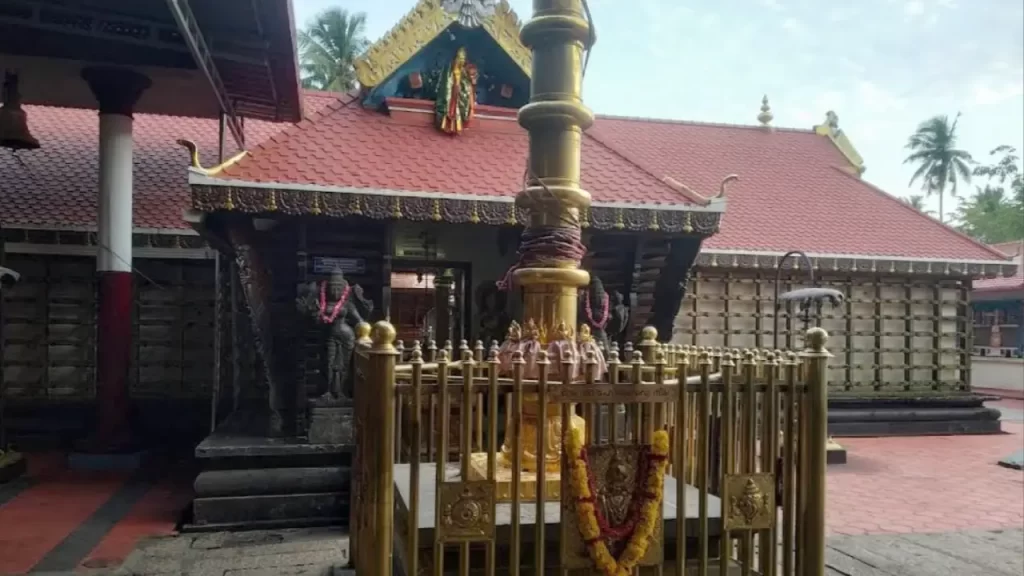
All sacred locations have great tales, and the Udiyanoor Devi Temple is not an exception! These myths explain to us about the wonderful power and compassion of Goddess Bhagavathy.
One of the most common tales tells us how the Goddess came here. Long, long ago, there was a very sacred Brahmin (a wise priest) who was coming with an idol of Goddess Bhagavathy. He was going to some other destination, carrying this sacred idol. When he was passing by Udiyanoor, he felt something very special about this area. The idol that he was carrying grew extremely heavy, so heavy that he could no longer move it! He pushed and pushed, but nothing was working.
This was a message from the Goddess herself! She just didn’t want to leave there. So, the Brahmin realized her desire, and thus the Udiyanoor Devi Temple was constructed on this very ground. It’s thought that the Goddess was drawn to this site due to its sanctity and the faith of the people who dwelled there.
Yet another pretty legend associated with the Udiyanoor Devi Temple is about the fierce avatar of the goddess, being an incarnation of Goddess Durga. She has been believed to have descended here to save her followers and vanquish evil powers. At other times, legends relate her to that great battle when Goddess Durga fought and defeated the powerful demon Mahishasura. Thus, she is not just a kind mother but a courageous warrior as well!
Though direct quotes from ancient Hindu literature naming “Udiyanoor Devi Temple” are few since most of the local temples have origins in local folklore, Mother Goddess cult is deeply ingrained in books such as Devi Mahatmyam (also referred to as the Durga Saptashati or Chandi). The scripture is an eulogy of the Divine Mother’s power. An example from Devi Mahatmyam is:
“Ya devi sarva bhuteshu shakti rupena samsthita, Namastasyai namastasyai namastasyai namo namah.”
The lovely verse translates as: “To the Devi who resides in all beings in the form of power, Salutations to Her, Salutations to Her, Salutations to Her, Salutations again and again.”
This expresses the essence of Udiyanoor Devi Temple, where the divine power of the Goddess pervades in every person visiting.
Read More>> 11th Century Ammapalli Temple of Sri Seetha Rama
Udiyanoor Devi Temple Significance: Why It Matters to Everyone
So, you may be asking yourself, “Why is the Udiyanoor Devi Temple so significant to so many individuals?” The answer is, it’s not necessarily about the ancient tales; it’s about the way people feel when they are here, and the blessings they think they gain.
A Source of Maternal Affection: Goddess Bhagavathy is a universal mother who is full of compassion, love, and power. Devotees visit the Udiyanoor Devi Temple to pray for her blessings in every walk of life – for good health, happiness, success in studies or profession, and for the welfare of their family. She is believed to guard her children (her devotees) from every adversity.
Granting Wishes (Manokamna Siddhi): Most of the devotees strongly believe that if they pray sincerely in the vazhipadu devi temple, particularly with a clean heart, Goddess Bhagavathy hears their prayers and grants their wishes. It is a place where aspirations are ignited and wishes are granted.
Protection and Healing: The Goddess is also worshiped for her ability to protect from ill fortune or negative energies and heal diseases. Individuals go there to pray for healing from sickness or overall protection from harm.
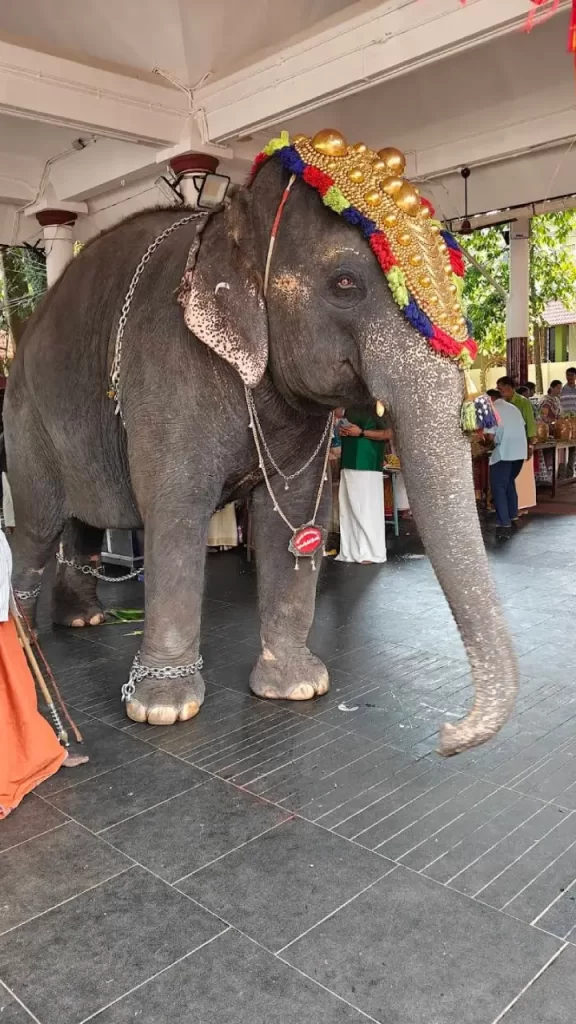
Cultural Hub: The temple is not only a worship place; it’s also a cultural hub and hub of local traditions. Festivals and cultural activities take place here, uniting the people. It’s a place where older customs are preserved and transmitted from one generation to the next. The Udiyanoor Devi Temple is indeed the community’s heart.
Read More>> 5th CE Yaganti Temple with Mysteries
What’s So Special About Udiyanoor Devi Temple
The Udiyanoor Devi Temple does have some special items that set it apart!
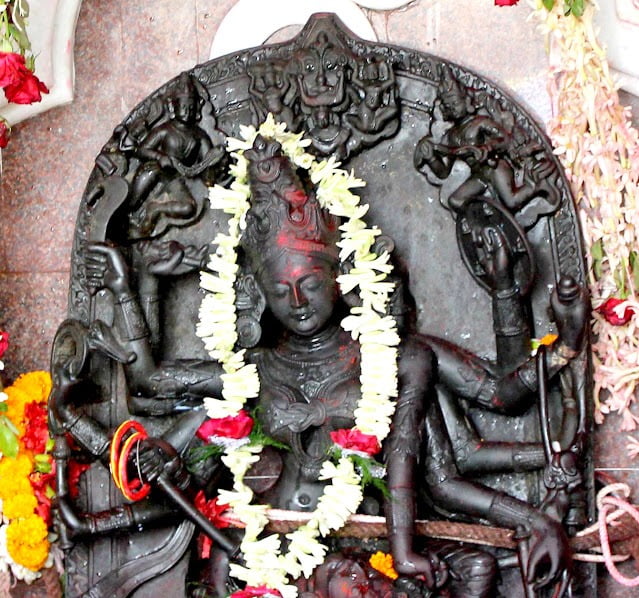
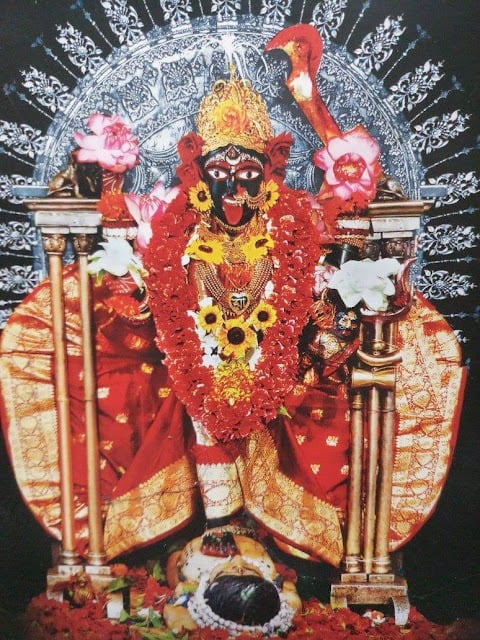
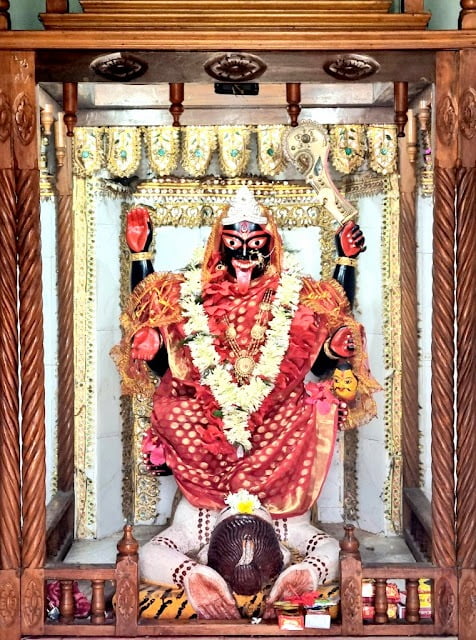
The Posture of the Deity: The central idol of Goddess Bhagavathy here is very unique. She sits in a very special posture, folding one leg and letting the other hang loose, as if ready to stand up and bless her devotees or hasten to their rescue! This posture indicates readiness to guard and nurture her children.
The Presence of both Shiva and Vishnu: Although it is mainly a Devi (Goddess) temple, it is also particularly connected to Lord Shiva and Lord Vishnu. They are said to be present in the temple grounds too, in subtle forms, enhancing the spiritual energy of the location. This turns the Udiyanoor Devi Temple into a really blessed place where diverse divine forces unite.
The Special Offerings: There are some special offerings and rituals unique to this temple, which mirror its ancient heritage. For instance, the Neipayasam, which is a sweet offering prepared with ghee, rice, and jaggery, is a highly special and popular offering to the Goddess here.

Architecture: The Way the Temple Appears!
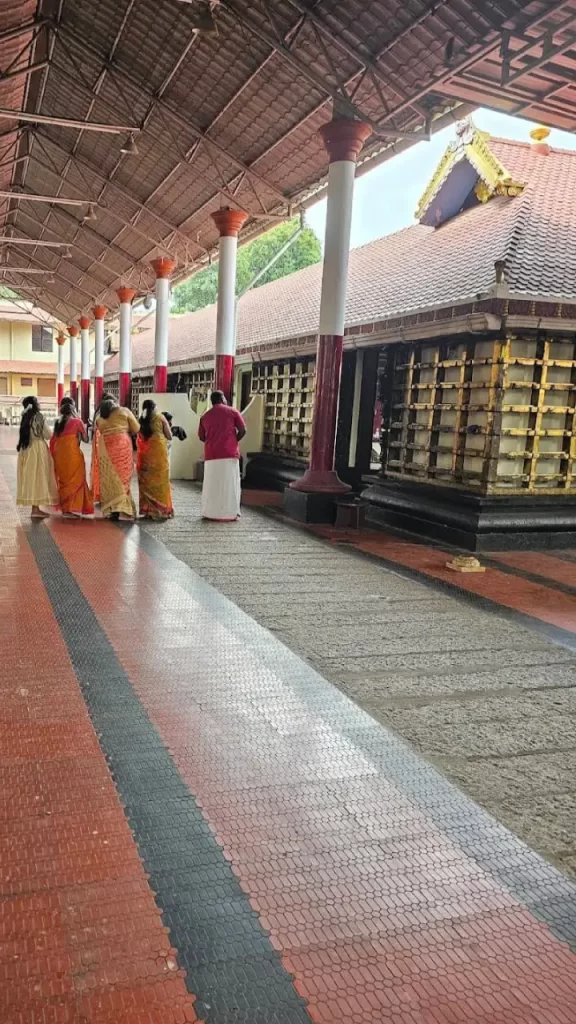
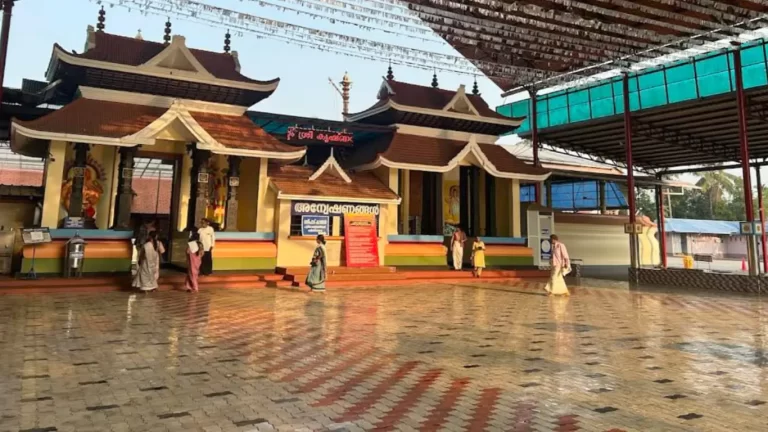
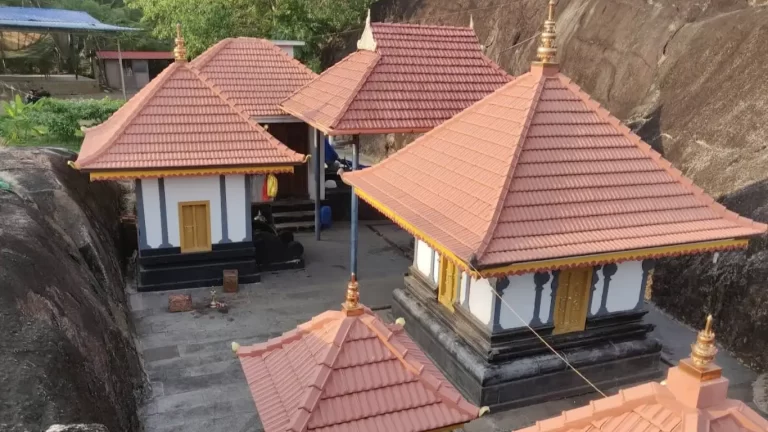
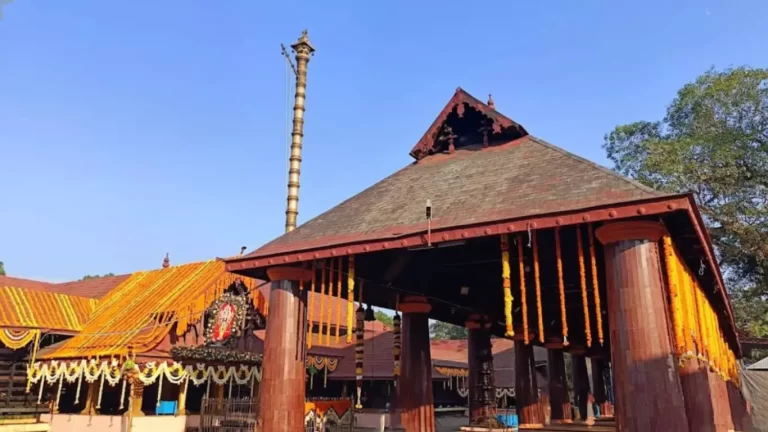
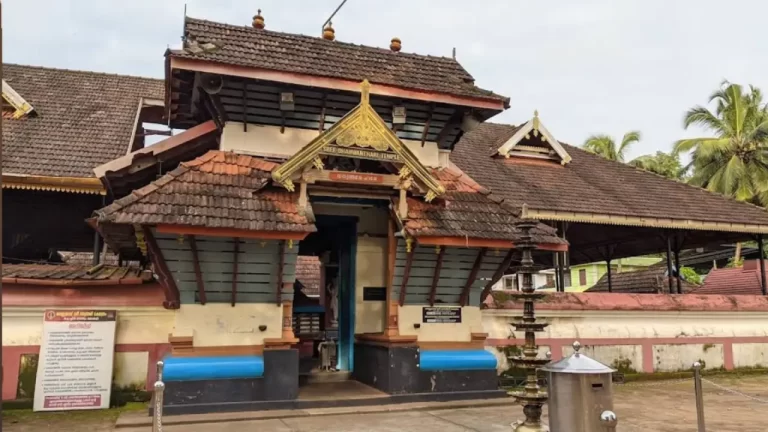
When you come to the Udiyanoor Devi Temple, you’ll be welcomed with a lovely sight of traditional Kerala temple architecture. It is quite distinct from temples elsewhere in India, and has its own unique beauty.
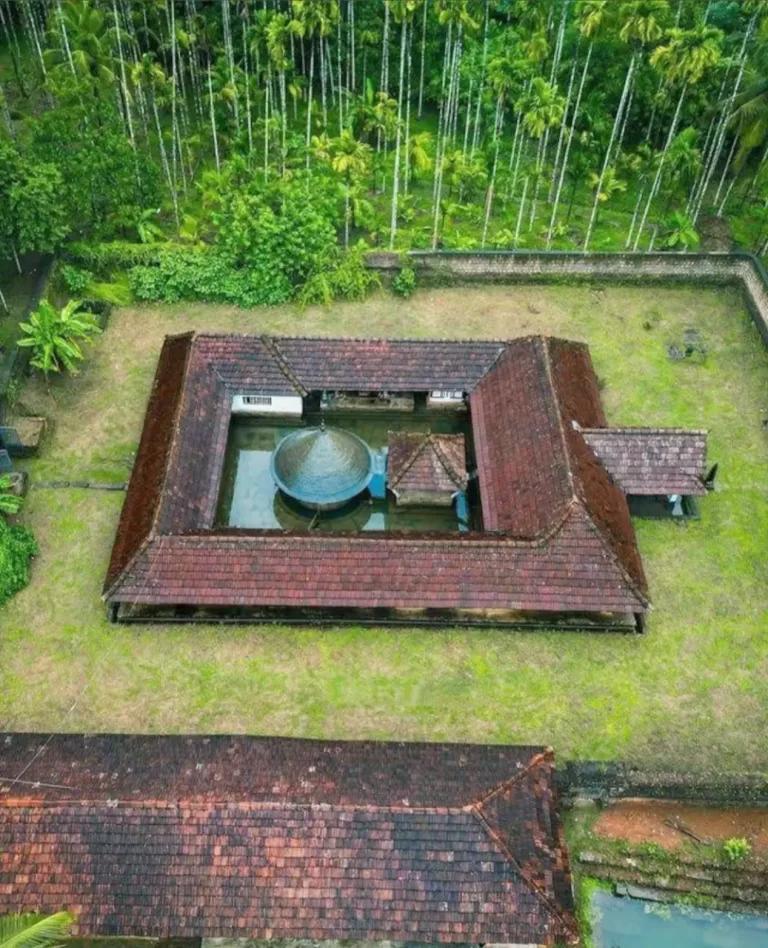
Circular Sanctum (Sreekovil): The innermost portion of the temple where Goddess Bhagavathy’s idol is placed is usually circular in shape, known as a Sreekovil. This is a very common and lovely aspect of Kerala temples. The Sreekovil’s roof is usually conical and copper sheets-covered, which shine well in the sun.
Wooden Carvings: You’ll see beautiful wooden carvings on the pillars and ceiling within the temple. The carvings are so very detailed and sometimes tell stories from Hindu epics, like wood carvings in pictures! It’s wonderful to see the craftsmanship of the artists of yesteryears.
Laterite Stone: Laterite stone is a building stone commonly used in Kerala, and it is often used to construct the temple walls. It imparts to the temple a reddish-brown, warm color.
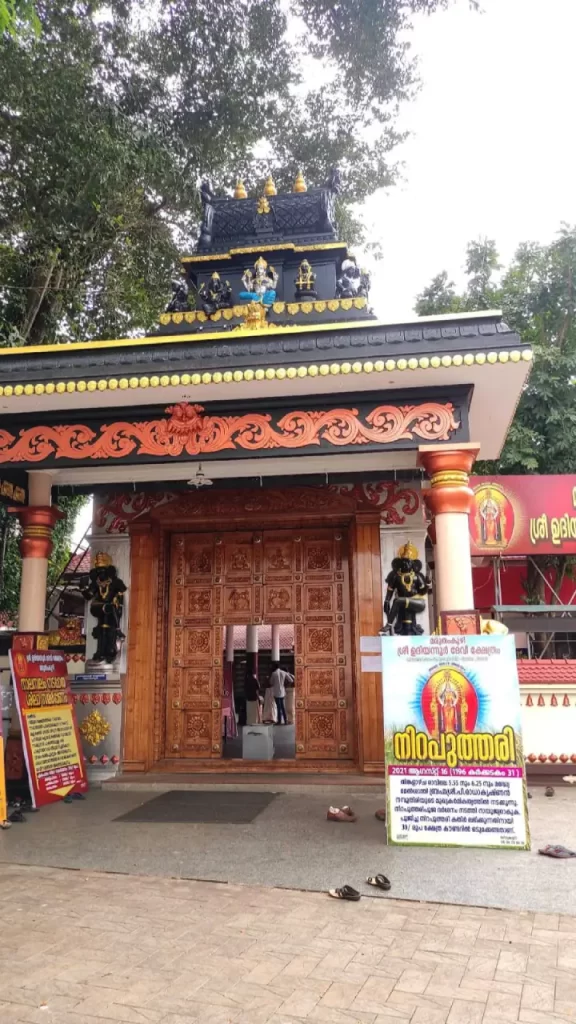
Gopuram (Entrance Tower): Though less tall and more modest than those in Tamil Nadu, Kerala temples typically have a stunning entrance gate or a tiny Gopuram, which is frequently constructed of wood and tiles.
Temple Pond (Kulamp): The majority of old Kerala temples have a holy pond or kulamp close by, which is utilized as a ritual bath for purification prior to proceeding into the temple. The environment surrounding the temple tends to be extremely serene, with greenery all around and an aura of tranquility. The simplicity and beauty of the structure render the Udiyanoor Devi Temple an exceptionally lovely view.
Read More>> Sabarimala Temple: Abode of Lord Ayyappa
Miracles: Stories of Divine Intervention!
The Udiyanoor Devi Temple is not only a temple but also a site where numerous devotees have witnessed what they believe to be miracles. These are instances where something unbelievable happens that can only be attributed to the workings of the divine!
Answers to Prayers: There are numerous instances of how people’s most sincere prayers were fulfilled after a visit to the Udiyanoor Devi Temple. If it was getting a well-paying job, recovering from a serious ailment, or the birth of a child after waiting for years, devotees attribute all these happy incidents to the benevolence of Goddess Bhagavathy. These anecdotes are passed on from family to family and become part of the living tradition of the temple.
Protection Against Harm: There are stories of individuals who had encountered hazardous circumstances, such as accidents or unexpected woes, but sensed a divine intervention that protected them to safety, crediting the protection of the Goddess after praying at the temple.
Sense of Peace: Not a “miracle” in the dramatic category, perhaps, but a tremendous number of visitors report a sense of sheer peace, calm, and positive energy when they are within the Udiyanoor Devi Temple. This is such a powerful sense of spiritual peace that it can be deeply life-changing for individuals, making them feel rejuvenated and encouraged. It is as if the Goddess is wrapping her love about them.
These tales, transmitted from one generation to the next, reinforce individuals’ belief in the benevolence and power of the Goddess of Udiyanoor Devi Temple.
Myths and Beliefs: More Enchanting Tales!
Aside from the myths of the Goddess selecting this location, the Udiyanoor Devi Temple is filled with a rich fabric of local myths and beliefs that augment its spirituality.
The Divine Presence: One of the strongest beliefs among the faithful is that the Goddess sits constantly in the temple, actively hearing prayers and guarding her children. It’s not an idol; it’s a living, breathing divine presence that remains here.
Rituals for Particular Blessings: Some rituals conducted at the Udiyanoor Devi Temple have specific purposes. For example, conducting a specific archana (flower and prayer offering) may be for overcoming hurdles, whereas another may be for acquiring knowledge or prosperity.
The Power of Devotion: There is a strong focus on devotion and the purity of mind upon visiting vazhipadu devi temple. It is believed that the Goddess hears most strongly those sincere prayers that are made with the pure devotion of heart.
The Holy Tree: Usually, very old temples in Kerala possess a holy tree (such as a Banyan or Peepal tree) that is related to them. Such trees are also divine and worshipped, and it is thought that they contain good spirits or parts of the gods. Having such trees around the Udiyanoor Devi Temple contributes to its otherworldliness.
These legends and myths are not mere ancient tales; they are an existing aspect of people’s belief system and traditions in those who pray at the Udiyanoor Devi Temple.
Read More>> 7th Century Virupaksha Temple Hampi
Temple Timings: When Can We Visit Our Divine Mother?
The Udiyanoor Devi Temple is open to devotees from morning to evening, giving each one of them an opportunity to receive the blessings of the Goddess.
Typically, the temple opens at approximately 5:00 AM in the morning for the morning rituals and prayers. It closes for a brief interval during the afternoon, typically between 12:00 PM or 1:00 PM. It reopens during the evening, at around 5:00 PM, for evening prayers and remains open until approximately 8:00 PM or 8:30 PM.
Morning Darshan: The early morning period is typically quite serene and spiritual with fewer people.
Evening Aarti: Deeparadhana (lamp lighting) and evening Deeparadhana during the evening are lovely to see, and the temple lights up beautifully under the soft glow of the lamps.
It’s always a good idea to find out the precise timings locally, particularly on days of festivals, as they may have increased timings or special timings.
Strict Rules Adhered to by the Temple: Display of Respect
Similar to most ancient temples, particularly in Kerala, the Udiyanoor Devi Temple also adheres to some conventional rules in order to ensure its sanctity and reverence to the deities. These are not put in place to create difficulties, but so that everyone can have a respectful and spiritual experience.
Dress Code: Guests, particularly men, are normally asked to take off their shirts and put on traditional clothing such as a dhoti (a piece of cloth wrapped around the waist and legs) before entering the inner sanctum. Women are asked to dress in modest traditional wear such as sarees or churidars. This is a usual expectation in most temples in Kerala and reflects humbleness and deference to the deity.
Footwear: In a gesture of respect, every visitor has to doff their footwear before stepping into the temple compound.
Purity and Cleanliness: Followers are asked to be at least moderately physical and mentally pure. For example, individuals are usually dissuaded from entering the temple if they have been to a site of death recently or are mourning.
Photography: Photography within the inner sanctum (Sreekovil) is typically not permitted to maintain the sanctity of the idol and the puja.
Silence: Chanting and prayer are welcomed, but general noise and loud talk are frowned upon inside the temple to ensure a calm and meditative environment.
All these restrictions are traditional and serve to maintain the spiritual nature of the Udiyanoor Devi Temple.
Read More>> Char Dham Yatra – A Complete Guide to Spiritual Destination
Places to Visit Around Udiyanoor Devi Temple: More Adventures!
Following your serene visit to the Udiyanoor Devi Temple, there are plenty of other great places to visit in and around Thiruvananthapuram:
Sree Padmanabhaswamy Temple: This is one of the richest and most popular temples in the world, which is dedicated to Lord Vishnu. It’s a majestic temple with beautiful architecture, and it’s a must-see in Thiruvananthapuram. (Don’t forget the strict dress code here too!)
Kovalam Beach: The ocean, if that’s your thing, is lovely at Kovalam and takes the form of a pretty crescent-shaped beach. It’s ideal for soaking up the sun, building sandcastles, and observing the surf.
Napier Museum and Zoo: Kids will love it here! Napier Museum has an excellent collection of historical relics, and the zoo, which is right next to it, contains lots of fascinating creatures.
Shanghumukham Beach: Another beautiful beach, famous for its enormous mermaid statue, which is a place where lots of photographs are taken.
Attukal Bhagavathy Temple: Another highly renowned Devi temple in Thiruvananthapuram, famous for its once-a-year Pongala festival, in which millions of women assemble to pay homage.
Poovar Island: A picturesque estuary where the sea, lake, and river converge, providing peaceful boat rides and breathtaking natural scenery.
These destinations provide a beautiful combination of spirituality, history, nature, and amusement, which makes your journey to Kerala all the more thrilling!
Read More>> Arasavalli Temple | Sri Suryanarayana Swamy Temple
Accommodation Options:
The immediate area around the temple has some homestays and guesthouses that provide a more intimate and local experience. To find more variety, including hotels, resorts, and bigger guesthouses, the best is to search in the main city of Thiruvananthapuram itself, which is only a short distance away.
Hotels and Resorts
Thiruvananthapuram has a complete range of hotels, ranging from upscale 5-star hotels to budget-friendly ones. Most of these hotels are strategically positioned, with easy access to the Udiyanoor Devi Temple and other important sites in the city.
Vivanta Thiruvananthapuram: A centrally situated luxury hotel that comes with facilities such as a pool, gym, and a range of dining options. It is around 3 km from the temple.
Windsor Rajadhani Hotel: The hotel is close to the airport and has a pleasant stay with amenities including an outdoor pool, several restaurants, and a bar. It is approximately 2.7 km from the temple.
SFS Homebridge @ City: It is a 3-star aparthotel offering a comfortable stay with amenities including a lift and a tour desk. It is a very close hotel, being within walking distance of the temple in a few minutes.
Homestays and Guesthouses
For those looking for a more home-like and affordable experience, there are various homestays and guesthouses near the temple.
Devikripa Homestay: This homestay is situated very near to the temple (around 300 meters) and offers an easy option for travelers who prefer to be within walking distance of the shrine.
Other local homestays and guesthouses: There are a few other smaller local guesthouses and homestays that one can see in the Maruthumkuzhi and Udiyanoor Road areas. These are suitable for pilgrims who value being near the temple and a genuine local stay.
When making your reservation, it is advised to visit online travel websites to see the current price, availability, and customer reviews. Additionally, you can use filters to look for properties with certain amenities such as free breakfast, Wi-Fi, or parking, which are present in most of the listed properties.
Read More>> Sivanmalai Temple: Murugan’s Sacred Box Predicts the Future
How to Reach the Temple: Your Way to Udiyanoor!
Reaching the Udiyanoor Devi Temple is not a big deal since it is situated close to a big city.
By Road: Udiyanoor is properly connected by local roads from the city of Thiruvananthapuram. You could very well drive a taxi, auto-rickshaw, or a local bus from any area in the city to the temple. It is about 15-20 kilometers from the center of Thiruvananthapuram.
By Train: The nearest railway station is Thiruvananthapuram Central Railway Station (TVC). From the station, one can hire an auto-rickshaw or a taxi to get to the Udiyanoor Devi Temple.
By Air: The airport nearest to this temple is the Trivandrum International Airport (TRV). One can take a taxi or a cab from the airport directly to the temple.
The ride to Udiyanoor Devi Temple is generally brief and peaceful, passing through the rural Kerala’s green countryside.
One Comment