Godavari Tir Shakti Peeth (Sarvashail): Complete Temple Guide to Sri Umakotilingeswara Kshetra
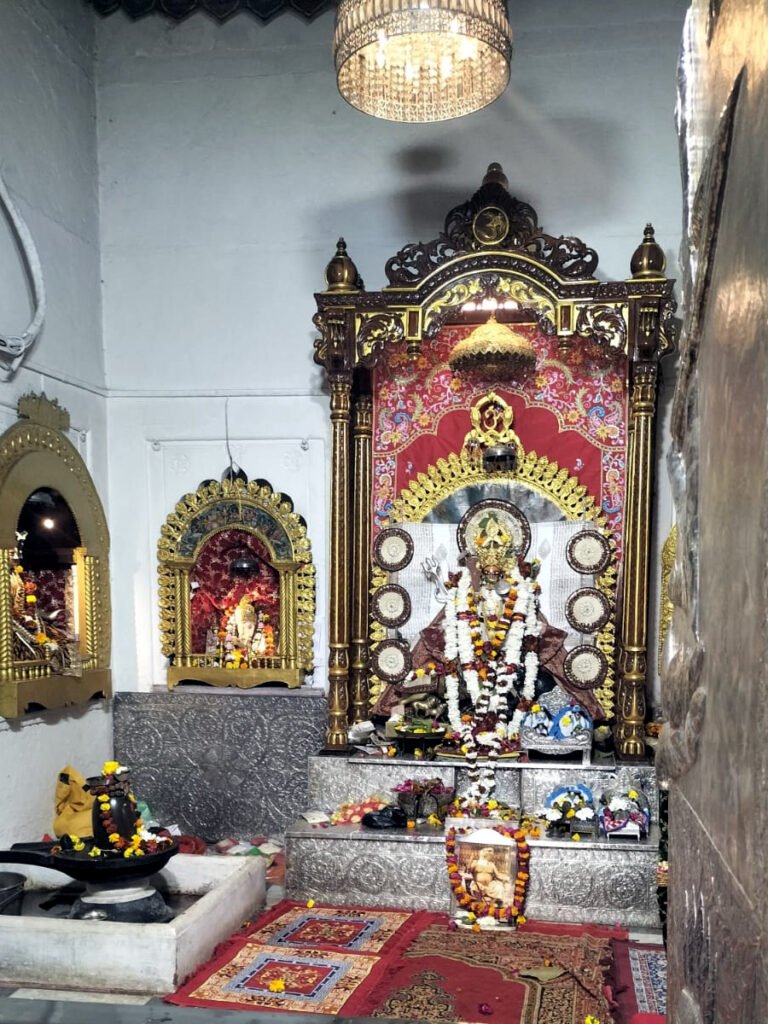
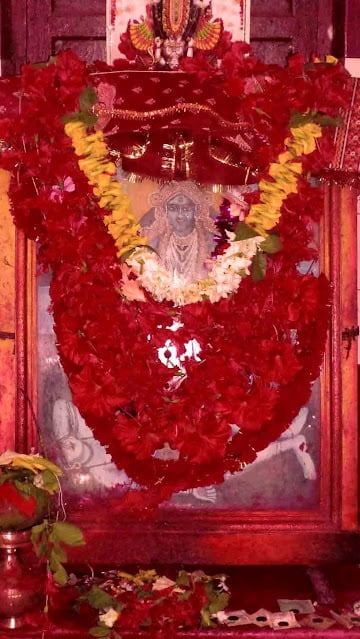
Godavari Tir Shakti Peeth, traditionally known as Sarvashail, is one of the revered 51 Shakti Peethas of Hinduism. Located on the banks of the sacred Godavari River at Kotilingala Ghat in Rajahmundry (Rajamahendravaram), Andhra Pradesh, this holy shrine is consecrated within the historic Sri Umakotilingeswara Swamy Temple complex. Scriptural traditions state that the left cheek of Goddess Sati fell here when Lord Vishnu released his Sudarshana Chakra. Here, the divine mother is worshipped as Maa Vishweshwari (also called Vishweshi or Rakini), protected by Lord Shiva in the fierce guardian form of Bhairava Vatsanabha (or Dandapani).

For pilgrims, visiting this kshetra combines the spiritual grace of taking a holy dip in the Akhanda Godavari with the darshan of both Shakti and Shiva in a single sacred precinct.
Quick Information: Godavari Tir Shakti Peeth
| Detail | Verified Information |
| Temple Name | Godavari Tir Shakti Peeth / Sarvashail (within Sri Umakotilingeswara Swamy Temple) |
| Main Deities | Goddess Vishweshwari (Maa Vishwamatuka / Rakini) & Lord Umakotilingeswara Swamy (Bhairava Vatsanabha / Dandapani) |
| Fallen Body Part | Left Cheek of Goddess Sati |
| Location | Kotilingala Veedhi, near Kotilingala Ghat, Rajahmundry (Rajamahendravaram) |
| District & State | East Godavari District, Andhra Pradesh, India |
| Daily Darshan Timings | Morning: 06:00 AM – 12:00 PM | Evening: 04:00 PM – 08:00 PM |
| Pooja & Abhishekam | Daily morning Abhishekam begins at ~06:30 AM; evening Pradosha poojas on auspicious tithis |
| Major Festivals | Maha Shivaratri, Devi Navaratri (Sharad & Chaitra), Karthika Masam, Godavari Pushkaralu (every 12 years) |
| Dress Code | Traditional Hindu attire recommended (Dhoti/Kurta for men; Saree/Chudidar with Dupatta for women) |
| Nearest Railway Station | Rajahmundry Railway Station (RJY) — ~2.5 to 3 km away |
| Nearest Airport | Rajahmundry Airport (RJA), Madhurapudi — ~14 to 16 km away |
| Bathing Ghat Proximity | Adjacent to the sacred Kotilingala Ghat on the Godavari River |
Read More>> Puruhutika Devi Temple Pithapuram

The Scriptural Legend of Godavari Tir (Sarvashail)
The antiquity of Godavari Tir Shakti Peeth connects two profound spiritual narratives: the primeval sacrifice of Daksha Yajna and the penance of Sage Gautama that brought the Godavari River to earth.
Daksha Yajna and Sati Devi’s Left Cheek
According to the Peetha Nirnaya Tantra and the Shiva Purana, Goddess Sati gave up her life in the sacrificial fire after her father, Daksha Prajapati, humiliated Lord Shiva during his grand yajna. Grief-stricken and enraged, Lord Shiva carried Sati’s body across the cosmos in his celestial dance of destruction (Tandava).
To restore cosmic order, Lord Vishnu released his Sudarshana Chakra, dividing Sati’s sacred form into 51 divine portions that scattered across the Indian subcontinent. The spot where her left cheek touched the banks of the sacred river Godavari became known as Sarvashail Godavari Tir Shakti Peeth.
The presiding divine mother is invoked as Vishweshwari—the sovereign mother of the universe—or Rakini, embodying supreme protection. Accompanying her is Lord Shiva as Dandapani (“the wielder of the staff”) or Vatsanabha, functioning as the protective Bhairava of this Shakti seat.
Devotees exploring the complete sacred geography of the Divine Mother can refer to our detailed guide on the 51 Shakti Peeth as list, which covers the location, fallen body parts, and Bhairava forms of each shrine).
The Legend of Sage Gautama and Gautami Godavari
Local sthala purana deeply weaves this temple with the arrival of the Godavari River. As recorded in regional puranic lore, Sage Gautama resided with his consort Ahalya on the Brahmagiri Hills (near modern-day Trimbakeshwar). During a severe drought, the sage maintained an abundant granary through his spiritual power.
When a cow entered his hermitage and consumed the grain, Sage Gautama gently nudged it aside with a blade of sacred Darbha grass. By divine play, the cow fell dead. To absolve himself of the perceived sin of Gohatya (harming a bovine), Sage Gautama performed intense penance to Lord Shiva, pleading for the sacred Ganga to descend and purify the land.
Lord Shiva answered his prayers, releasing the holy stream from his matted locks. Because Sage Gautama guided the river eastward toward the Bay of Bengal, the river earned the name Gautami. The river’s sacred confluence and sweeping banks in Rajahmundry became known as the Akhanda Godavari, providing a divine setting for the Umakotilingeswara temple complex.

Understanding the Difference: Sarvashail vs. Draksharamam Manikyamba
Pilgrims traveling through the Godavari delta often encounter two world-famous Devi shrines located within 50 kilometers of each other. It is important to distinguish their theological identities:
- Godavari Tir (Sarvashail) in Rajahmundry: Ranked among the 51 classical Shakti Peethas, marking the spot where Sati Devi’s left cheek fell. The deity is Maa Vishweshwari / Rakini with Dandapani Bhairava.
- Draksharamam Manikyamba Temple: Situated approximately 45–50 km southeast of Rajahmundry, Draksharamam is one of the 18 Maha Shakti Peethas (Ashtadasa Shakti Peethas) established in Adi Shankaracharya’s hymn (Māṇikye Dakṣa vāṭikā), as well as a celebrated Pancharama Kshetra dedicated to Lord Bhimeswara Swamy.
Devotees undertaking a comprehensive pilgrimage to Andhra Pradesh often plan their route to worship at both sites, beginning with a purifying bath at Kotilingala Ghat in Rajahmundry before traveling to Draksharamam and the Puruhutika Devi Peetha at Pithapuram.

Temple Architecture and the Mystery of the Koti Lingas
The Shakti Peetha is venerated within the Sri Umakotilingeswara Swamy Temple, located right beside the historical Kotilingala bathing ghat.
- The Gopuram and Sculptural Detailing: The temple features a traditional South Indian Dravidian gopuram adorned with stucco relief sculptures depicting the manifestations of Lord Shiva, Parvati, and the guardians of the directions (Ashta Dikpalakas).
- The Sanctum of Umakotilingeswara: The main Shiva lingam is enshrined in a cool, stone-walled garbhagriha where priests conduct continuous Vedic archana and ksheerabhishekam (milk offerings).
- The Abode of Maa Vishweshwari: Within the same complex, a consecrated shrine houses Goddess Vishweshwari. Devotees offer red kumkum, flowers, and traditional sarees, seeking marital harmony, removal of family obstacles, and peaceful livelihoods.
- The “Koti” (Crore) Lingas Tradition: While the word Koti in Telugu and Sanskrit denotes a crore (ten million), local tradition attributes this name to the countless miniature Shiva lingas consecrated across the temple grounds and riverside rocks by sages, kings, and pilgrims over many centuries.
Daily Darshan, Pooja Timings, and Temple Rituals
The temple follows an orderly daily ritual schedule governed by smarta traditions:
- 06:00 AM: Temple gates open for Suprabhata Darshan.
- 06:30 AM – 08:00 AM: Morning Nitya Abhishekam to Lord Umakotilingeswara and archana to Maa Vishweshwari.
- 08:00 AM – 11:30 AM: Sarva Darshan (General public darshan and individual archana tickets).
- 12:00 PM: Madhyahnika Harathi and temple doors close for afternoon rest.
- 04:00 PM: Temple reopens for evening darshan.
- 06:30 PM – 07:15 PM: Pradoshakala Sayaraksha Deeparadhana and Harathi.
- 08:00 PM: Ekantha Seva and closure of temple gates.
Note: On special occasions such as Masa Shivaratri, Mondays of Karthika Masam, and Navaratri, darshan lines run continuously without afternoon closure.
Read More>> Avanti Maa Gadkalika Temple Ujjain
Major Festivals Celebrated at Godavari Tir
1. Godavari Pushkaralu (Once Every 12 Years)
The single most celebrated festival on these banks is the Godavari Pushkaram. When Jupiter (Guru) enters the zodiac sign of Cancer (Karkataka Rashi), millions of devotees from across India arrive at Kotilingala Ghat to take a holy dip. It is believed that all sacred celestial rivers merge into the Godavari during this 12-day festival, multiplying the spiritual merit of worshipping at the Shakti Peeth.
2. Sharad and Chaitra Navaratri
During the nine nights of Navaratri, Maa Vishweshwari is adorned daily in different Alankarams (manifestations of the divine mother). Chandi Homam, Kumkumarchana, and Suhasini poojas are performed by Vedic scholars.
3. Maha Shivaratri
As a unified Shaiva-Shakta kshetra, Maha Shivaratri witnesses tens of thousands of pilgrims observing all-night vigils (Jagarana). Maha Lingodbhava Abhishekam is conducted at midnight with panchamritam, bilva leaves, and Vedic chants.
4. Karthika Masam (October – November)
The entire lunar month of Karthika is auspicious. Devotees light earthen ghee lamps (Diyas) along the Kotilingala Ghat steps and perform sacred river baths before sunrise, followed by Rudrabhishekam inside the temple.
Step-by-Step Pilgrim Guide: Making the Most of Your Visit
To experience the full spiritual sanctity of Godavari Tir Shakti Peeth, follow this traditional pilgrim routine:
- Take the Sacred Snanam at Kotilingala Ghat: Arrive early in the morning. Step down the broad stone steps of Kotilingala Ghat and take a reverent dip in the calm waters of the Godavari. Safe bathing railings are installed along the ghat.
- Sankalpam and River Offerings: Devotees traditionally offer arghya (water offering) to the rising Sun God (Surya Bhagavan) and float eco-friendly leaf lamps (Deepadan) on the river current.
- Darshan of Sri Umakotilingeswara Swamy: Enter the temple sanctum with clean clothes. Offer Bilva leaves and witness the sacred abhishekam.
- Archana to Maa Vishweshwari: Move to the Devi shrine for Kumkumarchana. Married women frequently offer turmeric, vermilion, and glass bangles to the Mother.
- Circumambulation (Pradakshina): Complete at least nine pradakshinas around the inner prakaram, taking time to meditate in the quiet, riverfront temple corridors.
Nearby Temples to Complete Your Rajahmundry Spiritual Circuit
Rajahmundry is the cultural capital of Andhra Pradesh, filled with ancient temples along the river bend:
- Markandeya Temple: Located near the river, dedicated to the sage Markandeya, who was blessed with eternal youth by Lord Shiva.
- Sri Sri Radha Gopinath Dasavatar Mandir (ISKCON): A massive temple situated on Gowthami Ghat, featuring beautiful riverside gardens.
- Draksharamam Bhimeswara Swamy Temple: ~45 km away; an absolute must-visit for pilgrims completing the regional Shakti circuit.
- Sri Kukkuteswara Swamy & Puruhutika Devi Temple (Pithapuram): Located ~65 km northeast, this is one of the 18 Maha Shakti Peethas (where Sati Devi’s left hand or organ is said to have fallen) and a renowned Pada Gaya Kshetra.
Read More>> Narmada Devi Shondesh Shakti Peeth
Visitor Logistics: How to Reach and Where to Stay
How to Reach Rajahmundry
- By Air: Rajahmundry Airport (RJA), situated at Madhurapudi, is approximately 14–16 km from Kotilingala Ghat. Direct flights operate daily to Hyderabad, Bengaluru, Chennai, and other metropolitan hubs. Taxis and auto-rickshaws are readily available outside the terminal.
- By Train: Rajahmundry Railway Station (RJY) is a major A-category railway junction on the Howrah–Chennai mainline. The temple is just 2.5 to 3 km from the station, taking 10 to 15 minutes by auto-rickshaw.
- By Road: The Andhra Pradesh State Road Transport Corporation (APSRTC) runs luxury and express buses connecting Rajahmundry with Vijayawada (160 km), Visakhapatnam (190 km), and Hyderabad (400 km). Local city buses and shared autos connect the central bus stand to Kotilingala Veedhi.
Best Season to Visit
The ideal time to visit is during the post-monsoon and winter months, from October to March. Temperatures are pleasant (20°C to 30°C), making riverfront walks and ghat rituals comfortable. Summers (April to June) can be intensely humid, with afternoon temperatures frequently crossing 40°C.
Pilgrim Facilities & Code of Conduct
- Footwear Storage: Free footwear stalls operate near the temple entrance.
- Photography: Photography inside the inner garbhagriha is strictly prohibited to maintain sanctity; temple exteriors and ghat panoramas may be photographed respectfully.
- Accommodation: Rajahmundry has numerous budget guest houses, dharamshalas, and mid-range hotels along Main Road, Pushkar Ghat Road, and near the railway junction.
Frequently Asked Questions (FAQs)
Which body part of Goddess Sati fell at Godavari Tir?
According to classical Tantric and Puranic lists of the 51 Shakti Peethas, the left cheek of Sati Devi fell at Godavari Tir (Sarvashail).
Who are the main deities worshipped at Godavari Tir Shakti Peeth?
The presiding Goddess is worshipped as Maa Vishweshwari (also called Rakini or Vishwamatuka), and the associated Shiva/Bhairava form is worshipped as Vatsanabha or Dandapani. Within the same temple premises, Lord Shiva is enshrined as Sri Umakotilingeswara Swamy.
Is Godavari Tir the same as Draksharamam?
No. Godavari Tir (Sarvashail) is located in Rajahmundry city along Kotilingala Ghat and belongs to the 51 Shakti Peethas tradition. Draksharamam is located about 45–50 km away in Konaseema district and is celebrated as one of the 18 Maha Shakti Peethas (Maa Manikyamba) and a Pancharama Kshetra.
What are the darshan timings of Kotilingeswara Temple in Rajahmundry?
The temple is generally open every day from 06:00 AM to 12:00 PM in the morning and from 04:00 PM to 08:00 PM in the evening. Timings are extended during festival occasions such as Maha Shivaratri and Devi Navaratri.
How far is the temple from Rajahmundry Railway Station?
The temple at Kotilingala Veedhi is approximately 2.5 to 3 kilometers from Rajahmundry Railway Station. Local auto-rickshaws take around 10 minutes to reach the temple entrance.