Lalmati Duramari Ganesh Temple, Assam: Complete Pilgrimage & History Guide
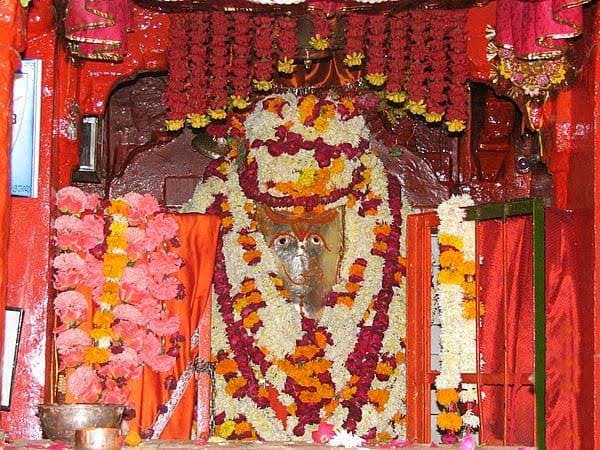
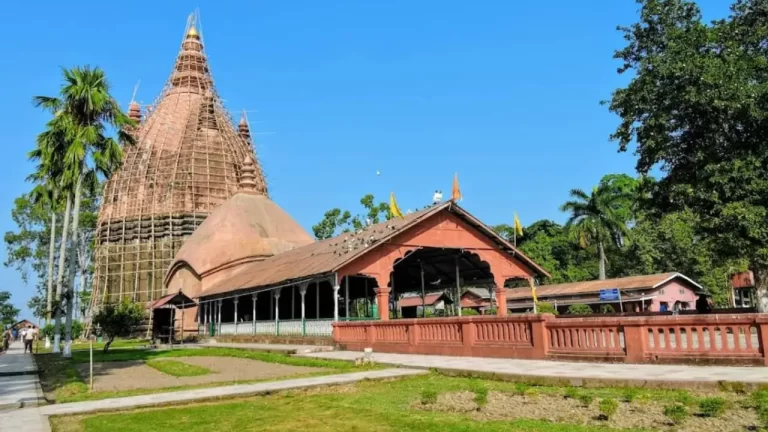
Lalmati Duramari Ganesh Temple is an ancient, open-air archaeological shrine situated on the forested hillocks near Abhayapuri in the Bongaigaon district of Assam. Renowned for its carved stone idols and scattered granite ruins dating between the 8th and 10th century CE, the temple is dedicated primarily to Lord Ganesha. It stands as one of the most enigmatic early medieval heritage destinations in the Brahmaputra Valley, drawing pilgrims seeking divine blessings as well as travelers eager to explore Assam’s rock-cut art traditions.
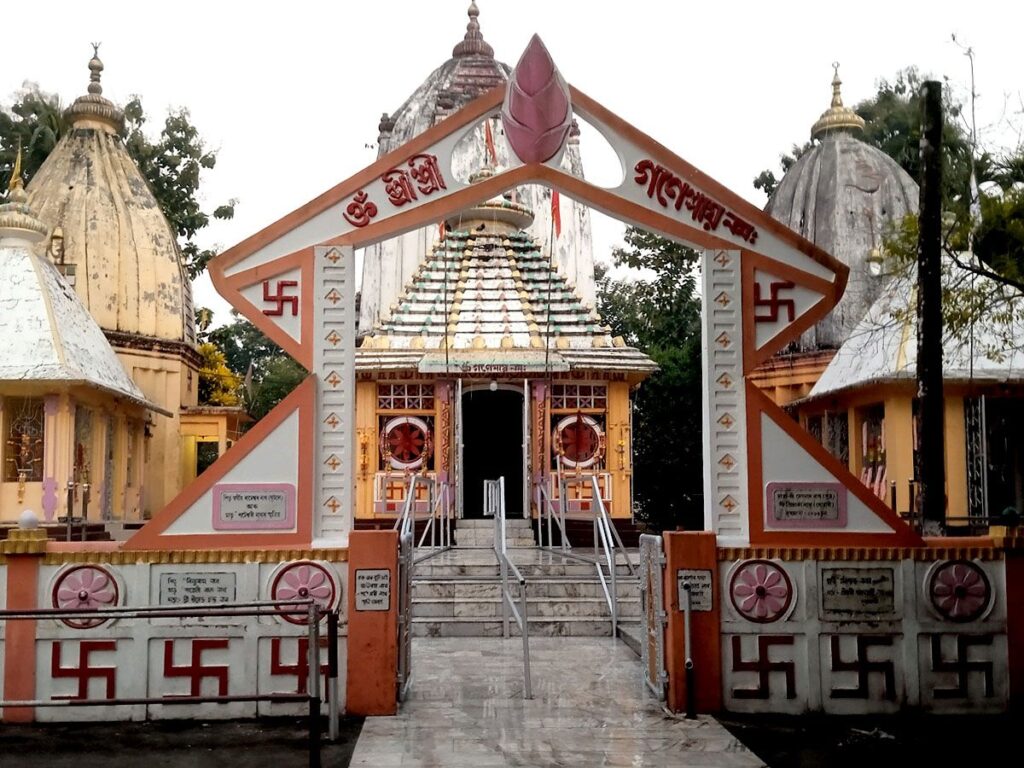
Nestled amidst lush greenery and rocky outcrops, this sacred site offers an atmosphere of timeless serenity. Unlike modern urban temple complexes with soaring marble spires, Lalmati-Duramari presents a direct encounter with history. Here, ancient stone bas-reliefs of Lord Ganesha, carved pillars, and weathered pedestals lie preserved beneath the forest canopy.
Quick Information: Lalmati-Duramari Ganesh Temple
| Detail | Information |
| Temple Name | Lalmati-Duramari Ganesh Temple (also spelled Lalmati Durgamari / Duramari Ganesh Mandir) |
| Primary Deity | Lord Ganesha (Sri Ganesh) |
| Location | Lalmati-Duramari Hillock, near Abhayapuri |
| District & State | Bongaigaon District, Assam, India |
| Historical Period | Approximately 8th–10th Century CE (Early Medieval Kamarupa Period) |
| Architecture Style | Rock-cut bas-relief sculptures and stone masonry |
| Temple Timings | Open daily from dawn to dusk (typically 6:00 AM to 5:30 PM) |
| Special Observances | Ganesh Chaturthi, Maghi Purnima, and annual Shivaratri/Sankranti gatherings |
| Nearest Town | Abhayapuri (approx. 10 to 12 km) |
| Nearest Major City | Bongaigaon (approx. 20 to 25 km) |
| Nearest Railway Hub | New Bongaigaon Junction (NBQ) (approx. 25 km) |
| Nearest Airport | Lokpriya Gopinath Bordoloi International Airport (GAU), Guwahati (approx. 165 km) |
| Entry Fee | Free entry (no ticket required) |
| Photography | Permitted in general outdoor archaeological areas; maintain sanctity near active worship idols |
Continue Reading >> Kamakhya Temple: The Tantric Temple of Mystery and Magic
Geographical Location and Sacred Surroundings
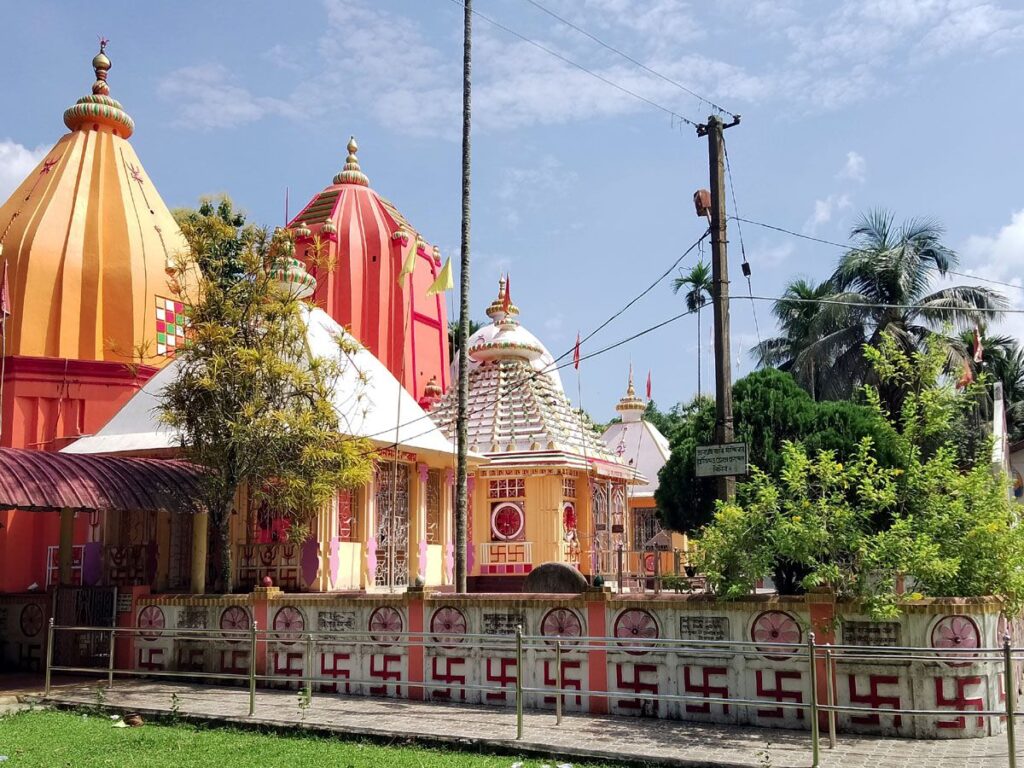
The Lalmati-Duramari temple complex rests in the southern expanse of Bongaigaon district in Lower Assam. It is situated roughly 12 kilometers from the historic township of Abhayapuri—formerly the seat of the Bijni Kingdom—and approximately 25 kilometers from the commercial hub of Bongaigaon.
The temple sits elevated on a rocky ridge surrounded by deciduous woods. The landscape is characterized by red laterite soil and weathered granitic boulders—a geological backdrop that likely gave the locality its name, Lalmati (meaning “red earth”).
The natural silence of the hillock, punctuated only by forest birds and the rustle of leaves, creates an ideal sanctuary for prayer and quiet reflection. Devotees coming here find an environment untainted by urban commercialization.
Continue Reading >> Sri Sampath Vinayagar Temple Visakhapatnam – Powerful Temple
Lalmati Duramari History and Archaeological Significance
The Early Medieval Kamarupa Connection
While popular folklore often refers to the site as an “8th century AD” shrine, archaeological assessments place the stone remnants between the 8th and 10th to 12th century CE. This era corresponds to the reigns of the Salastambha and Pala dynasties of ancient Kamarupa.
During this period, the Brahmaputra Valley witnessed a flourishing of monumental stone art and architecture. Master artisans transformed naturally occurring granite outcrops into sacred shrines. The iconography observed on the surviving stone blocks—including Ganesha figures, decorative floral bands, and structural doorjambs—shares striking artistic parallels with other prominent historical sites across Assam, most notably the rock-cut archaeological complex of Sri Surya Pahar in neighboring Goalpara district.
The Mystery of the Ruined Sanctuary
One of the most compelling aspects of Lalmati-Duramari is the ruined state of its stone structures. Massive granite components, chiseled lintels, foundation plinths, and broken statues lie distributed across the hillside.
Two primary theories explain the temple’s present state:
- Historical Invasions (Traditional Narrative): Local oral folklore widely attributes the destruction of the temple to Kalapahar, the 16th-century general of the Bengal Sultanate who invaded the Brahmaputra Valley and attacked numerous stone temple complexes across Assam.
- Tectonic and Natural Phenomena (Archaeological & Geological View): Assam lies within seismic Zone V, one of the most earthquake-prone regions in the world. Historians and geologists point out that devastating historic earthquakes—such as those that transformed the Brahmaputra’s hydrology and felled stone monuments across Goalpara, Tezpur, and Guwahati—likely caused the collapse of the stone superstructure over centuries, leaving the heavy stone plinths and carvings in situ.
Today, local villagers and priests have established a sanctum around the central carved rock images, ensuring that daily worship continues seamlessly amidst the historical stone ruins.
Continue Reading >> Sacred Kashi Vishwanath Temple: 11th Jyotirling of Liberation
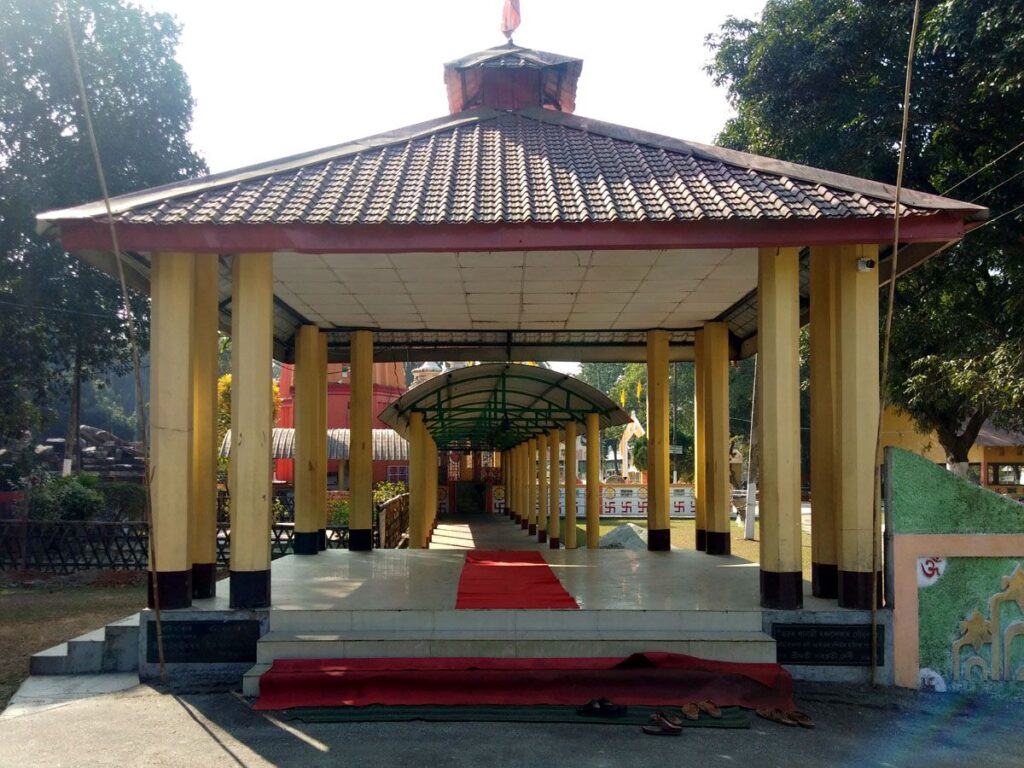
The Deity and Sculptural Iconography
The spiritual focal point of the temple is Lord Ganesha, the remover of obstacles (Vighnaharta) and the lord of auspicious beginnings.
Distinctive Features of the Sculptures
- Bas-Relief Rock Images: Rather than being housed inside a dark, enclosed inner chamber (garbhagriha), several images of Ganesha are carved directly into natural rock faces.
- Classical Attributes: The carvings portray Lord Ganesha in seated and standing postures, holding his traditional emblems—the sweet treat (modaka), the battle ax (parashu), and the rosary (akshamala), with his trunk turned gracefully.
- Subsidiary Deities: Scattered across the precinct are stone fragments bearing motifs related to Lord Shiva and the Mother Goddess, indicating that Lalmati-Duramari was once an integrated sacred complex where Ganapatya, Shaiva, and Shakta traditions coexisted harmoniously.
- Eroded Patina: Centuries of monsoon rainfall and moss growth have softened the outlines of the carvings, lending the granite carvings an earthy, ancient presence that connects visitors directly to Assam’s medieval heritage.
Religious Practices, Rituals, and Festivals
Lalmati-Duramari remains a living, vibrant center of Hindu faith. Local communities hold the deity in high esteem, regularly visiting the hill to seek blessings before inaugurating new ventures, entering marriages, or undertaking agricultural harvests.
Daily Worship
Priests conduct simple daily rituals (nitya pooja), offering flowers, incense, fresh milk, and vermilion to the primary stone image of Lord Ganesha. Visitors can offer personal prayers, light earthen lamps, and break coconuts at designated worship points on the hill.
Major Festivals Celebrated
- Ganesh Chaturthi: The festival honoring the birth of Lord Ganesha is the most important annual event at the temple. Celebrated during the Hindu month of Bhadrapada (August–September), the shrine attracts thousands of devotees from Bongaigaon, Barpeta, Goalpara, and across Assam. Special tents, devotional hymn recitations (naam-prasanga), and community feasts (prasad distribution) take place.
- Maghi Purnima & Makar Sankranti: In January and February, families gather at the site to offer seasonal harvests, perform prayers, and enjoy peaceful outdoor family picnics in the adjacent countryside.
- Maha Shivaratri: Due to the deep scriptural association between Lord Shiva and Lord Ganesha, devotees observe fasts and conduct evening prayers on the hill during Shivaratri.
Practical Travel Guide: How to Reach Lalmati-Duramari
Because Lalmati-Duramari is located off the main national highway network, planning transportation in advance ensures a smooth pilgrimage.
1. By Air
The closest airport is Lokpriya Gopinath Bordoloi International Airport (GAU) in Guwahati, approximately 165 kilometers away. From Guwahati airport, you can hire a private taxi directly to Abhayapuri/Bongaigaon (a journey of 3.5 to 4.5 hours via NH 17 or NH 27) or take an express bus from the interstate bus terminus (ISBT Guwahati).
2. By Train
The most convenient railhead is New Bongaigaon Junction (NBQ), located roughly 25 kilometers from the temple.
- New Bongaigaon is a major railway station connecting Assam to the rest of India via Rajdhani, North East Express, and numerous interstate trains.
- From the railway station, travelers can hire private cabs or take shared vehicles to Abhayapuri, and then hire an auto-rickshaw to Lalmati-Duramari.
3. By Road
- From Bongaigaon City: Follow the state highway southward toward Abhayapuri. From Abhayapuri, local signboards and village roads lead east toward the Lalmati-Duramari hillock.
- From Goalpara: Cross the Brahmaputra via the Naranarayan Setu to reach Abhayapuri, then proceed to the temple site.
- Local Commute: Shared auto-rickshaws run frequently between Bongaigaon and Abhayapuri. For the final stretch between Abhayapuri and Lalmati, hiring a dedicated three-wheeler or private cab is recommended, as return transport from the rural hillock may not always be readily waiting.
Visitor Tips, Etiquette, and Facilities
To make the most of your visit while honoring the sanctity of the site, keep these practical points in mind:
- Footwear Policy: As with all sacred Hindu shrines, remove your shoes before stepping onto the central worship platform around the primary carved Ganesha idol.
- Terrain & Footwear Advice: Reaching the upper rock carvings involves navigating dirt trails, uneven stone slabs, and short inclines. Wear comfortable walking shoes or walking sandals with good grip.
- Timing Your Visit: Plan your arrival during daylight hours. The best hours for peaceful darshan and good photography light are between 7:30 AM and 11:00 AM, or late afternoon around 3:00 PM to 5:00 PM. Avoid visiting after dusk as the rural forest area does not feature extensive lighting.
- Refreshments & Water: Small rural kiosks near the base of the hill sell packaged drinking water, tea, and pooja offerings (incense, flowers, sweets). For proper meals, dining options are located in Abhayapuri town or Bongaigaon city.
- Respect the Antiquity: These stone artifacts are irreplaceable archaeological treasures. Avoid stepping on carved figures, refrain from defacing rock faces, and do not litter the forest with plastic bags or wrappers.
Nearby Spiritual and Nature Attractions
You can combine your visit to Lalmati-Duramari Ganesh Temple with other remarkable destinations across Lower Assam:
- Sri Surya Pahar (Goalpara District): Located approximately 35 kilometers away, this is one of North East India’s most important archaeological complexes. It features hundreds of rock-cut Shiva lingas, Buddhist stupas, and Jain Tirthankara figures carved into hillside boulders.
- Kakoijana Reserved Forest: Situated roughly 15 kilometers from the temple, this verdant forest reserve is globally famous as a natural habitat for the endangered Golden Langur (Trachypithecus geei).
- Koya Kujia Eco Park (Abhayapuri): A peaceful water body and recreation park featuring migratory birds, boating facilities, and scenic island walkways, making it a favorite stop for families traveling through the region.
- Bagheswari Temple (Bongaigaon): A venerated historic temple dedicated to Goddess Durga, located in the heart of Bongaigaon city.
Frequently Asked Questions (FAQs)
What makes Lalmati-Duramari Ganesh Temple unique in Assam?
The temple is renowned for its open-air collection of medieval stone bas-reliefs of Lord Ganesha and surrounding temple ruins dating back to the 8th–10th century CE. Instead of a modern concrete building, the deity is worshipped among ancient granite carvings resting within a peaceful forest setting.
Is there an entry fee to visit Lalmati-Duramari Ganesh Temple?
No, there is no entry fee. Darshan is free for all visitors. Devotees may make voluntary donations to the temple trust or local priests for the maintenance of the shrine.
How difficult is the walk to the temple carvings?
The walk involves an easy to moderate short climb along natural pathways, earth steps, and rocky ground. While visitors of average fitness can manage the path easily, elderly travelers or individuals with mobility challenges should take their time and use walking sticks for stability on uneven rocks.
What is the best season to visit?
The ideal period to visit is during the post-monsoon and winter months, from October through March. During this season, Assam experiences dry, pleasant weather with temperatures ranging between 12°C and 25°C, making outdoor exploration and hillock walks comfortable.
Lalmati-Duramari Ganesh Temple remains a shining testament to Assam’s glorious artistic antiquity and enduring devotion. Whether you visit to seek the obstacle-clearing blessings of Lord Ganesha or to marvel at the centuries-old rock craftsmanship hidden beneath the trees, this sacred hillock near Abhayapuri offers an authentic, spiritually enriching journey into the heart of the Brahmaputra Valley.