Divine Nalambalam Temples Circuit: Complete 1-Day Guide
These Nalambalam Temples have been found mostly around the picturesque, sun-lit regions of Central Kerala that cover Thrissur and Ernakulam districts. As a tour guide, I am happy to take you into this exclusive circuit of four temples. In Malayalam language, Nalu is four and Ambalam means temple. These four nalambalam temples make up a spiritual journey to pay tribute to the four royal brothers of the great epic Ramayana; Lord Rama, Bharatha, Lakshman and Shathrugna.
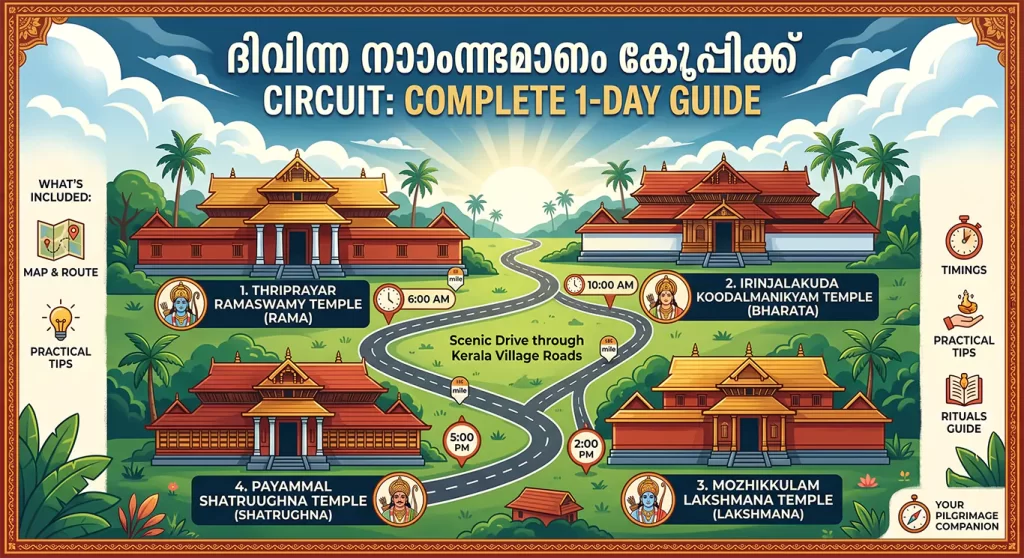
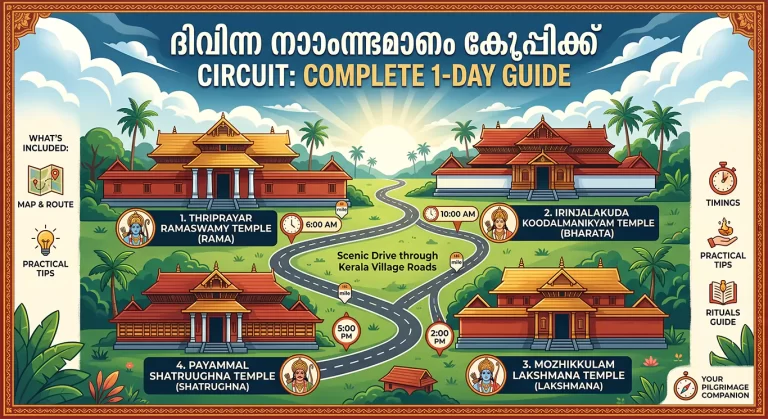
Though there are other lesser circuits in some other parts of the state, the primary and more celebrated circuit of nalambalam temples begins at the magnificent Thriprayar Sree Rama Temple by the banks of the Conolly Canal in Thrissur, passes through Irinjalakuda and Moozhikulam and ends gracefully at the sacred Payammal Sree Shathrugna Swamy Temple.
Entering the temples of nalambalam means more than entering conventional sites of worship. You are entering into a living legacy of familial devotion, loyalty, and spiritual harmony. The ritual of visiting four temples in a row on one particular day is known as Nalambala Yatra or Nalambala Darshanam.
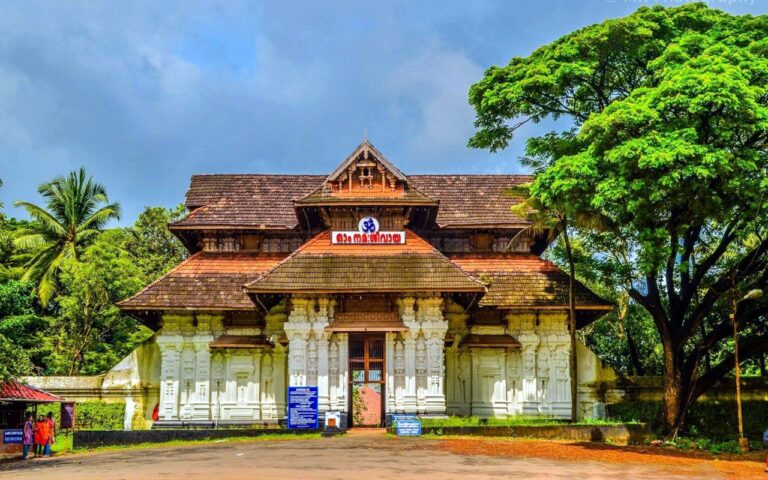
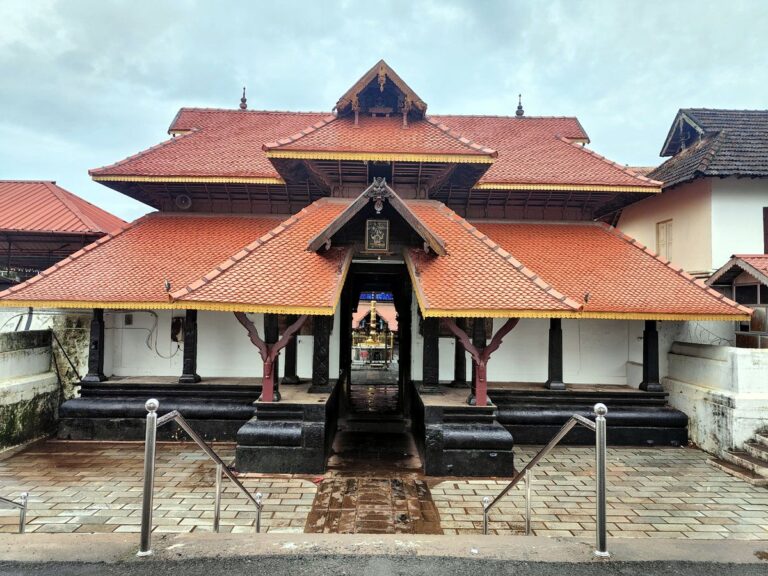
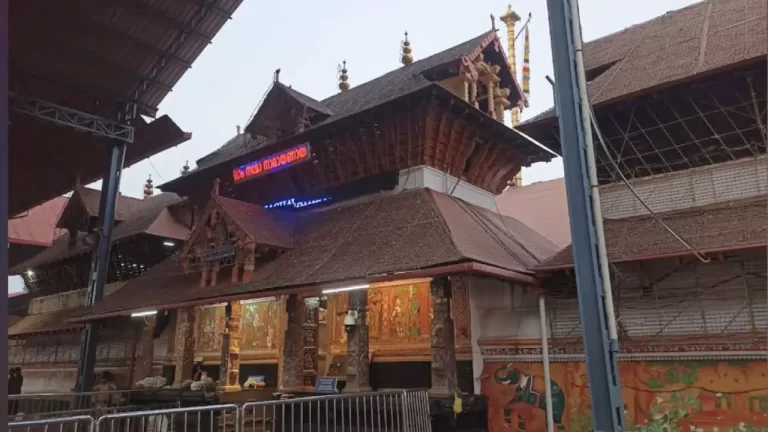
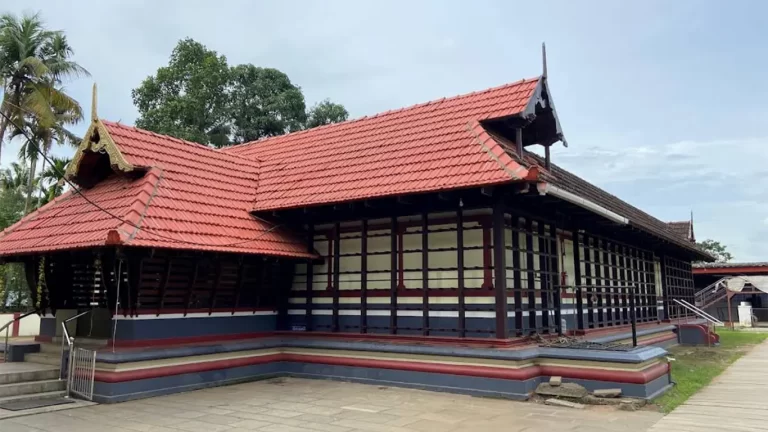
From a historical perspective, such a pilgrimage process represents intensive spiritual purification. The temple is home to a celestial brother, whose presence embodies a particular power and virtue. To study the temples of nalambalam is to explore architectural wonders in full force. These temples are designed using traditional architectural techniques of Kerala style wood, copper-plated roof cones, and expansive courtyard complexes made of stones (Chuttambalams).
If you are either a spiritual pilgrim seeking spiritual cleansing of all your past karmas, history enthusiast interested in medieval architectural style and inscriptions, or simply a tourist interested in experiencing the authentic temple culture of Kerala apart from common commercial zones, then this route is for you. Being your personal tour guide, I usually say to my tourists that it feels like passing through a real-life Ramayana.
Historical Background of Nalambalam Temples
The background history of the main Nalambalam temples, which revolves around Thrissur and Ernakulam districts of central Kerala, is an interesting mix of myths from the Puranas, early medieval period inscriptions, political competition between various kingdoms and changes in architecture spanning over a millennium.
Legendary Origins: The Idols of Dwaraka
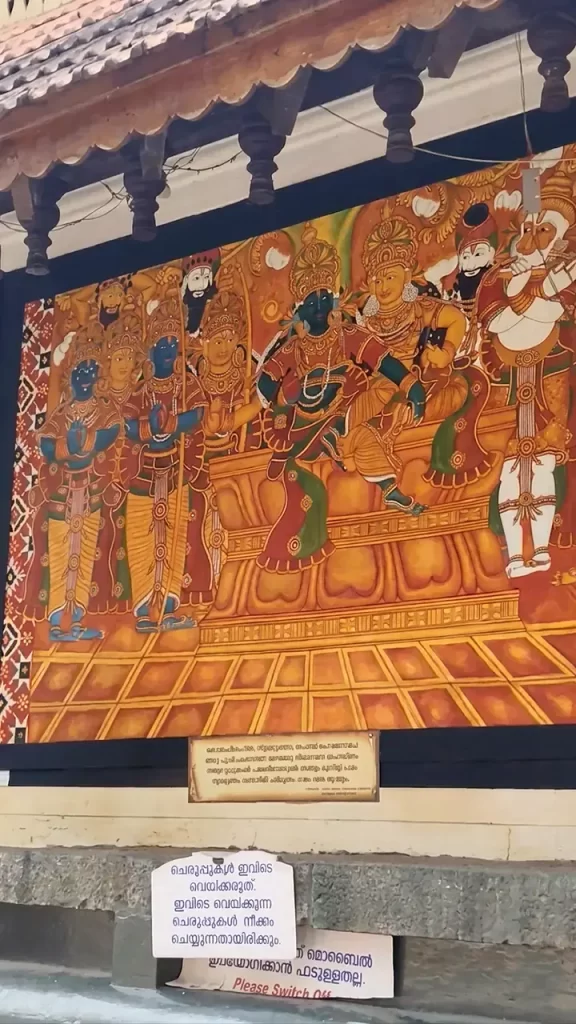
In order to find the historical origins of the nalambalam temples, one needs to go back to the period between the Dwapara Yuga and the Kali Yuga. As per the local folklore tradition, there were four identical stone idols (Vigrahas) of the Ramayana brothers – Rama, Bharata, Lakshmana and Shatrughna – who were initially installed and worshipped by none other than Lord Krishna in his sea-facing city-fortress of Dwaraka.
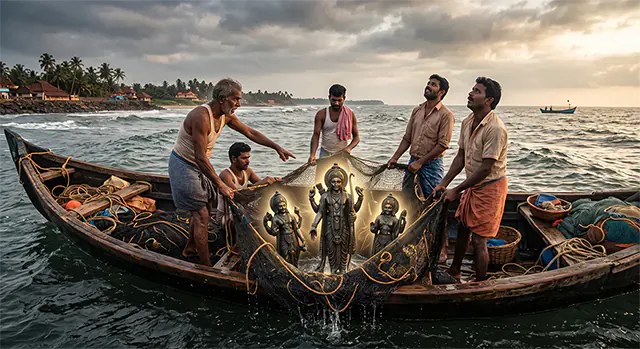
Towards the end of Dwapara Yuga, when Lord Krishna was about to depart from the world, he warned his disciple Uddhava about the impending submergence of the city of Dwaraka beneath the advancing ocean. He directed Uddhava to throw the holy idols into the ocean. Thus for many centuries, these four idols floated in the Arabian Sea and finally made their way down to the southern shores of Kerala coast, specifically Chetwai region (near modern day Chavakkad).
Discovery of the Idols by Vakkayil Kaimal
This is when the entry of the idols into the recorded history of Kerala happens, in the early medieval era through Vakkayil Kaimal who was a powerful local chieftain and a land owner. It is said in the legend that one day, the celestial voice appeared before Kaimal in his dreams and told him that there were four divine idols that had washed up ashore at his coastline.
Kaimal immediately went to the beach along with some workers and collected these four stone carvings. Kaimal realized the spiritual essence of these idols and called the best astrologers, scholars of Vedas, and architects in the region to discover their true identity and divine abodes. Using cosmic calculations, it was discovered that the idols belonged to the four brothers of the Ramayana who needed to be established simultaneously in certain geographical coordinates of Central Kerala.
Epigraphical Records and Chera Kingdom
Whereas the oral folklore accounts contain the legend about Vakkayil Kaimal, the historical epigraphs engraved on the stone foundation of the temples date their architectural development to the golden era of the Second Chera Kingdom (800-1124 CE) that ruled the kingdom from Mahodayapuram (Kodungallur, today).
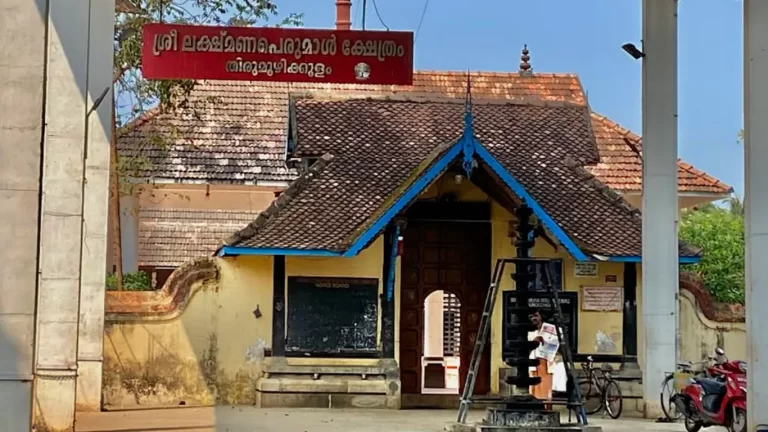
The historical record among the nalambalam temples is recorded in Thirumoozhikkulam Sri Lakshmana Perumal Temple. This temple has been built on the stone foundation whose base has lithographic inscriptions dating to the 11th century written in ancient Vatteluttu language. These inscriptions are about the Moozhikkulam Kacham that is extremely famous early medieval constitutional code of conduct.
The Moozhikkulam Kacham was the highest administrative model that should have been observed by all temple assemblies (Sabhas). This document contains strict legal norms concerning land tenure, temple properties protection, agricultural tithes collection, and the punishment for corruption of administrative officers. The existence of this code shows that Moozhikulam temple was not only isolated praying place, but one of the top socio-political and legal institutions.
Royal Patronage and Territorial Disputes
In the 12th century, as the centralized Chera Empire broke up and disintegrated into several smaller independent principalities, the nalambalam temples found themselves embroiled in the politico-geographical controversies of the period.
The Emergence of Perumpadappu Swaroopam (Cochin Royal Family)
Thriprayar, Irinjalakuda, and Payammal were temples that came under the direct jurisdiction and patronage of the Kingdom of Cochin (Perumpadappu Swaroopam). The Maharajas of Cochin considered the Thriprayar Sree Ramaswami Kshetram and Sree Koodalmanikyam Temple important centers of power within their kingdom.
However, since Thriprayar was located at a volatile geopolitical boundary between the Kingdom of Cochin and the Zamorin of Calicut (Nediyiruppu Swaroopam), the temple often emerged as the site of military confrontation. As history testifies, the Zamorin of Calicut made many attempts to gain possession of the land owned by the temple and use it strategically, being located near the Conolly Canal.
Unique Independence of Irinjalakuda
The uniqueness of the history of Koodalmanikyam Bharata temple in Irinjalakuda is because of the unique administrative history of the temple in form of the Thachudaya Kaimal. In order to prevent any interference by other rulers into their affairs, the temple had a spiritual ruler named the Thachudaya Kaimal, a spiritual celibate who was appointed by the Maharaja of Travancore, but possessed full temporal authority over the immense lands and property of the Irinjalakuda temple. Such a setup gave the temple the status of an independent mini-state in the kingdom of Cochin for centuries.
Affinity with Literary and Cultural Figures
The evolution of the nalambalam temples is closely related to the cultural renaissance of the region, especially with respect to the emergence of its literary language and classical traditions.
- Thunchaththu Ezhuthachan (16th Century): The renowned “Father of the Malayalam Language” was strongly associated with the spread of the Nalambala Yatra tradition. By bringing down the Sanskrit epic into the simple form of Adhyatma Ramayanam Kilippattu, Ezhuthachan initiated a huge social and religious movement whereby recitation of Ramayana during the rainy season month of Karkidakam became a regular feature for every household in Kerala, thus making a visit to the temples a sacred tradition.
- Vilwamangalam Swamiyar: This great saint, mystic and poet of the great “Srikrishna Karnamrutam” visited the temples during his travel in Kerala. It is believed that he pinpointed the exact locations of the highest divine presence (Chaitanya) inside the temples that helped the builders design the structure of Namaskara Mandapams of the temples.
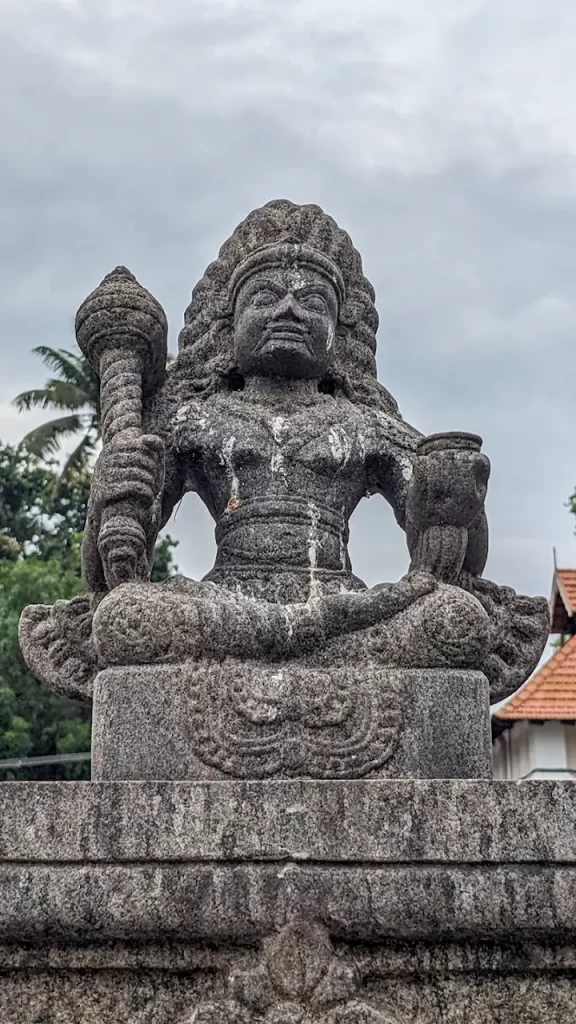
Religious and Cultural Significance
At its heart, the spirituality behind the nalambalam temples lies directly with the cosmic weapons of Lord Vishnu. The key gods revered throughout the route are the full representations of divine righteousness:
- Lord Rama (Thriprayar): The elder brother, symbolizing Dharma (righteousness) in his victorious form following his victory against the demon king Ravana.
- Lord Bharata (Irinjalakuda): The essence of selflessness and sacrifice, the only one who holds the weapon of Panchajanya (the cosmic conch shell of Vishnu).
- Lord Lakshmana (Moozhikulam): The devoted protector, symbolizing Adisesha, the multi-headed serpent bed of Lord Vishnu.
- Lord Shatrughna (Payammal): The enemy destroyer, holding the radiant Sudarshana Chakra (cosmic weapon-disc of Vishnu).
The true essence of the nalambalam temples finds an implicit reflection in ancient Puranic literature from the region and the Srimad Bhagavatam. While the classical Sanskrit literature worships all the brothers equally, the literature from the regions such as the Adhyatma Ramayanam Kilippattu highlights the need to worship all the brothers together for their spiritual significance. Worshiping Rama without worshiping his pillars of support would be incomplete.
Cultural-wise, the temple springs into action when significant events occur, such as the Ramayana Masam (holy month of Karkidakam), and also temple festivals (Utsavams) that are celebrated annually. The temple features classical performing arts, which include Koodiyattam, Chakyar Koothu, and Kathakali, in the temple theatres
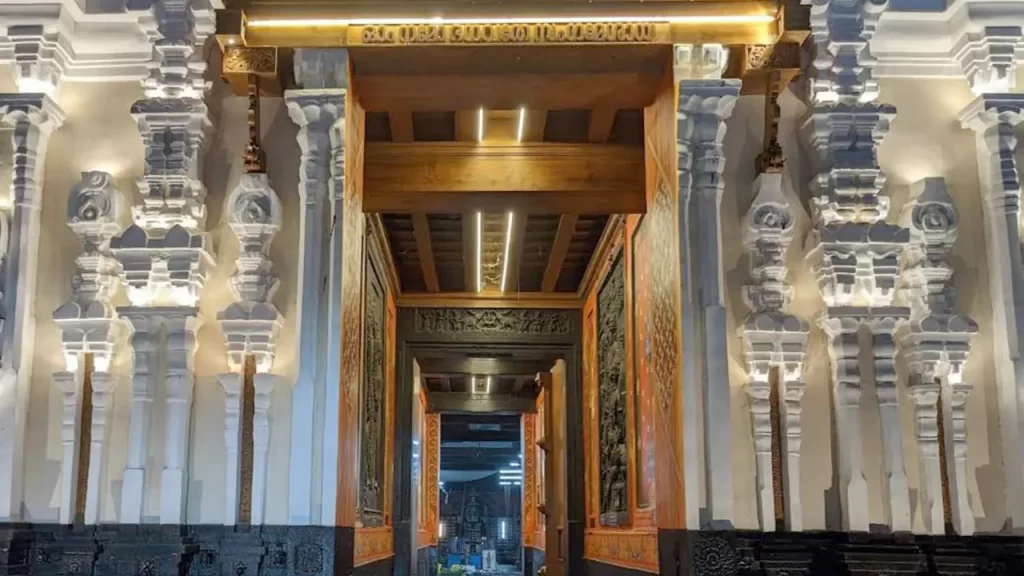
Architecture and Design
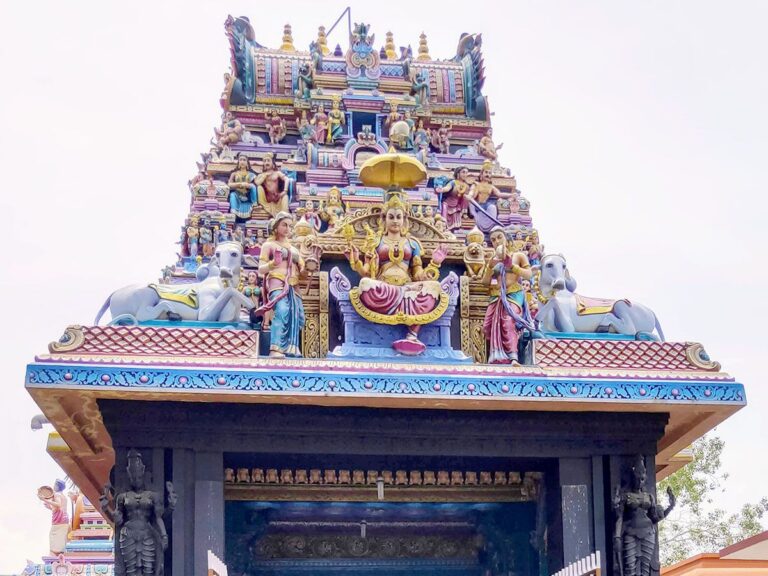
The design of the nalambalam temples represents the highest achievement of the Kerala temple architecture (Kerala Kshetra Vasthu Vidya), which is a unique regional variation of the general Dravidian style of architecture. In contrast to tall stone Gopurams found in the neighboring state of Tamil Nadu, the four temples make use of natural building material, geometric perfection, low horizontality, and total harmony with the local tropical landscape.
In order to properly understand your experience of the structures, it will be helpful to learn about their architecture starting from the very basics.
Sacred Architecture: Five Layers of Cosmic Design (Pancha Prakaras)
From an architectural point of view, each of the temples in the circuit is structured as a symbolic representation of the human body and cosmic spirituality, organized in five concentric layers:
- Srikovil (The Inner Sanctum): This represents the head or the core soul (Jiva). It is the innermost chamber in which the god lives.
- Antarala or Akathe Balivattam: The stone-paved pathway that surrounds the Srikovil and is only accessible to the priests for offering their services.
- Nalambalam or Chuttambalam: The large rectangular structure with columns that surrounds the inner structures. This structure is the chest of the temple structure.
- Vilakkumadam: A very beautiful outer wooden structure attached to the Chuttambalam, having thousands of tiny brass or clay oil lamps on it.
- Puram Bhamatil (Outer Courtyard): It is an open area outside the temple where the temple processions, temple trees, and temple tanks exist.
1. Structural Differences of the Srikovil (Inner Sanctum)
While you move from one site to another, you would observe a fascinating change in the geometry of the inner sanctums.
- The Vatta Srikovil (Circular Plan) at Thriprayar: Click to open side panel for more information reveals the magnificent circular chamber. Circular shape is very complex structure in Vastushastra because of uniform projection of divine energy in all four directions. The circular walls of this temple are made up of massive laterite stones and it also has a very huge conical roof made of copper sheets which ends in a single gold plated top known as Thazhikakudam.
- The Chatura Srikovil (Square Plan) at Payammal and Irinjalakuda: The Sree Koodalmanikyam Temple and the Payammal Sree Shathrugna Swamy TempleClick to open side panel for more information adopt the traditional square plan. The sanctum of Payammal temple is very small in size and this reflects the simple nature of the god Shatrughna, whereas the sanctum of Irinjalakuda temple is really large in size to accommodate the large deity there.
2. Master Craftsmanship Of Joinery In Woodworks And The Namaskara Mandapams
In front of each principal shrine, there is the Namaskara Mandapam, which is a raised, free-standing square pavilion with a pyramidal roof. Here, the woodwork joinery becomes really impressive.
- Jointing, Not Nailing: In making roofs of such mandapams, the traditional wooden jointing method known as Citta-Uthram is used. All the joineries were made using complicated wooden joints, with not a single iron nail being used to make the roof immune to rust due to the presence of salt in the coastal and river atmosphere.
- Navagraha Ceilings: Looking up when standing near the mandapam in the Thriprayar or Thirumoozhikkulam Sri Lakshmana Perumal TempleClick to open side panel for more information, you will find amazing wood carvings of the wooden panels carved from huge blocks of teak and rosewood. At the center of the ceiling, you will find Brahma surrounded by Navagrahas, flanked by floral lines known as Pariyalas.
3. Natural Materials and Structural Strength
The long life spans of nalambalam temples stem from the intelligent usage of natural materials that can withstand the elements:
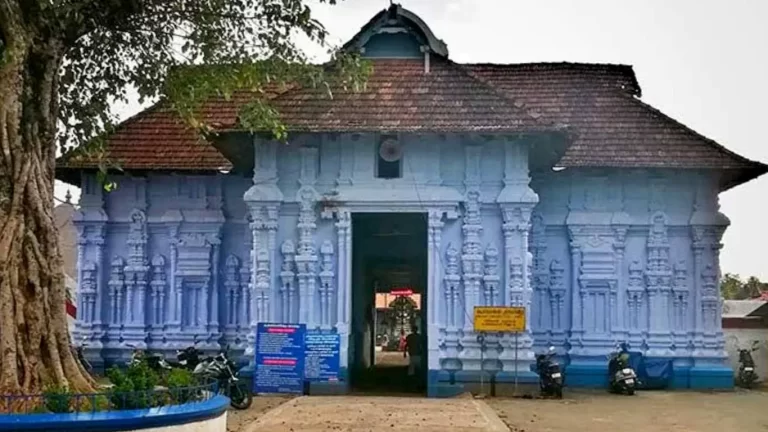
- Laterite Stone Foundation: The foundation or base and wall plinths (Adhisthana) of nalambalam temples are constructed using stones made from local laterite rocks. When subjected to years of exposure to weather conditions in the air and water, laterite stones harden chemically and become nearly impossible to destroy.
- Natural White Plastering: The outer walls are covered by an innovative natural plaster composed of slaked lime combined with coconut water, jaggery, and egg whites. The mixture makes the walls breathable during the hot summers while preventing any fungal growth during the rainy season.
- Copper Roofing: The roof, which is very steeply pitched (with an angle of 45 degrees or more), consists of copper sheets. The purpose of the slanted roof is to allow the monsoon rains to flow off instantly and protect the wood from the water damage.
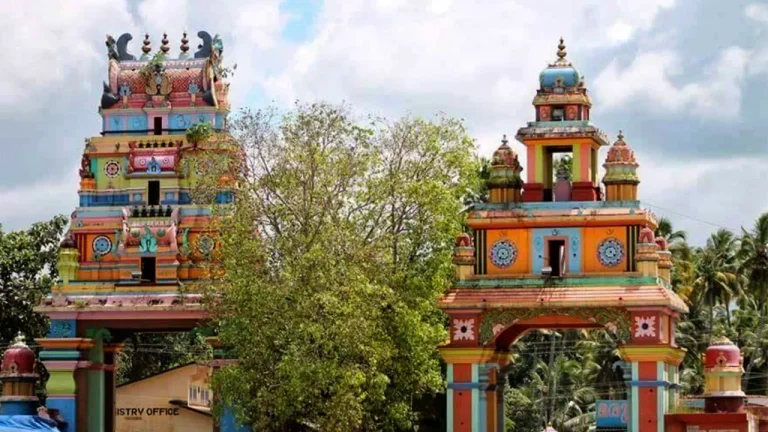

4. Lighting and The Vilakkumadam
In contrast to today’s modern buildings with artificial lighting systems, the architecture of these temples emphasizes shadows and soft light from natural sources.
The Vilakkumadam is an architectural masterpiece created especially for the evening time. It is a huge wooden lattice structure covering all the external stonewalls of the building. The construction has thousands of small containers made of iron, stone or brass that can hold oil. During important celebrations or during Deeparadhana, all lamps are lit manually using coconut oil. The architectural achievement is amazing as the dark granite inner sanctum is lit only by a few lamps whereas the external parameter shines like a crown of fire.
Main Attractions or Highlights
Every place on the nalambalam temples route is unique in its own way spiritually and visually and you need to keep an eye out for:
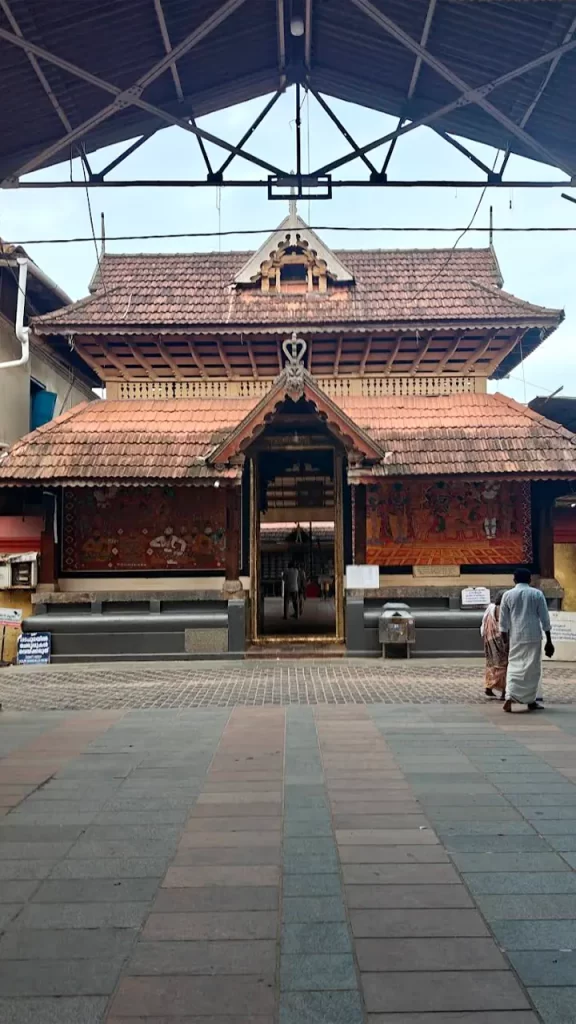
Thriprayar Sree Rama Temple (The First Stop):
Dedicated to Lord Rama, the eldest brother.
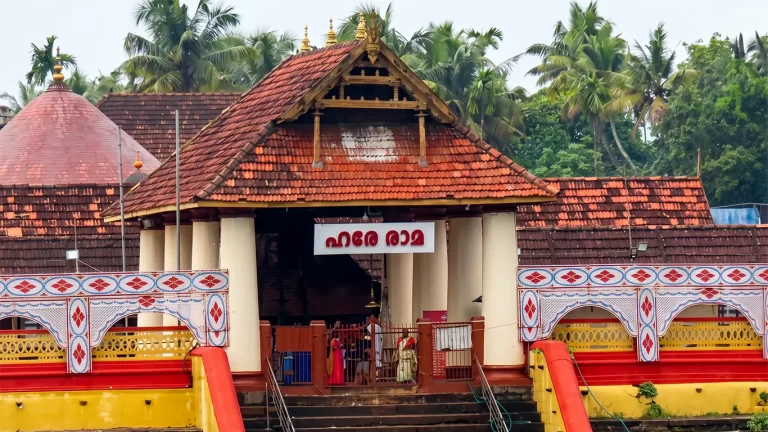
Thriprayar Sree Ramaswami Kshetram is located right on the tranquil banks of the Conolly Canal (Theevra River). Setting alone is one of the highlights of this place, where water serves as an ideal background for the ceremony.
- The Chaturbahu (Four-Armed) God: The idol of Lord Rama is truly remarkable as the statue is 6 feet tall and made from dark stone. This is not just a peaceful idol, but rather the statue of Rama shortly after his victory over Ravana. Rama has got four arms that bear various celestial weapons: the Panchajanya (conch shell), the Sudarshana Chakra (discus), a bow, and a garland.
- The Vatta Srikovil (Circumference Temple): Architecture here is really impressive. The primary shrine is built in the shape of a circle and features a conical roof fully made from shining copper sheets.
- Meenoottu (Feeding the River Fish): The steps descending into the water have lots of pilgrims feeding the river fish by pouring pori (puffed rice) into the river water for their blessing. It is a very important ceremony which invokes the blessings of Matsya Avatar, who was the first primeval fish incarnation of Lord Vishnu and was associated with prosperity.
- Wood Carvings of the Namaskara Mandapam Pillared Hall: The Namaskara Mandapam pillared hall is directly opposite to the sanctum sanctorum. If you take a look at the ceiling of the hall, you can see extremely complicated wood carvings dating back to 16th century, depicting 24 incarnations of Vishnu and Ramayana stories.
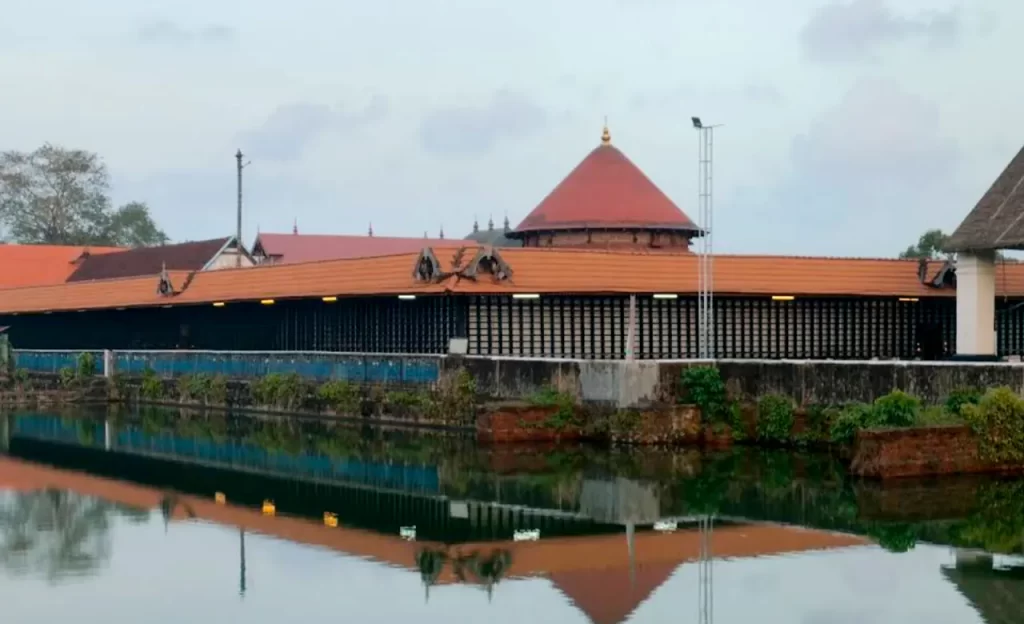
Koodalmanikyam Bharata Temple (The Second Stop):
Dedicated to Lord Bharata, the second brother.
One of the most important cultural sites among all the sites is that of the Sree Koodalmanikyam Temple, which is located in Irinjalakuda. The temples devoted solely to Lord Bharata are rare in India.
- Digambara Form: In this temple, the Lord Bharata has been portrayed in an extremely meditative form (Digambara), which depicts Bharata listening to the winds at Nandigram in anticipation of the arrival of his brother, Lord Rama, who is coming back from exile. The idol has been placed in the inner temple courtyard without any sub-shrines.
- The Kulipini Theertham (Sacred Tank): This is an enormous temple tank built in the past and occupies a huge area within the outer walls. It is believed that the great sage Kulipini conducted extensive fire sacrifice rituals here, and the water in the tank is highly enriched with medicinal qualities.
- The Grand Koothambalam (Temple Theater): One of the grandest and best preserved classical theaters in Kerala can be found in this temple. It is held up by huge pillars and in this place, Koodiyattam (the oldest living Sanskrit theatrical tradition) and Chakyar Koothu are presented annually during the temple festival.
- Thamaramaala Offering: The main flower offerings here include huge garlands made out of fresh lotus flowers. You will never forget seeing the great deity fully dressed in pink lotuses.
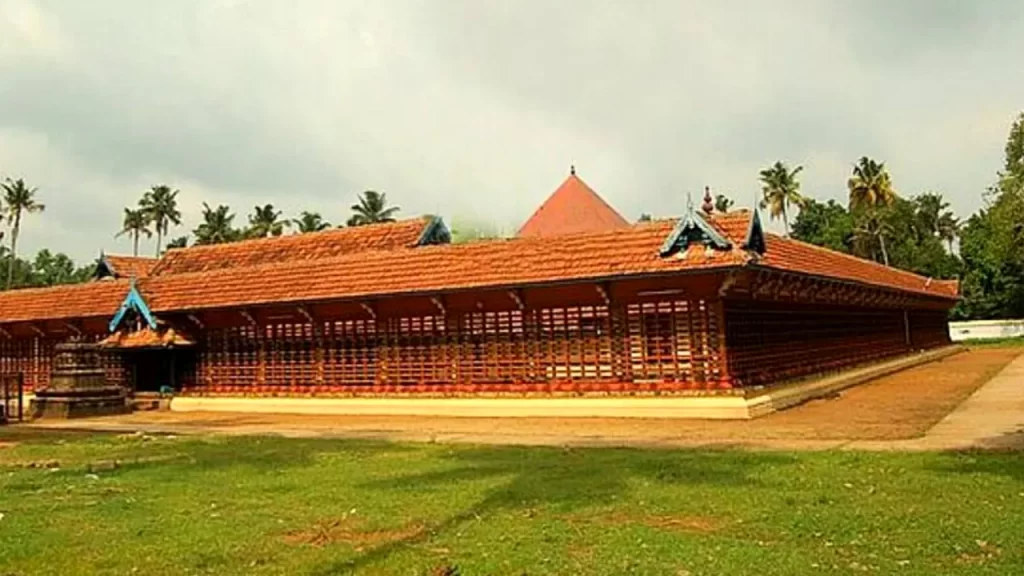
Thirumoozhikkulam Sree Lakshmana Perumal Temple (The Third Stop):
Dedicated to Lord Lakshmana, the third brother.
Thirumoozhikkulam Sri Lakshmana Perumal Temple located near Aluva is highly revered in ancient history. This temple alone in this circuit has the honor of being classified as one of the 108 Divya Desams—the most revered Vaishnava temples dedicated to God Vishnu, and which are mentioned and extolled in the ancient Tamil language by poet-saints (Alvars).
- Adisesha: While the idol is that of a striking standing posture of Lakshmana with a bow and arrow in his hands, spiritually it signifies Adisesha, the king of many-headed serpents who serves as a bed for Lord Vishnu. Prayers are offered at this place seeking protection from fears and worries.
- Stone Inscriptions: History lovers should not miss out on the ancient Vatteluttu inscriptions on the stone foundation of the sanctum sanctorum that belong to the Chera Dynasty era (11th century). The inscriptions mention the “Moozhikkulam Kacham,” an ancient well-known code of behavior that was observed in medieval Kerala.
- The Purity of Chuttambalam: The layout of this temple has a highly preserved massive stone structure (Chuttambalam) with true Dravidian-Keralite engineering design. The broad corridors of the Chuttambalam are ideal for meditation practices.
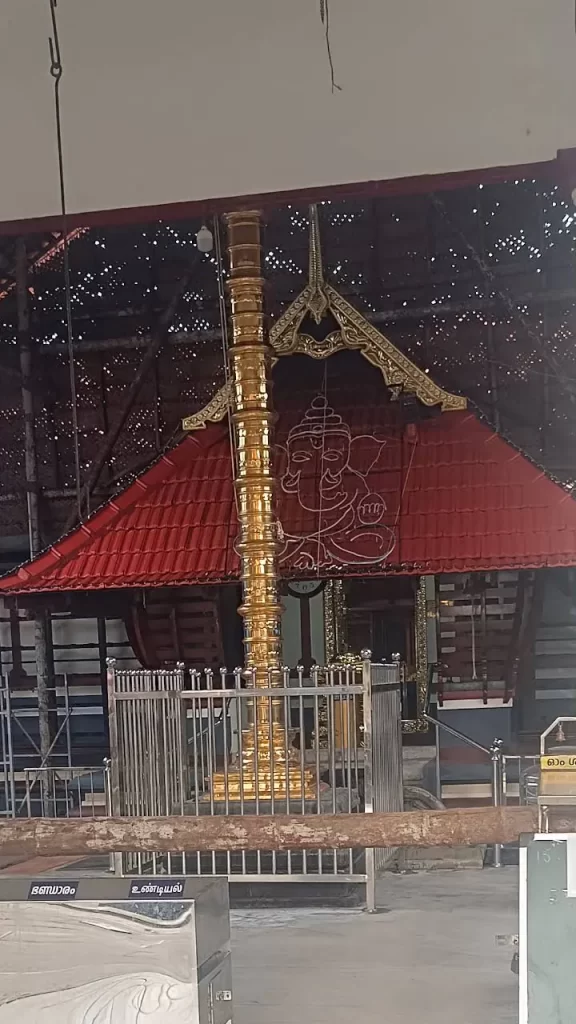
Payammal Sree Shatrughna Swamy Temple (The Final Stop):
Dedicated to Lord Shatrughna, the youngest brother.
The Payammal Sree Shathrugna Swamy Temple is the smallest, serene and most intimate destination in the entire nalambalam temples trail.
- The Idol of Lord Shatrugna: The stunning stone idol of Lord Shatrugna is spiritually revered as the incarnation of Sudarshana Chakra – the powerful disc of Lord Vishnu which destroys all negativity.
- The Nalambalam Square Sanctuary: In marked contrast to the elaborate circular architecture of Triprayar, Payammal boasts of a stunningly simple and beautifully square-shaped Srikovil. The simplicity of its white lime walls and the dark Laterite stone base mirrors the simplicity of the youngest brother.
- Sudarshana Pushpanjali: The main attraction and ceremony in this temple is a unique offering of flowers along with the loud chanting of Sudarshana Mantra. Pilgrims travel far and wide to conduct this particular pooja which is believed to break mental barriers, remove obstacles and heal diseases.
Nalambalam Temple Timings and Rituals
In order to witness the true charm of the Nalambalam Temples, you have to coordinate with their highly structured timings.
Opening Timings (General)
- Morning session: 03:00 AM to 12:00 PM (until 01:00 PM on festive occasions)
- Afternoon session: 04:30 PM to 08:00 PM
The Procession of Traditionally Conducted Rites on a Daily Basis
- Nirmalyam (03:00 AM – 03:30 AM): Worship of the idol dressed in flowers from the previous day. This timing is said to be spiritually the most powerful.
- Usha Pooja (05:30 AM): The morning prayers with traditional drum beats (Chenda).
- Ucha Pooja (11:30 AM): The elaborate noon prayers prior to the resting of the deity.
- Deeparadhana (06:30 PM): The evening rituals when the multiple levels of oil lights (Deepams) are ignited along with the camphor smoke.
- Athazha Pooja (07:30 PM): The night prayers.
Clothing Code & Cultural Protocol
There are strict rules for dress code in the nalambalam temples. It is necessary that men should wear the traditional dress called Mundu (dhoti) around their waist. Also, men are required to go in without wearing any upper clothing and should be naked from the chest upwards when they enter the inner courtyard. Women are required to wear Saris, Set-Mundus, or Salwar Kameez.
Festivals and Events
Though tranquil all year round, these temples acquire an altogether different dimension during the time of festivals. The highest point of the season at these nalambalam temples comes in Ramayana Masam, celebrated in the Malayalam month of Karkidakam (mid-July to mid-August).
Once upon a time, Karkidakam used to witness incessant rains, crop failure and epidemics. In order to protect themselves from such adversities, people would gather in their homes and read the Ramayana. These days, however, millions of devotees from all over India come flocking to these temples during this month. The Saturdays and Sundays of this month see heavy rush of pilgrims, where queue waiting periods can range from 2 to 5 hours.
Except for Ramayana Masam, one must visit these temples during the annual Utsavams (temple festivals). The Thriprayar festival is marked by grand parades of as many as 21 caparisoned elephants, Panchavadyam (traditional orchestral band) and fireworks display.


How to Reach & Visitor Amenities
A little logistics planning is required when visiting the nalambalam temples as the temples are scattered over a circuit of 65 kilometers.
Modes of Transport
- BY AIR: Cochin International Airport (COK) is the closest airport to these temples as the third temple, Moozhikulam, is just 15 km away from there.
- BY RAIL: Thrissur Railway Station and Irinjalakuda Railway Station should be your choices as Thrissur is a railhead and is directly linked to all cities of India.
- BY ROAD: For the convenience of tourists, it is strongly recommended that you hire a personal taxi service from either Thrissur or Ernakulam. Moreover, special bus services can be availed from KSRTC during the holy season of Karkidakam.
Entry Fee and Facilities
Absolutely, there is no entry fee to enter these nalambalam temples. But if you wish to avoid the regular queues, you can go for Special Darshan tickets that can be booked on counter for some minimal fees (from ₹20 to ₹100).
As far as facilities are concerned, all four temples have basic toilet facilities and facilities of clean drinking water counters. In case of Ramayana Masam, the temples provide free and very healthy herbal porridge called Karkidaka Kanji or Annadanam (general lunch) for all pilgrims in their Oottupuras (dining halls). As for lodging, I would recommend staying in Thrissur town itself as there are many lodging options available in Thrissur.
Dos and Don’ts
To make sure that your experience in the Nalambalam Temples is both respectful and culturally relevant, here are some very important guidelines that you need to follow:
The Dos
- Always maintain total silence when you find yourself inside the Chuttambalam or near the windows of the sanctum.
- Make sure that you walk around the sanctum in a clockwise manner.
- You should always wash your feet in the water taps provided before you enter the inner sanctum through the granite stones.
- Ask questions from the temple volunteers if you don’t know where to stand or receive the prasadam.
The Don’ts
- Photography/Videography is strictly forbidden inside the inner temple premises and also when taking pictures of the deities.
- Touching the stone walls of the Srikovil or idols is strictly forbidden.
- Taking leather things like belts, wallets, bags into the core inner sanctuaries of Koodalmanikyam and Thriprayar is strictly forbidden.
- Taking non-vegetarian food on the day of your visit is strictly forbidden.
Nearby Attractions
While going about your pilgrimage tour of the four nalambalam temples from Thrissur and Ernakulam, there is no difficulty in extending your travel plan to visit some of the greatest spiritual and natural landmarks of Central Kerala. Below is a list of the best destinations close to the temples:
One of the most popular spiritual centers in India where the worship of Lord Krishna (Vishnu) has been practiced for centuries, the Guruvayur Sree Krishna Temple is a major spiritual destination in India. This place is situated just around 24 kilometers away from the Thriprayar Sree Ramaswami Kshetram, thus making it an appropriate choice for those visiting the temples of the Vaishnava circuit.
- Major Features: The main hall houses a magnificent four-armed idol of Lord Vishnu, which is adorned with a Tulsi and pearl ornament. In addition, the temple is known for holding numerous weddings and the first food feeding ceremony of children (Choroonu).
- Aesthetic Characteristics: A busy spiritual site featuring magnificent brass lamps (Deepasthambams) decorating its inner courtyard.
- Additional Information: The temple adheres to strict tradition regarding the dress code, and queue lines can be quite long, especially during weekends and festivals.
Kodungallur Sree Kurumba Bagavathi Temple
This temple, which is rich in history and local folklore, is an extremely potent temple that honors the Goddess Bhadrakali. Located slightly south of Payammal Sree Shathrugna Swamy Temple and adjacent to the historical trade center of Muziris, it gives you an awesome insight into the early medieval culture of Kerala.
- Noteworthy Facts: The image of the deity has been sculpted from a piece of jackfruit tree and carries weapons like a shield and a sword. The temple has strong historical links with the heroine Kannaki of the ancient Tamil classic, Silappatikaram.
- Aesthetics: This temple is surrounded by the huge and majestic banyan and peepal trees, and the temple complex comprises stone structures of classical architecture which carry an intense religious vibe.
- Visitor Insights: Known for the Kodungallur Bharani festival which is a big annual event involving vigorous chanting and rituals.
Punnathur Kotta Elephant Sanctuary
It is located near Guruvayur shrine at a mere distance of some kilometers and is known as Punnathur Kotta. This is an amazing tourist destination which is the official home of all elephants owned by Guruvayur Devaswom.
- Special Attractions: The premises have more than 40 huge elephants living there and are tended by their mahouts. It is wonderful to watch these animals feeding and training sessions in the water tanks using coconut fiber.
- Landscape: It is a heritage site that is a beautiful green enclosure around an old palace Nalukettu of the ancient kings of Punnathur.
- Visitors Advice: The sanctuary is opened from 9:00 AM to 5:00 PM for visitors on all days of the week. Visitors are expected to keep a safe distance from these animals.
Athirappilly Water Falls
A change of pace from the visitation of Thirumoozhikkulam Sri Lakshmana Perumal Temple is a trip to the beautiful Athirappilly Water Falls by driving inland to the Western Ghats, which is considered to be the biggest waterfall in Kerala and one of the most breath-taking sights.
- Important Features: An awe-inspiring waterfall created by the Chalakudy River plunging into an 80 feet high cliff amidst a lush tropical rainforest.
- Aesthetics: Nature in its purest form, which is thundering and brimming with biodiversity, such as the Great Indian Hornbill.
- Tips for Travelers: Excellent well-laid stony walkways permit visitors to climb up to the topmost point and down to the plunge pool. This is one place where you would love to visit right after or during the monsoon season.
For more tourist places and packages, you may visit keralatourism.org.
Frequently Asked Questions
What is the order of visiting Nalambalam temples?
The order is purely chronological, based on age: First, pay a visit to Thriprayar Sree Rama Temple in the morning. Next, head for Koodalmanikyam Bharata Temple. Then visit Thirumoozhikkulam Lakshmana Perumal Temple. And finally, conclude your pilgrimage at Payammal Sree Shatrughna Swamy Temple.
Are there any restrictions for non-Hindus entering the Nalambalam temples?
According to the ancient rules of all the temples, entrance into the premises of these particular temples (the inner walls, or Nalambalam) is forbidden for non-Hindus. But everyone is free to admire their impressive architecture, picturesque riverside, and colorful festival celebrations from outside.
Where does the name Koodalmanikyam come from?
Koodalmanikyam means “Merged Ruby”. According to legends, the beautiful gemstone that was presented to the deity in ancient times was put near the idol of Bharata and merged right into it.
Is it possible to complete the yatra before noon?
Certainly, one can do so via the roads and by car. If you begin the ritual at Thriprayar at about 04:00 AM, then you will easily arrive at the final temple in time.