Omkareshwar Jyotirlinga Temple: Lord of divine word “OM”
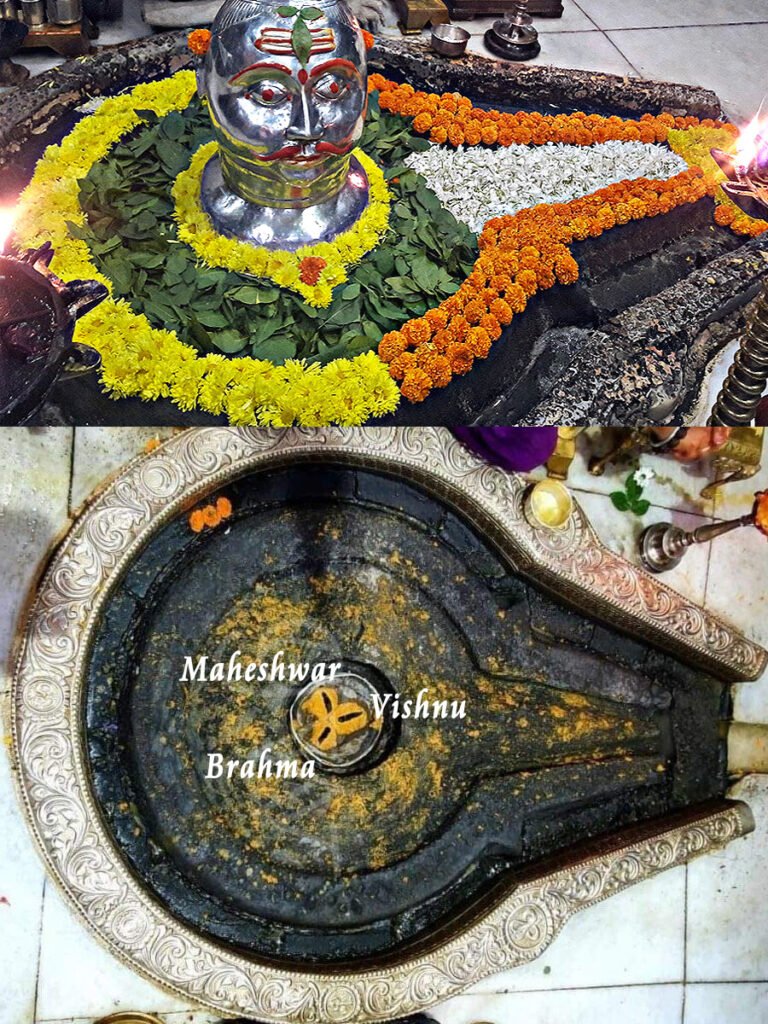
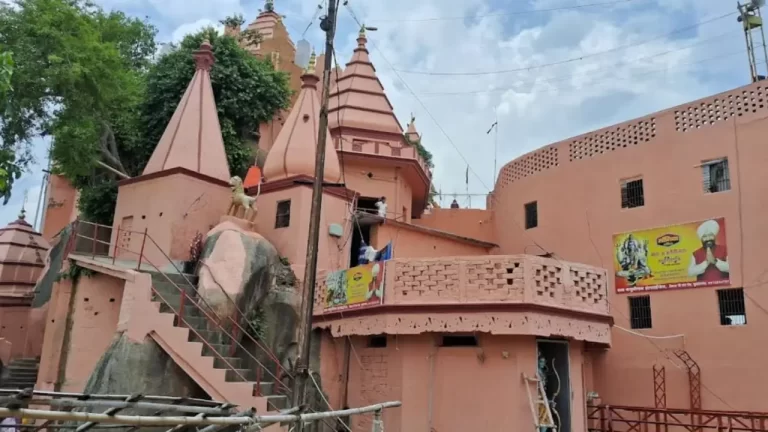
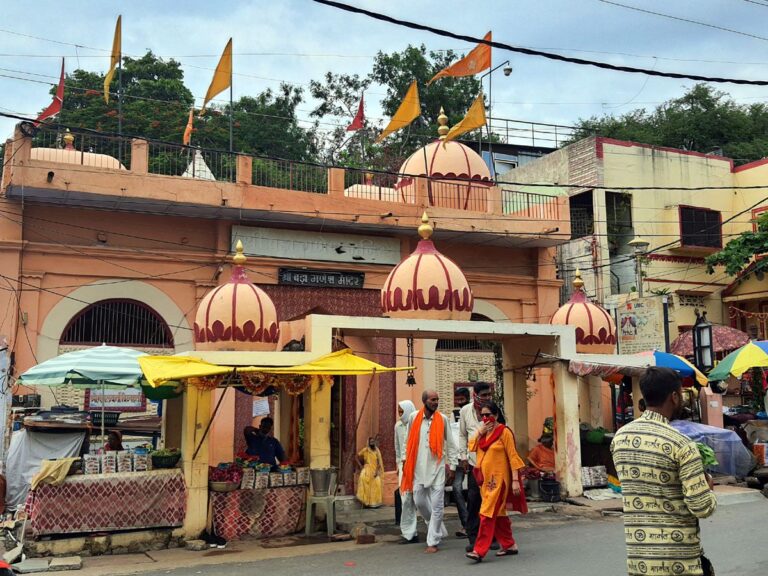
Omkareshwar Temple of Jyotirlinga: Omkareshwar (Lord of the heavenly sound “Om”) Among the most powerful Hindu temples consecrated to Lord Shiva is Jyotirlinga. It lies on an island named Shivapuri at the banks of Narmada river. It forms a striking resemblance to the Hindu heavenly alphabet “Om” in shape, except that it has an “overhead”. Omkareshwar and Amareshwar (Lord of Immortality) are the two temples placed here.
History of Omkareshwar Jyotirlinga Temple:
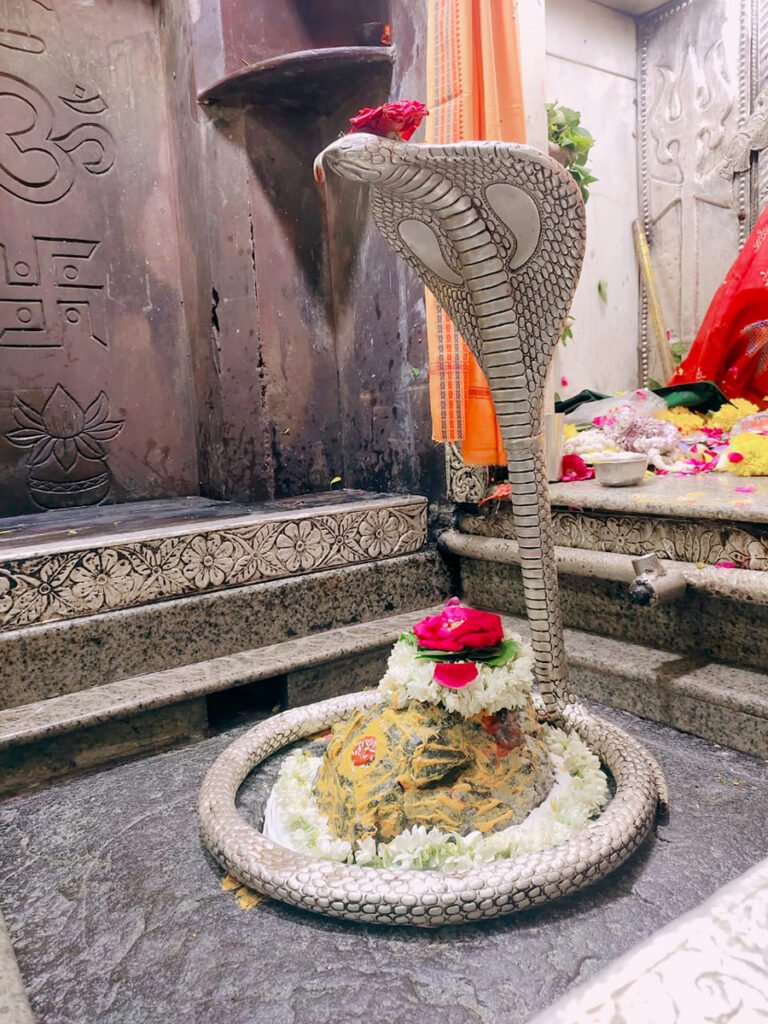
According to Hindu scriptures, we can be witnessed about the great war between two forces, one representing evil and the other good, evil won the war. Gods who are well on the side of good prayed to Lord Shiva to save, blessed with the payer Lord Shiva took the form of Omkareshwar and defeated the evil force.
As Narada, son of Brahma, was the pardoned devotee of Lord Vishnu, he narrated the greatness of Mount Meru to Mount Vindhya, who, feeling jealous of him becoming greater than Meru, so he began worshiping Lord Shiva. He pleased by Vindhya’s devotion blessed him with a boon for fulfilling his desire.
At the same time, Lord Shiva, at the request of gods and sages, became two parts (Lingas). One half was Omkareshwara, and the other one was Amareshwar or Mamaleshwar. On fulfilling the desire of Mount Vindhya, Lord captured a word that he would never become an obstacle to his devotees. Vindhya forgot the promise and started growing by obstructing the light of the sun and moon.
So to restrain his growth, devotees approached Sage Agastya to stop Vindhya. Along with his wife, Sage approached the Mount and convinced Vindhya with magical words and took a word that he would never grow until he returns back to him, but he didn’t return back. Sage Agastya settled in Srisailam which is one of the twelve Jyotirlingas.
Read More>> Bhadrachalam Temple | Bhadradri Seetha Ramachandra Swamy
Amazing Stories: Legend of the Temple
All places of special interest have a great tale to tell, and Omkareshwar Jyotirlinga Temple has several of them! Here are a few which folks love to narrate:
The Story of King Mandhata: A long, long time back, there existed a very good and strong king called Mandhata. He was a die-hard follower of Lord Shiva. King Mandhata performed very hard prayers on this island to appease Lord Shiva. Lord Shiva was so pleased with his devotion that He showed up before him. King Mandhata requested that Lord Shiva remain on this island perpetually to bless all. And wonder of wonders! Lord Shiva acquiesced and appeared as the sacred Jyotirlinga here very much! That’s why the island is also referred to as Mandhata Island occasionally.
The Story of Vindhya Mountain: There’s yet another fascinatinlg story with a mountain god called Vindhya. Vindhya Mountain was a bit envious of the great Himalayas and wished to grow big and stronger. So, he began performing very rigorous penance to appease Lord Shiva. Lord Shiva liked this and blessed him. But the other gods and sages feared that Vindhya’s increase could obstruct the sun! So, they pleaded with Lord Shiva to remain here and restrain Vindhya. Lord Shiva, being compassionate, consented and divided himself into two halves in this island: one is Omkareshwar Jyotirlinga Temple on the island, and the other is Mamleshwar, on the other side of the Narmada River. Both are equally revered.
The Story of the Gods and Demons: Once, there was a great war among the good gods (Devas) and the evil demons (Danavas). The demons were gaining, and the gods were greatly concerned. They prayed to Lord Shiva with all their might. Lord Shiva, hearing their prayers, manifested as the mighty Omkareshwar Jyotirlinga, defeated the demons, and assisted the gods in winning. He then chose to remain on this island as a guardian. These tales make the Omkareshwar Temple even more significant and reveal to us why it’s so worshipped.
Importance of Omkareshwar Temple:
The Omkareshwar Temple is a very significant temple for the following reasons:
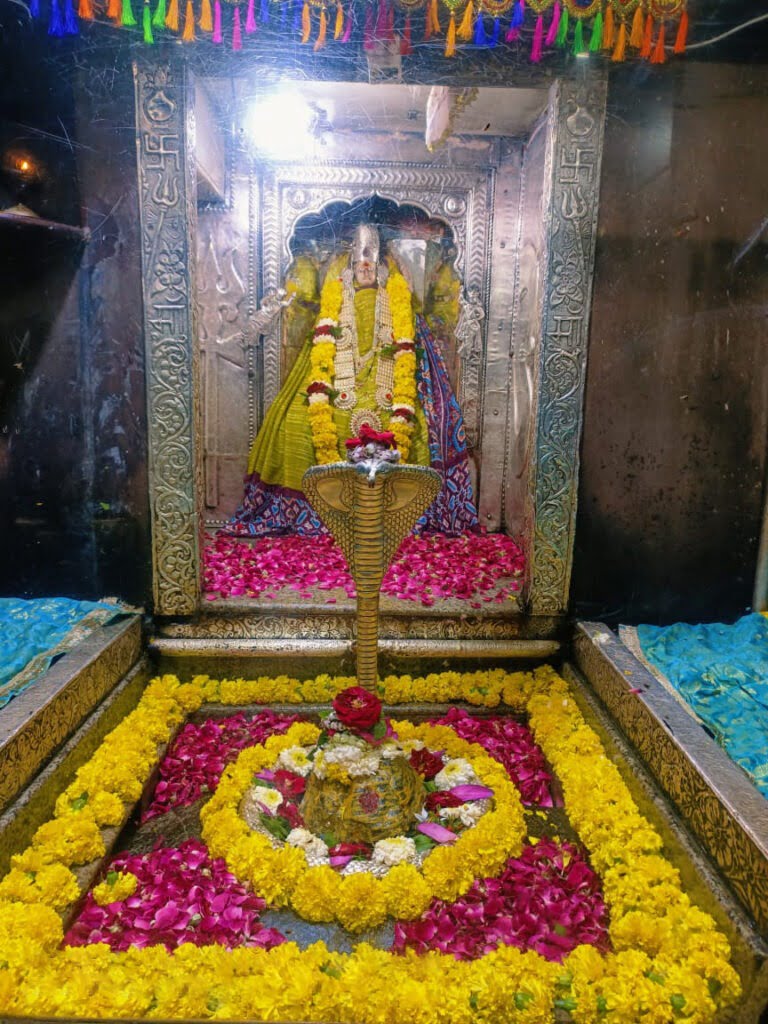
- It is one of the twelve in total, counting Jyotirlinga temples, believed to be the most sacred Shiva temples across the world.
- The temple sits on Mandhata Island, which much like an Om it self is but as symbolic as the latter is to Hinduism.
- The Omkareshwar Temple features references within several ancient texts of Hinduism, including the Vedas and the Puranas.
- It goes that Shiva appeared in the guise of a column of light in this temple where, as legend has it, a strife between Brahma and Vishnu ensued on who was to be the main deity.
- Omkareshwar Temple is one of the prominent pilgrim centers among millions of Hindus from all over the world.
- It is said that the people can obtain good luck, prosperity, and salvation by worshipping Lord Shiva at Omkareshwar Temple. In fact, it is a very powerful centre for meditation to get in touch with godliness.
Omkareshwar Temple is important not only in terms of religion but is also a tourist destination. The temple sits appropriately on Mandhata Island and has a magnificent view outside of itself. It also holds other important Hindu temples such as Mamleshwar Temple, Siddhanath Temple, and Gupteshwar Temple among others.
Read More>> Magnificent Ramanathaswamy Temple: A Marvel of Architecture
Significance of Omkareshwar Jyotirlinga Temple:
Jyotirlinga: Omkareshwar jyotirling (light form) is one of the twelve Jyotirlingas dedicated with Lord Shiva. The Jyotirlinga itself is considered very sacred and needs to represent the cosmic form of Lord Shiva. Devotion to the Jyotirlinga brings great blessings and, above all, great spiritual benefits.
Symbolism: The name of this temple is Omkareshwar. Word omkareshwar can be translated in the form of Lord Shiva as “Om” symbol is sacred and “kaara” means form. The island upon which the temple is erected has taken the shape of the sacred symbol of “Om.”.
Historical and Mythological Importance: The importance of history and mythology surrounds this temple. Also, referred in some ancient scriptures and Puranas are, the Skanda Purana and the Shiva Purana. The Narmada River, which forms a parikrama around the temple is also a symbol of Ganges River, by this mythological significance the temple is highly worshipped.
Pilgrimage Destination : Devotees and pilgrims visit the temple throughout the year. The site is considered very auspicious for worship and spiritual practices. People come to the temple with the intention of getting the blessings of Lord Shiva and getting some elevation spiritually.
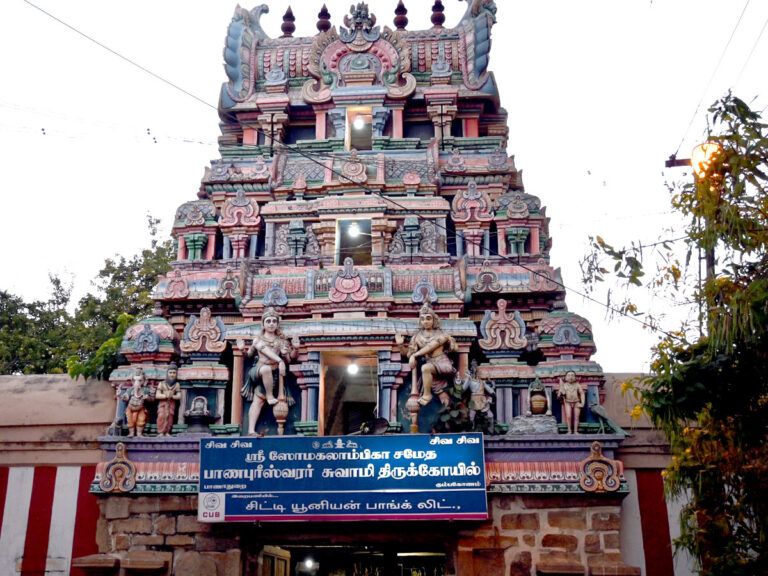
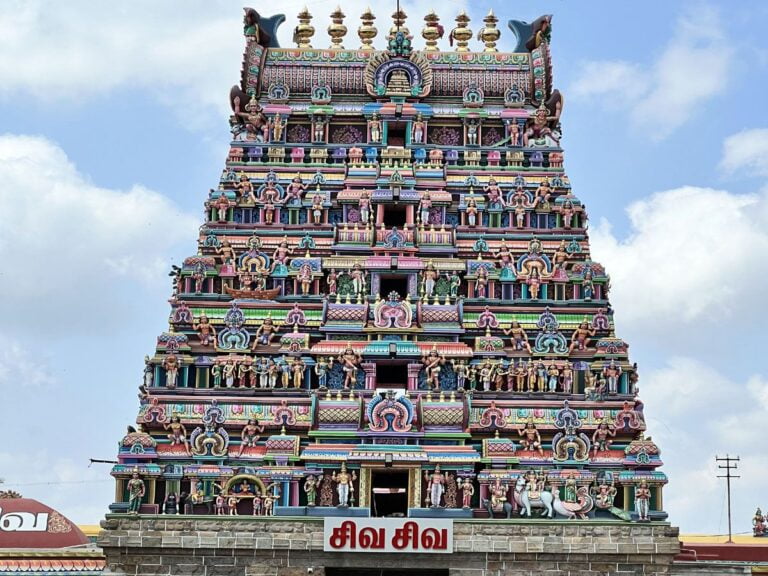
Architecture and Sacredness: Architecture of the temple: The designing of the temple takes the aesthetic blend of medieval and modern styles. The detailed carvings, sculptures, and all artistic enhancement make it look all the more beautiful. And finally, the Sanctum Sanctorum accommodates the Jyotirlinga-a very sacred place.
Festivals and Celebrations: Omkareshwar Jyotirlinga Temple hosts many grand festivals. It remains the busiest during the Hindu month of Shravan (July-August) and Mahashivaratri. Thousands throng the temple at these times to be part of rituals, processions, and special prayers.
Read More>> Trimbakeshwar Jyotirlinga Temple
A Feast for Your Eyes: Distinct Architectural Styles and Carvings
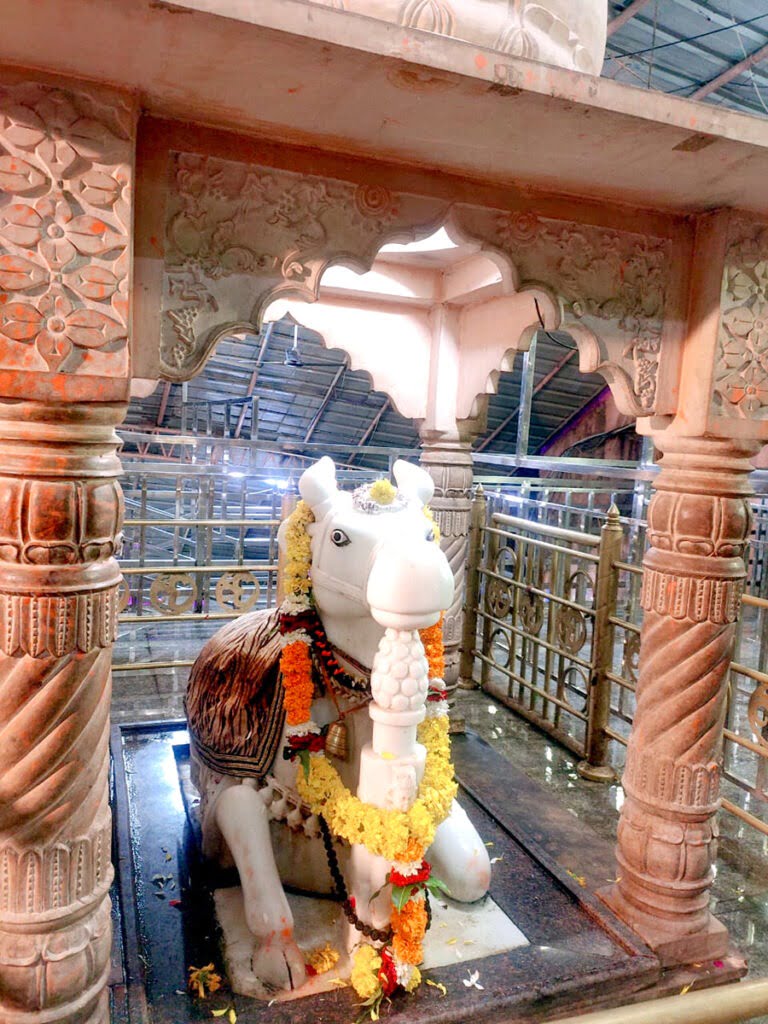
The Omkareshwar Temple is a breathtaking view! It’s constructed in the Nagara style of architecture, so it features tall, curved towers that point towards the sky. The sanctum sanctorum of the Omkareshwar Temple contains the holy Jyotirlinga, and the whole complex is constructed using a soft rock so that ancient artists could create wondrous details.
You’ll be able to find lots of detailed carvings on the pillars and walls, describing Hindu myths. Think of gazing closely and spotting tiny sculptures of animals, gods, goddesses, and scenes from classic epics. The pillars tend to have various shapes – squares, polygons, and circles – enhancing the beauty of the temple. There are also numerous smaller shrines in the complex, all with their own distinct beauty, which are worshiped in the honor of other gods such as Lord Ganesha and Goddess Parvati. The overall architecture evokes a feeling of wonder and piety.
Read More>> Chamundeshwari Temple Mysore: Architectural Marvel & Spiritual Wonder
Celebrations and Special Days: Festivals and Rituals
The Omkareshwar Temple is never short of devotees, but there are some days when it feels even more lively and colorful!
Maha Shivratri (February/March): This is the largest festival in honor of Lord Shiva, which is observed with a lot of fervor. Picture prayers through the night, special poojas, and lights illuminating the temple. This is certainly one of the most busy days to visit, as pilgrims from all over India throng here.
Shravan Month (July-August): The whole month of Shravan (rainy season) is very holy for Lord Shiva. Lots of devotees come in this period to present water from the Narmada River to the Jyotirlinga. The plants near the temple also appear nice during the rainy season. More people, particularly on Mondays of this month, as Monday belongs to Lord Shiva.
Kartik Purnima (October/November): It is a significant festival, particularly for a dip in the holy Narmada River. The ghats close to the Omkareshwar Temple are thronged with pilgrims.
Diwali and Holi: Although not specifically Shiva-centric, these two great Hindu festivals also attract a large number of tourists to fill the festive spirit.
During these festive days, the Omkareshwar Temple really becomes alive amidst devotion, music, and the fragrance of incense.
Read More>> Nelluvaya Sree Dhanwanthari Temple
Special Poojas: Connecting with the Divine
Devotees at the Omkareshwar Jyotirlinga Temple can perform a number of poojas (worship rituals) to take the blessings of Lord Shiva. The priests at the temple perform these rituals.
Abhishekam (Bathing Ceremony with Sacred Elements): One of the most significant rituals. The Jyotirlinga is bathed with sacred elements such as water from the Narmada River, milk, curd, ghee (clarified butter), honey, and sugar. This is usually done with the chanting of strong mantras. There are various kinds of Abhishekam that you can order, such as:
Jalabhishek: Giving water.
Panchamrit Puja: Giving the five sacred elements.
Rudra Abhishekam: A very powerful abhishekam with Vedic mantras, said to confer health and peace.
Maha Rudrabhishek: A very extensive and powerful abhishekam for very specific desires or to clear heavy negative energies.
Archana: This is a basic offering of flowers, holy leaves such as Bel patra (beloved of Lord Shiva), and singing the names of Lord Shiva.
Shayan Aarti (Evening Ritual): A very lovely ritual done in the night, when Lord Shiva himself is said to arrive and rest in the temple. A lot of devotees attempt to see this aarti.
Do keep in mind that touching the central Shivling within the Omkareshwar Temple is usually not allowed for the devotees. The priests do the rituals.
Read More>> Bhojpur Shiva Temple | Bhojeshwar Temple Holds Huge Lingam
Stories and Beliefs: Myths and Beliefs
The Omkareshwar Temple is also encircled by several interesting beliefs that enhance its sanctity:
The Om Shape: The strongest belief is that the island itself on which the Omkareshwar Jyotirlinga Temple is located is naturally an “Om” (ॐ) symbol-like in shape. This is believed to be a divine phenomenon and sanctifies the site deeply.
Self-Manifested Linga: It is thought that the Jyotirlinga here is Swayambhu, i.e., it manifested itself spontaneously and was not carved or installed by humans. This spontaneous manifestation gives it divine strength.
Lord Shiva’s Nightly Slumber: Most of the devotees are of the view that Lord Shiva comes to the Omkareshwar Temple every night to sleep, and hence the Shayan Aarti (nightly ritual) is conducted with so much sanctity.
Narmada Parikrama: The Narmada River is held to be very sacred. Large numbers of pilgrims embark on the Narmada Parikrama, a circumambulation (walking around) the length of the entire Narmada River. Omkareshwar Temple is an important and sacred visit on this long and demanding pilgrimage, and circumambulating the island itself is also highly meritorious. It is believed that a dip in the Narmada River here can erase all sin.
Read More>> 4 CE Gokarna Mahabaleshwar Temple
Omkareshwar Jyotirlinga Temple Timing:
Morning Timings:
Temple opens: 5:00 AM
Mangal Aarti: 5:30 AM to 6:00 AM
Abhishekam: 6:00 AM to 12:00 PM
Darshanam (General): 12:00 PM to 1:00 PM
Afternoon Break:
The temple remains closed for darshan from 1:00 PM to 3:00 PM
Evening Timings:
Darshanam (General): 3:00 PM to 9:30 PM
Evening Aarti: 7:00 PM to 8:00 PM
Temple closes: 9:30 PM

Places to visit near Omkareswar Jyotirlinga Temple:
Omkareshwar Parikrama: It is the process of rotating arond the route of holy town of Omkareshwar. The parikrama path is known for the view of Narmada River and hills around.
Siddhanath Temple: At near distance to Omkareshwar Temple, Siddhanath Temple is there and it is one of the temple dedicated to the incarnation of Lord Shiva named Siddhanath. The temple is marked in terms of architecture and religious importance.
Mamleshwar Temple: Another important shrine dedicated to Lord Shiva is placed across the Narmada River called Mamleshwar Temple. The landscape surrounding the Omkareshwar Temple can be viewed from this place.
Kedareshwar Temple: It is an ancient temple of Lord Shiva and requires a small climb to reach there. It is situated on a hill beside Omkareshwar. The view from there is simply fascinating.
Satmatrika Temples: There is a chain of seven different temples close to the Omkareshwar Temple complex, each under the banner of divine mother with a different deity. Each one is distinct in its own deity and architecture plan.
Ahilyeshwar Temple: Although there is no direct link with Omkareshwar temple, Ahilyeshwar Temple at Maheshwar, is around 60 km from Omkareshwar. It is important because it is a Shiva temple and mainly famous due to its fantastic carvings as well as its relation with the Holkar’s dynasty.
Kajal Rani Cave is erected on the bank of the Narmada River. As a matter of fact, one of the natural cave formations that exist within the country, Kajal Rani is famous particularly for beauty. This is very quiet and serene to enjoy nature and cool your brains.
Where to Stay: Options for Accommodation
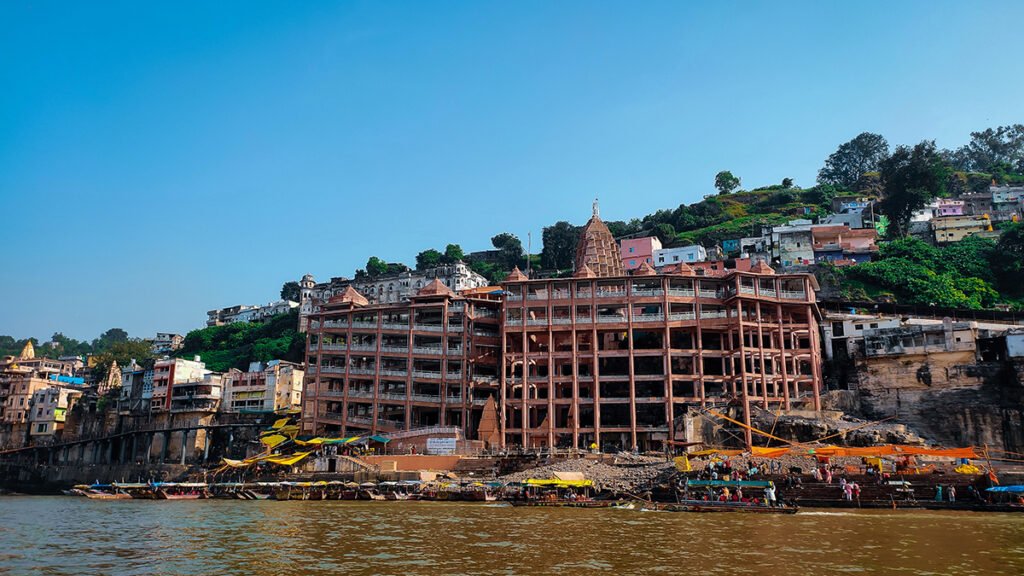
Omkareshwar is a holy pilgrimage destination, so you will find a range of accommodation for different budgets:
Temple Guest Houses/Dharmashalas: Simple, clean, and budget-friendly, these are provided by the temple trust and other spiritual bodies for pilgrims. This is generally a good option to be near the spiritual environment.
Hotels and Lodges: There are a few private hotels and lodges available in Omkareshwar, from affordable to more comfortable ones. You can get hotels such as MPT Temple View, Hotel Shri Radhekrishna, Hotel Gurukripa Inn, etc.
Resorts: If you want to stay relaxed and comfortable, particularly a little out of the main temple region, you may find some resorts such as MPT Sailani Island Resort on Sailani Island.
It’s always a good idea to book your stay in advance, especially if you’re visiting during peak festival times like Maha Shivratri or the Shravan month, as the Omkareshwar Temple area gets very busy.
Read More>> Ayyappa Swamy Temple Dwarapudi
How to reach Omkareshwar Jyotirlinga Temple:
By Air:
The nearest airport: Devi Ahilya Bai Holkar Airport (Indore);
Distance: approximately 77 kilometers.
By Train:
The nearest railway station: Omkareshwar Road Railway Station
Distance: 12 kilometers
By Road:
From Indore: approximately 77 kilometers; journey Time: around 2-3 hours.
From Khandwa: approximately 75 kilometers; journey Time: around 2 hours.
FAQs: Your Questions Answered!
Is it possible to touch the Jyotirlinga within Omkareshwar Temple?
In general, no, my dear friends. Touching the primary Shivling (Jyotirlinga) within the Omkareshwar Temple is generally not permitted for worshipers. The priests conduct all the rituals and abhishekams. This practice is prevalent in most big temples to maintain the sanctity of the god and handle the crowds. You can enjoy a lovely darshan (view) of the Jyotirlinga at a close distance.
Why is the Narmada River important at Omkareshwar?
The Narmada River is extremely sacred to Hinduism, and its presence at Omkareshwar Temple becomes even holier! The Narmada River is thought to be the “daughter of Lord Shiva” and can provide mukti (liberation) from the cycle of birth and death. Most pilgrims perform a sacred bath in its waters at Gomukh Ghat, feeling it washes away their transgressions. The island upon which the Omkareshwar Jyotirlinga Temple is located is itself surrounded by the Narmada, providing it with the sacred “Om” configuration. The river is thus central to the spiritual meaning and everyday practices of the Omkareshwar Temple.
Are there any specific rules for tourists visiting Omkareshwar Temple?
Yes, to ensure a respectful and peaceful visit, it’s good to keep a few things in mind. Dress modestly, covering your shoulders and knees. Remove your footwear before entering the temple premises. Photography might be restricted in certain areas, especially inside the main sanctum, so always check for signs. Maintain silence and reverence inside the temple. During crowded days, be patient, and respect the queues. Don’t eat non-vegetarian food or alcohol near the temple, as it’s a sacred pilgrimage site.