Kanipakam Varasiddhi Vinayaka Swamy
Kanipakam Varasiddhi Vinayaka Swamy: We’re off to an extremely unique site where a Lord Ganesha of truly miraculous and extraordinary proportions resides. Ever heard of a god who becomes larger and larger each day? Well, buckle up, folks, because we’re headed to the Kanipakam Varasiddhi Vinayaka Swamy Temple, set in the serene village of Kanipakam, in the Chittoor district of Andhra Pradesh, India.
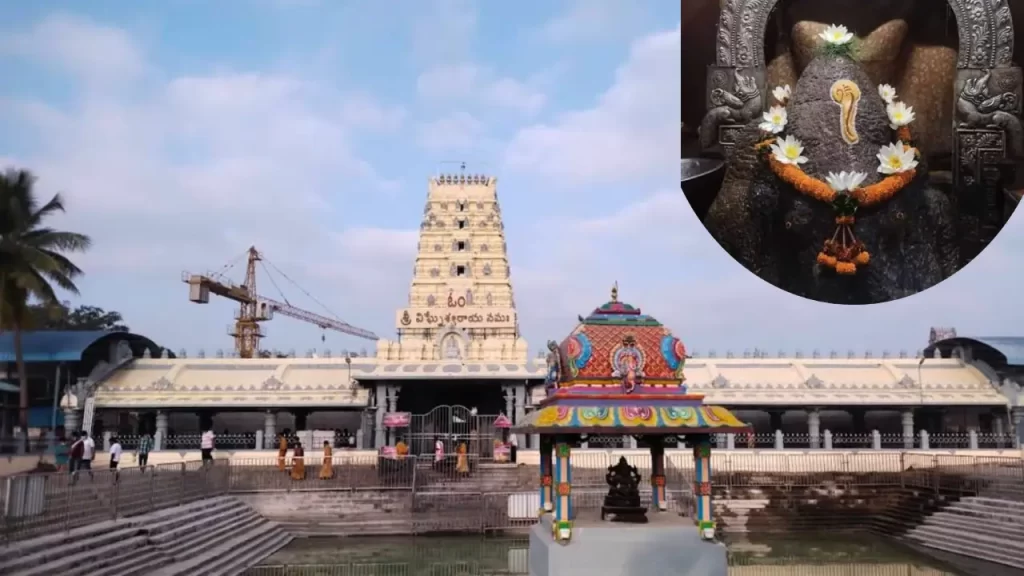
Imagine me, your friendly tour guide, with a big smile, ready to share all the fascinating secrets of this incredible temple. This isn’t just any temple; it’s a place where miracles happen, and Lord Ganesha himself is always growing to bless his devotees. So, buckle up, hold my hand, and let’s dive into the enchanting world of Kanipakam Varasiddhi Vinayaka Swamy!
Contents
- 1 Welcome to Kanipakam: Where Lord Ganesha Grows!
- 2 Peek into the Past: The History of the Kanipakam Varasiddhi Vinayaka Swamy Temple
- 3 The Miraculous Story: Legend of the Temple
- 4 The Ever-Growing Lord: Another Wondrous Enigma!
- 5 The Soul of the Place: Cultural, Spiritual, and Mythological Significance
- 6 A Feast for the Senses: Festivals and Special Days
- 7 Artistry in Stone: Distinct Architectural Forms and Carvings
- 8 Whispers of the Divine: Myths and Beliefs
- 9 Planning Your Visit: Kanipakam Temple Timings
- 10 A Place to Rest: Accommodation Options
- 11 Your Trip to Kanipakam: How to Reach the Temple
Welcome to Kanipakam: Where Lord Ganesha Grows!
My beloved friends, our destination today is the magical Kanipakam village, in the beautiful Chittoor district of Andhra Pradesh, India. It is there that we have the renowned Kanipakam Varasiddhi Vinayaka Swamy Temple, an absolutely marvelous shrine to Lord Ganesha, the elephant-headed deity who removes all impediments from our way.
The word “Kanipakam” is actually very intriguing! “Kani” refers to wetland, and “pakam” refers to the flow of water into a wetland. Here, this name gives us a little clue regarding how this incredible temple was formed. It’s a site abounding with spiritual power, and one finds visitors from all over the globe who come to receive blessings, get justice, and experience the mind-blowing mystery of a growing idol!
Peek into the Past: The History of the Kanipakam Varasiddhi Vinayaka Swamy Temple
Our travel back in time starts more than a thousand years back! The Kanipakam Varasiddhi Vinayaka Swamy Temple was originally constructed way back in the early 11th century. Can you believe that? That is even older than most of the great castles you hear about in fairy tales! It was constructed by a mighty king named Kulothunga Chola I. He was a very renowned king belonging to the Chola dynasty.
Later, around 700 years ago, even more kings, from the powerful Vijayanagara Empire, contributed lovely elements to this temple, making it even more majestic and grand. So, this temple has witnessed many rulers, many souls, and infinite prayers through centuries, silently keeping its holy energy. It’s like an age-old, wise tree that has become stronger and larger with the passage of time.
Read More>> Sacred 12 Jyotirlingas in India: A Symbol of Eternal Spirit
The Miraculous Story: Legend of the Temple
Now, listen to the most incredible story about how this temple was built! It’s a miracle story that will leave your eyes wide open!.
Long, long ago, in this same village of Kanipakam, there existed three brothers. But they were extraordinary brothers, as one was blind, one was deaf, and the third one was mute (he could not speak). They were farmers and toiled diligently on their farm to cultivate food.
One hot day, their well, which provided them with water for the fields, ran dry. They were so much concerned since they required water for irrigation. Therefore, they opted to deepen the well. While digging, their shovel hit something hard, a large stone. And what happened? When they struck it, blood began to flow out from that place! And not a small amount, the well’s water became fully red with blood!
And here is the really magical thing: the moment the blood began to flow, a miracle occurred! The blind brother became able to see, the deaf brother was able to hear, and the mute brother was able to talk! They were so stunned and thrilled!
When the villagers learned of this incredible occurrence, they hurried to the well. They attempted to dig deeper to discover what the stone was, but they couldn’t reach the end of it. From the churning, bloody water, they witnessed the lovely figure of Lord Ganesha appear, sitting directly in the well! It was a Swayambhu idol, meaning “self-manifested,” appearing on its own!
The people of the village were full of amazement and devotion. They knew that Lord Ganesha himself had manifest as a result of their good deeds. The well where Lord Ganesha appeared still exists now, and the idol of Kanipakam Varasiddhi Vinayaka Swamy is still residing in that very same well, always immersed in water. Isn’t this astonishing? This is why the name “Kanipakam” (wetland, flow of water) is so aptly given to this location!
Read More>> Shakti Peethas: The Power of Shakti
The Ever-Growing Lord: Another Wondrous Enigma!
And there’s another enigma surrounding this idol that will absolutely astonish you! It is said that the idol of Kanipakam Varasiddhi Vinayaka Swamy continues to grow in stature! Can you believe this? It is said that at first, only a small portion of the idol was visible, but years later, more and more of it has emerged.
There is a legend that some 50 years back, a devotee brought a silver kavacham (a covering or armor for the idol) as an offering to Lord Ganesha. But wait! Today, that very same kavacham does not fit the idol anymore because it has increased in size! This is a fact that cannot be explained scientifically, and it instills even greater faith among devotees in the divine power of Lord Ganesha. They feel that Lord Ganesha’s strength is always increasing, just as the idol does.

The Soul of the Place: Cultural, Spiritual, and Mythological Significance
The Kanipakam Varasiddhi Vinayaka Swamy Temple is not only renowned for its increasing idol and its miraculous history; it holds a very, very dear place in the hearts of many for its peculiar significance:
The Court of Divine Justice (Pramanam): It is one of the most interesting and significant things about this temple. Kanipakam Varasiddhi Vinayaka Swamy is referred to as the “God of Justice.” Individuals who have a difference of opinion or disputes, particularly when they are unable to find the truth, go there to take an oath in the presence of Lord Ganesha.
It is strongly believed that if one speaks a lie in the presence of the Lord, he/she will be punished by God or will own up to his/ her fault very shortly afterwards! A lot of fights have been settled here due to this strong belief. Think of a place where truth prevails! Individuals take a sacred bath in the temple tank before taking an oath in front of the Lord, believing it cleanses them.
Vighnaharta (Remover of Obstacles): Lord Ganesha is always referred to as Vighnaharta, the remover of obstacles. Individuals approach Kanipakam Varasiddhi Vinayaka Swamy to pray for the removal of their troubles, whether school trouble, business trouble, illnesses, or even attaining a suitable life partner. They consider that by sincerely praying to this very powerful incarnation of Ganesha, all their troubles will be wiped away.
Bestower of Boons (Varasiddhi): The name of the temple itself, Varasiddhi Vinayaka, is “the Ganesha who grants boons.” The devotees feel that if you pray with clean heart and utmost faith, Lord Ganesha here will grant your desires and bless you with good fortune, intelligence, and success. Lots of people come to pray for children or good luck.
A Sign of Increase and Always-Presence: The increasing idol itself is a strong symbol. It indicates that the presence and favor of God are not finite but are always on the increase and extending to more and more individuals. It’s a reminder, day in day out, of the manifestation of the divine in the world.
A Feast for the Senses: Festivals and Special Days
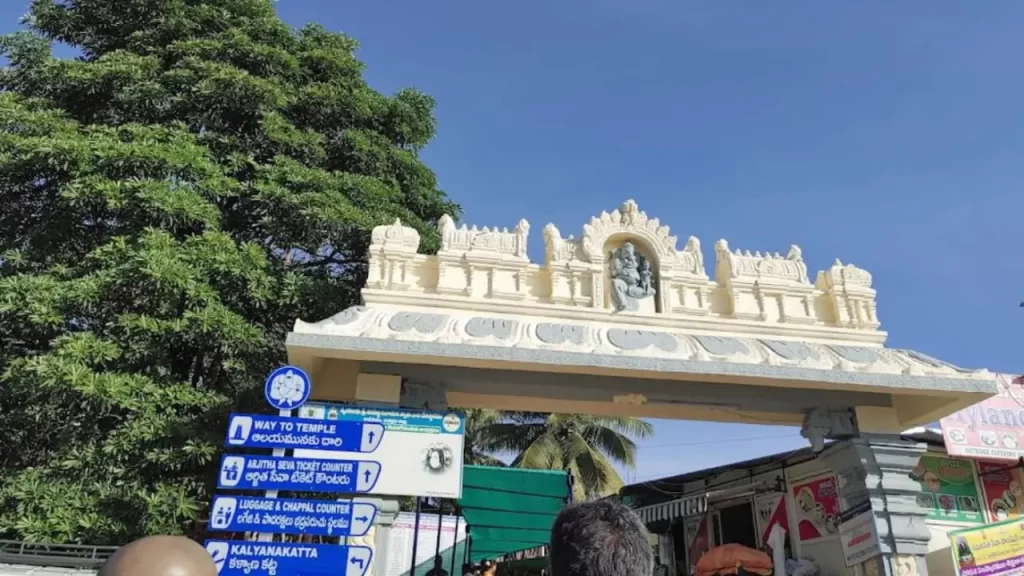
The Kanipakam Varasiddhi Vinayaka Swamy Temple is always vibrant, but on some days, it really comes to life in the spirit of joy and worship.
Brahmotsavam: This is the largest and most spectacular festival that is celebrated at Kanipakam! It begins from Vinayaka Chavithi (which you may also know as Ganesh Chaturthi) during the Telugu month of Bhadrapada (typically August-September) and goes on for a whopping 21 days! During Brahmotsavam, the temple is festooned with beautiful decorations, and special poojas and rituals are conducted daily.
Lord Ganesha’s Utsavamurthi (a smaller, festive idol kept for processions) is taken out on various Vahanams (divine vehicles, such as chariots or palanquins) in impressive processions around the temple complex. It is a vibrant and festive sight, which draws thousands of devotees from all across India. They say Lord Brahma himself comes down to celebrate this festival!
Vinayaka Chavithi (Ganesh Chaturthi): Even if you miss coming during the whole Brahmotsavam, Ganesh Chaturthi itself is quite a crowded and special occasion. Lots of varieties of modaks (sweet dumplings, Ganesha’s favorite!) and other yummy stuff is offered to the Lord by the people.
Sankatahara Ganapathi Vratham: It is a very unique vratham (a sacred observance or vow) that is done here. Individuals perform this vratham in order to overcome hardships and erase obstacles from their lives. It’s performed during certain times and is said to be very effective.
Other Special Days: Tuesdays, Fridays, and Sankashti Chaturthi (a special day for Ganesha that occurs once a month) are also very auspicious and draw bigger crowds.
Picture it all: seeing the lights, listening to the devotional songs, and experiencing the energetic vibe of thousands of people praying in unison. It’s an experience one will never forget!
Artistry in Stone: Distinct Architectural Forms and Carvings
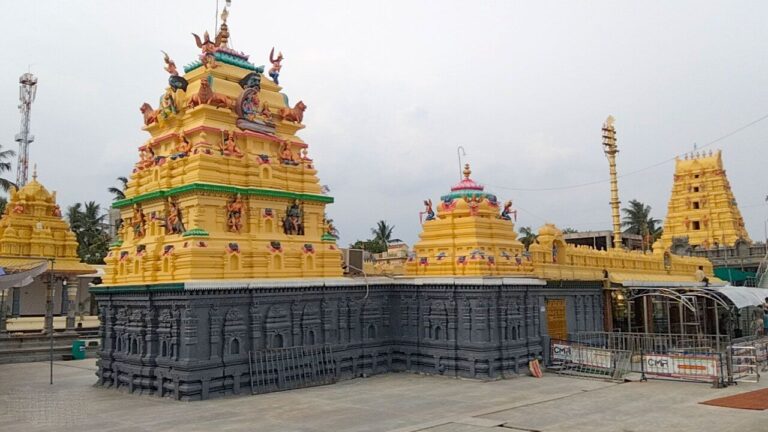
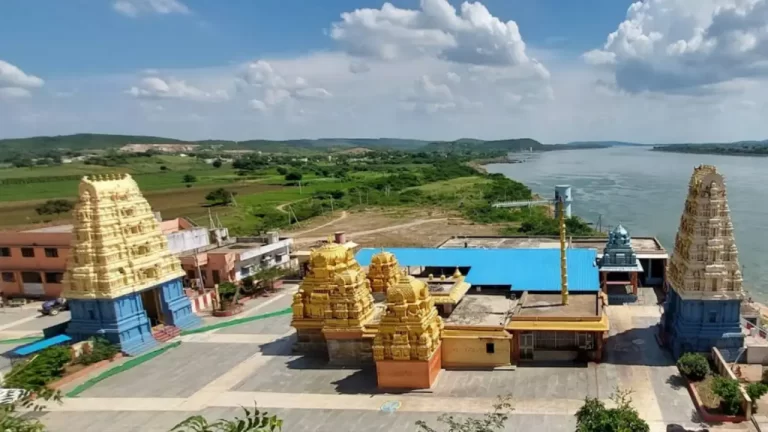
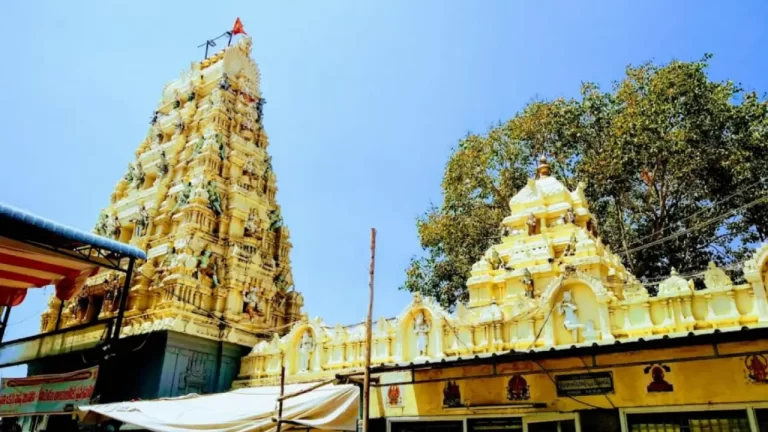
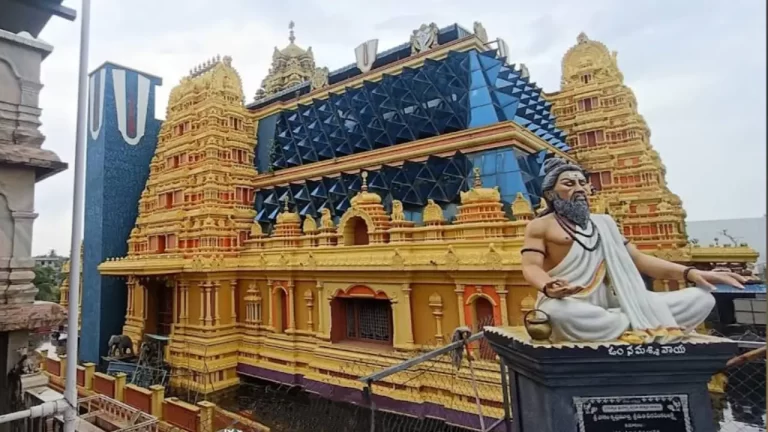
As we walk about the Kanipakam Varasiddhi Vinayaka Swamy Temple, you will see its stunning and traditional South Indian temple architecture, referred to as the Dravidian style.
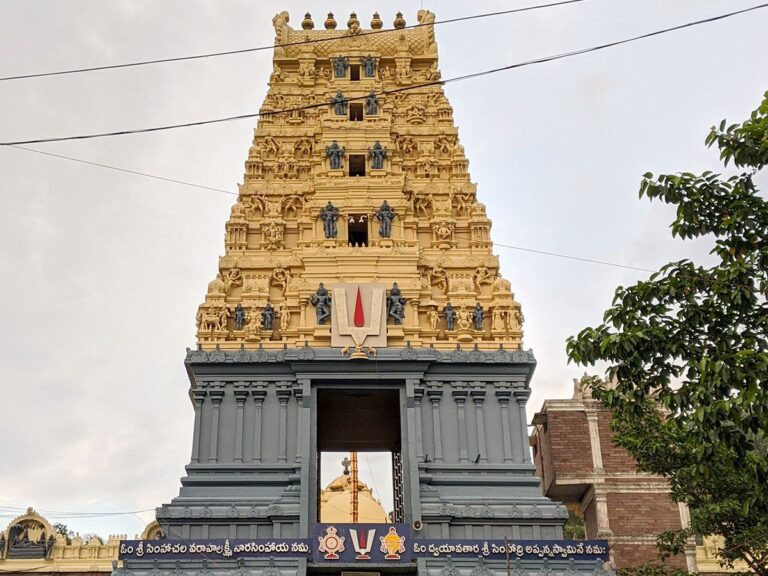
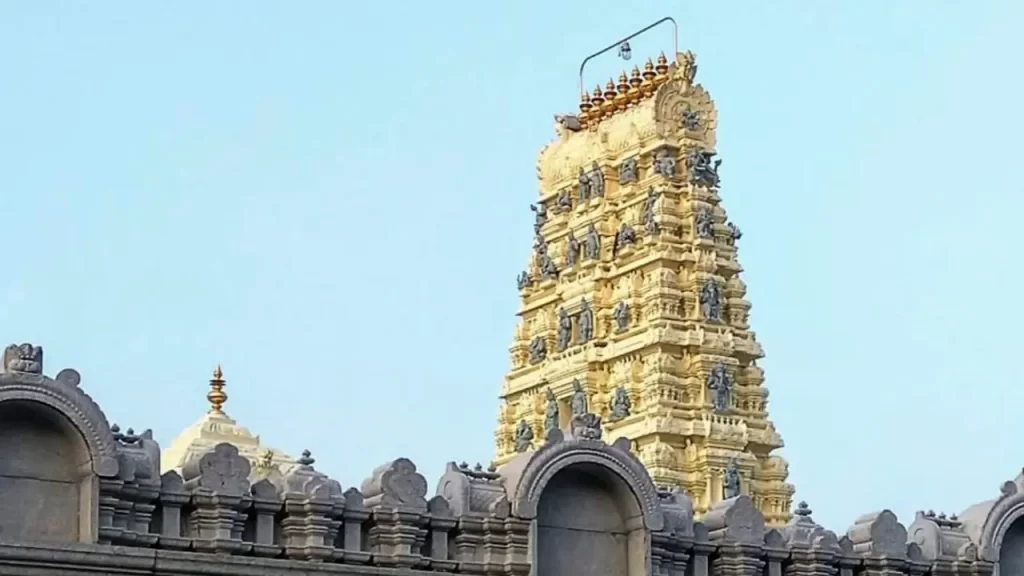
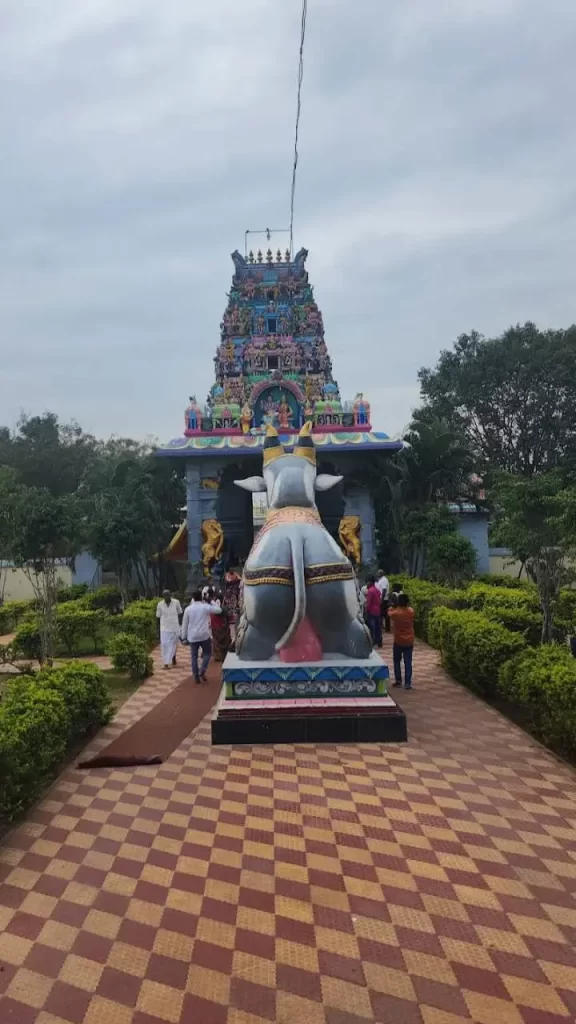
The Rajagopuram: The temple boasts a high, imposing Rajagopuram as its central entrance tower. It’s typically adorned with lots of colorful sculptures of goddesses, gods, and mythological beasts, relating stories from Hindu mythology. This gopuram serves as a magnificent gateway to the inner sacred space.
The Sanctum Sanctorum and the Well: The really cool thing about this temple is that the central idol of Lord Ganesha is not kept in a standard shrine but in the well from which it was originally born! You can observe the water surrounding the deity, and to this day, the wellsprings in the well never run dry. This is highly unusual and adds to the mystique of the temple.
Pillars and Halls: The temple complex contains several halls (mandapams) with carved pillars. Many of the carvings are depiction of scenes from the Puranas, various avatars of gods and goddesses, and heavenly bodies. While not as ornate as some of the mega-temples, the emphasis in this case is the miraculous presence of the central deity.
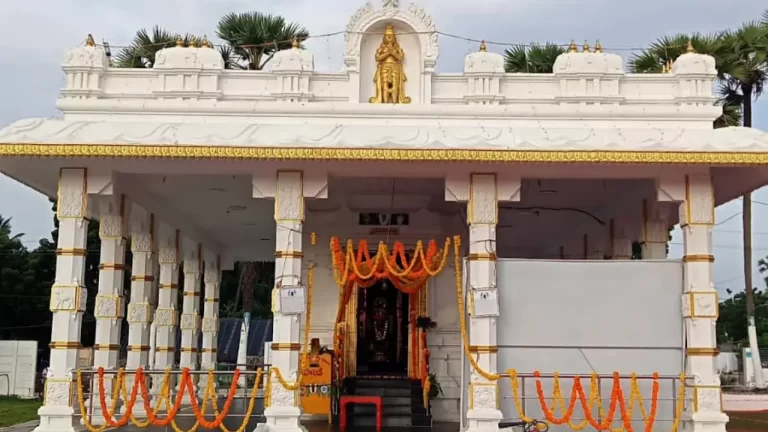
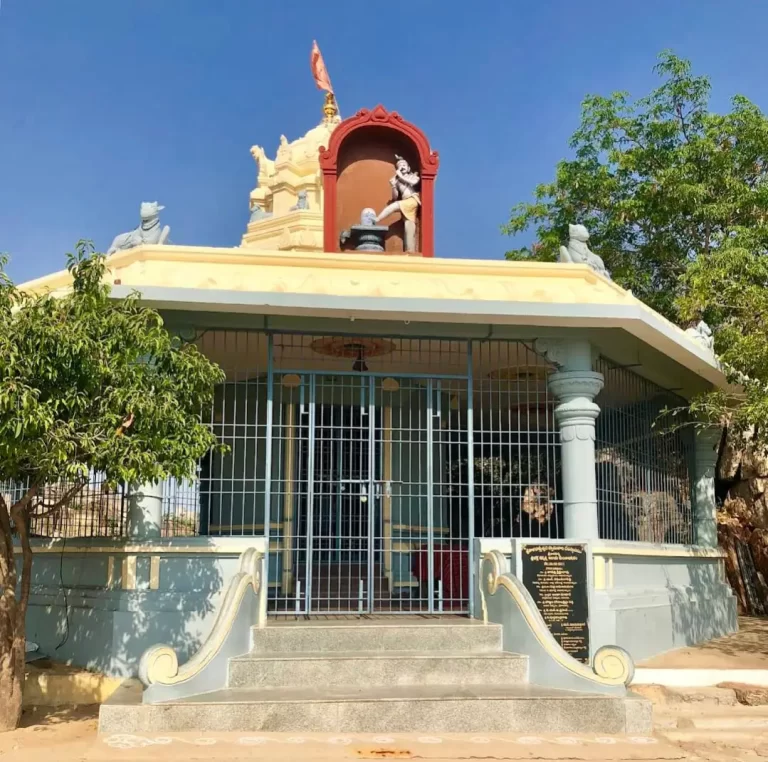
Other Shrines: There are also smaller shrines within the complex to other gods, such as Lord Shiva (Manikanteswara Swamy) and Lord Varadaraja Swamy (another manifestation of Vishnu), which were constructed by the Chola kings as well. This indicates the harmonious worship of multiple gods within one holy site.
The architecture of the temple, while lovely, serves to highlight the natural, spontaneous nature of the idol so that it is a living and breathing god in the perceptions of its followers.
Whispers of the Divine: Myths and Beliefs
In addition to the central legend, a number of myths and beliefs concern Kanipakam Varasiddhi Vinayaka Swamy:
The Ever-Increasing Idol: As we had talked about, the faith that the idol is growing at all times is quite strong. People tend to point out how old kavachams do not fit anymore, supporting this belief. This occurrence is viewed as a reflection of Lord Ganesha’s dynamic and omnipresent divine power.
The Never-Drying Well: The well in which the idol was said to have appeared is never dry, even in times of drought. The holy water from this well is shared among devotees as Theertham (sacred water), and they believe that it possesses healing powers and blessings.
Divine Intervention in Conflicts: The “Pramanam” (oath-taking) practice is very much an integral part of the local culture. It is a strong faith that the Lord Himself will intervene in issues of truth and falsehood, so it serves as an ultimate recourse to many legal or personal conflicts.
Cure for Disabilities: Like the three brothers got cured, numerous devotees are of the opinion that water from the well and genuine prayers to Kanipakam Varasiddhi Vinayaka Swamy can heal all kinds of physical and mental diseases.
These are not mere myths and legends; these are living traditions which influence the faith and behavior of thousands of devotees who come to this temple.
Planning Your Visit: Kanipakam Temple Timings
If you’re interested in going to the Kanipakam Varasiddhi Vinayaka Swamy Temple, it’s helpful to have the timings in advance. The temple typically opens early in the morning and remains open until late evening.
The temple usually opens at 4:00 AM and closes at 1:00 PM in the morning and again at 4:00 PM and closes at 9:30 PM in the evening.
Though, on special festival days such as Brahmotsavam, the timings may be changed or prolonged to fit the influx of devotees and special pujas. It’s best to verify the current timings prior to your visit, maybe off the official temple website or by contacting them.
More Adventures Nearby: Hindu Places to Visit Near the Temple
Once you have received the blessings of Kanipakam Varasiddhi Vinayaka Swamy, you could visit some other excellent spiritual destinations in the vicinity:
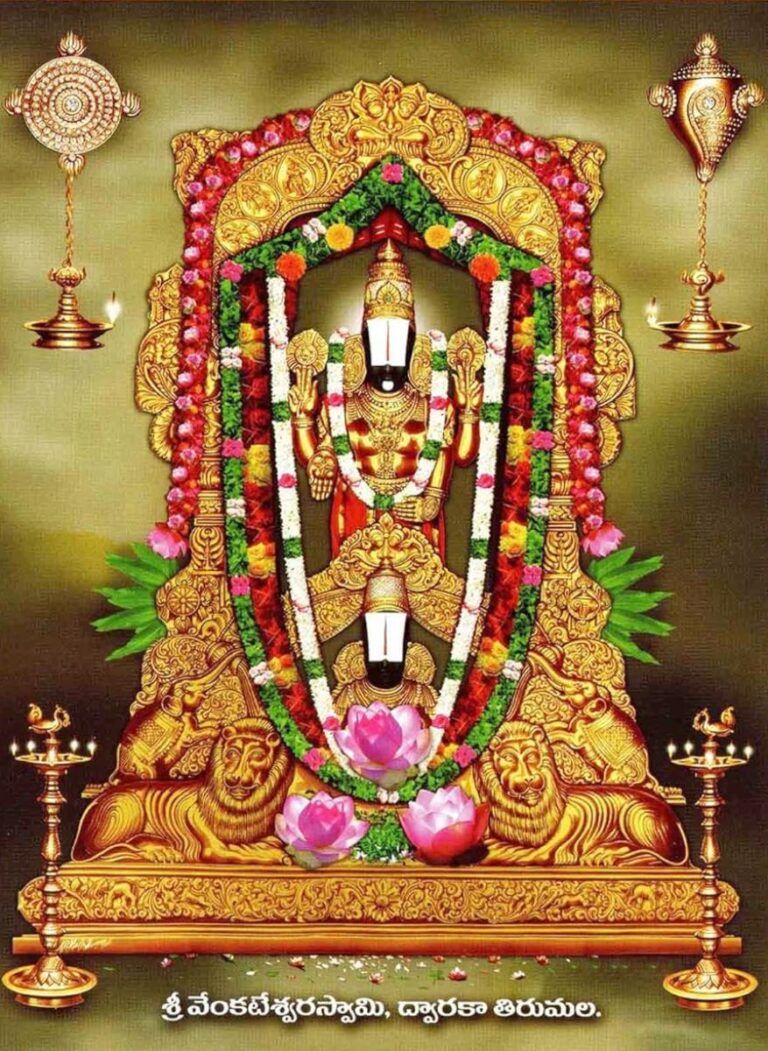
Tirupati (Sri Venkateswara Swamy Temple): This is perhaps the most popular and visited Hindu temple in the world, which is for Lord Venkateswara (an incarnation of Lord Vishnu). It’s roughly 68-75 km from Kanipakam. A lot of devotees visit Kanipakam along with Tirupati since Lord Ganesha is normally prayed to before approaching other deities.
Srikalahasti Temple: This temple is a ancient one and is dedicated to Lord Shiva. It’s considered to be one of the Pancha Bhoota Sthalams, and it symbolizes the Air (Vayu) element. It’s popular due to Rahu-Ketu Puja, which is done to prevent planetary ill-effects. It’s around 30 km from Tirupati, so it’s easy to access if you’re approaching from there.
Ardhagiri Anjaneya Swamy Temple: Some 13 km from Kanipakam, this temple is in the name of Lord Hanuman. It stands atop a small hill and is famous for medicinal springs.
Mogileswara Swamy Temple: At Mogili, some 28 km from Kanipakam, is another important Shiva temple.
These temples nearby provide even greater scope for spiritual discovery and to gain a taste of Andhra Pradesh’s rich cultural heritage.
A Place to Rest: Accommodation Options
For your convenience, there are some small lodges and guesthouses available right within the Kanipakam village. But if you want more options and still decent facilities, it is strongly advisable to stay within Chittoor town, which is barely 12 km away, or preferably in Tirupati, which boasts a multitude of hotels ranging from economical to luxury that can accommodate every requirement. Most pilgrims would like to stay in Tirupati and travel to Kanipakam as a day trip.
For more details regarding online booking, donations and Sevas visit kanipakam temple Official Website
Read More>> Sri Siddhivinayak Temple Rejinthal
Your Trip to Kanipakam: How to Reach the Temple
Getting to the Kanipakam Varasiddhi Vinayaka Swamy Temple is pretty easy:
By Road: The temple is also well-connected by road. You can easily catch a bus from Chittoor (12 km away) or Tirupati (68-75 km away). State buses (APSRTC) and private taxis are available. The roads are good in general, so it is an easy journey.
By Rail: The closest railway station is Chittoor Railway Station, some 12 km from the temple. But for greater connectivity, it is easier to reach by Tirupati Railway Station (around 68 km away) and Katpadi Junction (in Tamil Nadu, a big railway junction, some 50 km away), which have more trains from other major cities. From these stations, you can use a bus or taxi.
By Air: The closest airport is Tirupati Airport (TIR), which is around 30 km from Chittoor and approximately 90 km from Kanipakam. This airport has good flights to major Indian cities such as Chennai, Hyderabad, Bengaluru, and Delhi. From the airport, you can take a taxi directly to Kanipakam.
So, here, you’ll find that reaching this heavenly temple is fairly simple, and the trip itself is indeed a part of the pilgrimage, generating anticipation for the divine darshan!