Kartik Swami Temple Uttarakhand
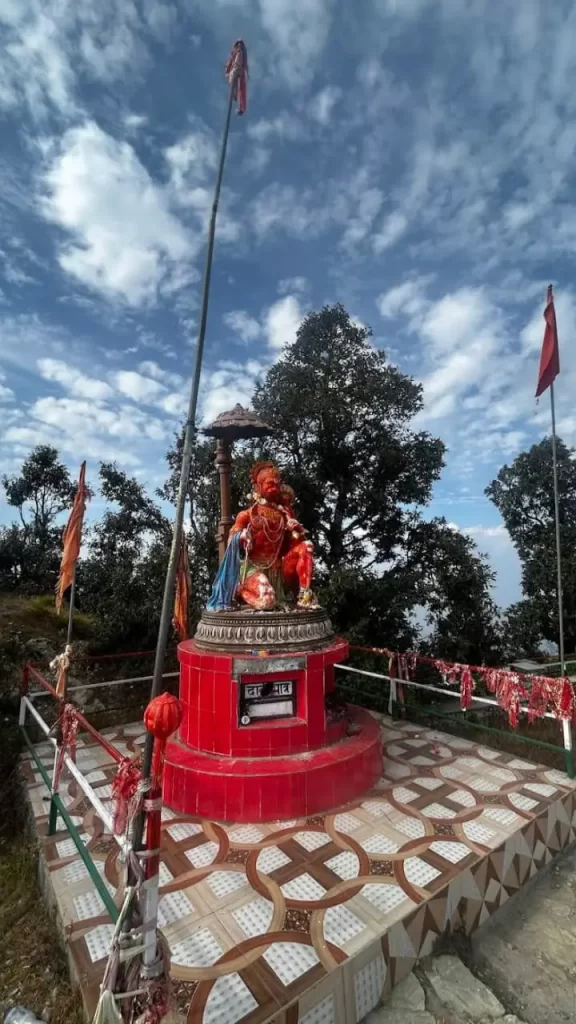
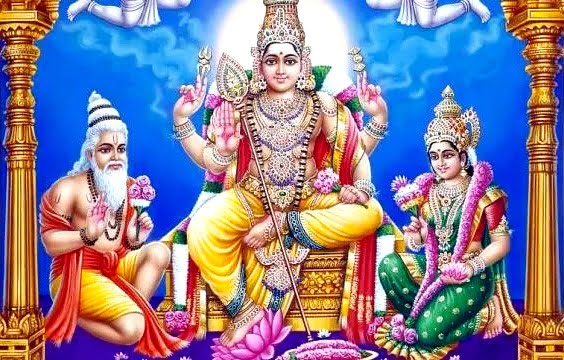
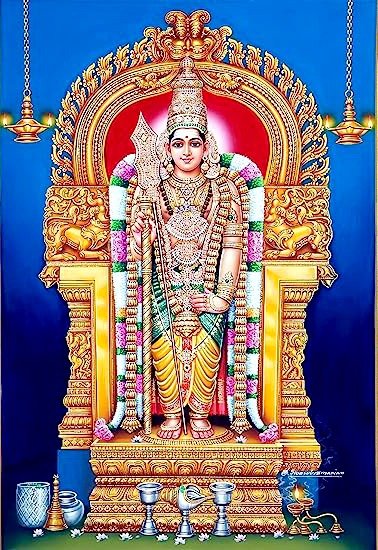
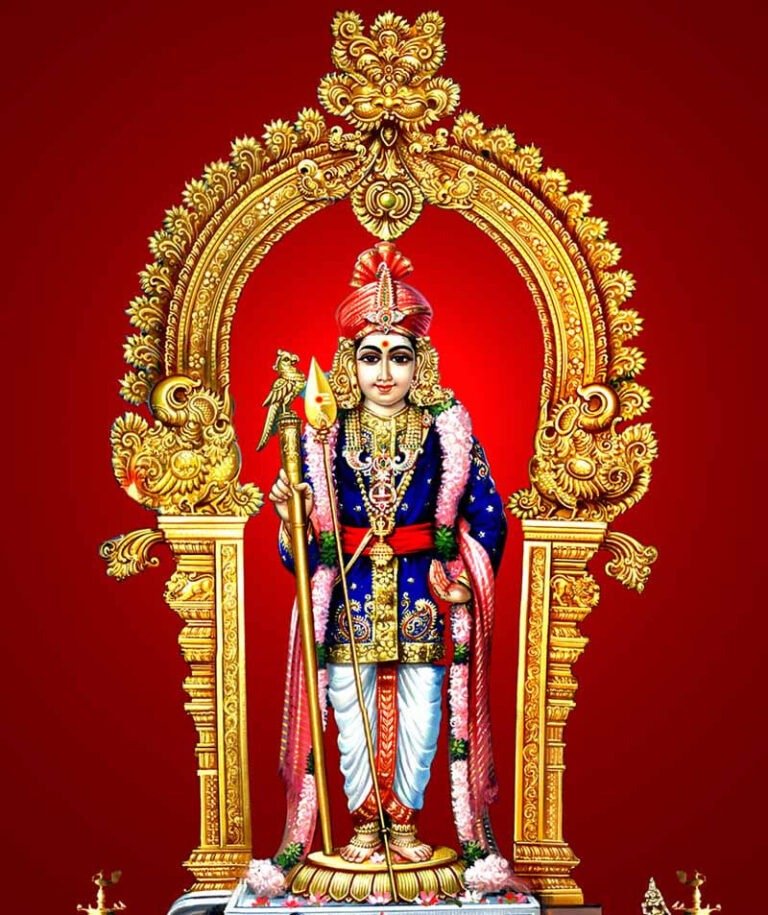
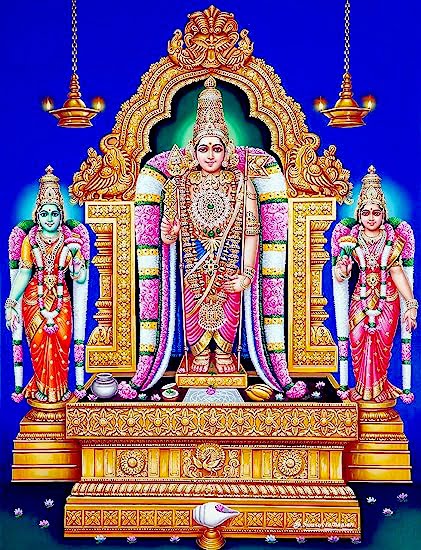
Kartik Swami Temple Uttarakhand is not just a tourist spot; it is a spiritual tour which stands majestically at an unbelievable altitude of 3,050 meters (10,007 feet) above sea level in the district of Rudraprayag. Being your guide, I can assure you that standing on the top of the mountain called Kronch Parvat is nothing less than standing on the summit of this beautiful planet Earth. Basked in the magnificent 360-degree views of the snowy peaks of the Himalayas, the temple is dedicated to the elder son of God Shiva and his wife Goddess Parvati, i.e., Lord Kartikeya.
While Char Dham Tour has become quite popular among tourists, Kartik Swami Temple Uttarakhand continues to be an offbeat location that provides an unmatched feeling of peace. As a guide, I am sure that this journey of yours would take you to every nook and cranny of this spiritual route, including the rich stories of these mystical mountains.
A Gateway to the Clouds
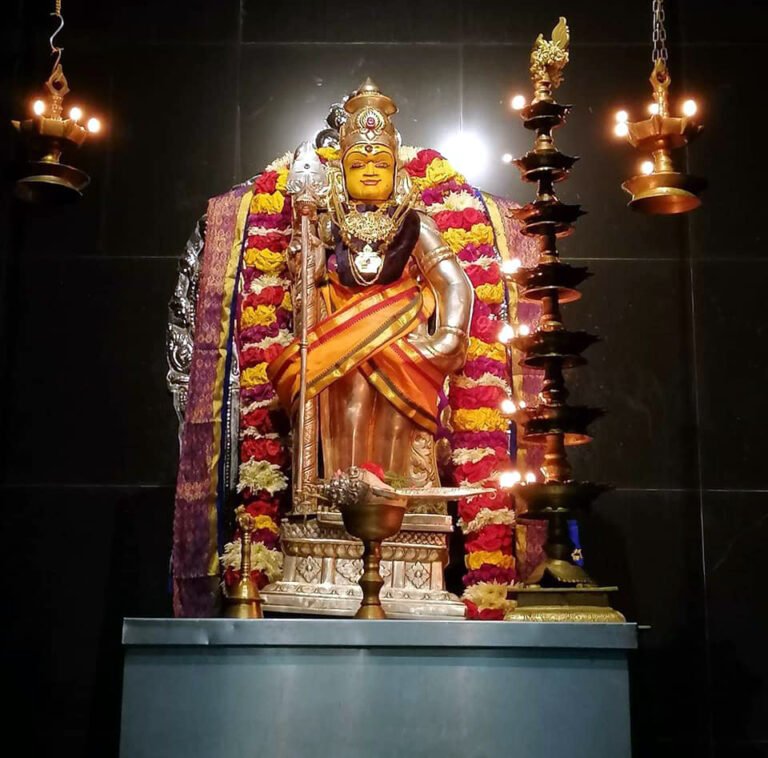
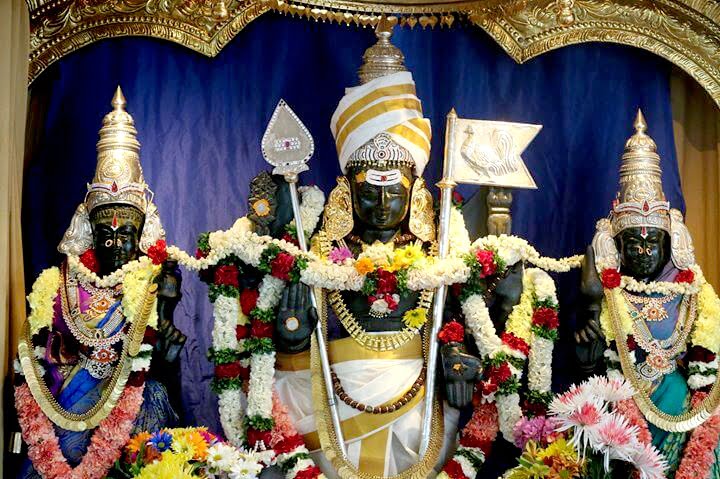
Kartik Swami Temple Uttarakhand is one of the most unique and important places of worship in the region. While most of the temples built in Lord Kartikeya’s honor have been constructed down south (he is known as Murugan in that part of the country), the Kartik Swami Temple is probably the only major shrine dedicated to the deity in the Garhwal Himalayas.
Why is it unique?
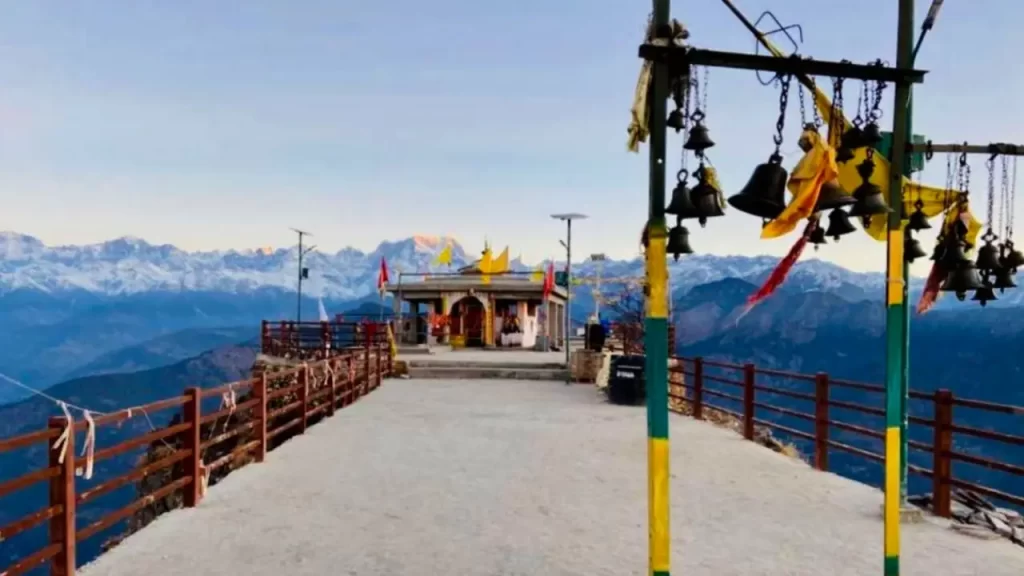
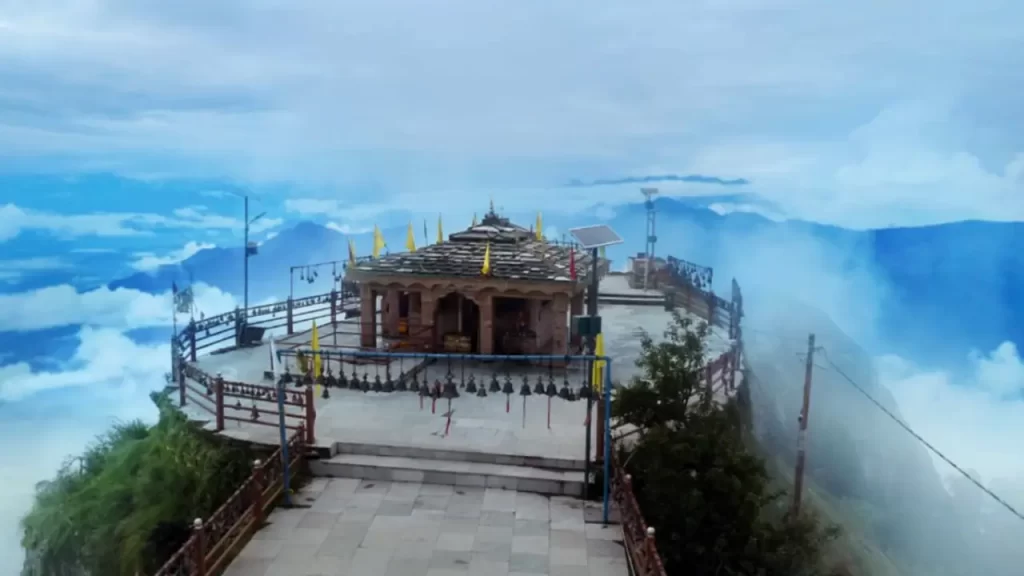
The temple has been built on a mountain ridge at the top of a steep hill. Upon reaching the top of the ridge, you will be surrounded by nothing but open sky and green valleys stretching all around you. Instead of marble, it is the architecture and positioning of this temple that make it such a unique piece of artistry. It manages to stand up to the harsh weather of the mountains.
Spiritual atmosphere
It is a perfect place of penance for those who embark on the journey as pilgrims. For historians and travelers alike, it is the door to a whole world of Vedas, legends, and culture. For photographers, this place provides the most beautiful scenery of the peaks like Chaukhamba, Neelkanth, Kedarnath and Nanda Devi.
Kartik Swami Temple History
Even as a guide who has been telling this story to many hundreds of travelers, I experience goosebumps every time I hear it. The history of Kartik Swami Temple Uttarakhand lies in the intense emotions generated by the devotion of a son and rivalry of brothers.
The Legend of Its Foundation
As per Hindu mythology, there was an incident in which Lord Shiva and Parvati challenged their two sons Kartikeya and Ganesha to run a race. The terms of the contest were clear: whoever circles the whole universe and returns first will be worshipped as the first god out of all other gods. Kartikeya, the God of war, immediately jumped on his mount – peacock and ran all around the universe. But Ganesha, whose wisdom everyone knows, merely turned around seven times around his parents. And when Lord Shiva asked him the reason behind his decision, Ganesha answered, “Because my parents are my universe”.
The Sacrifices Made On Kronch Parvat
After being satisfied with the intelligence of Ganesha, Lord Shiva decided to worship Ganesha before anyone else. Seeing his younger brother being worshipped when he returned from the universe, Kartikeya felt a strong sense of renunciation. In a highly devotional and detached act, it is thought that he sacrificed his flesh to his mother and his bones to his father, which shows his complete submission. The Kartik Swami Temple, Uttarakhand is none other than the same place in Kronch Parvat where the bones of Lord Kartikeya are said to have been kept. Thus, it becomes a place of “Tyag” and “Bhakti”.
Religious and Cultural Significance: Voice of the Puranas
Kartikeya temple in Uttarakhand does not represent any ordinary religious place; instead, its origins lie deep within the Skanda Purana, which is an entire scripture revolving around Kartikeya himself.
Scripture Reference
According to Skanda Purana, the Kronch Parvat is one of the holy places where Kartikeya resided for a certain period of time. The significance of the said mountain can be described below:
“He who visits the peaks of Kronch and offers prayers to the son of Mahadeva shall be liberated from the cycle of rebirth and attain the strength of the gods.”
Deity and Worshipping
Lord Kartikeya is the main deity. Here, he is worshipped in his supreme renunciation avatar. The devotees believe that worshipping here ensures:
- Courage and Strength: He is worshipped as the commander of the divine army. He removes any inner or outer enemy.
- Protection from Negative Energies: High vibration levels in this place are believed to cleanse the aura.
- Remedy for Astrology: Many people visit this place for Mangal Graha Shanti and Kaal Sarp Dosh remedy.
Architecture and Design: Simplicity Amongst Grandeur
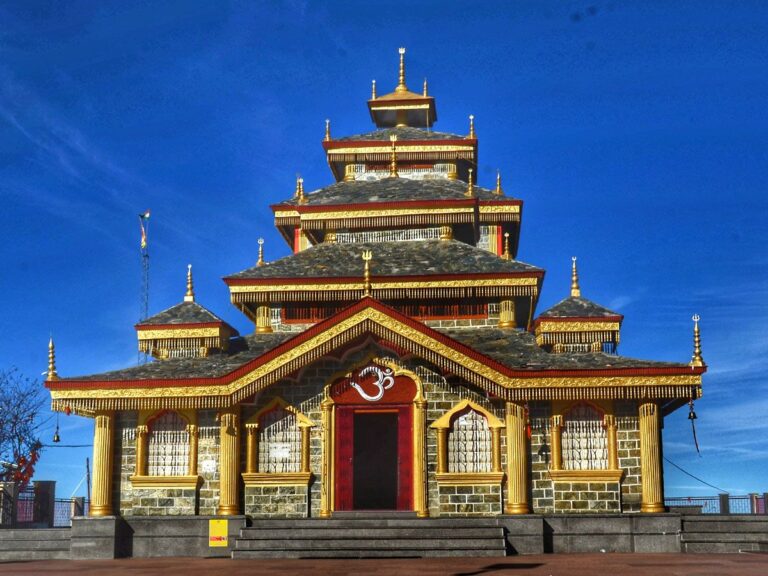
If the magnificent Dravidian architecture with its characteristic gopurams is your fancy, you will not find any here. This temple, which has been designed following the ancient Nagara-inspired Garhwali architecture, can bear extreme snowfall and extremely high speed winds.
Structure of the Building
The Main Sanctum: It is a small shrine made of stones and has a slope-roof made of locally found slate tiles. Its unique design makes sure that there are no possibilities of the roof being collapsed due to accumulation of snow.
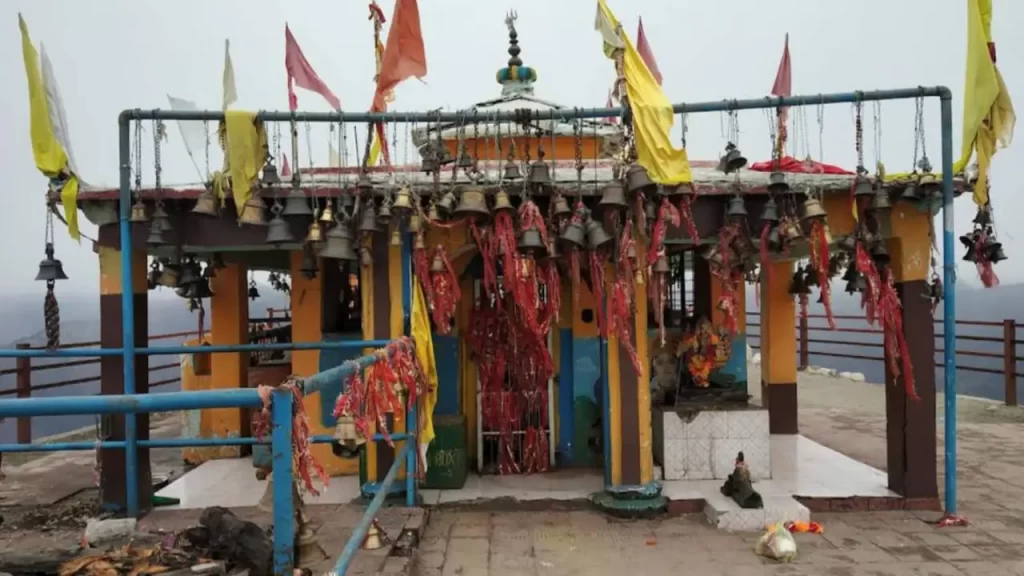
Thousands of Bells: As you approach the temple, you will be surrounded by thousands of bronze bells hanging from the railing and temple wall as a token of gratitude for the prayers answered. Listening to the ringing of these bells in the chilling Himalayan winds will be like listening to music.
Symbolism: The thin mountain ridge on which the temple stands signifies the razor’s edge of spirituality.
Highlights of Kartik Swami Temple Uttarakhand: Places to Visit
The journey at Kartik Swami Temple Uttarakhand begins even before arriving at the holy temple.
The Garbhagriha
The small, dim Garbhgriha does not have any large marble statue in it. Instead, you will find a rock and stone sculpture of Lord Kartikeya in the sanctum. The air inside the holy place reeks of smoke and chanting.
Viewpoints
The temple serves as a 360-degree viewpoint. From here, one can enjoy:
Chaukhamba Peaks: Appearing like a four-pillar throne.
Kedarnath & Neelkanth: Looking radiant in their white glory.
The Valley Down Below: On a sunny day, visitors get to view the serpentine flow of river Alaknanda in the valley.
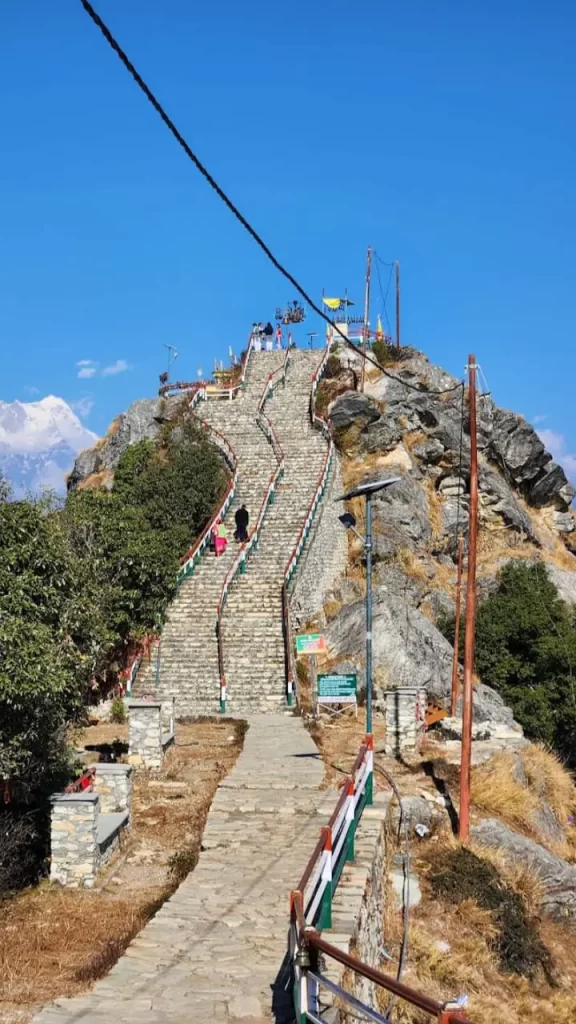
The Bell Path: A trek of 3 kilometers from the Kanakchauri village ends at a staircase that leads to the holy site. Visitors get an unforgettable experience as they walk through the “sound tunnel.”
Temple Timings and Rituals: A Day with the Divine
The Kartik Swami Temple Uttarakhand follows a strict schedule that syncs with the sun.
Daily Timings
- Opening: 6:00 AM
- Closing: 7:00 PM (This can vary slightly based on the season and weather conditions).
Rituals and Poojas
Aarti in the Morning: Done in the morning, typically at sunrise. The experience of watching the sun rays falling on the Himalayas while the temple bells ring is simply breathtaking.
Aarti in the Evening: Done during sunset, which is typically around 6:30 PM.
Visesh Path: Prayer for those desiring victory over some obstacle.
Bhandaras: During some festival occasions, there is a grand meal arranged for the locals and the visitors.
Code of Conduct: There is no “dress code”, but being your guide, I would suggest that you should be properly dressed up. As it is cold, woolen clothes should be an absolute necessity. Always keep your shoes off when entering the temple premises.
Festivals and Events: When the Ridge Comes Alive
Though the Kartik Swami Temple Uttarakhand remains serene throughout the year, it becomes very lively during the festivals.
Kartik Purnima
It is the most important festival. It marks the birth of Lord Kartikeya. Many devotees visit the hilltop temple to pray. The main fair is organized at Kanakchauri village.
Kartik Swami Mahayaghya
The 11-day Mahayaghya and Gyan Katha are held every year (usually during June). It involves the recitation of Vedas, Kalash yatra, and huge community meals.
Crowded Times: Kartik Purnima, June (during Yaghya) and weekends in May/ October.Calm Time: Late March, September, and November week days.
How to Reach and Where to Stay
Reaching Kartik Swami Temple Uttarakhand is an adventure in itself.
Getting There
- Nearest Town: Rudraprayag (approx. 40 km away).
- Starting Point of Trek: Kanakchauri Village.
- By Road: You can take a taxi or a shared jeep from Rudraprayag to Kanakchauri. The drive takes about 1.5 to 2 hours through winding mountain roads.
- Nearest Airport: Jolly Grant Airport, Dehradun (192 km).
- Nearest Railway Station: Rishikesh (180 km) or Haridwar (205 km).
Facilities
- Accommodation: Kanakchauri has basic but cozy homestays and a few eco-resorts. Don’t expect luxury; expect warm hospitality and “Pahadi” food.
- Accessibility: The 3 km trek is stone-paved but steep. While healthy elderly visitors can do it with frequent breaks, it is not wheelchair accessible. Mules are occasionally available, but trekking on foot is the traditional way.

Dos and Don’ts: Travel Like a Pro
To ensure your trip to Kartik Swami Temple Uttarakhand becomes a pleasant one, please keep in mind the following guidelines:
Do’s
- Bring Your Own Water Supply: No food or water vendors are available post trekking.
- “Plastic Audit“: Strict rules imposed by the forest authorities. Whatsoever amount of plastic bags that come with you must go back.
- Be an Early Bird: To witness the sunrise, reach the summit by 5:30 AM. It’s an experience beyond compare.
Don’ts
- No Camera at the Main Shrine: It’s okay to capture the surroundings but not the idol inside.
- Late Trekkers Beware: The forest surrounding the area is known for its leopard and bear population. Trekking alone is highly discouraged after sundown.
- No Loud Music: This is a place of spiritual contemplation. Wind chimes and bells provide the music here.
Nearby Attractions: Expanding Your Journey
If you are visiting Kartik Swami Temple Uttarakhand, you can easily cover these nearby spots:
- Rudraprayag: The confluence of Mandakini and Alaknanda rivers.
- Chopta (Mini Switzerland): About 70 km away, famous for the Tungnath trek.
- Deoria Tal: A high-altitude lake with a reflection of the Chaukhamba peaks.
- Koteshwar Mahadev: A cave temple on the banks of the Alaknanda.
FAQ
Q: How tough is the Kartik Swami trek?
A: It falls under “Easy to Moderate” category. This involves a walk of 3 km uphill through stones. This usually takes about 1 to 1.5 hours.
Q: Can I spot snow at Kartik Swami Temple?
A: Sure! Snowing happens between late December and February. The trail as well as the temple gets covered in heavy snow.
Q: Are there leopards present in this area?
A: There are many leopard sightings as this place has dense forests. But don’t worry because they keep themselves away from the trail.
Q: Why are there so many bells here?
A: Bell here signifies that their wishes have been fulfilled by Kartik Swami. People tie a bell after their wish comes true.