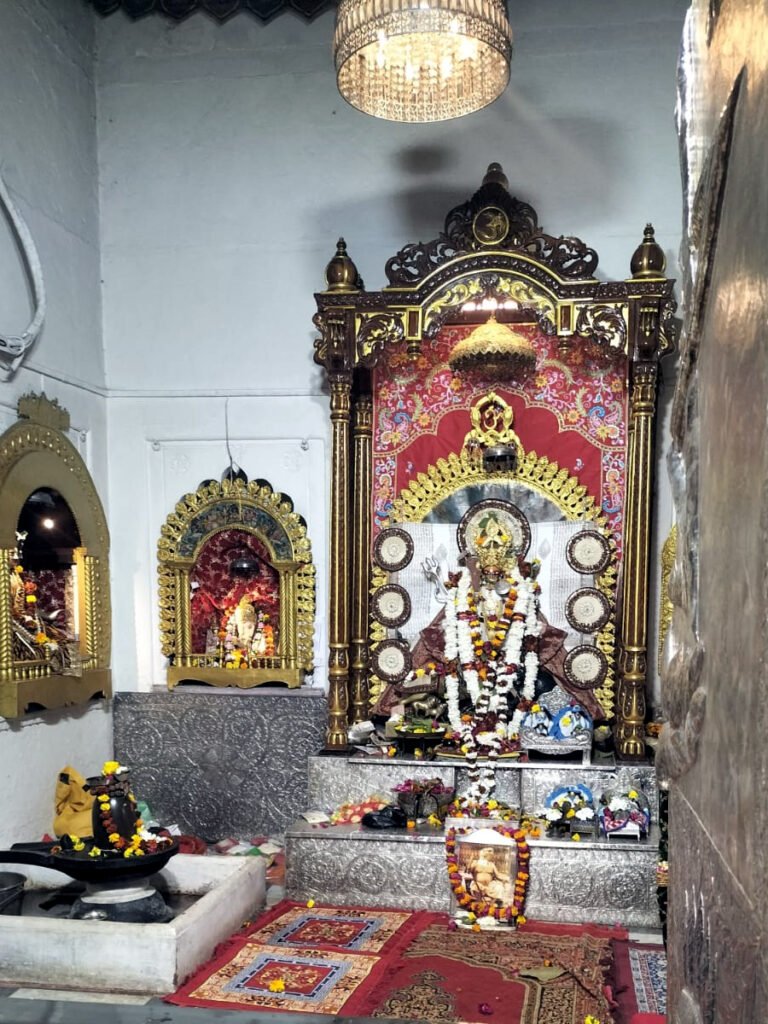
Mangala Gauri Temple Gaya Bihar
Mangala Gauri Temple Gaya is very special and enchanted destination in India. Have you heard of a place where a goddess resided, and wonderful things occurred? Well, this is one such place! Picture a lovely green hill, and at the very top of it, there’s an old serene temple.
That is our destination, the Mangala Gauri Temple Gaya. It is not any ordinary temple; it is where we can discover courageous goddesses, age-old tales, and experience a very unique kind of peace. So, hold my hand, and let’s enter a realm of magic!
History of the Mangala Gauri Temple Gaya:
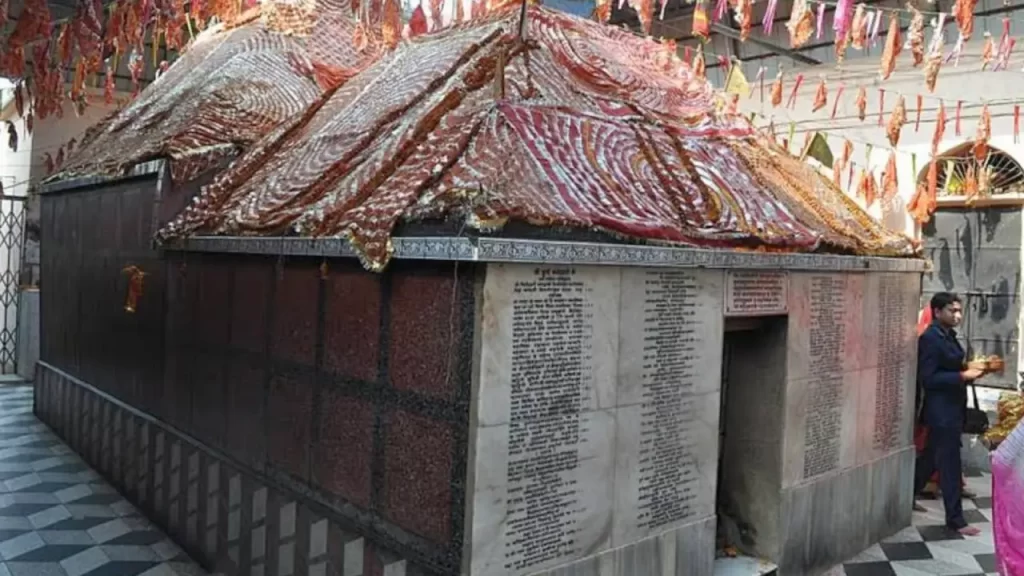
Okay, now let’s travel back in time, ages and ages ago, like an incredibly old storybook! Mangala Gauri Temple Gaya is not a new structure; it has been here for an exceedingly long time. It is believed that it was originally constructed centuries ago in the 15th century. Can you even comprehend how many birthdays that is? It’s as good as centuries old!
All these years, so many people have come to pray here and perhaps even helped repair the temple a bit to make it strong and pretty. It’s like a big old tree that continues to grow and stand tall, whatever happens. This temple is unique because it’s one of the “Maha Shaktipeeths.” That’s a big, fancy name, isn’t it? It means it’s among the most significant sites where Goddess Sati, a highly powerful and benevolent goddess, is revered.
Imagine it this way: if there is a favorite toy, and it’s really significant to one, then this temple is a really significant place for everyone who is an enthusiast about Goddess Sati. The Mangala Gauri Temple Gaya has witnessed so much history, so many sunrises, sunsets, and so many silent prayers uttered to the benevolent goddess. It’s a place really filled with old tales and strong emotions of religion.
Read More>> Konark Sun Temple 13th Century Gem
Legend of the Temple:
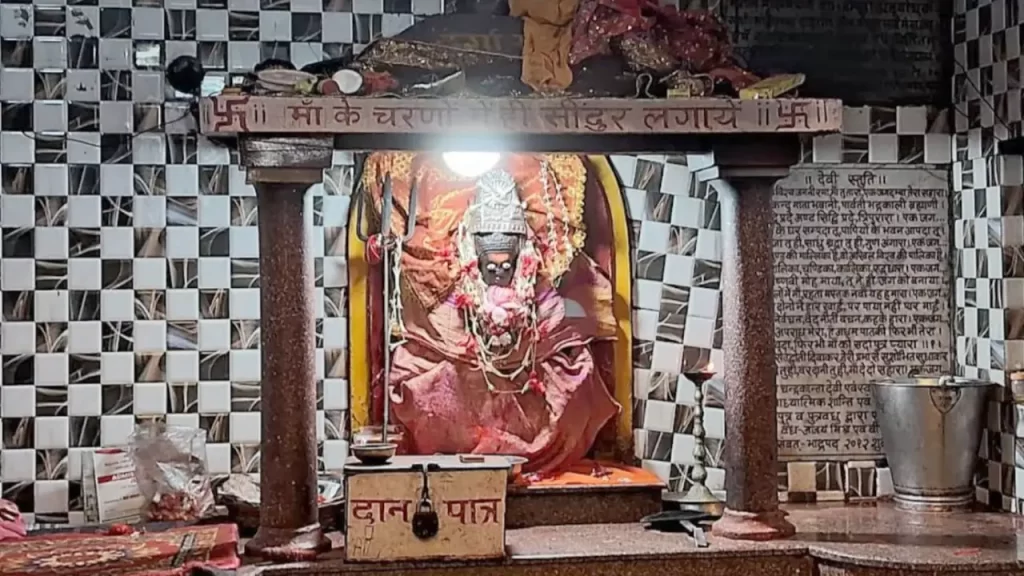
This is my favorite part, children, because it’s like a fairy tale! Mangala Gauri Temple Gaya is linked with a very popular legend, and it’s all about Lord Shiva and Goddess Sati.
There was a king named Daksha, who was very strong and powerful. He was the father of Goddess Sati, but he didn’t like her husband, Lord Shiva. So, King Daksha planned to host a grand party, a very special ritual known as a ‘Yagna,’ and invited all, all the gods and goddesses, but not Lord Shiva and Goddess Sati! Imagine how upset Sati would be!
Despite Lord Shiva having instructed her not to attend, Goddess Sati adored her father deeply and felt that she just had to be there. So, she attended the party. However, as soon as she arrived, her father, King Daksha, began speaking ill of Lord Shiva in front of everyone. Goddess Sati was extremely, extremely sad and indignant that her husband was being insulted. She could not endure it, and in grief, she resolved to vacate her body. This is a highly intense and sorrowful segment of the story.
When Lord Shiva heard what had occurred, he felt extremely sad and enraged. He took Sati’s body and began a mighty, wild dance known as the ‘Tandava.’ The dance was so powerful that it was causing the entire world to shake! The other deities became concerned because if Shiva continued dancing in that manner, the world would be torn asunder.
So, Lord Vishnu, an extremely wise and powerful deity, utilized his unique spinning disc, the Sudarshan Chakra, to sever Sati’s body into numerous pieces. These pieces dropped everywhere. And what do you think? Wherever her body dropped a piece, a unique temple was constructed, and that location became identified as a Shaktipeeth!
Read More>> Maa Mundeshwari Devi Temple: Unveiling 4th Century Secrets
At the very location where the Mangala Gauri Temple Gaya is located now, the breast of Goddess Sati is said to have fallen. This is why the goddess here is revered as an icon of sustenance and motherhood, similar to a mother who offers everything to her children. Isn’t that such a great and compelling story? It makes the Mangala Gauri Temple Gaya even more sacred, don’t you agree?
This holy tale is even referenced in certain very ancient and significant Hindu texts! For instance, you’ll find references to this incredible legend in books such as:
“Padma Purana”
“Vayu Purana”
“Agni Purana”
“Sri Devi Bhagavata Purana”
“Markandeya Purana”
Therefore, when you travel to the Mangala Gauri Temple Gaya, you’re not only seeing a temple, you’re standing on ground that’s part of this incredible ancient legend!
Significance of the Temple:
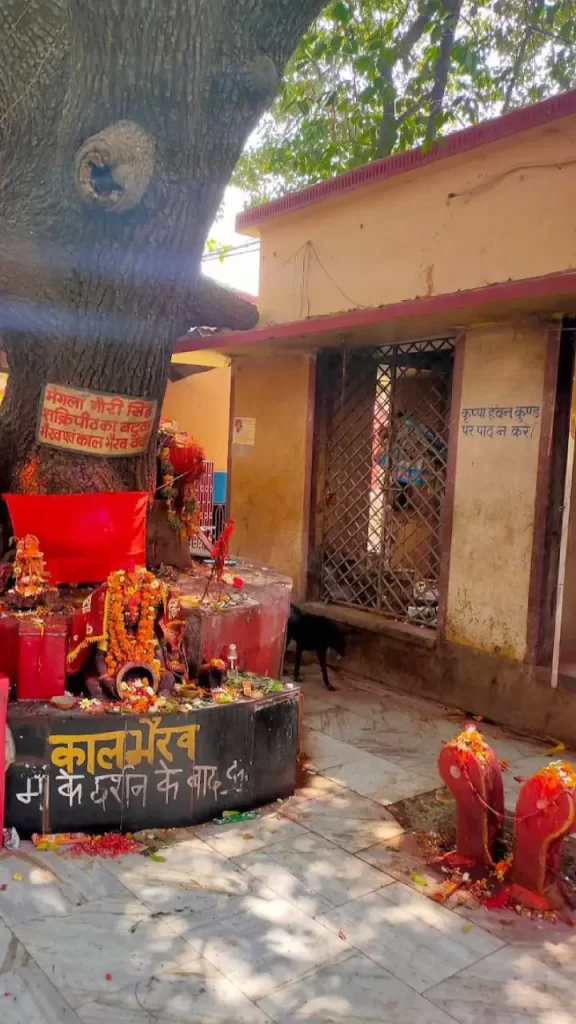
Now, let’s talk about why the Mangala Gauri Temple Gaya is so, so important to so many people. It’s not just a place with a cool story; it’s a place where people come to feel close to the divine, to ask for blessings, and to find peace.
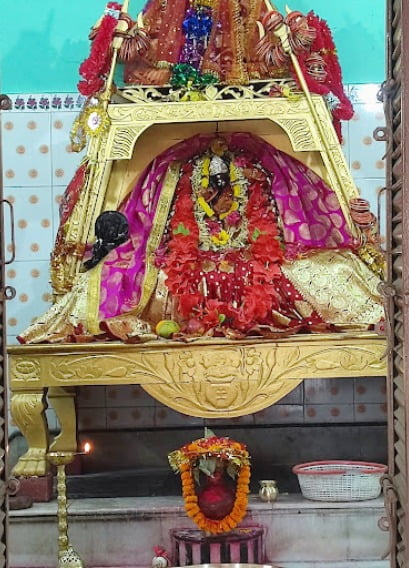
Because it’s one of the Shaktipeeths, most people assume that visiting the Mangala Gauri Temple Gaya can assist them with their wish and improve their lives. Women visit here, particularly on Tuesdays during rainy weather, and pray for their families, for their husbands, and for happiness. They present the goddess with special things like bangles, fruits, and sweets. It’s similar to giving a gift to someone whom you love and respect greatly.
They also think that the goddess here, Mangala Gauri, is lucky and prosperous. ‘Mangala’ is auspicious or lucky, and ‘Gauri’ is yet another name for Goddess Parvati, and Goddess Parvati is also Goddess Sati. So, the temple is all about good energy and blessings!
And during a large festival known as Navratri, which occurs twice yearly, this temple gets incredibly lively! Many, many devotees make their way to the Mangala Gauri Temple Gaya during Navratri to pray before the Mother Goddess and experience the Mother Goddess’ powerful loving energy. It is an occasion of great happiness and love.
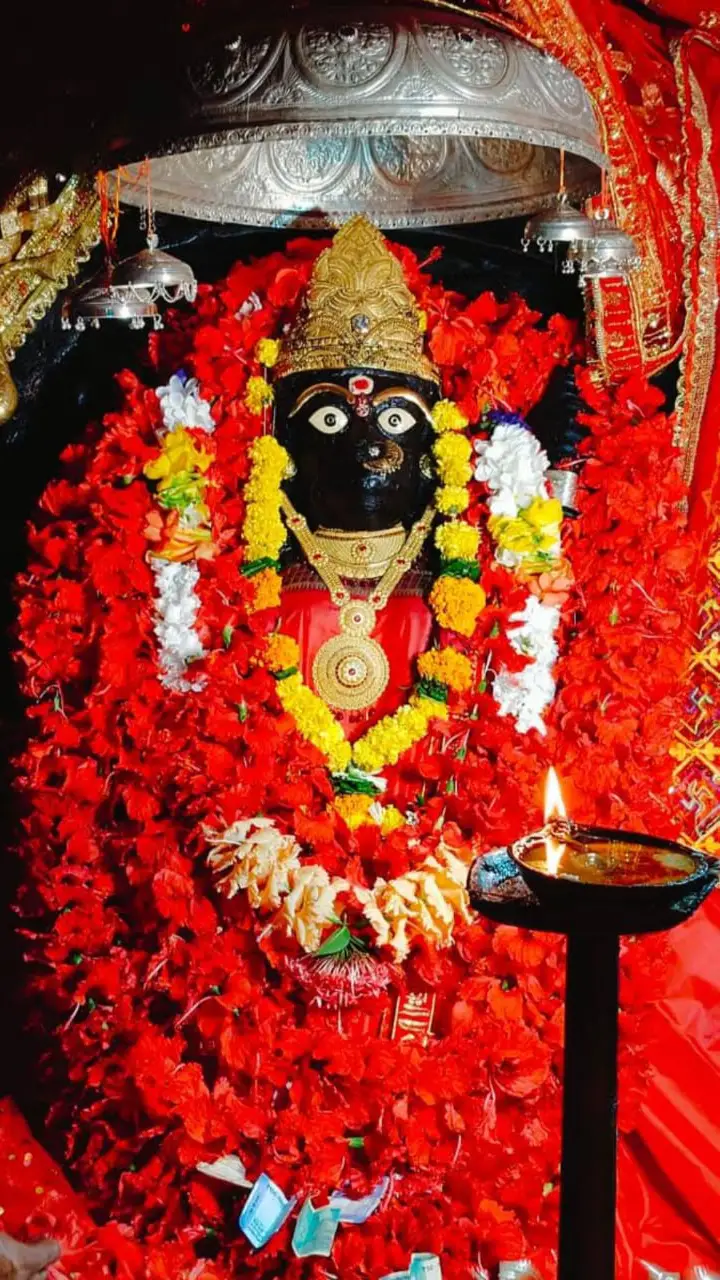
Did you know that even there’s a special lamp within the Mangala Gauri Temple Gaya that has been burning for a very, very long time without ever extinguishing? It’s referred to as an ‘Akhand Deep,’ or an eternal flame. People think that even viewing this lamp can grant you enormous blessings. Isn’t that incredible? It’s like a little bit of never-ending light and hope right within the temple.
Therefore, for countless individuals, traveling to the Mangala Gauri Temple Gaya is a means of connecting with a strong but loving mother, of petitioning good, and of being at peace and at home.
Read More>> 10th CE Chakrapani Temple Kumbakonam

Architecture:
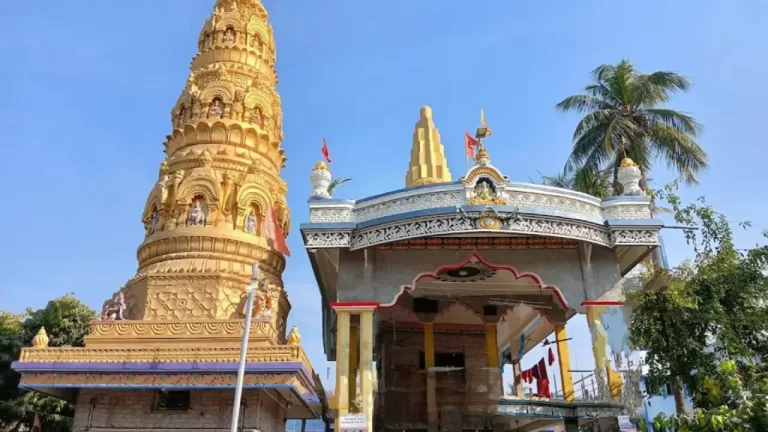
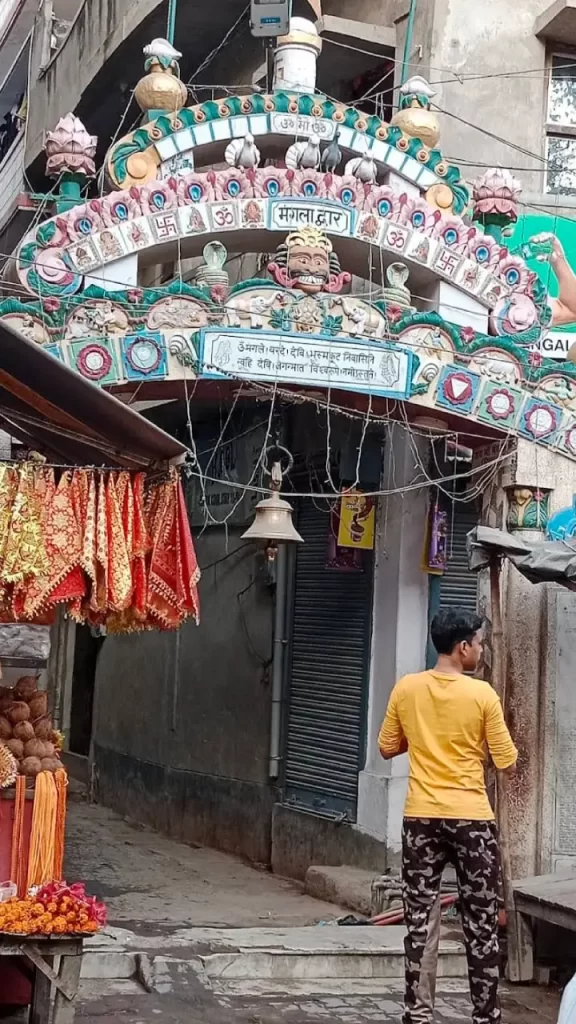
Let’s examine the temple structure itself, children! The Mangala Gauri Temple Gaya is not a really posh, enormous new building. It resembles an old, wise friend, who stands silently atop the hill.
The temple is constructed of brick and lies in the direction of the rising sun, to the east. This is usually regarded as an auspicious direction since the sun represents light and beginnings. To ascend to the top where the Mangala Gauri Temple Gaya is, you can either climb a series of steps – essentially a mini mountain trek! – or, if you’re exhausted, there’s also a road that vehicles can take to ascend the hill.
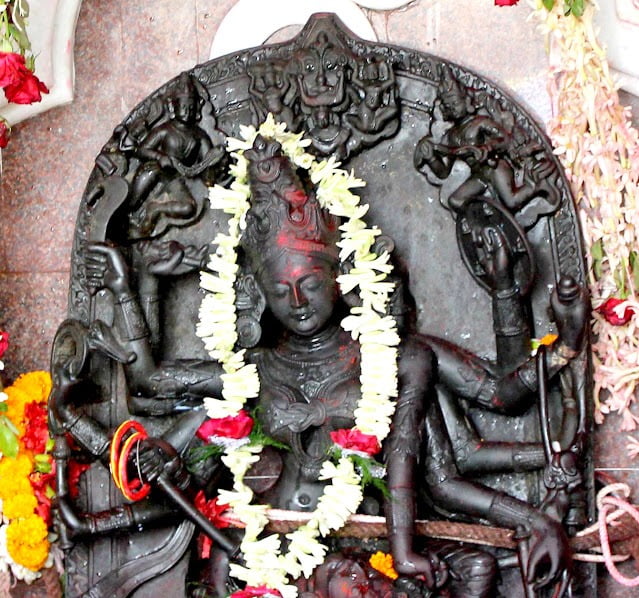
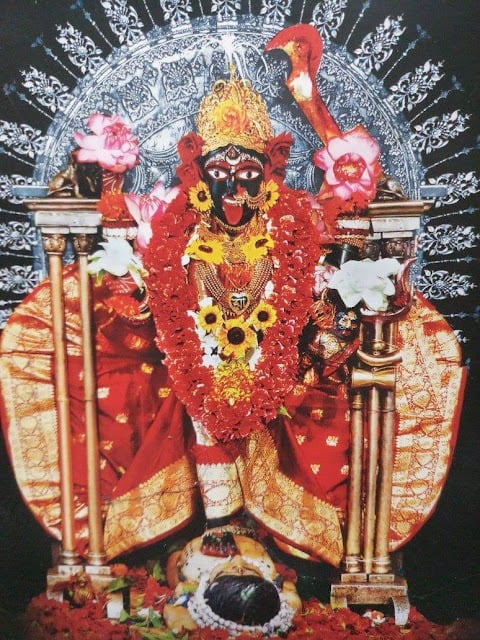
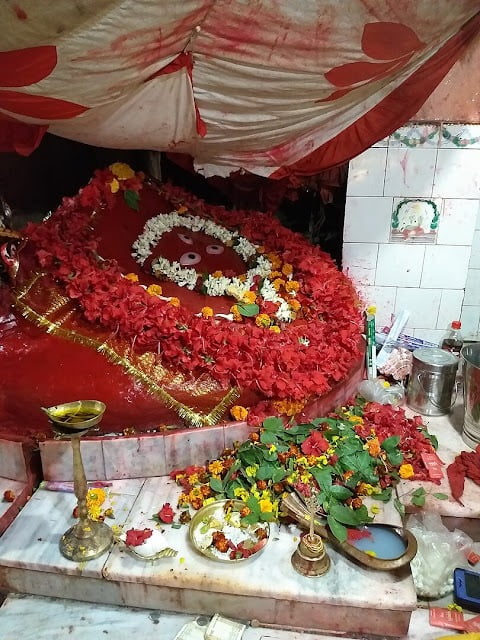
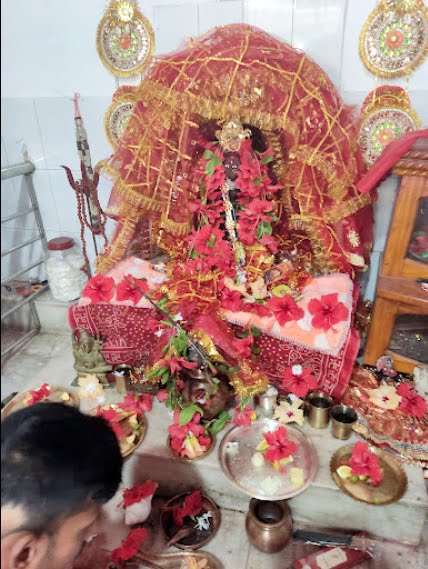
When you step inside the main section of the temple, you may find that the entrance is slightly small, so you need to stoop a bit to enter. This is like a gesture of respect before greeting the goddess. Within the main room, or the sanctum, you will not see a large statue of the goddess as you may see in other temples. Rather, there’s a unique rock that is said to resemble a breast, which represents nourishment as well as the spirit of the goddess. This is what is worshipped here at the Mangala Gauri Temple Gaya.
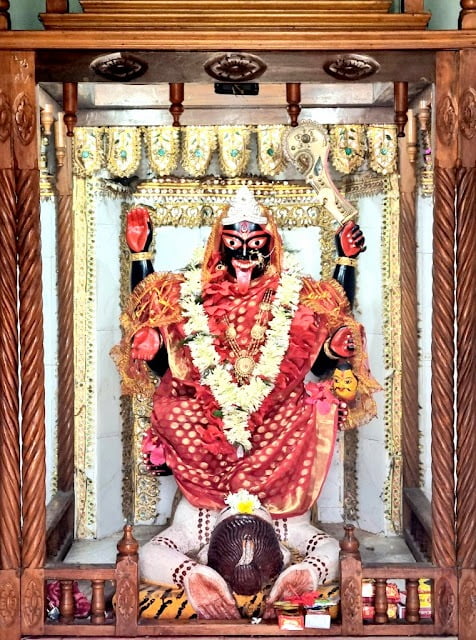
Surrounding the central shrine, there are also smaller temples for other gods and goddesses, such as Lord Shiva, Goddess Kali, Lord Ganesha, and Lord Hanuman. It is like a small family of temples altogether in one place! You may also notice some ancient, intricately carved sculptures on the walls, depicting tales of long, long ago.
The Mangala Gauri Temple Gaya’s architecture is plain but powerful, much like the religion that it embodies. It’s made to endure, to safeguard the blessed place, and to receive any soul who comes looking for blessings.
Read More>> Andarkuppam Murugan Temple Ponneri
Myths and Beliefs:
Every special and old place has its secrets and own special beliefs, and the Mangala Gauri Temple Gaya is no exception! We’ve already discussed the grand legend of Goddess Sati, but there are some other fascinating beliefs as well.
One unique aspect is that since the ‘breast’ of Goddess Sati is said to have dropped here, the goddess Mangala Gauri is regarded as the supreme provider and nourisher. It’s said that she gives her devotees all they require, as a mother would bring up her children. A lot of people visit here to offer prayers for good health, prosperity, and success in their lives, particularly for their relatives.
Some individuals are also of the opinion that going to the Mangala Gauri Temple Gaya during special occasions such as Navratri or simply on Tuesdays has the ability to assist unmarried girls in securing a good marriage partner. It’s asking the goddess to find their ideal match!
You may also hear of “tantric worship” being connected with this temple. This is an extremely old and at times secretive form of worshipping that revolves around energy and specific rituals. It’s something that very experienced priests and spiritual seekers may undertake, but it contributes to the mysterious and intense atmosphere of the Mangala Gauri Temple Gaya.
And recall the legend of the Akhand Deep, the never-extinguishing lamp? That’s a powerful belief as well – that its perpetual flame contains boundless power and blessings for all who behold it. Such beliefs turn the Mangala Gauri Temple Gaya into more than a tourist destination, into a site to be touched by ancient knowledge and strong energies.

Mangala Gauri Temple Timings:
Alright, little adventurers, if you’re planning to visit the Mangala Gauri Temple Gaya, it’s good to know when it’s open so you don’t miss out on seeing the kind goddess!
The Mangala Gauri Temple Gaya is typically open to devotees seven days a week. You can visit normally from early morning, say 6:00 AM, till late evening, say 8:00 PM. This provides you with a good amount of time to climb up the hill, pray, and enjoy the serene ambiance.
During such special festivals such as Navratri, the temple may keep slightly different hours or remain open longer because so many would like to go. But normally, you can rely on those morning to late afternoon or early evening hours. It’s always a good idea to verify any special announcements if you visit during a major festival, just in case!
Therefore, you see, the Mangala Gauri Temple Gaya is quite hospitable and has its gates open for almost the entire day, allowing all people to drop by and gain blessings.
Read More>>Shri Hiranyakeshi Temple Amboli: Lord with Golden Hair
Places to Visit Near the Temple:
Gaya isn’t only the home of the incredible Mangala Gauri Temple Gaya; it’s a city with other wonderful sites to visit! Once you’ve had some calm time at the temple, you may want to know what else is nearby.
Vishnupad Temple: This is another extremely well-known temple in Gaya, and it’s a temple of Lord Vishnu. The highlight of this place is a footprint, which is believed to be Lord Vishnu’s own footprint on a stone! It’s extremely old and extremely sacred.
Ramshila Hill: This is yet another hill, not very far from Mangala Gauri Temple Gaya. It is said that Lord Rama, a very well-known prince from an ancient tale, prayed here. You can also spot some ancient carvings here!
Akshaya Vat: Near the Vishnupad Temple, there’s a very, very old Banyan tree called Akshaya Vat. People believe this tree was blessed by Goddess Sita (Lord Rama’s wife) to live forever and never shed its leaves. It’s a truly ancient and grand tree.
Dungeshwari Cave Temples: They are a bit farther away, and these are some incredible caves where it is said that Lord Buddha meditated before he attained enlightenment. They are extremely serene and make you feel connected to history.
Bodh Gaya: It’s a very, very significant location for Buddhists, located about 13 kilometers from Gaya city. It’s where Lord Buddha achieved enlightenment beneath the Bodhi Tree. You’ll be able to view the Mahabodhi Temple, the actual Bodhi Tree, and a number of lovely monasteries from other countries. It’s a place of profound peace and spiritual study.
Barabar Caves: These are among the oldest rock-cut caves in India! They’re extremely old and were occupied by monks ages and ages ago. It’s as if entering a secret world!
So, having visited Mangala Gauri Temple Gaya, you now have a complete list of great places to explore, each with its own tales and unique sensations. Gaya is indeed a treasure trove of spirituality and history!
Read More>> Venni Karumbeswarar Temple: Diabeties Relief Miracle
How to Reach the Temple:
It’s not difficult to reach the Mangala Gauri Temple Gaya at all, regardless of your location! Gaya is a well-developed city, and as such, you have several good choices.
By Air (Aeroplane): If you are traveling from a distant place, the closest airport is Gaya International Airport (GAY). It’s not that far from the city, say 7-9 kilometers. From the airport, it’s easy to find a taxi or a local auto-rickshaw that will take you directly to the Mangala Gauri Temple Gaya. It’s quite a convenient and swift way of traveling.
By Train (Railway): Gaya has a railway station of its own, the Gaya Junction (GAYA). It’s a large station and is linked to most of the important cities of India. After you reach Gaya Railway Station, the temple is just 4-5 kilometers away. You can easily get an auto-rickshaw, a cycle-rickshaw, or a taxi outside the station to drop you at the Mangala Gauri Temple Gaya.
By Road (Car or Bus): Gaya is connected by road as well. If you are coming from nearby towns and cities of Bihar, you can travel by bus. There are also numerous private taxis and cabs. As the Mangala Gauri Temple Gaya is situated on a hill, you may either drive up by car (if the road is motorable) or, as explained, go up the stairs. Most prefer to drive up or ride an auto-rickshaw to the foot of the hill and climb the last set of steps for a more authentic experience.