Ayyappa Swamy Temple Dwarapudi
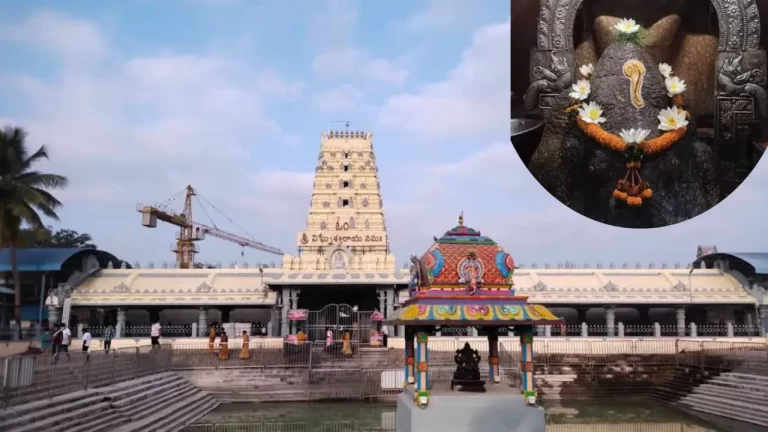
Ayyappa Swamy Temple Dwarapudi, within the stunning East Godavari district of Andhra Pradesh, India. Picture me taking your hand as we stroll through its holy grounds, showing you all about its marvels. Even if you’re a small one, I swear I’ll explain it all in words that are simple to grasp and make you feel like you’re standing right there beside me.

This temple is fondly referred to as “Andhra Vaikuntam” or “Andhra Sabarimala”, which says a lot about how significant and sacred it is! It’s a site where thousands of devotees visit to feel close to Lord Ayyappa, particularly those who may not be able to reach the popular Sabarimala temple in Kerala. So, are you ready to experience the magic? Let’s go!
Dwarapudi Temple History: A Recent Blessing
You know, some temples are really, really old, constructed hundreds or even thousands of years back! But the Ayyappa Swamy Temple Dwarapudi is a bit younger, which makes its history all the more unique in a manner. Think about this grand idea taking shape not very long ago!
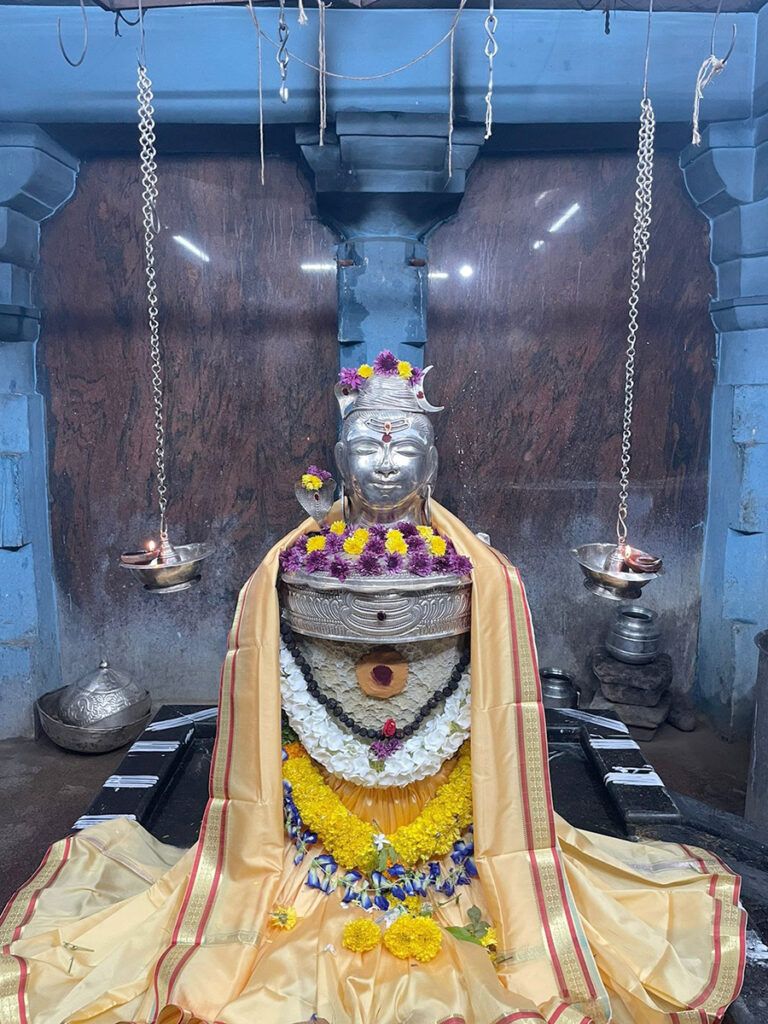
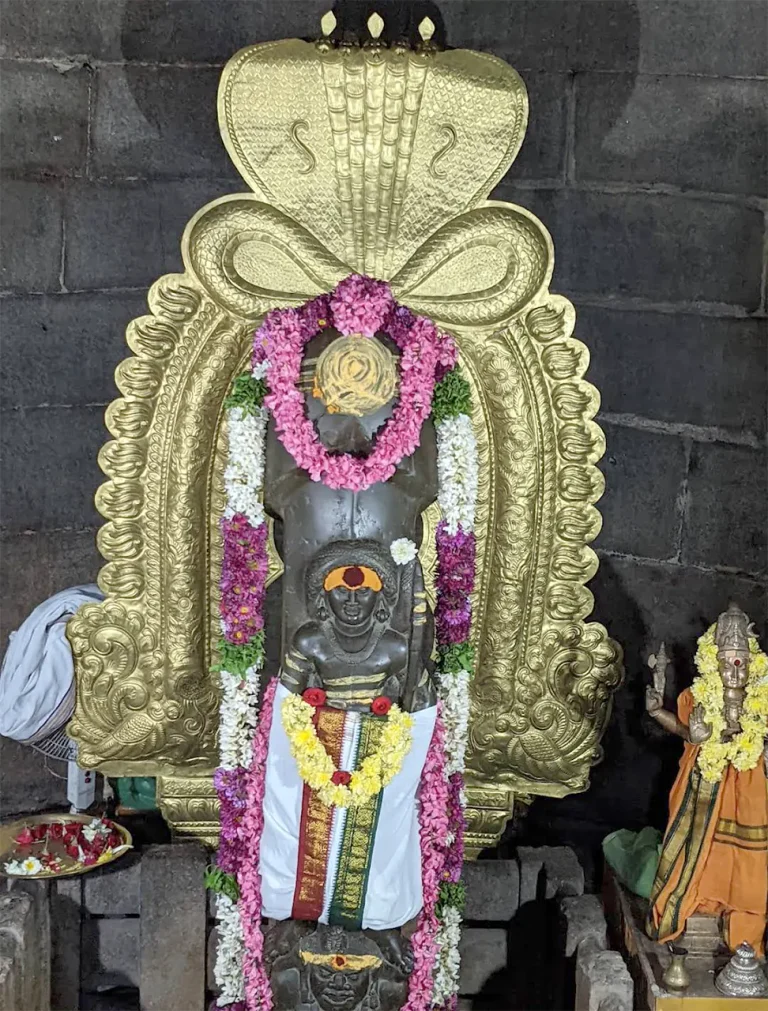
The principal idol of Lord Ayyappa here was installed in 1989. Can you believe it? That is not so very long ago! And can you imagine who did this very significant task? It was a great spiritual leader, Kanchi Peetadhi Pathi Swami Jayendra Saraswati. He was a very wise and holy man, and his presence made the idol installation blessed.
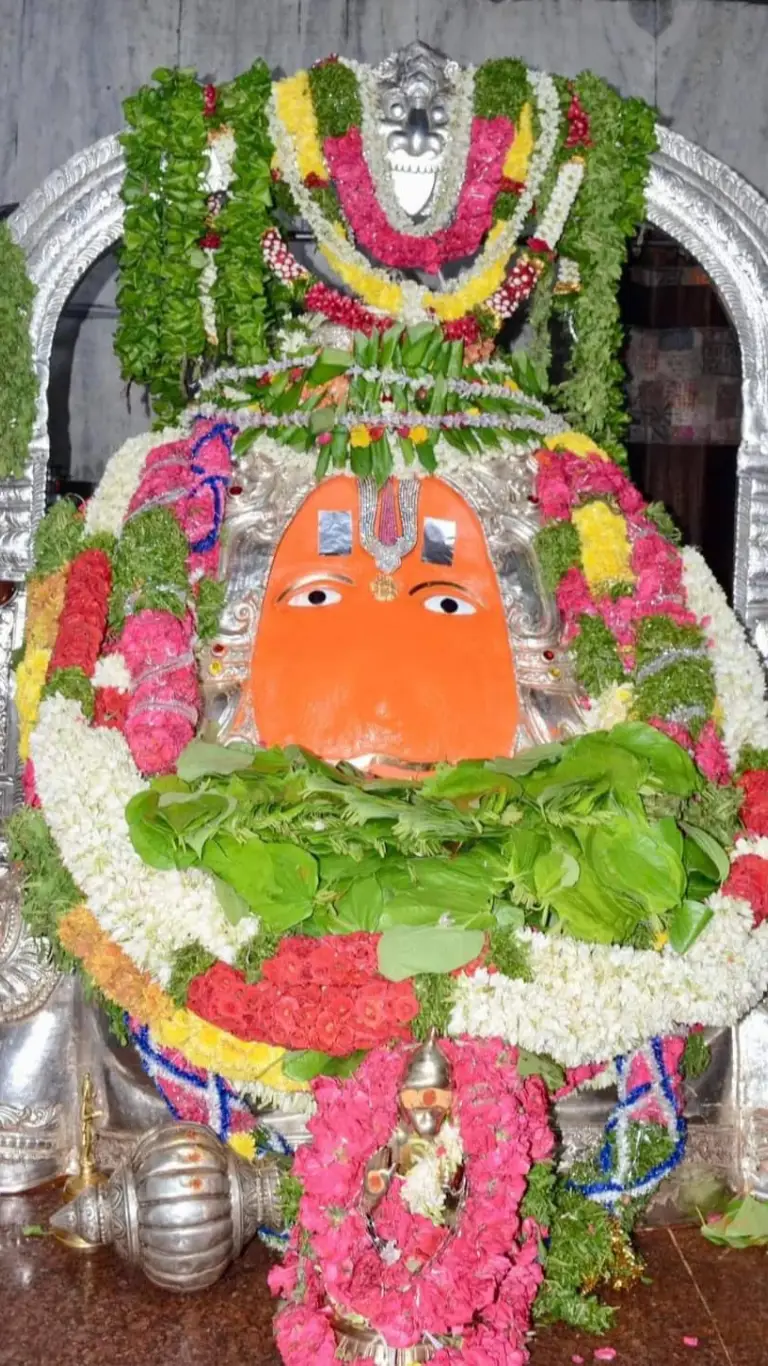
The idol itself is quite unique! It’s not just composed of one metal, but five! And these five metals are gold, silver, lead, copper, and iron. When an idol is composed of five metals like that, it’s known as Panchaloha. It’s said that idols constructed of Panchaloha are that little bit extra special and divine as they combine the energies of all these various elements. Just as individual colors unite to form a divine rainbow, these metals unite to form a really divine idol.
Another wonderful aspect of Dwarapudi Temple, just like the first Sabarimala temple, is that it boasts 18 sacred steps up to the principal shrine. These are not regular steps; for many of the devotees, climbing them is akin to climbing up towards the heavens, cleansing their minds and hearts with every step.
Legend of the Temple: A Reflection of Divinity
Now you might be asking, “What’s the legend behind Lord Ayyappa himself?” It’s a lovely story that connects with some of our old Hindu scriptures!
Lord Ayyappa, by the way, is commonly referred to as Hariharasuthan. Guess what that is? Hari is Lord Vishnu’s other name, and for Lord Shiva, it’s another name for Hara. So, Hariharasuthan is “the son of Hari and Hara.”
The legend is that when the celestial gods and the demons were frothing up the sea in pursuit of the nectar of immortality (Amrita), one extremely powerful demon, in a most sneaky manner, snatched away the Amrita pot. In order to obtain it, Lord Vishnu assumed the form of the most stunning woman, Mohini. Lord Shiva was so captivated by Mohini that from their union, Lord Ayyappa was born! He is also referred to as Manikandan, meaning “one wearing a bell around his neck,” as when the king found him as an infant in the forest, he had a bell wrapped around his neck.
Though specific legends concerning the Ayyappa Swamy Temple Dwarapudi are not present in ancient scriptures, the temple itself and its architecture, especially the 18 steps and the Panchaloha idol, are an offering to the prime Sabarimala temple and the holy deity Lord Ayyappa. It is a shrine where the same piety and spiritual activity of Sabarimala is witnessed, and it is thus a “Sabarimala of Andhra.”
In the Brahmanda Purana and Srimad Bhagavatam, Lord Ayyappa is also named Dharmasastha or Sastha, meaning “lord of the realm” or “preceptor.” This indicates how significant he is to lead us on the right path of righteousness and proper conduct. So, even though the name Dwarapudi is not mentioned, the spirit of Lord Ayyappa, as delineated in the above-mentioned Puranas, is strongly here.
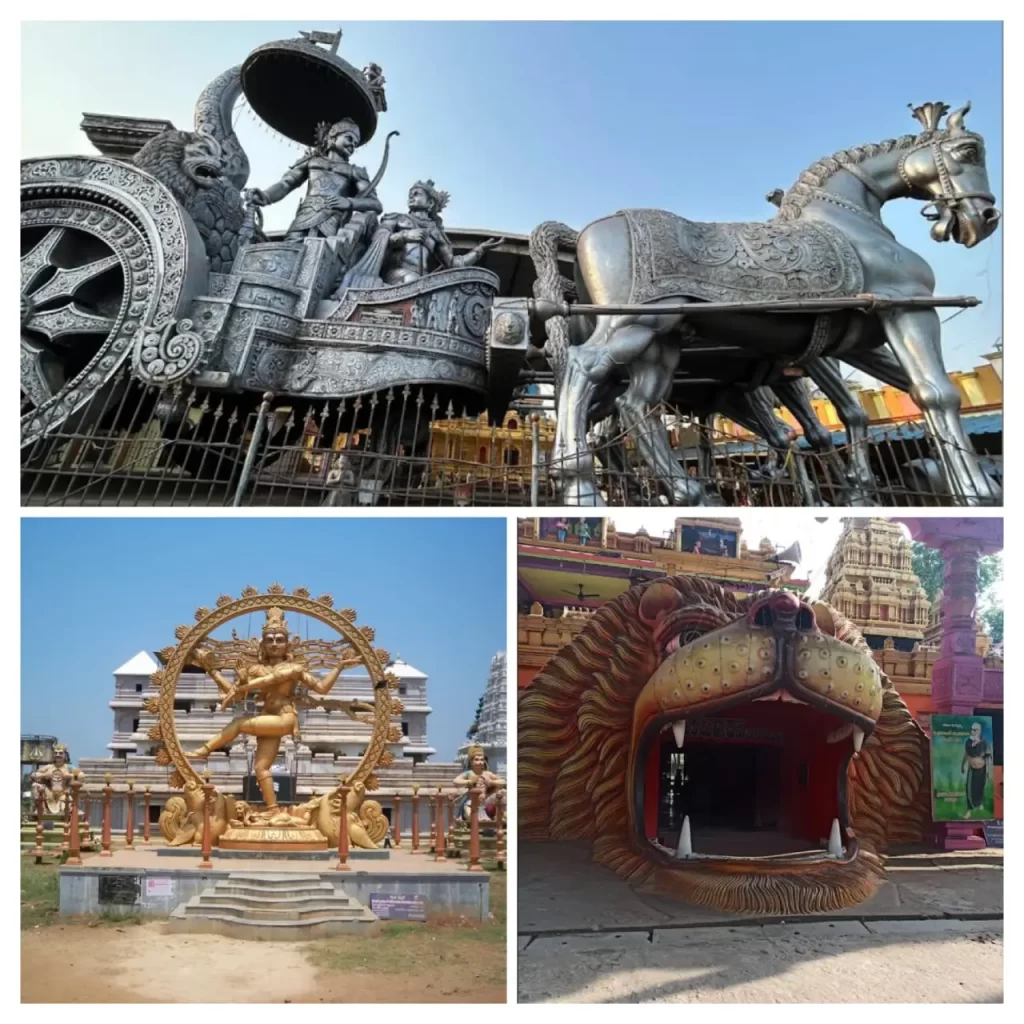
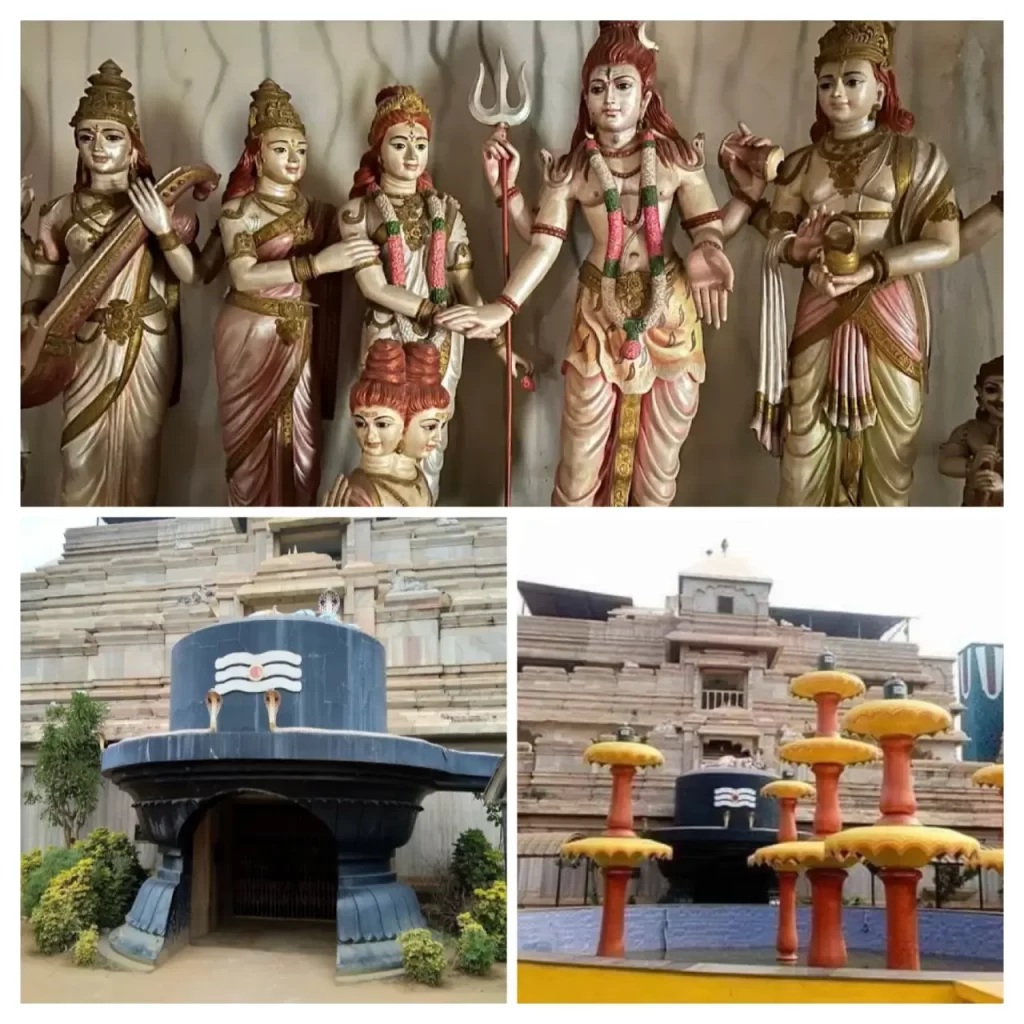
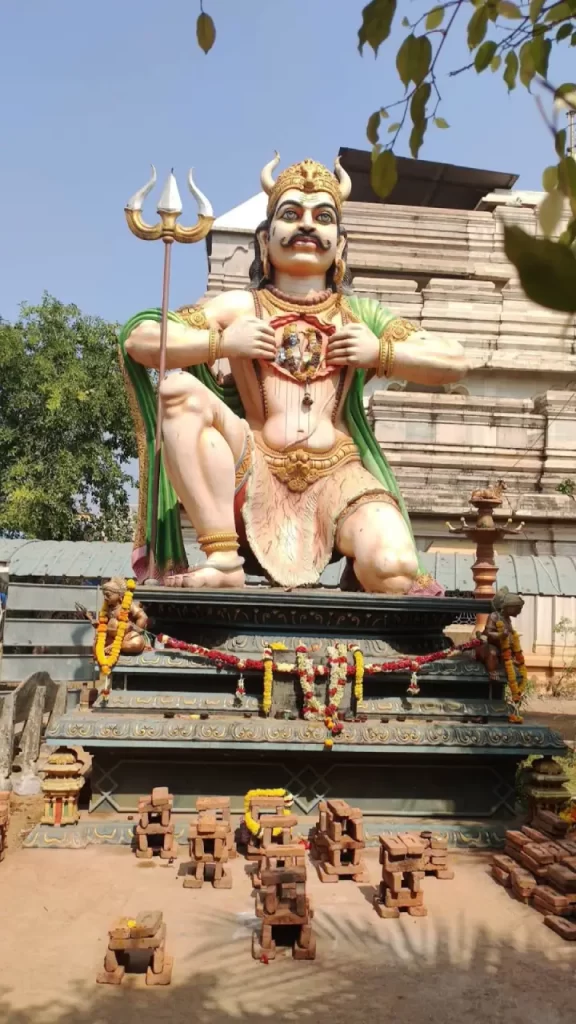
Something very majestic has also been added recently close to the Dwarapudi Temple – a sixty-feet tall statue of Adiyogi Shiva! Adiyogi is another name for Lord Shiva, being the first Yogi, the teacher of yoga to the world. This gigantic statue, modeled on the one in Coimbatore, further magnifies the temple complex and makes it more spiritual and divine.
Significance of Ayyappa Swamy Temple Dwarapudi: A Gateway to Blessings
So why is this Ayyappa Swamy Temple Dwarapudi so significant? Well, suppose you wanted to embark on a very, very long journey, but it was just a wee bit too far from you. This temple is a brilliant option for thousands of pilgrims!
Thousands of people in South India embark on a special religious trek called Ayyappa Deeksha. This is a process of putting on a mala (a special chain) and maintaining strict rules for 41 days, such as taking simple food, resting on the floor, and concentrating on prayers. Following this vratam (vow), most devotees normally visit Sabarimala. But for those who are not capable of traveling so long a distance, particularly elderly or time-constrained persons, Dwarapudi is their holy place to finish their Deeksha. It provides them with the same spiritual enrichment and blessings.
Dwarapudi Temple is a reflection of the true spirit of Lord Ayyappa, who is regarded as a symbol of harmony, oneness, and righteousness. Individuals visit here to obtain his blessings for good health, prosperity, peace, and success. It’s a shrine where all individuals, irrespective of their background, can feel deeply connected to the divine.
What’s really beautiful about Dwarapudi is that, unlike Sabarimala, there are no age restrictions for female devotees. This means everyone in the family can visit and offer their prayers together, which makes it a truly inclusive and welcoming place for all.

Architecture: A Grand Canvas of Devotion
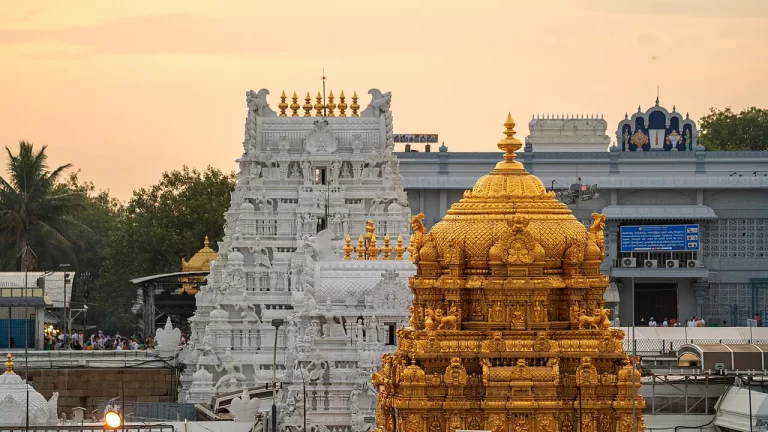
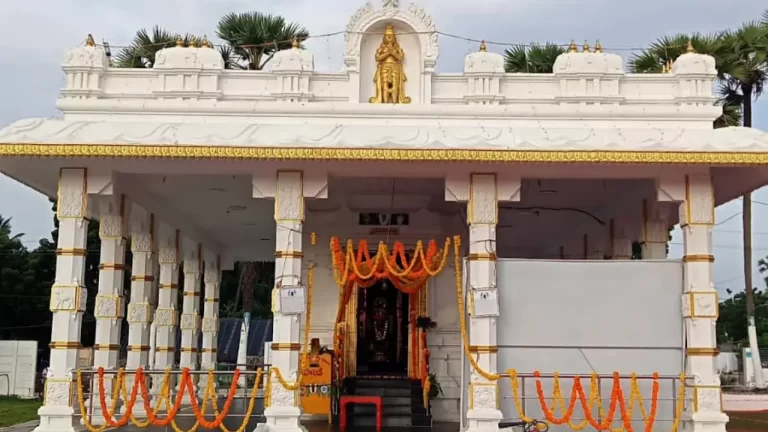
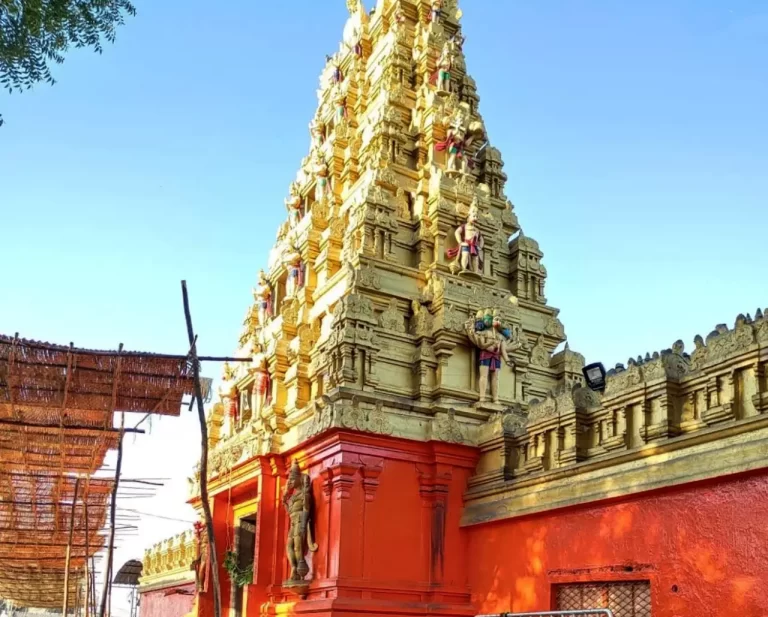
Now let’s discuss the stunning appearance of the Ayyappa Swamy Temple Dwarapudi! When you enter for the first time, you will be impressed by how majestic and gorgeous it is.
As I have already mentioned, the temple contains 18 sacred steps to the central shrine. The steps are extremely significant, and pilgrims tend to go up them with utmost devotion, repeating “Swamiye Saranam Ayyappa!” (Oh Lord Ayyappa, I surrender to you!).
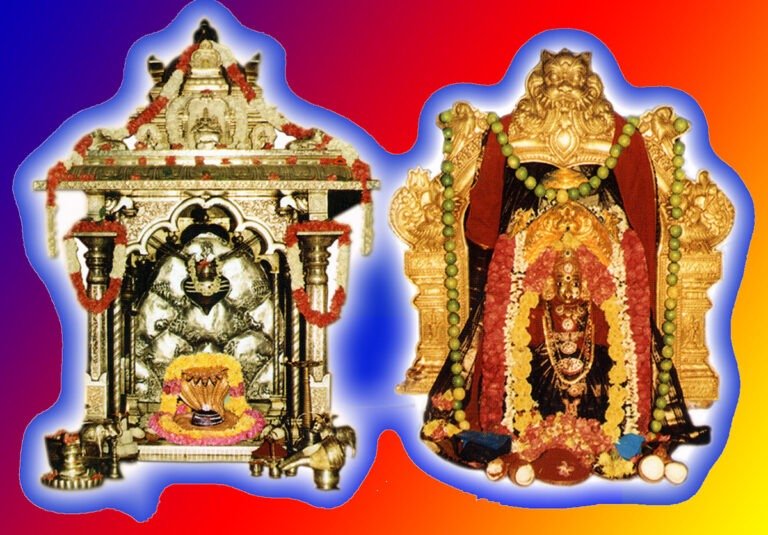
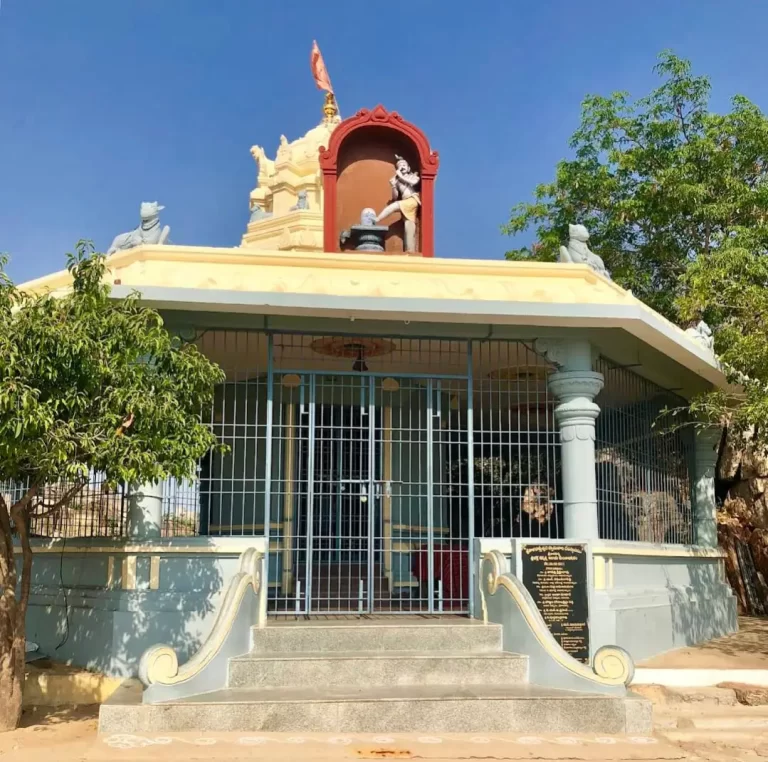
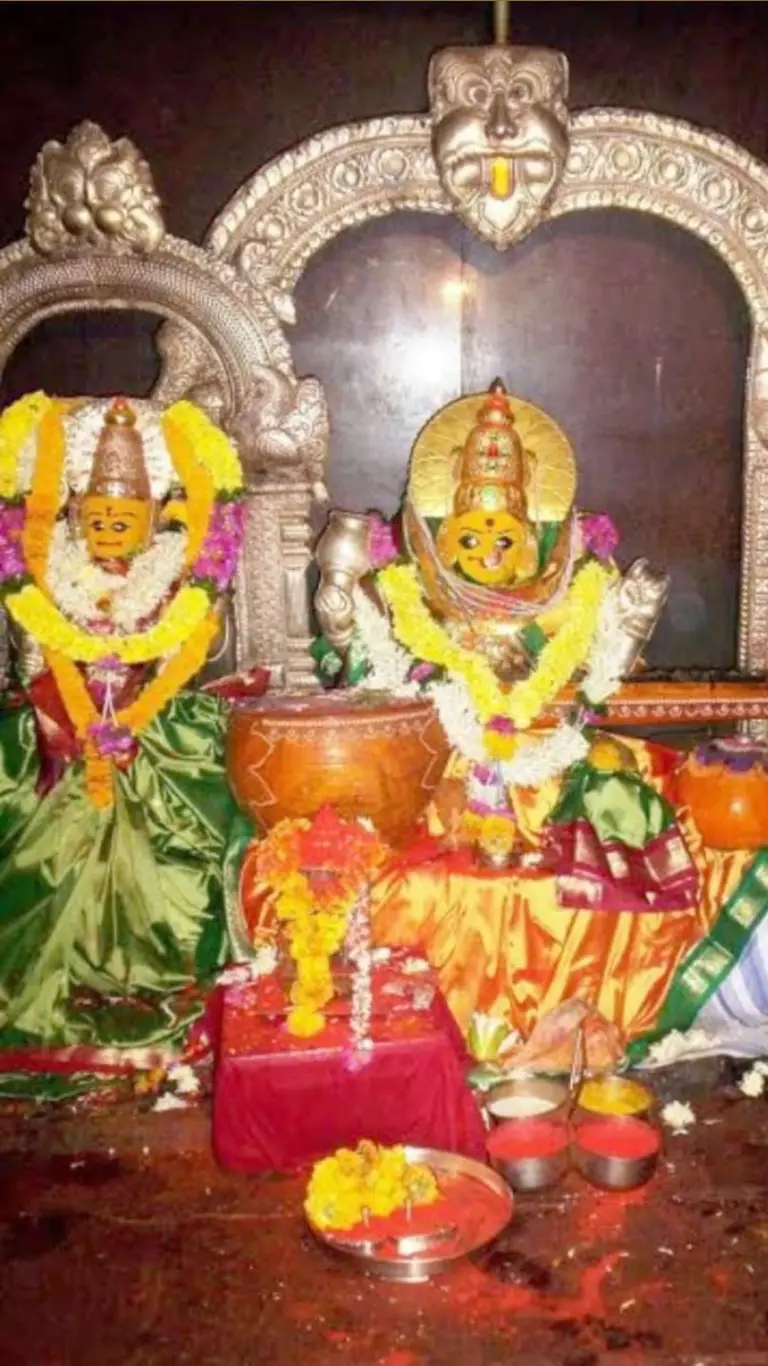
Inside the temple complex, there are shrines to other significant gods too, which makes it a very rich spiritual experience. You have a shrine to Lord Shiva, a shrine for Lord Venkateswara Swamy (who is Lord Vishnu), and even a shrine to Sai Baba. It’s sort of like a mini spiritual village in one spot!
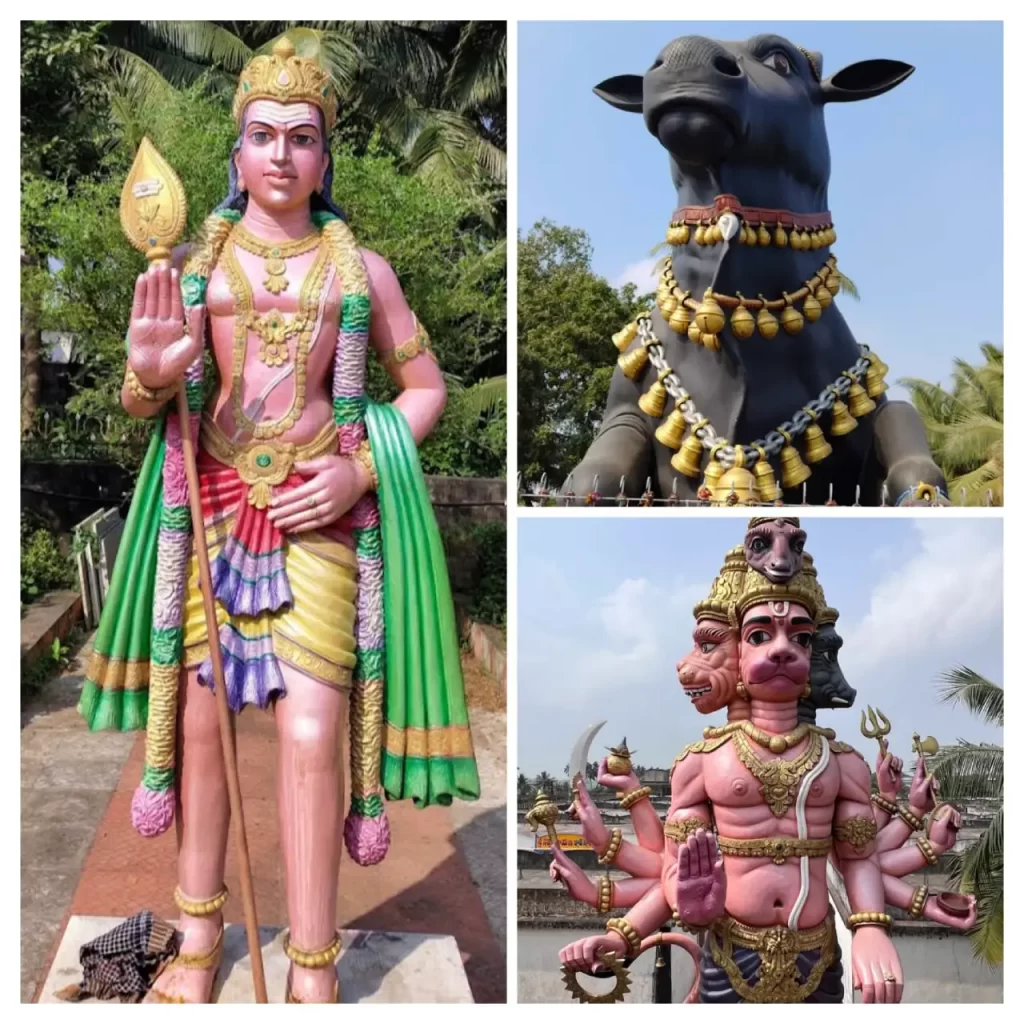
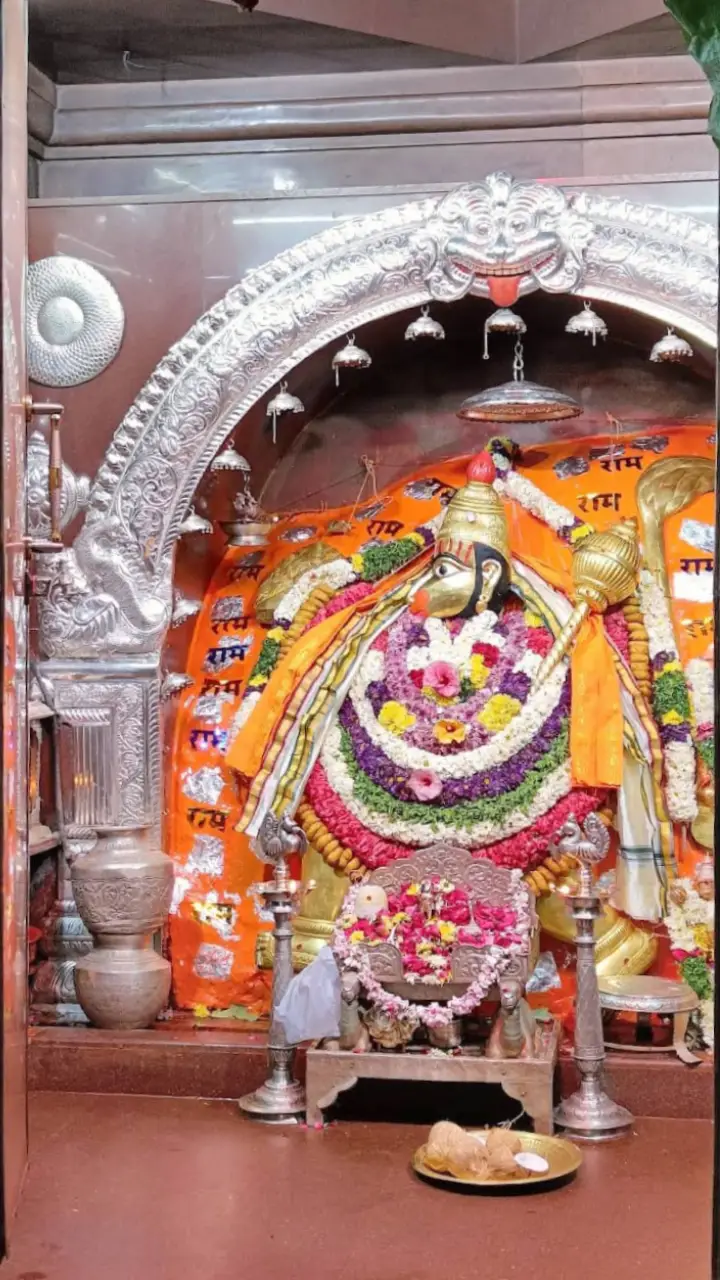
And recall that huge Adiyogi statue? It’s a new addition but absolutely wonderful, pulling your eyes up towards it with its enormity and fine details. You’ll also find massive statues of other popular gods such as Lord Hanuman (Anjaneya), Lord Ganesha (the elephant-headed god), Nandi (Lord Shiva’s mount), and Nataraja (Lord Shiva as the cosmic dancer). These statues are not only lovely to behold, but they also induce a feeling of awe and reverence. The whole complex is clean and offers a peaceful ambiance for prayer and meditation.
Myths and Beliefs: Stories That Inspire
Each sacred site has its own myths and beliefs, and the Ayyappa Swamy Temple Dwarapudi is not an exception. While a majority of the essential beliefs about Lord Ayyappa are the same as those at Sabarimala, the local stories and traditions also contribute to its allure.
One of the strongest beliefs surrounding Lord Ayyappa is his celibacy and his protective nature for Dharma (righteousness). Believers believe that by keeping the Ayyappa Deeksha and visiting his temple, they can cleanse their selves, overcome their adversities, and be blessed with his divine protection.
Dwarapudi Temple also serves as a powerful sign of unity among various Hindu traditions, since Lord Ayyappa is the offspring of both Shiva and Vishnu. This inspires devotees to be aware of the oneness in various incarnations of the divine.
Individuals also think that a visit to this Dwarapudi Temple, particularly during specific auspicious periods, can bestow great blessings and grant their desires. The temple is said to be surrounded by positive vibes, and most devotees have stories of how their prayers were fulfilled after going to Dwarapudi.
Special Days and Rituals: A Calendar of Devotion
The Ayyappa Swamy Temple Dwarapudi is a place buzzing with activity, particularly on some days. Let me discuss the special days when you can see it come alive!
The busiest time of the year at Dwarapudi Temple is typically between mid-November and Makara Sankranti (approximately mid-January). That’s Mandala-Makaravilakku season according to traditional Ayyappa devotees. Thousands of devotees taking their Ayyappa Deeksha pour into Dwarapudi during this time to fulfill their pilgrimage.
Makara Sankranti: This is the temple’s largest day. Picture thousands of individuals, all wearing black or blue, all congregated together! Devotees come on Makara Sankranti day to see the Makara Jyoti (a heavenly light) and Makara Vilakku (a lamp) – these are signals that their austere Deeksha comes to an end. It’s an extremely emotional and spiritually intense period. On this day, Lord Ayyappa is also been taken out in a majestic procession on a stunning Hamsa-shaped chariot (chariot resembling a swan), which is a treat for the eyes!
Mandala Vratam: This is the 41-day austerity period followed by Ayyappa devotees. Some of them opt to start Mala dharanam (adornments with the holy mala) on a Saturday or on Uthram day, which is said to be the birth star of Lord Ayyappa. Strict rules are followed by the devotees during this time, like a simple diet, avoiding some pleasures, and conducting daily prayers.
Malayidal: This is the ceremony of tying the Ayyappa Mala, typically performed after prayers by a temple priest or a Guru Swami (one who has undertaken numerous Sabarimala pilgrimages). It marks the beginning of their vratam.
Kettunirakkal (Irumudi): This is the tying of the Irumudi Kettu, an exclusive bag worn by pilgrims to Sabarimala (and recreated here for those performing their Deeksha). It conventionally consists of sacred offerings such as coconuts filled with ghee (Neyy-Thenga) for the major deity. In Dwarapudi, pilgrims unable to undertake Irumudi ceremonies and Neyyabhishekam (anointing the idol with ghee) to the main deity or Utsava Murthy (the festival idol) can do so. They charge nominal rates for these ceremonies, such as Rs. 20 for New Irumudi and Neyyabhishekam and Rs. 10 for Neyyabhishekam alone.
Dwarapudi Temple also conducts daily poojas and aartis. You are always free to offer your prayers and join the daily rituals.
Dwarapudi Temple Timings: Timing of Visit
Ayyappa Swamy Temple Dwarapudi welcomes people all day long, but it’s always nice to know the timings so you can visit them perfectly!
Morning Hours: The temple is generally open early in the morning, around 6:00 AM, and remains open until 12:00 PM (noon). This is a good time to visit for a quiet darshan (vision of the deity) and to see the morning rituals.
Evening Hours: In the evening, the Dwarapudi Temple is reopened around 4:00 PM and closes around 9:00 PM. The evening aarti is generally a beautiful and soulful experience.
During the peak Mandala-Makaravilakku season, the temple may have special arrangements or longer hours to handle the number of devotees. It’s good to check any special adjustments during peak seasons.
Places to Visit Near the Temple: See More!
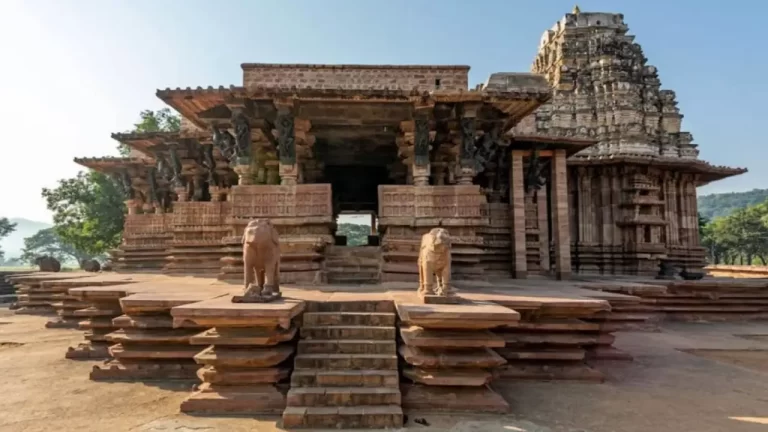
Your trip to Ayyappa Swamy Temple Dwarapudi can be part of a bigger adventure! The East Godavari district is rich in history and spirituality. Here are a few other places you might like to visit nearby:
Rajahmundry: This city is popularly referred to as the “Cultural Capital of Andhra Pradesh.” It lies on the banks of the great Godavari River and features numerous ancient temples and historical places. You can see the Godavari Barrage, an engineering wonder, and take in the scenic beauty.
Draksharamam: It is one of the Pancha Rama Kshetras (five renowned Shiva temples in Andhra Pradesh). The Bhimeswara Swamy Temple located here is a very ancient and forceful Shiva temple, and it’s not to be missed by the devotees of Lord Shiva.
Annavaram: One of the great pilgrimage centers dedicated to Lord Veera Venkata Satyanarayana Swamy. Numerous devotees perform the Satyanarayana Vratam here for prosperity and happiness.
Pithapuram: This town is famous for a number of ancient temples, like the Kukkuteswara Swamy Temple and the Puruhutika Devi Temple, which is one of the Ashtadasha Shakti Peethams (18 powerful abodes of the Mother Goddess).
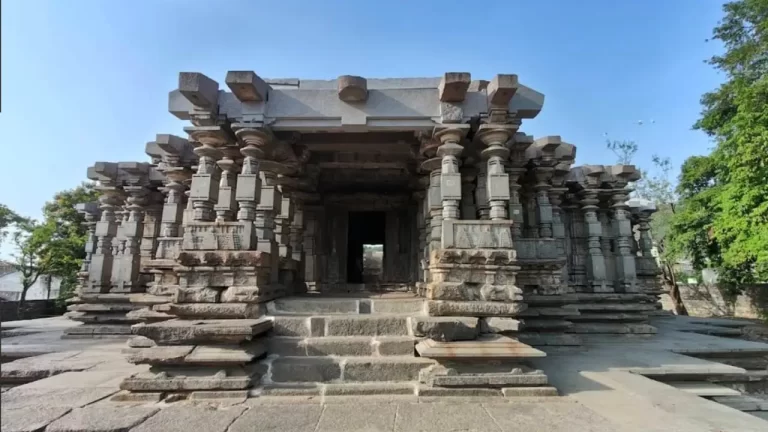
Samarlakota: That has another one of the Pancha Rama Kshetras, the Kumararama Bhimeswara Swamy Temple.
These destinations provide a great chance to experience more of the area’s religious and cultural heritage, enhancing your trip even more!
How to Reach the Temple: Your Travel to Dwarapudi
Reaching the Ayyappa Swamy Temple Dwarapudi is very easy!
By Air: The closest domestic airport is Rajahmundry Airport (RJA), which is 30 kilometers away. You can hire a taxi from there or take a local bus to Dwarapudi. The closest international airport is in Vijayawada, which is 150 km away.
By Train: The easiest way to approach Dwarapudi by train is by getting down at Dwarapudi Railway Station (DWP) itself! It’s just very near, just about 750 feet (less than 250 meters) from the temple. Rajahmundry Railway Station is also easily connected to other major cities of India. You can take a local train or bus from Rajahmundry to Dwarapudi.
By Road: Dwarapudi is also easily accessible by road. You can catch direct buses from Rajahmundry to Dwarapudi at hourly intervals. If you’re driving, Dwarapudi Temple is very close to the National Highway 16. The car journey from Amaravati (your location now) would take around 3 hours and 50 minutes and will cover a distance of around 200 kilometers. Just head towards Rajahmundry and then follow the signs to Dwarapudi.
I hope this tutorial has left you feeling like you’ve already had a great trip to the Ayyappa Swamy Temple Dwarapudi. It’s a real gem, with a sense of peace, devotion, and loving energy of Lord Ayyappa present. Remember, each visit to a Dwarapudi Temple is an opportunity to connect with something greater than ourselves and feel the warmth of divine blessings. Swamiye Saranam Ayyappa!