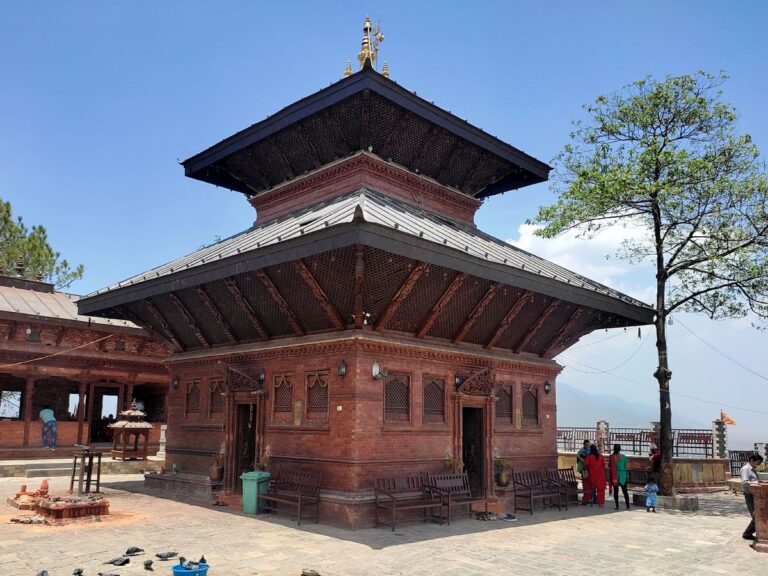
Kedaragouri Temple Bhubaneswar: Complete Pilgrim and Visitor Guide
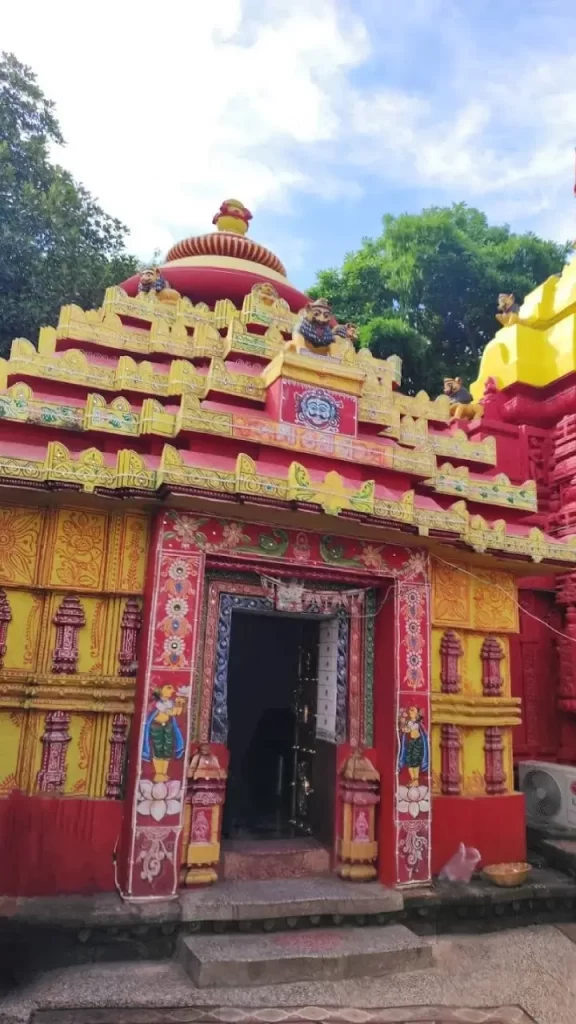
The Kedaragouri Temple (also written as Kedar Gouri Temple) in Bhubaneswar, Odisha, is an ancient dual-temple complex dedicated to Lord Shiva (Kedareswar) and Goddess Parvati (Gouri). Located in the historic Old Town district, this 10th-century Kalinga architectural complex is renowned for its sacred medicinal spring (Marichi Kunda), its peaceful garden setting, and its rare, barrel-vaulted Khakhara deula sanctum.
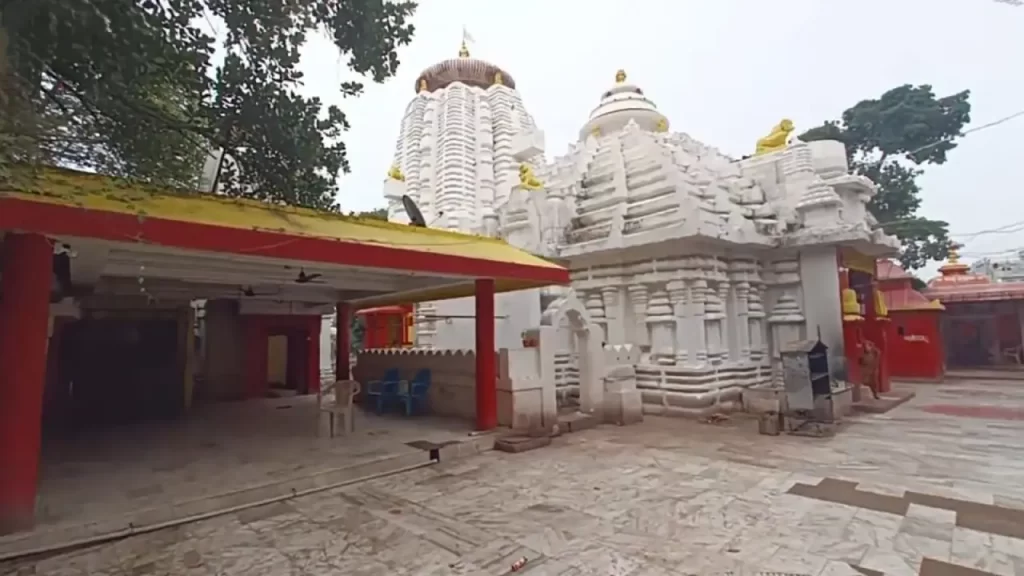
Whether you are planning a devotional pilgrimage or exploring the architectural jewels of the “Temple City of India,” this guide covers daily darshan timings, rituals, historical significance, architectural details, and essential visitor tips.
Quick Information: Kedaragouri Temple at a Glance
| Feature | Verified Detail |
| Temple Complex Name | Kedaragouri Temple (Kedareswar and Gouri Temples) |
| Main Deities | Lord Shiva (Kedareswar) & Goddess Parvati (Gouri) |
| Location | Old Town, Bhubaneswar, Khordha District, Odisha, India |
| Nearest Landmark | Directly adjacent to the Mukteswar and Siddheswar Temple Complex |
| Architectural Style | Kalinga Style (Rekha Deula for Shiva; Khakhara Deula for Gouri) |
| Historical Period | Approximately 10th–11th Century CE (Somavamshi Dynasty) |
| Daily Opening Hours | 6:00 AM to 12:00 PM; 4:00 PM to 8:30 PM (All days) |
| Best Time to Visit | October to March (Pleasant winter climate) |
| Sacred Water Tanks | Marichi Kunda and Kedar Gouri Kunda |
| Key Festivals | Maha Shivaratri, Sitalsasthi, Ashokashtami |
| Entry Fee | Free entry (No ticket required) |
| Dress Code | Modest traditional or casual clothing covering shoulders and knees |
| Photography | Permitted in garden courtyards; strictly prohibited inside sanctums |
| Nearest Railway Station | Bhubaneswar Railway Station (BBS) — Approx. 5 km |
| Nearest Airport | Biju Patnaik International Airport (BBI) — Approx. 4 km |
Why Kedaragouri Temple Is Significant
Bhubaneswar is home to hundreds of historic stone shrines, but Kedaragouri holds a distinct spiritual and architectural position within the sacred precinct of Old Town.
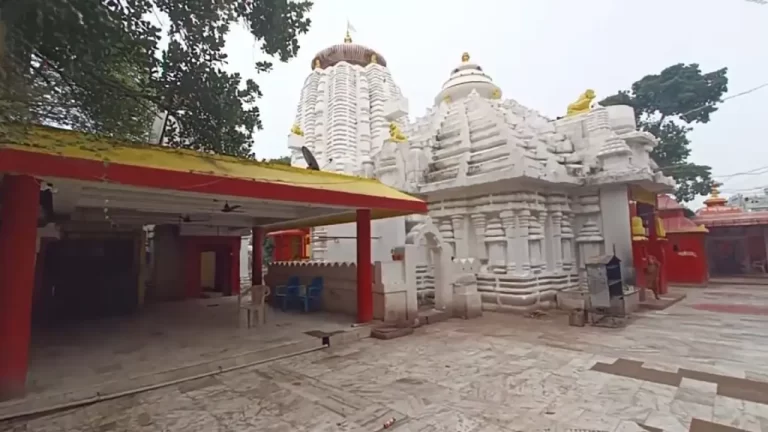
Devotees revere the complex as one of the eight sacred Shiva shrines (Ashtasambhu) of the region. Unlike temple layouts where the divine consort is housed inside a subsidiary niche of the primary sanctum, Kedaragouri features two completely independent temple towers standing side by side within a common walled garden.
The complex is also famous for its natural water reservoirs—principally the Marichi Kunda—whose waters have drawn pilgrims for centuries due to long-held beliefs regarding fertility and physical healing.
Architectural Breakdown: Two Distinct Kalinga Masterpieces
The Kedaragouri complex presents a masterclass in classical Kalinga temple architecture. Walking through the entry gate reveals two stone structures that look entirely different from one another.
1. Kedareswar Temple: The Rekha Deula Sanctum
The temple dedicated to Lord Shiva is known as Kedareswar.
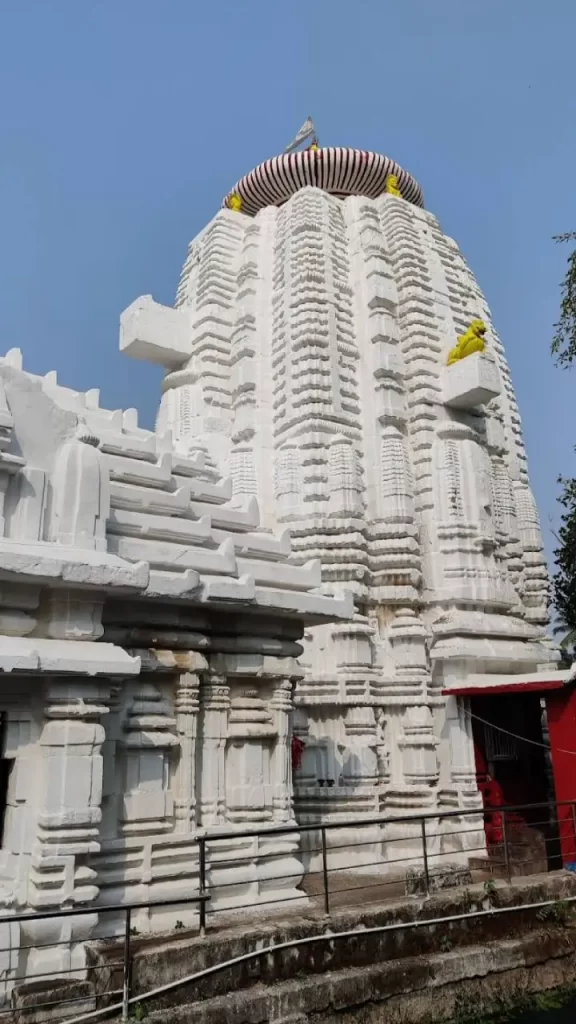
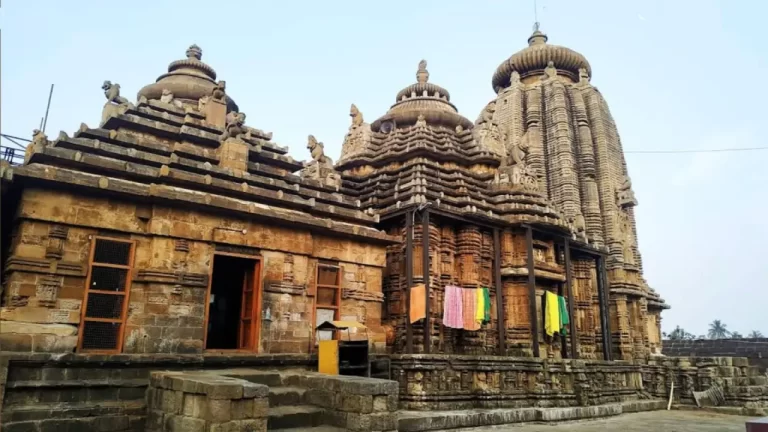
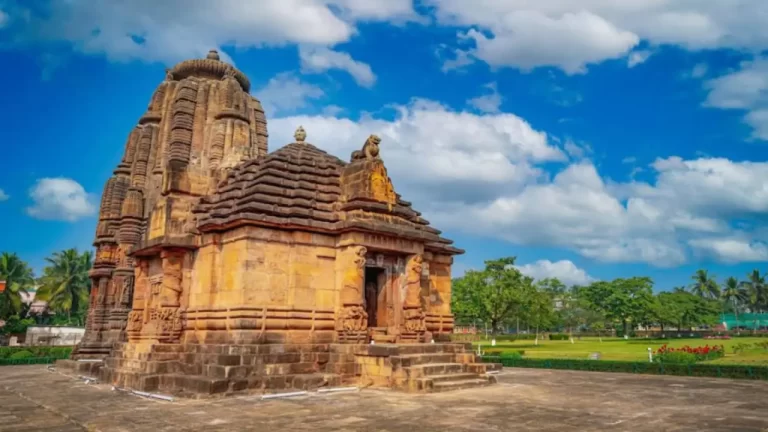
- Tower Structure: It is built as a classic Rekha deula (a tall, curvilinear spire topped with a fluted amalaka and sacred kalasa).
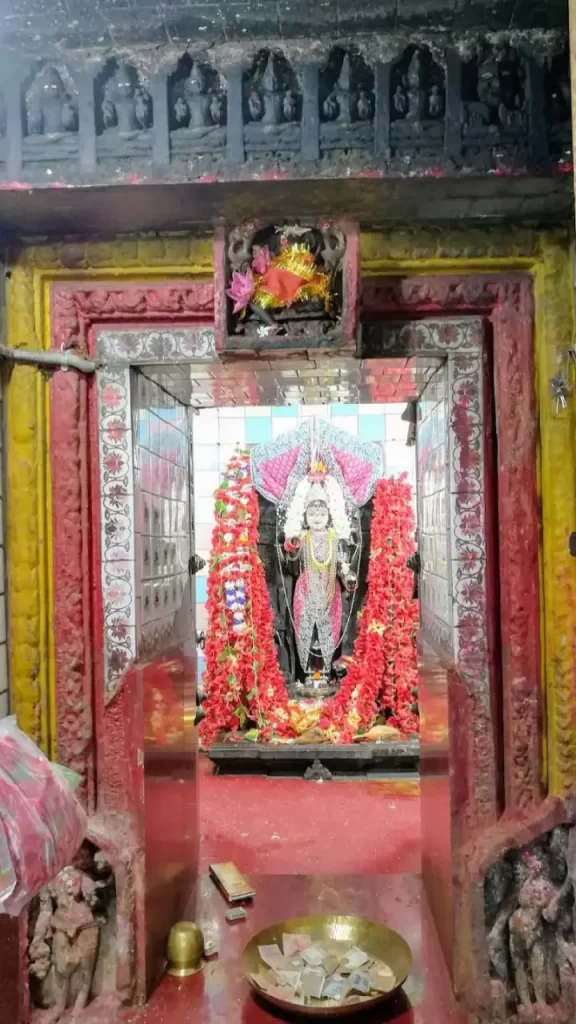
- The Sanctum: The inner sanctum (garbhagriha) houses a sacred Shiva Lingam submerged in a perennial natural water spring. The presence of continuous natural spring water inside the sanctum sanctorum is considered an auspicious mark of living divine energy.
- Carvings: The outer stone walls feature finely sculpted parsva devatas (subsidiary deities), including Kartikeya, Ganesha, and Parvati, along with protective nayikas (graceful celestial maidens) and decorative scrollwork reflecting mature Somavamshi craftsmanship.
2. Gouri Temple: A Rare Khakhara Deula Masterpiece
Standing just steps away is the shrine dedicated to Goddess Gouri (Parvati).
- Architectural Rarity: Unlike the soaring spire of Kedareswar, the Gouri Temple is constructed in the rare Khakhara deula style.
- Vaulted Roofline: This style features a distinctive semi-cylindrical, barrel-vaulted roof reminiscent of an overturned boat or a wooden cart. In Kalinga sacred architecture, the Khakhara style was reserved almost exclusively for Shakta shrines dedicated to divine feminine energy (Devi).
- Artistic Elegance: Art historians consider the Gouri temple one of the most richly adorned shrines in eastern India. Its miniature wall niches contain delicate relief carvings of alasakanyas (indolent maidens), dancers, and intricate floral motifs that rival the ornamentation of the nearby Mukteswar Temple Bhubaneswar.
The Sacred Waters: Marichi Kunda and Kedar Gouri Kunda
Water is central to the spiritual atmosphere of the Kedaragouri compound. The complex features two historic water bodies maintained within stone enclosures.
Marichi Kunda: The Miraculous Spring
Marichi Kunda is a stone step-tank fed by an underground natural aquifer. Local religious tradition holds that its waters possess curative properties.
During the annual festival of Ashokashtami (the car festival of Lord Lingaraj, celebrated in Chaitra/March–April), the water of Marichi Kunda is auctioned to childless couples who bathe in its waters overnight in hopes of conceiving. While modern travelers recognize this as a living folk tradition rather than a medical certainty, the ritual remains an important cultural event that draws thousands of pilgrims from across Odisha.
Kedar Gouri Kunda
Positioned near the rear of the complex, the larger Kedar Gouri Kunda provides water for ceremonial temple ablutions. The continuous subterranean water flows that feed both kundas have kept this area green and fertile for over a thousand years, supporting ancient trees that shade the stone courtyards.
Historical Origins and Folk Legends
Understanding Kedaragouri requires balancing documented epigraphic history with the living folklore of Bhubaneswar’s temple servitors.
The Documented History (Somavamshi Era)
Archaeologists and historians from the Archaeological Survey of India (ASI) date the current stone structures of the Kedaragouri complex to the late 10th and early 11th centuries CE. This coincides with the reign of the Somavamshi dynasty (also known as the Kesari dynasty), a transformative golden age that established Bhubaneswar as the architectural epicentre of Kalinga culture. The Somavamshi rulers were devout patrons of both Shaivism and Shaktism, which explains why twin shrines honoring both divine masculine and feminine principles were erected here.
The Devotional Folk Legend
Local lore shares a romanticized legend about the origin of the temple’s name. According to village tradition, a young couple named Kedar and Gouri sought shelter in this forest during ancient times. While searching for food for Gouri, Kedar was killed by a wild beast. Grief-stricken, Gouri ended her life in the nearby pond. Deeply moved by their devotion, the ruling king built these twin shrines to immortalize their names under the divine identities of Shiva and Parvati.
While historical records confirm the temple’s dedication directly to Kedareswar (Shiva) and Gouri (Parvati) from its inception, the local story remains a popular oral tale told by temple guides.

Daily Darshan Timings and Ritual Schedule
The temple follows an orderly daily worship routine managed by the local sevayats (priests).
- Morning Darshan: 6:00 AM – 12:00 PM
- Midday Temple Closure: 12:00 PM – 4:00 PM (Sanctums closed for pahuda / deity rest)
- Evening Darshan: 4:00 PM – 8:30 PM
- Sandhya Aarti: Approximately 6:30 PM – 7:15 PM (Varies slightly based on sunset)
Tip for Visitors: Visiting during the Sandhya Aarti (evening prayer) offers an atmospheric experience. The sound of ringing bells, blowing conches, and burning camphor against the ancient stone facades creates a serene, devotional environment far removed from city traffic.
Major Festivals Celebrated at Kedaragouri
While daily worship continues year-round, three major annual celebrations significantly transform the atmosphere:
- Maha Shivaratri (February/March): The most grand celebration at Kedareswar Temple. Thousands of devotees gather to fast, sing hymns, and offer bael leaves (Bilva) to the Shiva Lingam. Devotees remain awake throughout the night until the sacred lamp (Mahadipa) is hoisted atop the temple spire.
- Sitalsasthi (May/June): This vibrant festival commemorates the divine marriage of Lord Shiva and Goddess Parvati. Processions carrying ceremonial idols travel between neighborhood shrines in Old Town, accompanied by traditional Odissi music and percussion.
- Ashokashtami (March/April): Tied directly to the chariot procession of the nearby Lingaraj Temple Bhubaneswar, this festival brings crowds to Marichi Kunda for ceremonial water-drawing rituals and holy dips.
How to Reach Kedaragouri Temple
Kedaragouri is conveniently located in the southern sector of Old Town, Bhubaneswar, making it easily accessible by air, rail, and road.
- By Air: Biju Patnaik International Airport (BBI) is approximately 4 to 5 kilometers away. Prepaid taxis and auto-rickshaws take roughly 15 to 20 minutes from the airport terminal.
- By Train: Bhubaneswar Railway Station (BBS) is situated about 5 kilometers north. Auto-rickshaws and app-based ride services (Ola, Uber) operate 24/7 along this route.
- By City Bus / Auto: Regular Mo Bus city transit lines connect major railway intersections to Old Town bus stops. From the Old Town bus stand, the temple is an easy 10-minute walk or a brief rickshaw ride.
Exploring the Old Town Temple Walking Circuit
Because Old Town Bhubaneswar contains the highest concentration of preserved Kalinga temples in India, visiting Kedaragouri is best done as part of a half-day walking pilgrimage.
Within a short walking radius of Kedaragouri, you can visit:
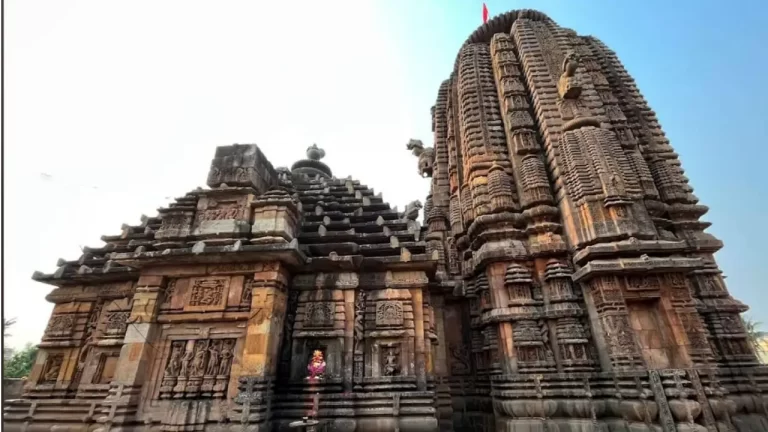
- Mukteswar and Siddheswar Temples (50 meters away): Widely celebrated as the “Gem of Odishan Architecture,” Mukteswar features an iconic arched stone gateway (torana) and shares the same walking lane as Kedaragouri.
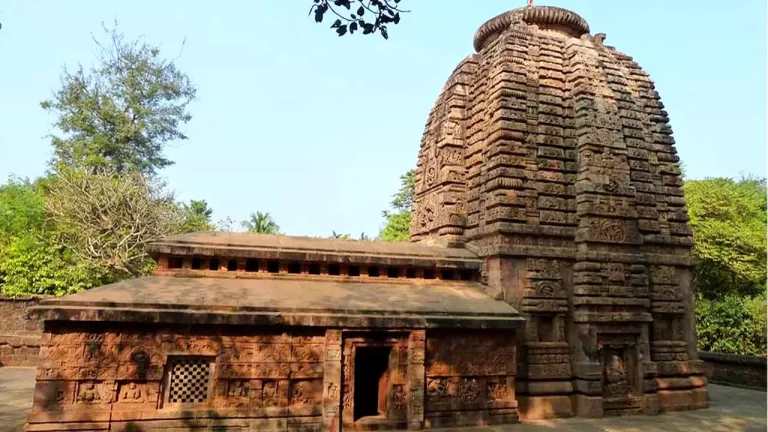
- Parasurameswara Temple (150 meters away): An extraordinary 7th-century shrine showcasing the early phase of Kalinga art, accessible via a quiet heritage footpath. Read our detailed guide to Parasurameswara Temple Bhubaneswar to understand its early stone carvings.
- Bindu Sagar Lake (400 meters away): The massive sacred lake that anchors Old Town. The waters of all holy rivers in India are traditionally believed to converge here.
- Rajarani Temple (800 meters away): An exquisite 11th-century monument celebrated for its sensual, finely chiseled stone sculptures. Explore our visitor guide to Rajarani Temple Bhubaneswar to compare its sculptural motifs with the Gouri shrine.

Practical Visitor Tips and Etiquette
To ensure a smooth, respectful visit, keep these practical points in mind:
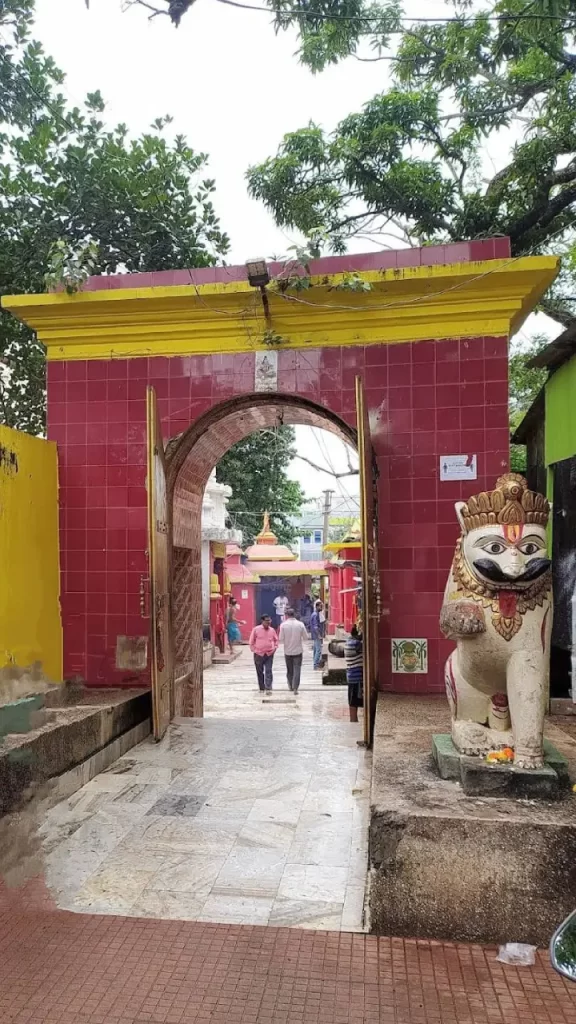
- Footwear Management: Leather shoes, sandals, and belts must be removed before entering the paved inner temple courtyard. Dedicated open-air footwear stands are situated beside the main entry arch.
- Dress Code: While casual clothes are permitted, visitors should dress modestly out of respect for active worship. Sleeveless shirts, short skirts, and beachwear are discouraged. Traditional Indian wear (kurta-pyjama, dhoti, saree, salwar suit) is warmly welcomed.
- Photography Rules: Photography and videography are freely permitted throughout the landscaped gardens and around outer wall carvings. However, taking photos inside the sanctum sanctorum of both Kedareswar and Gouri is strictly prohibited.
- Safety Around Tanks: The stone steps leading into Marichi Kunda can become slick with moss and moisture. Exercise caution when walking near the water’s edge, particularly when accompanying elderly family members or young children.
- Best Time for Photography: Early morning (7:00 AM – 9:00 AM) provides soft natural light that illuminates the east-facing stone carvings without intense heat or temple crowds.
Frequently Asked Questions About Kedaragouri Temple
Is there an entry fee to visit Kedaragouri Temple?
No. Entry to the Kedaragouri Temple complex, gardens, and water tanks is completely free for all domestic and international visitors.
Can non-Hindus enter the Kedaragouri Temple?
Unlike the sanctum sanctorum of the nearby Lingaraj Temple, the outer courtyards and open gardens of the Kedaragouri complex are accessible to all visitors interested in heritage and architecture. Entry into the active inner sanctums during rituals is generally reserved for practicing Hindu devotees.
Why is the water of Marichi Kunda famous?
Marichi Kunda is a sacred step-tank fed by a natural mineral spring. Centuries of regional belief attribute curative and fertility-enhancing qualities to its waters, making it a primary focal point during the annual Ashokashtami festival.
How much time is needed to see the entire temple complex?
A typical visit takes between 45 minutes to 1.5 hours. This allows sufficient time for quiet darshan at both shrines, viewing the outer wall carvings, and walking around Marichi Kunda.
Are guides available at the temple?
Official Archaeological Survey of India (ASI) licensed guides are generally stationed near the neighboring Mukteswar Temple complex. You can hire them to tour both Mukteswar and Kedaragouri together for an informative historical walkthrough.
Kedaragouri Temple remains one of Bhubaneswar’s most peaceful, architecturally rewarding spiritual landmarks. By respecting the sacred traditions of the living sanctums and admiring the thousand-year-old stone masonry, travelers experience the timeless devotional heartbeat of historic Odisha.