Sri Prasanna Ganapati Temple, Koramangala: Darshan Timings, Sevas, and Visitor Guide
Sri Prasanna Ganapati Temple in Koramangala 8th Block is one of the most prominent community Hindu temples in south-east Bengaluru. While Koramangala is broadly celebrated for its vibrant commercial districts, technology offices, and culinary scene, this temple serves as an essential spiritual hub for residents, professionals, and visiting pilgrims across the surrounding neighborhoods of HSR Layout, Ejipura, and Adugodi.
This guide provides verified visitor details for darshan, daily operational timings, puja protocols, festival observances, and realistic transit guidance for navigating Koramangala.
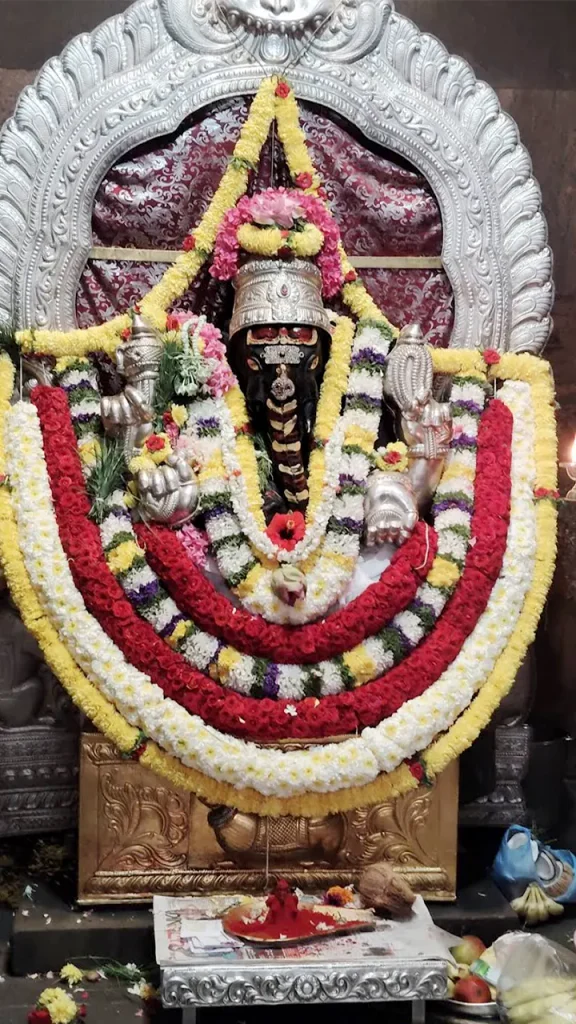
Quick Answer / Temple at a Glance
| Detail | Information |
| Temple Name | Sri Prasanna Ganapati Temple |
| Presiding Deity | Lord Ganesha (Sri Prasanna Ganapati) |
| Location | 8th Block, Koramangala, Bengaluru, Karnataka 560095 |
| Standard Morning Timings | 06:30 AM – 11:30 AM |
| Standard Evening Timings | 05:30 PM – 08:30 PM (often until 09:00 PM on busy days) |
| Peak Days | Tuesdays, Sankashti Hara Chaturthi, Ganesha Utsava |
| Entry Fee | Free |
| Photography | Strictly forbidden inside the sanctum |
| Nearest Namma Metro | Rashtriya Vidyalaya Road / South End Circle (Green Line) or Indiranagar (Purple Line) via road cab/bus; upcoming Pink/Yellow line nodes vary by final operational phase |
History & Local Context
Development of the Temple
Unlike the centuries-old Vijayanagara or Hoysala temple complexes found across rural Karnataka, the Sri Prasanna Ganapati Temple of Koramangala developed alongside the residential planned growth of south Bengaluru during the late 20th century. As Koramangala expanded from a quiet residential suburb into a dense urban zone, local residents established a formal trust to build a dedicated neighborhood shrine for Lord Ganesha.
Over subsequent decades, the temple underwent several consecrations (Kumbhabhishekam) and structural improvements, growing from a modest sanctum into a fully covered, granite-embellished urban temple complete with subsidiary shrines and dedicated facilities for community pujas.
Documented History vs. Local Tradition
- Documented History: The temple is managed by a registered local temple trust and community committee. Its structural expansions, silver deity coverings (velli kavacham), and rajagopuram developments date back across ongoing renovations funded by local devotee contributions over recent decades.
- Temple Tradition: The deity was installed under traditional Vedic rites designed to invoke the Prasanna (benevolent, calm, and approachable) aspect of Lord Ganesha, traditionally sought out by devotees initiating new educational, personal, or professional endeavors.
Keep Reading: A Walk Through the Kumbalgodu Ayyappa Temple
Religious Significance & Deities
The Presiding Deity: Sri Prasanna Ganapati
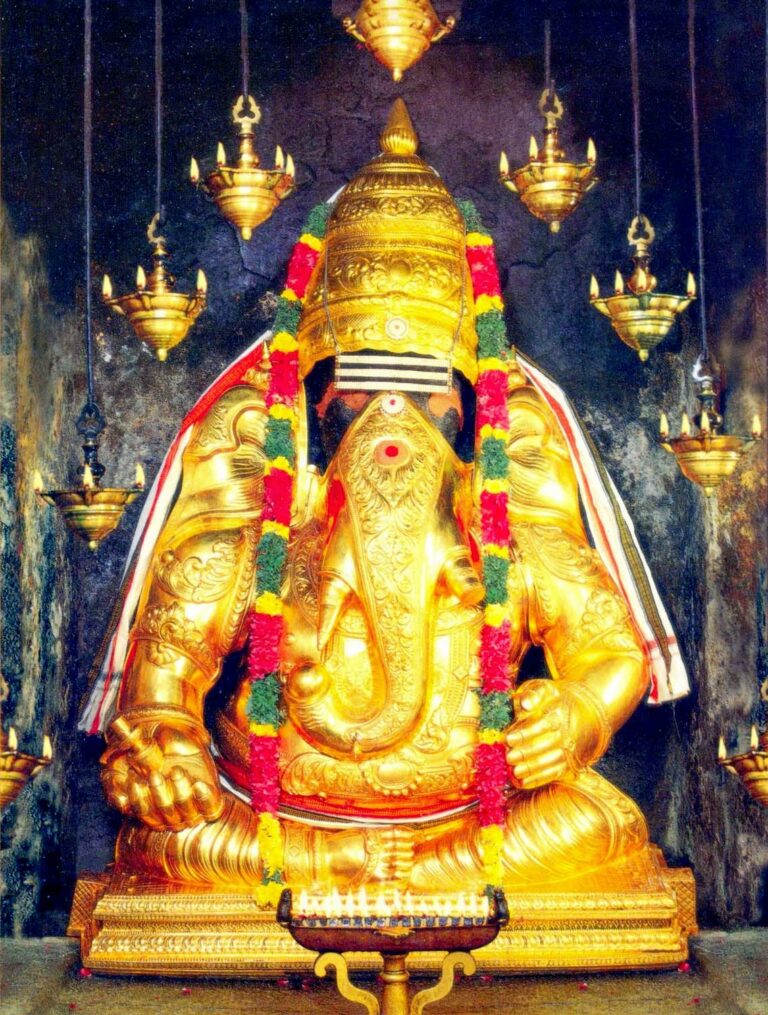
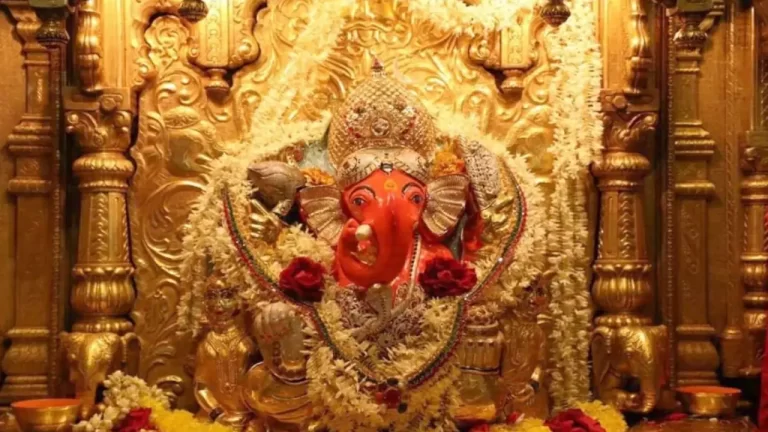
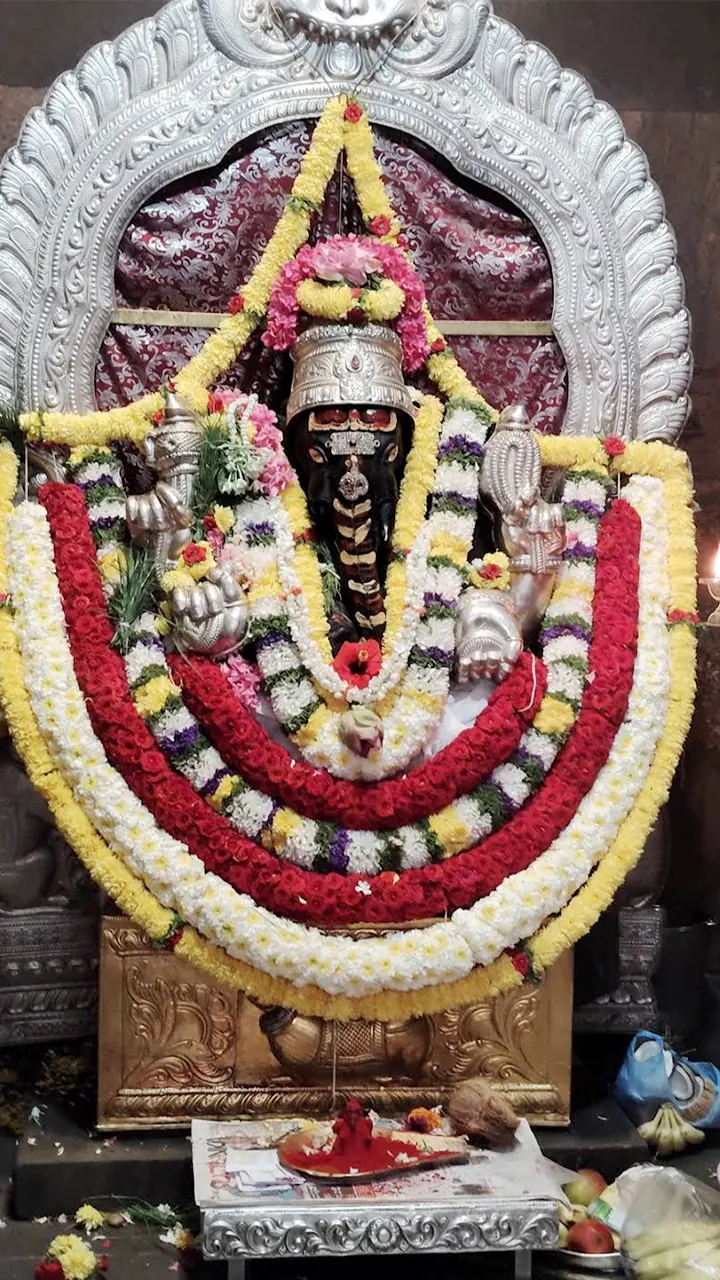
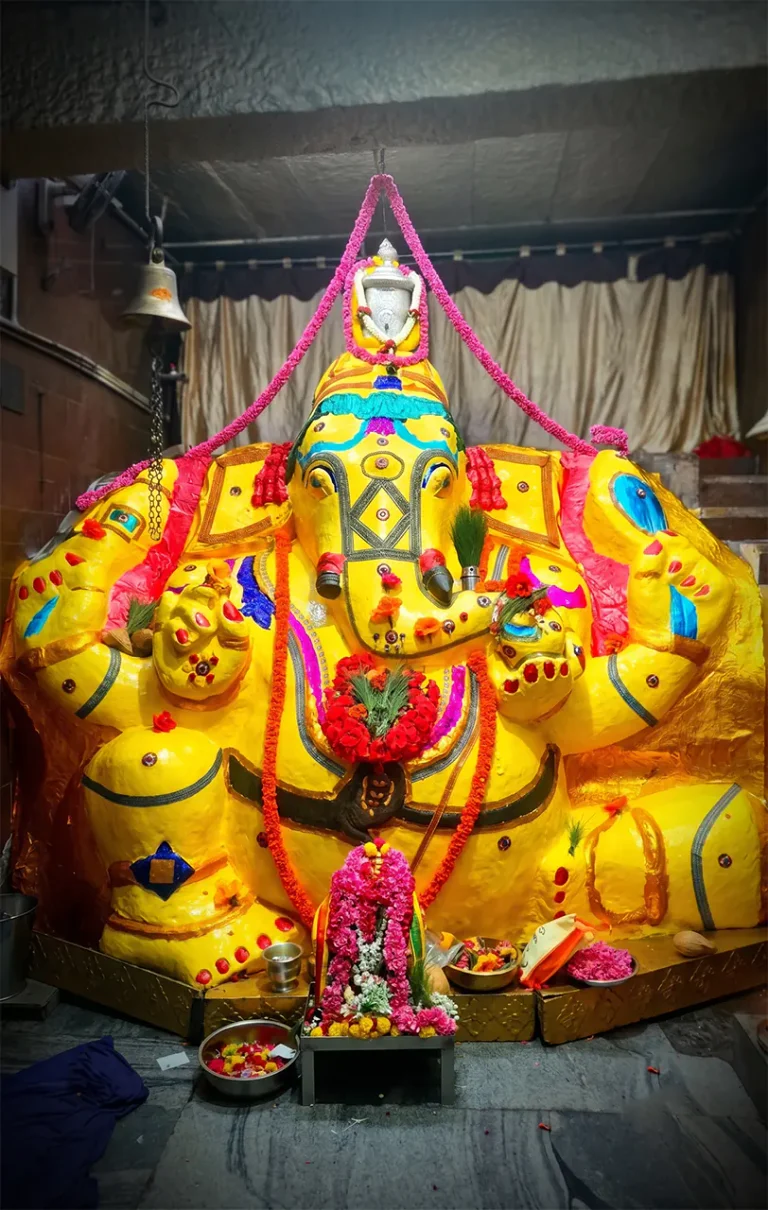
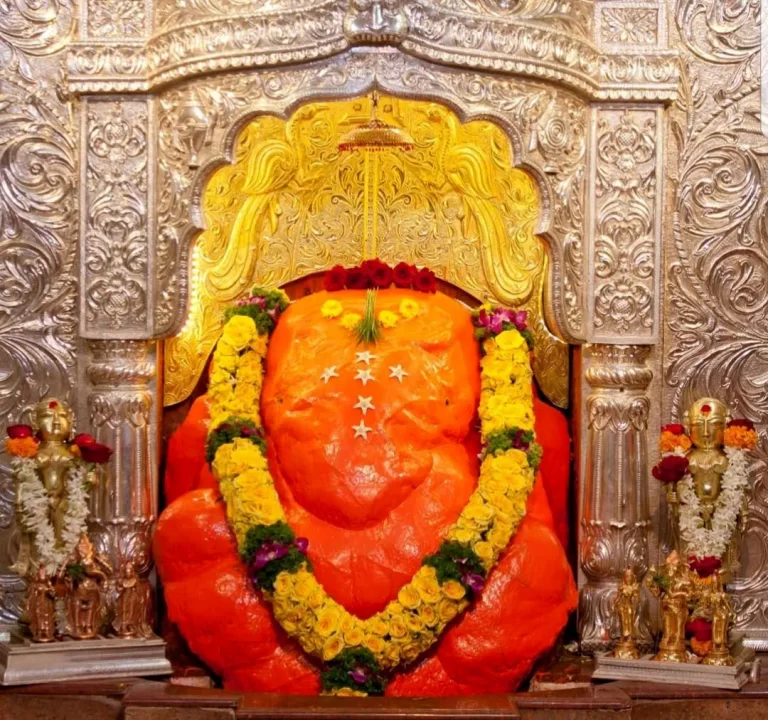
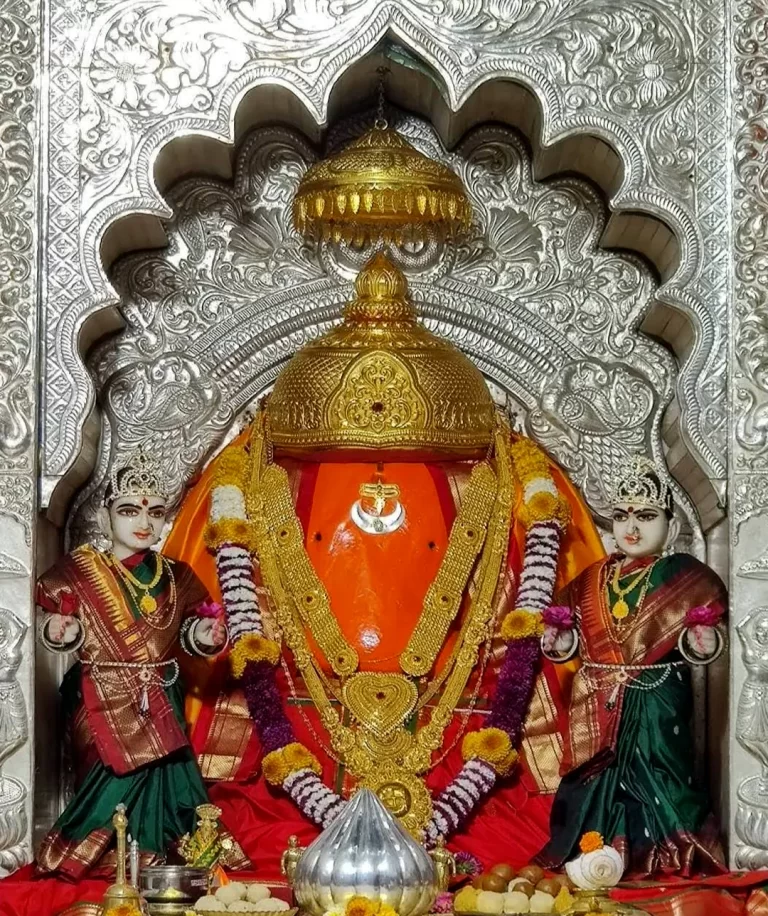
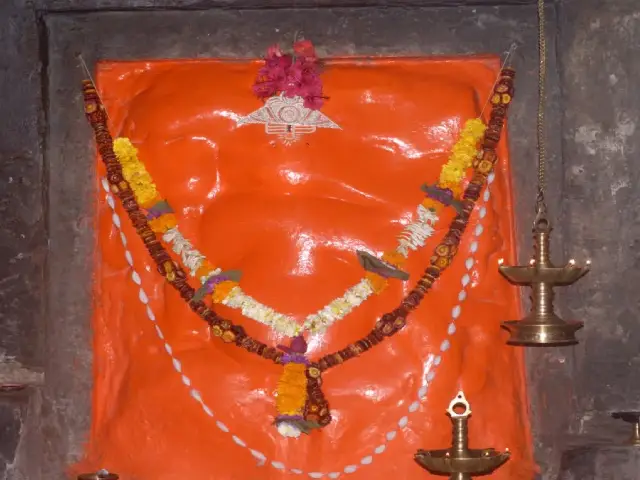
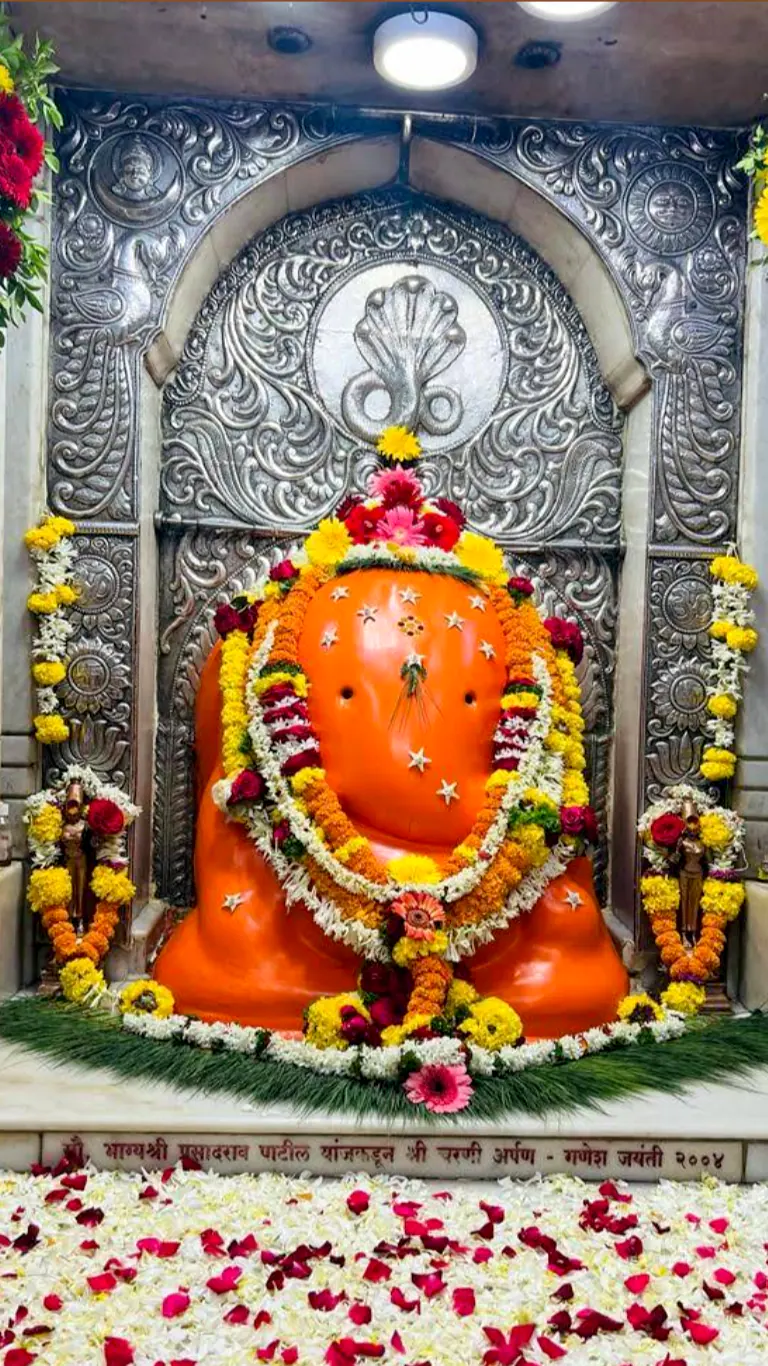
The primary sanctum houses the stone idol of Sri Prasanna Ganapati. In Hindu iconography, the “Prasanna” posture represents the deity in an auspicious, peaceful state, extending blessings to householders and seekers. The idol is regularly adorned in traditional alankara (decorative vestments), varying from turmeric and sandalwood paste to intricate flower and silver embellishments depending on the day of the week.
Subsidiary Shrines
The temple compound houses subsidiary shrines that allow visitors to complete a comprehensive traditional worship cycle:
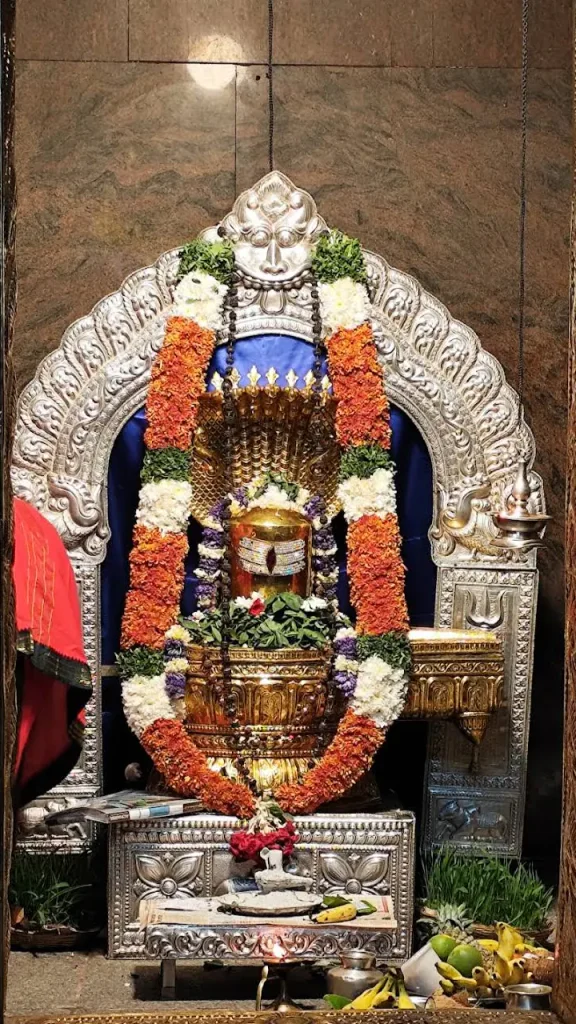
- Lord Shiva: Often represented as a Shiva Linga, underscoring the Shaivite connection to Ganesha.
- Goddess Parvati / Durga: Honoring the divine mother.
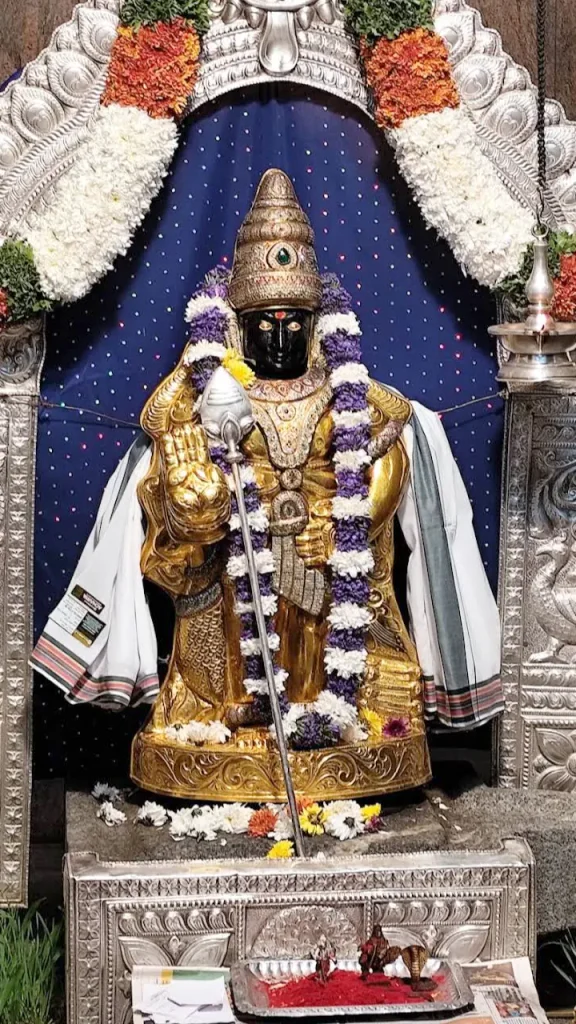
- Lord Subramanya (Murugan): Worshipped alongside his brother Ganesha.
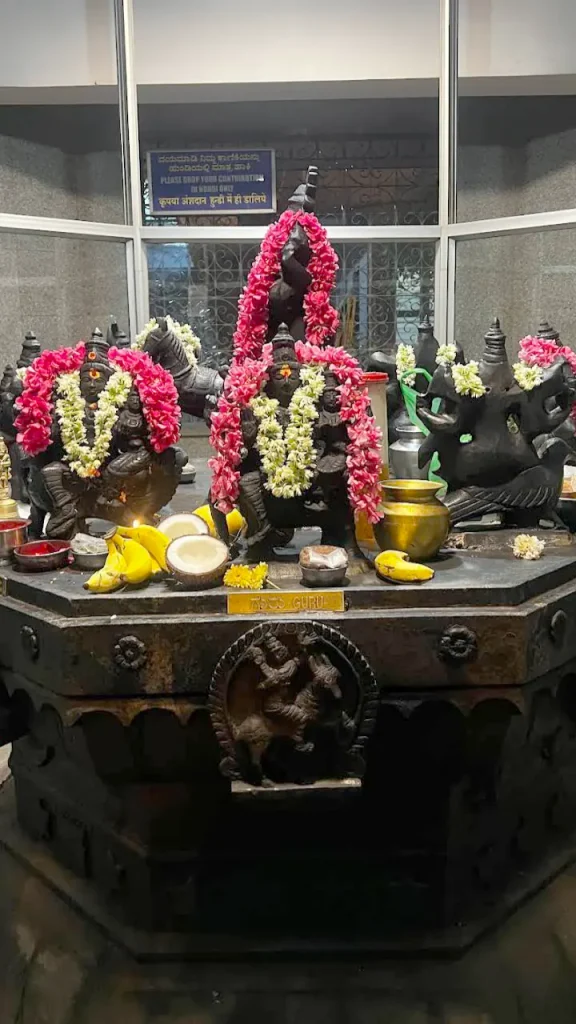
- Navagraha Shrine: A dedicated nine-planet enclosure situated along the circumambulation path where devotees perform customary pradakshina to mitigate planetary doshas.
- Lord Anjaneya (Hanuman): Frequently visited by devotees, especially on Saturdays.
Temple Timings & Darshan Schedule
The temple follows a bifurcated daily schedule common to south Indian Hindu shrines, closing during afternoon hours for sanctum rituals and maintenance.
General Weekday Timings
- Morning Session: 06:30 AM to 11:30 AM
- Afternoon Break: Closed from 11:30 AM to 05:30 PM
- Evening Session: 05:30 PM to 08:30 PM
Tuesdays and Special Observances
- Tuesdays & Fridays: Evening darshan frequently extends to 09:00 PM due to heavy devotee queues.
- Sankashti Hara Chaturthi: The monthly lunar observance dedicated to Ganesha sees extended evening hours. The temple typically remains open later into the night until the moonrise puja and special abhishekam conclude.
Note: Timings are subject to administrative adjustments during solar/lunar eclipses and state public holidays. Confirm with the temple trust counter if planning an early morning ritual.

Pujas, Sevas & Offerings
Devotees can participate in community worship or book specific individual sevas at the administrative counter located within the temple premises.
Common Sevas Performed
- Archana: Individual or family name chanting (nama-nakshatra) performed by the temple priests at the main sanctum.
- Abhishekam: Ritual bathing of the deity using milk, curd, honey, panchamrita, and tender coconut water, primarily organized during morning hours or on specific lunar days.
- Ganapati Homam: Performed on special request or during communal festival days to clear obstacles and foster well-being.
- Garland Offerings: Garlands made of Arugampul (durva grass) and Erukku (calotropis / crown flower) are considered deeply sacred to Ganesha and can be offered directly at the counter.
- Modaka & Laddu Naivedyam: Devotees may sponsor or offer traditional sweets as naivedyam, which is distributed back as prasadam after sanctification.
Financial Transparency: Seva fees range from nominal contributions for archana to fixed rates for detailed homams. Payments are accepted at the temple office counter, with cash and digital UPI payments widely utilized.
Keep Reading >> Bande Mahakali Temple Bangalore
Festivals & Important Days
The temple experiences substantial crowd surges during major Hindu festive periods:
Vinayaka Chaturthi (Ganesha Utsava)
The most important annual event at the temple. Spanning several days during the Bhadrapada month (typically August or September), the temple features:
- Elaborate thematic flower decorations (pushpa alankara).
- Continuous Vedic chanting and special homams throughout the day.
- Extended darshan queues spilling onto the exterior pedestrian walkways.
- Daily distribution of maha-prasadam to thousands of devotees.
Monthly Sankashti Chaturthi
Observed on the fourth day after the full moon (Krishna Paksha Chaturthi). Devotees observing day-long fasts arrive in the late evening to witness the special abhishekam, moonrise darshan, and receive prasadam.
New Year’s Day (January 1) & Ugadi
Given its role as a neighborhood anchor, thousands of local residents queue from early morning on the Gregorian New Year and the Kannada New Year (Ugadi) to seek blessings for prosperity in their personal and professional endeavors.
Dress Code & Temple Etiquette
To ensure a respectful experience, visitors should observe standard temple customs:
- Attire: Traditional Indian clothing (dhotis, kurtas, sarees, salwar kameez) is preferred. Conservative casual wear (jeans, full-length trousers, modest tops) is generally accepted. Avoid shorts, beachwear, or sleeveless clothing.
- Footwear: Footwear must be removed before stepping onto the temple’s raised threshold. A designated shoe-keeping area is provided near the exterior entrance.
- Sanctum Photography: Strictly prohibited. Visitors may not take photos or record videos of the main deity inside the garbhagriha.
- Mobile Phones: Must be switched off or silenced before entering the inner hall.
- Circumambulation: Keep to the left when performing pradakshina around the sanctum and the Navagraha enclosure to maintain an orderly flow.
Architecture & Temple Layout
The Sri Prasanna Ganapati Temple features contemporary Dravidian architecture tailored for an urban plot:
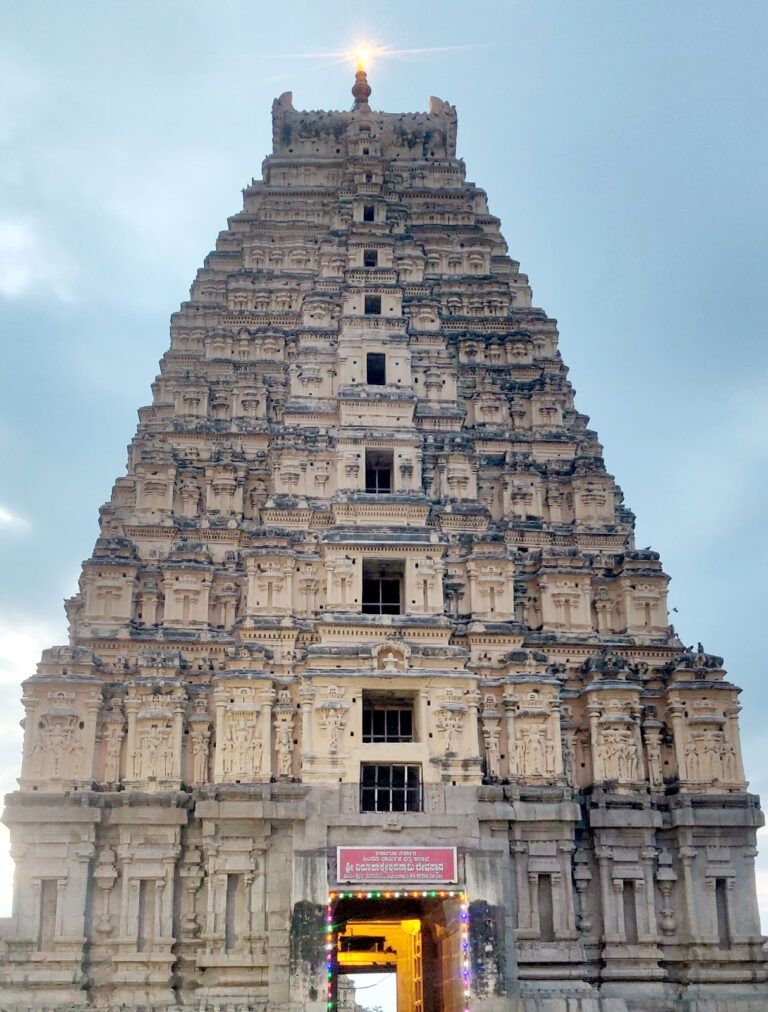
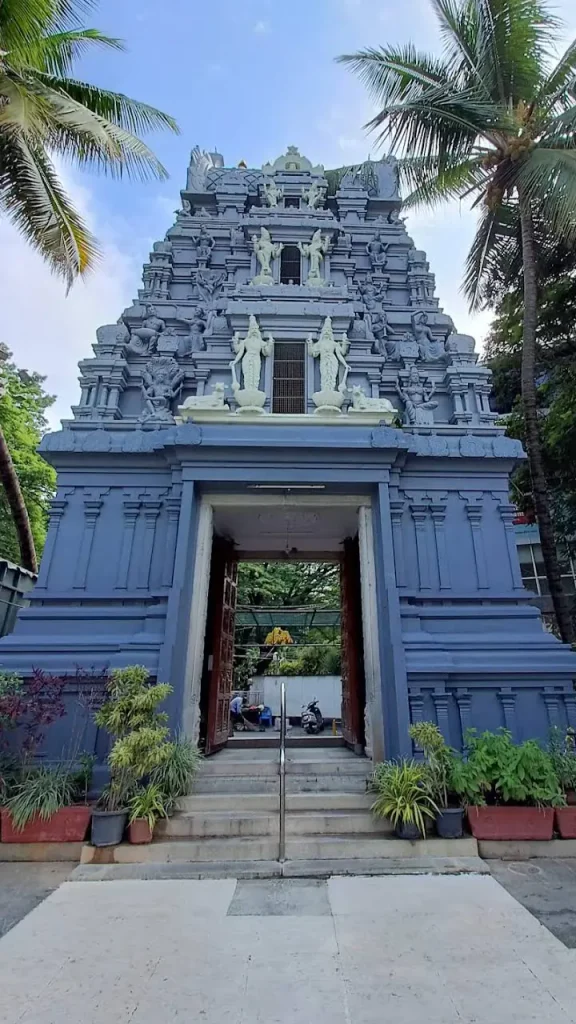
- Raja Gopuram: An ornate, multi-tiered entrance tower adorned with brightly painted stucco figures depicting various manifestations of Lord Ganesha, Shiva, and Parvati.
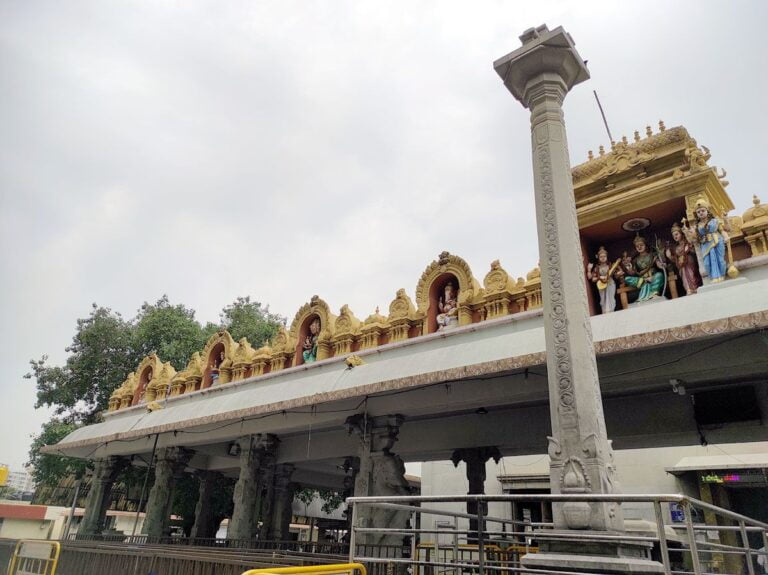
- Mukha Mandapa: A covered, pillared gathering hall that shields waiting devotees from heat and seasonal monsoon rains. The ceiling and upper walls often display panels narrating stories from Ganesha’s life.
- Garbhagriha (Sanctum Sanctorum): The inner stone chamber housing the primary consecrated idol of Sri Prasanna Ganapati, framed by a silver-plated doorway (Dwara).
- Parikrama Path: A clean, paved circumambulation corridor around the sanctum housing the subsidiary shrines.
How to Reach the Temple
By Road / Taxi
Koramangala is centrally located in south Bengaluru. App-based aggregators (Ola, Uber, BluSmart) and auto-rickshaws easily reach the temple via 80 Feet Road or Sarjapur Main Road. Simply set the destination to “Sri Prasanna Ganapati Temple, 8th Block, Koramangala.”
By BMTC City Bus
The temple is accessible via several nearby Bangalore Metropolitan Transport Corporation (BMTC) bus stops:
- Koramangala 8th Block Bus Stand / Canara Bank Stop: Within walking distance (~300–500 meters).
- Koramangala Bus Depot / Water Tank Stop: Connected by frequent buses from Majestic (Kempegowda Bus Station), Shivajinagar, and KR Market. Useful routes include the 340, 341, and 342 series along with peripheral feeder lines.
By Namma Metro
- Current Operational Connections: The nearest functioning metro stations are on the Green Line (Rashtriya Vidyalaya Road or South End Circle, ~7–8 km away) and the Purple Line (Indiranagar or Trinity, ~6–7 km away). From these stations, commuters take auto-rickshaws or BMTC feeder services into Koramangala.
- Note on Upcoming Lines: Ongoing developments on Namma Metro’s Yellow Line (Silk Board / Jayadeva junction) and Pink Line will significantly reduce transit times from electronic manufacturing hubs and central stations once fully integrated.
Parking Realities
- Two-Wheelers: Limited roadside parking is generally accessible along the surrounding residential streets.
- Four-Wheelers: Parking a car directly outside the temple is extremely difficult during peak morning and evening puja hours due to narrow residential cross-roads and traffic on 80 Feet Road. Drivers are advised to use designated public parking areas in nearby commercial complexes and walk the final 200–400 meters.
Visitor Facilities
- Footwear Counter: Safe storage for shoes and sandals outside the main entry.
- Prasadam Counter: A counter distributing holy water (tirtha), kumkuma, vibhuti, and selling packaged dry prasadam (such as laddus or mixture) after morning and evening sevas.
- Seva Booking Desk: An on-site administrative window to book archanas, donate for temple maintenance, and schedule upcoming pujas.
- Seating: Basic stone or bench seating along the outer perimeter for senior citizens.
- Accessibility: The entrance features minimal steps; however, ramp infrastructure for wheelchairs is limited. Senior citizens requiring physical assistance can approach volunteers during non-peak hours for closer access.
Best Time to Visit
| Timeframe | Crowd Level | Experience |
| Weekdays (07:00 AM – 08:30 AM) | Low to Moderate | Ideal for quick darshan and quiet prayer before work hours. |
| Weekdays (10:00 AM – 11:15 AM) | Low | Easiest period for senior citizens and young children to walk unhindered. |
| Tuesday & Friday Evenings | High | Vibrant, musical chanting, but longer queues. Expect a 20–40 minute wait. |
| Sankashti Chaturthi Evenings | Very High | Heavy crowd of devotees waiting for moonrise rituals and special prasadam. |
| Ganesha Chaturthi Week | Peak | Massive attendance from across Bengaluru; extensive crowd control barricades in place. |
Nearby Places to Visit
Visitors combining their temple visit with a broader city itinerary can explore several notable destinations within a 3 to 6 km radius:
- Adugodi / Koramangala Shopping & Dining: A brief walk brings you to 80 Feet Road and 100 Feet Road, featuring hundreds of prominent cafes, South Indian breakfast spots, and bookstores.
- Koramangala 8th Block Park: A quiet public park directly nearby, suitable for a relaxed morning walk.
- Sri Surya Narayana Swamy Temple (Domlur): Located approximately 4.5 km away, this is one of the rare Sun temples in Karnataka, celebrated for its unique Chola-style architecture.
- Ragigudda Sri Prasanna Anjaneya Temple (Jayanagar): Located roughly 6 km west, a major hillside Hanuman temple with extensive gardens and an artificial waterfall.
Practical Tips for First-Time Visitors
- Keep Small Currency or UPI Active: While archana tokens can be purchased via UPI, carrying smaller currency notes (₹10, ₹20, ₹50) is helpful for flower vendors outside the gate.
- Plan Around Traffic Surges: Koramangala experiences dense traffic between 06:00 PM and 08:30 PM on weekdays. If traveling by cab, budget an extra 20–30 minutes for transit.
- Carry a Bag for Footwear if Visiting in Monsoons: The open pavement can get damp during sudden Bengaluru showers; having personal shoe bags makes managing footwear easier.
- Respect Queue Lines: On festival days and Tuesdays, follow the demarcated queue railings for archana darshan versus quick viewing (mukha darshan).
FAQ SECTION
Where is Sri Prasanna Ganapati Temple located?
The temple is situated in 8th Block, Koramangala, Bengaluru, Karnataka 560095, easily reachable from 80 Feet Road and Sarjapur Main Road.
What are the standard morning and evening timings of the temple?
The temple is typically open from 06:30 AM to 11:30 AM in the morning, and from 05:30 PM to 08:30 PM in the evening. Hours are often extended on Tuesdays, Fridays, and festival nights.
Is there an entry fee to visit Sri Prasanna Ganapati Temple?
No. General darshan is free for all visitors. Only specific individual rituals, such as archana or special homams, carry fixed ticket rates at the counter.
What should visitors wear to the temple?
Visitors should wear modest attire. Traditional Indian dress (dhoti, kurta, saree, salwar kameez) or conservative casual wear covering shoulders and knees is recommended. Shorts and sleeveless tops should be avoided.
Is photography allowed inside the temple?
No. Photography and videography are strictly prohibited inside the inner sanctum sanctorum (garbhagriha).
What is the nearest metro station to the temple?
The nearest operational stations are on the Green Line (Rashtriya Vidyalaya Road or South End Circle) and the Purple Line (Indiranagar), each approximately 6 to 8 km away by road. Commuters typically complete the journey using auto-rickshaws or city buses.
When is the best day to visit Sri Prasanna Ganapati Temple?
For a quiet, relaxed darshan, visit between 09:30 AM and 11:00 AM on weekdays (Monday to Thursday). For traditional festive energy and special alankara, visit on a Tuesday evening or on the monthly Sankashti Hara Chaturthi.
Is dedicated car parking available at the temple?
No. The temple does not have a private car parking lot. Visitors traveling by four-wheeler must park along available residential side streets or use commercial parking lots on nearby main roads and walk to the temple.
Are other deities worshipped at this temple?
Yes. Alongside the presiding idol of Sri Prasanna Ganapati, the temple complex features shrines dedicated to Lord Shiva, Goddess Parvati, Lord Subramanya, Lord Anjaneya (Hanuman), and the Navagrahas (nine planets).
What offerings can I bring for Lord Ganapati?
Common traditional offerings include durva (arugampul) grass, calotropis flower garlands, coconuts, bananas, and traditional sweets like modakas. Fresh flowers and garland offerings can also be purchased from vendors outside the entrance.