Understanding Skanda Sashti Fasting & Significance: The Complete Guide to Lord Murugan’s Sacred 6-Day Vratam
1. Welcome to Skanda Sashti: An Invitation to Light and Courage
Have you ever felt like life is throwing too much noise at you all at once? Between school, daily jobs, chores, and endless notifications on our phones, our minds can get cloudy. We sometimes feel anxious, tired, or stuck.
Centuries ago, wise elders gave us simple ways to pause, reset, and clean out that clutter. One of the most powerful traditions is called Skanda Sashti Fasting.

Skanda Sashti is a six-day festival celebrated with devotion, joy, and deep self-discipline. It is dedicated to Lord Murugan, also known as Skanda, Kartikeya, Subrahmanya, and Shanmukha. He is celebrated as the God of courage, pure wisdom, and protection. During these six days, millions of people around the world fast. They eat very light food, put away angry thoughts, pray, and chant.
Why do so many people stop eating rich food and spend six full days in quiet focus?
The answer is simple: Skanda Sashti is a celebration of courage over fear.
Every single one of us fights quiet battles inside our own hearts. Sometimes our enemy is jealousy. Sometimes it is anger. Sometimes it is self-doubt that whispers, “You are not good enough.”
Skanda Sashti shows us that when you keep your mind clear and your heart clean, goodness wins every single time. It is not just an ancient story in a book. It is a living, breathing guide for your everyday life.
Skanda Sashti at a Glance
| Feature | Details |
| Festival Name | Skanda Sashti (also spelled Kanda Shasti) |
| Deity Honored | Lord Murugan (Kartikeya / Subrahmanya) |
| Duration | 6 continuous days (from Shukla Paksha Prathama to Sashti) |
| Tamil Month | Aippasi (usually falls in late October or November) |
| Core Practice | Vratam (spiritual fasting, mindful speech, prayer, charity) |
| Key Chants | Kanda Sashti Kavasam, Om Saravanabhavaya Namaha |
| Peak Day Event | Soorasamharam (The victory over the demon king on Day 6) |
| Next Day Blessing | Tirukalyanam (The divine wedding of harmony and peace on Day 7) |
When you decide to observe this fast, you are taking time to care for your inner self. You say no to greed, you give your stomach a healthy break, and you say yes to gratitude.
2. Who is Lord Murugan? The Child of Fire, Wisdom, and Compassion
To truly understand the fast, we must meet the divine personality at its center: Lord Murugan.
Across Tamil Nadu, Kerala, Karnataka, Andhra Pradesh, Sri Lanka, Malaysia, Singapore, and across the globe, Murugan is loved as an accessible, kind, and protective deity. He is seen as the ever-youthful guide who runs to help anyone calling his name with an open heart.
The Divine Birth: Six Sparks of Pure Energy
Long ago, the heavens and the earth were troubled by dark, greedy forces led by an ego-driven king named Soorapadman. The gods could not defeat him with weapons because his ego was fed by selfish desires and boons. They needed a leader born of pure truth, fire, and consciousness.
They turned to Lord Shiva, the great yogi of Mount Kailash.
Lord Shiva entered deep meditation. From his forehead—his third eye, which represents supreme wisdom—flew six divine sparks of golden fire. These sparks were so bright and hot that only the wind god (Vayu) and the fire god (Agni) could gently guide them toward the holy river Ganga. Ganga carried them to a beautiful pool filled with fragrant lotus blossoms, known as the Saravana Poigai.
In that crystal-clear water, the six sparks cooled down and turned into six glowing, divine baby boys.
Six celestial maidens, known as the Krittikas (the Pleiades star cluster), were asked to nurse and care for the babies. Because these loving mothers brought him up, he was named Kartikeya.
Soon, Goddess Parvati (Mother Uma) arrived at the lakeside with Lord Shiva. Looking down with tears of joy, Parvati gathered all six infants into her arms at once. As her motherly embrace touched them, the six babies merged into one magnificent child with six faces and twelve strong arms.
He was named Shanmukha (the Six-Faced One) and Murugan—a word that in ancient Tamil means “beauty, youth, sweetness, and divine life.”
The Six Sacred Abodes (Arupadai Veedu)
Lord Murugan does not reside only in heaven; he chose six holy hill-shrines across Tamil Nadu to stay close to his devotees. Each of these abodes, known as an Arupadai Veedu, reflects a stage of human life and spiritual victory:
- Tiruparankundram (near Madurai):The place of joy, self-realization, and divine union. Here, Murugan married Devasena, showing that discipline leads to spiritual fulfillment.
- Tiruchendur (on the shore of the southern sea):The site of the great battle. It stands on golden beaches where the waves splash against stone walls. Here, Murugan conquered Soorapadman and turned fear into devotion.
- Palani (Dindigul district):The hill of pure detachment and peace. Here, Murugan stands as an ascetic youth holding a staff, wearing only simple cloth. It teaches us that the greatest wealth in life is wisdom, not gold or fancy toys.
- Swamimalai (near Kumbakonam):The hill of supreme knowledge. Here, Murugan became the teacher (Guru) to his own father, Lord Shiva, explaining the secret, cosmic meaning of the sacred syllable “OM” (Pranava Mantra).
- Thiruthani (near Tirupati):The hill of peace and cool calm. After exhausting battles, Murugan rested here to quiet his mind and bring joy back to his devotees.
- Pazhamdircholai (near Madurai):The hill surrounded by cool streams and green forests. Here, Murugan stands with both of his consorts, Valli and Devasena, blessing families with harmony, health, and happiness.
The Mystery of the Sacred Vel: What Does the Spear Mean?
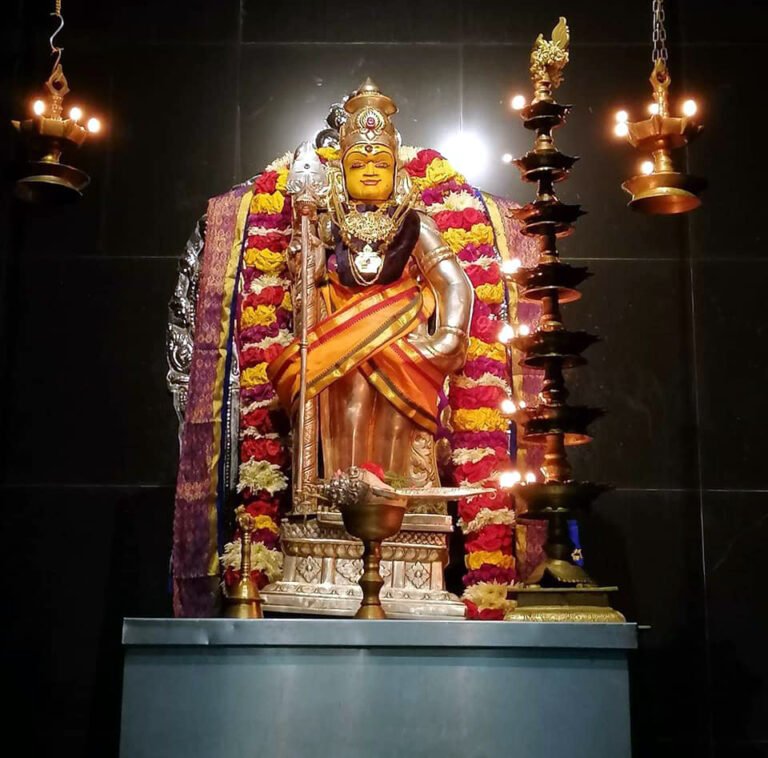
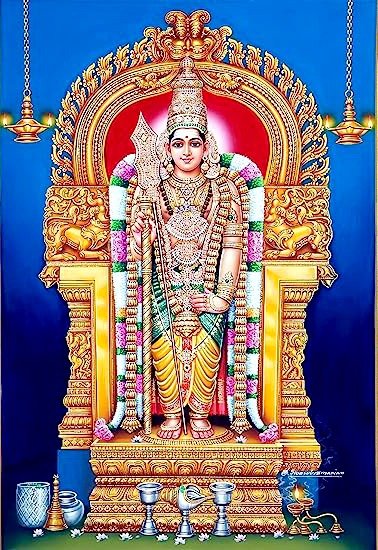
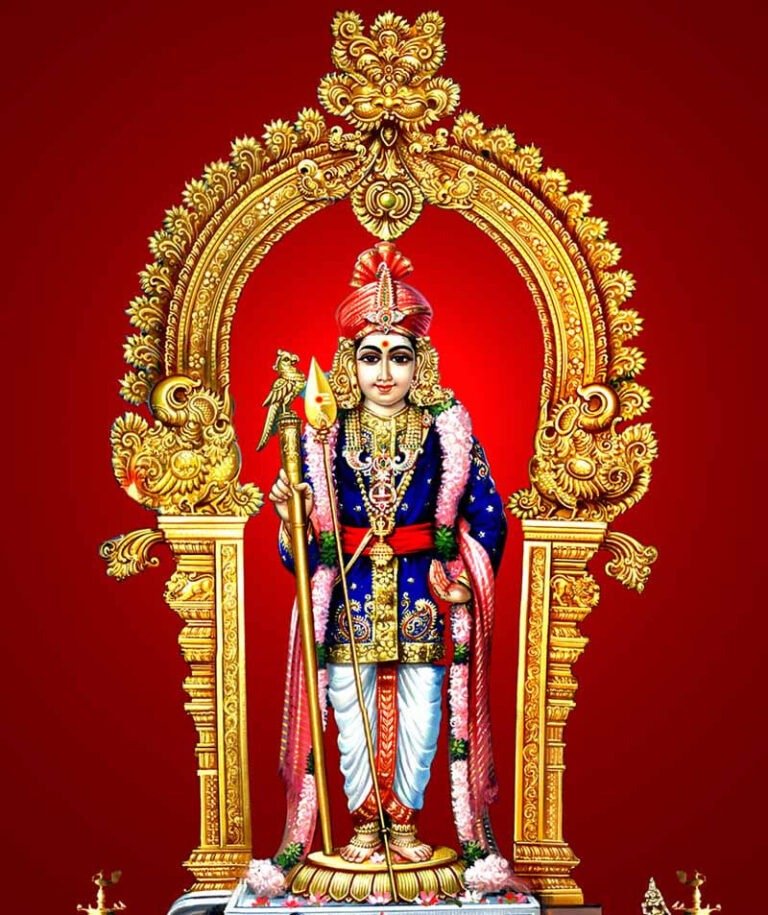
Whenever you see an image or statue of Lord Murugan, you will see a brilliant golden spear in his hand. This spear is called the Vel.
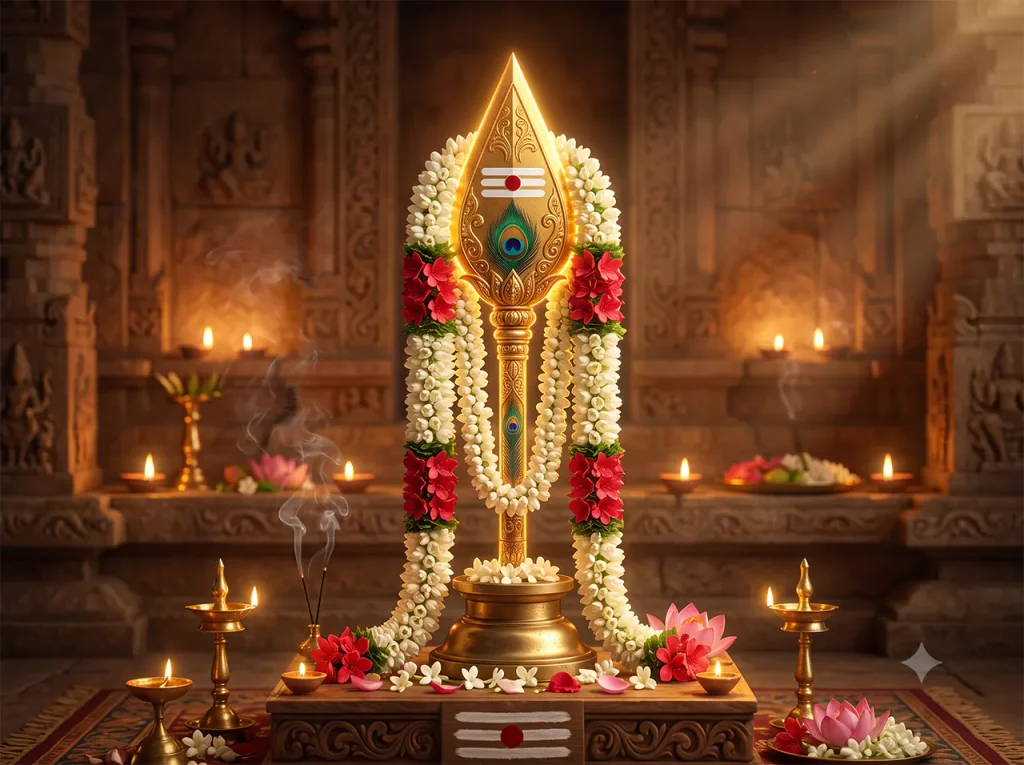
Mother Parvati gave this Vel to Murugan before he went to face the darkness. The Vel is not an ordinary metal weapon made by a blacksmith. It is an emblem of Jnana Shakti—the power of pure, shining intellect.
Look closely at how a Vel is shaped:
- The Base is Long: This means your knowledge must be grounded, deep, and steady.
- The Middle is Broad: This means your understanding of the world and other people must be wide, generous, and compassionate.
- The Tip is Sharp: This means your thinking must be focused, clear, and razor-sharp to pierce through confusion.
When we hold the memory of the Vel in our hearts during Skanda Sashti, we are asking God: “Please sharpen my mind. Remove my silly doubts. Cut away my laziness, and help me see the truth clearly.”
3. The Epic Story of Soorasamharam: Transforming Darkness into Light
Every epic story has a conflict. The story of Skanda Sashti is one of the most exciting, meaningful tales ever told.
The Tyranny of Soorapadman
Millions of years ago, a king named Soorapadman ruled the earthly and ocean realms. He performed intense penances for thousands of years. Pleased by his sheer dedication, Lord Shiva granted him extraordinary boons: no force born naturally of woman or man could ever defeat him, and he would rule over the worlds for millions of years.
Instead of using this incredible power to build schools, feed the poor, or bring happiness to his subjects, Soorapadman let pride poison his heart.
His ego whispered: “Nobody is greater than you. You own the universe.”
Soorapadman gathered his fierce brothers, Tarakasuran and Simhamukhan, along with an army of cruel warriors. They captured the gods (Devas), chained them, and forced them into hard labor. Indra, the king of the gods, had to hide in fear. The universe fell out of balance. Flowers stopped blooming willingly, the sun burned with harsh heat, and people lived in sorrow.
The Devas wept and cried out to Lord Shiva. In his boundless mercy, Shiva created Kartikeya—an incarnation born outside of mortal birth, unburdened by human flaws, and filled with limitless divine courage.
The 6-Day Cosmic Battle: Step by Step
Murugan, still a young commander (Senapati), marched south with his mighty general, Veerabahu, and a dedicated army. He set up his camp near the southern ocean at Tiruchendur.
Murugan did not start fighting right away. Because he was wise and fair, he first sent Veerabahu as a messenger of peace to Soorapadman’s golden palace in the sea.
Veerabahu said: “King Soorapadman, release the innocent gods. Stop hurting people. Lord Murugan is ready to forgive you if you bow your head in peace.”
Soorapadman laughed aloud. His throne room shook with his arrogant pride. He kicked the messenger out.
The battle was unavoidable. Over six dramatic days, the dark forces fell one by one:
- Day 1: Murugan’s forces met the outer lines of the demon army. The illusions created by darkness began to shatter against Murugan’s clear light.
- Day 2: The demon commander Tarakasuran entered the battlefield. He could turn mountains into weapons. Murugan raised his divine Vel; the spear split Tarakasuran’s illusions, bringing balance back to that corner of the earth.
- Day 3: The fierce giant Simhamukhan took the field. He possessed the power of a million roaring lions. Yet, when he faced the youthful Murugan, his heart felt a sudden pang of shame. Recognizing Murugan’s divine majesty, Simhamukhan bowed right before he fell, and Mother Parvati blessed his soul to serve as her sacred lion mount.
- Day 4 & Day 5: Soorapadman lost his sons, his generals, and his war chariots. His vast fortresses tumbled down. Yet, his stubborn ego refused to say: “I made a mistake.” He retreated deep into the ocean.
- Day 6 (The Day of Soorasamharam): The grand finale took place on the sands and waters of Tiruchendur.
Soorapadman used dark sorcery (Maya) to hide. He turned himself into a massive, frightening sea monster, then into a giant tidal wave, and finally into a gigantic, dark Mango Tree planted firmly on the ocean floor. The branches reached into the clouds, dropping burning fire and confusion on everyone.
Murugan stood calm upon the shore. He drew his shining Vel, whispered a blessing of universal truth, and hurled it across the water.
The golden spear plunged through the ocean, splitting the massive dark mango tree straight down the center.
The Transformation: True Mercy
In ordinary wars, when a hero strikes down a villain, the story ends with destruction. But Indian spiritual stories carry a much deeper heart.

Lord Murugan did not destroy Soorapadman’s soul. He destroyed his ego.
The split tree did not fall as rotten wood. By Murugan’s grace:
- One half turned into a magnificent, colorful peacock with feathers like the night sky.
- The other half turned into a proud, brave rooster whose morning crow announces the sunrise.
The peacock bowed its neck, and Murugan climbed onto its back, making it his eternal mount (Vahana). He took the rooster and placed it on his golden battle banner (Dhwaja).
Instead of banishing his enemy to eternal darkness, Murugan drew him into his daily presence. Soorapadman’s soul was cleaned of pride and given the highest honor: to stand beside the Lord forever.
The Real Battle Lives Inside You
When you read this story, do not look only at the ocean at Tiruchendur. Look inside your own chest.
- Soorapadman is our runaway ego—the voice that says, “I know better than my parents,” or “I want more toys than my neighbor.”
- Tarakasuran is our laziness and stubborness.
- Simhamukhan is our wild, uncontrolled anger.
- The Sacred Vel is our focused, quiet intelligence.
- Lord Murugan is the peaceful spirit within us that can tame any wild storm.
When you fast and pray during Skanda Sashti, you are not fighting an ancient demon. You are asking Lord Murugan to aim his Vel at your personal bad habits, turning your flaws into beautiful strengths, just like he turned the dark tree into a shining peacock.
4. Why Observe Skanda Sashti Vratam? The Deep Significance
Fasting is an ancient practice found in almost every wisdom tradition around the world. But Skanda Sashti fasting is unique. It is not done out of fear or guilt. It is done with joyful love and cheerful determination.
Devotees call this practice a Vratam—a sacred, intentional promise made between you and God.
1. Calming the Restless Mind (Spiritual Purification)
Have you ever tried sitting still in a chair for ten minutes without looking at a screen or talking? It feels hard. Our thoughts race around like playful monkeys swinging from branch to branch.
When you fast, you quiet the body down. Because your stomach does not have to spend energy digesting heavy foods like fried snacks, cheese, and sweets, your physical body feels light.
That lightness travels straight to your brain. You find it easier to read, meditate, sleep soundly, and remain patient with people who annoy you.
2. Giving Your Body a Rest (Physical Detoxification)
Our digestive system works non-stop, day and night, 365 days a year.
During Skanda Sashti, by sipping warm water, fresh coconut water, or enjoying small servings of fruit, you give your digestive tract a gentle rest. Your cells have time to clean out built-up waste. Devotees often notice that after two or three days of simple eating, their skin clears up, their eyes brighten, and that heavy morning grogginess disappears.
3. Conquering Fears and Life Obstacles
Murugan’s very presence is synonymous with fearless confidence. In Tamil, there is a beloved proverb:
“Sattiyil irundhadhu Agappaiyil varum.”
(Commonly interpreted as: “If it is stored in the pot, it will pour out in the ladle.” But spiritually understood as: “If your heart holds the grace of Sashti, your life will overflow with peace and safety.”)
People who face big worries—such as exams, interviews, workplace stress, health issues, or family disputes—find renewed courage during this fast. You remind yourself: If Lord Murugan can handle a giant ocean army with a single spear, he can surely help me solve my small problems.
4. Special Blessings for Children and Family (Sashti Vratam for Parenthood)
For centuries, couples longing for a child have turned to the Skanda Sashti vratam. Lord Murugan is celebrated both as a divine child and as a protector of youth.
Couples fast together, pray with deep sincerity, and ask for a child blessed with health, good character, and intelligence. Countless families share stories of prayers answered after observing this six-day fast with faith.
5. The 6-Day Fasting Rules: A Practical Step-by-Step Blueprint
Spiritual practices should make your life better, not miserable. The best fast is one that fits your personal health, your age, and your daily responsibilities.
Lord Murugan does not ask you to harm your body. He looks for sincere love, a calm temper, and honest effort.
Choose Your Fasting Level
Before starting on Day 1, take a deep breath and pick the level that matches your health. Never force yourself into a harsh fast if you are not ready.
Level 1: The Strict Fast (Nirjala / Jala Vratam)
- What it is: Consuming only plain water throughout the day, or going without water from sunrise to sunset.
- Who it is for: Experienced spiritual seekers and healthy adults who have practiced intermittent fasting for years.
- Important Note: Not recommended for growing school students, working professionals who must drive or do physical labor, or anyone without prior fasting experience.
Level 2: The Fruit and Milk Fast (Phalahar)
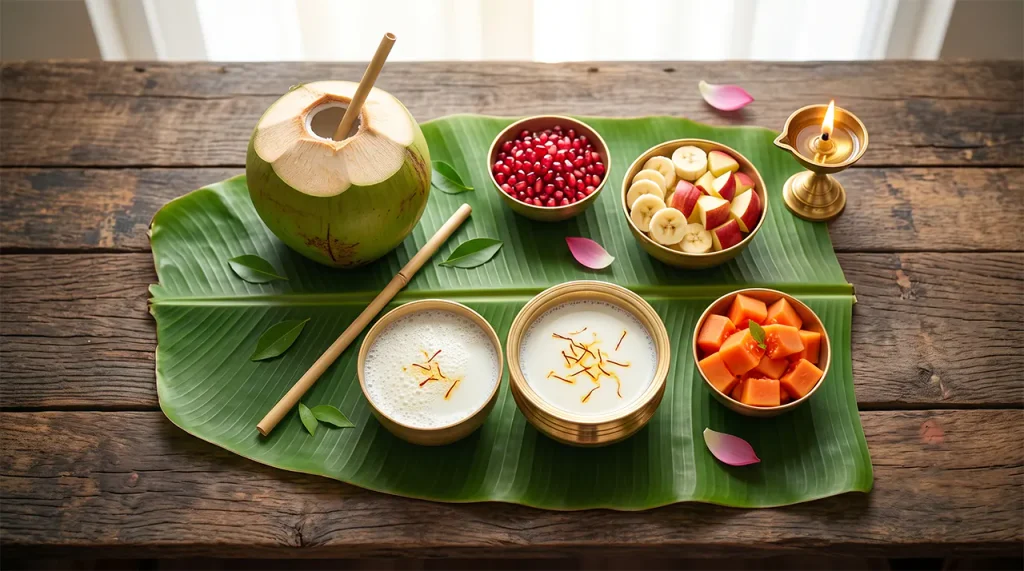
- What it is: Drinking fresh milk (or plant-based milk), tender coconut water, and eating small portions of fresh, seasonal fruits (such as bananas, apples, pomegranates, and papaya) two or three times a day.
- Who it is for: Most healthy adults and older teens. It keeps your blood sugar steady while keeping your system light and calm.
Level 3: The One-Meal Fast (Oru Pozhudhu)
- What it is: Fasting throughout the day on liquids (warm water, herbal tea, buttermilk), and sitting down to one simple, wholesome Satvik meal late in the afternoon or right after sunset prayer.
- The Food: Plain boiled rice with mild dal (lentils), steamed vegetables, a touch of ghee, and fresh curd. No onions, no garlic, no excessive spices.
- Who it is for: The most practical and sustainable option for working people, busy parents, and college students.
Level 4: The Beginner & Health-Conscious Fast
- What it is: Eating simple, easily digestible meals (such as warm rice porridge/kanji, idlis with mild coconut chutney, or steamed vegetables) with plenty of fluids throughout the day.
- Who it is for: Beginners, elderly devotees, or anyone who feels lightheaded without food.
Pre-Fast Preparation (The Eve of Sashti)
Success in fasting comes from good planning on the day before:
- Clean your home: Sweep, dust, and clean your prayer corner. A clean home naturally brings peace to your mind.
- Stock your kitchen: Buy fresh fruits, lemons, tender coconuts, and clean lentils so you do not need to rush to crowded markets during your fast.
- Eat a light dinner: On the night before Day 1, avoid heavy, greasy, or spicy foods. A bowl of warm soup or porridge helps your stomach transition comfortably into fasting mode the next morning.
Your Daily Routine During the 6 Days
To get the most out of your fast, keep your daily rhythm calm, predictable, and clean.
- Wake up early: Rise during the peaceful morning hours (Brahma Muhurtham, between 4:30 AM and 6:00 AM if you can).
- Take a cleansing bath: Bathe with cool or lukewarm water. Put on fresh, simple clothes. Many devotees love wearing light yellow, orange, or white garments, as these colors reflect purity, warmth, and sunshine.
- Light the sacred lamp (Diya): Use sesame oil or pure cow ghee. Watch the golden flame dance; it reminds you of Murugan’s radiant fire.
- Offer simple Naivedyam: You do not need expensive dishes. A single banana, a glass of warm milk, a bowl of soaked raisins, or even just a cup of clean water offered with real love is deeply pleasing to God.
- Chant and Pray: Spend 15 to 30 minutes reciting prayers or sitting in quiet meditation before starting your work.
- Go about your work with mindfulness: Do your schoolwork, job, or family duties with cheerfulness. Let your work be a prayer.
- Evening Sandhya: As the sun sets, wash your hands and feet. Relight the lamp, chant your evening prayers, and then take your fast meal or evening fruits with gratitude.
Strict Do’s and Don’ts for Skanda Sashti
6. Daily Rituals, Prayers, and Mantras for All 6 Days
You do not need to be a Sanskrit scholar or an ordained priest to pray to Lord Murugan. He responds to pure love, honesty, and simplicity.
Here are the most uplifting prayers you can weave into your daily routine.
The Power of Kanda Sashti Kavasam
If you travel through Tamil Nadu or walk past any Murugan temple during Sashti, you will hear a melodic, energetic hymn playing through the speakers: the Kanda Sashti Kavasam.
It was composed in the 19th century by a great saint named Sri Devaraya Swamigal. The word Kavasam means armor or shield. Just as an ancient knight wore a coat of steel plates to protect his body from arrows, this hymn is composed to wrap your physical body, mind, and spirit in an armor of divine sound.
The poem goes through every part of the human body step-by-step:
- It asks Murugan to protect your eyes so you see only kindness.
- It asks him to protect your tongue so you speak sweet, honest words.
- It asks him to guard your heart, your hands, your feet, your thoughts, and your family from negative vibes, jealousy, and fear.
Why Play It at Dawn?
The meter of the hymn is fast, rhythmic, and joyful. Listening to it as the sun comes up lifts morning heaviness, drives away bad dreams, and fills your home with bright, cheerful energy.
Simple Murugan Mantras Anyone Can Recite
If you have only five minutes between getting ready for work or school, sit comfortably, close your eyes, take three deep breaths, and repeat these simple mantras.
1. The Divine Six-Syllable Root Mantra (Shadakshara)
“Om Sa-ra-va-na-bha-va-ya Na-ma-ha”
- How to say it: Om Sah-rah-vah-nah-bhah-vah-yah Nah-mah-hah
- What it means: “I bow to the Divine One who was born in the sacred lake of lotus flowers.”
- The subtle power: Each of the six syllables relates to a quality of consciousness:
- SA: Attracts goodness and prosperity.
- RA: Clears away past mistakes and bad habits.
- VA: Bestows physical health and inner peace.
- NA: Dispels confusion and worries.
- BHA: Cleanses sadness and depression.
- VA: Unites your heart with divine bliss.
2. The Simple Surrender Mantra
“Om Muruga, Sri Muruga, Jaya Jaya Muruga”
- What it means: A warm, child-like call to the Lord: “O Murugan, glorious Murugan, victory and peace to you always.” Repeat this quietly while walking, commuting, or cooking.
3. The Vel Protection Chant
“Vevel Muruga! Vetrivel Muruga!”
- What it means: “O Murugan with the victorious spear!” Devotees call this out together with joy. It lifts low energy and builds instant inner confidence.
How to Offer Puja at Home (A Step-by-Step Guide for Apartments and Small Rooms)
You do not need an elaborate temple hall to welcome Lord Murugan into your home. A tiny shelf or desk corner is plenty.
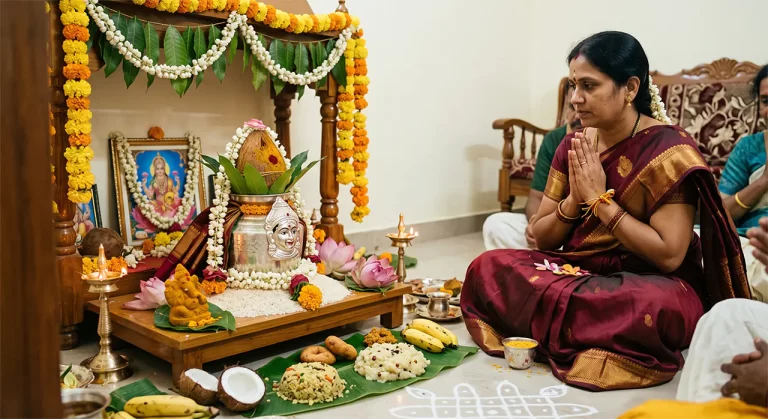
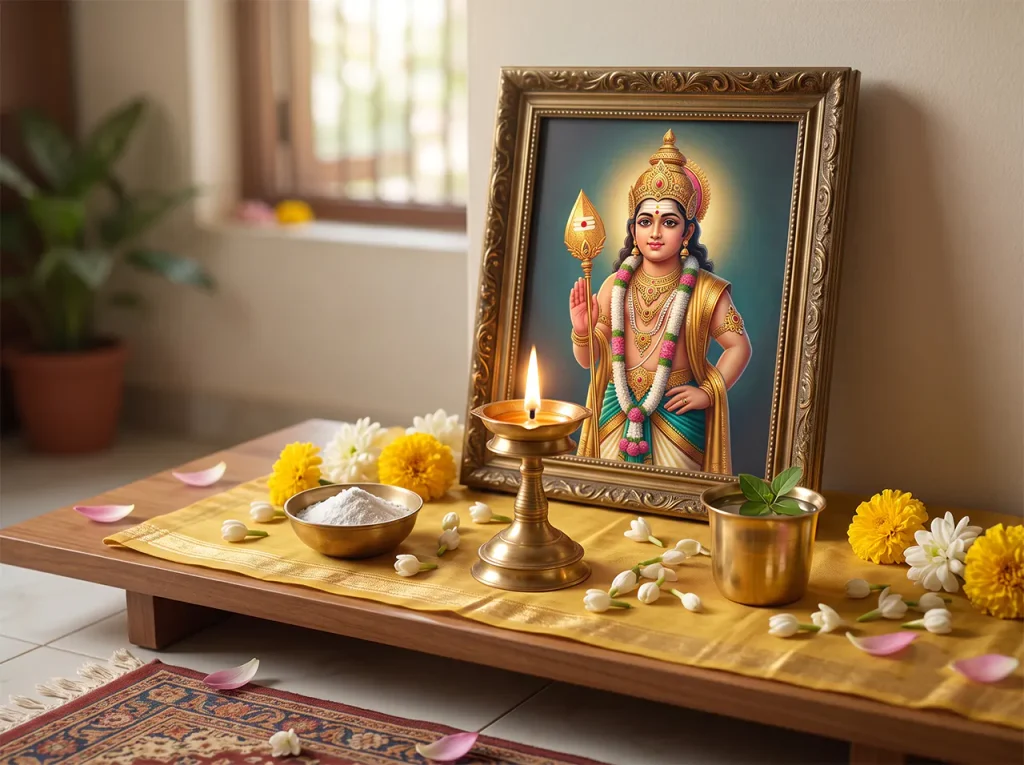
- Prepare your sacred space: Place a clean mat or rug on the floor. Put a small picture of Lord Murugan, or a small brass Vel, on a clean wooden stand or cloth.
- Cleanse with water: Sprinkle a few drops of clean water over the space to refresh it.
- Offer fragrant flowers: Place a fresh, fragrant flower (like jasmine, rose, or marigold) before the picture.
- Apply sacred marks: Offer a small dot of cool sandalwood paste (Chandan) and holy ash (Vibhuti) to the image or Vel, and place a small mark gently upon your own forehead. Vibhuti reminds us to stay humble, reminding us that life is precious and fleeting.
- Light an incense stick and lamp: Let the soft scent clear out stale room air.
- Offer simple food (Naivedyam): Place a peeled banana, a small bowl of dry fruits, or a cup of fresh milk in front of the picture.
- Quiet your heart: Sit quietly for five minutes. Close your eyes. Picture Lord Murugan smiling warmly at you, standing with his peacock and his golden spear. Tell him your hopes, admit your mistakes, ask for strength, and let your worries melt away.
7. The Climax: Soorasamharam and Tirukalyanam
The final two days of the Skanda Sashti period bring a wave of emotion, community joy, and rich, meaningful celebration.
Day 6: The Grand Spectacle of Soorasamharam at Tiruchendur
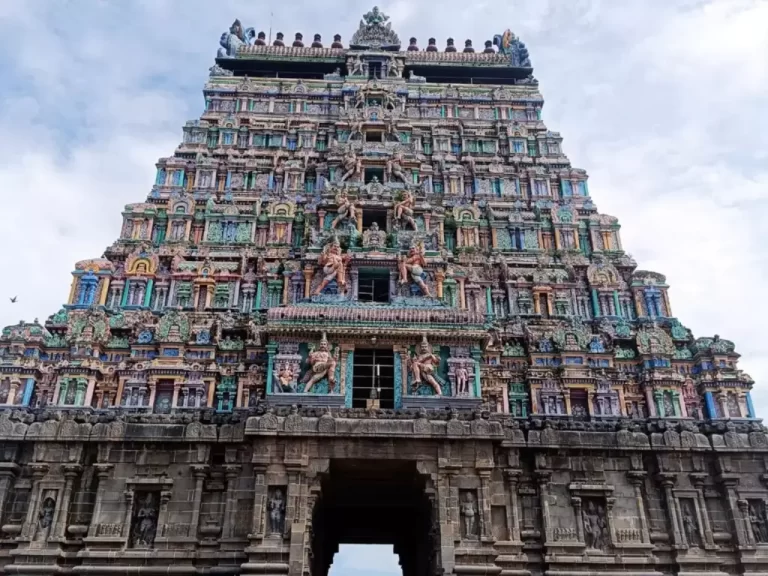
On the sixth day, all eyes turn to the ancient seaside temple of Tiruchendur.
From early morning, hundreds of thousands of people gather along the sandy shores of the Bay of Bengal. The salty sea breeze blows strong. The rhythmic chant of “Vetrivel Muruganukku… Haroharohara!” rolls across the water like thunder.
In the late afternoon, the festival deity of Lord Murugan, mounted on a majestic silver chariot, is carried out to the beach.
Actors and temple servers wearing giant, painted paper-mâché heads emerge, representing Soorapadman, Tarakasuran, and Simhamukhan. What follows is a magnificent, dramatic re-enactment of the ancient battle.
As the sun sets over the horizon, painting the sky in deep pink and gold, Murugan’s spear strikes the giant demon figure for the final time. The crowd erupts in cheers. Instantly, the demon masks are lowered, and in their place, a glittering banner of a rooster and an image of a peacock appear.
People fall to their knees in reverence. Tears of relief stream down faces. The inner message touches every heart: darkness has once again been transformed into light.
Day 7: Tirukalyanam (The Divine Wedding)
The day after the great battle is not about fighting; it is about sweet celebration, balance, and harmony. It is called Tirukalyanam.
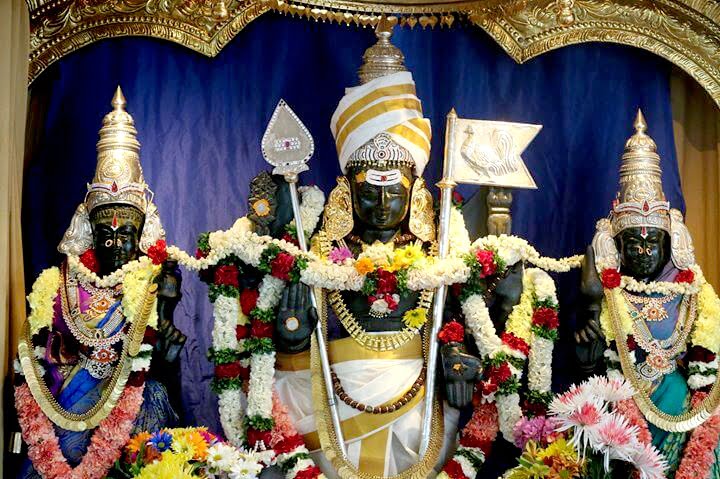
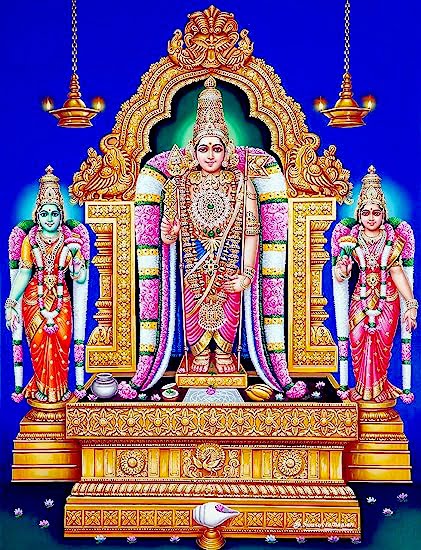
Murugan is united with his divine consorts:
- Devasena: Represents celestial balance, order, and righteous living (Kriya Shakti).
- Valli: Represents the sweet, pure, spontaneous love of a devoted human heart (Iccha Shakti).
When Murugan stands between Valli and Devasena, it shows that when wisdom and loving action walk hand-in-hand, peace fills your home. Temples celebrate this with grand divine wedding ceremonies, complete with fragrant jasmine garlands, festive drumbeats, and the sharing of sweets.
How to Correctly Break Your Fast (Paranai)
Breaking a fast is an art. After six days of light eating or liquid diet, your digestive fire (Jatharagni) is very soft and gentle, like a tiny ember. If you drop a heavy log of wood onto a tiny ember, you put it out.
If you eat oily, heavy, spicy, or fried foods immediately after your fast, you will shock your stomach, resulting in stomach pain, nausea, or intense headaches.
Follow the ancient, time-tested wisdom of the Paranai meal:
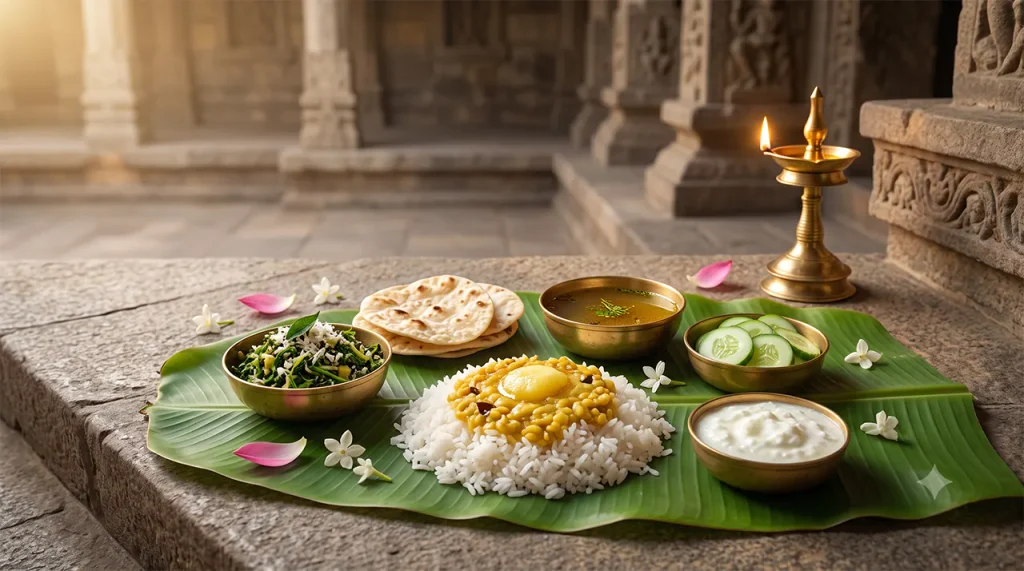
- The Morning Drink:Begin the morning of Day 7 by drinking a glass of warm water mixed with a few drops of fresh lemon juice and a spoonful of honey, or a small cup of amla (Indian gooseberry) juice. This gently cleanses stomach acids.
- The Traditional Agathi Greens (Agathi Keerai):In Tamil tradition, devotees cook Agathi Keerai (hummingbird tree leaves) on Paranai day. This leafy green possesses natural properties that soothe the stomach lining and clear away any built-up digestive heat.
- Moong Dal and Steamed Rice:Enjoy a bowl of soft, well-cooked rice with gentle yellow moong dal, a small drop of pure ghee, and mild cumin rasam.
- Vellarikka (Cucumber) and Curd:A few slices of cooling cucumber and fresh, sweet curd bring balance and healthy probiotics back to your gut.
- Things to Avoid:Stay completely clear of deep-fried fritters, bakery cakes, sodas, heavy chilies, raw onions, and tamarind-heavy foods for at least 24 hours after breaking your fast.

8. Fasting Safely: Important Health and Medical Guidelines
Devotion should bring life, joy, and vitality. It should never be an excuse to harm your body. True Indian spirituality teaches that your physical body is the sacred temple (Devalaya) where your soul resides.
You must protect the temple to keep the inner light shining.
Who Should NOT Observe Strict Fasting?
If you belong to any of the following groups, please do not attempt strict waterless or liquid-only fasts:
- Expectant and Nursing Mothers: Your baby needs a continuous, balanced stream of nutrients. Pray with all your heart, sing hymns, eat wholesome meals, and avoid physical fasting completely.
- People with Type 1 or Type 2 Diabetes: Sudden drops in food intake can trigger severe hypoglycemia (dangerously low blood sugar levels), which is life-threatening.
- Individuals with Peptic Ulcers or Severe Acidity: Empty stomachs produce natural digestive acids that can worsen ulcers and create painful stomach burns.
- Growing Children Under 14: Growing bones and muscles require regular, nutrient-dense fuel. Children should be encouraged to practice simple mental discipline instead: give up chocolates, cut down screen time, or help parents with household chores.
- Seniors on Daily Medications: If you must take morning and evening pills for heart health, blood pressure, or kidney support, always take your medicines with adequate, nutritious food.
Simple Tips to Prevent Headaches, Weakness, and Acidity
- Sip water regularly: Do not wait until you are parched. Keep a bottle of warm or room-temperature water nearby and take small sips every hour.
- Add natural electrolytes: If you feel lightheaded, drink fresh tender coconut water or warm water mixed with a pinch of pink Himalayan rock salt and lemon. It restores your minerals within minutes.
- Never rush your movements: When standing up from your bed or prayer rug, stand up slowly. Sudden movements while fasting can cause your blood pressure to dip momentarily, making your eyes spin.
- Rest your eyes: Reduce social media scrolling. Staring at bright, flashing smartphone screens strains an empty body and brings on stubborn tension headaches.
9. Frequently Asked Questions (FAQ)
Here are clear, direct answers to the most common questions people ask during the Skanda Sashti season:
Can unmarried people observe the Skanda Sashti fast?
Yes, absolutely. In fact, many young people observe this fast to build mental focus, emotional patience, and clarity about their future. Traditionally, unmarried people pray for a kind, understanding life partner blessed with good character, or for success in higher studies and careers.
Can I work or go to my office while observing this fast?
Yes. Modern fasting is designed to fit your life. If you work in an office or attend college, choose the Level 2 (Fruits and Milk) or Level 3 (One Satvik Meal at Dusk) option. Keep your water bottle close, avoid office arguments, and perform your daily job with honesty. Dedicating your daily work to God is one of the highest forms of worship (Karma Yoga).
What happens if I accidentally eat something wrong during the fast?
Do not panic, and do not feel guilty. God is not an angry judge waiting to catch you making a mistake; he is a loving parent. If you absentmindedly took a bite of a cookie or swallowed a sip of coffee, simply rinse your mouth with clean water, mentally say, “I am sorry, Muruga, I will be more mindful,” and calmly continue your fast. Devotion is about your overall intention, not accidental slips.
Can women observe the fast during their monthly menstrual cycle?
Yes, women can maintain the dietary fast. While traditional customs often suggest taking physical rest from lighting temple lamps or visiting crowded shrines during days of heavy flow, your personal connection with God never stops. You can comfortably keep your food light, stay hydrated, rest your body, listen to hymns on your headphones, and chant mantras mentally. God lives in your heart, beyond all physical conditions.
Can I brush my teeth or wash my hair while fasting?
Yes, definitely. Cleanliness is essential. You can brush your teeth normally in the morning (just spit out the water and do not swallow toothpaste). You can take a head bath or body bath as usual to feel refreshed and cool. Clean habits help soothe your nervous system during fasting.
Why is Tuesday considered extra special during Skanda Sashti?
In Vedic astrology, Lord Murugan is the ruling deity of the planet Mars (Mangala / Sevvai), which represents courage, fire, property, and inner drive. Tuesday is the weekday dedicated to Mars. When a Tuesday falls within the six days of Skanda Sashti, devotees consider it an auspicious time to pray for relief from debt, fear, and Mars-related astrological challenges (Sevvai Dosham).
10. Carrying the Light Forward: Your Journey Begins Today
As the six days of Skanda Sashti come to a close and the grand sound of the temple drums settles into quiet peace, take a moment to look back on your journey.
You did not just skip a few meals. You took time out of a noisy world to sit quietly with yourself. You practiced patience when you were hungry. You chose gentle words when you felt tired. You remembered that inside your chest lives a quiet, fearless power represented by the shining spear of Murugan.
“Carry the quiet strength of the Vel into your
everyday life. Let your words be kind, your
thinking sharp, and your heart wide open.”
Do not leave that peace behind at the temple door or roll it up with your prayer mat.
When you return to your regular meals, school routines, meetings, and household chores, take the spirit of the fast with you:
- When anger bubbles up inside you, remember the calm face of Murugan.
- When self-doubt whispers that a problem is too big for you, picture the sharp golden Vel that cuts through every knot of fear.
- When someone around you is having a hard day, be their helper, just as Murugan sheltered everyone who ran to him for refuge.
If this is your very first time fasting, be proud of every single step you took—even if you only fasted for half a day or gave up one favorite snack. Every little step toward goodness counts.
May the eternal grace, wisdom, courage, and radiant peace of Lord Shanmukha fill your home, protect your loved ones, and light your path every day of the year.
Vetrivel Muruganukku… Haroharohara!