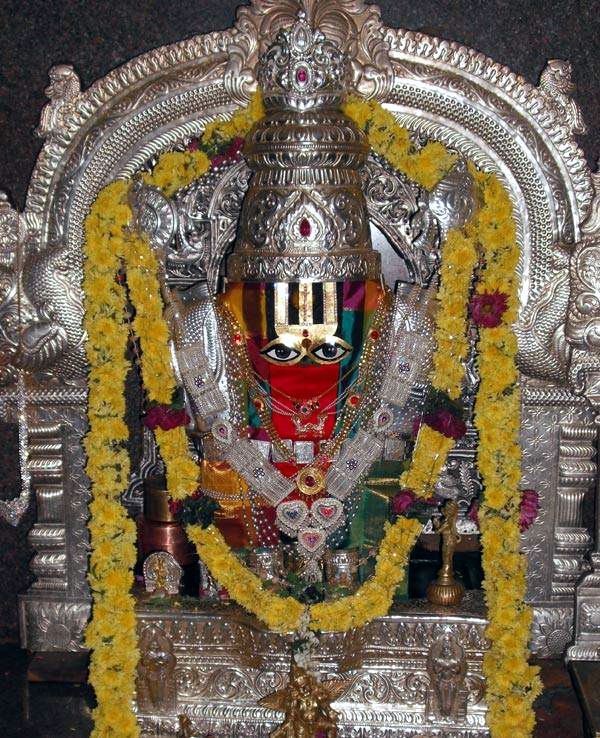
Edupayala Vana Durga Bhavani Temple, Medak: Complete Darshan, Timings, and Pilgrimage Guide
Edupayala Vana Durga Bhavani Temple (Edupayala Temple) is one of the most famous and unique riverbank shrines in Telangana. Located in the Medak district, about 18 kilometers from Medak town and roughly 110 kilometers from Hyderabad, this sacred sanctuary is dedicated to Goddess Vana Durga Bhavani.
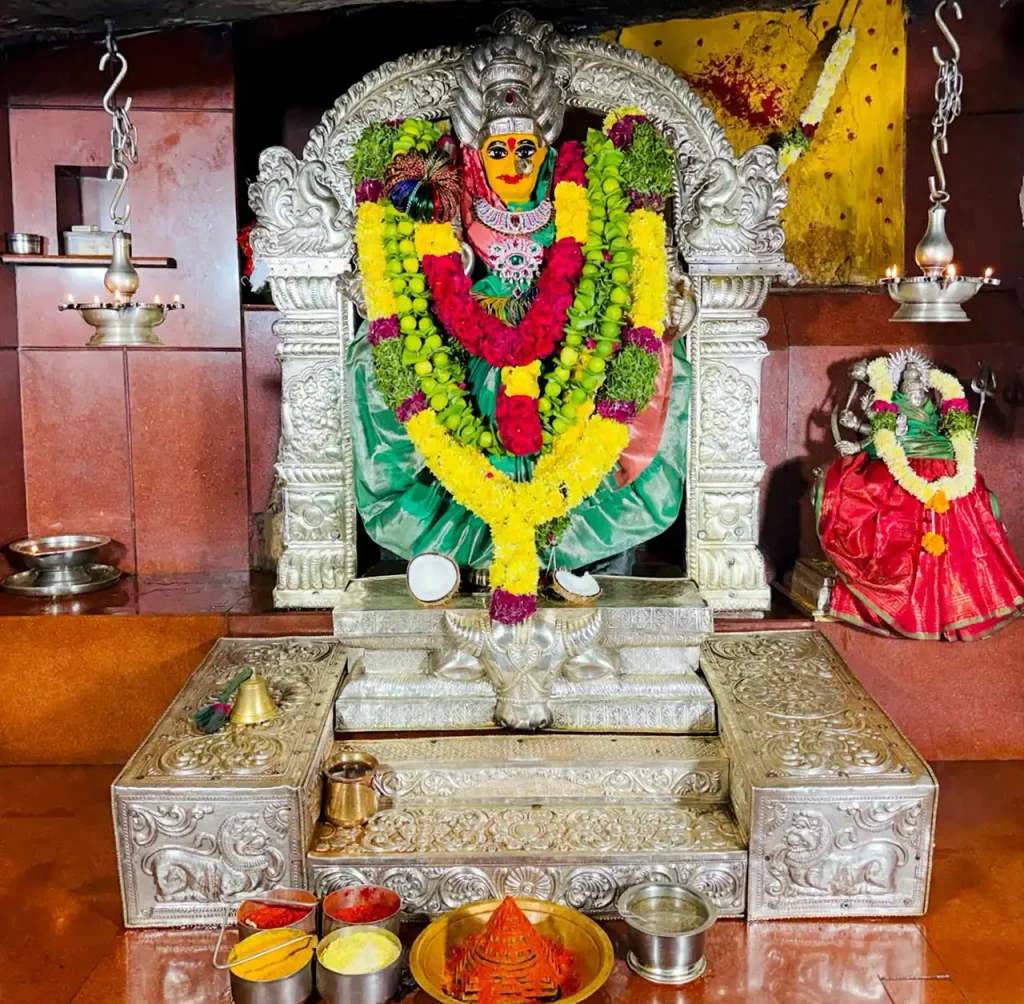
What makes the temple remarkable is its setting. The sanctum sanctorum sits inside a natural stone cave situated right where the sacred Manjeera River splits into seven distinct streams. In the local Telugu language, Edu means “seven” and Payalu means “streams.” The place is named Edupayalu because the river divides naturally across rocky terrain before meeting together again. Every year, millions of pilgrims visit this sacred forest shrine to take a holy dip, seek the blessings of the Divine Mother, and celebrate the world-famous Edupayala Jatara during Maha Shivaratri.
Quick Information: Edupayala Vana Durga Bhavani Temple
| Detail | Information |
| Temple Name | Sri Edupayala Vana Durga Bhavani Devasthanam |
| Common Names | Edupayala Temple, Edupayala Durgamma Temple |
| Main Deity | Goddess Vana Durga Bhavani (Incarnation of Devi Durga) |
| Location | Nagasanpalli Village, Papannapet Mandal |
| District & State | Medak District, Telangana, India |
| Geographical Feature | Confluence of seven streams of the Manjeera River |
| Daily Darshan Timings | 5:30 AM to 6:30 PM (Opens until 7:30 PM on Sundays, Tuesdays & Fridays) |
| Best Time to Visit | October to March (Pleasant weather; manageable river flow) |
| Major Festivals | Edupayala Jatara (Maha Shivaratri), Navaratri, Bonam Panduga |
| Nearest Town | Medak (~18 km) |
| Nearest Railway Station | Medak Railway Station (~18 km); Kamareddy (~60 km) |
| Nearest Airport | Rajiv Gandhi International Airport, Hyderabad (~140 km) |
| Special Pooja Offerings | Kumkumarchana, Saswatha Pooja, Bonam offering |
| Dress Code | Modest Indian traditional attire (Dhoti/Kurta for men, Saree/Chudidar for women) |
| Administrative Body | Telangana Endowments Department & District Administration |
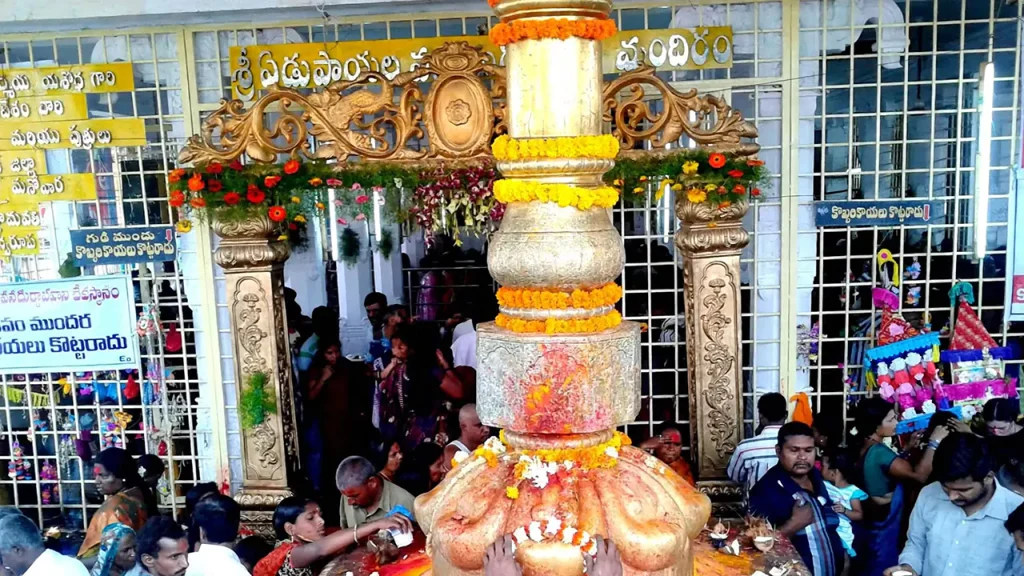
The Sacred Confluence: Why the Temple is Called Edupayalu
The identity of Edupayala is inseparable from the Manjeera River. The Manjeera is a major tributary of the Godavari River. As it reaches this part of the Medak district, it encounters an expansive field of ancient granite bedrock. Instead of flowing through a single channel, the water naturally carves out pathways through the stone formations, dividing into seven flowing channels.
Local tradition names these seven channels after the revered Sapta Rishis (the seven sacred sages of ancient Indian tradition):
- Jamadagni
- Atri
- Kasyapa
- Viswamitra
- Vasishta
- Bharadwaja
- Gautama
After branching outward across the rugged landscape, these streams wrap around the temple hillock and rejoin further downstream. The main sanctum of Goddess Vana Durga Bhavani is set directly inside a natural rock shelter at the base of this river system. During seasons of heavy rainfall, the flowing water rises right up to the steps of the sanctum, creating an unforgettable sight where the river seems to wash the holy feet of the Mother Goddess.
Sacred Legends and Sthala Purana of Edupayala
The religious importance of Edupayala is described in local sthala puranas (sacred temple lore) dating back to the period of the Mahabharata.
The Legend of King Janamejaya’s Sarpa Yaga
According to sacred tradition, King Janamejaya—the great-grandson of Arjuna and son of King Parikshit—ruled over the land. When King Parikshit died from the bite of the great serpent king Takshaka, Janamejaya was overwhelmed with grief and anger. To avenge his father’s death, he decided to perform the colossal Sarpa Yaga (a massive fire ritual to eliminate all snakes from the earth).
As the powerful mantras were recited, serpents from all directions were pulled by mystic force into the sacrificial flames. The intensity of the ritual created immense heat, smoke, and spiritual unrest across the landscape. The ashes and soot from the sacred fire pits spread far and wide.
Tradition holds that King Janamejaya came to this specific forest area along the Manjeera River to conclude his rituals and cleanse the land from the intense residual heat of the Sarpa Yaga. To purify the grounds and cool the burning environment, the Manjeera River was directed into seven distinct channels. While performing his penance here, King Janamejaya prayed to Goddess Durga for peace, protection, and purification. Pleased with his devotion, Goddess Durga manifested as Vana Durga Bhavani (the Protector of the Forest), blessing the land with perennial water, green forests, and spiritual peace.
To this day, pilgrims point to the dark grey and reddish rock strata around the riverbed, believing them to be the sacred markers of ancient yagna altars.
Presiding Deity and Spiritual Importance
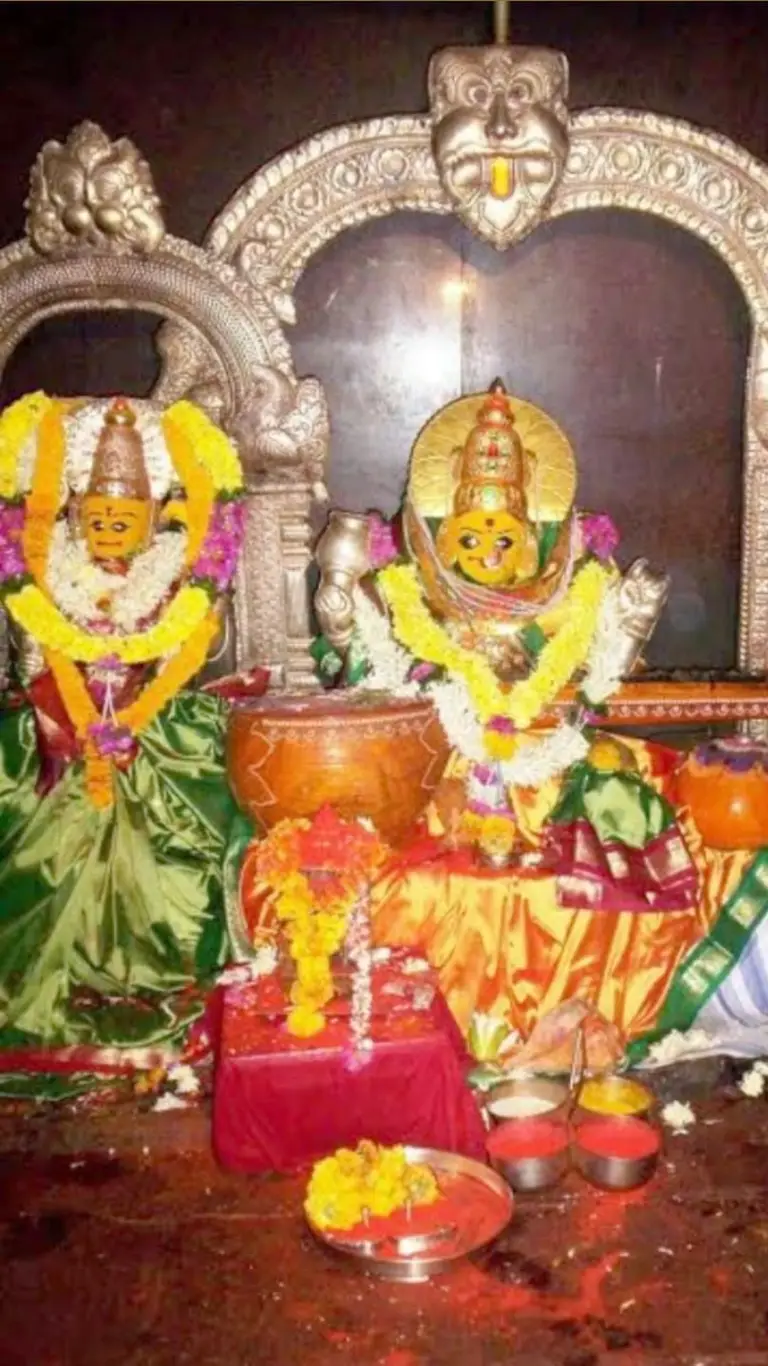
The presiding deity of the shrine is Goddess Vana Durga Bhavani. In Hindu tradition, Durga represents supreme spiritual power (Shakti), courage, and compassionate protection against negative forces. Among the various revered temples of Goddess Durga, Edupayala holds a distinct identity because the deity is worshipped in Her forest-dwelling form (Vana means forest).
Natural Rock Sanctum
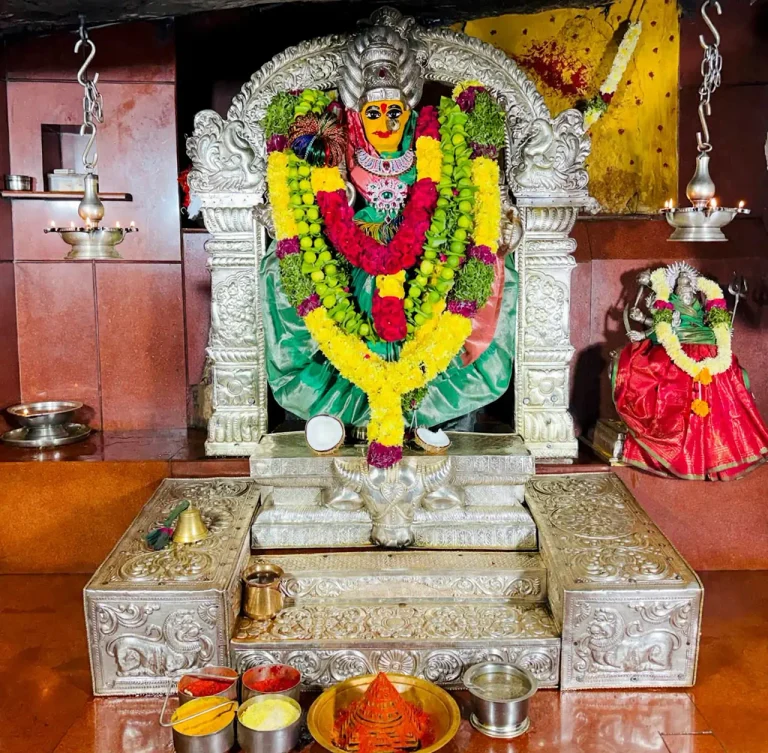
Unlike conventional grand urban temples with towering stone enclosures, the sanctum here is simple and deeply rooted in nature. The idol of Goddess Durga is carved into the natural stone within a low rock shelter. Devotees bow their heads to enter the cool, shaded interior of the cavern where the goddess is adorned with traditional vermilion, silk sarees, and fresh floral garlands.
Devotees believe that praying to Goddess Vana Durga helps remove fear, cures prolonged illnesses, solves family difficulties, and grants prosperity. Many agricultural families from surrounding rural areas visit the shrine after their harvests to offer their first crops and express gratitude.
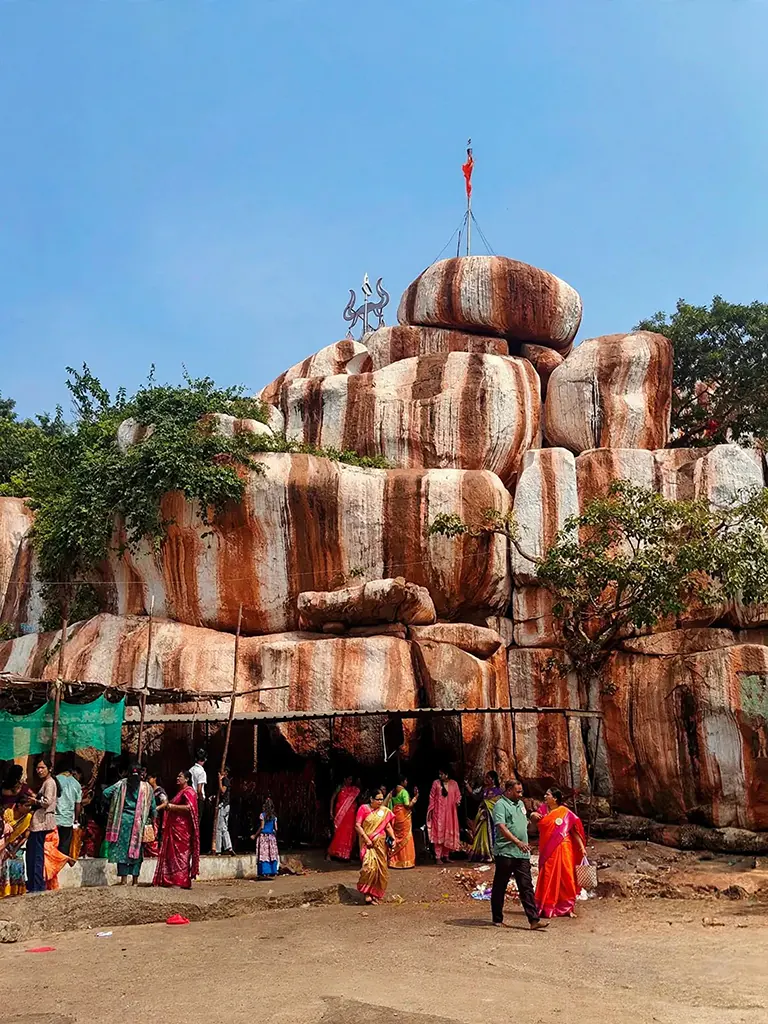
Daily Darshan, Pooja, and Aarti Timings
Edupayala Temple maintains regular daily worship schedules managed under the supervision of the Telangana Endowments Department. Because it is an open riverbank shrine, general darshan is available throughout the day.
Standard Daily Timings
- Morning Opening & Suprabhata Seva: 5:30 AM
- Abhishekam & Morning Alankaram: 6:00 AM – 7:00 AM
- Sarva Darshan (General Queue): 7:00 AM – 1:00 PM
- Afternoon Break / Temple Cleaning: 1:00 PM – 2:00 PM (Queue remains open on busy festival days)
- Evening Darshan: 2:00 PM – 6:30 PM
- Maha Harati & Night Closure: 6:30 PM (Extended to 7:30 PM or 8:00 PM on peak days)
Peak Days: Sundays, Tuesdays, and Fridays
In Telugu culture, Tuesdays, Fridays, and Sundays are considered especially auspicious for the worship of Goddess Durga. On these days, footfall increases significantly. Pilgrims arrive before dawn to prepare traditional offerings.
Common Pooja Offerings
- Kumkumarchana: Devotees perform vermilion worship to seek marital harmony and family well-being.
- Bonam Offering: Devotees, particularly women, prepare rice cooked with jaggery and milk inside a decorated earthen or brass pot, topped with neem leaves and a lit oil lamp, offering it to Mother Durga.
- Vehicle Pooja: Due to its proximity to the highway, hundreds of newly purchased vehicles are brought here weekly for blessings and safety poojas.
Note on Timings: On solar or lunar eclipse days, and during sudden river flood warnings, darshan timings can be altered by temple authorities for pilgrim safety.
Major Festivals and the Grand Edupayala Jatara
While the temple is visited year-round, its religious atmosphere peaks during annual festivals.
The World-Famous Edupayala Jatara (Maha Shivaratri)
The most important event at this shrine is the annual Edupayala Jatara, held during the Maha Shivaratri festival in the lunar month of Magha (typically falling in February or March).
Even though the primary shrine belongs to Goddess Durga, Maha Shivaratri is celebrated here with immense grandeur because of the deep spiritual connection between Shiva and Shakti. The fair lasts for three to four days and is widely regarded as one of the largest rural gatherings in Telangana, drawing over a million pilgrims from Telangana, neighboring Karnataka, and Maharashtra.
Highlights of the Jatara include:
- Bandla Meravanipu (Bullock Cart Procession): Hundreds of farmers arrive in beautifully decorated bullock carts and tractors from rural villages, chanting devotional hymns and circumambulating the temple grounds.
- Holy River Dip: Devotees take ritual purification baths in the seven streams of the Manjeera River before offering prayers.
- All-Night Vigils (Jagaran): Devotees stay awake through the night singing devotional songs and participating in Maha Shivaratri celebrations.
- Rural Fairgrounds: Giant temporary markets, cultural performances, folk dramas (Harikatha and Burrakatha), and traditional food stalls create a vibrant festival atmosphere.
Sharad Navaratri & Vasantha Navaratri
During the nine nights of Navaratri (usually in September or October), the goddess is decorated in various forms (Alankarams), drawing thousands of families who come to perform special kumkum archana.
How to Reach Edupayala Temple
Edupayala Temple is well connected by road to major towns in northern and central Telangana.
1. By Road (Most Convenient)
- From Hyderabad (~110 km): Take the Medak highway via Dundigal, Narsapur, and Medak town. Alternatively, you can drive via National Highway 44 (Nagpur Highway), turn off at Chegunta, and proceed towards Medak. The drive takes approximately 2.5 to 3 hours through scenic rural landscapes.
- From Medak Town (~18 km): Frequent local autorickshaws, private taxis, and regular shuttle buses run directly from Medak bus depot to the temple entrance at Nagasanpalli.
- Public Buses: The Telangana State Road Transport Corporation (TGSRTC) operates direct buses from Jubilee Bus Station (JBS) and Mahatma Gandhi Bus Station (MGBS) in Hyderabad to Medak. During the Jatara and major festive weekends, TSRTC runs special direct services straight to the temple premises.
2. By Train
- Medak Railway Station (MDLK): The nearest railway station is Medak town (~18 km away), which connects to Hyderabad via regional passenger rail lines.
- Kamareddy Railway Station (KMC): Located about 60 km away, Kamareddy is a major railway junction on the Secunderabad–Nizamabad line where many express trains stop. From Kamareddy, you can take a bus or taxi to Medak and proceed to the temple.
3. By Air
The nearest airport is Rajiv Gandhi International Airport (HYD) in Shamshabad, Hyderabad, located approximately 140 km away. From the airport, visitors can hire pre-paid taxis to travel directly to Edupayala via the Outer Ring Road and Medak highway.
Best Time to Visit and Seasonal Flood Safety
Planning your visit during the right season is crucial due to the unique hydrological environment of the temple.
October to March (Best Visiting Window)
The winter and early spring months offer the most comfortable weather. Temperatures are mild, ranging between 18°C and 30°C. The flow of the Manjeera River is calm and controlled, making riverfront walks, bathing, and darshan pleasant and safe for families with young children and elderly members.
Summer Months (April to May)
Summers in Medak can be hot, with midday temperatures frequently crossing 40°C. If visiting in the summer, plan your darshan early in the morning (between 6:00 AM and 9:00 AM) or late in the evening to avoid the intense heat.
Monsoon Caution (July to September)
The monsoon brings vibrant greenery to the surrounding forests, but it also demands caution. Edupayala is located downstream of the Singur Reservoir and near the Ghanpur Anicut.
Important Flood Safety Note: During periods of heavy upstream rainfall, irrigation authorities release water into the Manjeera River. As water levels rise, the lower steps of the rock cavern can become partially submerged. During peak discharge, the district administration temporarily closes access to the lower riverbed and redirects queues to safe higher platforms. Always verify current weather conditions and heed safety flags placed by local police and rescue personnel.
Dress Code, Visitor Facilities, and Pilgrimage Tips
To ensure a smooth and respectful pilgrimage, keep the following practical guidelines in mind:
Dress Code and Behavior
- Appropriate Attire: Wear modest clothing suited for a sacred Hindu shrine. Traditional Indian clothing such as sarees, salwar suits, dhotis, or simple kurtas are recommended. Avoid beachwear, shorts, or sleeveless tops.
- Footwear: Footwear must be removed before descending toward the river steps and entering the sanctum area. Designated footwear storage stands are available near the parking zones.
Amenities and Facilities
- Holy Bathing Ghats: The riverbanks are paved in sections to facilitate bathing. However, river rocks can be slippery due to moss. Pilgrims must use safety railings and avoid stepping into deep water channels.
- Prasadam Counters: Traditional temple prasadam (such as laddu and pulihora/tamarind rice) is sold at official counters near the main entrance.
- Drinking Water & Restrooms: Basic public toilet complexes and RO drinking water points are maintained by the devasthanam. During peak festival days, mobile toilet units are deployed by the district administration.
- Accommodation: Basic pilgrim guesthouses (choultries) and private budget lodges are available in the immediate vicinity of the temple. For higher-comfort hotels, family resorts, and varied dining options, staying in Medak town (18 km away) is the recommended option.

Nearby Attractions in Medak District
Devotees traveling to Edupayala can easily combine their pilgrimage with several prominent historical and natural sites in the region, forming a memorable day trip or weekend itinerary among the diverse pilgrimage temples in Telangana:
- Medak Fort (~18 km): An impressive 12th-century citadel originally built by the Kakatiya rulers and later expanded by the Qutb Shahi dynasty. Perched on a massive hillock, it offers sweeping panoramic views of the town and surrounding plains.
- Medak Cathedral (~20 km): One of the largest churches in India and a masterpiece of Gothic Revival architecture. Built in 1924, its towering spire and vibrant stained-glass windows depicting scenes from the life of Christ draw visitors of all faiths.
- Pocharam Wildlife Sanctuary and Dam (~32 km): A peaceful nature reserve situated around the Pocharam reservoir, home to various species of waterfowl, deer, and diverse birdlife.
Frequently Asked Questions About Edupayala Temple
1. What are the daily darshan timings at Edupayala Temple?
The temple generally opens for darshan at 5:30 AM and remains open until 6:30 PM. On Sundays, Tuesdays, Fridays, and festival occasions, opening hours are often extended until 7:30 PM or 8:00 PM to accommodate visitor crowds.
2. Why is the temple called Edupayala?
The Telugu word Edu means “seven” and Payalu means “streams.” The temple is situated at the exact natural geological point where the Manjeera River branches into seven distinct streams flowing around rocky outcrops before rejoining downstream.
3. How far is Edupayala Temple from Hyderabad?
Edupayala Temple is approximately 110 kilometers north of Hyderabad. By car or private taxi, the journey takes between 2.5 and 3 hours via the Narsapur–Medak route or National Highway 44.
4. Can we take a holy bath in the river at Edupayala?
Yes, pilgrims traditionally take a holy dip in the gentle streams of the Manjeera River before entering the sanctum. However, bathing should only be done in designated shallow areas with safety railings, particularly during the rainy season when water currents can increase rapidly.
5. When is the Edupayala Jatara held?
The Edupayala Jatara is held every year during the festival of Maha Shivaratri (typically in February or March). It lasts for three to four days and features traditional bullock cart processions, cultural programs, and special night worship.
6. Is there good accommodation available at the temple?
The temple devasthanam manages basic guest cottages and pilgrim halls near the shrine. For modern amenities, air-conditioned rooms, and family hotels, it is best to stay in Medak town, which is just an 18-kilometer drive away.
Plan Your Visit to Edupayala
Edupayala Vana Durga Bhavani Temple offers a rare spiritual setting where ancient stone, rushing water, and deep devotion converge. Whether you are seeking the divine grace of Mother Durga, fulfilling a family vow, or simply marveling at the natural wonder of the Manjeera River splitting into seven sacred channels, Edupayala is an uplifting destination.
For a serene experience, plan your arrival early in the morning on a weekday between October and February. Check the Official Medak District Administration Portal before departing during the rainy season to confirm water levels, pack modest attire, and prepare to immerse yourself in one of Telangana’s most cherished pilgrimage traditions.