Shri Kalki Dham Temple Sambhal: Significance, Architecture, and Complete Visitor Guide
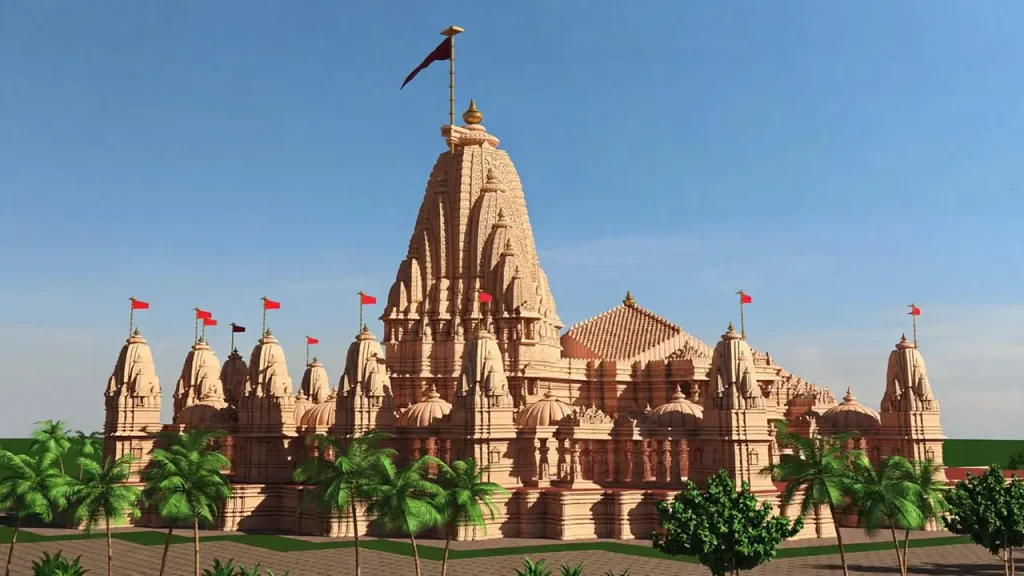
Shri Kalki Dham Temple, located in Anchora Kamboh in the Sambhal district of Uttar Pradesh, is a major Hindu pilgrimage site dedicated to Lord Kalki, the prophesied tenth incarnation (avatar) of Lord Vishnu. The grand stone temple complex, whose foundation stone was laid by Prime Minister Narendra Modi on February 19, 2024, is managed by the Shri Kalki Dham Nirman Trust under Peethadhishwar Acharya Pramod Krishnam. While the massive carved sandstone complex is under active construction, devotees can currently visit the sanctified premises and offer prayers at the active temporary darshan sanctum.
Quick Information: Shri Kalki Dham Temple
| Detail | Verified Information |
| Temple Name | Shri Kalki Dham (श्री कल्कि धाम) |
| Presiding Deity | Lord Kalki (The 10th Avatar of Lord Vishnu) |
| Location | Village Anchora Kamboh, Sambhal District, Uttar Pradesh, India |
| Pincode | 244301 |
| Managing Trust | Shri Kalki Dham Nirman Trust |
| Trust Leader / Peethadhishwar | Acharya Pramod Krishnam |
| Foundation Stone Laid On | February 19, 2024 (by PM Narendra Modi) |
| Current Temple Status | Under construction (Interim sanctum open for daily darshan) |
| Daily Darshan Timings | 06:00 AM to 08:00 PM (Subject to seasonal variations) |
| Entry Fee | Free entry; no paid passes required |
| Architectural Style | Traditional Nagara-inspired temple architecture using pink sandstone |
| Key Distinctive Feature | 10 individual sanctums (Garbhagrihas) for the Dashavatara; built without structural steel |
| Nearest Railway Station | Chandausi Junction (~25 km) / Moradabad Junction (~45 km) |
| Nearest Airport | Moradabad Airport (Domestic, ~55 km) / IGI Airport New Delhi (~165 km) |
| Best Time to Visit | October to March (pleasant weather for day travel) |
Read More>> Vadapalli Temple of Sri Venkateswara Swamy
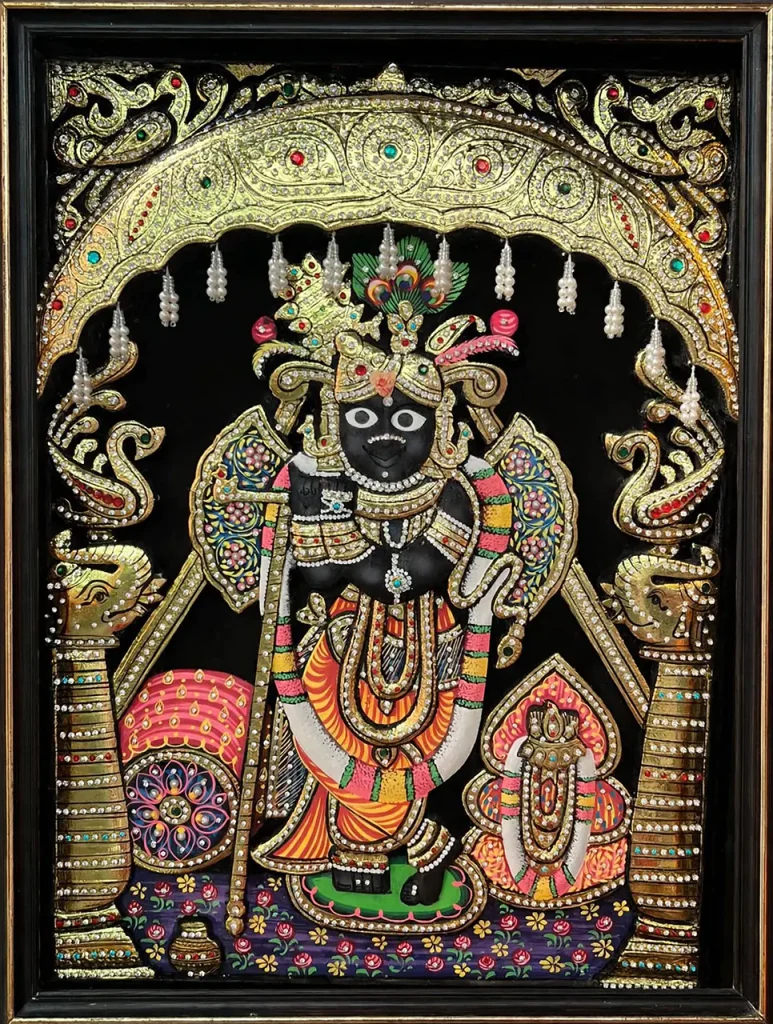
Who is Lord Kalki? The Prophesied Tenth Avatar of Lord Vishnu
In Hindu cosmology, time moves through four great cyclical epochs or Yugas: Satya Yuga, Treta Yuga, Dvapara Yuga, and Kali Yuga. Lord Vishnu, the preserver of cosmic balance, descends in physical form whenever unrighteousness (adharma) overwhelms righteousness (dharma).
According to classical puranic literature, Lord Kalki will appear at the concluding cusp of Kali Yuga to eradicate corruption, cruelty, and spiritual ignorance, establishing the dawn of a new golden era known as Satya Yuga (the Age of Truth).
Unlike the previous nine divine manifestations—including Lord Rama, Lord Krishna, and Lord Narasimha—Lord Kalki is an avatar of the future. Building a major pilgrimage temple for an incarnation before his documented earthly arrival makes Shri Kalki Dham a distinctive spiritual landmark in the Hindu world.
Puranic References to Lord Kalki’s Birth in Sambhal
The geographical connection between Lord Kalki and Sambhal is not a modern innovation; it is explicitly documented in ancient Hindu scriptures:
- The Srimad Bhagavatam (Bhagavata Purana): In Canto 12, Chapter 2, Verse 18, Sage Shukadeva Goswami narrates the divine prophecy to King Parikshit:“Śambhal-grāma-mukhyasya brāhmaṇasya mahātmanaḥ, bhavane viṣṇuyaśasaḥ kalkiḥ prādurbhaviṣyati.”(Meaning: Lord Kalki will appear in the home of the most eminent Brahmana of the village of Sambhal, the noble-souled Vishnuyasha.)
- The Vishnu Purana: Book 4, Chapter 24 similarly corroborates that an incarnation endowed with eight divine faculties will take birth in Sambhal to restore righteousness, accompanied by his swift celestial steed named Devadatta and brandishing an invincible blazing sword.
- The Kalki Purana: This dedicated upa-purana provides elaborate descriptions of Lord Kalki’s lineage, detailing his parents (Vishnuyasha and Sumati), his spiritual mentor (Bhagavan Parashurama), his divine consort (Goddess Padmavati), and his mission to re-establish Vedic dharma across the globe.
Read More>> Modhera Sun Temple: India’s Sunken City of Light
History and Background of Shri Kalki Dham
For centuries, Sambhal has held sacred reverence among scholars and pilgrims due to its puranic association. However, the vision of translating these scriptural verses into a sprawling, monumental temple complex gained prominent momentum under the spiritual guidance of Acharya Pramod Krishnam, who established the Shri Kalki Dham Nirman Trust.
The Historic Foundation Ceremony (February 2024)
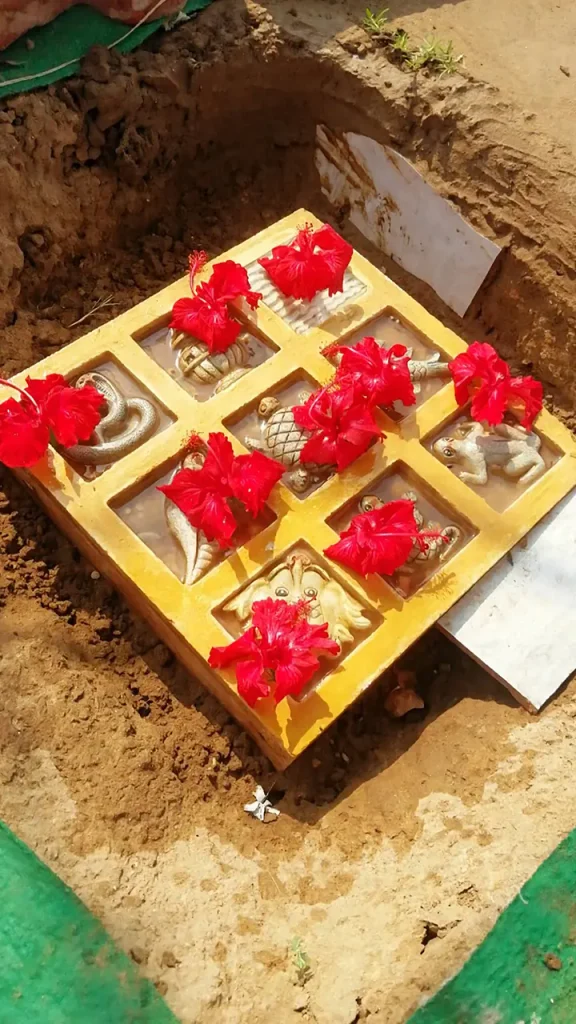
On February 19, 2024, Prime Minister Narendra Modi officially laid the foundation stone (shilanyas) of Shri Kalki Dham in the presence of distinguished saints, spiritual leaders, and civic leaders from across India. During the ceremony, the sacred foundation pit received sanctified waters and soil collected from hundreds of holy rivers and pilgrimage centers across the subcontinent.
The project highlights a revitalized cultural consciousness, following in the architectural and cultural lineage of modern sacred landmarks like the grand Ram Mandir in Ayodhya and the Kashi Vishwanath Dham corridor.
Architectural Highlights of Shri Kalki Dham
The structural design of Shri Kalki Dham combines traditional Indian temple craftsmanship with durable geological engineering.
1. Construction with Banshi Paharpur Pink Sandstone
Much like the newly constructed Ram Temple in Ayodhya and the Akshardham complexes, Shri Kalki Dham is being erected using pink sandstone quarried from the Banshi Paharpur region of Bharatpur, Rajasthan. This unique stone is celebrated for its warm hue, structural density, and remarkable resistance to weathering across centuries.
2. Zero Use of Structural Steel or Iron
Adhering to traditional Nagara temple architectural shastras, the main superstructure avoids iron and modern structural steel. Steel typically corrodes within a few hundred years; by using precision interlocking stone blocks, copper fasteners, and natural binding compounds, the sanctuary is engineered to endure for more than a millennium.
3. Ten Distinct Sanctums (The Dashavatara Garbhagrihas)
While standard temple complexes generally feature one principal sanctum surrounded by minor altars, Shri Kalki Dham is being constructed with ten distinct sanctums (Garbhagrihas). Each sanctum will be dedicated to one of the ten primary incarnations of Lord Vishnu:
- Matsya (The Fish)
- Kurma (The Tortoise)
- Varaha (The Boar)
- Narasimha (The Half-Man, Half-Lion)
- Vamana (The Dwarf Brahmana)
- Parashurama (The Warrior Sage)
- Rama (The Righteous King)
- Krishna (The Supreme Statesman and Yogeshwara)
- Buddha (The Embodiment of Compassion)
- Kalki (The Destroyer of Darkness and Restorer of Dharma)
The central and elevated sanctum will enshrine the prime icon of Lord Kalki mounted on his celestial white steed.
Read More>> Parasnath Temple Giridih 2 BCE Jain Temple
What Can Visitors See Today? (Ground Reality & Current Darshan)
Devotees planning a trip to Sambhal should understand the current stage of construction:
- The Main Complex: The magnificent carved stone shikharas and central sanctums are actively under construction by master artisans and stone carvers. Heavy cranes, stone depots, and artisans’ workshops are stationed around the outer perimeter.
- The Temporary Sanctum (Kalki Peeth): Pilgrims are not turned away. A beautifully decorated, sanctified temporary prayer hall allows visitors to take darshan, participate in morning and evening aartis, and offer personal prayers.
- Yajnas and Spiritual Discourses: The trust frequently hosts traditional Vedic havan rituals and spiritual discourses (katha) on the surrounding festival grounds, especially during sacred dates in the Hindu calendar.
Temple Timings and Daily Rituals
Visiting hours are maintained throughout the year, with slight timing shifts between the summer and winter seasons:
- Morning Opening: 06:00 AM
- Morning Mangala / Shringar Aarti: 06:30 AM – 07:00 AM
- Bhog Offering (Brief Temple Closure): 12:00 PM – 12:30 PM
- Afternoon Darshan: 12:30 PM – 06:30 PM
- Sandhya (Evening) Aarti: 07:00 PM
- Night Closing: 08:00 PM
Note: Special festival days such as Kalki Jayanti, Janmashtami, and Ram Navami feature extended hours and community feasts (bhandaras).
Major Festivals Celebrated at Kalki Dham
1. Kalki Jayanti (Shravana Shukla Shashthi)
Celebrated on the sixth day of the waxing moon in the holy month of Shravan (usually falling in July or August), this is the most critical festival at the temple. Special continuous Vedic recitations of the Kalki Purana, grand havan ceremonies, and spiritual fairs occur across the campus.
2. Deepawali and Annakut
During Diwali, the temple precinct is illuminated with thousands of earthen lamps (diyas), followed by the presentation of an extensive Annakut (mountain of sanctified vegetarian foods) offered to Lord Vishnu.
3. Kartik Purnima
Falling in November, Kartik Purnima attracts thousands of rural pilgrims from western Uttar Pradesh for sacred rituals, holy dips in nearby regional water bodies, and temple circumambulation (parikrama).
Read More>> Gyanvapi Temple: Unveiling the Sacred Legacy
Complete Travel Guide: How to Reach Shri Kalki Dham Sambhal
Shri Kalki Dham is situated in Anchora Kamboh, approximately 15 kilometers from Sambhal city center and roughly 45 kilometers southwest of Moradabad. The region is well-connected through northern India’s highway and rail networks.
1. By Air
- Moradabad Airport (Domestic): Located approximately 55 km from the temple. Operates regional domestic flights connecting selected cities.
- Indira Gandhi International Airport (New Delhi – DEL): Located approximately 165 km away. Delhi serves as the most convenient, well-connected airport for domestic and international travelers. Taxis and private rentals from Delhi airport can reach Sambhal in roughly 3.5 to 4.5 hours via the Delhi-Meerut Expressway and National Highway 9.
2. By Train (Railway Network)
- Chandausi Junction (Station Code: CH): Situated about 25 km from the temple. It offers local and regional passenger express trains connecting western UP.
- Moradabad Junction (Station Code: MB): Located about 45 km from the temple. Moradabad is a major Indian Railways divisional headquarters connected by express and superfast trains (including Shatabdi and Vande Bharat routes) to Delhi, Lucknow, Varanasi, Kolkata, and Haridwar. From Moradabad railway station, taxis, auto-rickshaws, and regional buses run continuously toward Sambhal and Anchora Kamboh.
3. By Road
- From Delhi / NCR (~155–165 km): Take the Delhi-Meerut Expressway (NE-3) up to Hapur, proceed along NH-9 toward Joya, then turn south toward Sambhal. The journey typically takes 3.5 to 4 hours by car.
- From Lucknow (~360 km): Travel via the Agra-Lucknow Expressway and connect through Aligarh/Chandausi or route via Moradabad.
- From Bareilly (~110 km): Drive westward through Chandausi via state highways.
Practical Tips for Pilgrims and Families
- Footwear Etiquette: Safe, organized shoe stands are available outside the darshan hall. Ensure you deposit footwear before walking on the carpeted sanctum walkways.
- Dress Code: Wear modest, traditional, or comfortable full-length attire suitable for a sacred Hindu pilgrimage environment.
- Photography Rules: Photography is permitted on the open temple campus and exterior grounds. However, operating video equipment or taking photos directly inside the active sanctum during aarti is restricted to maintain sanctity.
- Food and Refreshments: Pure vegetarian refreshment stalls, tea shops, and basic snack centers operate outside the temple entrance. During major events, the trust runs free community kitchens (langar / bhandara).
- Accommodation: Local guesthouses and dharamshalas are available around Sambhal town. For modern hotel amenities, pilgrims are advised to book accommodations in Moradabad city, which offers comfortable 3-star and 4-star business and family hotels located an hour’s drive away.
Frequently Asked Questions (FAQs)
Is Kalki Dham Temple completely built?
No. The grand stone temple complex is currently under construction following its foundation ceremony on February 19, 2024. However, a consecrated temporary sanctum on site allows pilgrims to visit, view the idols, and attend daily aartis.
Why is a temple built for an avatar who has not yet appeared?
Hindu puranas, especially the Srimad Bhagavatam and Vishnu Purana, prophesy the arrival of Lord Kalki in Sambhal with high theological detail. The temple serves as a center of faith, prayer, and cultural preservation centered on this ancient scriptural promise.
Can anyone visit Kalki Dham right now?
Yes. The site is open to all visitors without discrimination regarding nationality, caste, or background. Entry is completely free of charge.
What is the nearest major railway station to Kalki Dham?
The nearest major rail junction with comprehensive nationwide connectivity is Moradabad Junction (MB), located approximately 45 kilometers from the temple. Chandausi Junction (CH) is closer (~25 km) for regional passenger connections.
Who is managing the construction of the temple?
The construction is managed by the Shri Kalki Dham Nirman Trust, headed by Peethadhishwar Acharya Pramod Krishnam.
Spiritual Significance: The Dawn of Satya Yuga
A visit to Shri Kalki Dham in Sambhal is unlike visiting an ancient heritage monument. It offers an encounter with living Hindu theology, where sacred future prophecy meets contemporary devotion. Whether exploring the puranic descriptions of the ten divine avatars, observing the master stonemasons shaping pink sandstone for generations to come, or participating in the evening aarti, visitors experience a powerful sanctuary dedicated to the eternal return of righteousness, balance, and spiritual truth.