
Karmanghat Hanuman Temple made Aurangzeb Shiver to Destroy
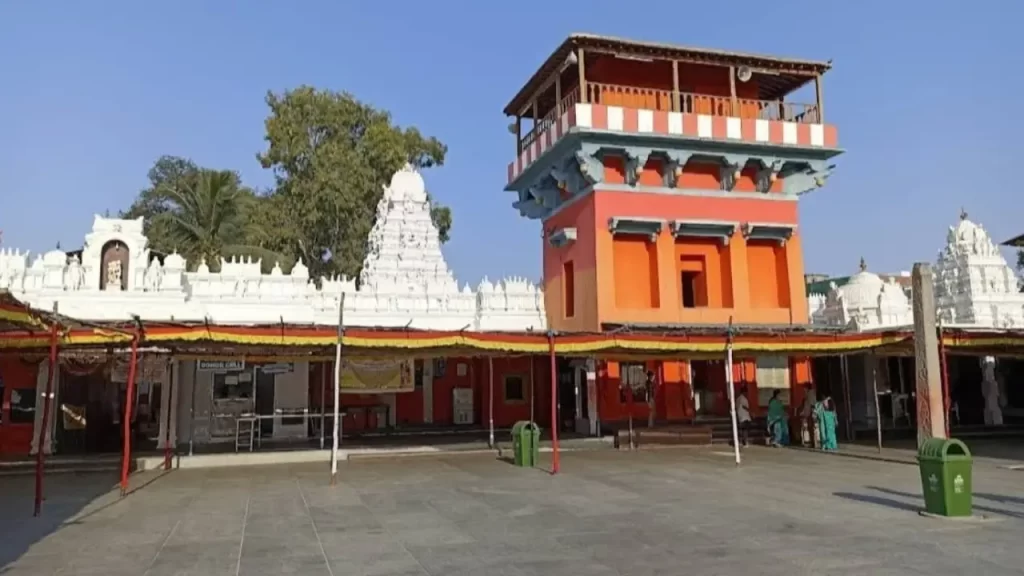
Sri Karmanghat Hanuman Temple is one of the most sacred and ancient temples in the heart of Telangana, officially known as Sri Karmanghat Anjaneya Swamy Temple, stands much more as a beacon of faith, history, and protection from God. Nestled in Karmanghat-a suburb of Hyderabad, on the way to Sagar Road-near Saroor Nagar, this place has stood for centuries, silently guarding the city.
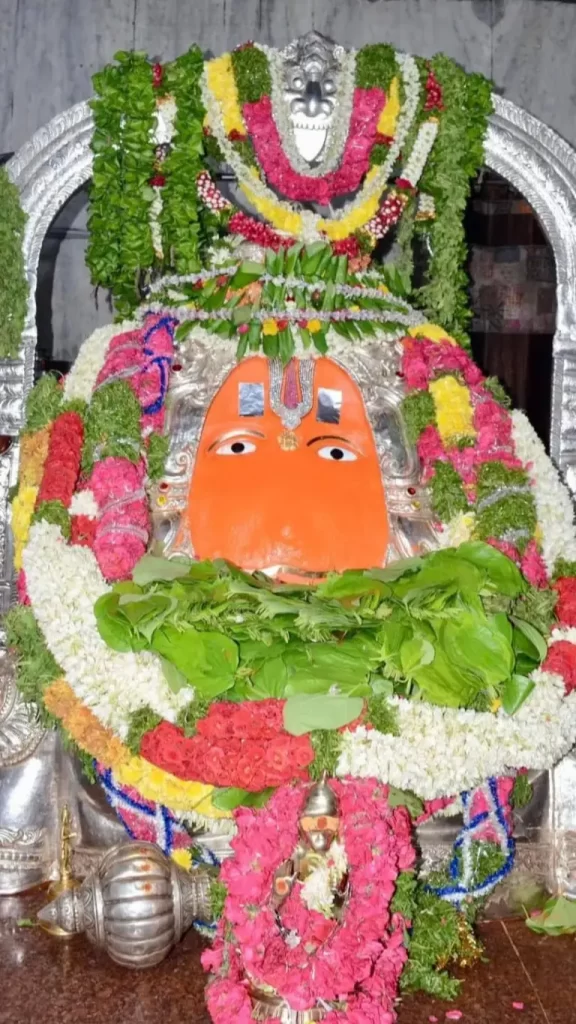
A visit to this temple is a sojourn into ancient times. The serenity, the loud chanting, and the feeling of divine energy make the experience estatic. It’s an endeavor together to unravel all the layers of history, legend, and spiritual meaning that make Karmanghat Hanuman Temple a must-visit spot for every seeker and tourist.
Contents
- 1 Introduction to Karmanghat Hanuman Temple
- 2 Karmanghat Hanuman Temple History
- 3 The Legend of the Temple’s Origin
- 4 Cultural, Spiritual, and Mythological Significance
- 5 Special Days, Festivals, and Rituals
- 6 Unique Architectural Styles and Carvings
- 7 Myths and Beliefs
- 8 Temple Timings and Best Time to Visit
- 9 Places to Visit Near Karmanghat Hanuman Temple
- 9.0.1 Karmanghat Hanuman Temple made Aurangzeb Shiver to Destroy
- 9.0.2 Basara Gnana Saraswati Temple
- 9.0.3 Kondagattu Anjaneya Swamy Temple
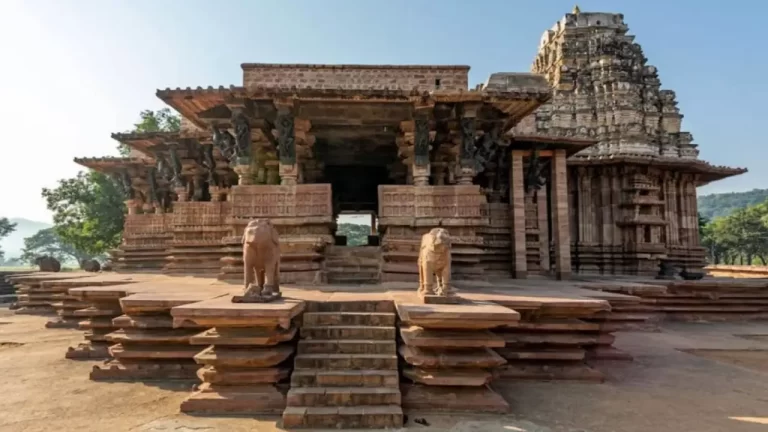
- 9.0.4 Ramappa Temple: An 800 Years Old Architectural Marvel
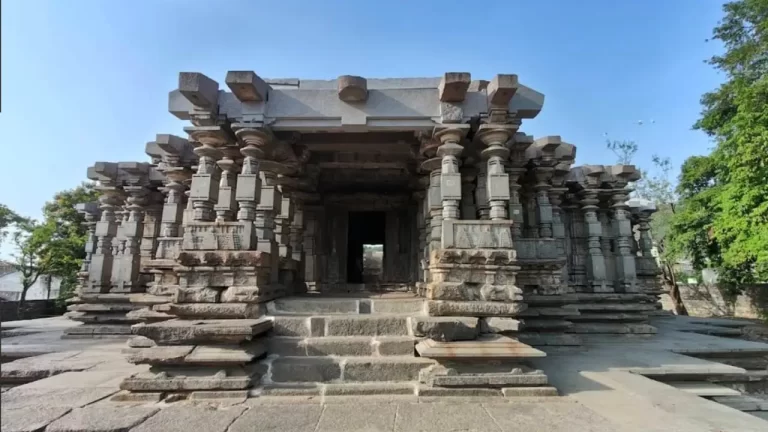
- 9.0.5 Thousand Pillar Temple: India’s Amazing 1000 Pillar Temple!
- 9.0.6 Tadbund Hanuman Temple: The Most Powerful Temple in Telangana
- 10 How to Reach the Karmanghat Hanuman Temple
Introduction to Karmanghat Hanuman Temple
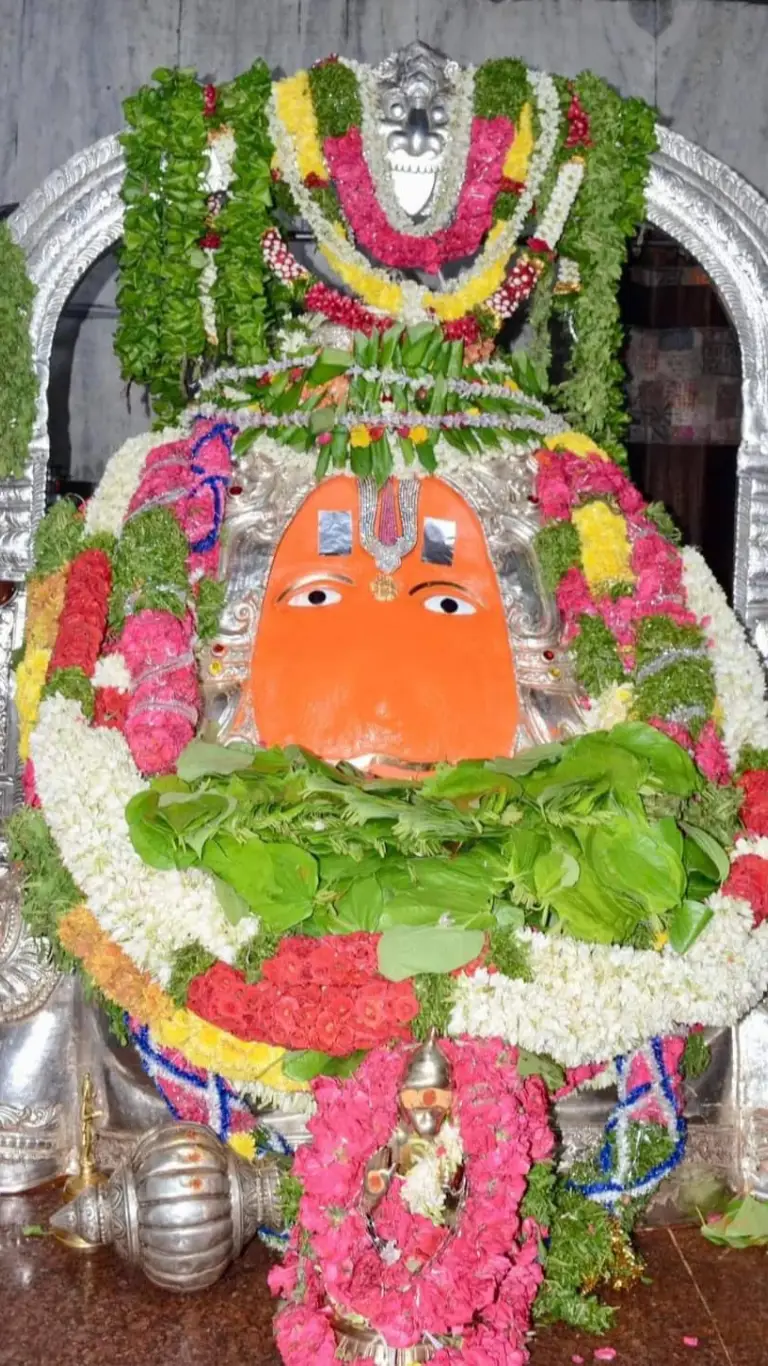
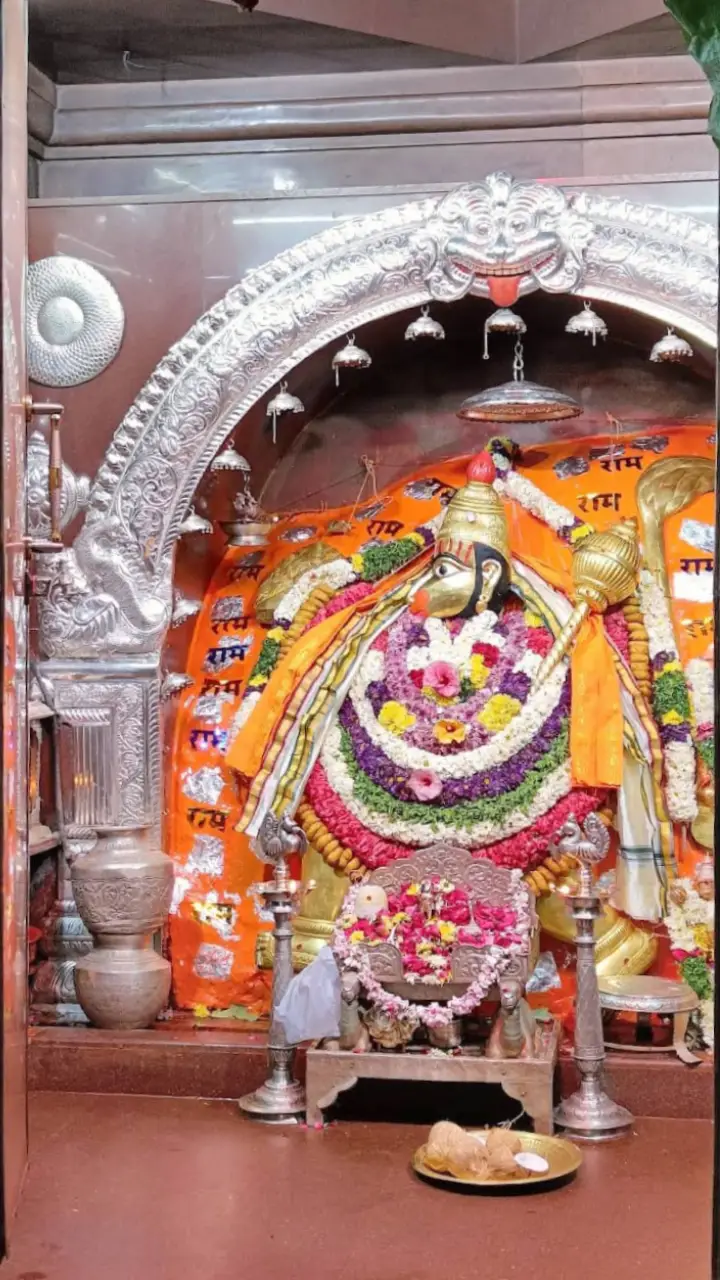
The Karmanghat Hanuman Temple is one of the oldest and most revered Hindu shrines of Hyderabad, dedicated to Pawan Putra Lord Hanuman, the embodiment of strength, devotion, and selfless service. The presiding deity here is unique: Lord Anjaneya Swamy is seated in a deep, meditative pose, which earned Him the name Dhyana Anjaneya Swamy, or Meditating Hanuman. This is a rare depiction, and it is believed that His continuous meditation here bestows immense peace and courage upon His devotees.
This temple has long stood as a beacon of hope to many pilgrims who come to get the blessings of success, health, and deliverance from life’s many troubles. With historical moorings going back to the Kakatiya times and the miracle stories associated with its name, the Karmanghat Hanuman Temple has had enough reasons to be positioned as a spiritual powerhouse in South India. Once inside, you will instantly feel the deep sense of calm that pervades every inch of the complex, thereby making your pilgrimage a truly soul-stirring experience.
Read More>> Chinnamasta Devi Temple Jharkhand
Karmanghat Hanuman Temple History
The Karmanghat Hanuman Temple has its origins in the 12th century A.D., thus making it some 860 years old-a really very remarkable age. It is one of the earliest and most enduring temples in the region, which was built when the strong Kakatiya dynasty ruled much of the Telugu-speaking lands.
The Kakatiya Connection
The construction of this temple is attributed to a king of the Kakatiya dynasty, very often referred to as King Prataparudra II, though there are some local traditions that point to an earlier Kakatiya king. This powerful ruler was a patron of art and architecture, and his contribution to this temple laid the foundation for its enduring legacy. The Kakatiya rulers were great believers in Lord Shiva and Lord Vishnu, and their veneration of Lord Hanuman as a Chiranjeevi clearly reflects in the establishment of this temple.
Subsequent rulers of the Kakatiya dynasty provided for the Temple’s proper maintenance and religious administration, continuing the traditions and rituals, as ordained at its inauguration, without interruption for centuries. This uninterrupted royal patronage is among the reasons that the Karmanghat Hanuman Temple has survived the eventful history of the Deccan region.
Surviving Mughal Rule: The Divine Stand
One of the most defining periods in the temple’s history occurred in the 17th century, during the reign of Mughal Emperor Aurangzeb, also known for his policy of temple destruction.
It is believed that after conquering the Golconda region, Aurangzeb sent his armies to demolish the Karmanghat Hanuman Temple. But surprisingly, his soldiers were repulsed, and none of them could even step near the compound wall because of some powerful, invisible force. Stunned by this report, Aurangzeb himself, armed with a crowbar, approached the temple to destroy it. But the moment he reached the premises, a thunderous, divine voice came from the heavens.
The voice boomed a commanding phrase in Hindi:
“Mandir todna hai Rajan, to kar man ghat!”
It would roughly translate to: “O King, if you want to demolish this temple, then make your heart strong”; that is, ‘harden your mind’. Overpowered by fear and the awe of this frank divine challenge, the crowbar fell from his hands, and the Emperor had to retreat, leaving the temple intact. This miraculous intervention saved the Karmanghat Hanuman Temple from destruction, and the place, Kar-man-ghat, derived its very name from this divine command. Here’s a powerful story of faith triumphing over temporal power.
The Legend of the Temple’s Origin
The discovery of the Swayambhu or self-manifested idol of Lord Hanuman has a surrounding legend, which is very dear to the devotees of the Karmanghat Hanuman Temple.
- King’s Rest: This story identifies the Kakatiya King-Prataparudra II, who once came for a hunting spree into the dense forest covering this area and was then called Lakshmipuram. After a whole day, the king grew tired and wanted to rest under the shade of a tree.
- Divine Chant: While asleep, he distinctly heard the musical chanting of the name of Lord Rama. Curious, the king traced the sound into the deep woods.
- Discovery of the Idol: What he found there was a wonder: a stone idol of Lord Hanuman in a seated meditative posture, with the divine sound of Sri Ram emanating from within the vigraham. The king immediately paid his respectful obeisance to the divine form.
- The Dream and the Command: After returning to his capital that night, Lord Hanuman appeared in a vivid dream to the king. The Lord instructed the king to build a temple exactly on that spot where the idol was discovered.
- Construction and Legacy: The modest king immediately set about the task and built the temple without any delay around the Swayambhu idol. The divine command thus instituted the Karmanghat Hanuman Temple, and therefore, the story of its divine origin is related to the history of the Kakatiya dynasty itself. This is why the main deity is lovingly referred to as Dhyana Anjaneya Swamy—the meditating form of Hanuman.
Read More>> Mahaganapathi Temple Malleswaram
Cultural, Spiritual, and Mythological Significance
Karmanghat Hanuman Temple is a structure of multi-dimensional importance, far beyond being just a place for worship.
Spiritual Significance: The Dhyana Anjaneya Swamy
- The principal deity, Dhyana Anjaneya Swamy, is in a rare and powerful sitting posture of deep meditation termed Dhyana. This image is of immense spiritual value.
- Lord Hanuman is the embodiment of Bhakt, Shakti, and Seva. The meditative form here is believed to infuse devotees with inner peace and focus, and the unwavering courage to face life’s challenges.
- Obstacle Removal (Sankat Mochan): This temple is famous as a venue for Sankat Mochan, a remover of difficulties. As per the belief of the devotees, sincere prayer here and especially to the presiding deity of Karmanghat Hanuman Temple helps mitigate problems related to a career, workplace obstacles, job security, and other complicated life issues.
- This makes it very significant in terms of pilgrimage, especially for young professionals and job seekers looking for stability.
- The special poojas performed here, as a means of astrological relief, especially from the adverse effects of Shani and Mangal doshas, speak volumes about the power of Lord Hanuman as controller of cosmic forces.
Mythological Significance: The Chiranjeevi
Lord Hanuman is one of the major characters in the Indian epic Ramayana, and, according to the Hindu mythology, he is one of the seven Chiranjeevis—beings granted immortality to remain on Earth until the end of the Kali Yuga.
Blessings in Kali Yuga: The devotees believe that as an immortal being, Lord Hanuman is physically present and actively blesses his followers in the current age of Kaliyuga. The powerful, vibrant energy felt within the Karmanghat Hanuman Temple complex can often be attributed to the continuous presence and meditation of the Lord himself.
The Karo-Man-Ghat Legend: The famous story of the Mughal Emperor Aurangzeb trying to destroy the temple elevates its mythological standing. It is seen as a clear demonstration of the living power of the deity, who protected his abode through a divine, unearthly intervention. The legend makes this temple continue to be a veritable hallmark of faith that does not break.
Cultural Significance: Center of Faith
The temple represents a vibrant cultural spot in Hyderabad. The daily and annual rituals are performed by strictly adhering to the Vedic tradition. The ancient South Indian temple culture is preserved. Annadanam, the program of free meals run by the temple trust, distributes food to the poor, while upholding the Hindu cultural value of Seva or service and charity.
Special Days, Festivals, and Rituals
One finds a visit to the Karmanghat Hanuman Temple most vibrant during its many festivals and auspicious days. The energy levels, combined with the sheer devotion of the crowds, are just overwhelming.
Auspicious and Crowded Days
While the temple remains crowded every day, there are days and times when the rush of devotees is at its peak:
| Day / Time | Significance | Note on Crowds |
| Tuesday | Lord Hanuman’s day; considered extremely auspicious for worship. | Most Crowded Day. Devotees line up for darshan (viewing) and special poojas like lighting oil lamps. |
| Saturday | Dedicated to Lord Shani (Saturn); Hanuman pooja here is a remedy for Shani Dosha. | Second Most Crowded Day. Heavy rush, particularly in the morning and evening. |
| Early Morning (5:30 AM onwards) | Suprabhata Seva and Abhishekam – the first rituals of the day. | Significant crowd for the morning Aarti (5:30 AM). |
| Evening (6:00 PM to 8:00 PM) | Sandhya Aarti (Evening Rituals). | High rush as people end their day with a visit for peace and blessings. |
Major Festivals Celebrated
Festivals are celebrated with great pomp and show at Karmanghat Hanuman Temple:
- Hanuman Jayanti: This is the most important festival, marking the birth of Lord Hanuman. The temple is decked up, and the celebrations-including an elaborate procession, special pooja, and mass feeding (Annadanam)-draw over one lakh devotees, making it a spectacle of faith.
- Sri Rama Navami: Since Hanuman is supremely devoted to Lord Rama, this festival of Rama’s birth is also celebrated in a grand way.
- Karthika Pournami: This falls in the most auspicious month of Karthika and the day is considered important for special rituals and prayers.
- Maha Shivaratri: Shrines of Lord Shiva are found within the complex, hence this is an important day for worship.
- Dasara (Navaratri): Dedicated to the Mother Goddess, Devi Durga, whose shrine is also housed within the complex.
Read More>> Mopidevi Subramanya Swamy Temple
Special Poojas and Offerings
Various offerings and rituals are sought by devotees at the Karmanghat Hanuman Temple:
- Vehicle Pooja: This is one of the most sought-after services and one of its kinds. Devotees bring their brand new cars and bikes to the temple premises for blessings from the priests. The divine protection of Lord Hanuman for safe travel and prosperity is sought in this ritual, and a huge area is allotted for this pooja.
- Vada Mala Offering: The Vada Mala, a garland made of savory lentil donuts called vadas, is another peculiar but traditional offering to Lord Hanuman. Offering this garland symbolizes strength, devotion, and the fulfillment of vows.
- Tulasi Mala: Offering a garland of holy basil leaves or Tulasi is another common ritual that is symbolic of purity and peace.
- Abhishekam and Archana: Abhishekam is the ceremonial bathing of the deity with sacred elements such as milk, honey, and curd. Archana involves the personalized chanting of names and lineages of the deity.
- Lamp Offering: Lighting oil lamps, especially on Tuesdays and Saturdays, is a strong ritual performed by devotees in order to get the Lord’s blessings to bring about the removal of obstacles.
Unique Architectural Styles and Carvings
Karmanghat Hanuman Temple, with its long history and various periods of renovation, is a beautiful synthesis of different regional styles.
Architectural Blend
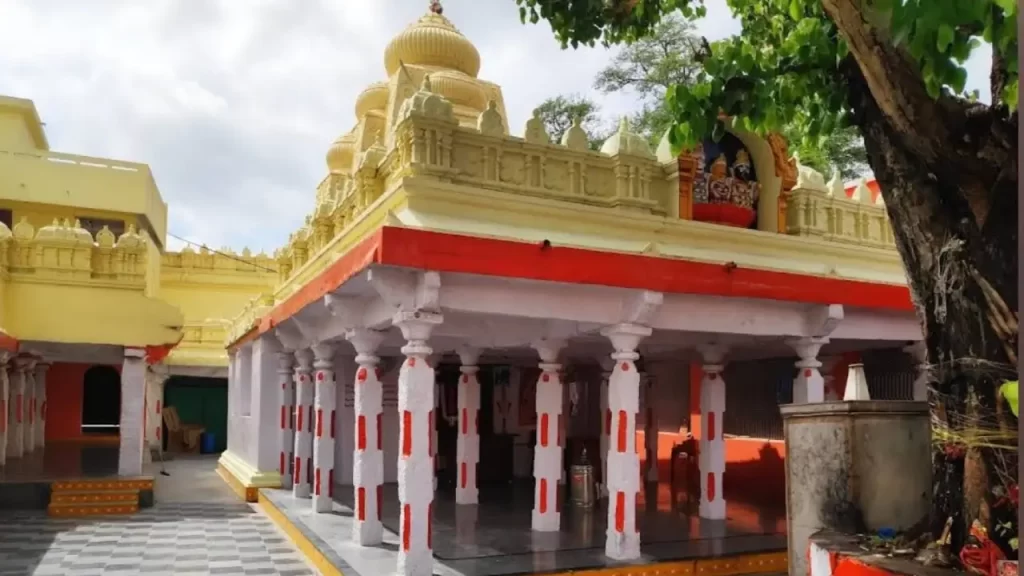
This temple complex represents the amalgamation of Kakatiya and later South Indian or Dravidian architectural aspects. The older portions of the temple, perhaps starting from the original Kakatiya construction, consisted of solid stone mandapams with traditional carvings.
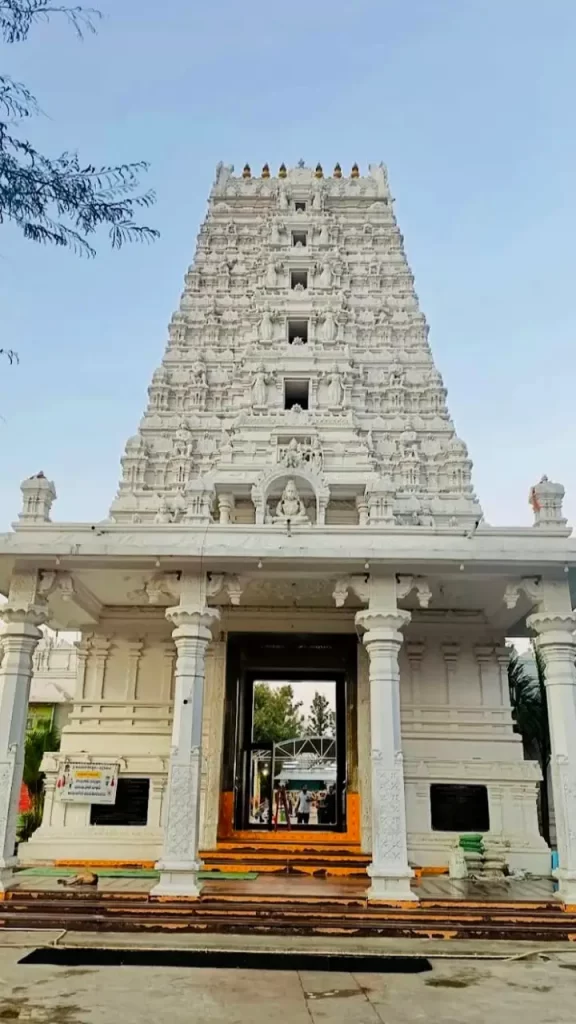
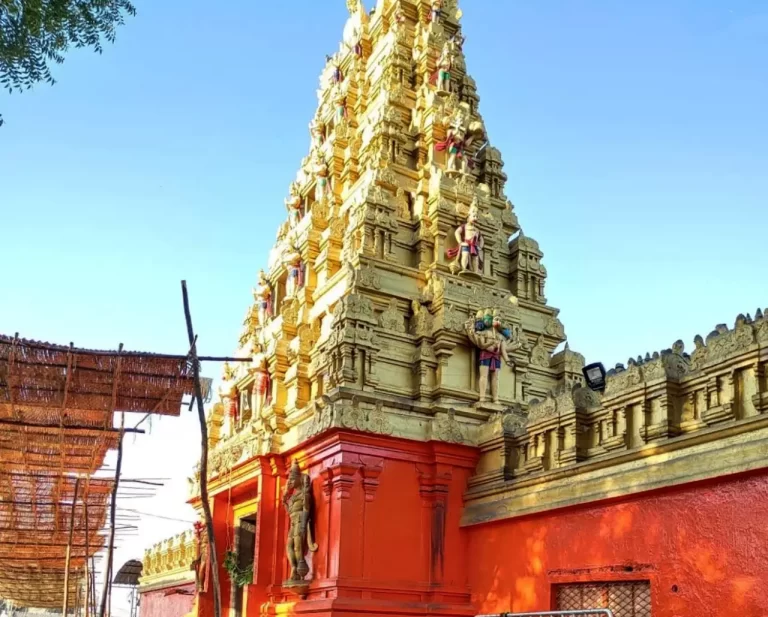
The Gopuram – Gateway Tower: A lot of magnificent and towering Gopurams were built in recent times, featuring the characteristic tiered structure and intricate stucco work of South Indian temples, with colorful images of various Hindu gods and goddesses. These towers act as a visual invitation into the sacred space.
Intricate Stone Work: Look closely at the ancient stone pillars and walls. In them, you will find detailed carvings and sculptures depicting scenes from the Ramayana, episodes of Lord Hanuman’s life, and various mythological figures. The carvings are not merely for decoration; they form visual scriptures to tell stories to those who cannot read.
The Sanctum Sanctorum is Garbhalayam. The powerful Dhyana Anjaneya Swamy idol is situated in the inner sanctum seated in meditation, painted in Vermillion (Sindoor), giving an appearance of calmness and tranquility. The sanctum is the spiritual heart of the whole Karmanghat Hanuman Temple complex.
Other deities in the complex
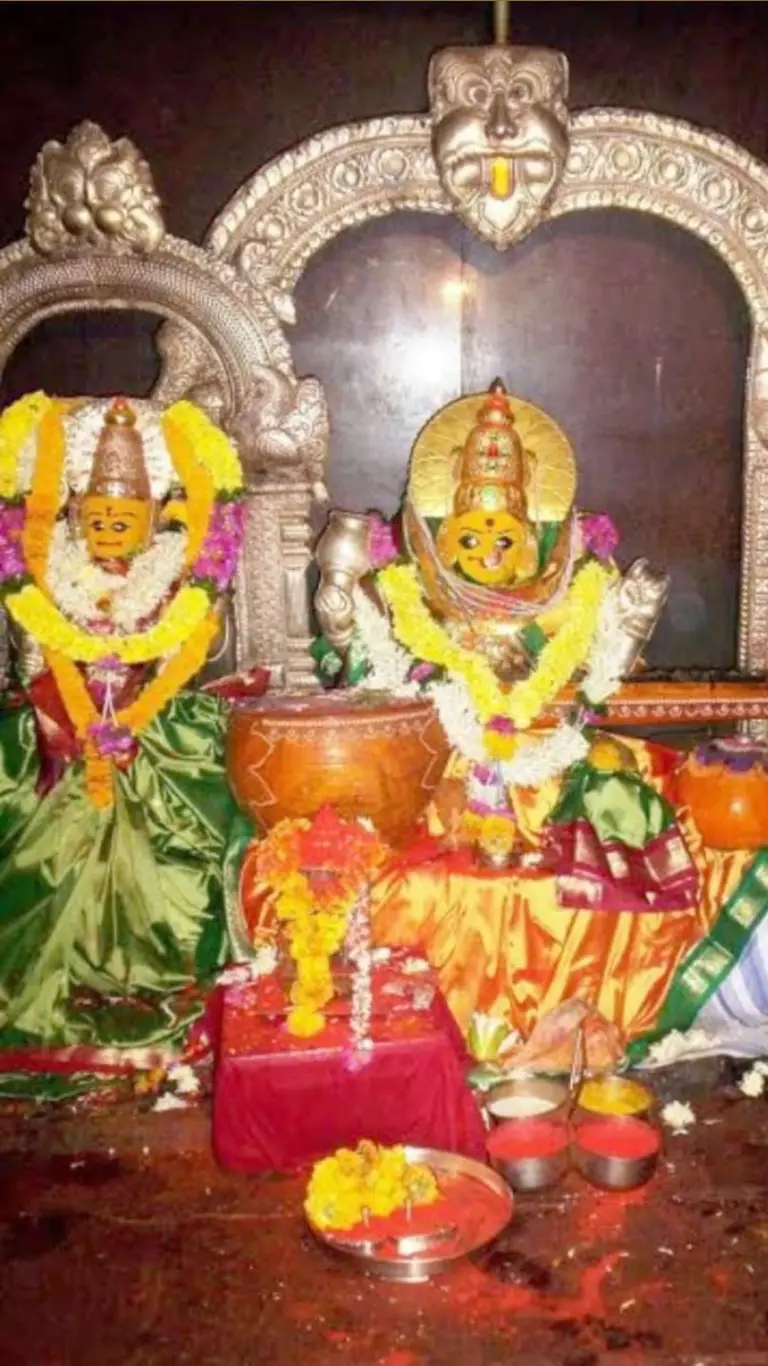
The Karmanghat Hanuman Temple is not solely dedicated to Lord Hanuman. It is a multi-deity complex, which is common in South Indian tradition, allowing devotees to worship various gods and goddesses in one sacred location. Key shrines include:
Lord Rama: Lord Hanuman’s main deity who is located mostly in a separate shrine with Sita, Lakshmana, and sometimes Lord Shiva as Lingeshwara.
Lord Ganesha (Vigneshwara): Worshipped as the remover of obstacles, his temple is located near the entrance.
Goddess Durga and Saraswati: Shrines dedicated to the Mother Goddesses, symbolizing power, education, and glory.
Navagrahas: The nine planetary deities, whose blessings are sought for astrological harmony and fortune.
Other forms of Lord Vishnu include: Lord Venugopala Swamy- Krishna and Lord Jagannath.
Read More>> Gangapur Dattatreya Temple
Myths and Beliefs
At the Karmanghat Hanuman Temple, the popular myths and deep-rooted beliefs make the spiritual energy here so intense. They are the stories that a true devotee carries in his heart.
The Power of 40 Days (Mandala)
One locally deep-rooted belief is in the power of unbroken devotion:
Local legends claim that continued worship of Lord Anjaneya for 40 days continuously will cure difficult diseases.
A vow to visit the temple for one mandala-or a cycle of 40 days-is quite common among devotees seeking healing, relief from long-standing problems, or the granting of a major wish. The unshakeable devotion and discipline that is demonstrated through this period of time are believed to activate the healing and wish-granting powers of the deity.
The Myth of Progeny and Protection
- Blessings for Children: Many childless couples come to Karmanghat Hanuman Temple seeking the Lord’s blessings to beget healthy offspring. This is believed because of the immense power that is attributed to Hanuman, who not only protects but also fulfills wishes.
- Protection from Negative Energies: The belief is staunch among the devotees that just as the Lord protected the temple from the destructive intentions of Aurangzeb, a visit here protects them from all forms of negative energy and malicious intent.
The Miracle of the Swayambhu Idol
The Swayambhu or self-manifested nature of the main idol is a core belief since it means the idol was not sculpted by human hands but appeared naturally, imbued with divine consciousness. That, in itself, makes the deity more inherently powerful and sacred than any man-made idol, further strengthening the faith of all who visit.
Temple Timings and Best Time to Visit
Knowing the timings is essential for planning your visit to the Karmanghat Hanuman Temple and experiencing the daily rituals.
| Day | Morning Timings | Afternoon/Evening Timings | Note |
| Monday, Wednesday-Friday, Sunday | 6:00 AM – 12:00 PM | 4:30 PM – 8:30 PM | Normal operating hours. |
| Tuesday & Saturday | 5:30 AM – 1:00 PM | 4:30 PM – 9:00 PM | Extended Hours due to high devotion on these days. |
Aarti timings include the early morning Aarti (approximately 5:30 AM-6:00 AM) and the Evening Aarti that takes place at approximately 7:00 PM.
Best Time to Visit: For a peaceful, less crowded darshan, it is advisable to visit during the weekdays or right after the temple reopens in the afternoon at 4:30 PM. If one wants to feel the peak spiritual energy, be prepared to queue for long periods on Tuesdays and Saturdays.
Dress Code: Visitors are encouraged to wear modest attire befitting the traditional customs prevalent in a South Indian temple.
Read More>> Tulja Bhavani Temple Tuljapur
Places to Visit Near Karmanghat Hanuman Temple
A visit to the Karmanghat Hanuman Temple can easily be made a part of a bigger spiritual tour across Hyderabad. The city is a treasure trove of ancient temples and sacred spots.
Chilkur Balaji Temple (“Visa Balaji”): Famous for the belief that Lord Balaji here grants wishes for overseas travel, this temple forms one of the most popular destinations and together with Karmanghat Hanuman Temple, it’s mostly visited. It’s known for not accepting monetary donations as part of its strict practice.
Birla Mandir: A breathtakingly beautiful temple dedicated to Lord Venkateswara and built entirely of white marble. It boasts a panoramic view of Hyderabad and is famous for its ultra-modern and yet conventionally beautiful architectural splendor.
Surendrapuri: The Kunda Satyanarayana Kaladhamam Complex is a sprawling museum with replicas of all the major temples in India. Agreed, it’s a great educational and spiritual experience.
Peddamma Temple, Jubilee Hills: A prominent temple dedicated to the Mother Goddess, Peddamma, meaning ‘The Great Mother’. These nearby sites put up a complete view and complement the powerful experience of the region’s spiritual heritage, starting with the Karmanghat Hanuman Temple.

How to Reach the Karmanghat Hanuman Temple
Karmanghat Hanuman Temple is suitably located, with easy access that will make your pilgrimage effortless.
By Air
Rajiv Gandhi International Airport (HYD): The temple is a distance of about 25 to 30 kilometers from the airport. One can hire a pre-paid taxi or a ride-sharing service to travel direct to Karmanghat. It normally takes around 45 minutes to an hour, depending on traffic conditions.
By Rail
- Secunderabad Railway Station (SC): Approximately 16-18 km away.
- HYDERABAD DECCAN RAILWAY STATION (NAMPALLY) (HYB): 12-14 Kms away.
Auto-rickshaws or city buses or taxis are easily available from any of the major railway stations, and these will take you directly to the Karmanghat Hanuman Temple.
By Road
- (Bus/Car) Public Transport: TSRTC runs a number of city buses towards Saroornagar and Karmanghat. Board any bus that goes behind Karmanghat or Sagar Road.
- Location: It is situated at Karmanghat, Saroornagar Mandal, Ranga Reddy District, Telangana, on the highway to Nagarjuna Sagar. It is a well-known landmark, and any local driver should know the way.
Read More>> Kundeshwar Temple Pune: Super Trekking Experience
Accommodation Options near the Temple
While the Karmanghat Hanuman Temple itself is a day-visit destination, you will need comfortable accommodation in the bustling city of Hyderabad.
- Mid-range Hotels: Areas like Kothapet, Dilsukhnagar, and Saroornagar are relatively nearer to the temple, offering a variety of mid-range hotel options suitable for families and pilgrims, assuring them of comfortable stays at reasonable prices.
- Luxury and Business Hotels: If you are more interested in staying in upscale accommodations, the city center Banjara Hills, Jubilee Hills, and the Gachibowli IT hub boast international hotel chains with luxury services. These places are a bit further away, but the commute to the Karmanghat Hanuman Temple isn’t too difficult owing to the excellent road connectivity within the city.
- Temple Guest Houses: Chattrams are small guest house facilities that most major temples have; these are either run by the temple trust itself or by other charitable organizations nearby. They primarily serve very religious pilgrims who want budget stays. It is always best to enquire with the temple administration about the availability and how to book them.
I hope this detailed guide has given a wonderful sense of the history, divinity, and powerful energy that is attached to the Karmanghat Hanuman Temple. May your pilgrimage be filled with peace and blessings!