
Kundeshwar Temple Pune Trekking
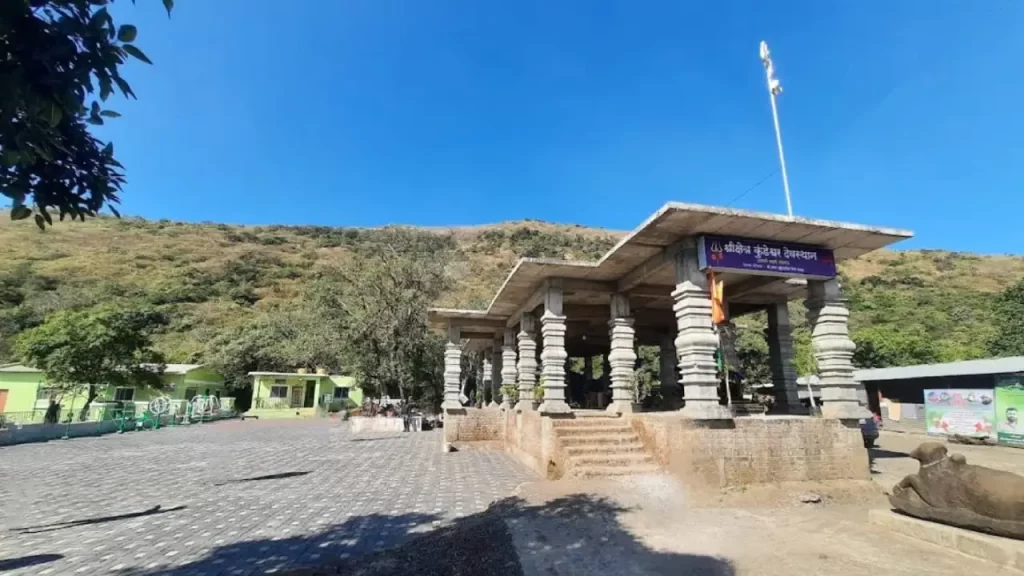
Kundeshwar Temple, Pune is Situated in the peaceful village of Kohinde Bk, close to the Khed taluka of Pune, the Kundeshwar Temple is a temple revered in the name of Lord Shiva. As we set out, I want you to notice the fresh, clean air and the soft rustle of the wind through the trees. This is a world away from the noise and urgency of life in the city, and it makes for the ideal refuge for your mind and spirit.

I’ve been lucky enough to visit this lovely place several times, and it still feels like discovering something new each time. The atmosphere of peace here is simply tangible, and I am confident that you will be able to feel it as well. In this guide, I’ll take you through every aspect about the Kundeshwar Temple, from the ancient history and intriguing legends to the special architecture, festivals, and every useful fact for your trip. So, let’s start our holy journey to this sacred shrine, the Kundeshwar Temple in Pune.
Contents
- 1 Introduction to Kundeshwar Temple, Pune
- 2 Kundeshwar Temple History
- 3 Legend of Kundeshwar Temple
- 4 Cultural, Spiritual, and Mythological Significance of the Temple
- 5 Festivals, Special Days, and Rituals
- 6 Distinct Architectural Features and Carvings
- 7 Myths and Beliefs
- 8 Kundeshwar Temple Timing
- 9 Places to Visit Near Kundeshwar Temple, Pune
- 10 Accommodation Options near Kundeshwar Temple
- 11 How to Reach the Kundeshwar Temple
Introduction to Kundeshwar Temple, Pune
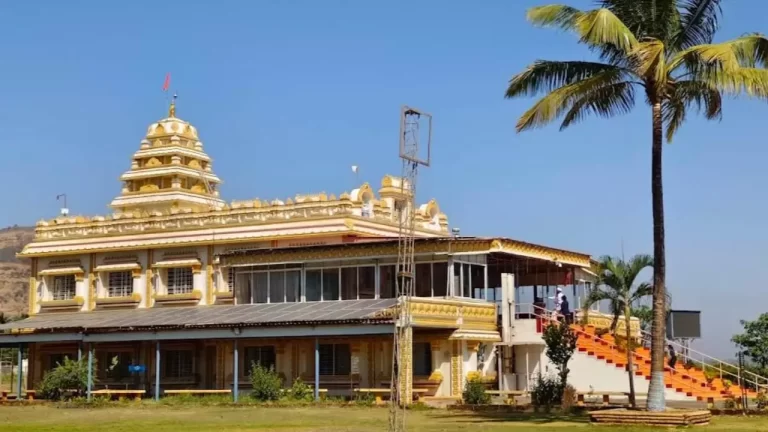
The Kundeshwar Temple is a site of deep spiritual importance, located in the midst of green landscapes and gentle waters of the Kundeshwar waterfall. It is a site that offers you a direct sense of connection with the divine, far from the commotion of urban life. The temple, located amidst the natural splendor of the Sahyadri mountains, contributes to its peaceful and meditative ambiance. It’s an ideal place for anyone who desires to spend a moment of peaceful contemplation or enhance their spiritual practice.
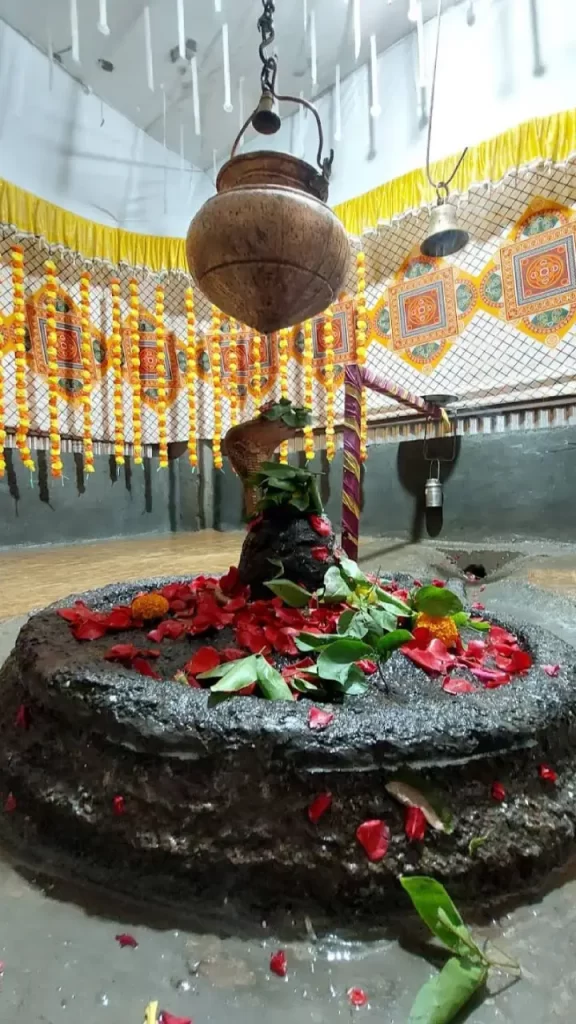
The central deity here is Lord Shiva, worshiped in the shape of a Shivlinga. The temple is said to be extremely old, with some sources indicating that it dates back to the Rashtrakuta period. But as you go deeper, you’ll discover that its past is filled with interesting myths and legends that make the Kundeshwar Temple more unique. The people here have a very high regard for it, and their strong belief is the very reason why the spirit of the temple remains alive and kicking.
Kundeshwar Temple History
The Kundeshwar Temple’s history is a mix of documented facts and ancient legends that have been handed down generation after generation. Although a definite historical sequence may be difficult to create, the building style and oral folklore help.
Historians and architecture scholars say that the temple is usually associated with the Hemadpanthi style of architecture, prevalent during the Rashtrakuta era. The fact that the temple was constructed using solid basalt rock and the precision carvings on the walls of the temple speaks volumes about the great skill that was involved in building this wonder. This implies that the temple has existed for centuries, watching over the rise and fall of one kingdom after another in the region. The building itself is a piece of history, and strolling around it is like going back in time.
The history of the temple is not merely about how it was built; it’s about how it has been worshipped by people. It has been an ancient center of worship for centuries with faithfuls from all over, coming in devotion. The temple has stood the test of time, and its continued existence is a testament to the unshakable belief of the people in this area. The Kundeshwar Temple has been a symbol of hope and solace for innumerable souls, and its legacy remains an inspiration for devotion.
Legend of Kundeshwar Temple
It is the legends behind the Kundeshwar Temple that make it truly enchanted. One of the most well-known legends is of a Parmar king who, desiring penance, sacrificed his own head to Lord Shiva at this precise location. So moved was Lord Shiva by his dedication that he manifested and blessed him, and the site became a place of immense sacredness. This inspiring legend of self-giving and divine manifestation points to the strong spiritual power many experience here.
Another myth associates the temple with the sacred River Ganga. According to legend, at the behest of Saint Ravidas, the guru of the great poet-saint Meera Bai, the River Ganga herself descended to this site from Haridwar. That is why the location is sometimes called the “Chautha Paya” (the fourth stage) of the River Ganga. For most of the devotees, this renders the Kundeshwar Temple a sacred place for carrying out rituals such as the immersion of the bones of their dear ones, feeling that it is as pure as carrying out the ritual in the Ganga. This specific belief brings many people to the Kundeshwar Temple, particularly on certain favorable times.
It’s such stories that create a rich lore of belief and faith around the temple. When you go there, you can feel the reverberations of such stories in the peaceful ambiance, so that your experience of the Kundeshwar Temple becomes not merely religious but an entry into a realm of myth and worship.
Cultural, Spiritual, and Mythological Significance of the Temple
The Kundeshwar Temple has a multi-dimensional significance that transcends mere place of worship.
Cultural Significance: The temple is a living example of Maharashtra’s rich cultural heritage. The temple’s architecture, the rituals performed here, and the festivals observed here are a representation of the centuries-old traditions. It’s a center for cultural activities, particularly for the major festivals, where people from the community gather to celebrate their common religion. The temple has also been a source of inspiration for historians and artists who study ancient Indian history and architecture.
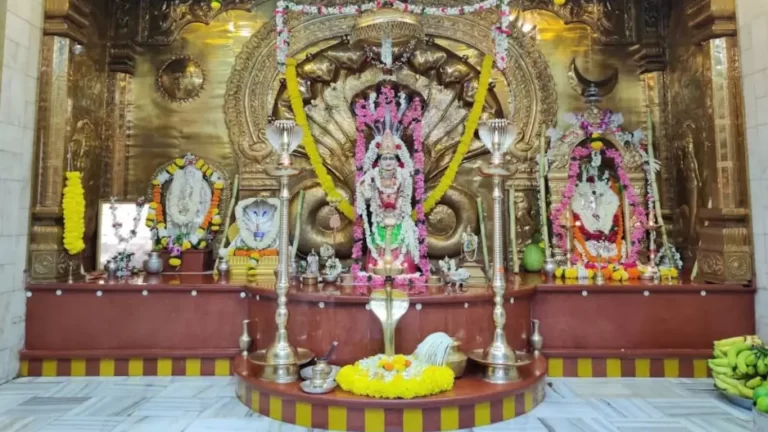
Spiritual Significance: Being a shrine for Lord Shiva, the Kundeshwar Temple is a prominent spiritual complex. Lord Shiva is the “Mahadev” – the great god, and pilgrims throng here in search of his blessings for one reason or another. Many believe that by worship at the temple they can attain salvation, or moksha. It is also a temple where individuals pray for health, wealth, knowledge, and happiness. The serene atmosphere is ideal for meditation and contemplation, enabling devotees to communicate with their inner selves and the divine.
Mythological Significance: The myths surrounding the temple, including the legend of the Parmar king and the coming of the Ganga, provide it with a special mythological value. The legends validate the belief in the strength of faith and the kindness of Lord Shiva. The temple is not merely a building; it’s part of the rich story of Hindu mythology, a site where mythic events are purported to have occurred. The Kundeshwar Temple is a tangible connection to these stories, so the myths are more palpable and tangible.
Festivals, Special Days, and Rituals
Festivals at the Kundeshwar Temple are something to experience! The mood at these times is positively charged with devotion and celebration.
Maha Shivaratri: This is, undoubtedly, the largest festival that is observed at the Kundeshwar Temple. It is the great night of Shiva, and the temple erupts with a huge turnout of devotees. The whole complex is lighted and flowered, and special poojas and abhishekams are done day and night. The chanting of “Om Namah Shivaya” fills the air, and the energy of the group is just overpowering. If you wish to see the temple at its best, this is when you should go.
Shravan Mondays: The Hindu month of Shravan (July-August) is extremely holy for the worship of Lord Shiva. Each Monday of this month is a festive day at the Kundeshwar Temple, which draws a large crowd. Fasts are kept, prayers are offered, and milk and water abhishekam is done to the Shivlinga by the devotees. This is also one of the busiest times to go to the Kundeshwar Temple, so expect huge queues and lots of people. The third Monday of Shravan is very special, and the crowd is usually at the maximum.
Other Rituals: Besides these major festivals, the temple performs daily aarti and poojas. Special poojas are also performed by many devotees for particular reasons. For instance, it is believed by a few that maintaining a fast and presenting milk to the Shivlinga on Mondays will assist in getting a proper life partner. Due to this belief, numerous unmarried persons visit the Kundeshwar Temple to pray for a good life partner. The temple is also regarded as the best venue to hold marriage ceremonies and blessings from Lord Shiva for a happy and long married life.
Distinct Architectural Features and Carvings
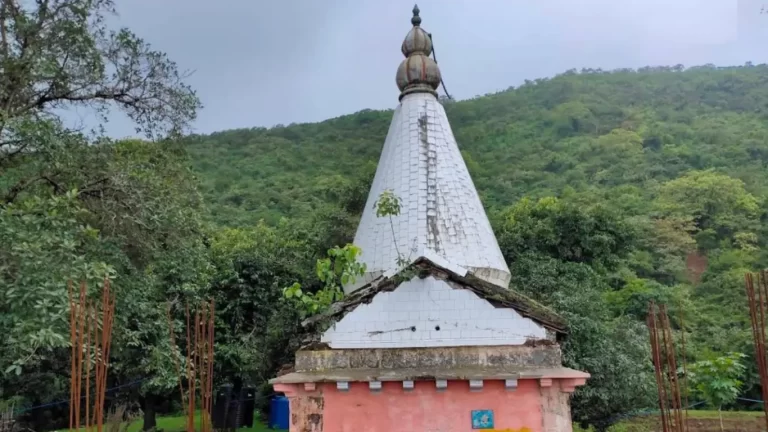
The Kundeshwar Temple’s architecture is a stunning display of ancient Indian artistry. The temple’s building, constructed mostly with basalt rock, is robust and elegant. The application of the readily available in the Deccan region stone makes the temple stand out.
The temple is in what is referred to as the Hemadpanthi style, which is recognized by intricate and ornate designs. As you stroll around, notice the intricate carvings on the walls and pillars. These carvings show various mythological motifs, gods, and intricate flower patterns. You can notice the craftsmanship and dedication of the craftsmen in each stroke of their chisels.
While the primary sanctum contains the Shivlinga, the temple compound may also include smaller shrines for other gods, making the experience a complete religious phenomenon for the devotee. The shikhara or the pinnacle is usually intricately designed and sculpted, toweringly standing above the sanctum sanctorum. The entire structure is a classic example of the skill of the ancient constructors who designed this holy place.

Myths and Beliefs
The Kundeshwar Temple is a site where devotion goes very deep, and numerous myths and legends are part of the experience.
The Power of the Water: Kundeshwar waterfall that flows alongside the temple is believed to be exceedingly sacred. Faithful people think that a bath in its waters washes them clean from sin and grants them spiritual merit. Having a perennial waterfall enhances the mystical quality of the destination.
Wishes and Blessings: A common belief is that if you wish with a clean heart at the Kundeshwar Temple, then Lord Shiva will make it happen. People tie threads or present certain things to the Shivlinga as an indication of their faith and to want their wishes to be fulfilled.
Healing Properties: Several locals are of the opinion that the water and air surrounding the temple possess healing properties. They make it a point to go to the temple not only for peace of mind but also with the hope of healing from ailments. Although these are beliefs and not reality, the soothing and peaceful atmosphere does tend to create a feeling of being well.
Kundeshwar Temple Timing
It is easy to plan your trip to the Kundeshwar Temple, yet it is always safe to be on the know about the timings. The temple is usually open from early morning till late evening, and devotees get sufficient time for darshan and pooja.
- General Timings: The temple is usually open from around 6:00 AM to 8:30 PM. But these timings may vary slightly based on the season or festive days.
- Aarti Timings: The aartis held in the morning and evening are such special experiences to be watched. The morning aarti is typically conducted at 6:00 AM, and the evening one at 7:30 PM. It’s a lovely ceremony of bells, chanting, and lighting lamps, which is such a strong spiritual experience.
- Crowded Days: As I’ve already mentioned, Mondays, particularly in the month of Shravan, are the busiest days. Public holidays and festivals such as Maha Shivaratri also witness a huge influx of visitors. If you want to visit without the crowds, try going on a weekday in the off-season.

Places to Visit Near Kundeshwar Temple, Pune
While you’re there to see the Kundeshwar Temple, you can also visit some of the other amazing religious and historical places in the area. Pune region is filled with such locations that are wonderfully diverse in their offerings.
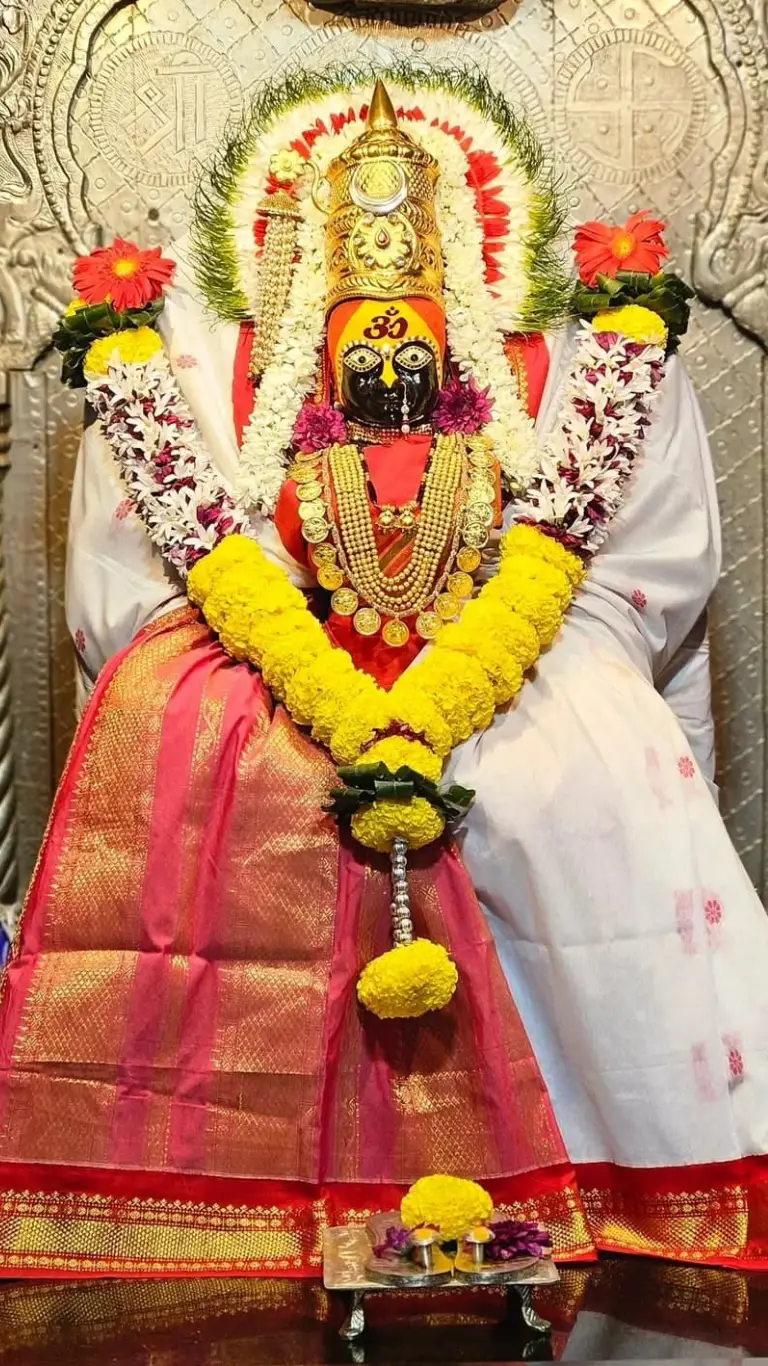
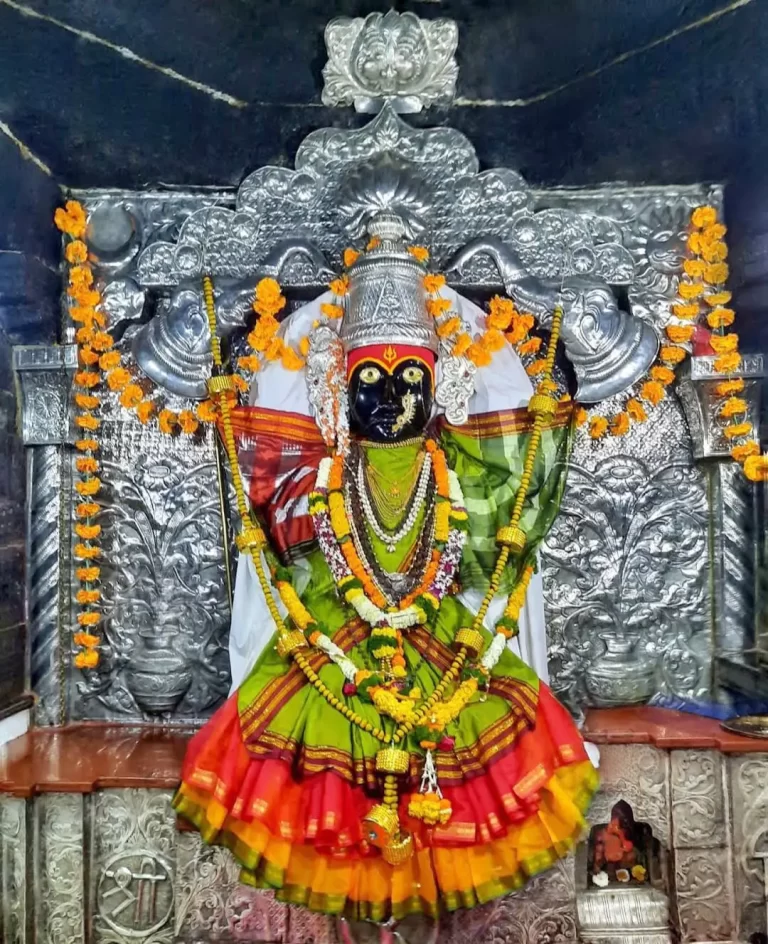
Bhuleshwar Temple: A beautiful temple of Lord Shiva, famous for its carvings and stunning architecture. It’s a drive from the Kundeshwar Temple, but the scenic journey and the awe-inspiring temple make it a worthwhile effort.
Jejuri Temple: Known for the temple of Lord Khandoba, Jejuri is an important pilgrim center. The temple lies on a hill and you need to climb some steps to enter it. The view of the temple and surrounding countryside is splendid.
Bhimashankar Temple: One of the twelve Jyotirlingas of Lord Shiva, Bhimashankar temple is a sacred pilgrimage site. Situated in the thick forests of the Bhimashankar Wildlife Sanctuary, this temple provides a spiritual as well as nature-filled experience. Any Lord Shiva devotee should not miss this.
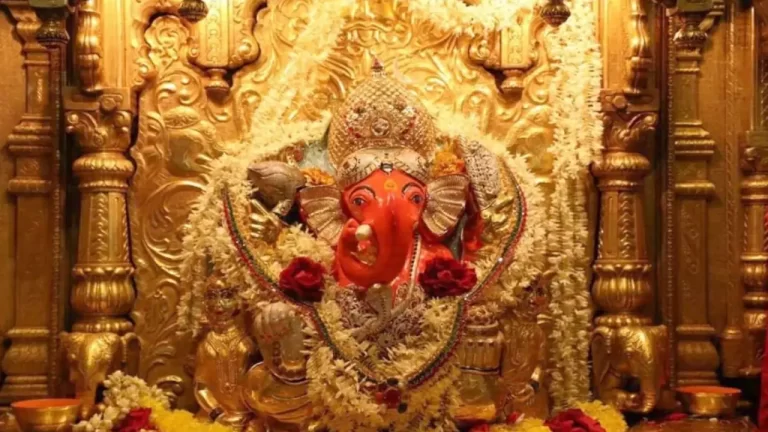
Ashtavinayak Temples: Pune is near some of the eight Ashtavinayak temples dedicated to Lord Ganesha. Pilgrimage to these temples can be a satisfying experience for many pilgrims.
Accommodation Options near Kundeshwar Temple
Because the Kundeshwar Temple is situated in a village, you will not find high-end luxury hotels side by side with it. But there are a number of accommodation facilities available in the nearby cities and towns.
Rajgurunagar (Khed): This is the closest big town to the temple. Basic guesthouses and local lodges are available here. They are simple but clean and comfortable, well-suited for a night stay.
Pune City: If you prefer to be more comfortable and have the facilities of modern times, then staying in Pune city is a better idea. Pune has a variety of hotels ranging from cheap to luxury that can suit all types of travelers. It is easy to hire a taxi or take public transport from Pune to reach the Kundeshwar Temple.
Homestays: If one wishes to take in the culture, there could be some homestay facilities in the villages around the temple. This can be a more intimate and immersive experience.

How to Reach the Kundeshwar Temple
Kundeshwar Temple is well-linked and can be accessed with different modes of transport.
By Road: The most convenient means to get to the temple. You can take a private taxi or a local bus from Pune to Rajgurunagar (Khed), and then a local auto-rickshaw or taxi to the temple. The road is scenic through lovely rural countryside.
By Air: The closest airport is Pune International Airport (PNQ). From the airport, one can hire a cab straight to the temple, which is about a 1.5 to 2-hour drive.
By Rail: The closest major railway station is Pune Junction (PUNE). You can follow the same path as by road from the railway station, taking a taxi or bus to the temple.
I hope you find this complete guide helpful in planning a gorgeous and spiritually rewarding visit to the Kundeshwar Temple in Pune. The pilgrimage to this holy site is as enriching as the destination and I have no doubt that you will depart with a sense of tranquility and a heart overflowing with devotion. The Kundeshwar Temple is not merely a site of devotion; it’s an experience of ages past that brings you in touch with the past, the spiritual, and the peaceful beauty of nature.