Shani Shingnapur Temple Near Shirdi: Timings, Rituals, and Visitor Guide
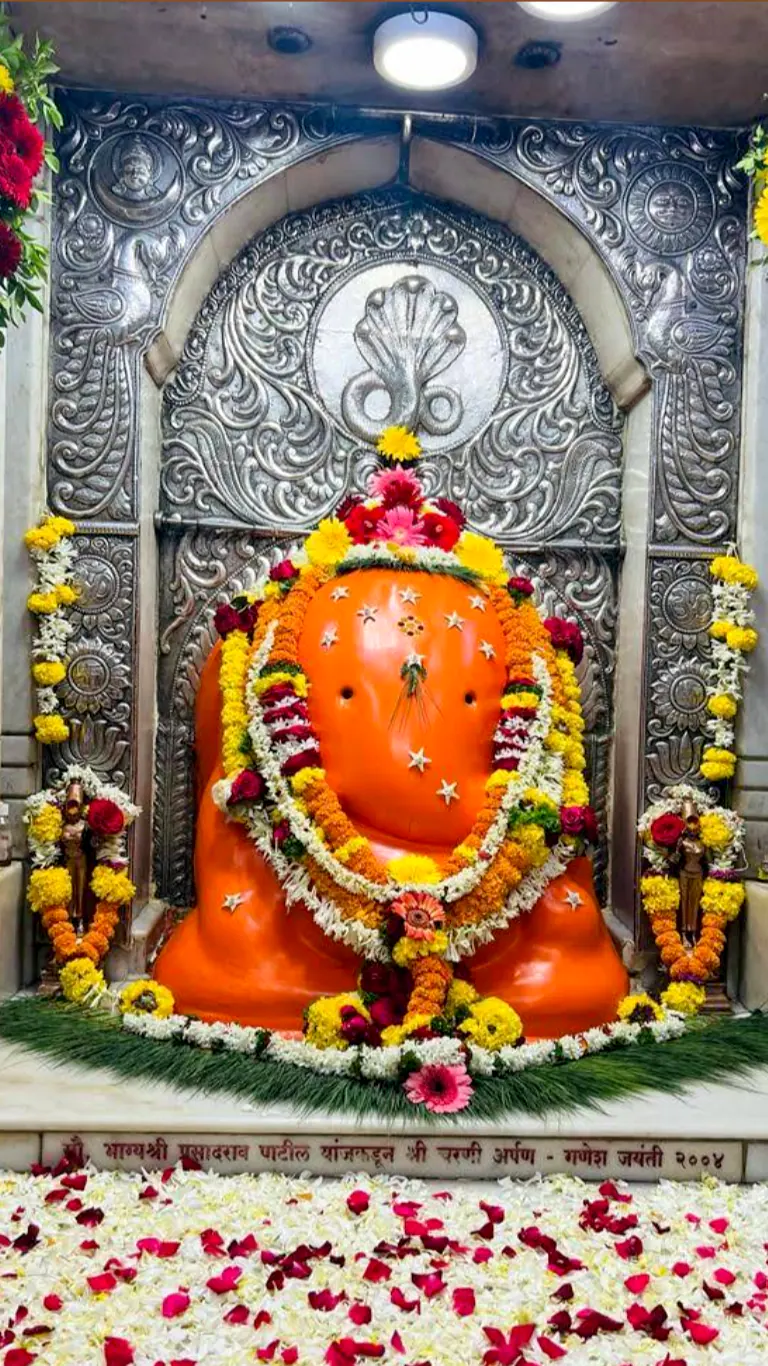
Shani Shingnapur temple is an open-air pilgrimage shrine dedicated to Lord Shani (the personification of the planet Saturn), located in the Ahilyanagar (Ahmednagar) district of Maharashtra. Situated approximately 72 kilometers from the holy town of Shirdi, the shrine is globally celebrated for its self-manifested (Swayambhu) black stone idol standing under the open sky and for its surrounding village, where houses and shops traditionally operate without wooden doors or locks.

Every year, millions of pilgrims traveling along the Maharashtra spiritual circuit combine their visit to the Sai Baba Samadhi Mandir in Shirdi with darshan at Shani Shingnapur. Devotees come to offer mustard or sesame oil (Tailabhishekam) to pacify Saturn’s planetary influence (Sade Sati) and pray for justice, protection, and inner discipline. This complete guide covers verified temple timings, aarti schedules, ritual rules, travel options from Shirdi, and the timeless history behind this unique holy village.
Quick Information: Shani Shingnapur Temple at a Glance
| Feature | Details |
| Temple Name | Shri Shaneshwar Devasthan, Shani Shingnapur |
| Main Deity | Lord Shani (Shaneshwar / Saturn personified) |
| Idol Type | Swayambhu (self-manifested) black monolithic stone, approx. 5.5 feet tall |
| Location | Shingnapur Village, Nevasa Taluka, Ahilyanagar (Ahmednagar) District, Maharashtra, India |
| Distance from Shirdi | Approx. 72–74 km (1.5 to 2 hours drive via SH-10 / Shirdi-Ahmednagar highway) |
| Temple Opening Hours | 4:00 AM to 10:30 PM daily (premises remain accessible 24 hours on major festival days and Saturdays) |
| Daily Aarti Timings | Morning Aarti: 4:30 AM | Midday Aarti: 12:00 PM | Evening Aarti: Sunset (approx. 6:30 PM) |
| Entry Fee | Free general entry (paid express queue passes may be offered during major festivals) |
| Main Offering / Ritual | Tailabhishekam (offering pure sesame or mustard oil onto the sacred stone) |
| Platform (Chauthara) Access | Open to both men and women following the 2016 legal reforms, subject to queue management and traditional dress guidelines |
| Dress Code | Modest Indian clothing; men offering close ritual worship traditionally wear a dhoti or kurta-pyjama, while women wear sarees or salwar kameez |
| Best Time to Visit | October to March (cooler weather); Saturdays and Shani Amavasya are spiritually significant but see heavy crowds |
| Nearest Railway Hubs | Rahuri (32 km), Ahmednagar / Ahilyanagar (35 km), Sainagar Shirdi (74 km) |
| Nearest Airports | Shirdi International Airport (SKO – ~85 km), Pune Airport (PNQ – ~160 km) |

The Sacred Legend: Why Lord Shani Stands Under the Open Sky
Unlike traditional Hindu temples built with elaborate granite towers (gopurams), marble halls, and enclosed sanctums (garbhagrihas), the shrine at Shani Shingnapur consists solely of an elevated stone platform called the Chauthara. At its center stands a slab of dark, porous basalt rock under the open canopy of the sky.
According to local sthala purana (regional temple tradition), several centuries ago a severe flood swept down the Panasnala river, which then flowed through the village. When the floodwaters receded, local cowherds noticed a massive, flat black stone resting against a plum tree. Curious, a shepherd poked the stone with a sharp wooden stick. To his utter shock, blood began oozing from the point of impact.
Terrified, the villagers gathered to inspect the miracle. That night, Lord Shani appeared in the dream of a pious village elder. The deity revealed that the black slab was his self-manifested (Swayambhu) form and commanded that it be installed in the village to protect the righteous from misfortune.
When the villagers prepared to build a roofed temple around the stone, Lord Shani appeared in another vision and gave a clear instruction:
“The entire sky is my roof. I do not wish to be bound by bricks, wood, or mortar. Let the sun, the wind, and the rain touch my stone directly.”
Obeying this divine wish, the villagers placed the black stone upright on an open-air stone platform. To this day, any attempt to erect a permanent canopy over the idol has been resisted by tradition. Devotees believe that Lord Shani’s cosmic vision must remain unobstructed, allowing his protective gaze to reach every corner of the village.
Read More>> Mahakaleshwar Jyotirlinga: Powerful Mahakal Temple in Ujjain
The Miracle of the Doorless Village: Faith and Justice in Practice
The most astonishing feature of Shani Shingnapur is not limited to the temple complex—it extends to the daily lives of its residents. For generations, the houses, school buildings, and small retail shops in Shingnapur have had doorframes, but no wooden doors, latches, or padlocks. Curtains or lightweight metal frames are occasionally hung merely to keep out stray animals or provide basic privacy.
Devotees believe that Lord Shani acts as the supreme magistrate and guardian of the village. Local lore holds that if someone attempts to steal, they will face instant divine retribution: blindness, sudden illness, or unbearable disorientation that prevents them from escaping the village boundary before dawn.
While commercial growth, high pilgrim footfalls, and modern banking rules have brought subtle practical adaptations—such as electromagnetic security systems and rolling shutters on commercial stalls—the residential heart of the village still honors this remarkable culture of mutual trust and devotion.
Read More>> Nelluvaya Sree Dhanwanthari Temple

Shani Shingnapur Timings (Daily Darshan and Aarti Schedule)
Shani Shingnapur is one of the most accessible pilgrimage shrines in Western India. While the open grounds allow walking access throughout the day, the sanctum gates follow a structured devotional rhythm.
- Temple Opening Time: 4:00 AM
- Temple Closing Time: 10:30 PM (often kept open 24 hours on Saturdays and Shani Amavasya)
Aarti Timings
- Morning Aarti (Brahma Muhurta): 4:30 AMThe day starts before dawn as the priests wash the deity with warm water and fresh oil while chanting Vedic hymns.
- Madhyan Aarti (Midday): 12:00 PMConducted at noon, accompanied by ringing temple bells and traditional dholak beats.
- Sayam Aarti (Evening): At exact sunset (roughly 6:30 PM depending on the season)A deeply devotional atmosphere with brass oil lamps illuminating the black stone slab.
Tip for Travelers: To avoid standing in long queues under the harsh afternoon sun, plan to arrive between 5:30 AM and 7:30 AM. Crowds are significantly lighter, temperatures are cool, and the morning oil abhishek creates a serene atmosphere.
Read More>> Bhakta Kannappa Temple Srikalahasti
Ritual Guidelines: How to Perform Tailabhishekam
The central act of worship at Shani Shingnapur is Tailabhishekam—the ritual pouring of oil over the sacred stone.
In Hindu astrology and scripture, Saturn represents discipline, labor, perseverance, and karma. Offering sesame or mustard oil symbolizes the surrender of one’s ego and negative karma at the feet of the divine.
Essential Steps for Devotees
- Acquire Pure Oil: Devotees traditionally offer Til (sesame) or mustard oil along with black sesame seeds, black cloth, and blue flowers. Always buy oil from the authorized Shri Shaneshwar Devasthan Trust counters inside the complex to avoid diluted or adulterated oil sold at inflated prices outside.
- Platform vs. Funnel Darshan: On regular weekdays with modest crowds, devotees who meet traditional dress requirements may be permitted to climb the Chauthara (platform). On busy days and weekends, all devotees offer their oil through continuous, stainless-steel troughs and funnels located at the railing below. The oil drains directly onto the base of the sacred monolith.
- Parikrama (Circumambulation): Walk around the perimeter of the platform clockwise. Maintain quiet focus and chant the simple Shani Mantra:
Om Sham Shanaishcharaya Namah - Prasad Distribution: After darshan, collect dry prasad packets from the designated temple counters near the exit gates.
Read More>> Nitya Kalyana Perumal Temple: Unlock Your Marriage Destiny!
Understanding Gender Access on the Platform
Historically, access onto the raised platform was restricted by village custom. In April 2016, following a historic judgment by the Bombay High Court affirming equal rights under the Maharashtra Hindu Places of Public Worship Act, temple authorities opened the Chauthara to both women and men equally. Today, platform access is governed solely by crowd safety conditions and attire rules, ensuring equal spiritual opportunities for all devotees.
Read More>> Kondagattu Anjaneya Swamy Temple

How to Reach Shani Shingnapur from Shirdi and Other Cities
Most travelers visit Shani Shingnapur as a half-day excursion from Shirdi. The journey winds through rural Maharashtra past sugarcane fields and quiet villages.
From Shirdi (Most Popular Route)
- By Private Taxi: A return taxi from Shirdi typically costs between ₹1,800 and ₹2,800 depending on vehicle size (Sedan vs. SUV). The car picks you up from your hotel in Shirdi, waits during your darshan, and drops you back in roughly 5 to 6 hours total.
- By Shared Taxi / Tempo Traveler: Shared tourist cabs depart regularly from near the Shirdi bus stand and temple gates, charging roughly ₹250 to ₹400 per seat.
- By MSRTC State Transport Bus: Regular Maharashtra state buses run from Shirdi Bus Depot toward Ahmednagar or directly to Shingnapur. This is the most economical route, though travel times are longer (2.5 hours).
Read More>> 6th Century Dharmapuri Temple Jagtial
2. From Pune
Take the Pune–Ahmednagar State Highway (SH-27) to Ahmednagar city (approx. 120 km), then head north-east along the Rahuri-Nevasa road to Shingnapur (approx. 35 km). The entire drive takes 3.5 to 4 hours.
3. From Mumbai
Drive via the Mumbai–Agra Highway toward Nashik or take the Mumbai–Pune Expressway toward Ahmednagar. Many pilgrims first visit the sacred Trimbakeshwar Jyotirlinga near Nashik, proceed to Shirdi for overnight darshan, and conclude their journey at Shani Shingnapur before returning to Mumbai.
Read More>> Sacred 12 Jyotirlingas in India: A Symbol of Eternal Spirit
Practical Pilgrimage Tips: Avoiding Roadside Scams
While the sanctity of the temple is unquestioned, first-time visitors often encounter persistent roadside vendors on the approach roads. Keep the following practical tips in mind:
- Beware the “Free Parking” Trap: About 1 to 2 kilometers before the temple, restaurant and stall owners stand in the road waving vehicles down, offering “free parking” on the condition that you buy their puja thalis. These thalis are often priced 5 to 10 times higher than fair market value. Ignore them and drive straight into the official Devasthan Trust parking ground, which is spacious, safe, and reasonably priced.
- Leave Leather Items in Your Vehicle: Belts, leather wallets, and leather footwear should remain locked in your car or placed in the cloakroom.
- Footwear Stands: Official free footwear stands are operated right by the temple gates. Do not leave valuable shoes unattended outside private shops.
- Water and Meals: The temple trust runs a clean Prasadalay serving subsidised or free vegetarian meals to all pilgrims between 10:00 AM and 3:00 PM, and again from 6:00 PM to 9:00 PM.
Read More>> Komuravelli Mallanna Temple

Expanding Your Pilgrimage: Nearby Sacred Shrines
Visiting Shani Shingnapur offers an opportunity to connect with wider spiritual traditions of penance, healing, and divine justice.
- In North India, devotees seeking to understand the deep cosmic balance between time and karma often visit the revered Mahakaleshwar Jyotirlinga in Ujjain, where Lord Shiva is worshiped as the conqueror of death and the ultimate lord of time.
- For those experiencing planetary distress or chronic physical suffering, seeking solace at the ancient Nelluvaya Sree Dhanwanthari Temple in Kerala—dedicated to the divine physician of the gods—remains a cherished practice for health and vitality.
- Pilgrims traveling across South India frequently honor Lord Shani at the famed Thirunallar Saneeswaran Temple in Tamil Nadu, where King Nala was famously liberated from Saturn’s affliction after taking a dip in the sacred Nala Theertham.
- Closer to Shingnapur within Maharashtra, pilgrims often extend their route south toward the forested Western Ghats to pay homage at the ancient Bhimashankar Jyotirlinga, completing a powerful circuit of Maharashtra’s holiest sanctuaries.
Read More>> Shakti Peethas: The Power of Shakti
Frequently Asked Questions About Shani Shingnapur
1. Can women offer oil directly to the idol at Shani Shingnapur?
Yes. Following the 2016 Bombay High Court ruling, men and women enjoy equal entry rights to the temple and platform. However, on high-crowd days, festival occasions, or when the platform is cordoned off for security, both men and women must offer their oil through the automated collection troughs at the base.
2. What is the dress code for visiting the temple?
Visitors should wear modest, traditional attire. Men are encouraged to wear clean kurtas, dhotis, or full-length trousers with shirts, while women wear sarees, salwar suits, or long ethnic garments. Shorts, sleeveless tops, and short skirts are strictly discouraged.
3. How much time does darshan take at Shani Shingnapur?
On typical weekdays (Monday to Thursday), darshan takes approximately 30 to 45 minutes. On Saturdays, Sundays, and auspicious days like Shani Amavasya, waiting times can range from 2 to 4 hours due to massive devotee gatherings.
4. Is the village of Shani Shingnapur safe for tourists?
Yes, the village is very safe and welcoming to travelers. The doorless tradition reflects a long-standing local ethic of peaceful coexistence and devotion. Visitors should exercise standard common sense: keep vehicle doors locked and carry necessary valuables with them.
5. Can I complete both Shirdi and Shani Shingnapur in a single day?
Yes. If you are based in Shirdi, you can attend early morning darshan at Sai Baba’s Samadhi Mandir, leave for Shani Shingnapur by 9:00 AM, finish darshan and lunch by 1:00 PM, and return to Shirdi by 3:00 PM.