
Shri Bettada Byraveshwara Temple
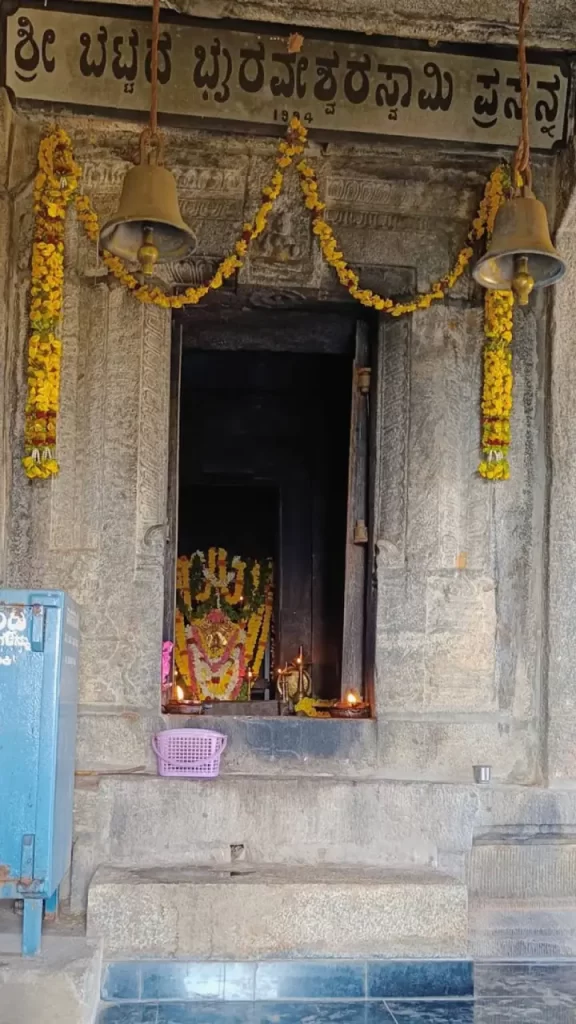
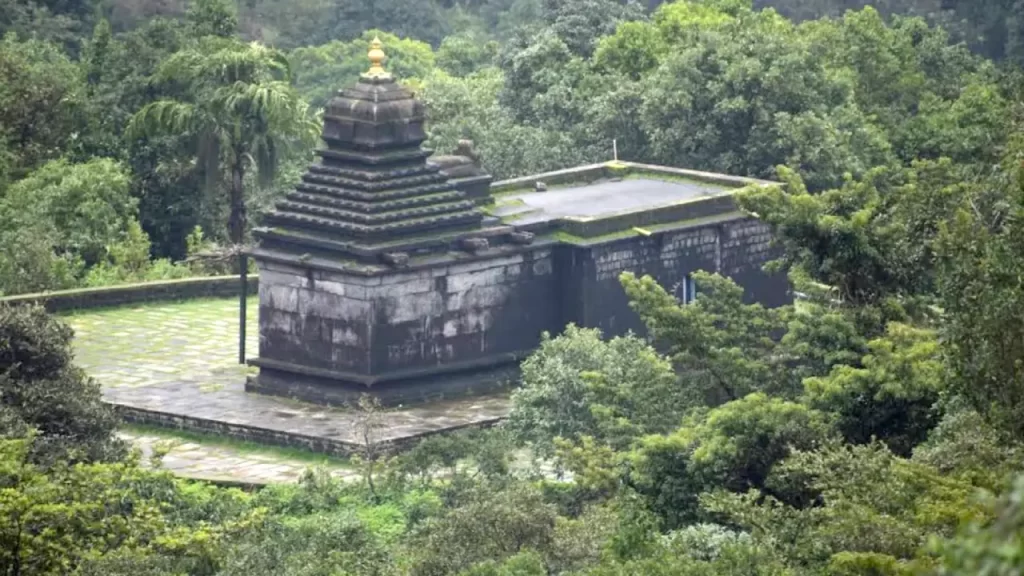
Bettada Byraveshwara Temple, Situated within the stunning Western Ghats in Hassan district, Karnataka, close to serene village Mekanagadde in Sakleshpur Taluk, this ancient temple is not just a temple; it’s an experience that combines deepest spirituality with breathtaking natural splendor.

Picture yourself on the top of a hill with a lush blanket of hills around you, and mist swirling through the valleys more often than not. That’s the spirit of the Bettada Byraveshwara Temple. It’s where the air is charged with reverence and the sweeping vistas leave your breath gasping. This sacred shrine, in honor of Lord Bhairaveshwara, the fierce and watchful form of Lord Shiva, has been a symbol of faith and comfort for centuries.
Contents
- 1 A Glimpse into the Past: Bettada Byraveshwara Temple History
- 2 Unraveling the Threads of Time: Legend of the Bettada Byraveshwara Temple
- 3 Where Faith Intersects Folklore: Cultural, Spiritual, and Mythological Significance of Bettada Byraveshwara Temple
- 4 Celebrating the Divine: Festivals and Special Days at Bettada Byraveshwara Temple
- 5 Stones that Speak: Unique Architectural Styles and Carvings
- 6 Whispers of the Past: Myths and Beliefs
- 7 Visiting Hours: Bettada Byraveshwara Temple Timings
- 8 Venturing Further: Sites to Explore Around Bettada Byraveshwara Temple
- 8.0.1 Mahaganapathi Temple Malleswaram
- 8.0.2 Gangapur Dattatreya Temple
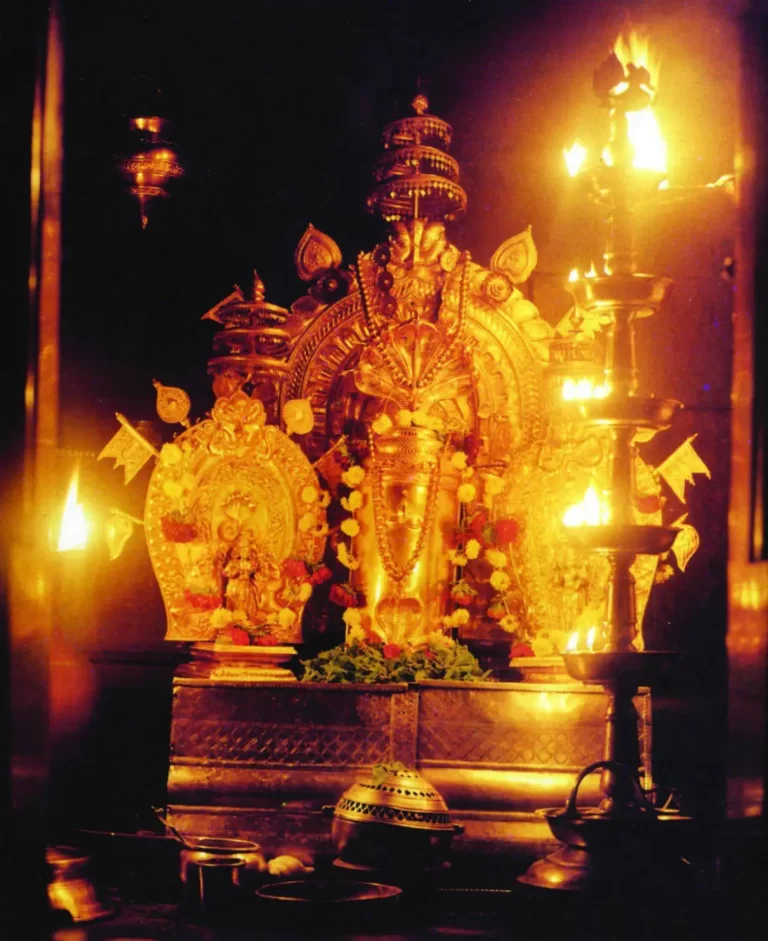
- 8.0.3 Sri Kshetra Dharmasthala Temple: Miracles of Lord Manjunatha
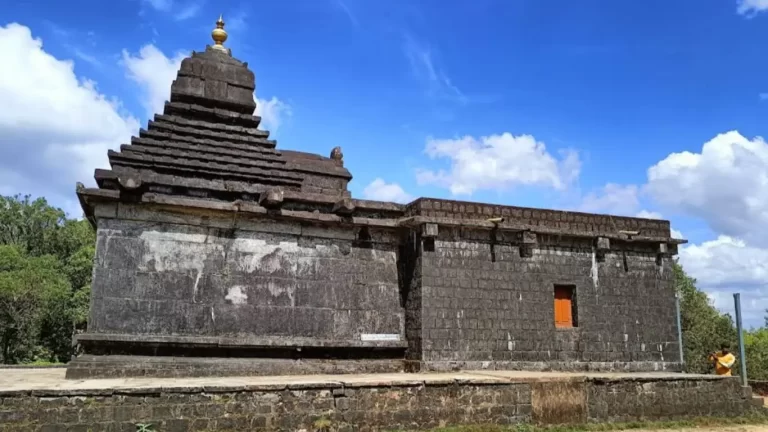
- 8.0.4 Shri Bettada Byraveshwara Temple
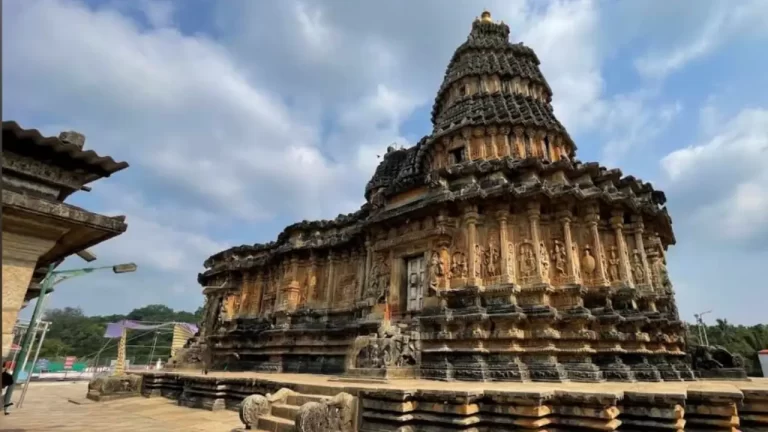
- 8.0.5 Vidyashankara Temple Sringeri 12 Pillars Reveal Your Destiny
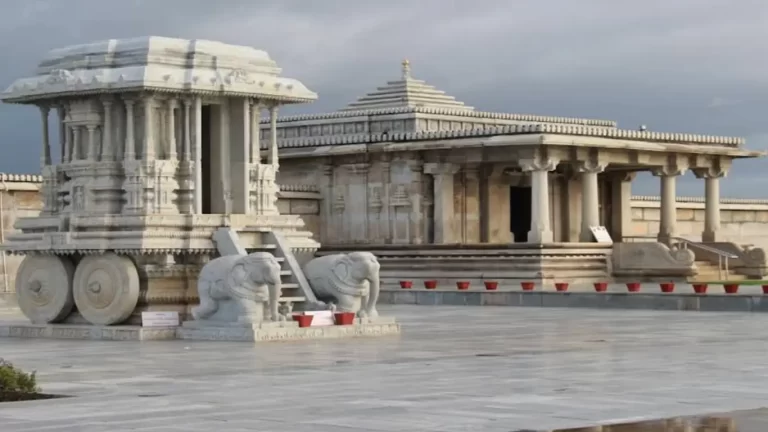
- 8.0.6 Venugopala Swamy Temple Kannambadi: Lost for Decades Under Water
- 9 A Comfortable Stay: Accommodation Options Near Bettada Byraveshwara Temple
- 10 Your Sojourn to Serenity: How to Arrive at the Bettada Byraveshwara Temple
A Glimpse into the Past: Bettada Byraveshwara Temple History
The Bettada Byraveshwara Temple is estimated to be more than 600 years old, with the voices of generations of devotees written into its ancient stones. Although the exact roots aren’t well-documented, its historical presence tells us plenty about its meaning. Think about the millions of footsteps that have walked these very routes, the prayers that have filled these halls, and the tales that have been shared from one generation to another.
It’s asserted that this temple has been renovated and improved in many ways throughout the centuries, with rich patronage on the part of many rulers, nobles, and devout believers. Every addition, every repair, has merely contributed to the layers of history that surround this holy place. The austere yet deep stone structure speaks of an age long gone, of craftsmen who gave their heart and soul to building a chamber worthy of the gods. The very nomenclature “Bettada” translates as “of the hill” in Kannada, suitably reflecting its towering and regal position, cementing its status as the Bettada Byraveshwara Temple, the Bhairava of the Hill.
Read More>> Thiruvidaikazhi Murugan Temple: Remove Sins of Even the Gods
Unraveling the Threads of Time: Legend of the Bettada Byraveshwara Temple
There are legends attached to every ancient temple, and the Bettada Byraveshwara Temple is no different. These legends, interwoven into the narrative of local folklore, bring a mystical aura to the life of the temple. One such well-known legend refers to the Pandavas, the main protagonists of the epic Mahabharata. It’s a widespread belief that while in exile, the Pandavas took shelter in this very area. The hill itself has been named ‘Pandavara Gudda’ (Pandavas’ Hill) because of this strong faith. Think of them taking refuge in these hills, even going so far as to pray to the very god worshipped here today.
There is another fascinating legend, one that the locals have shared, about a sage called Mandavya, who was an ardent fan of Lord Shiva and lived in the area. Lord Shiva is said to have, in his gladness, appeared before the sage in the form of a lingam (the symbolic icon of the deity) over this very hill. This divine appearance is held to be the origin of the Bettada Byraveshwara Temple.
Subsequently, a lowly shepherd is believed to have found a self-created (Swayambhu) Bhairava statue in the forest, causing the local population to build a small temple, which over time grew into the stunning stone temple that exists today. These stories are not myths; they are the life and substance of the temple, bridging it with a deep mythological heritage.
Where Faith Intersects Folklore: Cultural, Spiritual, and Mythological Significance of Bettada Byraveshwara Temple
The Bettada Byraveshwara Temple is a site of great cultural, spiritual, and mythological significance to devotees and the community at large.
Spiritually, it is an influential pilgrimage spot that welcomes devotees who wish to receive the blessings of Lord Bhairaveshwara. Lord Bhairava, a virile and guarding form of Lord Shiva, is said to protect his devotees from evil forces, fill their hearts with courage, provide good health, and bring prosperity. The peaceful atmosphere of the temple, along with the rhythmic chant and prayers, is a perfect setting for meditation and reflection. Numerous visitors visit this place looking for inner peace and spiritual connection. It’s a site where you are able to really sense the spiritual energy resonate inside of you.
Culturally, the Bettada Byraveshwara Temple remains a living record of Karnataka’s rich religious and architectural heritage. It bears witness to the work of the skills of artisans from centuries gone by, leaving a part of history to be lived by generations to come. The yearly rituals and festivals observed here are colourful manifestations of local customs and communal spirit, uniting people in a communal act of celebration and worship.
Mythologically, the association with the Pandavas and the story of Sage Mandavya propels the status of the temple from that of a simple house of worship. It identifies the temple with the high-level stories of Hindu mythology, providing an added layer of deep import to each and every visit. Although one may not find direct quotations from individual Puranas quoting this temple specifically, the overall veneration of Shiva as Bhairava and the popular anecdotes about the exile of the Pandavas finding place in works such as the Mahabharata offer a solid contextual support to these local narratives.
For example, the Mahabharata goes into great detail about the Aranyaka Parva (Forest Chapter) in which the Pandavas spend much of their exile roaming through the forest and taking shelter in distant places. It is within this larger context that the local tradition of their having been here takes on its resonance.
Read More>> Venugopala Swamy Temple Kannambadi: Lost for Decades Under Water
Celebrating the Divine: Festivals and Special Days at Bettada Byraveshwara Temple
The Bettada Byraveshwara Temple is at its most vibrant when celebrating its festivals and special occasions, attracting devotees from across the land.
The most important of the annual events is the Varshika Abhisheka, a grand religious festival that includes the ritual bathing of the idol of the deity. This rip-roaring festival generally occurs in January and brings together people from various sections of the region who visit to obtain the blessings of Lord Bhairava. It is an absolutely fascinating experience to see the devotion and enthusiasm at this point of time. The temple complex becomes a colorful hub of activity, with devotional hymns, prayers, and an unmistakable aura of spiritual energy.
Maha Shivaratri is another significant festival, which is celebrated with much enthusiasm, usually in February or March. This all-night vigil devoted to Lord Shiva has worshippers thronging the temple to make special prayers and conduct rituals. The temple is kept open late into the night, with chanting and a deep sense of devotion filling the air. If you wish to see the temple in its fullest spirit and most crowded, these are the days to see it.
Typically, public holidays and weekends also have a greater visitor turnout as individuals from surrounding towns and cities visit to obtain blessings and indulge in the peaceful surroundings. If you desire a quieter visit, visit on weekdays during morning hours.
Stones that Speak: Unique Architectural Styles and Carvings
The Bettada Byraveshwara Temple’s architecture is a notable aspect, mainly reflecting the Dravidian school of architecture. Though less elaborate than some of the temples in the plains, its very simplicity and adherence to the landscape make it a real treasure.
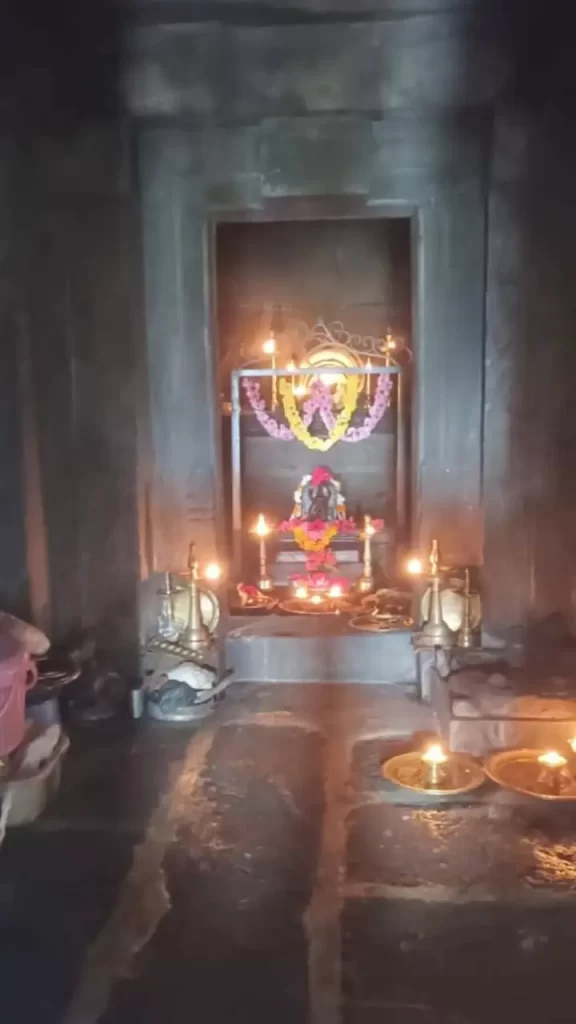
The temple is built mainly with stone, and you will see fine carvings that are a testament to the craft of artists of days gone by. The central sanctum, where Lord Bhairaveshwara dwells, is covered in sculptures and motifs reflecting mythological tales and religious iconography. As you move around, take your time to look at these details; every carving has a story to tell, every motif conveys something.
You may not spot imposing gopurams (entrance towers) like in greater Dravidian temples, but the overall composition of the complex is a synthesis of spirituality and beauty. The temple complex usually consists of the central sanctum sanctorum (garbhagriha), pillared halls, and even surrounding shrines. One of the interesting features highlighted is the existence of huge grinding stones on the temple complex, which might be symbolically important or used historically for ritual purposes.
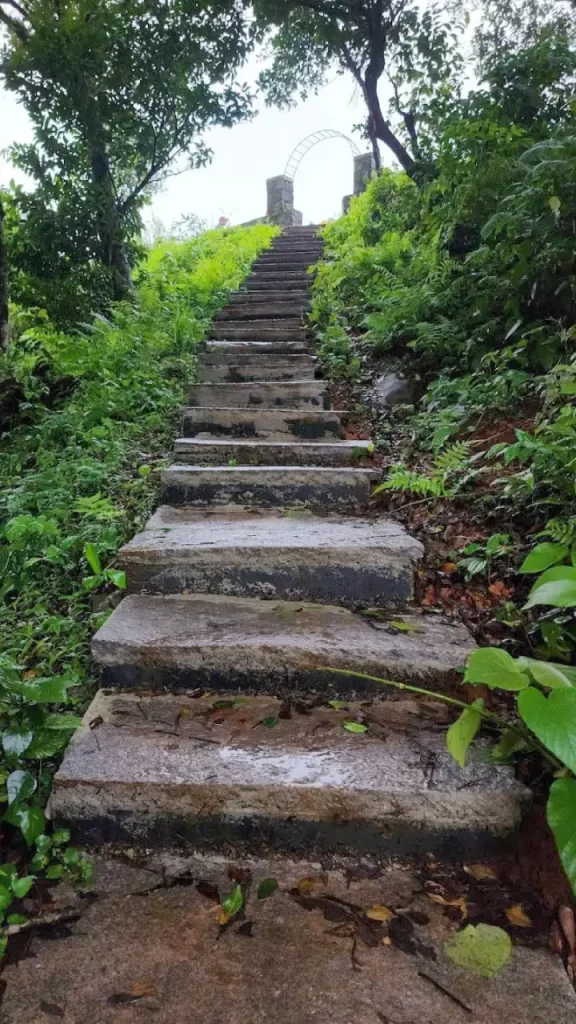
The steps, which are slightly weathered and lead up to the temple, offer a picturesque path, especially lush and appealing after the monsoon. The somber colors of the old stones look strikingly beautiful against the stark green surrounding environment, especially around the monsoon time, offering an absolutely postcard-perfect sight.
Read More>> Kalluthipara Temple: Lord Krishna Divine Footprint in Stone!
Whispers of the Past: Myths and Beliefs
Apart from the larger legends, the Bettada Byraveshwara Temple has a rich variety of myths and beliefs that add to its aura. It is a common practice among locals to speak of the safeguarding prowess of Lord Bhairaveshwara, and how his presence acts as a shield to the entire area from disasters and evil influences. People believe that devout prayers made here can cure mental stress and bring about miraculous transformations in life.
It’s widely believed that the god bestows courage and inner strength upon the devotees, seeing them through adversity. Devotees are known to travel with certain vows and offerings in hand, convinced that their desires shall be fulfilled. The peaceful and isolated location itself is usually considered to be an effective place for spiritual healing and self-introspection. The air itself around the Bettada Byraveshwara Temple seems to be electrified with centuries of devotion, and that, my friends, is a faith unto itself.
Visiting Hours: Bettada Byraveshwara Temple Timings
The Bettada Byraveshwara Temple is usually open between 6:00 AM and 5:00 PM throughout the year. Always, however, check timings locally, particularly if you organize your visit according to public holidays or off-seasons, since they may have minor differences. Keep in mind, though, that on special festival days such as Varshika Abhisheka or Maha Shivaratri, the temple may stay open longer to accommodate the large crowds of worshipers.
Venturing Further: Sites to Explore Around Bettada Byraveshwara Temple
Your religious pilgrimage need not stop at the Bettada Byraveshwara Temple. The Sakleshpur area, which is located within the Western Ghats, offers a wealth of natural splendor and other important Hindu sites. Here are some sites you may like to visit:
Sakaleswara Temple: Situated in Sakleshpur town itself, this temple is a temple of Lord Shiva and is named after the town. It’s an old temple with a glorious past and is a place one shouldn’t miss visiting because of its architectural splendor.
Hoysaleswara Temple, Halebidu, and Chennakesava Temple, Belur: While a bit further afield (around 50-60 km from Sakleshpur), these UNESCO World Heritage sites are masterpieces of Hoysala architecture. Their intricate carvings and historical significance are unparalleled. If you have the time, a day trip to these temples is highly recommended.
Shravanabelagola: It is known for the gigantic monolithic statue of Lord Bahubali (Gomateshwara). It is an important Jain pilgrimage point, but its cultural and historical significance goes beyond any religion. It is roughly 90 km from Sakleshpur.
Annapoorneshwari Temple, Horanadu: Situated on the bank of River Bhadra, the temple is also known as the Temple of Goddess Annapurna, the food and nutrition goddess. Here, a very special tradition is that all visitors are served meals and even accommodation within the temple complex. It’s a site of immense benevolence and piety.
Devaramane Temple: Translated as “Abode of God,” the temple stands on top of a hill with a serene view of the landscape, streams, and lakes. A tranquil place where nature and spirituality coexist.
Jenukal Gudda: Though not a temple, it is one of the favorite trekking spots close to the Bettada Byraveshwara Temple (approx. 8 km from the temple). It provides breathtaking views of the Western Ghats and is perfect for nature enthusiasts.
Pandavar Gudda Viewpoint: A mere 2 km trek from the temple, this viewpoint provides breathtaking, unobstructed views of the Western Ghats. It is said that the Pandavas made use of this place in their exile, and you can still identify huge grinding stones, which are reported to be their pestles, here.


A Comfortable Stay: Accommodation Options Near Bettada Byraveshwara Temple
As the Bettada Byraveshwara Temple is situated in a relatively off-the-beaten-path region that is becoming popular, you’ll have your choice of accommodation types, including homestays and resorts, which are harmonious with the natural landscape. Most are within a short drive of the temple, providing a serene getaway.
Homestays: Sakleshpur is famous for its quaint homestays, which are usually situated amidst coffee plantations. They provide a homely and intimate experience where you can experience local culture and hospitality. A few of the famous names are Mekanagadde Homestay, Nature’s Abode, and Batramane Homestay (usually referred to as near the temple).
Resorts: For those seeking more amenities and a bit of luxury, there are several resorts in and around Sakleshpur that offer comfortable stays with facilities like swimming pools, outdoor games, and in-house restaurants. Look for options like Machaan Plantation Resort, Aavarana Resort, and Regenta Resort Sakleshpur. StreamEdge Homestay is another well-regarded option, known for its riverside comfort and various activities.
Budget Accommodation: Though dedicated budget hotels may be scarce directly adjacent to the temple, guesthouses and lodges in Sakleshpur town, some 35 km away, may offer more economical accommodation.
It is always best to book your stay in advance, particularly during season and festive periods, to secure space and obtain the most favorable offers.
Your Sojourn to Serenity: How to Arrive at the Bettada Byraveshwara Temple
Reaching the Bettada Byraveshwara Temple is also a part of the journey, with scenic drives and an opportunity to experience the Western Ghats at their best.
By Air: The closest airport is Mangalore International Airport (IXE), about 150 km away. From Mangalore, one can either take a taxi or bus to Sakleshpur and then drive towards the temple.
By Train: The closest train station is Sakleshpur (SKLR). Sakleshpur is well connected to all major cities such as Bangalore. From the Sakleshpur railway station, you can hire a local taxi or an auto-rickshaw to go to the temple.
By Road: This is usually the most convenient means of reaching Bettada Byraveshwara Temple.
From Bangalore: The temple is located approximately 255 km from Bangalore through NH75 and takes 4.5 to 5 hours by road. State Volvo buses also operate frequently from Bangalore to Sakleshpur.
From Mysore: It is roughly 151 km from Mysore.
From Chikmagalur: The temple is roughly 60 km from Chikmagalur.
Once you are in Sakleshpur, the temple is 35 km away, located near Mekanagadde village. There is a motorable road directly to the temple complex, although there may be some parts of it that are steep. For those who love a little trekking, there are steps also to the temple, giving you an even more intimate experience with nature.
3 Comments