
Uttarkashi Temple Kashi Vishwanath
Uttarkashi Temple or Kashi Vishwanath Temple, Uttarkashi. Situated on the banks of holy Bhagirathi River in the picturesque town of Uttarkashi, this temple is more than a structure; it’s a breathing, pulsing expression of belief, a refuge where past and present converge in a sacred embrace.
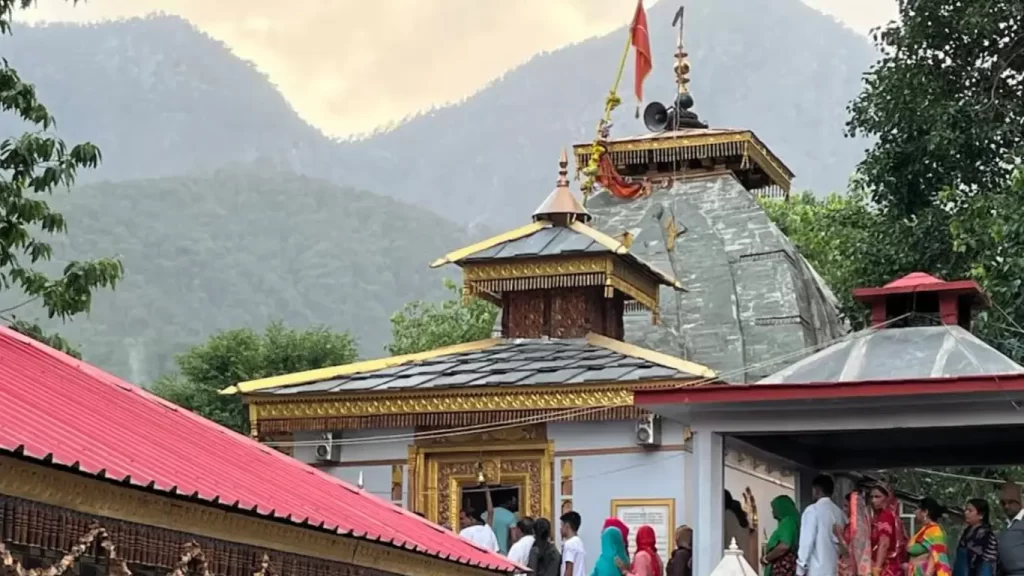
When individuals hear “Kashi Vishwanath,” their thoughts immediately turn to Varanasi, and they are right to do so. But trust me, this temple in Uttarkashi is a Kashi of the North for a reason. Its religiosity is said to be equal to its well-known namesake. Picture a place where the spiritual aura of Lord Shiva is so strong that you can feel it in the air you breathe, with the regal Himalayas rising all around and the soft babble of the river. That’s what you’ll experience at the Kashi Vishwanath Temple, Uttarkashi. I’m here to take you through its history, myths, and the age-old devotion that makes this pilgrimage one you’ll never forget.
Contents
- 1 Introduction to the Sacred Sanctuary
- 2 Uttarkashi Temple History
- 3 The Legendary Tale of the Temple
- 4 Cultural, Spiritual, and Mythological Significance
- 5 The Temple’s Unique Architectural Style and Carvings
- 6 Myths and Beliefs
- 7 Uttarkashi Temple Timings and Rituals
- 8 Hindu Places to Visit Near the Temple
- 8.0.1 Nageshwar Jyotirlinga Dwaraka: 7th CE Temple with Divine Powers
- 8.0.2 Grishneshwar Temple: Wealth and Pleasure at Shiva’s Feet
- 8.0.3 Kedarnath Temple: One of Jyotirling & Char Dham
- 8.0.4 Trimbakeshwar Jyotirlinga Temple
- 8.0.5 Sacred Kashi Vishwanath Temple: 11th Jyotirling of Liberation
- 8.0.6 Aundha Nagnath Temple: 8th Jyothirling with Divine Serpents
- 9 Accommodation in Uttarkashi
- 10 How to Reach the Temple
Introduction to the Sacred Sanctuary
Let’s start by getting a sense of the surroundings. Uttarkashi, as the name itself tells us, is the “Kashi of the North,” a temple-town, ashram town, and devout town. The crown of it all is the Uttarkashi Temple. An ancient temple to Lord Shiva, it is a major halting place for pilgrims traveling towards Gangotri, one of the Char Dhams. The temple compound is a serene and pretty spot that beckons you to step away from the world, slow down, and connect with your inner being. You’ll be immediately drawn to the religious energy here, the type which makes you forget your troubles and center on the divine.
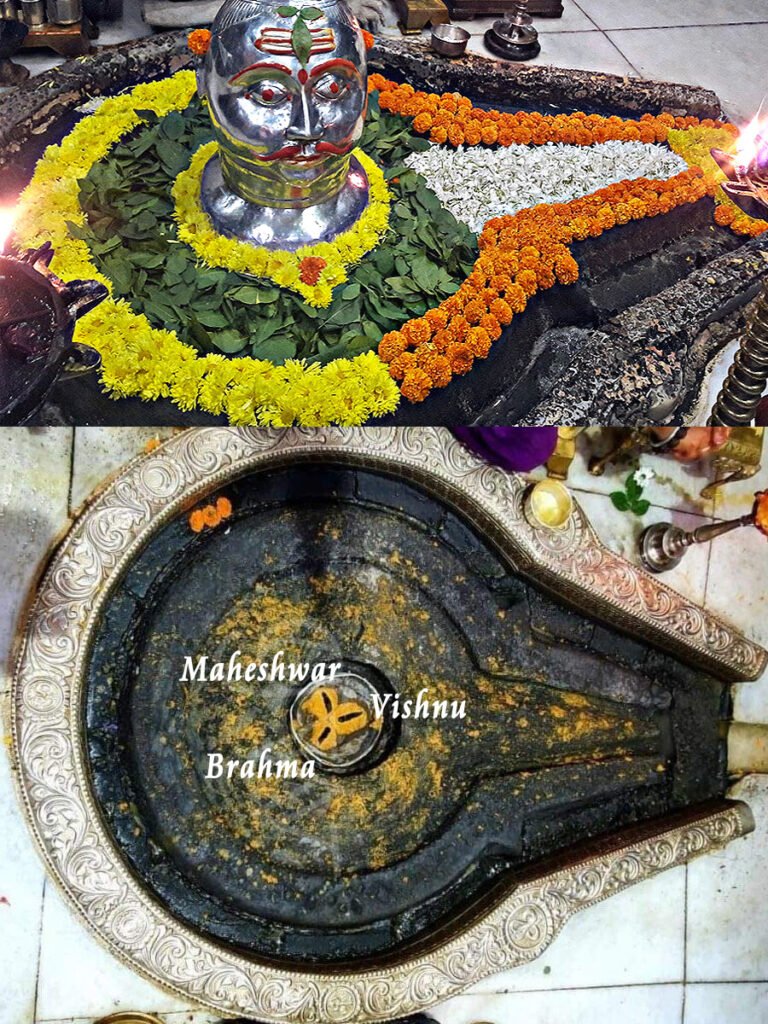
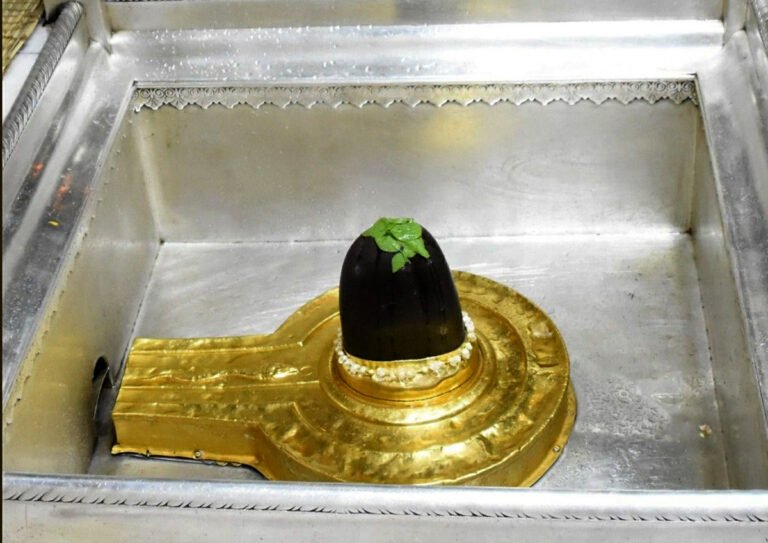
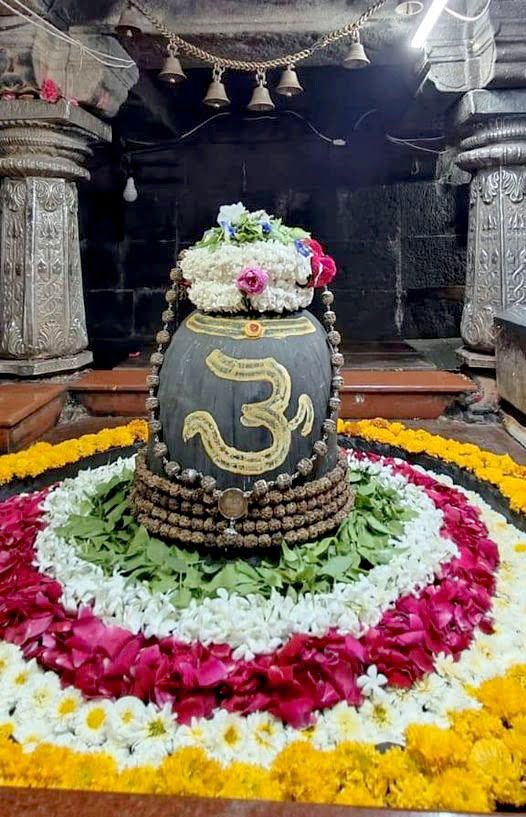
The chief sanctum of the Kashi Vishwanath Temple, the Uttarkashi contains an exquisite Shivlinga, the centerpiece of all prayer. What makes this specific Shivlinga different is its slight lean toward the south, something that is at the center of one of the temple’s most interesting myths. We’ll hear that legend a little farther along, but for now, simply enjoy the beauty and simplicity of this sacred space. There is a strong scent of incense in the air and the chanting of ancient hymns, making the environment both peaceful and spiritually uplifting.
Uttarkashi Temple History
The history of the Kashi Vishwanath Temple, Uttarkashi dates as far back as the hills that envelop it. Though accurate historical records may be a tad blurry, the origins of the temple trace back to the Puranas period. The original temple is said to have been built by Sage Parashurama. Imagine? Strolling through the same premises where a great sage once consecrated it is an awe-inspiring experience.
Subsequently, the Uttarkashi temple was renewed and rebuilt. The present building, a stunning piece of regional Himalayan architecture, was rebuilt in 1857 by Maharani Khaneti, wife of King Sudarshan Shah of Tehri Garhwal. This act of piety has made sure that the temple has remained a source of spirituality for centuries, meeting the religious needs of the locals and millions of pilgrims who visit here from all over the world.
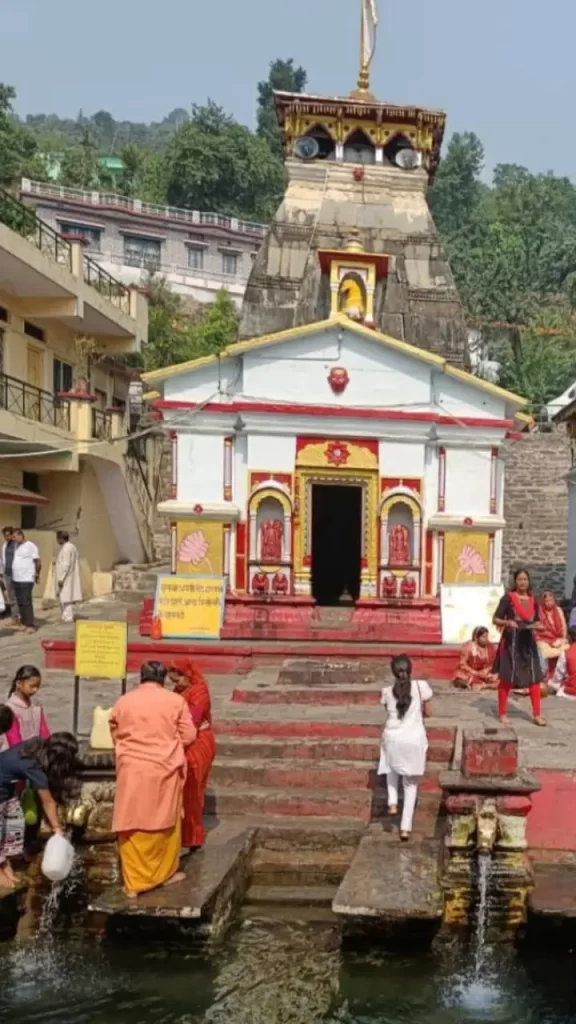
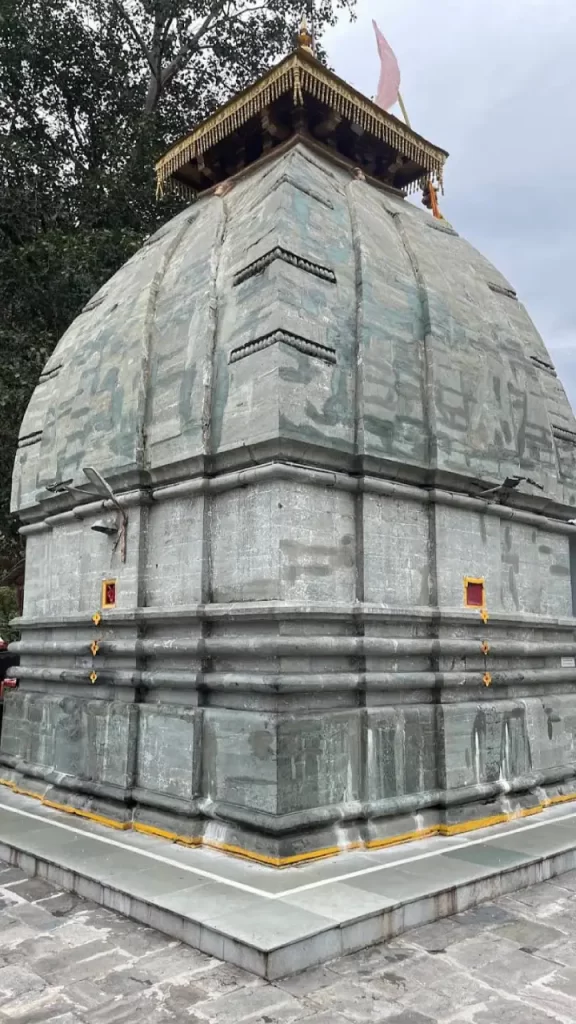
Every stone, every carving, appears to be telling stories of its ancient and rich past, a history interwoven with devotion and divine favor. The architectural style, which is referred to as the Katyuri style, is a tribute to the dense cultural history of this place. The temple is constructed upon a rock base, with a mix of stone and wood used for construction, blending in perfectly with the natural beauty of its Himalayan context. The temple of Uttarkashi is a testament to the steadfast belief of the people.
The Legendary Tale of the Temple
Now, to the fun part—the legends! Every sacred place has its stories, and the Kashi Vishwanath Temple, Uttarkashi is no exception. These stories are not just myths; they are the bedrock of the faith that draws people here.
One of the most famous legends is about the tilted Shivlinga. According to the story, a great sage named Markandeya was born with a short lifespan of only 16 years. When his 16th birthday neared, his parents became more and more sorrowful. When Markandeya found the cause, he chose to spend the rest of his time in deep meditation and prayer to Lord Shiva. He arrived at this very place, at the Uttarkashi temple, and hugged the Shivlinga with all love as Yama, the god of death, arrived to claim his life.
So great was his love and devotion that Lord Shiva emerged, satisfied with his devotee’s piety. He chased away Yama and blessed Markandeya with a long lifespan. The myth relates that while Markandeya held onto the Shivlinga, it inclined to the south by a little, and so it stands today, a tangible reflection of the sage’s deep devotion and Lord Shiva’s divine benevolence. This is a tale that brings tears to your eyes and makes you realize the sheer power of dedication. The distinctive tilt of the Shivlinga in this temple at Uttarkashi is a palpable indicator of this great event.
Another legend associates this site with the epic war of Mahabharata. It is said that after the war, the Pandavas traveled to the Himalayas to be forgiven for their transgressions by Lord Shiva. Lord Shiva, however, wished to test their resolve. He took the form of a bull and hid among a herd of cattle.
When the Pandavas recognized him, he disappeared into the earth at Kedarnath, leaving parts of his body at five different locations, which became the five Kedars. This region, where Lord Shiva had meditated, became known as Uttarkashi, a place where the divine presence of Shiva is ever-present. This link with the great epic makes a trip to the Kashi Vishwanath Temple, Uttarkashi seem like entering an ancient Indian storybook.

Cultural, Spiritual, and Mythological Significance
The Kashi Vishwanath Temple, Uttarkashi is extremely important on various levels.
Culturally, it’s a center of traditional Himalayan culture. The locals, with warm smiles and in-depth belief, have been preserving the rituals and traditions of the Uttarkashi temple since generations. The architectural style of the temple, using locally found material and traditional designs, speaks volumes about the rich cultural traditions of the region. You can observe this through the detailing of the carvings and the overall look of the complex.
Spiritually, it is a powerhouse. The name “Uttarkashi” itself does mean “Kashi of the North.” In Hindu faith, Kashi (Varanasi) is a spot where one can achieve moksha (liberation). This temple is regarded to be a divine replacement for those who are not able to travel to Varanasi. Traveling to Kashi Vishwanath Temple, Uttarkashi is thought to bestow the same spiritual rewards as visiting the real Kashi Vishwanath. This makes it a very significant pilgrim center. The tranquil ambiance, away from the din of city life, is ideal for meditation and soul searching.
Mythologically, the temple is referred to in ancient texts. The Skanda Purana, in the Kedar Khand section, refers to Uttarkashi as a sacred town, a second home of Lord Shiva in the Kali Yuga. It is believed that at this time, when the sanctity of Varanasi will be doubted, Lord Shiva will live in the Himalayas, in a location where a self-manifested Shivlinga exists. Kashi Vishwanath Temple, Uttarakhand, with its ancient, natural Shivlinga, fits this bill to the letter. This is scriptural support that makes the importance of the temple in Uttarakhand unrefutable for true devotees.
Events and Important Days
A trip to the Kashi Vishwanath Temple, Uttarkashi during a festival is an experience to remember. The whole town is filled with piety, music, and vibrant festivities.
Maha Shivaratri: This is the largest and most significant festival observed here. It generally occurs in February or March. The whole temple complex in Uttarkashi is festooned with lights and flowers, and thousands of pilgrims throng here for a darshan of Lord Shiva. The night is passed in prayer, fasting, and recitation of mantras. The atmosphere in Maha Shivaratri is charged. It’s a day when you can sense the combined faith of the people around you.
Shravan Month: The month of Shravan (July-August) is again an extremely busy time of the year at the Uttarkashi temple. This is a month dedicated to Lord Shiva, and offering Bhagirathi River water on Shivlinga is said to be highly auspicious. Many pilgrims take the tough journey to Gangotri and then bring this sacred Ganga water back for offering at this temple. The temple is abuzz with devotees doing abhishek (ritual bath) and singing “Om Namah Shivaya.” This is an ideal moment to witness the profound devotion that’s all around the Kashi Vishwanath Temple, Uttarkashi.
Navratri: Navratri is mainly observed in this place in conjunction with Goddess Durga; however, the nearby riverside Shakti Temple also receives active worship. Hymns and special rituals appeal to the divine feminine energy.

The Temple’s Unique Architectural Style and Carvings
The architecture of this temple is unique, with beautiful riverside carvings, adorned with beautiful decorative work.
Being a tour guide, I always ask individuals to observe the details. The Kashi Vishwanath Temple, Uttarkashi is not only about spirituality; it’s also a wonder of ancient craftsmanship. The architecture of the temple is a beautiful representation of the North Indian Nagara style, adapted to the local Himalayan style.
The Uttarkashi temple is constructed of wood and stone, typical of the area, to bear the brunt of the harsh climate of the mountains. The sanctum is a tall, imposing building with tasteful carvings on the outer walls. You’ll find all sorts of deities, mythical animals, and scenes from Hindu classics. The detailing is exquisite, a reflection of the craftsmanship of the period.
Here you can see an amazing huge statue of Nandi, the celestial bull and the faithful vehicle of Lord Shiva. Nandi’s serenity seems to protect the whole temple complex. Thanks to architectural ingenuity, even the most striking feature is not in the main temple itself but right in front of it.
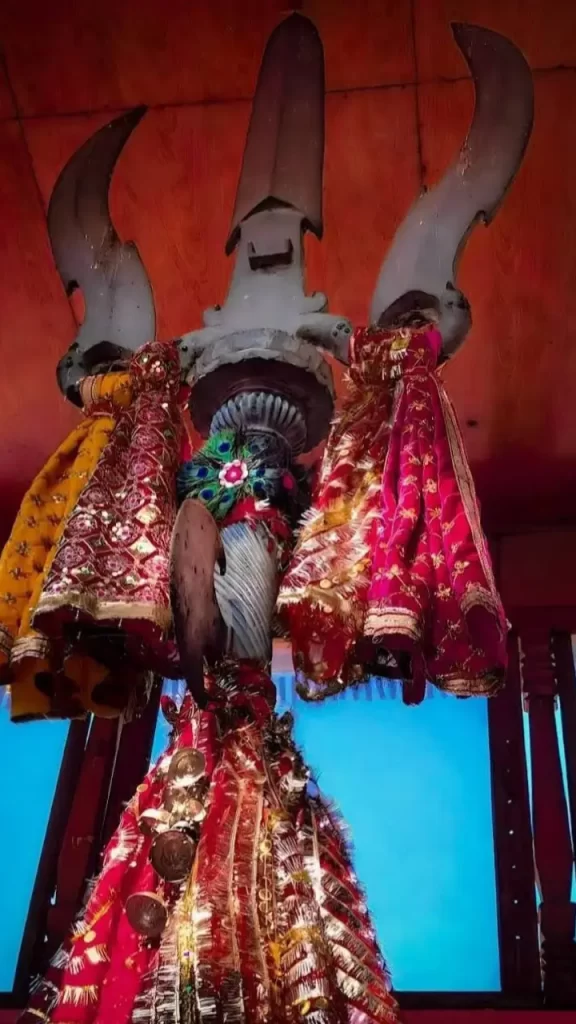
It’s the Shakti Temple. Committed to the divine consort of Lord Shiva, Goddess Shakti, this temple houses a sight truly to behold: a heavy, enormous Trishul (trident) which is about 26 feet tall. This Trishul is more than 1500 years old. It is said that this was the actual trident wielded by Goddess Durga to slay a demon.
And even more intriguing is a local superstition that regardless of the strength you use, you will be unable to move this trident using your entire body, but if you press it with one finger, it will slightly vibrate. I have witnessed it myself, and it is one of those inexplicable miracles that makes you believe in the magic of this place. Uttarkashi has the Shakti Temple and the Kashi Vishwanath Temple very close to one another. This is interpreted as a perfect balance between masculine and feminine divine energies.
Myths and Beliefs
The Kashi Vishwanath Temple, Uttarkashi is a place of myths and beliefs in everyday life. They inform and shape the rituals and forms of interaction with the divine.
- The Tilted Shivlinga and Markandeya: We have already discussed this lovely tale. Faith in Markandeya’s devotion and the benediction of Lord Shiva is a source of inspiration for everyone. It strengthens the fact that one’s absolute faith can overcome even the most discouraging of destinies.
- The Significance of the South-Facing Lingam: In Hindu philosophy, the south is generally related to Yama, who is the god of death. The tilt of the Shivlinga towards the south is also regarded as a symbol of Lord Shiva’s supremacy over death and immortality for his followers, as he granted to Markandeya. This distinctive feature makes Kashi Vishwanath Temple, Uttarkashi an especially efficacious site to pray for a long and healthy lifespan.
- The Kashi Connection: It is a belief that this place is the Kashi of the North. This provides solace to many who cannot make it to Varanasi. The concept here mirrors the very belief of Hindus that God is not confined to one place but can come alive any time wherever there is true devotion.
- The Ancient Trident: The stories of the trident around the Shakti Temple are full of wonder and awe. It is considered to be a divine feminine power that protects the entire region from evil. Inscriptions on the trident, said to belong to the Naga dynasty, give it mystique as well as historical value. The Shakti temple is an important part of the complex of Uttarkashi temples.
Uttarkashi Temple Timings and Rituals
To make the visit absolutely smooth and spiritually fulfilling, it is good to know the temple timings and daily rituals. The Kashi Vishwanath Temple, Uttarkashi is a place of continued worship, and there are many pujas and aartis during the day.
The temple is usually open to followers from morning till night, usually from 6:00 AM to 9:00 PM. Nevertheless, the most ideal time to witness the temple’s spiritual energy would be during the aartis.
- Morning Aarti: The morning starts with the Mangala Aarti at 4:00 AM, a energizing and peaceful method to begin your day.
- Afternoon Bhog/Aarti: Around noon between 11:15 am to 12:20 pm. Bhog or food offering to the deity accompanied by an aarti.
- Evening Sapt Rishi Aarti: This is a sacred and traditional ritual which takes place every night from 7:00 PM to 8:15 PM. According to the legend, the Saptarishis (the seven great sages) visit here every night to pay obeisance to Lord Shiva. Seven different priests conduct this aarti, and each priest belongs to a different gotra (lineage). It’s a wonderful and emotive ritual that you must make every effort to experience at this renowned Uttarkashi temple.
- Night Shayan Aarti: The final aarti of the day is performed around 10:30 PM, when Lord Shiva is put to rest.
Devotees can also perform special pujas like Rudrabhishek, a powerful ritual of offering milk, water, and other sacred substances to the Shivlinga. You can arrange for this with the temple priests.
Hindu Places to Visit Near the Temple
It doesn’t have to end here with the Kashi Vishwanath Temple, Uttarkashi. Other sacred and beautiful places abound in the region that you would surely love to explore.
Shakti Temple: Right in front of the main temple is the Shakti Temple that is dedicated to Goddess Parvati. You have to visit this temple for seeing the well-known ancient trident. This one is also an integral part of the Uttarkashi temple complex.
Gangotri Dham: It is one of the Char Dhams and the origin of the sacred Bhagirathi River (which becomes the Ganga). The temple is not far from Uttarkashi and a compulsory visit for any devotee.
Yamunotri Dham: Another Char Dham, Yamunotri is the origin of the Yamuna River. Though a bit further, it’s an important pilgrimage destination.
Manikarnika Ghat, Uttarkashi: Like its counterpart in Varanasi, this ghat on the Bhagirathi River is a sacred cremation ground. It is said that only there one can get freedom from the cycle of birth and death. The tranquil atmosphere of the ghat is a place for quiet contemplation.
Dodital Lake: This one is a very picturesque freshwater lake. This is said to be the birth place of Lord Ganesha, and there is a small temple dedicated to him here.
Nachiketa Tal: It is another serene lake surrounded by forests. It is believed that the sage Nachiketa meditated there.
Visits to these places will familiarize you with the area’s spiritual and natural beauty while you visit the Kashi Vishwanath Temple, Uttarkashi.



Accommodation in Uttarkashi
Uttarkashi is a developed town. So, you will find abundant accommodation options ranging from guesthouses and dharamshalas to luxurious hotels catering to varied budget requirements.
Budget-friendly options: You will find lots of small guesthouses and ashrams where basic, clean rooms can be obtained in very low prices. It is suitable for backpackers and single travelers. Birla Dharamshala is also a very famous one. They are located very close to the Uttarkashi temple.
Mid-range hotels: Several hotels are available in and around the town, offering comfortable rooms equipped with modern amenities. Many of these are located close to the temple so that you can easily visit the temple during various hours of the day.
Homestays: One of the homestays will give you a personal and local feel. Uttarkashi people are known for their hospitality, and staying in a local’s house will give you insights into their culture and way of life.
It is always advisable to book prior to the visit especially for peak season or festival dates.
How to Reach the Temple
Reaching Kashi Vishwanath Temple, it is quite an adventure moving towards Uttarkashi. The journey becomes a part of the pilgrimage just like the destination is.
By Air: Nearest airport is Jolly Grant Airport (DED) in Dehradun, about 181 km from Uttarkashi. From the airport you can hire taxi or take bus till Uttarkashi. The drive is quite scenic and beautiful, but long, so beforehand plan accordingly.
By Train: The nearest big railway station is in Dehradun, which is connected to other major Indian cities. From Dehradun, you can take a bus or taxi to Uttarkashi.
By Road: Uttarkashi is well connected by road to major cities of Uttarakhand and the neighboring states. There are also regular bus services from Rishikesh, Dehradun, and Haridwar. In case you are coming in your vehicle, then the journey via the winding mountain roads is an experience one would never forget. The Uttarkashi temple itself is situated in the heart of the Uttarkashi town, just about a kilometer from the main bus stand and can be reached on foot or by a short rickshaw ride.
So, there you have it, my friends. The Kashi Vishwanath Temple, Uttarkashi is more than just a place to visit; it’s a spiritual experience that will stay with you forever. I hope this guide helps you in planning your visit and that you find the same peace and divine energy that so many others have found here. May your journey be blessed!
6 Comments