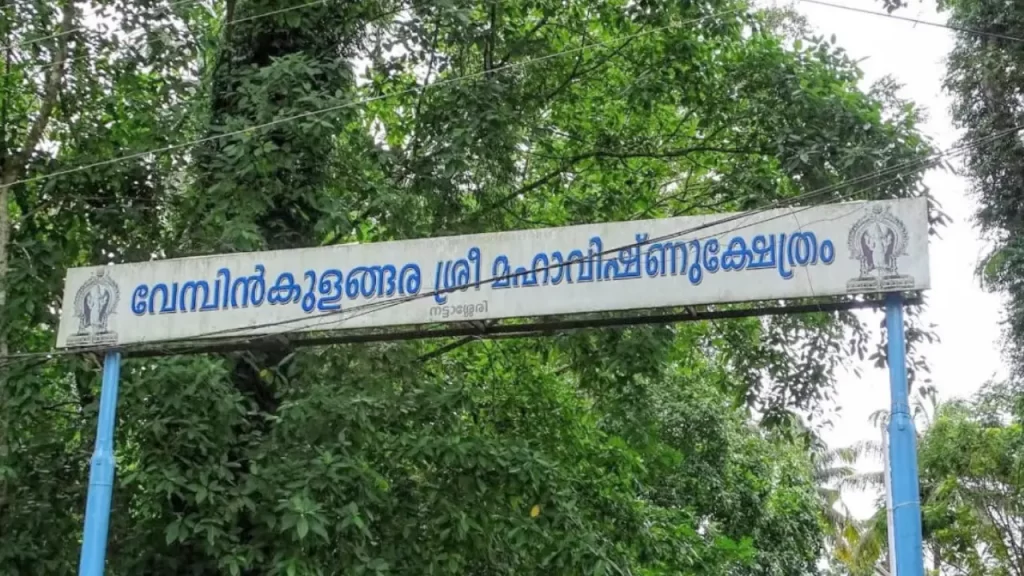
Vembinkulangara Sri Mahavishnu Temple
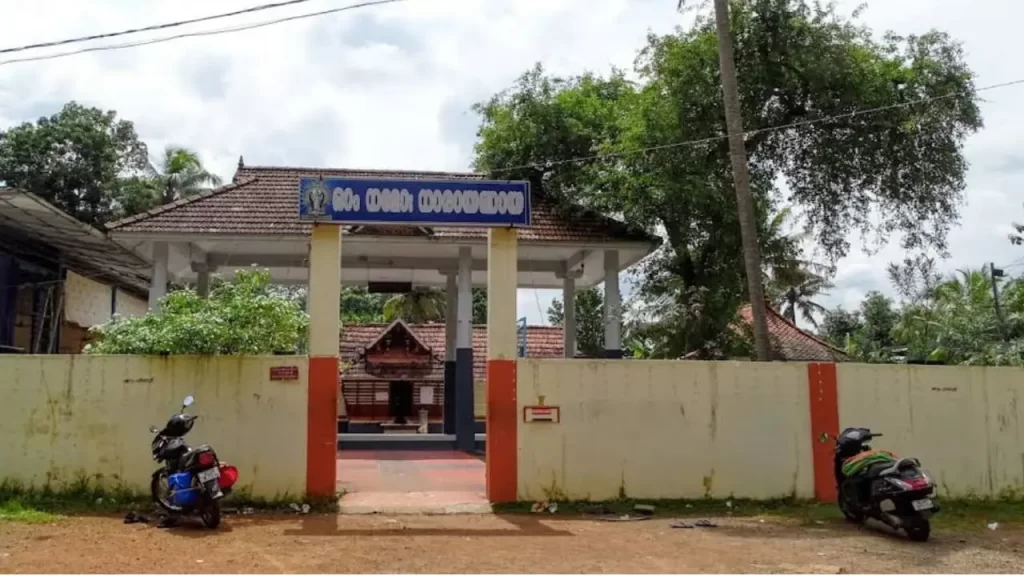
The Vembinkulangara temple, a hidden gem nestled in the serene village of Nattassery, Kottayam. It is more than just a structure of stone and wood; it is the heartbeat of a community. Located just about 4 kilometers away from the bustling Kottayam town, this sacred space dedicated to Lord Mahavishnu offers a sense of peace that is hard to find in the modern world. Let me walk you through everything you need to know about this divine destination.
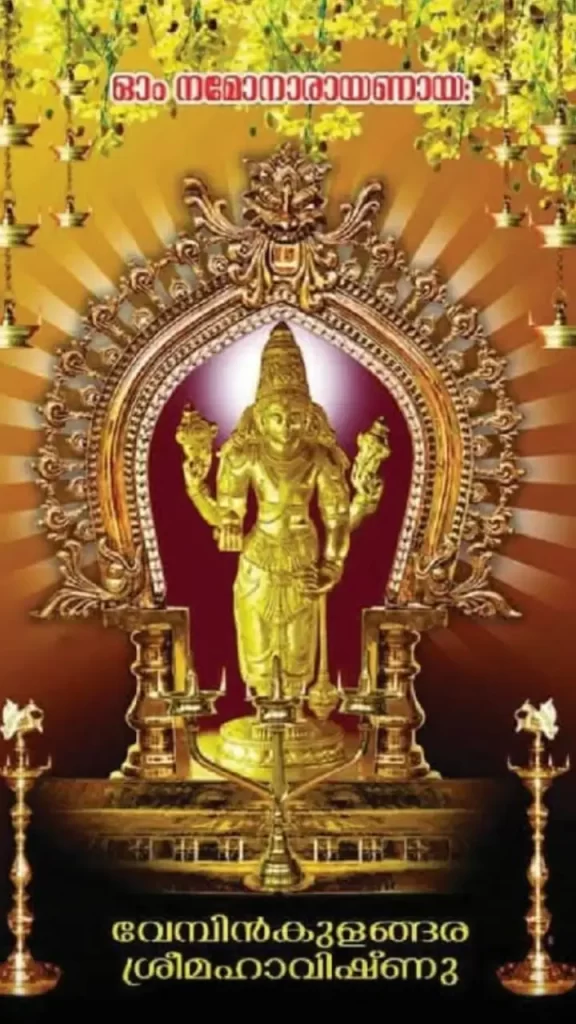
When we talk about the Vembinkulangara temple, we are talking about a sanctuary where time seems to slow down. The moment you step into the temple premises in Nattassery, the scent of burning incense and the sound of the temple bell immediately wash away your worries.
As your guide, I’ve noticed that people often overlook these smaller village temples in favor of the larger ones like Sabarimala or Guruvayur. But the Vembinkulangara temple holds a unique charm. It is one of the few places where you can still experience the “Thiruvonamoottu” tradition—a grand feast—every single month! This deep connection between the deity and the devotees is what makes the Vembinkulangara temple a must-visit for anyone seeking an authentic spiritual experience.
Contents
- 1 History of Vembinkulangara Temple
- 2 The Legend of the Vembinkulangara Temple
- 3 Mythological Importance: The Puranic Connection
- 4 Cultural and Spiritual Significance
- 5 Festivals and Special Days
- 6 Unique Architectural Style and Carvings
- 7 Special Poojas and Rituals
- 8 Myths and Beliefs
- 9 Temple Timings
- 10 Places to Visit Near Vembinkulangara Temple
- 11 Accommodation Options
- 12 How to Reach the Vembinkulangara Temple
- 13 Trending Questions about Vembinkulangara Temple
History of Vembinkulangara Temple
The history of the Vembinkulangara temple is deeply intertwined with the agrarian roots of Kerala. While many of the larger temples in the region were built under royal patronage, the Vembinkulangara temple grew from the devotion of the local people in the Nattassery region.
Historically, this region was known for its abundance of paddy fields and water bodies. The very name “Vembinkulangara” indicates an association with a “Kulam” (pond) close to a “Vembu” (Neem) tree. Through the ages, the Vembinkulangara temple has remained a protector of the prosperity of the village. It has withstood the test of time, withstanding the reigns of various dynasties and the colonial period, and has remained a strong symbol of devotion for the various families who reside in its vicinity.
The Legend of the Vembinkulangara Temple
Every famous temple has a legend that goes beyond the boundaries of reason, and the Vembinkulangara temple is no exception. According to local legends, the idol of Lord Mahavishnu was found in a pond (Kulangara) in the nearby region several centuries ago. It is believed that a local sage had a vision in which the Lord appeared and asked for a permanent residence in that very place.
Another local legend about the Vembinkulangara temple is that the deity is in a very “Shantha” (peaceful) form in this temple, specifically as the protector of the village. According to the legend, whenever the village was threatened by a drought or a crisis, the villagers would assemble at the Vembinkulangara temple to pray, and the Lord would always come to their rescue. This is why the mothers in this region are known to take their newborns first to the Vembinkulangara temple, praying for a life of plenty and safety.
Mythological Importance: The Puranic Connection
In Hindu scriptures, Lord Mahavishnu is known as the Preserver of the universe. Although the Vembinkulangara temple itself may not be referred to in the ancient Sanskrit Mahapuranas, it is a part of the tradition of “Desha Kshetrams” (Village Temples) that are deeply rooted in the Vaishnavite philosophy of the Bhagavata Purana.
The Bhagavata Purana (Canto 1, Chapter 2) says:
“sa vai puṁsāṁ paro dharmo yato bhaktir adhokṣaje ahaituky apratihatā yayātmā suprasīdati”
This translates to: The supreme duty for all human beings is that by which men can attain to loving devotional service unto the transcendent Lord. In the Vembinkulangara temple, this “unmotivated and uninterrupted” devotion is exactly what you experience during the daily rituals. The temple is a material embodiment of the Vaikuntha (Vishnu’s abode) on earth for the people living in the surrounding areas.
Cultural and Spiritual Significance
The spiritual vibrations of the Vembinkulangara temple are strong. For the people of the locality, the Vembinkulangara temple is not only a place of worship but also a community center.
Why is this place so special? It’s because of the Thiruvonamoottu. While the rest of Kerala celebrates Onam once a year, the Vembinkulangara temple celebrates it every single month on the Thiruvonam asterism. This ceremony includes a massive Sadya (feast) where everyone, irrespective of their caste and status, sits together and eats. This instills a sense of oneness and “Vasudhaiva Kutumbakam” (the world is one family) that is hard to find elsewhere.
Festivals and Special Days
If you are planning a visit, I would strongly recommend checking the Malayalam calendar. The Vembinkulangara temple comes alive during certain periods of the year.
Dashavatara Charthu: This is perhaps the most aesthetically pleasing ritual at the Vembinkulangara temple. The idol is adorned to depict the ten incarnations of Lord Vishnu made of sandalwood paste.
Monthly Thiruvonam: As I already said, this is the busiest day of the month. The mood is festive, and the aroma of the Sadya being prepared in the temple kitchen is simply divine.
Vishu Maholsavam: The Malayali New Year celebration at the Vembinkulangara temple is a heart-warming experience, with the “Vishu Kani” (first sight of the year) being the highlight.
The busiest days are usually during the month of Chingam (August-September) and during the annual festival days. If you are looking for a quiet and meditative experience at the Vembinkulangara temple, a weekday morning is the best time.
Unique Architectural Style and Carvings
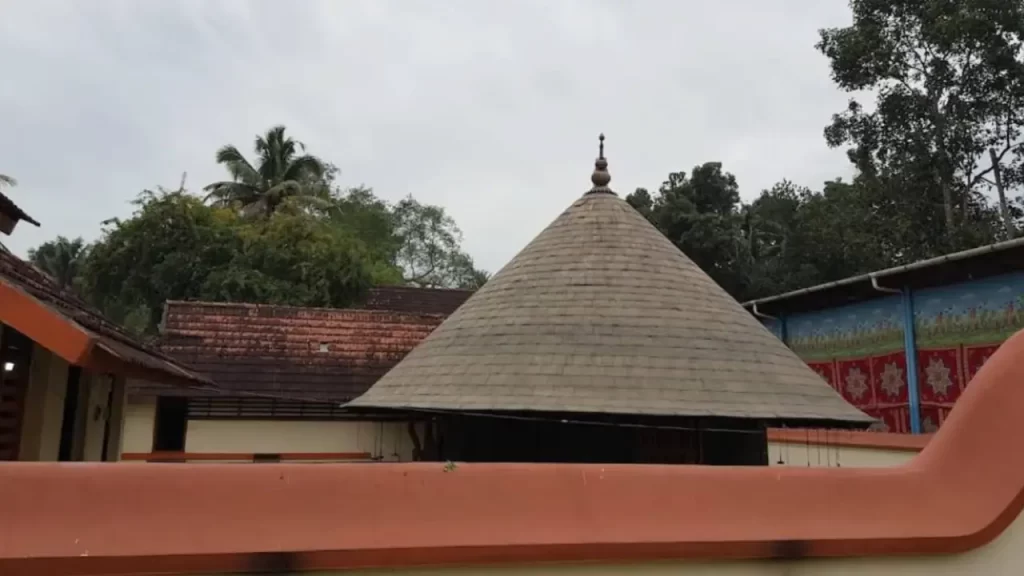
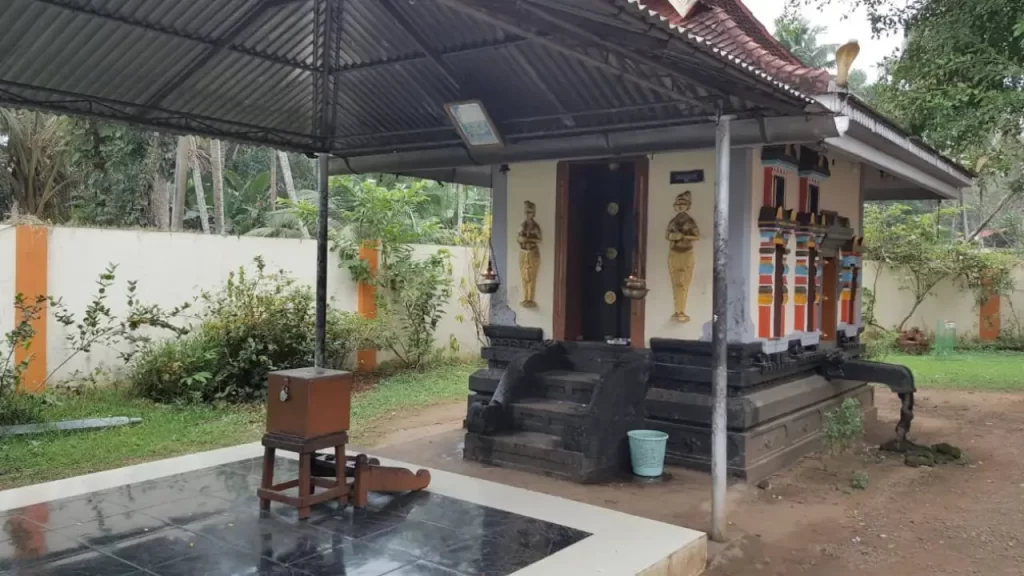
The Vembinkulangara temple is a perfect example of the Kerala style of architecture. Unlike the towering stone Gopurams of Tamil Nadu, here you will see:
Sloping Roofs: These are designed to withstand the heavy monsoons of Kerala, often topped with copper or terracotta tiles.
The Sreekovil (Sanctum): At the Vembinkulangara temple, the central shrine is intimate and majestic.
Wooden Carvings: Take a close look at the rafters and the doors. You will find exquisite carvings of flowers, mythical animals, and scenes from the Puranas carved on the wood—a tribute to the skill of the ancient Kerala craftsmen.
The Vembinkulangara temple also has a beautiful Chuttambalam (outer pavilion) where lamps are lit in the evening, casting a golden glow that reflects on the wooden structures.
Special Poojas and Rituals
As a guide, I always tell people to watch the “Nitya Nidanam” or the daily rituals. At the Vembinkulangara temple, the daily rituals are strictly adhered to:
Usha Pooja: The early morning ritual that wakes up the deity.
Ucha Pooja: The noon ritual before the temple closes for the afternoon.
Athazha Pooja: The final pooja of the day before the Lord “sleeps.”
One of the most special offerings at the Vembinkulangara temple is the Palpayasam (sweet milk porridge). It is believed that offering this to Lord Mahavishnu will bring prosperity and remove obstructions from one’s life.
Myths and Beliefs
There is a popular belief at the Vembinkulangara temple that if one is facing problems in their married life or has any health issues, a “Sudarshana Homam” performed at this temple will bring immense relief.
Another local myth is that the water in the temple pond has healing properties. Though I always advise my guests to be careful about the water, many devotees still sprinkle a few drops of it on their heads before entering the Vembinkulangara temple to purify their thoughts.
Temple Timings
To ensure that you do not find the gates closed, please remember the following timings:
Morning: 5:00 AM to 11:00 AM
Evening: 5:00 PM to 8:00 PM
Note: On special festival days and during the monthly Thiruvonam, the Vembinkulangara temple may be open for longer hours to accommodate the rush of devotees.
Places to Visit Near Vembinkulangara Temple
Since you are already at the Vembinkulangara Temple in Nattassery, you are in the ideal location to discover the cultural and religious essence of Kottayam. As your guide, I have carefully selected a combination of ancient temples and natural wonders that are all within a short drive from the temple.
Here are the best places to visit near Vembinkulangara Temple to complete your experience:
- Thirunakkara Mahadeva Temple (4.5 km away)
This temple is situated in the heart of Kottayam city and is one of the most popular attractions near the Vembinkulangara Temple.
Why Visit: It is a 500-year-old architectural wonder created by the Thekkumkoor Maharaja. The temple is renowned for its beautiful mural paintings and the massive Koothambalam (temple theater).
The Vibe: Vibrant and very traditional. You may get to witness the Arattu festival in March, which features spectacular elephant processions.
- Kumaranalloor Devi Temple (4 km away)
This temple is only a 10-minute drive away from the Vembinkulangara Temple and is a shrine to Goddess Katyayani.
The Legend: It is believed that the idol was originally destined for the Madurai Meenakshi temple but somehow reached this location. It is one of the most powerful Bhagavathy temples in Kerala.
Highlight: The temple’s architecture is quite distinct, and the wood carvings here are among the best in the state.
- Ettumanoor Mahadeva Temple (9 km from here)
Ettumanoor is a must-visit if you are already heading to the Vembinkulangara Temple.
The Attraction: It is globally famous for its Ezhara Ponnana (seven-and-a-half golden elephants) and the mural of the “Pradosha Nritham” (Shiva’s cosmic dance).
Pro Tip: Try to visit during the evening Deeparadhana to see the temple lit up by thousands of oil lamps.
- Kumarakom Backwaters (15 km from here)
After the pious vibes of the Vembinkulangara Temple, a dose of nature is just what you need to relax.
What to do: You can take a shikhara boat or a houseboat for a few hours. The serene backwaters of Vembanad Lake provide a stunning contrast to the temple’s energetic environment.
Bird Sanctuary: If you are an early bird, the Kumarakom Bird Sanctuary is a good place to spot migratory birds.
Accommodation Options
Since the Vembinkulangara temple is situated near Nattassery/Kottayam, you have a lot of options:
Luxury: There are wonderful resorts in Kumarakom (about 12-15 km away) if you want to have a spiritual tour along with a backwater experience.
Budget: Kottayam town has a number of “Tourist Homes” and budget hotels like Hotel Aida or The Windsor Castle, which are very close to the temple.
Homestays: For a more homely experience, you can look for homestays in the Nattassery area.
How to Reach the Vembinkulangara Temple
Reaching the Vembinkulangara temple is not a problem at all:
By Air: The nearest airport is Cochin International Airport (COK), which is about 85 km away. You can take a taxi directly to Nattassery.
By Train: Kottayam Railway Station is the nearest station (approx. 4 km). You can easily find an auto-rickshaw or taxi to take you to the Vembinkulangara temple.
By Road: Kottayam is well-connected by KSRTC buses from all major cities in Kerala. Once you reach the Kottayam bus stand, it’s just a 10-minute drive.
Trending Questions about Vembinkulangara Temple
- Is there a dress code for Vembinkulangara temple?
Yes, as in most temples in Kerala, traditional clothing is preferred. Men are supposed to wear a Mundu (dhoti) and go bare-chested or wear a vest, while women are supposed to wear sarees, set mundu, or long skirts. - Are non-Hindus allowed inside the Vembinkulangara temple?
In traditional Kerala temples, only Hindus are allowed inside the temple. But anyone can visit the outside area of the temple and admire the architecture and the serene atmosphere. - Is the Sadya held at the Vembinkulangara temple every month free?
The Thiruvonamoottu is a community meal. Though it is usually arranged by devotees, the meal is usually distributed to all those who come to the temple on that day as Prasadam.