Vijayawada Kanaka Durga Temple
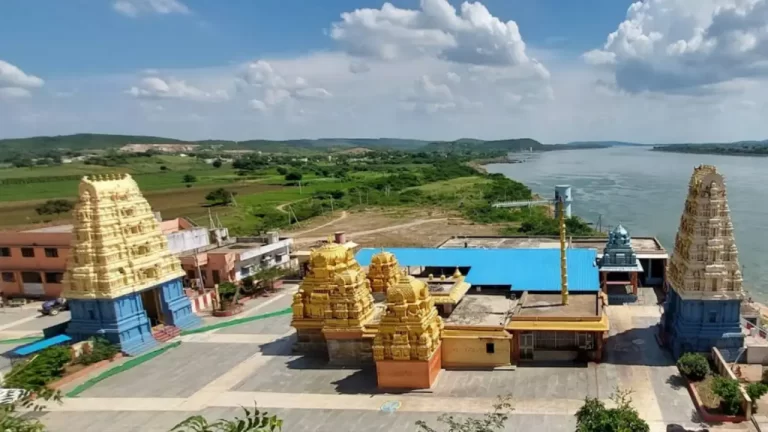
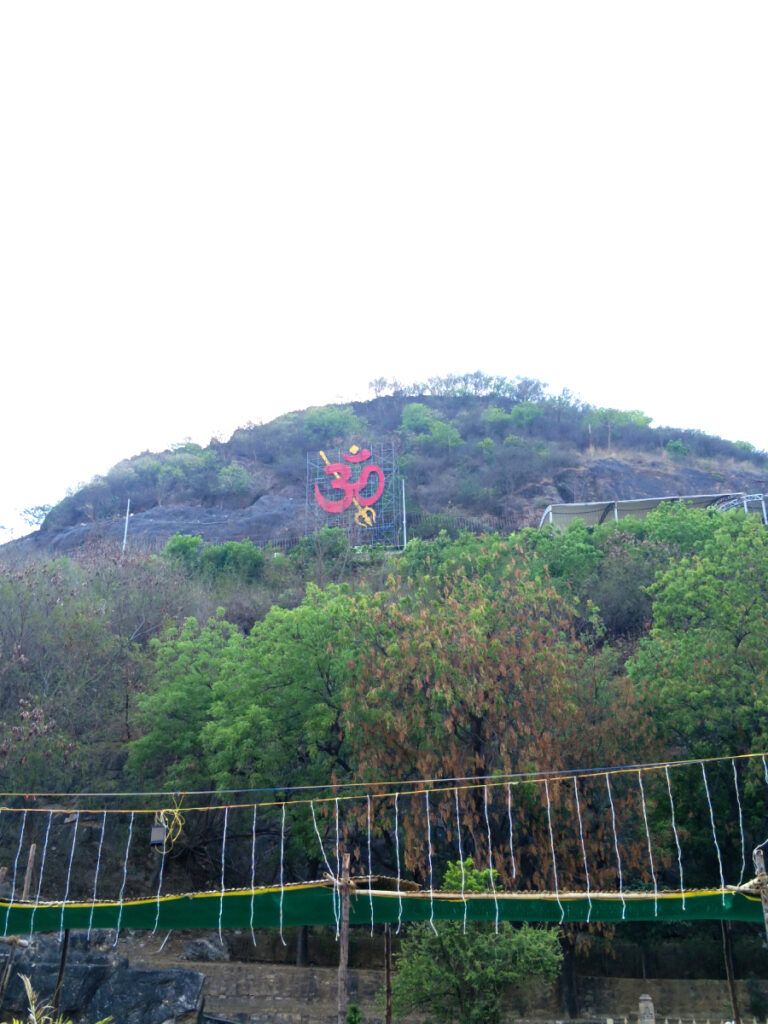
The magnificent Kanaka Durga Temple in Vijayawada, Andhra Pradesh. This hallowed home, reigning grandly over the Indrakeeladri hill on the banks of the sacred Krishna River, is not merely a temple; it’s a living work of art for faith, history, and deeply mythological stories.
Let me tell you, entering into the premises of Kanaka Durga Temple is entering another world. The air itself is different, imbued with centuries of devotion and the living energy of the Divine Mother. Each visit here is an individual experience, be it in quest of solace, blessings, or just a deeper insight into India’s glorious spiritual past.
Contents
- 1 A Glimpse into the Past: Kanaka Durga Temple History
- 2 The Divine Story: Legend of Kanaka Durga Temple
- 3 The Heart of Devotion: Cultural, Spiritual, and Mythological Significance of Kanaka Durga Temple
- 4 A Kaleidoscope of Celebrations: Celebrations at Kanaka Durga Temple
- 5 An Architectural Wonder: Distinct Architectural Themes and Sculptures of Kanaka Durga Temple
- 6 Whispers of Faith: Myths and Beliefs Surrounding Kanaka Durga Temple
- 7 Planning Your Pilgrimage: Kanaka Durga Temple Timings
- 8 Discovering the Surroundings: Sites to Visit Around Kanaka Durga Temple
- 9 A Comfortable Stay: Where to Stay in Vijayawada Near Kanaka Durga Temple
- 10 Your Pilgrimage to Divinity: How to Get to Kanaka Durga Temple
- 11 Trending Questions about Kanaka Durga Temple
A Glimpse into the Past: Kanaka Durga Temple History
The history of the Kanaka Durga Temple is as ancient and layered as the very hills it graces. While the exact origins are shrouded in the mists of time, it’s widely believed that the worship of Goddess Durga on Indrakeeladri hill has been prevalent for millennia. We’re talking about a history that stretches back to the Dvapara Yuga, according to Hindu mythology!
Through the centuries, a succession of dynasties and rulers, appreciating the great spiritual significance of this location, further developed and renovated it. While no one “builder” is identified, inscriptions and historical records indicate the support of powerful dynasties such as the Eastern Chalukyas and the Vijayanagara Empire. The rulers saw to it that the Kanaka Durga Temple continued to be a beacon of faith, expanding its size and architectural intricacy. It’s a land that has seen kingdoms rise and fall, but its spiritual heartbeat has only intensified with the passing of time.
Read More>> Kanchi Kamakshi Temple: One of Powerful 18 Shakti Peethas
The Divine Story: Legend of Kanaka Durga Temple
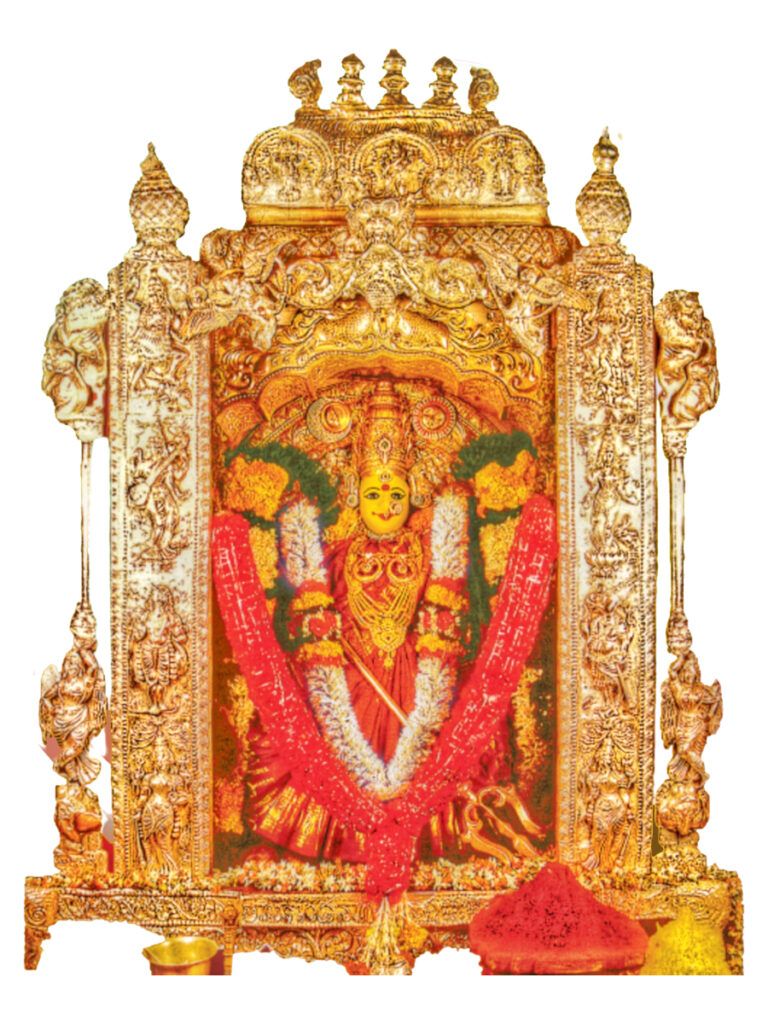
Now, let’s move on to the thrilling legends that surround the Kanaka Durga Temple and make it so mystical. The goddess ruling over the temple is Goddess Kanaka Durga and is believed to be Swayambhu, that is, self-created. This is an extremely important factor, as this indicates that the Goddess herself chose this very place to reside in, making it highly potent.
There is one of the most appealing legends about a Yaksha named Keela. He did rigorous penance, devoting himself entirely to Goddess Durga. Satisfied with his devotion, the Goddess came in front of him and granted him a wish. Keela, in his intense humility and devotion to the Divine Mother, wished that she would remain in his heart forever. Granting his desire, the Goddess commanded him to become a mountain on the banks of the river Krishna and assured she would stay within him after having destroyed demons in the Krithayuga. The Goddess stayed true to her promise, and Keela became the hill known as the Indrakeeladri hill, waiting patiently for the Goddess.
Subsequently, the area was haunted by the powerful demon Mahishasura. At the behest of the gods and sages, Goddess Durga took on the form of Mahishasura Mardini, seated upon a lion and equipped with an array of weapons. She fought a fierce battle against Mahishasura on this same hill, finally killing him. It is this glorious triumph that cemented her presence here as Kanaka Durga, blazing with a golden glow, meaning prosperity and divinity.
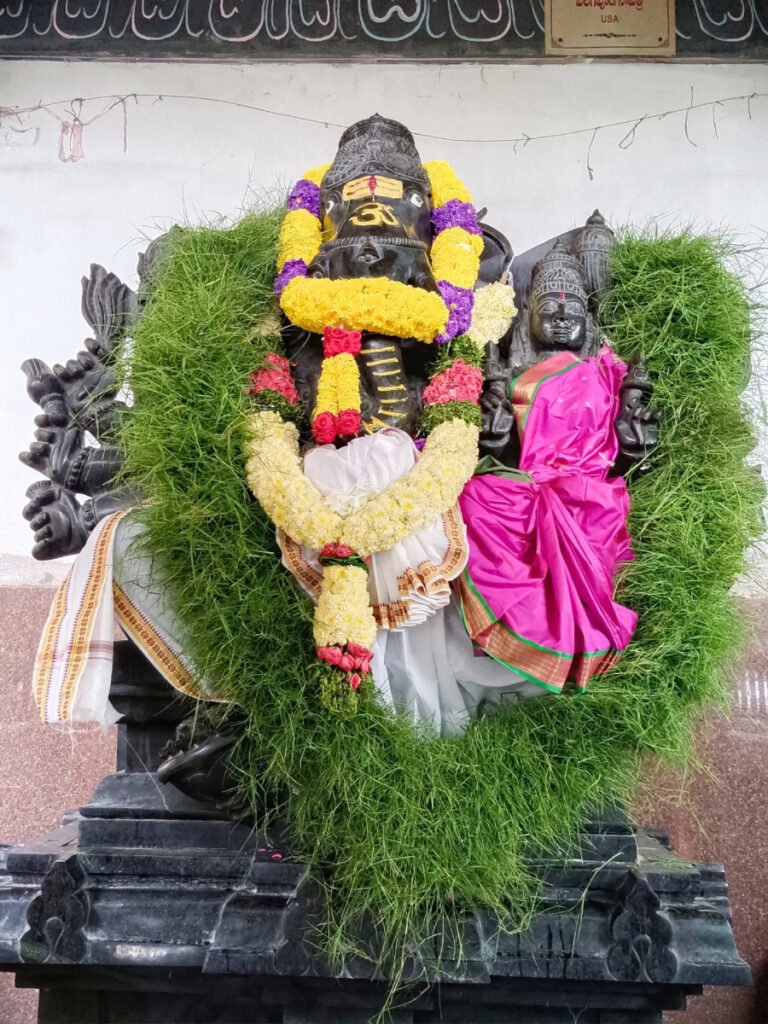
Interestingly, her consort, Lord Shiva, also occupied his seat on a nearby hillock as Jyothirlinga, Malleswara Swamy. A lovely feature here is that unlike in most temples where the Goddess is to the left of her consort, at Kanaka Durga Temple, she is on the right side of Lord Malleswara Swamy. This special positioning indicates the ultimate predominance of Shakti, the divine feminine force, on Indrakeeladri.
Yet another well-known legend associates this holy place with the great Mahabharata. According to belief, Arjuna, who was one of the Pandava brothers, practiced severe penance at Indrakeeladri hill before Lord Shiva in order to get the powerful Pashupatastra weapon. His triumph here earned Vijayawada its name, which literally translates to “Place of Victory” (Vijaya – victory, Wada – place). This association with Arjuna and Lord Shiva adds even more mythological prestige to the Kanaka Durga Temple.
In fact, Goddess Kanaka Durga’s magnificence is not only a local faith; it’s supported in ancient Hindu scriptures. Scriptures such as the Kaalika Purana and Durga Sapthashati specifically mention the existence and beauty of Goddess Durga at Indrakeeladri as Swayambhu (self-manifested) in the Triteeya Kalpa. Such scriptural proof indeed accentuates the deep religious significance of the Kanaka Durga Temple.
Read More>> Divine Mata Vaishno Devi Temple | Shaktipeeth Complete Guide
The Heart of Devotion: Cultural, Spiritual, and Mythological Significance of Kanaka Durga Temple
Kanaka Durga Temple has an indisputable spiritual pull that attracts millions of worshippers. It is not merely a temple; it is a throbbing hub of culture and religion.
Spiritually, followers have faith that even a darshan (divine sight) of Goddess Kanaka Durga can ease troubles in life, showering prosperity, dispelling obstacles, and ensuring success in all pursuits. Most pilgrims visit to acquire blessings for business enterprises, good health, and the success of their children. The vibe of the temple complex is strong, engendering a feeling of peace and intense bond with the divine.
Culturally, Kanaka Durga Temple is the very pulse of Vijayawada. It affects local customs, arts, and lifestyle. The city itself takes its name and much of its identity from the Goddess. It’s a place where ancient traditions are followed religiously, maintaining a centuries-old heritage.
Mythologically, as stated, Kanaka Durga Temple is one among the 18 Shakti Peethas. These are extremely sacred shrines where pieces of Goddess Sati’s body are said to have fallen. Whereas its particular association as a Shakti Peetha may be different in various traditions, its status as an efficacious residence of the Divine Mother is not in doubt. The myths of Keela, Mahishasura, and Arjuna all connect with each other to create a rich tapestry of mythic stories that are integral to the nature of the Kanaka Durga Temple.
Read More>> Vidyashankara Temple Sringeri 12 Pillars Reveal Your Destiny
Special Pujas Conducted:
The Kanaka Durga Temple is known for the grand daily rituals and special pujas (temple worship ceremonies) conducted here. In addition to the routine Suprabhata Seva (awakening of the deity) and Aartis, the following pujas are notably important:
Chandi Homam: It is a highly potent fire ceremony done to bring in the blessings of Goddess Durga for safety, prosperity, and the elimination of ill energies. It is indeed a wondrous sight with priests chanting holy mantras and making oblations into the sacred fire.
Sahasranama Archana: This is the recitation of the thousand names of Goddess Durga, done for the prosperity and good health of the devotee and his family.
Laksha Kumkumarchana: Here, a lakh (100,000) of vermilion dots are offered to the Goddess with each of them being accompanied by the recitation of her sacred names. It’s a very auspicious and potent puja said to fulfill all wishes.
Abhishekams: Several ritual bathings with milk, honey, turmeric, and other holy substances are done on the deity during the day, each with its own special spiritual value.
These unique pujas enhance the sacred energy of the Kanaka Durga Temple and provide devotees with an opportunity to be a part of the worship of the Goddess more intimately.
Read More>> Bhoo Varaha Swamy Temple Kallahalli
A Kaleidoscope of Celebrations: Celebrations at Kanaka Durga Temple
If you wish to see the Kanaka Durga Temple in its full vigor and glory, visit during one of the numerous festivals. These are occasions when the temple comes alive with the utmost devotion and passion.
The largest and most important festival at the Kanaka Durga Temple is the Dasara Navaratri without a doubt. This nine-day affair, typically in October, is to commemorate the nine avatars of Goddess Durga. The Goddess is decorated in a new Alankaram (form/decoration) every day, and that form represents one of her divine incarnations.
From Sri Swarna Kavachalakruta Durga Devi (Goddess who has golden armor) to Sri Mahishasura Mardini Devi, every form is specially beautiful and spiritually powerful. The devotees throng in lakhs during this time, and a sacred bath in the Krishna River is very auspicious. The festival is climaxed by Vijayadashami, which is the victory of good over evil – a very special day in the “Victory Place.”
Other significant festivals are:
Vasanthotsavam (Vasanta Navaratri): This week-long celebration in spring (March/April) attracts many more followers. The Laksha Pushpa Archana Puja, in which a lakh of flowers are prayed to the Goddess, is one of the highlights.
Shakambari Navaratri: Celebrated in Ashadam month (June/July), the nine-day festival honors the Goddess as Shakambari, the goddess of vegetables and sustenance, as a symbol of plenty.
Maha Shivaratri: Though a Durga temple, Lord Malleswara Swamy’s existence makes Maha Shivaratri also observed with great devotion, with special prayer being made to Lord Shiva.
Makar Sankranti & Ugadi: These new year and harvest festivals are also enjoyed with cultural programs, traditional rituals, and community feasts.
Karthika Masam: Throughout the month of Karthika (October/November) is held sacred with devotees carrying out special prayers as well as oil lamps being lit, particularly on Karthika Pournami.
Crowded Days:
As you would imagine, during Dasara Navaratri, the Kanaka Durga Temple sees huge crowds. Weekends, particularly on holidays, also experience a large number of devotees. If you wish for a less crowded darshan, weekdays (Tuesday, Wednesday, and Thursday) tend to be less busy. Morning hours are also normally less crowded, prior to the temple carrying out its routine rituals and the crowd increasing. Special darshan tickets (i.e., ₹100 or ₹300) may provide quicker entry, but expect queues even so during busy periods.
Read More>> Enchanting Beauty of Madurai Meenakshi Amman Temple
An Architectural Wonder: Distinct Architectural Themes and Sculptures of Kanaka Durga Temple
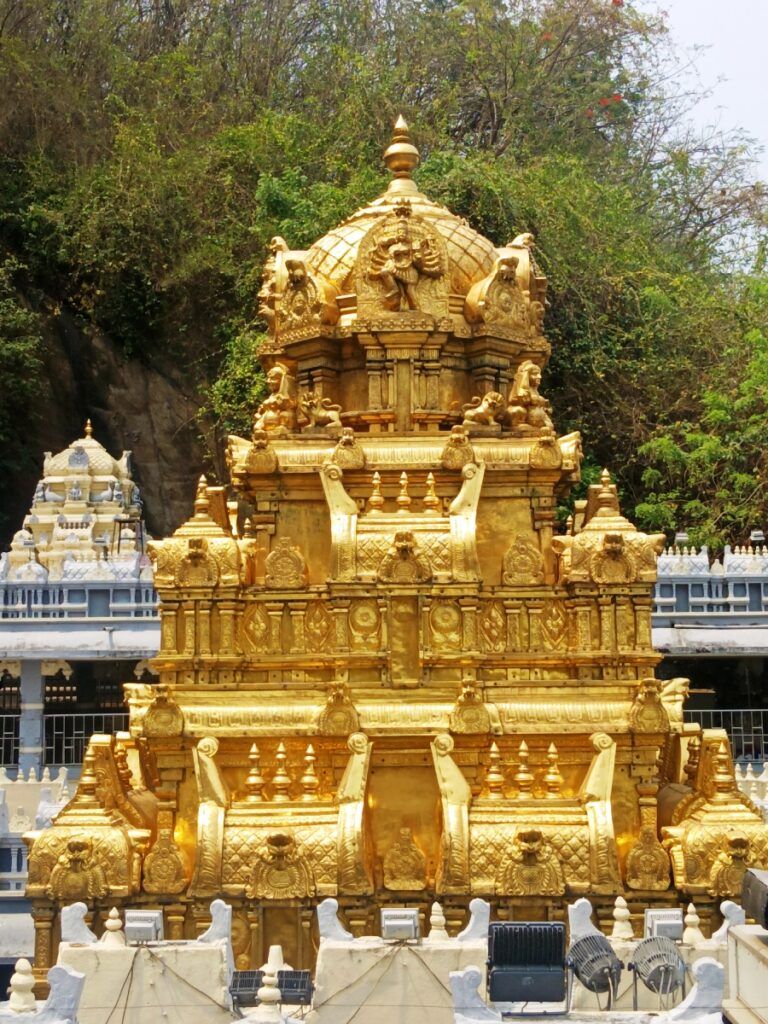
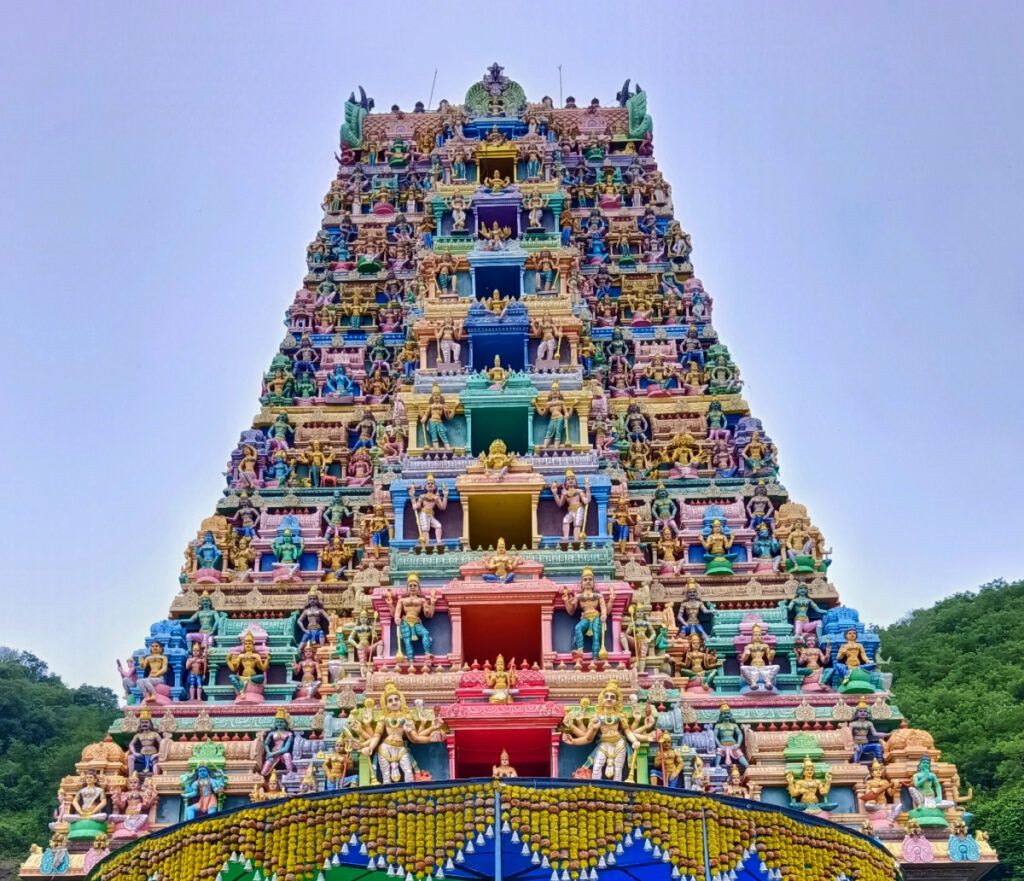
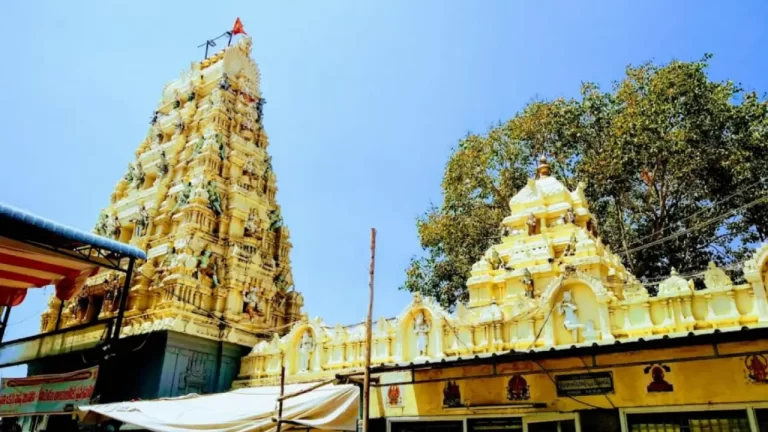
The Kanaka Durga Temple’s architecture is a lovely expression of South Indian temple art. It features predominantly a unifying combination of Dravidian and Chalukyan architectural themes. On approaching, you will be welcomed by rising gopurams (gateway towers), which are typical of Dravidian architecture, beautifully covered with sculptures of gods and mythological creatures.
The temple compound itself has pillared halls, or mandapas, where devotees hold prayers and rituals. The walls of Kanaka Durga Temple are a work of art in the form of intricate carvings, which come to life with depictions from Hindu epics such as the Ramayana and Mahabharata. You’ll find intricate sculptures of several gods and goddesses, heavenly beings, and mythological creatures. Of special importance are the Navadurga (nine forms of Durga) sculptures, each carefully chiseled, contributing to the temple’s rich iconography.
The Vimana (the superstructure over the sanctum sanctorum) displays clear Chalukyan influences, presenting a dissimilar yet equally charming style. The central sanctum, that of the Swayambhu idol of Goddess Kanaka Durga, is gold-adorned, bestowing upon the Goddess her name, “Kanaka” being gold. It’s a breathtaking view, to behold the Goddess shining in gold, an epitome of beauty and strength. The combination of these styles produces a rare visual story, a spiritual odyssey chiseled out of stone.
Read More>> Famous Tirumala Tirupati Venkateswara Swamy Temple Guide
Whispers of Faith: Myths and Beliefs Surrounding Kanaka Durga Temple
Beneath the great legends, the Kanaka Durga Temple is also rich with interesting local myths and beliefs that reflect the age-old faith of the people.
One interesting myth is about the nose-ring of Goddess Durga. It is believed that the Goddess borrowed the nose-ring from the Krishna River and did not return it. According to legend, the Krishna River vowed to retake her ornament by emerging to the hilltop at the end of Kaliyuga. Although a fanciful story, it speaks of the close bond between the Goddess and the sacred river which runs along beside her home.
Another distinct feature is the occurrence of a “Floating Stone” on the temple grounds. It’s said that this stone, in defiance of gravity, rests on water, representing divine powers relating to the temple and evoking amazement among followers.
Kanaka Durga Temple is also a strong place to pray for desires, a spot where the prayer is heard and the wish is granted. Numerous devotees visit with a special prayer in mind, offering and performing rites in the expectation of divine action. The multitude of pilgrims coming, especially during difficult circumstances, is an indicator of their strongest belief in Goddess Kanaka Durga.
I’ve come across hundreds of personal accounts by followers who testify to having witnessed miracles or dramatic positive transformations in their lives since they visited the Kanaka Durga Temple. These are passed from generation to generation and go towards reinforcing the faith in the Goddess’s kind presence.
Read More>> Brihadeeswarar Temple: Timeless Marvel of Chola Architecture
Planning Your Pilgrimage: Kanaka Durga Temple Timings
To make your planning trip to the Kanaka Durga Temple easier, below are the typical timings:
Morning Darshan: 5:00 AM to 12:00 PM (noon)
Evening Darshan: 1:00 PM to 6:00 PM (although some reports say it’s open till 9:00 PM or even 10:00 PM on specific days. It’s always good to check with the official temple website or local reports nearer to your visit, particularly during festivals).
Do note that timings may change, particularly for major festivals such as Navaratri, when the temple may remain open longer hours. Different queues are normally set up for Sarva Darshanam (free general entry) and special darshan tickets (e.g., ₹100 or ₹300), which provide faster access, although queues might be long at peak times. The temple administration also offers facilities for infants, elderly, and physically disabled devotees, many of them having a lift facility to the main temple.
Discovering the Surroundings: Sites to Visit Around Kanaka Durga Temple
Your spiritual journey does not have to conclude at the Kanaka Durga Temple. The area around Vijayawada and surrounding areas has a few more major Hindu sites of importance worth visiting:
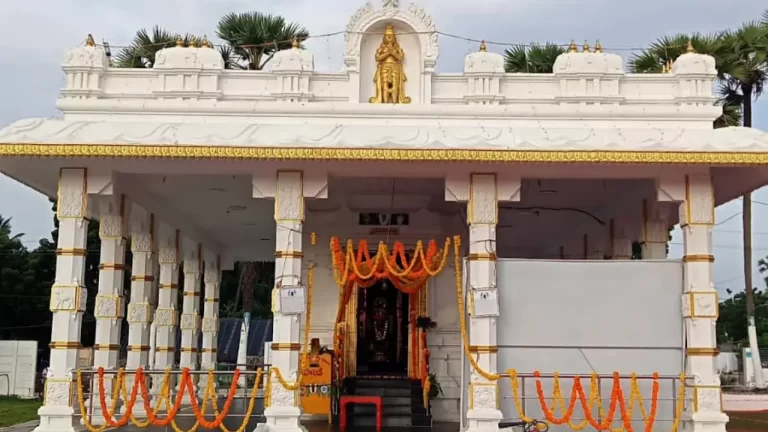
Malleswara Swamy Temple: This temple is within the Kanaka Durga Temple premises itself and is devoted to Lord Shiva, the consort of Goddess Kanaka Durga. It is a must-see because the special location of the deities here makes it extremely unique.
Undavalli Caves: A quick drive from the temple, these 4th-5th century rock-cut caves were originally Jain caves but were later turned into Hindu temples, showcasing monumental monolithic architecture and carvings, including a gigantic reclining Vishnu idol.
Prakasam Barrage: Not a temple, but a grand engineering wonder over Krishna River, with breathtaking views. A favorite among devotees to take a sacred dip in the river during festivals like Krishna Pushkaralu.
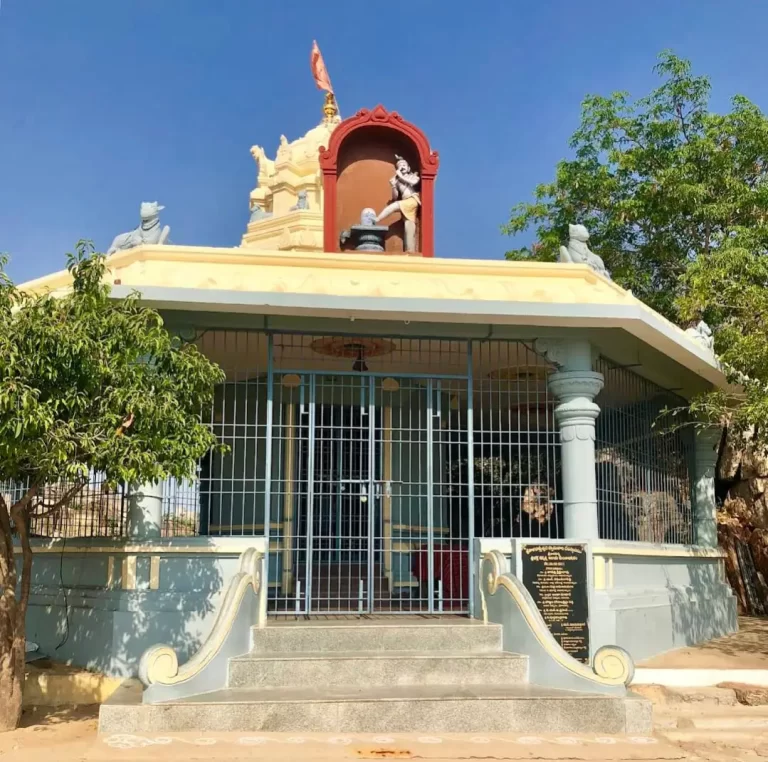
Subramanya Swamy Temple: Also situated on Indrakeeladri hill, for Lord Kartikeya (Subramanya Swamy), son of Lord Shiva and Goddess Parvati.
Akkanna Madanna Cave Temple: Located in the foothills of Indrakeeladri, these historical caves are also near the Kanaka Durga Temple and provide a peek into rock-cut architecture of earlier times.
Mangalagiri Lakshmi Narasimha Swamy Temple: A little far out (approximately 14 km), this temple of Lord Narasimha, a form of Lord Vishnu, is well known for its special practice of offering panakam (jaggery water) to the lord.
These local attractions enable you to extend your spiritual discovery and experience the rich religious terrain surrounding the Kanaka Durga Temple.

A Comfortable Stay: Where to Stay in Vijayawada Near Kanaka Durga Temple
Vijayawada has diverse accommodation options for every preference and budget, providing a convenient stay while undertaking pilgrimage at the Kanaka Durga Temple.
Luxury Hotels: For those looking for comfort and luxury amenities, such as Novotel Vijayawada Varun, Lemon Tree Premier, and Hyatt Place Vijayawada, which provide fine dining and good services along with contemporary facilities, are usually a short drive away from the temple.
Mid-Range Hotels: You’ll find plenty of reliable mid-range options like Red Fox by Lemon Tree Hotels, Hotel Kosala, and Hotel Krishna Residency, many of which are conveniently located in areas like Governorpet, providing good connectivity to the Kanaka Durga Temple and other city attractions. They often offer comfortable rooms, complimentary breakfast, and good service.
Budget Accommodations: For budget-conscious travelers, there are plenty of budget hotels and guesthouses in and around the city center and near the railway station and bus stand. These offer simple amenities and a clean accommodation so that your attention stays on your religious pilgrimage to the Kanaka Durga Temple.
While booking, opt for hotels with good connectivity to the Kanaka Durga Temple through local transport. Most hotels also provide help in booking taxis or auto-rickshaws to visit the temple.
Read More>> Dhandayuthapani Swamy Temple, Palani
Your Pilgrimage to Divinity: How to Get to Kanaka Durga Temple
The Kanaka Durga Temple at Vijayawada is easily accessible since the city is a major transport hub in Andhra Pradesh.
By Air: The closest airport is Vijayawada International Airport (VGA), which is around 20-25 km from the city center as well as the Kanaka Durga Temple. It receives good connections to important Indian cities. At the airport, you may get a taxi or ride-sharing services to get to the temple.
By Train: Vijayawada Junction (BZA) is among the most busiest railway stations in India, well-networked with all the major cities of the country. On reaching the railway station, the Kanaka Durga Temple is merely around 3-4 km away. It is easy to get an auto-rickshaw, taxi, or local bus to reach the temple.
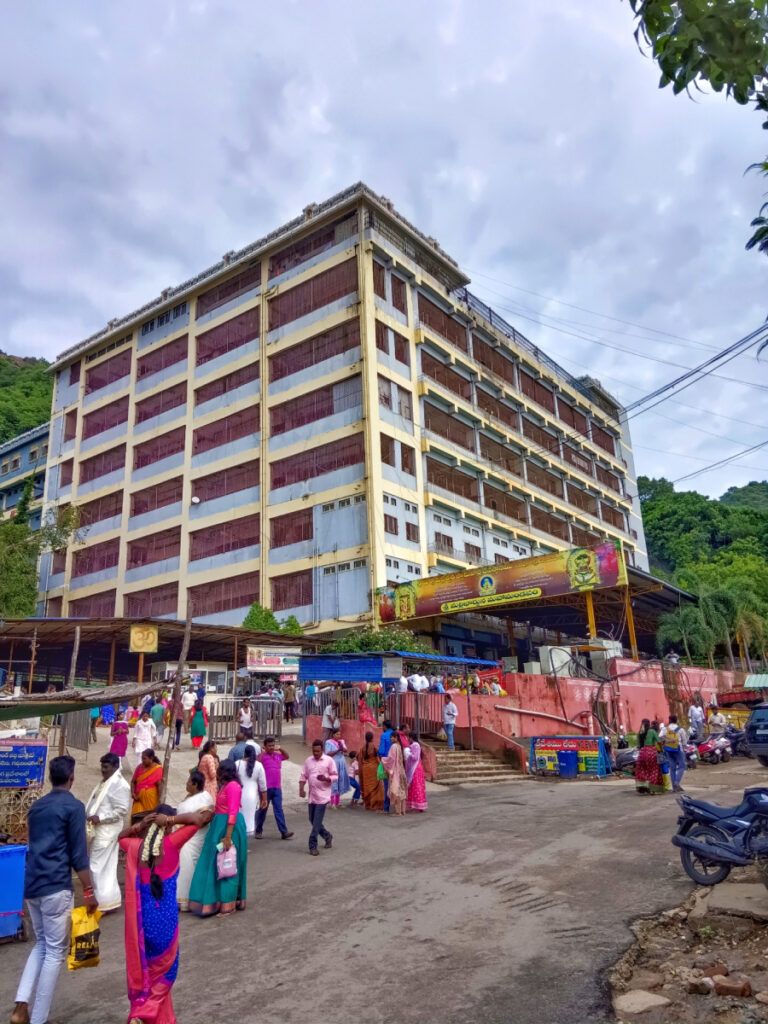
By Road: Vijayawada has great road connectivity. National highways pass through the city, connecting it to other areas of Andhra Pradesh and surrounding states. Andhra Pradesh State Road Transport Corporation (APSRTC) has several buses connecting Vijayawada to other cities. In case you drive, there are parking arrangements at the foot of Indrakeeladri hill.
Once you are at the bottom of Indrakeeladri hill, you can travel to the Kanaka Durga Temple by a few options:
Steps: For physically fit people or those who enjoy a classic pilgrimage, one can find good steps that lead to the temple. It is a moderately difficult but pleasant walk with lovely views of the surrounding landscape.
Ghat Road: You have a motorable road that runs up the hill, where taxis and auto-rickshaws can leave you near the temple entrance.
Ropeway (Cable Car): A wonderful and scenic choice, the Indrakeeladri Ropeway gives a spectacular ride to the hilltop, offering sweeping views of the Krishna River and the city. It’s particularly convenient for senior devotees or those with mobility concerns.
Opt for the mode of transport most suitable for your comfort and preference, and proceed on your spiritual journey to the Kanaka Durga Temple.
Trending Questions about Kanaka Durga Temple
Being a tour guide, people keep asking me questions about the Kanaka Durga Temple. Below are some trending ones that may be bothering you:
“Why is Kanaka Durga Temple so popular?”
The Kanaka Durga Temple is renowned for a variety of reasons: its colossal spiritual energy as a Swayambhu form and a possible Shakti Peetha, its abundant mythological heritage consisting of Keela, Mahishasura, and Arjuna, its distinctive architectural synthesis of the Dravidian and Chalukyan schools, and its magnificent Navaratri festivities drawing millions. The fact that it stands on the divine Indrakeeladri hill facing the Krishna River further enhances its charm.
“What is the best time to visit Kanaka Durga Temple?”
For a lively experience, going during Dasara Navaratri (October) is unbeatable, but you can expect huge crowds. If you want a peaceful visit, weekdays (particularly Tuesday to Thursday) and early mornings tend to be less crowded. The winter season (October to March) provides good weather for touring.
“Is there a dress code for Kanaka Durga Temple?”
Although no strict formal dress code is required, it is always a good idea to dress modest and traditional when going to any Hindu temple. For males, this may be shirts and trousers/dhoti, and for females, sarees, salwar kameez, or other suitable clothing that covers shoulders and knees.
“Are there any special rituals for marriage or childbirth at Kanaka Durga Temple?”
Yes, a large number of devotees conduct special pujas and rituals in the Kanaka Durga Temple for blessings for jubilant marriages, conception, and child health. The temple management could give information regarding particular sevas offered for such needs.
“What is the importance of the Krishna River near the temple?”
The Krishna River itself is holy in Hinduism, and having it run alongside the Kanaka Durga Temple adds to the sanctity of the location. A sacred bath in the river is thought to be very auspicious, particularly during festivals such as Krishna Pushkaralu.
6 Comments