Anandamayee Shakti Peeth Temple (Ratnavali): Timings, History, and Pilgrim Guide
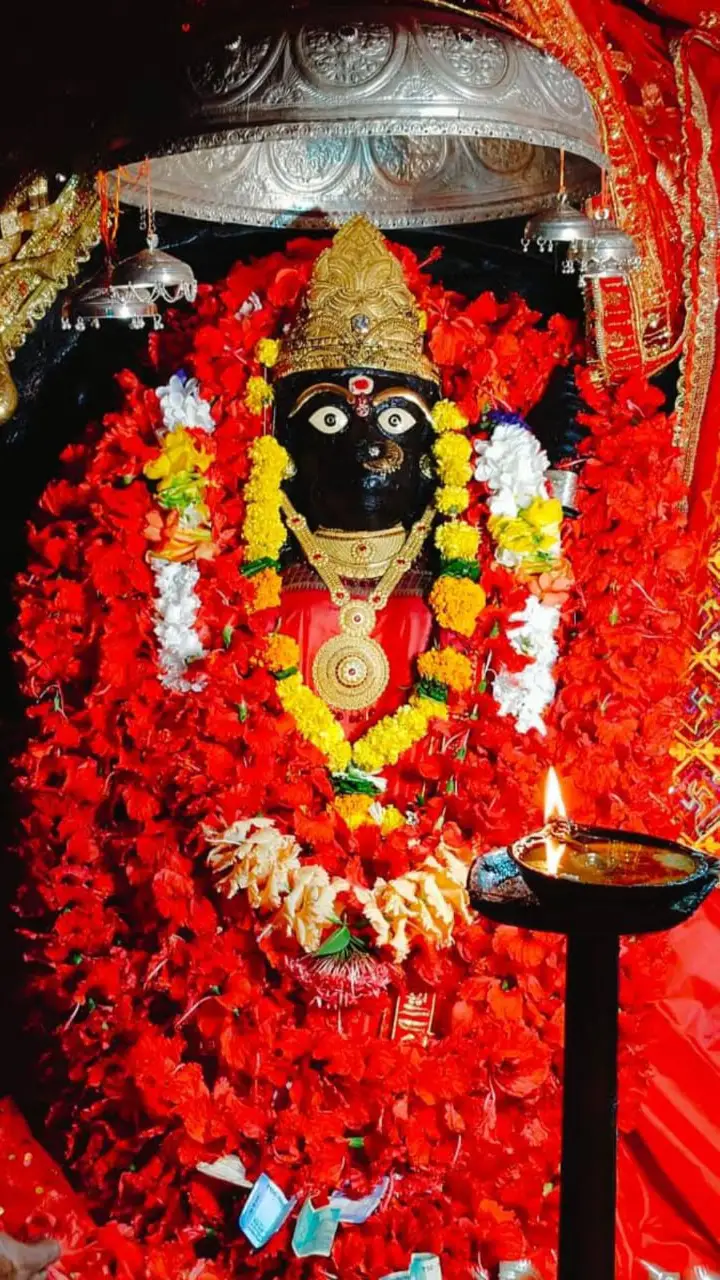
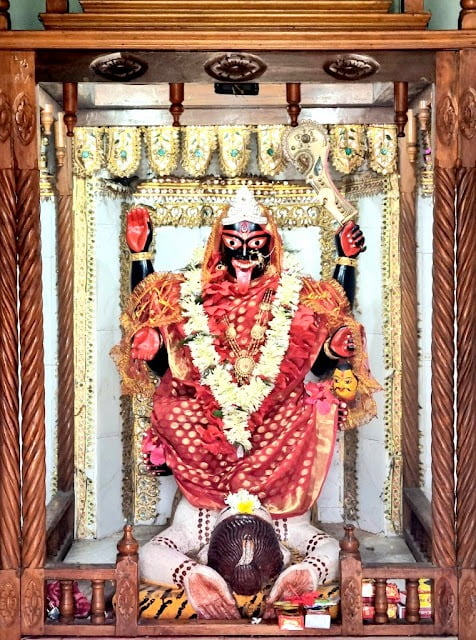
The Anandamayee Shakti Peeth Temple, located at Khanakul in the Hooghly district of West Bengal, is a revered Hindu pilgrimage shrine traditionally venerated as the Ratnavali Shakti Peeth. According to sacred Puranic tradition, this holy site marks the spot where Goddess Sati’s Dakshina Skandha (Right Shoulder) fell following the Daksha Yajna episode. Worshipped here as Goddess Anandamayee alongside her protective Bhairava, Lord Ghanteshwar, the temple serves as a serene spiritual destination for devotees seeking peace, protection, and divine grace.
Quick Information: Anandamayee Shakti Peeth
| Feature | Details |
| Temple Name | Anandamayee Temple (Ratnavali Shakti Peeth) |
| Primary Deity | Goddess Anandamayee (Maa Durga / Sati) |
| Associated Bhairava | Lord Ghanteshwar (Shiva) |
| Sacred Relic (Peetha Anga) | Right Shoulder (Dakshina Skandha) |
| Location | Khanakul-Krishnanagar, Hooghly District, West Bengal, India |
| River Bank | Kana Damodar (historically known as Ratnakar River) |
| Temple Timings | Morning: 6:00 AM – 12:30 PM | Evening: 4:00 PM – 8:00 PM |
| Bhog / Anna Prasad | Usually distributed around 1:00 PM (check locally with sebayits) |
| Best Time to Visit | October to March (Pleasant weather; Durga Puja and Navratri celebrations) |
| Major Festivals | Navratri, Durga Puja, Kali Puja, Maha Shivaratri, Bengali New Year |
| Nearest Railway Station | Tarakeswar (~30 km) and Arambagh (~20 km) |
| Nearest Airport | Netaji Subhash Chandra Bose International Airport, Kolkata (~75 km) |
| Dress Code | Modest traditional attire (dhoti/kurta or saree/salwar suit recommended) |
The roots of the Anandamayee Temple trace back to the timeless lore of the 51 Shakti Peethas celebrated across the Indian subcontinent. To understand its sacred significance, devotees explore the broader spiritual tradition behind these sites in our detailed guide to the 51 Shakti Peethas in India.
Read More>> Thanumalayan Temple Suchindram
The Legend of Sati’s Sacrifice
According to the Devi Bhagavata Purana and the Kalika Purana, Prajapati Daksha organized a grand Vedic sacrifice (Daksha Yajna) but deliberately refused to invite Lord Shiva, his son-in-law. Unable to bear the public insult directed toward her husband, Sati gave up her life in the sacrificial fire.
Grief-stricken and enraged, Lord Shiva carried Sati’s body across the cosmos in his cosmic dance of destruction (Tandava). To restore universal order and calm Mahadeva’s fury, Lord Vishnu released his Sudarshana Chakra, severing Sati’s body into sacred fragments. Wherever these sanctified limbs and ornaments touched the earth, a Shakti Peeth emerged.
Read More>> Bakreshwar Temple | Mahishmardini Shaktipeeth West Bengal
The Falling of the Right Shoulder at Ratnavali
In the classical texts Peetha Nirnaya and Tantra Chudamani, the verse describing this pilgrimage seat states:
“Ratnavalyam Dakshaskandham Anandamayi Bhairavo Ghanteshvarah…”
(At Ratnavali, the right shoulder fell; the presiding Goddess is Anandamayee, and the Bhairava is Ghanteshwar.)
Devotees revere this sanctum because the shoulder represents strength, spiritual responsibility, and divine protection. In local folk memory, the Kana Damodar River flowing past Khanakul was historically called the Ratnakar River, linking the modern geographical location directly with the ancient name of Ratnavali.

Presiding Deities: Devi Anandamayee and Bhairava Ghanteshwar
A hallmark of every genuine Shakti Peeth is the dual presence of the divine feminine energy (Shakti) and the cosmic protector (Bhairava).
Maa Anandamayee
In the inner sanctum of the Khanakul temple, Mother Goddess is worshipped as Anandamayee—the “Embodiment of Divine Joy.” Unlike temples featuring multi-armed fierce deities, the worship here centers on compassionate motherly grace. Devotees offer red hibiscus garlands, vermilion (sindoor), sweetmeats, and sarees, praying for family well-being, good health, and spiritual upliftment.
Bhairava Ghanteshwar
A short distance from the primary Anandamayee shrine stands the ancient temple dedicated to Lord Ghanteshwar. In local folklore, Lord Ghanteshwar protects the pilgrimage boundary. It is customary for pilgrims to visit Lord Ghanteshwar’s Shivalinga either immediately before or after offering prayers to Maa Anandamayee to complete the traditional pilgrimage circuit.
Read More>> Jalandhar Shakti Peeth Devi Talab Mandir
Architectural Features and Temple Ambience
The Anandamayee Temple displays the classic, understated charm of rural Bengal temple architecture:
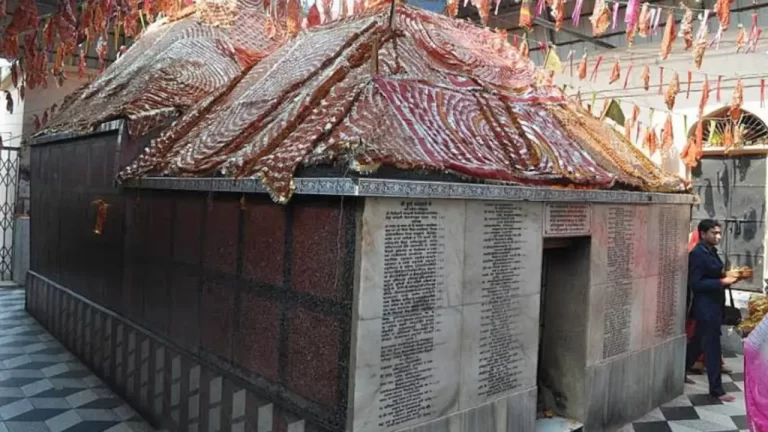
- Sanctum Design: Built with traditional brick masonry and laterite elements, the main shrine reflects local roof curvatures characteristic of Bengal’s terracotta building heritage.
- Natmandir (Prayer Hall): An open pillared pavilion stands in front of the sanctum, where devotees assemble for community kirtans, evening aarti, and sacred readings.
- The Sacred River Ghat: Steps lead down toward the banks of the Kana Damodar. While modern irrigation has altered water levels, bathing at the river ghat before entering the temple remains a deeply respected traditional practice during auspicious occasions.
“Devotees tracking sacred sites across Eastern India often also explore the Mithila Shakti Peeth along the Bihar-Nepal border, where Goddess Sati’s left shoulder is traditionally believed to have fallen.”
Daily Darshan, Pooja, and Bhog Timings
The temple follows a daily cycle of worship supervised by hereditary sebayits (priests):
- Morning Opening: 6:00 AM
- Morning Mangala Aarti & Puja: 6:30 AM – 7:30 AM
- Midday Bhog Offering: 12:00 PM – 12:30 PM (Sanctum closes briefly afterward)
- Afternoon Reopening: 4:00 PM
- Sandhya Aarti (Evening Prayers): Around sunset (6:00 PM – 6:30 PM)
- Night Closure: 8:00 PM
Note for Pilgrims: If you wish to receive Anna Bhog (consecrated cooked rice and prasadam), inform the temple priest counter upon early morning arrival, as preparations are arranged in limited daily quantities.

Major Festivals Celebrated at Anandamayee Temple
Visiting during festive periods allows pilgrims to witness traditional Bengali devotional culture at its most vibrant:
- Durga Puja & Navratri (Ashwin / September–October): The temple witnesses thousands of visitors over the nine nights of Navratri, culminating in Maha Ashtami and Sandhi Puja.
- Kali Puja and Diwali (Kartik / October–November): Celebrated with oil lamps, nighttime rituals, and special offerings.
- Maha Shivaratri (Phalguna / February–March): Tremendous devotion centers on the nearby Bhairava Ghanteshwar Temple, where devotees observe day-long fasts and pour milk and water on the sacred Shivalinga.
- Snan Yatra and Bengali New Year (Poila Boishakh): Local traders and families visit to consecrate ledgers and pray for prosperity.
How to Reach Anandamayee Shakti Peeth Temple
Khanakul is situated in the southwestern pocket of Hooghly district, easily accessible from Kolkata and major regional hubs.
1. By Train (Most Recommended Route)
- Board an EMU local train from Howrah Station to Tarakeswar Railway Station (a frequent 1-hour to 1.5-hour journey).
- From Tarakeswar station, state transport buses, local private buses, and trekkers run regularly toward Khanakul. Alternatively, private auto-rickshaws and cabs can be hired directly to the temple gates (~30 km).
- Arambagh Railway Station is another nearby railhead (~20 km away), connected via Howrah-Arambagh local trains.
2. By Road
- From Kolkata: Take the Kona Expressway onto the Durgapur Expressway (NH 19), divert toward Dankuni/Chanditala, and proceed via Haripal and Tarakeswar toward Khanakul (approximately 70–75 km, taking around 2.5 to 3 hours by car).
- Road conditions are generally paved, though narrow market stretches around Arambagh and Khanakul require cautious driving.
3. By Air
- The nearest airport is Netaji Subhash Chandra Bose International Airport (CCU) in Kolkata. Pilgrims arriving by flight can book a direct prepaid taxi or travel to Howrah Station to proceed by train.
Practical Tips for Pilgrims and Families
- Footwear and Cleanliness: Like all traditional Bengal shrines, leave leather items and footwear outside the temple boundary in designated areas.
- Photography: Photography inside the inner sanctum sanctorum is strictly restricted to maintain sanctity. You may photograph the outer courtyard respectfully.
- Where to Stay: Khanakul is a rural locality with limited luxury accommodation. Most day visitors stay in Kolkata or book pilgrim guest lodges at Tarakeswar, completing Khanakul as a peaceful half-day excursion. You can check regional lodging options through the official tourism portal of the state.
Nearby Pilgrimage and Heritage Attractions
Combine your visit to Anandamayee Shakti Peeth with these historic nearby destinations:
- Tarakeswar Shiva Temple: One of Eastern India’s most famous Shaivite shrines, home to Lord Taraknath. Read our complete guide to Baba Tarakeswar Temple to plan a combined pilgrimage circuit.
- Radhanagar (Birthplace of Raja Ram Mohan Roy): Located just a few kilometers from Khanakul, this historic village commemorates the birthplace of the pioneering social reformer of the 19th-century Bengal Renaissance.
- Kamarpukur and Jairambati: The revered birthplaces of Sri Ramakrishna Paramahamsa and Sri Sarada Devi are situated approximately 35–40 km away, making this region a rich cultural belt. Explore our wider collection of famous temples of West Bengal to map your cultural journey.
Frequently Asked Questions (FAQs)
Which body part of Goddess Sati fell at Anandamayee Temple?
According to classical traditions preserved in the Peetha Nirnaya, the Right Shoulder (Dakshina Skandha) of Goddess Sati fell at Ratnavali, the site identified with modern-day Khanakul in Hooghly.
Who is the Bhairava of Anandamayee Shakti Peeth?
The associated Bhairava of this Shakti Peeth is Lord Ghanteshwar, whose shrine is situated close to the main temple complex in Khanakul.
Are there any entry fees or special darshan tickets?
No. General darshan at Anandamayee Temple is completely free. Devotees may purchase puja items (flowers, incense, sweets) from modest local stalls lining the approach lane.
How much time is needed for darshan?
On regular weekdays, darshan typically takes between 20 to 45 minutes. During major festival days such as Ashtami of Durga Puja or Navratri, expect queues lasting 1 to 2 hours.
Can elderly pilgrims visit comfortably?
Yes. The temple is built on flat ground with very few steps. While wheelchair facilities are basic, the walking distance from the vehicle parking area to the inner temple courtyard is short and manageable.