Most Powerful Subramanya Swamy Temple at Thiruchendur
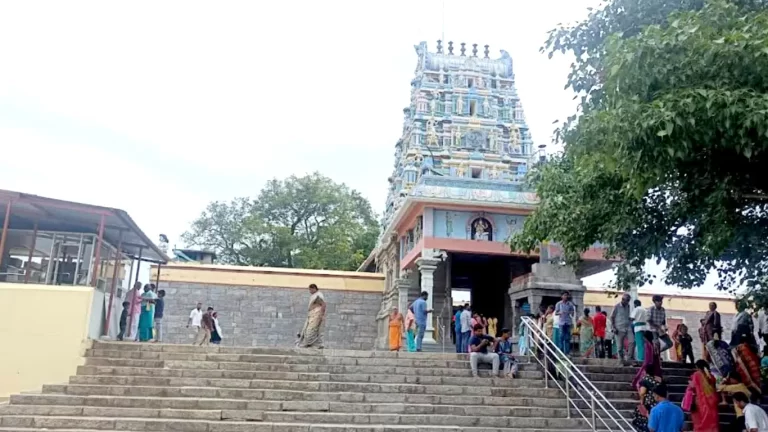
Subramanya Swamy Temple at Thiruchendur, which everyone generally refers to as the Thiruchendur Temple. It’s right on the stunning shores of the Bay of Bengal, within a town named Thiruchendur in Thoothukudi district of Tamil Nadu, India. Picture a magnificent temple, proudly standing tall right next to the shining blue sea! It’s where the myths of old are brought to life, where the sea breeze cools your skin, and where you may even feel a little more divine. So, grab your suitcases, and let’s start our thrilling adventure!
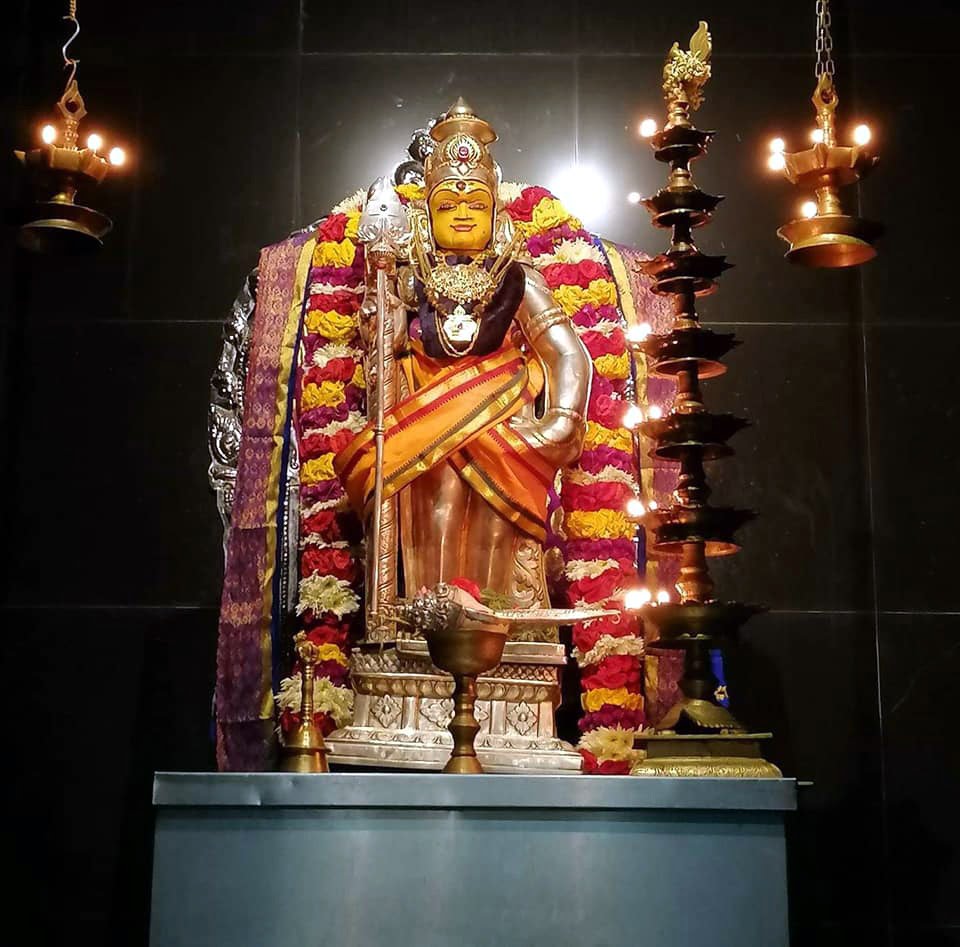
History of the Thiruchendur Temple: A Story as Old as the Waves
Imagine, my dear friends, a time very, very long ago, even before the large ships you see today traveled the seas! The Thiruchendur Temple’s history is so old that it’s difficult to date it with accuracy. It’s said to have been constructed more than thousands of years ago, with various kings and sages adding their lovely touches to it.
The Hindu temple’s central structure and main chamber are carved directly into a cave. Isn’t that awesome? It is sort of a secret retreat of the gods! The temple has witnessed countless sunrises and sunsets across the sea! The kings of the Pandya dynasty, who were the rulers of old Tamil Nadu and were extremely powerful rulers, are said to have added much to constructing and making this temple more grand. They revered Lord Murugan a lot.
Later, in the Nayaka period, which was several hundreds of years ago, additional sections of the temple were constructed, such as high towers (gopurams) and large halls (mandapams). The style and the figures you find inside recount stories of all the great individuals who prayed here and ensured that this wonderful place was strong and beautiful for all to see. It’s like a gigantic book of history carved out of stone, right by the sea, the Thiruchendur Temple!
Read More>> Miraculous Powers of Shri Khade Ganesh Temple Kota Kashivpur
Legend of Subramanya Swamy Temple at Thiruchendur: Where a Mighty War Was Won
Now, listen to the most thrilling story of why this Subramanya Swamy Temple at Thiruchendur is so significant. This wonderful tale is from our ancient Hindu mythology, particularly the Skanda Purana, which is a massive book all about Lord Murugan (also known as Kartikeya or Subramanya).
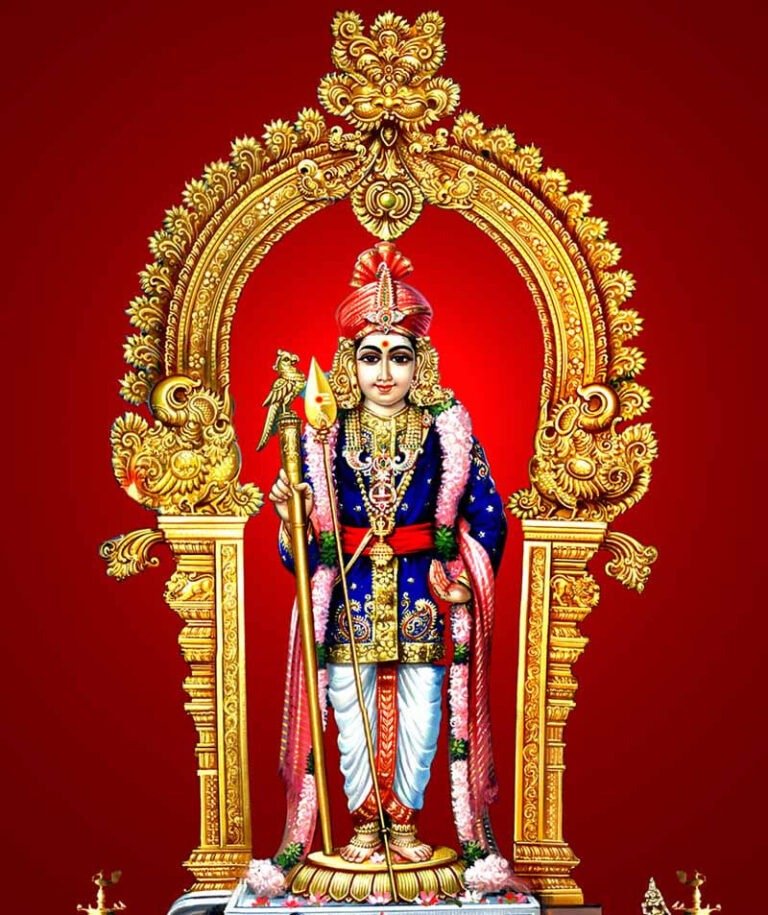
There was once a very strong and cruel demon king named Surapadman. He was troubling everybody, even the gods! The gods were in great fear, so they approached Lord Shiva for assistance. Lord Shiva, with his divine strength, formed Lord Murugan, a courageous and powerful war god, to conquer Surapadman and restore peace to the world.
Lord Murugan, his mighty spear in the form of Vel, assembled his army and marched as far as to this very place, Thiruchendur, previously called Jayanthipuram (the “city of victory”). From this place, he waged a fierce battle against Surapadman and his massive army. The battle was long and arduous, but Lord Murugan, his superhuman strength and intelligence, ultimately defeated Surapadman.
But here’s the best part: rather than simply killing Surapadman, Lord Murugan, who was compassionate, gave him an opportunity to reform. He transformed Surapadman into two things: a peacock, which became Lord Murugan’s chariot, and a rooster, which became the symbol on his flag! And that’s why the peacock you usually see alongside Murugan temples and on his flag is a reminder of this incredible tale of kindness and triumph.
Following his magnificent victory, Lord Murugan wanted to pray to his father, Lord Shiva, in appreciation and to cleanse himself after the battle. Therefore, he requested the divine architect, Mayavan, to construct a temple right here on the beach, which is today the Thiruchendur Temple. That’s why this land is so holy – it’s where Lord Murugan himself rested and prayed after his greatest triumph! This is what distinguishes the Subramanya Swamy Temple at Thiruchendur from all his other residences.
Read More>> Trikut Ganesh Temple Nanded
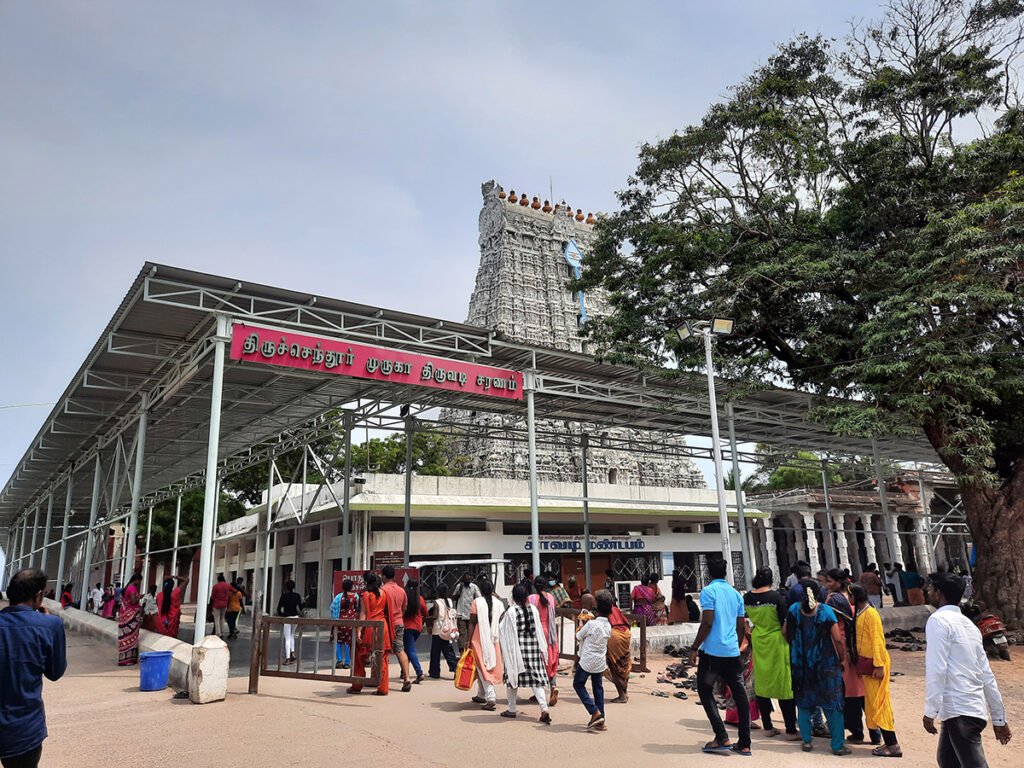
Cultural, Spiritual, and Mythological Significance of the Temple
The Thiruchendur Temple is very significant in so many great ways!
Culturally, it is a lively hub of Tamil customs, particularly those concerning Lord Murugan. You will get to hear such lovely devotional songs named Kavadichindu and Tiruppugazh, which were composed by renowned poets like Arunagirinathar who had come to this very temple. Festivals are time for the air to be filled with traditional music sounds, the aroma of incense sticks, and the presence of people wearing traditional attire. It’s a big show of how much the people relate to their past here. The renowned Prasadam (sacred food offering) here is the Thiruchendur Pazhamudhirsolai, a sweet dish, which is also very unique.
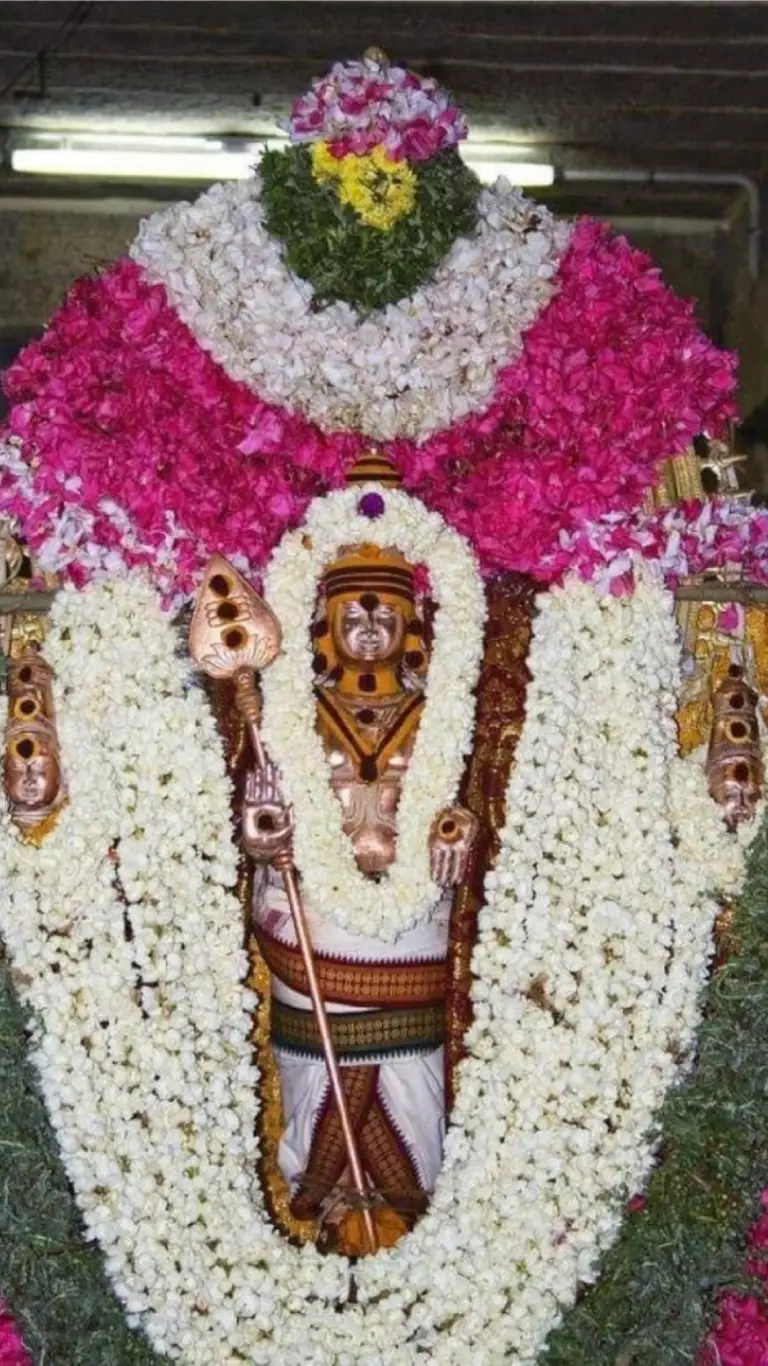
Spiritually, this temple is one of the Arupadaiveedu, or the Six Sacred Abodes of Lord Murugan. Each of these six temples corresponds to a different significant event or phase of Lord Murugan’s life. Thiruchendur particularly corresponds to the location where he camped and battled the demon Surapadman and represents triumph over evil and ignorance. Numerous followers are of the opinion that by coming to this temple and praying for the favors of Lord Murugan, they can overcome their personal problems, attain strength, and achieve success in life.
The extremely potent energy at this location, in addition to the serenity of the sea, makes this place an extremely unique location for meditation and prayer. Pilgrims are of the opinion that their sins get washed away by bathing in the divine waters of the sea at this location.
Mythologically, as discussed, this temple is significant because of the fight with Surapadman. The victory of Lord Murugan here is not a myth; it’s symbolic. It shows us how good triumphs over evil and light conquers darkness. It reminds us that even when things are difficult, with determination and devotion, we can conquer our adversities. The fact that the temple is situated directly on the seashore, where the battle is said to have taken place, makes the legends seem so true when you are standing at the Thiruchendur Temple.
Read More>> Airavatesvara Temple Darasuram
Distinct Architectural Patterns
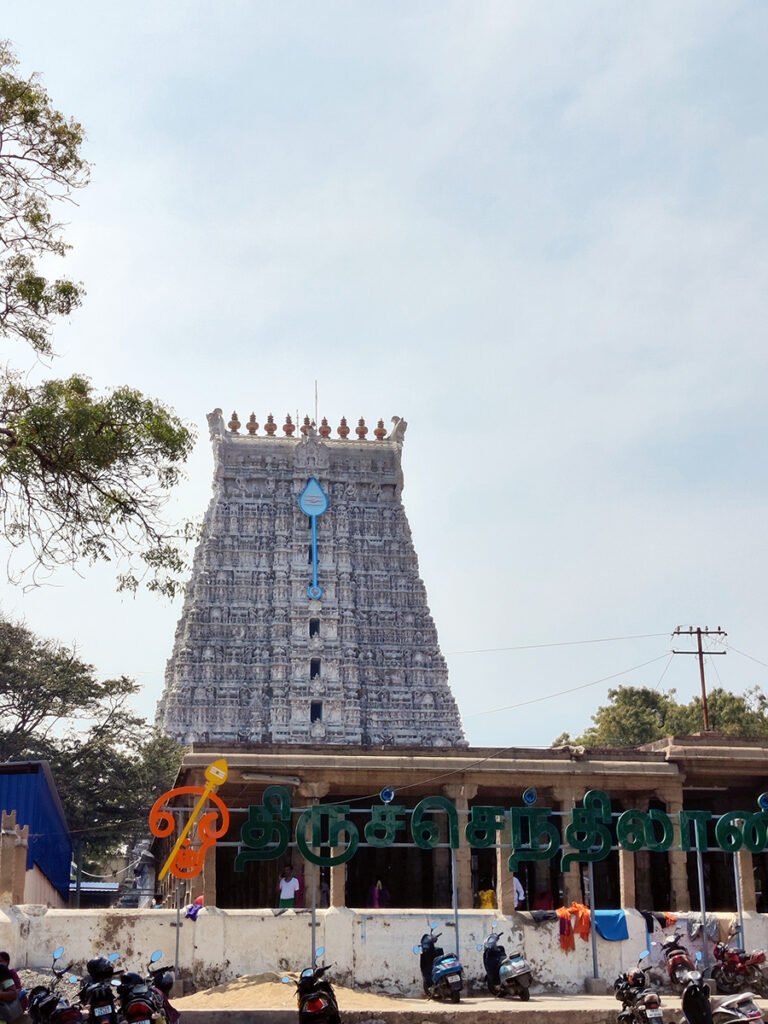
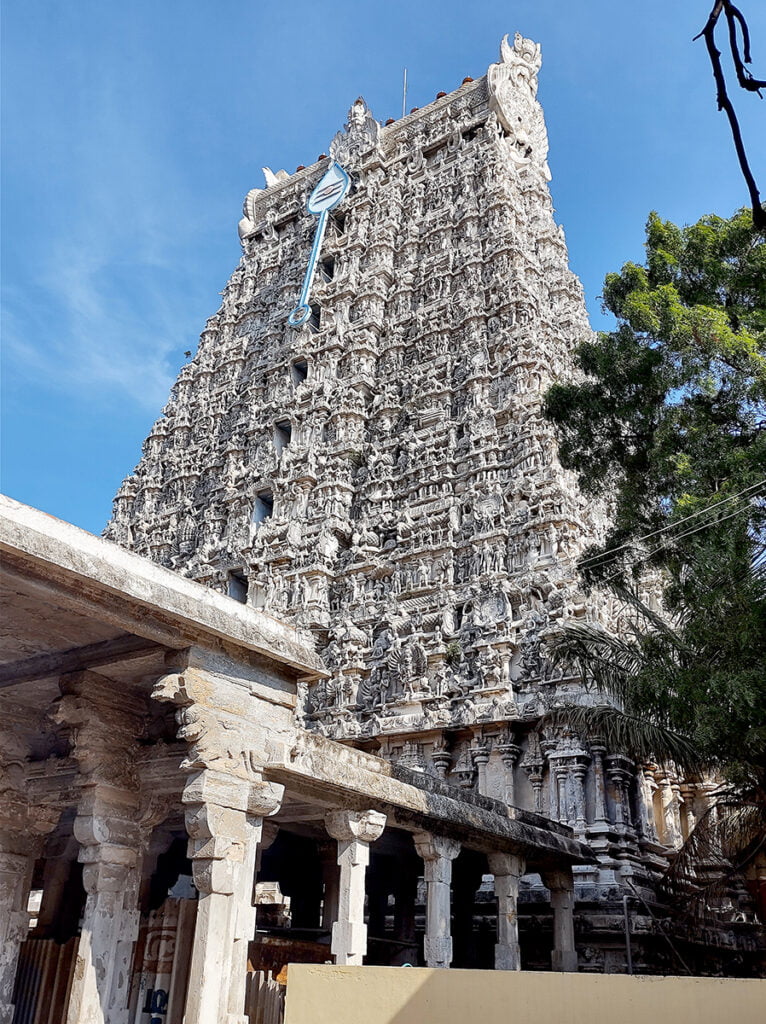
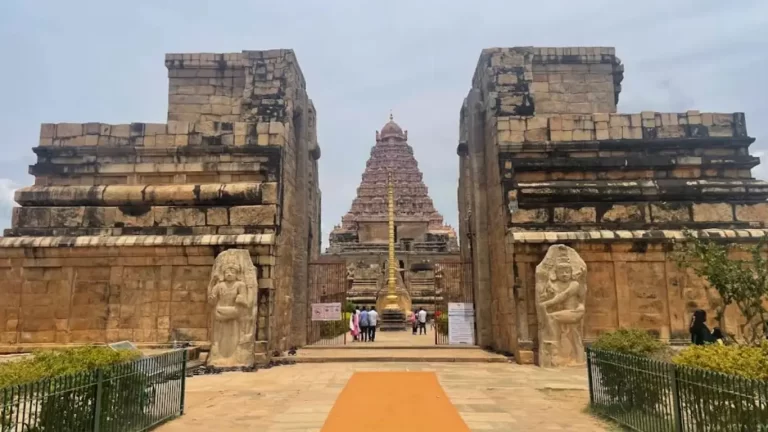
As you take a tour around the Thiruchendur Temple, you’ll be surprised at its distinct Dravidian architectural pattern, which is prevalent at South Indian temples, but with a twist since it is constructed so close to the sea.
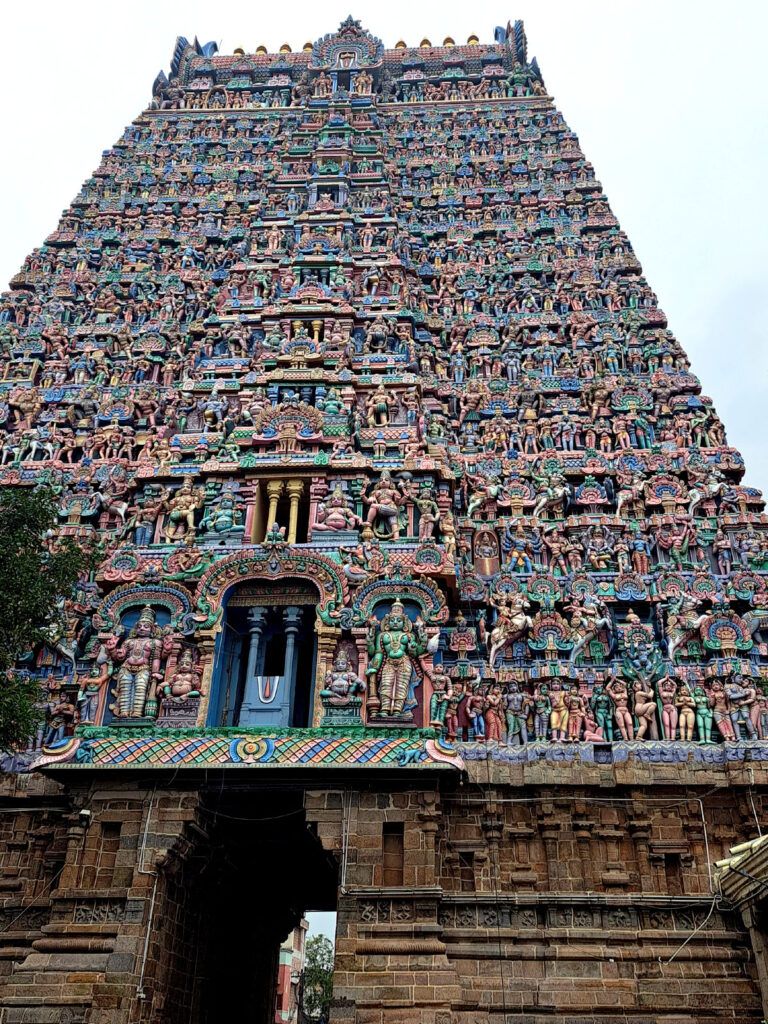
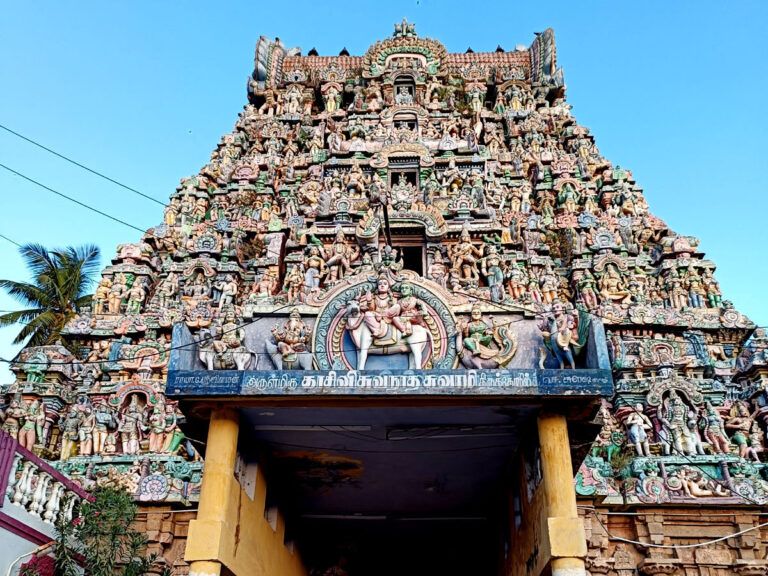
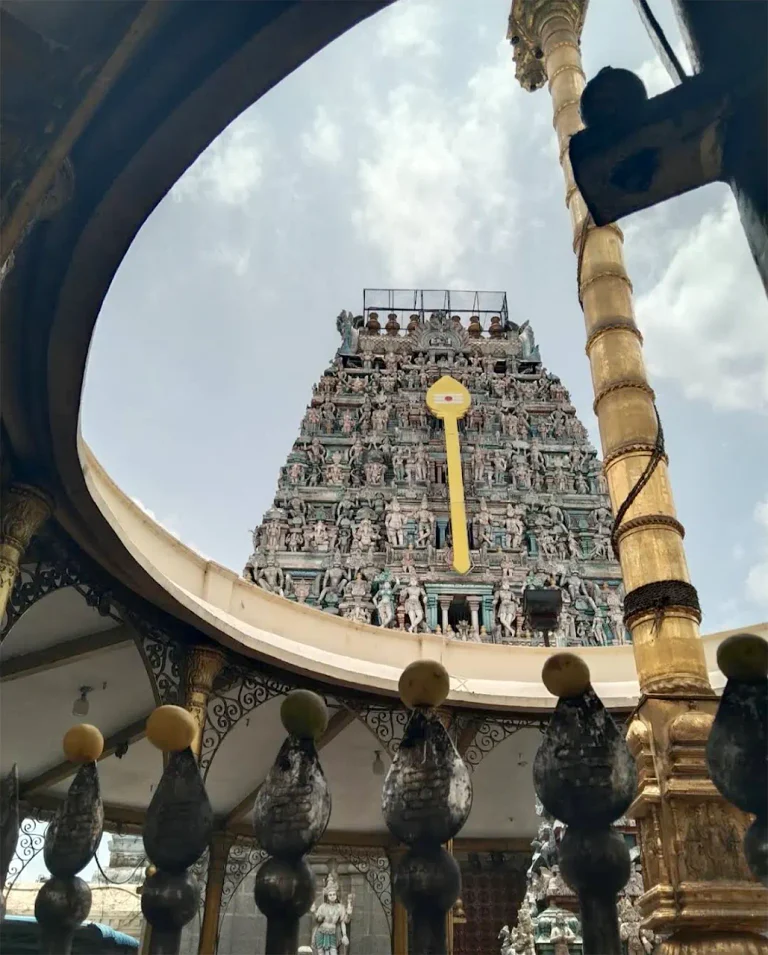
In contrast to most South Indian temples whose central entrance gopuram (tower) is in the east direction, the central gopuram of the Thiruchendur Temple, known as the Rajagopuram, is on the west side, opposite to the sea! The reason is that the central entry for pilgrims approaching from the sea was initially from the east direction. The Rajagopuram is a high, finely sculpted tower extending up into the air.
The most interesting thing is that the central shrine of the temple is carved out from the rock itself! You move through long, shaded corridors. The walls and pillars are draped in ornate carvings and sculptures narrating scenes from the Skanda Purana and other Hindu legends. You can see elephant and lion carvings, and a variety of gods and goddesses in various poses. The craftsmanship is just breathtaking!
There is also a special pavilion known as the Shanmuga Vilasam, which is a big hall with numerous pillars, where devotees congregate. The temple complex is constructed to be resistant to the salty sea air and the sea breeze, demonstrating how skillfully it was constructed several centuries ago. The Maha Mandapam is another big hall in which special poojas and rituals are conducted. The crashing sound of the waves in the vicinity gives the experience of being at the Thiruchendur Temple a touch of magic.
Read More>> Swaminatha Swamy Temple Swamimalai
Festivals: A Grand Celebration by the Sea
The Thiruchendur Temple comes alive during the festivals it celebrates! These are the moments when the town is abuzz with activity, color, and sheer devotion.
Kandha Sashti (Soora Samharam): The largest and most popular one, typically celebrated for 6 days during October or November (the Tamil month of Aippasi). It celebrates Lord Murugan’s glorious victory over the demon Surapadman. During the climactic 6th day, a special ceremony known as Soora Samharam is performed at the seashore, where the symbolic fight between Lord Murugan (symbolized by his deity) and Surapadman (symbolized by many forms of demons) is enacted. Thousands and thousands of faithful people descend to be able to watch this amazing spectacle. It’s really an electric atmosphere! This is the busiest time during the Thiruchendur Temple by far.
Vaikasi Visakam: It is the birthday festival of Lord Murugan, typically in May or June (the Tamil month of Vaikasi). Special poojas and processions are undertaken, and devotees offer milk pots (Paal Kudam) as a token of devotion.
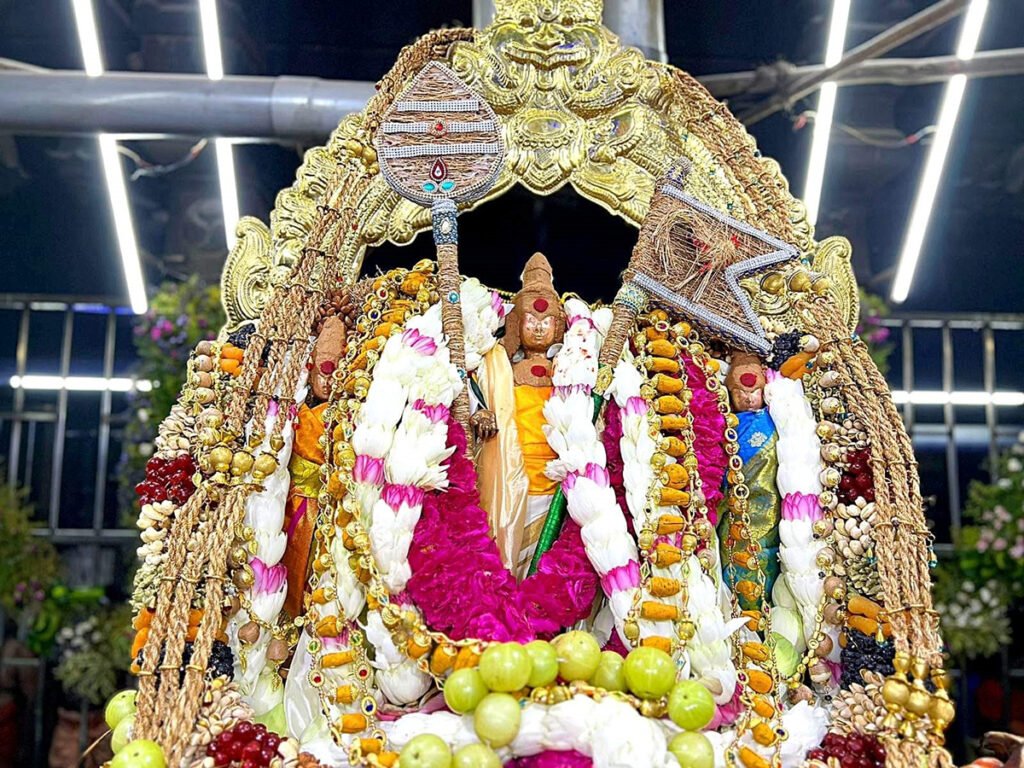
Masi Magam: In February or March (in the Tamil month of Masi), this festival is all about taking the temple idols in a big procession to the sea for a ritual bath (Theerthavari). It is such a pretty sight to watch.
Skanda Sashti Vratham: Although the Soora Samharam is the highlight of the festival, many followers go on a 6-day fast (vratham) prior to it, as a gesture of penance and love for Lord Murugan.
Margazhi Festival: Special early morning poojas are conducted during the Tamil month of Margazhi (December-January), and the temple is filled with a good number of devotees.
These are the periods when the Thiruchendur Temple is busiest, but the mood is just electric with faith, chants, and the ocean sounds. If you are visiting at these times, expect crowds but also an absolutely lively spiritual experience!
Read More>> Chamundeshwari Temple Mysore: Architectural Marvel & Spiritual Wonder
Thiruchendur Temple Timings: When to Visit Our Lord by the Sea
Thiruchendur Temple remains open to devotees from early morning until late in the evening, providing an opportunity for all to enjoy a serene darshan (sacred vision of the deity).
Morning Session: 5:00 AM to 12:00 PM
Evening Session: 5:00 PM to 9:00 PM (occasionally till 9:30 PM on festive days)
On huge festival days such as Kandha Sashti, the temple even opens early, at times at 1:00 AM or 2:00 AM, to suit the massive number of pilgrims. It is always wise to arrive early, particularly during weekends or festivals, to experience a more serene darshan and not have extremely long lines.
Special poojas (ceremonies) are conducted during the day at the Thiruchendur Temple as well:
Viswaroopa Darshan (early morning, about 5:00 AM, during which the Lord is worshipped in his cosmic form)
Udhaya Marthanda Abishekam (about 5:30 AM, a special anointing ceremony)
Kala Santhi Pooja (about 7:30 AM)
Uchikala Pooja (noon, about 12:00 PM)
Saayarakshai Pooja (evening, about 5:00 PM)
Arthajama Pooja (late evening, just before closing time, about 8:00 PM)
The abishekam, or the anointing of the idol with different sacred materials such as milk, honey, sandal paste, and holy ash, is an extremely significant ritual that is done several times a day. Witnessing an abishekam at the Thiruchendur Temple is said to be very auspicious and spiritually rewarding.
Myths and Beliefs: The Miracle of Nazhi Kinaru and the Temple’s Resilience
The most lasting of the myths and legends surrounding the Thiruchendur Temple is the miraculous Nazhi Kinaru. As I said, it’s a freshwater well directly on the seashore, surrounded by salty sea water. The myth goes that Lord Murugan, after his virulent fight with Surapadman, formed this well by striking his Vel (spear) into the earth to supply fresh water to his parched army. Even today, pilgrims take a dip in the sea and then cleanse themselves in the fresh waters of Nazhi Kinaru before proceeding into the temple for darshan. It’s a tiny circular well, and the water surprisingly is very fresh. This miracle reinforces the presence of Lord Murugan at this site as divine.
Another interesting feature is how the temple has withstood all those years. Being so close to the sea, it has faced many natural challenges, including tides and storms, over centuries. Yet, it stands strong, a testament to its ancient construction and the unwavering faith of devotees. There are historical accounts of the temple being partially submerged or damaged by the Dutch in the 17th century, but it was always restored to its glory. This resiliency contributes to the faith in the security power of Lord Murugan at the Thiruchendur Temple.
Read More>> Sri Devi Dol Temple Sivasagar Assam
Why is this Place Very Important? A Personal Touch
To me, and to millions of followers, the Thiruchendur Temple is not just an ancient temple. It’s a site where history, legend, and piety all converge. It’s significant because it is a living reminder of good triumphing over evil, of Lord Murugan’s courage and compassion. The ocean breeze that chills, the rolling waves, and the cries of the devotees leave an aura of deep peace and energy.
If you stand here and visualize the epic battle that ensued, you get an adrenaline rush. It’s a place where individuals visit to garner the strength to overcome their own challenges, just as Lord Murugan had to overcome Surapadman. Several visit to complete promises, pray for good health, joy, and success. The act of even stepping into the holy waters and then walking within the temple infuses you with a special energy. It’s a reminder that victory is possible with faith and perseverance even in the midst of huge challenges. The Thiruchendur Temple really touches your heart and soul.
Places to Visit Near the Temple: More to Explore!
Though the Subramanya Swamy Temple at Thiruchendur is the prime attraction, there are some other great places to explore in the vicinity that are rich in history and spirituality too:
Nazhi Kinaru: This is a highly intriguing and one-of-its-kind freshwater well situated right on the seaside, very near the temple. Although it’s surrounded by salty sea water, the water here is sweet and fresh! It is said that it was Lord Murugan himself who built this well using his Vel (spear) to satisfy the thirst of his soldiers after the war. Pilgrims take a holy dip in the sea and then cleanse themselves in the fresh water of Nazhi Kinaru before entering the Thiruchendur Temple.
Valli Cave: A small cave temple located behind the main temple, dedicated to Valli, one of Lord Murugan’s consorts. It’s a peaceful spot for devotees.
Dasa Thala Madathu Swami Temple: A small temple dedicated to a saint, located within the town.
Panchalamkurichi Fort: A historical fort associated with the brave freedom fighter Veerapandiya Kattabomman, located about an hour’s drive from Thiruchendur. It offers a glimpse into local history.
Manapad: A picturesque coastal village famous for its old churches and calm beaches, some 20 km from Thiruchendur. It is a good spot for a peaceful visit.
Kulasai Mutharamman Temple: Yet another renowned temple dedicated to Goddess Mutharamman, renowned particularly for its Dussehra festival celebrations, situated some 20 km away.
Read More>> Sri Bhoga Nandishwara Gudi: Famous 9 Century Nandi’s Abode
Accommodation Options: A Cozy Stay by the Sea
Thiruchendur has a range of family-friendly accommodation and pilgrim-friendly hotels, from simple lodges to cozy hotels, so you can enjoy your visit to the Thiruchendur Temple. You can choose rooms close to the temple entrance to allow you an early morning visit and easy entrance to the beach. Some of the best options are Hotel Saravana Bhavan, Hotel TamilNadu (managed by the state tourism department), and some private lodges and guesthouses.
Several mutts (monasteries or religious centers) also have simple accommodation for pilgrims at very affordable rates. It is always a good idea to pre-book your stay, especially in the peak season and during important festivals such as Kandha Sashti, since Thiruchendur draws millions of pilgrims every year and bookings can be filled quickly!
Read More>> Sirkali Sattainathar Temple Sirkazhi
How to Reach the Temple: Your Path to Thiruchendur
Reaching the Subramanya Swamy Temple at Thiruchendur is very convenient, thanks to good transport connections!
By Road: Thiruchendur is well-linked by road with most of the bigger towns and cities of Tamil Nadu as well as nearby states. There are plenty of government and private buses to Thiruchendur from cities such as Madurai, Tirunelveli, Thoothukudi, Chennai, and Coimbatore. If you are coming by road by car, there are good roads.
By Rail: Thiruchendur is well served by a railway station (Tiruchendur Railway Station – TCN) and thus can be reached by rail from various regions of India, particularly from Chennai and Tirunelveli. It’s an easy choice for most pilgrims.
By Air: The closest airport is Thoothukudi Airport (TCR) at 40 km. Another major airport is Madurai Airport (IXM), located at 170 km. From both airports, you can have an easy access to Thiruchendur by hiring a taxi or a bus.
Once you reach Thiruchendur, the temple itself is situated on the seashore and is within walking distance by auto-rickshaws or local cabs. Because the temple itself is located on the beach, you can already smell the sea breeze even before you reach the entrance!


FAQs
Let’s discuss some of the FAQs and trending topics regarding our favorite Thiruchendur Temple!
Is the sea safe to bathe in close to the temple? Yes, pilgrims take a holy dip in the sea directly adjacent to the temple, typically at the specified bathing ghats. The waves are normally calm in this area, but as always it is best to be careful and observe any local rules, particularly if you are not a confident swimmer. The Nazhi Kinaru is conveniently available for a freshwater bath afterwards.
What is Soora Samharam and why is it so important at Thiruchendur? Soora Samharam is the final action of the Kandha Sashti festival. It’s a symbolic re-enactment of Lord Murugan’s triumph over the demon Surapadman. It is particularly important at Thiruchendur Temple because that is actually where the battle is said to have taken place. Watching this activity is deemed extremely auspicious and a strong experience, representing the victory of divine power against evil.
Are non-Hindus allowed in the temple? Hindu temples in Tamil Nadu usually have defined rules of entry. Although the Thiruchendur Temple is basically for Hindu prayer, seekers of the structure, history, and culture are usually allowed into the outer courtyards and communal spaces. It’s always best to inquire at the entrance with the temple authorities as to their present policy.
Are there dress codes for visiting the temple? Yes, as in most temples in South India, there is a dress code. Men are generally expected to wear a dhoti (traditional wraparound clothing) or pants and shirts (no shorts), and women are expected to wear saris or salwar kameez (traditional Indian clothing covering shoulders and legs). Modest clothing is always welcome to indicate respect for the holy space.
Is it extremely crowded during festivals? Yes! In the case of big festivals such as Kandha Sashti and Vaikasi Visakam, the temple at Thiruchendur is overwhelmed by extremely huge crowds. Lakhs of devotees, and even thousands, go there. So, if you’re going during these periods, expect long queues, but also a most vibrant and spiritually charged atmosphere. Most people avoid going on regular weekdays for a quiet darshan.
What is special about the “Shanmuga Vilasam”? The Shanmuga Vilasam is a large, decorated hall in the Thiruchendur Temple complex, famous for its fine pillars and intricate carvings. It is where the Utsava Murthy (processional deity) of Lord Murugan is kept for special poojas and for people to make their offerings. It’s an important meeting place for pilgrims.
I hope this walk around the Subramanya Swamy Temple at Thiruchendur has been as thrilling and eye-opening for you as it is for me every time I take you around its stories. It’s a temple that is so full of history, religion, and magic, standing tall beside the sea. I really do think it’s a pilgrimage destination for anybody who wishes to see the essence of Tamil culture, mythology, and spirituality. Come, pay a visit, and experience the divine aura yourself!