Nandikeshwari Temple (Nandipur Shaktipeeth), Sainthia: Complete Pilgrimage Guide
Nandikeshwari Temple, situated in the bustling town of Sainthia in West Bengal’s Birbhum district, is revered across India as the sacred Nandipur Shaktipeeth. According to sacred Hindu tradition, this holy site marks the spot where the ornate necklace (haar) of Goddess Sati fell as Lord Shiva carried her body in his cosmic grief. Worshipped here in the divine form of Devi Nandini alongside her protective consort Bhairava Nandikeshwara, the temple serves as an essential spiritual pillar of the famous Birbhum Shaktipeeth pilgrimage circuit.
Whether you are a devout pilgrim seeking blessings at the holy altar or a heritage traveler planning a journey through Bengal’s sacred geography, this practical guide provides verified timings, rituals, mythological history, travel directions, and nearby circuit connections.
Quick Information: Nandikeshwari Temple at a Glance
| Feature | Detail |
| Temple Name | Nandikeshwari Temple (also known locally as Nandipur Shaktipeeth or Nandikeshwari Tala) |
| Main Deity | Goddess Nandini (an aspect of Devi Durga/Sati) |
| Associated Bhairava | Lord Nandikeshwara |
| Fallen Limb / Ornament | The Necklace (Haar) of Goddess Sati |
| Location | Sainthia Town, Birbhum District, West Bengal, India (PIN: 731234) |
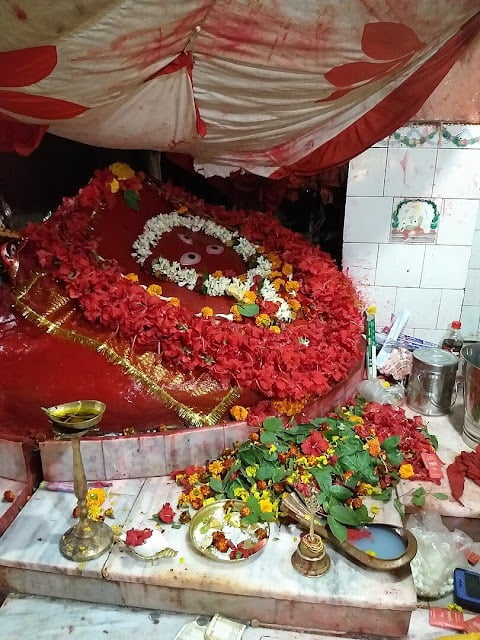
| Presiding Form in Sanctum | An uncarved, smooth natural rock (Shila), anointed with vermilion, adorned with silver crown and eyes |
| Daily Darshan Timings | Morning: 6:00 AM – 1:30 PM Evening: 4:00 PM – 8:30 PM (Timings extend during festivals) |
| Special Rituals & Bhog | Daily morning Nitya Puja, Madhyanha Bhog (approx. 12:00 PM – 1:00 PM), and Sandhya Aarti (at dusk) |
| Major Festivals | Navaratri / Durga Puja, Kali Puja, Maha Shivaratri, and local Baishakhi Mela |
| Nearest Railway Station | Sainthia Junction (SNT) — Approx. 1.5 km (5 to 10 minutes by Toto or auto-rickshaw) |
| Nearest Major City Hubs | Suri (approx. 20 km), Bolpur / Santiniketan (approx. 45 km), Kolkata (approx. 205 km) |
| Best Time to Visit | October through March (pleasant weather for regional temple travel) |
| Entry Fee | Free public darshan. Nominal charges apply for special puja offerings or booked community bhog |
Continue Reading >> Shri Parvat Shakti Peeth Ladakh

Sacred History and the Legend of Nandipur Shaktipeeth
The theological roots of Nandikeshwari Temple trace back to the venerable Puranic narrative of the Daksha Yagna.
According to texts such as the Shiva Purana and classical Tantric treatises like the Pithanirnaya (Maha Pitha Nirupana), King Daksha organized an elaborate sacrifice but deliberately excluded his son-in-law, Lord Shiva. Unable to bear the public insult aimed at her divine consort, Goddess Sati immolated herself through her yogic fire. Heartbroken and enraged, Lord Shiva assumed the terrifying form of Virabhadra, destroyed Daksha’s sacrifice, and retrieved Sati’s body, wandering across the cosmos in a dance of destruction (Tandava).
To preserve cosmic equilibrium and relieve Shiva’s grief, Lord Vishnu released the Sudarshana Chakra, severing Sati’s mortal remains into sacred fragments. Wherever these sanctified limbs and ornaments touched the earth, a Shaktipeeth arose.
“Nandipure haro gauri nandikeshwara bhairavah
Griva tatra mahanandih sarvasiddhi pradayini…”
— Reference from traditional Tantric Shaktipeeth texts
At Nandipur (modern-day Sainthia), tradition holds that the glistening necklace (haar) of the Mother Goddess descended onto the earth. The presiding Mother is venerated here as Nandini, a compassionate deity who grants sarvasiddhi (the fulfillment of spiritual and worldly aspirations), guarded by her eternal protector, Bhairava Nandikeshwara.
Historically, the name Sainthia itself is deeply interwoven with this spiritual heritage. Local records and linguistic traditions indicate that the town was historically referred to as Nandipur, drawing its identity from the temple complex before growing into an active trading and transit hub in central Birbhum.
The sanctuary holds a proud position among Bengal’s sacred shrines. If you are exploring the regional geometry of these holy seats, reviewing our comprehensive 51 Shakti Peeth list and significance provides valuable context on how Nandipur aligns with coastal and northern pilgrimage paths.
Continue Reading >> Jwala Ji Temple Jwalamukhi Kangra
Unique Architectural Layout and Sanctum Features
Unlike many contemporary South Indian or classical North Indian Nagara temples with towering spires (shikharas), Nandikeshwari Temple reflects the simple, intimate vernacular architecture native to rural and semi-urban Bengal.
1. The Main Garbhagriha (Sanctum Sanctorum)
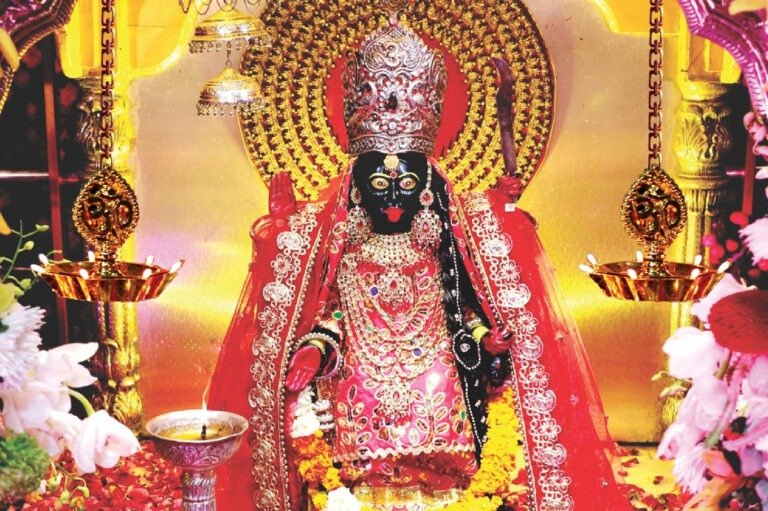
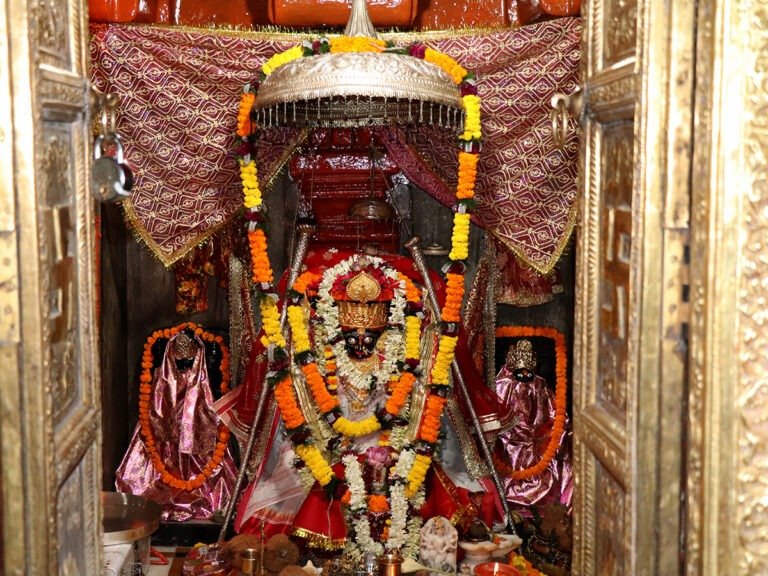
The central shrine features a rectangular, flat-roofed prayer hall leading into the sacred sanctum. Within the garbhagriha, you will not find a sculpted anthropomorphic marble or metal murti of Goddess Durga. Instead, the focus of worship is a primordial natural stone (shila), smooth and ancient, resting upon an elevated silver-lined pedestal.
The stone is continually anointed with sacred vermilion (sindoor) and sandalwood paste by the temple priests. Silver eyes, an auspicious third eye, and a protruding silver tongue are lovingly affixed to the rock face, transforming the aniconic stone into the living, compassionate face of Devi Nandini. The deity is decorated daily with vibrant silk sarees, fresh red hibiscus garlands (jaba phool), and traditional silver jewelry.
2. The Sacred Banyan Tree (Kalpavriksha)
Just outside the main sanctum in the open courtyard stands an ancient, spreading Banyan Tree (Bot Briksho). For generations, pilgrims have treated this sacred tree as a wish-fulfilling altar (Kalpavriksha).
Devotees observe a traditional vow (manat): they tie a consecrated red or yellow sacred thread (mouli or dhaga) to the descending aerial roots and low branches while praying for health, childbearing, marriage, or family prosperity. When the wish is fulfilled, devotees return to offer puja and untie a thread in gratitude.
3. The Bhairava Shrine and Auxiliary Shrines
Directly accompanying the Mother’s sanctum are subsidiary altars dedicated to Lord Shiva as Nandikeshwara, Lord Ganesha, Vishnu, and Lord Hanuman. The presence of the Bhairava shrine within the perimeter is doctrinally essential: in traditional Shakti pilgrimage, a darshan of the Mother is considered complete only after paying humble respects to the presiding Bhairava who guards the boundary.

Daily Darshan Timings, Puja Rituals, and Bhog Offerings
The temple follows an orderly, traditional schedule managed by the hereditary priestly families of Sainthia.
Temple Opening and Closing Hours
- Morning Shift: 6:00 AM to 1:30 PM
- Afternoon Recess: 1:30 PM to 4:00 PM (Sanctum remains closed while the deity rests)
- Evening Shift: 4:00 PM to 8:30 PM (Closes by 9:00 PM during special festive observances)
Note: During major festival days such as Kali Puja or Maha Ashtami, the temple remains open continuously or operates with extended afternoon hours to accommodate traveling pilgrims.
Daily Aarti and Ritual Schedule
- Mangala Aarti / Nitya Archana: Performed early in the morning around 6:30 AM to 7:00 AM, marked by the sounding of conch shells (shankha), bronze bells, and dhak drums.
- Madhyanha Bhog (Noon Offering): Offered around 12:00 PM to 12:30 PM. The Mother is served traditional cooked offerings, including steamed rice, dal, regional vegetable curries, sweet tomato chutney, and payesh (rice pudding).
- Sandhya Aarti (Evening Light Ceremony): Performed at twilight (around 6:30 PM in summer, 6:00 PM in winter). The evening aarti is a vibrant sensory experience with camphor lamps, incense, and synchronized chanting.
Continue Reading >> Sugandha Shaktipeeth Shikarpur
How to Offer Puja and Book Bhog
Individual visitors can easily purchase pre-assembled puja baskets (dala) from small stalls directly outside the temple entrance. A standard basket includes red hibiscus flowers, sweet batasa or peda, incense, vermilion, and a coconut.
If you wish to partake of the consecrated noon Anna Bhog, it is advisable to arrive at the temple office before 10:30 AM to register your name and secure a token for a nominal contribution. The prasad is served in a clean dining hall within the temple premises following the midday ritual.

Major Festivals and Celebrations at Nandikeshwari Tala
Visiting Nandikeshwari Temple during a regional festival allows travelers to witness the authentic, heart-stirring devotional fervor of Birbhum’s village folk and townspeople.
- Durga Puja and Navaratri (September / October): Spanning the nine nights of Navaratri, the temple complex is decorated with festive lights. Special Chandi Path (recitation of the Devi Mahatmyam) takes place daily, culminating in grand rituals on Maha Ashtami and Nabami.
- Deepavali and Kali Puja (October / November): Because Birbhum is a central cradle of Bengal’s Shakta tradition, Kali Puja is celebrated with immense devotion here. The courtyard glows with thousands of earthen lamps (diyas), and special midnight tantric rituals are observed.
- Maha Shivaratri (February / March): Devotees, particularly women observing fasts, queue from the early hours of dawn to pour holy water and milk over the sacred Shiva Lingam at the Nandikeshwara shrine.
- Local Baishakhi Mela (April): Celebrated around the Bengali New Year (Poila Baisakh), a colorful local fair springs up around the temple streets, featuring local artisans, sweets vendors, and traditional folk music.
The Complete Birbhum Shaktipeeth Pilgrimage Circuit
Birbhum district is revered as “Punya Bhumi” because it houses several of India’s most significant Shaktipeeths within short driving distances of one another. Rather than visiting Nandikeshwari as an isolated stop, many devotees plan a fulfilling 1-day or 2-day circuit across the district.
Strategic Circuit Itinerary:
- Nandikeshwari to Tarapith: Located roughly 40 km north of Sainthia, Tarapith is one of the most famous Tantric pilgrimage sites in India, renowned for the great saint Bamakhyapa. You can easily consult our detailed Tarapith Temple pilgrimage guide to plan your darshan timings alongside your Sainthia stopover.
- Nandikeshwari to Kankalitala (Bolpur): Situated approximately 45 km south near the university town of Santiniketan, the holy Kankalitala Temple in Bolpur marks the spot where Sati’s waist (kankal) is believed to have fallen into the sacred Kund.
- Nandikeshwari to Fullara (Labhpur): Located about 35 km southeast, Fullara Temple in Labhpur (Attahas Shaktipeeth) is revered as the site where Sati’s lips fell.
- Nandikeshwari to Bakreshwar: Situated roughly 50 km southwest, Bakreshwar Temple and hot springs is famous both as a Shaktipeeth (where Sati’s mind or portion between the eyebrows fell) and for its natural therapeutic sulfur hot springs.
How to Reach Nandikeshwari Temple, Sainthia
Sainthia enjoys direct, convenient transportation links, making it one of the most accessible Shaktipeeths in the rural Bengal heartland.
1. By Train (The Most Convenient Mode)
Sainthia Junction (SNT) is a prominent railway junction situated on the Sahibganj Loop and the Andal–Sainthia branch line of Eastern Railway.
- From Kolkata (Howrah / Sealdah): Multiple daily express and passenger trains connect Kolkata to Sainthia in approximately 3.5 to 4.5 hours. Notable trains include the Mayurakshi Express, Ganadevata Express, Viswabharati Fast Passenger, and Kaviguru Express.
- From Sainthia Station to Temple: The temple is situated merely 1.5 kilometers from the railway station. Electric rickshaws (popularly known as Totos) and cycle-rickshaws are readily available outside platform exits. The ride takes under 10 minutes and typically costs between ₹15 to ₹20 per passenger on a sharing basis, or ₹50 to ₹70 for a reserved Toto.
2. By Road
Sainthia is well connected by state highways and major arterial roads across Birbhum:
- From Bolpur / Santiniketan: Approximately 45 km via the Bolpur–Sriniketan–Sainthia Road (about 1 to 1.5 hours by car or state bus).
- From Suri (District Headquarters): Just 20 km east via State Highway 11. Regular government and private buses ply every 15 minutes between Suri and Sainthia.
- From Tarapith: Roughly 40 km southward via NH 114 / Rampurhat–Sainthia route (approx. 1 hour drive).
- From Kolkata: Approximately 205 km via NH 19 (Durgapur Expressway) up to Panagarh or Gushkara, then connecting toward Ilambazar, Suri, and Sainthia. Private cabs or self-drive cars take around 4.5 to 5.5 hours depending on traffic.
3. By Air
The nearest commercial airport is Kazi Nazrul Islam Airport (Durgapur / Andal, RKN), located about 85 km southwest of Sainthia. It offers domestic flights to major metros like Kolkata, Delhi, and Bengaluru. From Durgapur, you can hire a private taxi directly to Sainthia. Alternatively, Netaji Subhash Chandra Bose International Airport (CCU) in Kolkata (approx. 200 km) provides comprehensive international and domestic connectivity.
Practical Pilgrimage Tips, Etiquette, and Facilities
To ensure your pilgrimage to Nandikeshwari Temple is peaceful and rewarding, keep the following practical guidance in mind:
1. Best Season to Visit
The ideal window to visit Sainthia is during the autumn and winter months, from October through March. During this period, the daytime temperature ranges comfortably between 15°C and 28°C, making it pleasant to tour open temple courtyards and regional rural sites. Mid-summer (April to June) can be scorching in Birbhum, with afternoon temperatures frequently crossing 40°C.
2. Dress Code and Temple Etiquette
- There is no rigid orthodox dress code, but modest, culturally respectful attire is expected. Devotees generally wear traditional Indian clothes: dhotis, kurtas, sarees, or salwar suits.
- Footwear must be removed before entering the inner courtyard. Dedicated free footwear storage shelves are maintained near the temple entrance.
- Photography inside the garbhagriha (sanctum sanctorum) is strictly prohibited to maintain sanctity. You may photograph the courtyard, exterior architecture, and the town streets respectfully.
3. Accommodation and Food
- In Sainthia: Being a modest commercial town, Sainthia offers basic budget lodges and standard guest houses near the railway station. These are clean and adequate for a short daytime rest or an overnight transit.
- In Bolpur / Santiniketan (Recommended for Families): If you desire comfortable boutique hotels, heritage homestays, or star-rated resorts, stay in Bolpur/Santiniketan (45 km away), using it as a central base to visit Nandikeshwari, Kankalitala, and Fullara.
- In Tarapith: For pilgrims prioritizing early morning Tantric rituals, staying in one of Tarapith’s numerous hotels (40 km away) is another practical choice.
Frequently Asked Questions (FAQs)
Which part of Goddess Sati’s body fell at Nandikeshwari Temple?
According to revered Shakta texts such as the Pithanirnaya, the necklace (haar) of Goddess Sati fell at Nandipur (Sainthia). She is worshipped here as Devi Nandini, accompanied by Lord Shiva in the form of Bhairava Nandikeshwara.
What are the daily darshan timings at Nandikeshwari Temple?
The temple gates open in the morning from 6:00 AM to 1:30 PM and reopen in the evening from 4:00 PM to 8:30 PM. The sanctum remains closed in the afternoon while the deity rests.
Is Nandikeshwari Temple easily accessible from the railway station?
Yes. Sainthia Junction (SNT) is only 1.5 kilometers from the temple gates. Local electric rickshaws (Totos) and auto-rickshaws are available round-the-clock outside the station, taking less than 10 minutes to reach the temple.
Can devotees offer Anna Bhog at Nandikeshwari Temple?
Yes. Devotees can arrange and partake of the consecrated midday meal (Anna Bhog) by contacting the temple priest committee or seva counter before 10:30 AM on the day of their visit.
Can I visit both Tarapith and Nandikeshwari Temple on the same day?
Yes. Tarapith and Nandikeshwari Temple are separated by only 40 kilometers (roughly a 1-hour drive by car or auto-rickshaw). Many pilgrims complete darshan at Tarapith in the morning, travel to Sainthia for afternoon or evening prayers, or vice versa.