Shri Devikoop Bhadrakali Temple, Kurukshetra: Complete Pilgrim & Visitor Guide
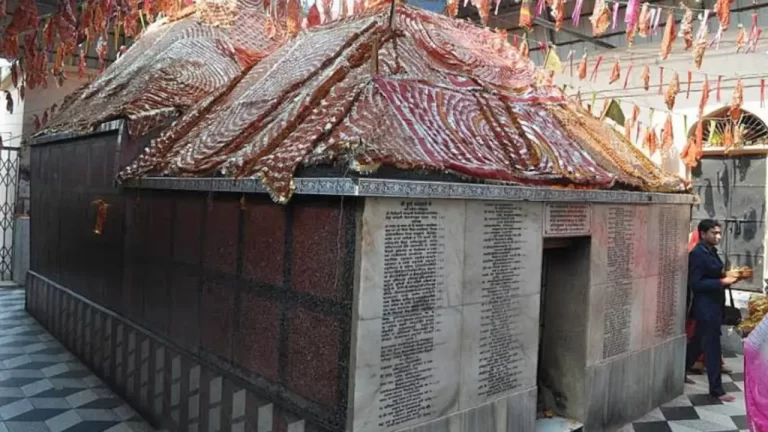
The Shri Devikoop Bhadrakali Temple, situated in the historic town of Thanesar in Kurukshetra, Haryana, is revered as one of the 52 sacred Shakti Peethas of Hinduism. According to scriptural tradition, the right ankle (gulpha) of Goddess Sati fell at this holy spot. Also known locally as Savitri Peeth, the temple holds deep ties to the epic Mahabharata, where Lord Krishna and Arjuna performed rituals to seek Mother Bhadrakali’s blessings before the great Kurukshetra war.

Today, thousands of pilgrims visit this serene red-stone shrine each week to participate in a unique ritual: offering miniature terracotta, brass, or silver horses to thank the Goddess for fulfilled prayers (mannat). Whether you are undertaking the sacred 48 Kos Kurukshetra Parikrama or exploring Haryana’s rich spiritual heritage, this practical guide provides everything you need to know about temple timings, daily rituals, sacred legends, and travel logistics.
Quick Information: Devikoop Bhadrakali Temple
| Feature | Verified Detail |
| Temple Name | Shri Devikoop Bhadrakali Temple (also called Savitri Peeth / Bhadrakali Mandir) |
| Main Deity | Maa Bhadrakali (an auspicious, protective form of Goddess Shakti) |
| Sacred Status | One of the 52 Shakti Peethas (Devi Sati’s Right Ankle) |
| Location | Jhansa Road, Thanesar, Kurukshetra District, Haryana – 136118, India |
| Daily Darshan Timings | Summer: 5:00 AM – 9:00 PM | Winter: 6:00 AM – 8:30 PM |
| Aarti Timings | Mangala Aarti: 5:30 AM (Summer) / 6:15 AM (Winter) | Sandhya Aarti: 7:00 PM (Summer) / 6:30 PM (Winter) |
| Entry Fee | Free entry for all visitors. No paid VIP ticket system. |
| Unique Ritual | Offering of terracotta, brass, or silver toy horses (Mannat ke Ghode) |
| Major Festivals | Chaitra Navratri (March/April), Ashvin Navratri (September/October), Deepavali |
| Nearest Railway Station | Kurukshetra Junction (KKDE) – approximately 3.5 km away |
| Nearest Airports | Chandigarh International Airport (IXC) – 95 km; Delhi IGI Airport (DEL) – 170 km |
| Dress Code | Modest and respectful attire covering shoulders and knees. Leather belts must be removed before entering the inner sanctum. |
| Key Facilities | Footwear storage counter, clean drinking water, nearby parking, local prasad stalls |
Explore More Temples>> Jwala Ji Temple Jwalamukhi Kangra

Spiritual Significance: Why Is It a Sacred Shakti Peeth?
In the Shakta tradition of Hinduism, a Shakti Peeth marks a place where a consecrated part of Goddess Sati’s body or her ornaments fell to earth as Lord Shiva carried her across the cosmos during his cosmic grief-dance (Rudra Tandava). To restore balance to the universe, Lord Vishnu dispatched his Sudarshana Chakra to divide Sati’s mortal remains into 52 sacred portions.
Tradition records that Sati’s right ankle (gulpha) descended into a holy pond or well (koop) in Thanesar. Hence, the sanctum earned the revered name Devikoop, which translates to “the sacred well of the Goddess.”
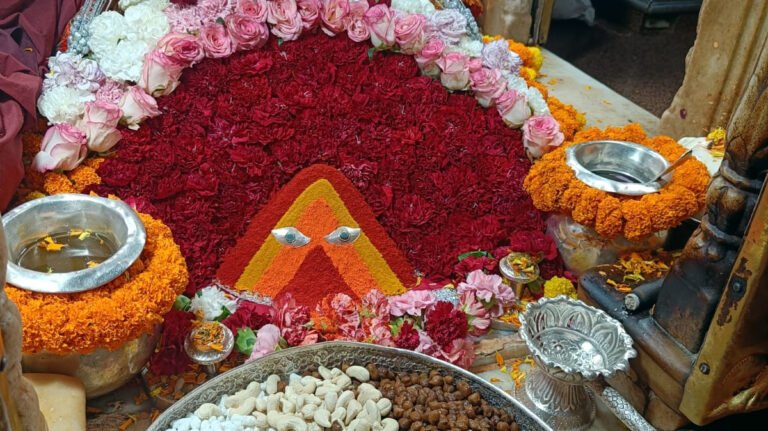
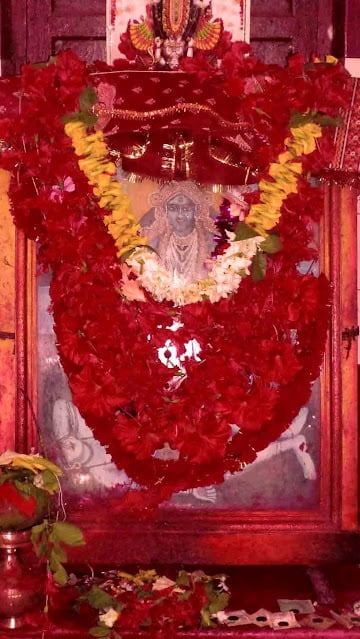
The main murti of Goddess Bhadrakali inside the inner sanctum depicts her in a dignified, protective posture. Unlike fierce regional depictions of Kali associated with cremation grounds, Mother Bhadrakali here represents benign grace, supreme strength, and refuge for devotees navigating life’s challenges. Devotees also revere the shrine as Savitri Peeth, connecting its energy to the radiant solar power celebrated in ancient Vedic hymns.
Editorial Note for Devotees: When planning an itinerary across North India, this shrine represents the only recognized Shakti Peeth in the state of Haryana, making it an essential milestone on any comprehensive guide to the 52 Shakti Peethas pilgrimage trail.
The Mahabharata Connection and the Horse-Offering Tradition
The Devikoop Bhadrakali Temple holds a celebrated place in the folklore of Kurukshetra, the ancient battlefield of the Mahabharata.
Arjuna’s Vow Before the Great War
According to local temple lore (Sthala Purana), on the eve of the colossal eighteen-day war, Lord Krishna brought Arjuna to this sanctum. They performed an elaborate puja to invoke Goddess Bhadrakali’s protection and ensure the victory of righteousness (Dharma).
During this prayer, Arjuna made a solemn vow: should the Pandavas emerge victorious in the battle, he would return and dedicate his finest war chariot horses to the service of the Goddess. Following the conclusion of the war and the triumph of the Pandavas, Krishna and Arjuna returned to Devikoop and offered real royal horses at the feet of the Mother.
Explore More Temples>> Avanti Maa Gadkalika Temple Ujjain
The Modern Ritual: Mannat ke Ghode
Over the centuries, devotees adopted Arjuna’s vow into a widespread personal tradition. Today, ordinary pilgrims cannot offer live horses, so they fulfill their vows through symbolic substitutes:
- Making the Vow: A devotee facing an obstacle—such as an illness, career challenge, or marriage delay—prays before Maa Bhadrakali and pledges to offer a horse upon the resolution of their problem.
- Fulfilling the Vow: Once their prayer is granted, the devotee returns to the temple with a pair of horses.
- Materials Used: Devotees choose horses according to their means:
- Terracotta (Clay): Readily available at small stalls just outside the temple gates. These red-clay horses are hand-painted and traditional.
- Brass or Copper: Chosen by pilgrims seeking durable metal keepsakes.
- Silver or Gold: Wealthier families and long-distance patrons often commission miniature precious-metal horses for direct sanctum presentation.
These hundreds of decorative horses line the outer courtyards and dedicated display shelves, creating an inspiring visual testament to centuries of quiet faith.

Architecture and Temple Layout
The Shri Devikoop Bhadrakali Temple showcases a classic North Indian Nagara-inspired temple plan, built primarily from red brick and carved stone. While historical structures were destroyed and rebuilt during turbulent periods of regional history, the contemporary complex reflects clean, well-maintained devotional architecture managed under the heritage guidelines of the Kurukshetra region.
- The Main Sanctum (Garbhagriha): Houses the primary deity of Maa Bhadrakali, adorned with silk sarees, silver crowns, and fresh floral garlands. In front of the sanctum lies the sacred spot symbolizing the celestial ankle well.
- Auxiliary Shrines: Surrounding the central courtyard are smaller, beautifully maintained shrines dedicated to:
- Lord Shiva (Shivalinga): Where devotees offer water and bilva leaves after completing Devi darshan.
- Lord Ganesha: The remover of obstacles, traditionally greeted upon entering.
- Lord Hanuman: Emphasizing devotion and physical fortitude.
- The Sacred Courtyard: A wide, marble-paved parikrama (circumambulation) pathway that allows comfortable movement even during large festival gatherings.
Daily Darshan Timings, Aarti Schedule, and Entry Rules
The temple operates every day of the week, with extended hours during festive periods.
General Temple Hours
- Summer Months (April to September): 5:00 AM to 9:00 PM
- Winter Months (October to March): 6:00 AM to 8:30 PM
Daily Aarti Timings
- Mangala Aarti (Morning): 5:30 AM (Summer) / 6:15 AM (Winter)
- Bhog Aarti (Afternoon): 12:00 PM to 12:30 PM (Sanctum curtains may be drawn briefly for deity offerings)
- Sandhya Aarti (Evening): 7:00 PM (Summer) / 6:30 PM (Winter)
- Shayan Aarti (Night): 8:45 PM (Summer) / 8:15 PM (Winter)
Visitor Rules and Etiquette
- Footwear: Must be deposited at the dedicated shoe stand near the outer gate before stepping onto the marble premises.
- Photography: Photography inside the inner garbhagriha is strictly prohibited out of respect for sanctum sanctity. Exterior courtyard photography is generally permitted.
- Dress Decorum: Modest traditional Indian attire (kurta-pyjama, dhoti, sarees, or salwar suits) is encouraged. Avoid short clothing.
- Leather Items: Remove leather belts, wallets, and bags before queuing for sanctum darshan.
Major Festivals Celebrated at the Temple
While peaceful throughout the year, the Devikoop Bhadrakali complex witnesses vibrant spiritual energy during select Hindu festivals:
1. Chaitra and Ashvin Navratri
The nine nights of Navratri (occurring in spring and autumn) represent the apex of celebration here. The temple is decorated with thousands of running lights and elaborate flower arrangements. Special chandi path recitations and continuous havan ceremonies take place. On Ashtami and Navami, hundreds of families perform kanya pujan (worship of young girls as living embodiments of Shakti) across the temple halls. If observing sacred fasts during your trip, read our practical overview of essential Navratri fasting and puja rules to maintain ritual purity.
2. Deepavali and Kali Puja
On Diwali night, the temple is illuminated with thousands of earthen mustard-oil lamps (diyas). Midnight pujas honoring Maa Bhadrakali draw sadhakas and devotees seeking spiritual illumination.
3. Somvati Amavasya
When a new moon day falls on a Monday, the entire pilgrimage town of Kurukshetra swells with devotees who perform holy baths in nearby sacred tanks and visit the Bhadrakali temple for ancestral peace.
Integrating Bhadrakali Temple into the Kurukshetra Pilgrimage Circuit
A visit to Shri Devikoop Bhadrakali Temple takes approximately 45 minutes to an hour. Because Thanesar is dense with sacred lore, you can easily combine your visit with other landmark pilgrimage sites in a single well-planned day:
- Brahma Sarovar (approx. 2 km away): One of Asia’s largest man-made sacred water tanks. Taking a peaceful walk or ritual bath here before visiting the temple is a long-standing tradition. Pair your trip with our detailed Brahma Sarovar pilgrimage guide.
- Sthaneshwar Mahadev Temple (approx. 1.5 km away): An ancient Shiva shrine where the Pandavas and Krishna prayed alongside the Bhadrakali invocations. Discover its unique heritage in our guide to Sthaneshwar Mahadev Temple.
- Jyotisar (approx. 9 km away): The venerated birthplace of the Bhagavad Gita, where Lord Krishna delivered his immortal discourse under an ancient banyan tree.
- Sheikh Chilli’s Tomb and Harsh ka Tila (approx. 1 km away): Fascinating heritage sites reflecting the historical depth of Thanesar from Emperor Harsha’s 7th-century reign to Mughal times.
To discover more sacred destinations throughout the state, explore our curated sacred temples of Haryana index to build your spiritual travel bucket list.
Explore More Temples>> Saptashrungi Bhadrakali Temple Nasik
How to Reach Shri Devikoop Bhadrakali Temple
Kurukshetra boasts excellent connectivity across the Grand Trunk (GT) Road corridor connecting Delhi, Punjab, and Himachal Pradesh.
By Train
- Kurukshetra Junction (KKDE): Located on the main Delhi–Ambala–Amritsar railway line. Major express and passenger trains (such as the Shatabdi Express and Kalka Mail) stop here daily.
- From the station, pre-paid auto-rickshaws, e-rickshaws, and cycle-rickshaws reach the temple in roughly 10–15 minutes.
By Road
- Via National Highway 44 (NH 44): Kurukshetra is situated directly along NH 44. The drive from New Delhi takes around 3 to 3.5 hours (approx. 160 km), while the journey from Chandigarh takes about 1.5 to 2 hours (approx. 90 km).
- State-run Haryana Roadways buses run frequent services from ISBT Kashmiri Gate (Delhi) and Sector 17/43 (Chandigarh) directly to the Kurukshetra / Pipli bus stand. From the Pipli crossing, local autos connect directly to Thanesar.
By Air
- Chandigarh International Airport (IXC): 95 km away; best option for domestic commercial flights.
- Indira Gandhi International Airport, Delhi (DEL): 170 km away; offers comprehensive domestic and worldwide international flight connections. Taxis can be hired directly from either airport to Kurukshetra.
Best Time to Visit and Travel Tips
- Best Season (October to March): Pleasant, crisp North Indian winter weather makes walking between open-air temple courtyards enjoyable. Temperatures hover comfortably between 10°C and 25°C.
- Summer Considerations (April to June): Peak afternoon temperatures often exceed 40°C. If visiting in summer, schedule your darshan during the early morning hours (6:00 AM – 8:30 AM) or after sunset to avoid hot stone surfaces.
- Accommodation: Affordable dharamsalas and modern mid-range hotels line the perimeter of Brahma Sarovar and the Kurukshetra railway station. For official state-run accommodations, pilgrims frequently book rooms at Haryana Tourism’s Parakeet Resort in Pipli.
Frequently Asked Questions
Which body part of Goddess Sati fell at Kurukshetra?
According to classical Shakta scriptures, Devi Sati’s right ankle (gulpha) fell at this holy spot in Thanesar, establishing it as one of the 52 sacred Shakti Peethas.
Why do pilgrims offer toy horses at this temple?
Devotees offer miniature terracotta, brass, or silver horses to honor a legendary vow first made by Arjuna. Before the Mahabharata war, Arjuna promised to dedicate horses to Maa Bhadrakali if the Pandavas won. Today, ordinary devotees offer symbolic horses when their personal prayers (mannat) are fulfilled.
What is the entry fee for darshan at Bhadrakali Temple?
There is no entry fee. Darshan is completely free for all devotees, and the temple does not run a commercial VIP fast-track queue.
Can elderly visitors or people using wheelchairs visit comfortably?
Yes. The temple complex is built on flat ground with minimal steps leading into the main hall. Ramps provide easy access to the main courtyard, and the walk from vehicle drop-off points is brief.
What are the main temple timings during Navratri?
During both Chaitra and Ashvin Navratri, the temple often opens as early as 4:00 AM and remains accessible until 10:30 PM to accommodate the heavy influx of pilgrims. Midday sanctum closures are brief.