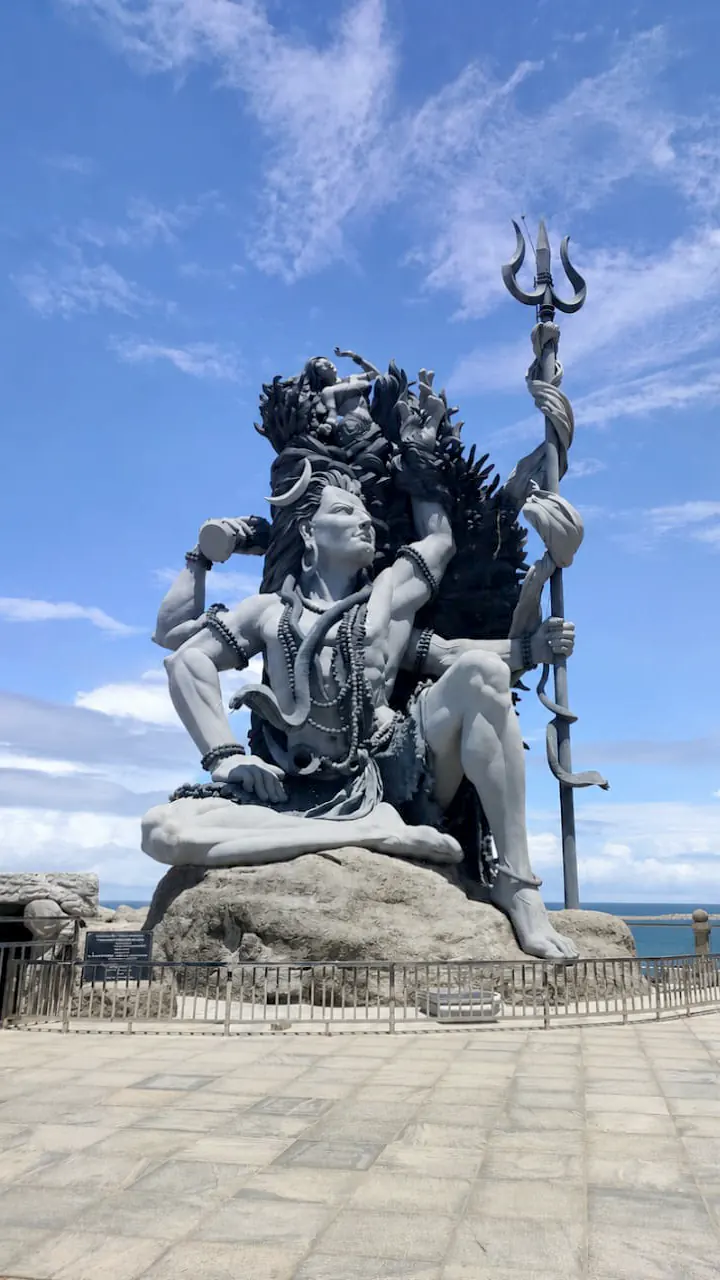
Azhimala Shiva Temple 58 ft statue
This is none other than the amazing Azhimala Shiva Temple situated on the storm-lashed cliffs of Pulinkudi along the coastline of Vizhinjam, Thiruvananthapuram district of Kerala, India, where the forces of nature unite with spiritual zeal in a perfect blend of divinity. Being a tour guide, I have shown numerous tourists around the sacred landscapes of South India and there is no doubt in my mind that very few sites in the world match the uniqueness of the Azhimala temple.
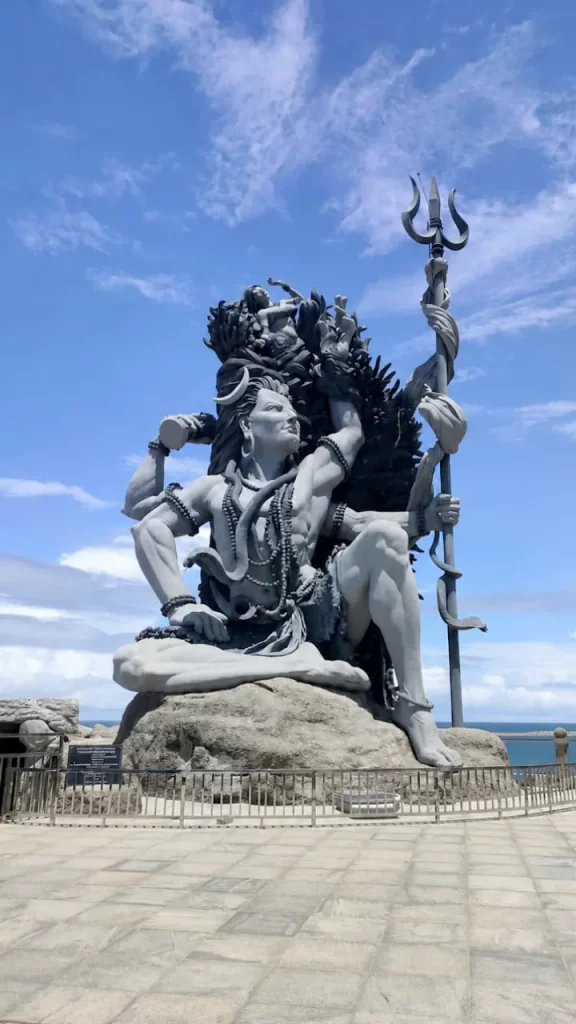
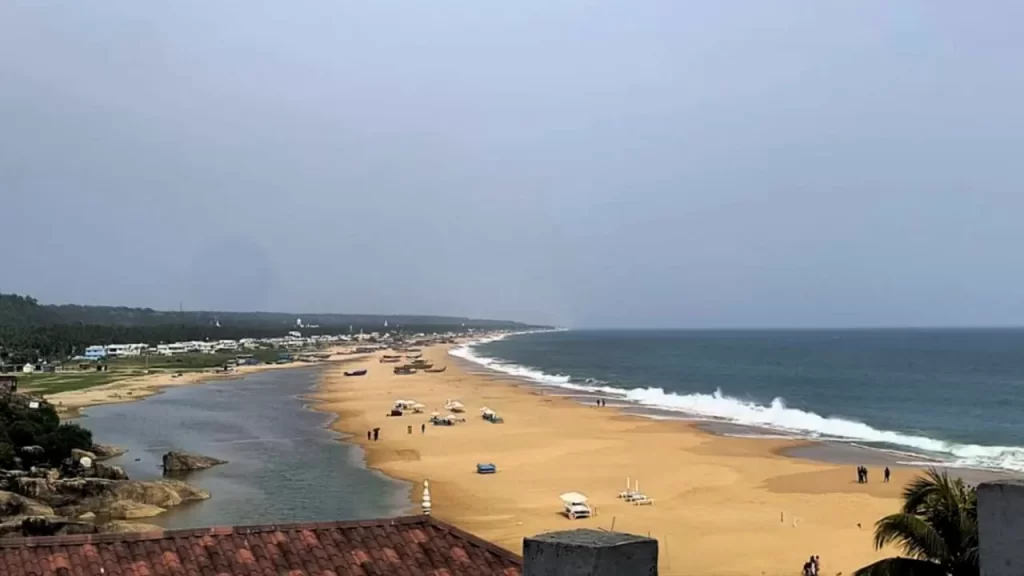
It is named so due to its geographical location as the term ‘Aazhi’ means the deep, endless sea and ‘Mala’ means hill. As its name suggests, the shrine is situated at a high rocky elevation above the beach where the waves of Arabian Sea crash into the golden sands of the shoreline.
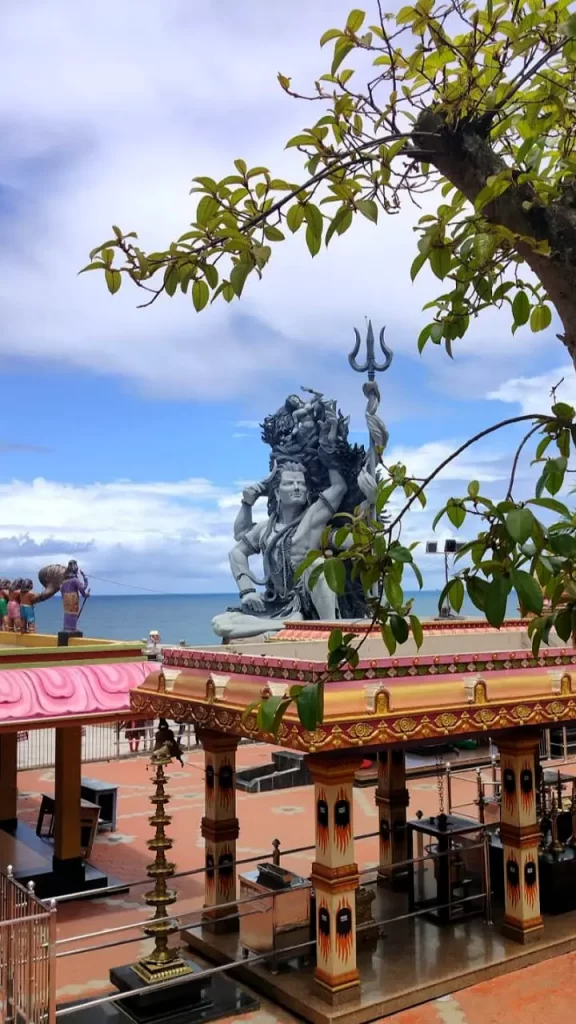
What sets this coastal temple apart from all other spiritual locations around the world is its magnificent combination of natural charm, its rich heritage, and cutting-edge artistry. Although the primary temple houses the aura of the long years of spiritual practice, the grounds of this place have another wonder of nature that brings travelers to visit from all corners of the world – a gigantic sculpture of Lord Shiva named Gangadhareshwara, which stands 58 feet tall and makes it both the largest Shiva sculpture in Kerala and the largest of its type in the whole country.
Located atop a massive 20-foot high natural rock formation, the sculpture captures the exact point in time when the Lord holds Ganga within his tangled locks to save the earth from her wrathful flooding. No matter if you are a devotee who wishes for a spiritual rebirth or a historian who seeks out footprints of epic stories, or even just a tourist in search of a spectacular sunset view against a magnificent religious background, you will find something exceptional to be found at the Azhimala Temple.
A combination of the rhythmic movement of the sea waves, the ringing sound of the temple bells, and the salty sea breeze creates an atmosphere of deep meditation that leaves an indelible mark on every visitor’s heart.
Read More>> Shree Stambheshwar Mahadev Temple
Contents
- 1 Historical Background: From the Epic Age to Modern Revival
- 2 Religious and Cultural Significance: Scriptural Roots and Cosmic Dance
- 3 Architecture and Design: A Vibrant Fusion of Stone and Sea
- 4 Main Attractions or Highlights: The Majestic Gangadhareshwara
- 5 Azhimala Shiva Temple Timings and Rituals: Planning Your Spiritual Day
- 5.0.1 Azhimala Shiva Temple 58 ft statue
- 5.0.2 Vembinkulangara Sri Mahavishnu Temple
- 5.0.3 Chelamattom Sreekrishna Swami Temple: Powerful Temple for Ancestors
- 5.0.4 Kalluthipara Temple: Lord Krishna Divine Footprint in Stone!
- 5.0.5 Thuravoor Temple of 2 Powerful Deities Narasimha & Sudarsana
- 5.0.6 Nelluvaya Sree Dhanwanthari Temple
- 6 Festivals and Events: When the Coast Comes Alive
- 7 How to Reach and Visitor Facilities: An Overview
- 8 Dos and Don’ts: Respecting the Sacred Space
- 8.1 The Dos
- 8.2 The Don’ts
- 8.2.1 Nageshwar Jyotirlinga Dwaraka: 7th CE Temple with Divine Powers
- 8.2.2 Grishneshwar Temple: Wealth and Pleasure at Shiva’s Feet
- 8.2.3 Kedarnath Temple: One of Jyotirling & Char Dham
- 8.2.4 Trimbakeshwar Jyotirlinga Temple
- 8.2.5 Sacred Kashi Vishwanath Temple: 11th Jyotirling of Liberation
- 8.2.6 Aundha Nagnath Temple: 8th Jyothirling with Divine Serpents
- 9 Nearby Attractions: Expanding Your Coastal Itinerary
- 10 FAQs: Answers to Trending Questions
Historical Background: From the Epic Age to Modern Revival
To experience the true energy that has been embedded in this rocky abode since ages past, one needs to delve into the history that goes behind it. Being your tour guide, I am delighted to share with you some insights that go beyond what one sees, and dig deeper into the history behind this magnificent place that is believed to date back to at least the 8th century AD.
Pandavas in Exile
Before any sort of structure was ever built at this particular place, this rocky coastline had played an important part in the Mahabharata, one of the most prominent epics of India. According to local traditions, during their Agnatavasam days, when they were disguised while being in exile, the five Pandavas and their wife, Draupadi, passed through these forestlands. These lands were once known as Pulinkudi. This particular name holds an interesting history, with “Puli” signifying a leopard or cheetah and “Kudi” meaning their home. Back in those days, this place was a wild land where leopards used to roam around in these huge boulders.
As per the legend, while hiding in such natural cave formation, Draupadi experienced great thirst. Since the entire sea around her was saltwater, Draupadi was exhausted due to this. Realizing her wife’s agony, brother Bheemasena gave a blow on the strong knee to the hard surface of the coastal rock. Immediately, a deep split was created by the rock, and a flow of sweet and clear water came out of the split.
This famous flow of water that continues till date, named as Kannuneerkuzhy or Kinnakuzhy (means bowl shaped rock pool), gracefully flows between huge rocks of the sea. Interestingly, whether it is summer or heavy rainfall during monsoon season, the small amount of water flowing in this natural spring remains the same till date as of the epic times.
Story of Neelaniyeru and Narayana GuruAs we transition into the realm of recorded history, the tale of this place takes us back to a highly esteemed Brahmin scholar called Neelaniyeru. Born into a prestigious Brahmin family from Kadaikulam Madam near Vizhinjam, Neelaniyeru had a profound knowledge of Vedic preaching. Realizing the spiritual authority held by Neelaniyeru, the Maharaja bestowed upon him the title of chief priest of the 64 temples across the region, besides giving him 58 acres of land in Pulinkudi.
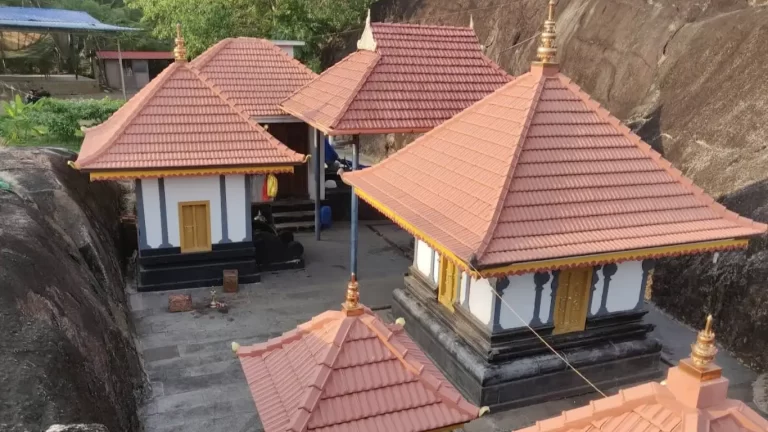
In one of those beautiful instances where humanity defies its own established norms, Neelaniyeru fell in love with the youngest daughter of Neelakandan, who was the Maharaja’s nephew. Since inter-caste marriages were not permissible at the time, Neelaniyeru was declared an untouchable and ostracized from the society and culture of his upbringing. But Neelaniyeru decided to live true to his love, and left for Perumkallu to live amongst the huge boulders there and spend his lifetime in worshiping Lord Mahadeva with immense devotion. He attained Samadhi at the very spot under these huge boulders.
Many years later, the great social reformer and saint of Kerala, Sri Narayana Guru Swami, came to visit the same location on the coastline. In his experience while visiting the ancient Samadhi of Neelaniyeru, he had an enlightenment about the sanctity of the place, and he proclaimed that the location had an eternal and divine presence and called on the locals to establish a proper temple. Under the instructions from his enlightenment, the locals arranged themselves and built the temple. The management is now handled by the Azhimala Shiva Temple Devaswom Trust for rituals.
Read More>> Shree Neelkanth Mahadev Temple
Religious and Cultural Significance: Scriptural Roots and Cosmic Dance
The theological significance associated with the shrine lies in its strong connection to Shaivism tradition. The chief god worshipped in the shrine is Lord Shiva, who assumes the gentle and powerful form of Mahadeva.
The Scriptural Text and Reference to the Puranas
Though the exact geographical location of the town of Pulinkudi remains orally transmitted from generation to generation and from history through land deeds, the iconographic tradition of Gangadhareshwara lies firmly grounded within the holy texts of Hinduism. To understand the divine power of this place, we may refer to the ancient text of Shiva Purana (Rudra Samhita, Srishti Khanda).
The scriptural text describes how the mighty celestial River Ganga descends to Earth. According to the text, it tells us about the rigorous penance undertaken by King Bhagiratha to invite the river of celestial origin on Earth and purify his forefathers’ souls. But since the descent of Ganga from heaven was so powerful that it threatened to destroy the Earth. The scriptural text reads:
Ganga, puffed up with her power in the universe, felt that she could carry off Mahadeva with her waves. But God Mahadeva, aware of her pride, held himself as firmly as a mountain. When she came down from heaven, Shiva parted his hair and held all of her water within his matted locks so that not even a single drop reached Earth.
With such meditation on the scriptural passage while gazing upon the roaring Arabian Sea, a devotee visiting the temple would be able to derive the deeper meaning behind this spiritual truth. While the ocean waves represent the turbulence and wild energy of our world, the Azhimala Shiva Temple, built on the cliffs above the sea, shows that even this chaotic energy can be tamed and used positively, with the help of Lord Shiva.
Ritual Importance and the Significance of the Spot
This holy place is very dear to people who are trying to eliminate their problems, bad karma, and anxieties from their lives. Being situated amidst earth, air, and water elements, it is believed that this temple possesses great Sadhana Sthalam powers.
Utsavam is one of the major festivals held annually at this sacred site; it lasts for about ten days and occurs during the Malayalam month of Makaram, usually between January and February. The most memorable festival, however, is Maha Shivaratri when thousands and thousands of traditional oil lamps light up the entire cliff face. It becomes virtually impossible to distinguish between the heavens and Earth at that point.
Read More>> Gangapur Dattatreya Temple
Architecture and Design: A Vibrant Fusion of Stone and Sea
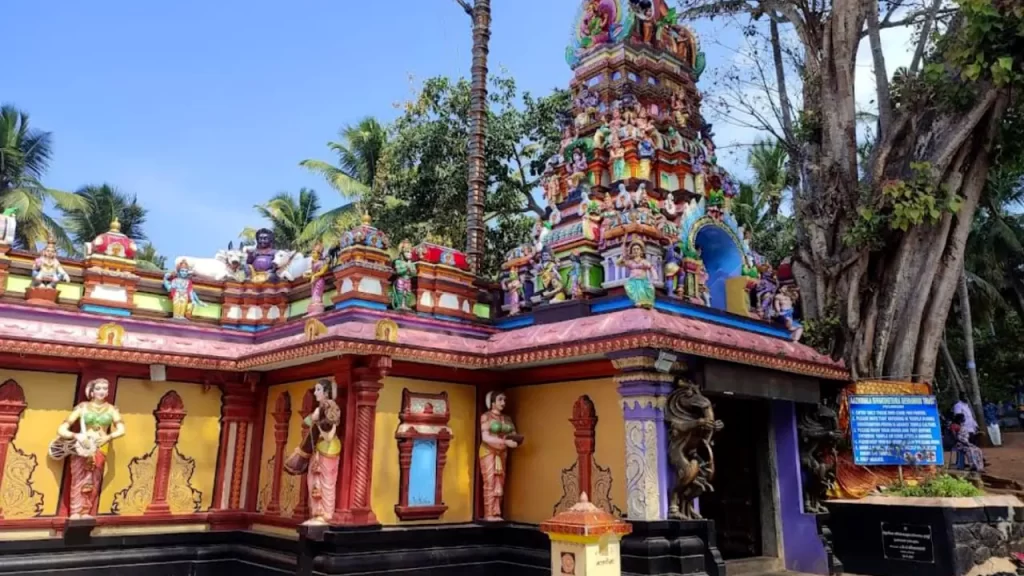
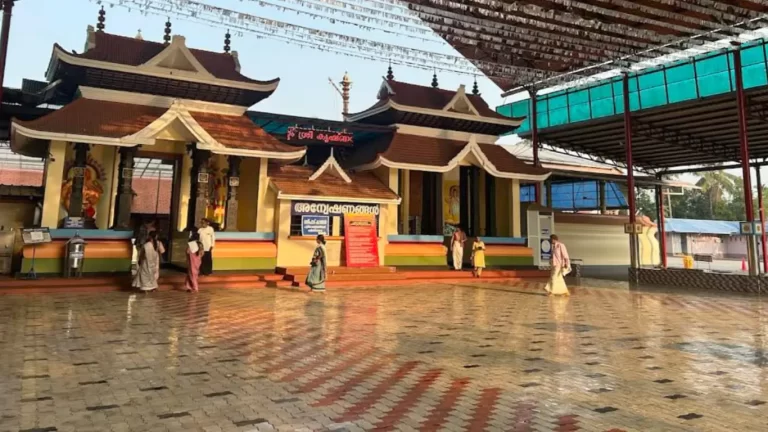
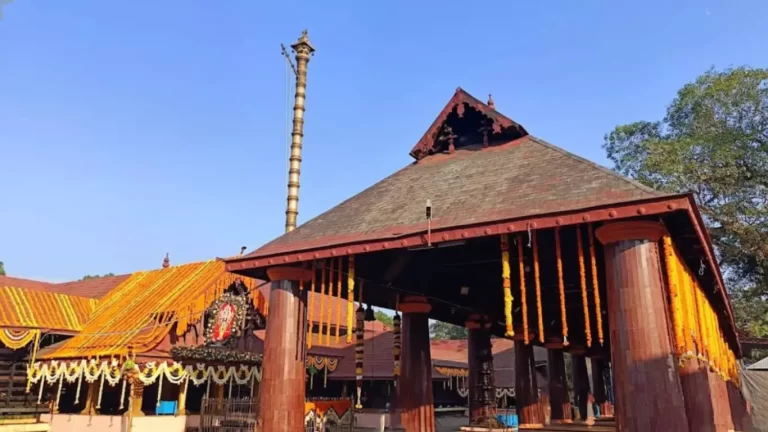
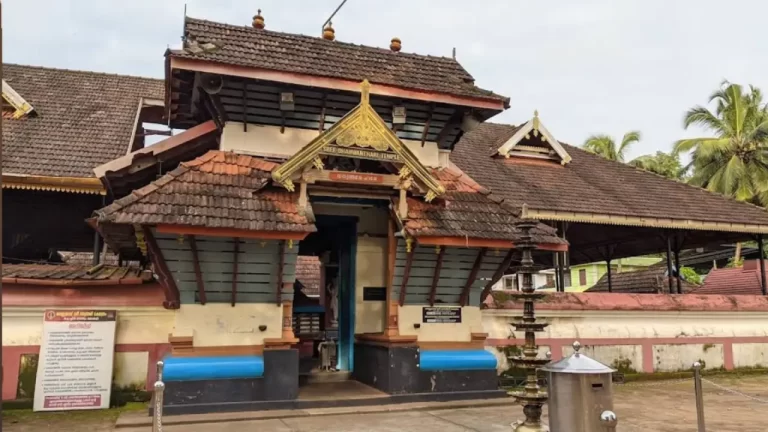
As soon as you step inside the Azhimala Shiva Temple, your eye will immediately catch the fact that the architectural pattern in the temple does not conform to the simple pattern of tiled roof architecture which one can see all across Kerala. However, here the architectural style seems to imitate the ornamental Dravidian architecture style which is common in Tamil Nadu. The style is an excellent architectural example that reminds us of the region’s connection to the historic Pandyas of Tamil Nadu.
Gopuram and Outer Walls
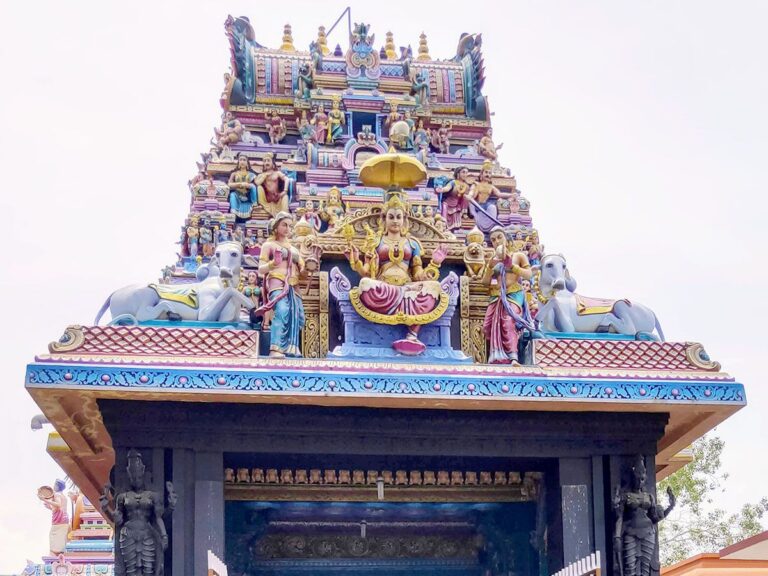
The entrance boasts of a multi-level Gopuram or gateway tower against the bright blue sky above. In addition, the outer walls and gateway tower are carved beautifully into highly ornate figures of several Hindu gods in highly intricate stucco patterns. As your guide, I would like to encourage you to take time to notice some of the carvings on these gates which include the following:
- Lord Ganesha in different postures of dance.
- Lord Kartikeya or Murugan with his divine spear Vel.
- Lord Ayyappa seated in his characteristic yoga posture.
- Lord Vishnu & Lord Hanuman showing the perfect harmony between Shaivism and Vaishnavism.
Both building methods make use of an exceptional combination of conventional granite construction for the fundamental structure of the temples as well as top-quality concrete used for the enormous outdoor statues, thus ensuring the durability of the shrines amidst the exceedingly corrosive air filled with salt.
Symbolism in Design
There is not a single aspect of this architecture that does not possess profound cosmic symbolism. As for the plan of the Azhimala Shiva Temple itself, it symbolizes the human figure; thus, the tower at the entrance symbolizes the feet of man, whereas the sanctuary symbolizes his heart. The purposeful positioning of the temple at the very edge of a cliff is a clear message for the pilgrim who wishes to come into contact with divinity by raising himself above the mundane world of earthly pleasures.
Read More>> Kundeshwar Temple Pune Trekking

Main Attractions or Highlights: The Majestic Gangadhareshwara
Now, let us tour the complex so as not to overlook any highlights in the visit. The complex has been beautifully arranged into different areas of high artistry and spirituality.
Sanctum Sanctorum (Garbhagriha)
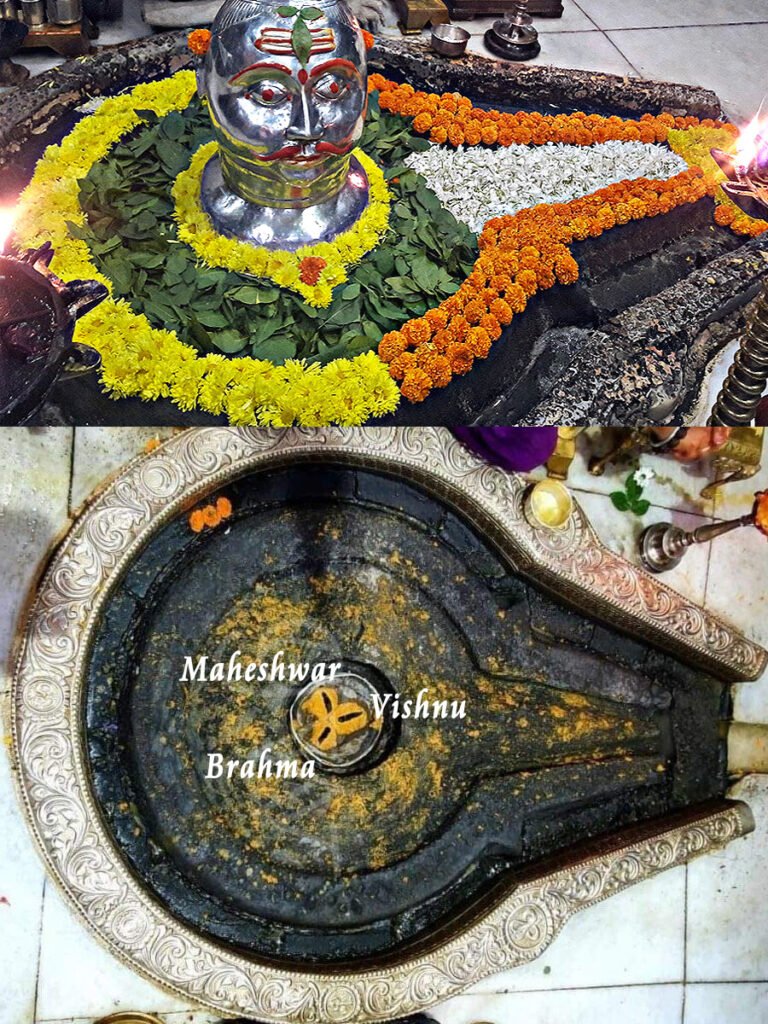
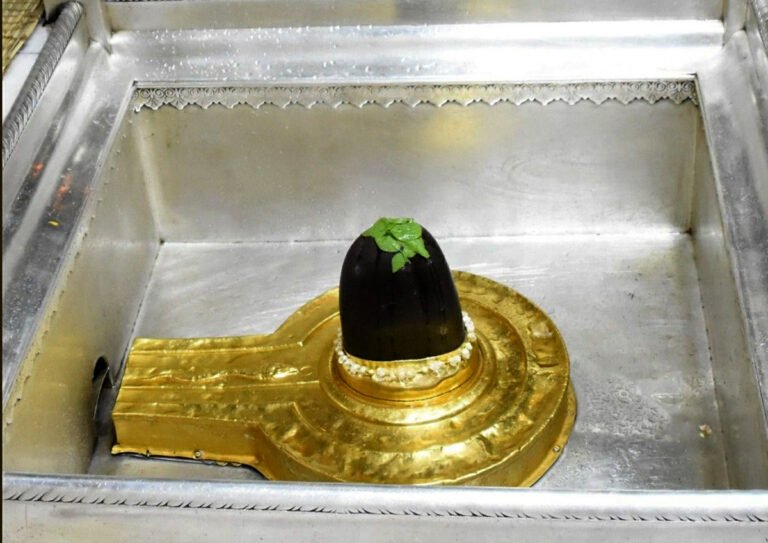
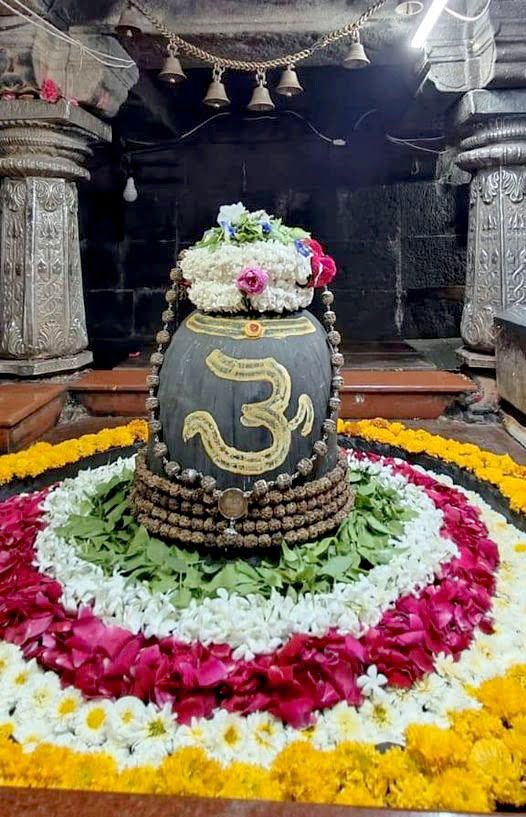
This is the most sacred part of the complex, the spiritual core of the Azhimala Temple. It is an extremely quiet and dark space that houses the principal deities of the temple who in this case are in the form of a Shiva Lingam representing Lord Shiva. It is a highly intimate space. It is illuminated by nothing other than the gentle flames of the traditional ghee lamps. There are beautiful stone engravings on the walls along with traditional paintings of scenes from Hindu Puranas.
58-Foot Gangadhareshwara Sculpture
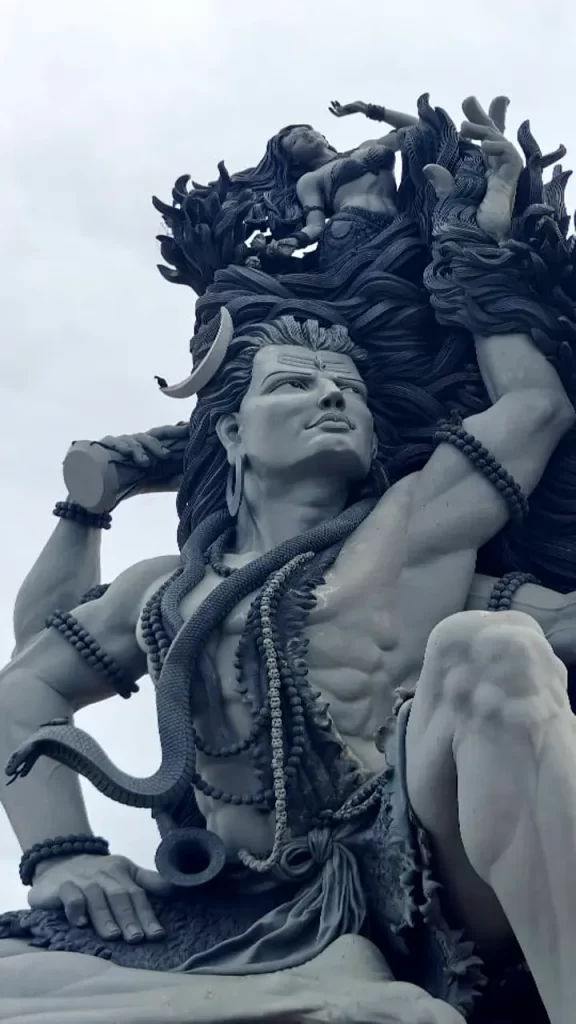
This, no question mark in it, is definitely the visual highlight of the entire place. Here are a few intriguing trivia bits related to this contemporary masterpiece. This sculpture, as it might come as a surprise, was conceptualized and created by a highly gifted local sculptor called P. S. Devadathan. Now, what’s even more surprising is that this sculpture was started being worked on by him at the age of 23, combining hard physical work along with an education in fine arts. The sculpture took off in April 2014, and its dedication ceremony was held in December 2020.
Symbolism is intrinsic in all the details of this magnificent sculpture:
- Posture: Lord Shiva is shown sitting on a rock in an extremely powerful and relaxed manner.
- Damaru & Trishul: He is holding a Damaru, which signifies the cosmic rhythm of creation, with his right back hand, while the Trishul, a trident denoting the three principal energies of desire, will, and activity, is held by his left back hand.
- Raised Left Arm: He is lifting his left front arm towards his dreadlocks, which is made up of jatas and through which he holds the Goddess Ganga in the form of cascading water.
- Gaze: While in many meditating statues the eyes of Shiva are entirely closed, here his eyes are partly opened in order to gaze at the infinity of the Arabian Sea.
The Historical Sculpture Chamber
Below the huge rock base upon which the Shiva idol stands lies an interesting area that goes unnoticed by most regular visitors. This is the 3,500-square foot underground chamber whose walls showcase a series of stunning relief sculptures that chronicle the entire history and evolution of this sacred place, right from its origin and the stories of the Pandavas to the Samadhi of Neelaniyeru.
The Sub-Shrines and Other Features of the Place
As you move within the inner courtyard of the shrine known as the Pradakshina Pathi, there are several well-kept sub-shrines:
- Lord Ganesha: Known as the lord who clears all obstacles, he is located close to the entrance.
- Goddess Parvati / Devi: The mother goddess, who embodies primordial force.
- Lord Ayyappan: The protector god who is highly revered throughout Kerala.
Next to this structure lies the beautifully maintained pond called Sivaganga, whose calm surface captures the image of Lord Mahadeva as soon as the day breaks.
Read More>> Uttarkashi Temple Kashi Vishwanath
Azhimala Shiva Temple Timings and Rituals: Planning Your Spiritual Day
In order to have an insight into the spirituality of the temple and avoid the hustle of tourists, time management is essential for you.
Operating Hours of the Day
There is a proper timing of visiting the temple in accordance with morning and evening darshans:
- Morning Time: 5:00 AM – 11:00 AM (Extended till 12:00 PM on auspicious days)
- Evening Time: 5:00 PM – 8:00 PM
- Sunday Timing: Continuous hours from 5:30 AM to 8:00 PM as there is a great rush of pilgrims.
Puja & Ceremonies
To get a glimpse of authentic tantric puja of Kerala, it is advised that you should reach the Azhimala Shiva Temple in the morning. All these practices are performed under the supervision of Brahmasri Sugathan Tantrigal who is known for his strictness regarding tantra shastra.
| Puja Name | Approximate Time | Spiritual Purpose / Significance |
| Usha Pooja | 6:00 AM | The morning offering to greet the dawn; brings clarity and vitality to start the day. |
| Ucha Pooja | 10:30 AM | The midday offering symbolizing peak solar energy; performed for prosperity and abundance. |
| Pradhosham Pooja | Evening (Bi-monthly) | Performed during twilight on the 13th day of every lunar fortnight. Highly auspicious for removing negative karma. |
| Udayasthamaya Pooja | Special Booking (Full Day) | Literally means “from sunrise to sunset.” The entire Azhimala Temple is illuminated with thousands of oil lamps, and a series of 18 special long rituals are offered. |
Dress code & Manners
Since it is a living worship place of great significance, strict rules of dressing have to be followed.
- For Men: Wearing of Mundu (dhoti) is essential to gain complete darshan and they need to take off their shirts before entering into the inner courtyard of temple.
- For Women: They need to wear sarees or salwar kameez or long skirt. Wearing modern western dresses like jeans and other revealing attires are not allowed at all within the inner complex of temple.
Read More>> Shri Bettada Byraveshwara Temple


Festivals and Events: When the Coast Comes Alive
Whereas the temple itself is serene and a meditation spot on ordinary weekdays, the temple takes up an entirely different avatar during its major annual festivals. The Annual Utsavam & Naranga Vilakku The ultimate peak point of celebration at Azhimala Shiva Temple is its ten-day Annual Utsavam that takes place during the month of Malayalam Makaram (January – February). During this grand celebration, the coastal area of Pulinkudi is filled with crowds of devotees from all directions.
However, the most special and popular tradition of this festival is the lighting of the Naranga Vilakku by the devotees. Devotees bring fresh lemons, cut them exactly into two halves, turn them outwardly to make a tiny natural cup, pour some coconut oil into them, keep a little piece of cotton in them, and finally set them ablaze. You will certainly get a shiver down your spine while watching the thousands of these little lemon lights glowing in the dark on the rocky cliffs of the seaside.
Maha Shivaratri
On the special night of Maha Shivaratri, the Azhimala Temple gates remain open all through the night. During the night, the devotees observe a Jagra (vigil) and listen to Vedic chanting amidst the blowing sound of “Om Namah Shivaya” across the hills.
Crowds and Optimal Timing
Most Crowded Day of the Week: According to tradition, Tuesday is believed to be the holiest day of the week when worshipping the deity of this temple. If you would like some peace and quiet in order to have an intense meditative experience, it would be better to visit during any other days except Tuesdays and weekends.
Optimal Hours for Visiting: I advise everyone on the tours to visit the temple at either 5:30 AM or 5:30 PM. At the morning hours you can see how the sun paints the skies behind the statue of Shiva. And if you come for a visit at dusk, you can see how the sun dives into the Arabian Sea, creating a beautiful silhouette against the figure of Mahadeva.
Optimal Seasons: You should consider visiting the Azhimala Shiva Temple from October until March when you will feel nice tropical winter.
How to Reach and Visitor Facilities: An Overview
This idyllic destination has fairly good accessibility, being conveniently located near Kerala’s important tourist centers.
Means of Transport
By Air: The nearest airport is Thiruvananthapuram International Airport (TRV) at a distance of around 22 kilometers. You can book a taxi or an auto-rickshaw from the airport and reach the Azhimala Temple cliffs within half an hour.
By Train: The nearest railway station is Trivandrum Central Railway Station, lying at a distance of 20 kilometers. There are prepaid taxi and auto-rickshaw booking points close to the station.
By Road: The temple is located at a distance of 0.8 kilometers from the road that connects Vizhinjam to Poovar. If you are on vacation at the popular destination called Kovalam Beach, then you can quickly drive down to the temple within 15 minutes (8-10 km).
Entrance Fees and Charges
Absolutely there is no entry charge to have a glimpse of temple premises and the beautiful sculpture of Gangadhareshwara. Everything about worshiping God in this temple is free for everyone. However, if one wants to offer some special personal offering like Archana or Vazhipadu, then very nominal charges can be paid for a ticket issued by the Azhimala Shiva Temple trust organization.
Facilities Available on Premises
Restroom Facilities: Clean and basic toilet facilities are provided inside the temple premises near the vehicle parking area.
Food and Water: Refreshing beverages and snacks are provided by some small-scale shops available just outside the entrance of the Azhimala Temple compound.
Accommodation: Though no accommodation facility is provided within the premises, yet the whole region is well-developed for tourists and visitors. There are many budget-friendly as well as luxurious resorts along the coastal region within 2-5 kilometers from the temple.
Access for Elderly & Disabled Guests
Due to the fact that the Azhimala Shiva Temple was constructed directly into a natural rock formation, there are some irregularities along the way and some sharp steps that need to be taken in order to get down to the base where the huge Shiva statue and beach caves lie. On the other hand, the area around the central courtyard is rather level. It would be best for elderly guests who have limited mobility to come at the early morning hours, i.e. from 6:30 AM till 8:00 AM.
Read More>> Kanchi Kamakshi Temple: One of Powerful 18 Shakti Peethas
Dos and Don’ts: Respecting the Sacred Space
Please keep these important dos and don’ts in mind while visiting to have an easy and respectful experience:
The Dos
Do Dress Traditionally: Make sure your shoulders and knees are covered properly. Men should be ready to take off their upper clothes to enter the inner courtyard.
Do Speak Quietly: Respect the inner courtyard as a place of serious meditation. Your whispers should be barely audible.
Do Be Careful With the Sea: Be extremely careful because of the turbulent waters around the rock islands. Stay back from the cliffs beyond the safety barricades.
The Don’ts
Don’t Take Photos in the Inner Sanctum: Though photography is allowed and highly recommended in the outer courtyard where there is the huge 58 feet Shiva Statue, any kind of photo or video taking inside the inner sanctum is strictly not allowed.
Don’t Bring Prohibited Goods: Footwear, leather goods (such as leather belts and leather handbags), alcohol, and smoking products cannot be brought inside the temple premises. A shoe rack will be provided near the Azhimala Shiva Temple entrance where you could keep your footwear safely.
Don’t Climb onto the Sea Rocks: Though it might sound tempting to try climbing through the barriers to click a perfect Picture on social media with the waves crashing. Being a professional guide, I have to tell you that these sea rocks covered with moss are very slippery and very dangerous for you.
Read More>> Kalluthipara Temple: Lord Krishna Divine Footprint in Stone!


Nearby Attractions: Expanding Your Coastal Itinerary
In case you plan to spend a day here, you will be able to include your visit to a number of equally amazing historical and natural places nearby.
1. Vizhinjam Rock-Cut Cave Temple
Just 4 kilometers from Trivandrum, the 8th-century temple is considered the smallest one in Kerala. This is a rock-cut temple with one cell which holds a statue of Vinadhara Dakshinamurti. The temple has some unfinished reliefs that depict Lord Shiva and his wife, Parvati. This place is a must for all fans of history and archeology.
2. Vizhinjam Marine Aquarium
The aquarium, located near Vizhinjam fishing harbor, is full of rare species of fish, including the scorpionfish, triggerfish, playful seahorses, and coral reefs. Visiting this aquarium would be great if you come with kids.
3. Vizhinjam Lighthouse and Lighthouse Beach
It will take you only 15 minutes to get to another famous beach – Kovalam Beach. In order to see the most amazing panorama of the coast of Arabian Sea, climb the stairs of red-and-white lighthouse.
4. Vellayani Lake
If you need some rest from the loud roar of the ocean waves, then take a drive a few miles away to the Vellayani Lake, which is the biggest fresh water lake in the Thiruvananthapuram district. You can have a nice walk there along the calm crystal clear lake water, surrounded by beautiful lotus flowers and coconut trees.
5. Sree Padmanabhaswamy Temple
This amazing temple is situated about 20 kilometers north from the city of Trivandrum and is known as one of the wealthiest and most impressive temples in the world. The architecture of this temple is a harmonious mix of Kerala and Dravidian traditions. Also, it is famous for its god Vishnu who is lying on the cosmic serpent Anantha. Do not forget that the temple also has very strict regulations concerning its visiting hours and dress code.
FAQs: Answers to Trending Questions
Q1: Which artist created the iconic giant statue of Shiva at the Azhimala Temple?
The stunning 58 feet high Gangadhareshwara statue was created and sculpted by the local artist known as P. S. Devadathan. The creation of this amazing concrete statue took the artist six long years and he revealed it to the world towards the end of December 2020.
Q2: Does one have to pay any entry fee for visiting the giant Shiva statue?
No, there is no entry fee that needs to be paid to enter the temple complex or view the beautiful giant statue of Shiva. However, if someone wishes to take his private vehicle inside the Azhimala Temple premises then a little fee has to be paid.
Q3: Is it possible for tourists to access the beach from the temple?
Although the Azhimala Shiva Temple lies close to the rocky cliffs that overlook the stunning beach, the shoreline near the temple itself is rough and receives strong violent waves. There are walking routes where one can safely watch the sea, but tourists are strictly discouraged from entering the rocky terrain and swimming in the waters.
Q4: Is it permitted for non-Hindus to visit the temple?
As far as the inner courtyard of the temple (Garbhagriha) is concerned, it has traditional norms for entrance, but the large open-air courtyard which houses the statue of the 58 feet tall Gangadhareshwara Shiva is an open place where people of any country, race, and religion feel welcome.