Vidyashankara Temple Sringeri 12 Pillars Reveal Your Destiny
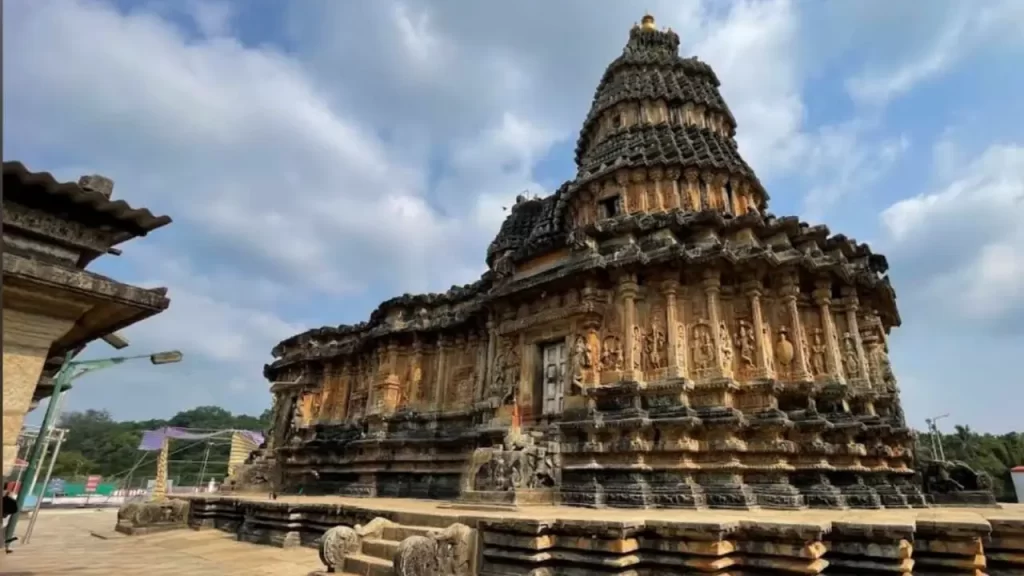
Vidyashankara Temple, situated in the idyllic town of Sringeri in Chikmagalur district of Karnataka, India. Picture a spot where medieval tales whisper through the air, and stones narrate the tales of sagacity and marvel. That’s precisely what this temple is all about!
Welcome to Sringeri: A Place of Wisdom and Beauty
Sringeri itself is a truly unique location. It’s situated between picturesque green hills, and the serene Tunga River flows by. It’s famous as a center for learning and spirituality, a place where illustrious thinkers and wise gurus have lived and taught for centuries. And right at its core is our topic today, the Vidyashankara Temple Sringeri, a real treasure that will take you completely under your spell.
The Story Begins: Vidyashankara Temple History
Let’s take a step back in time, all the way to the 14th century. That’s when this beautiful Vidyashankara Temple Sringeri was constructed. It was constructed between the year 1338 AD, in honor of a very significant guru called Vidyatirtha, who was also referred to as Vidyashankara. Just imagine kings and queens, with so much reverence for their teachers, planning to construct something so magnificent in his honor. The Vijayanagara emperors, who were extremely powerful rulers of the period, contributed to the construction of this temple. It is a stunning example of the wisdom and spiritual heritage of the period.
Legends Whispering in the Air: The Legend of the Temple
Every great destination has a special tale, isn’t it? Although the Vidyashankara Temple Sringeri is in honor of a true guru, the entire region of Sringeri itself is attached to a very sweet legend. According to legend, this was selected by the great Adi Shankaracharya, who lived many, many years ago before the temple was constructed, for his very first matha (a center of learning and spiritual practice). Why here, you might wonder?
The legend has it that he spotted a cobra spreading its hood to give shade to a pregnant frog when the weather was hot, right near the Tunga River. This strange vision of a natural adversary showing kindness and protection moved him heart and soul. He knew this was a sacred and serene spot indeed, ideal for creating a center of knowledge and spiritual equilibrium. So, though Sringeri temple itself is dedicated to Vidyashankara, it is the essence of compassion and knowledge that Adi Shankaracharya discovered here, that pervades all things.
Why This Place is So Very Important: Cultural, Spiritual, and Mythological Significance
The Vidyashankara Temple Sringeri is more than a pretty face; it’s an inwardly rich place!
Cultural Significance: This temple is more like an open, large book of science and art. It demonstrates just how smart individuals were in India centuries ago, particularly their knowledge of the stars and planets! The construction of it reveals a lot about Vijayanagara Empire culture and beliefs. It’s a symbol of pride of their scientific and artistic prowess.
Spiritual Significance: Sringeri is one of the four major centers created by Adi Shankaracharya to disseminate the philosophy of Advaita Vedanta, which preaches that all is one and that we’re all part of the same large spirit. So, by coming to the Vidyashankara Temple Sringeri, you’re entering a location that’s been a hub of spiritual knowledge for centuries. Many great teachers have meditated and instructed here, so it is a highly energetic place for anyone who wants to find peace and knowledge. Individuals visit here in order to be near God, to gain insight into ancient wisdom, and to attain inner peace.
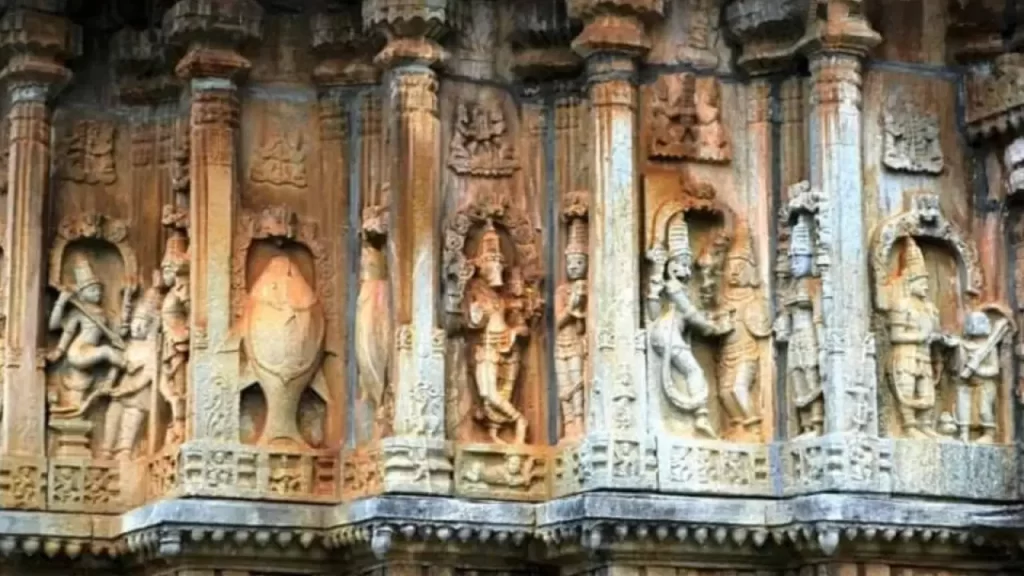
Mythological Significance: Although the temple is not directly associated with a mythological event such as the birth of a god, its presence certifies the ancient Hindu traditions as well as the uninterrupted sequence of gurus who have maintained and disseminated spiritual knowledge. The foundation of the temple has wonderfully carved sculptures describing stories of Hindu epics and Puranas, reenacting these ancient stories before your very eyes!
A Feast for Your Eyes: Exquisite Architectural Design and Carvings
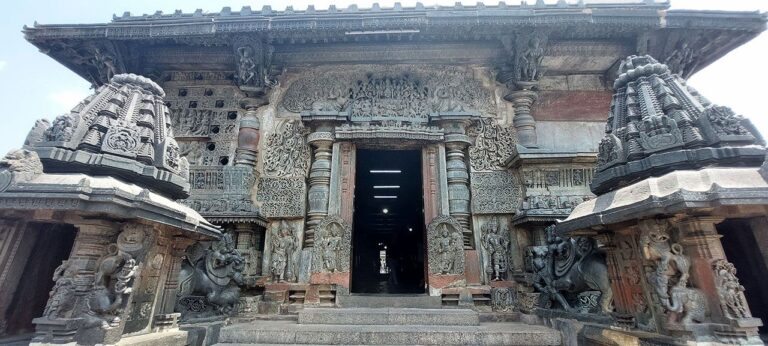
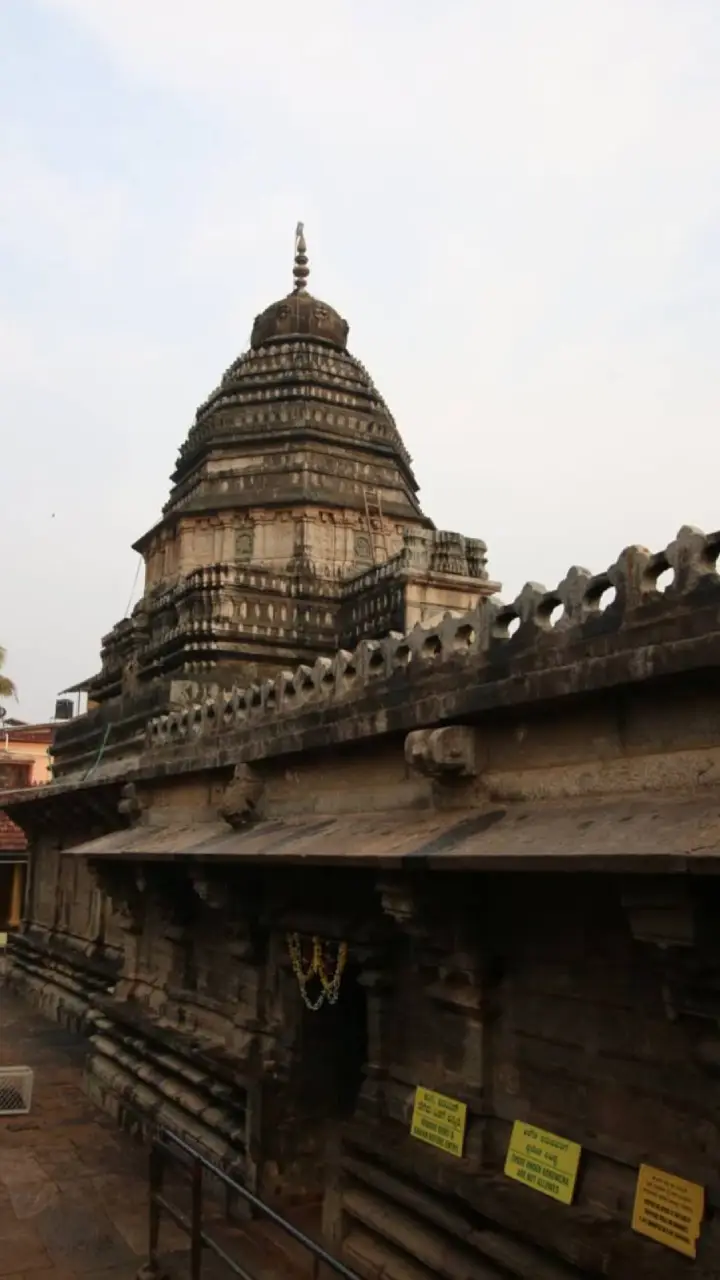
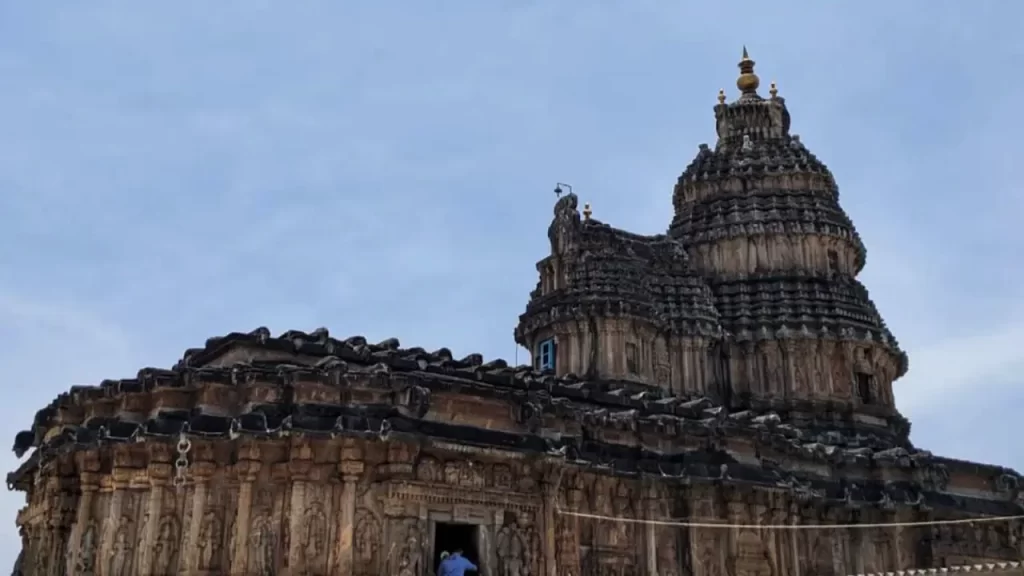
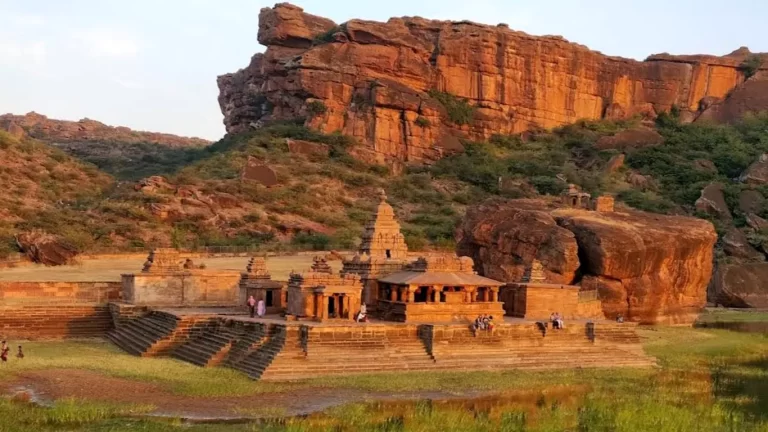
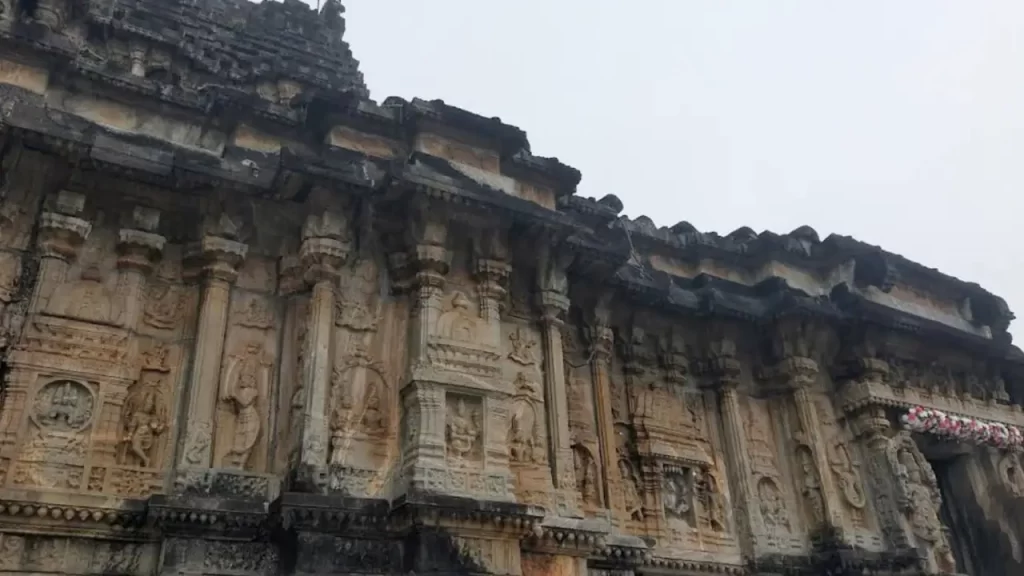
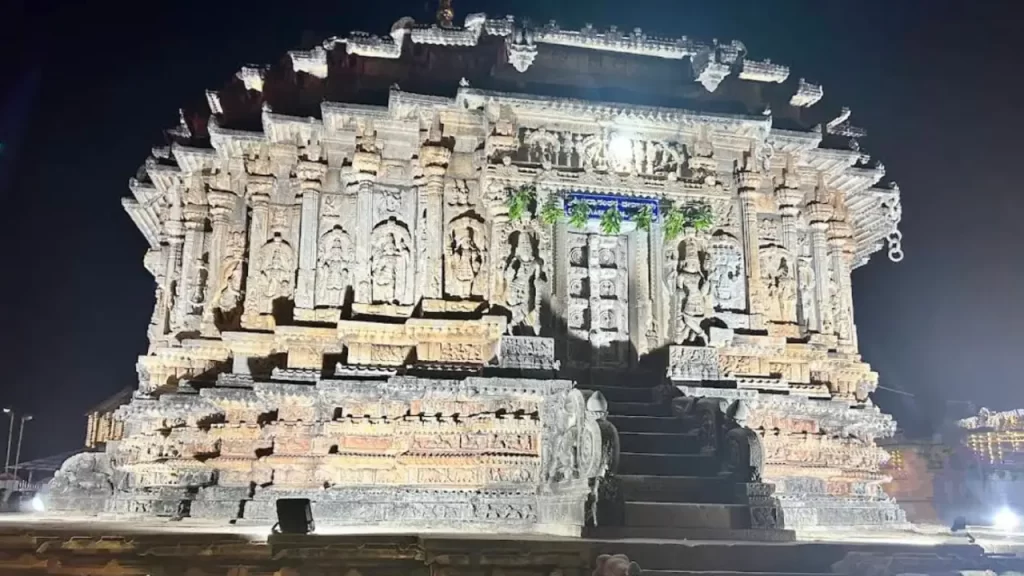
And now, let’s discuss something very special about the Vidyashankara Temple Sringeri – its architecture! It’s sort of a great mix-and-match of two popular Indian building styles: Hoysala and Dravidian. It’s like a gigantic jigsaw puzzle in which blocks from various styles fit together seamlessly to create something really extraordinary. The temple is constructed of lovely golden stone and sits atop a richly sculpted base.
One of the most fantastic things you will notice here are the twelve pillars in the central hall. They are not any ordinary pillars; they are Zodiac Pillars or Rasikambhas! One pillar represents each of the twelve zodiac signs. And the really cool thing is that they are designed so cleverly that as the sun travels round the year, its rays hit each pillar in the same sequence as the twelve months of the Hindu calendar. It’s as if Sringeri temple itself is a huge sundial and calendar all in one!
This is how intelligent the ancient Indian builders and astronomers were. They actually knew how the sky functions! You can even spot lovely carvings of lions with rolling stone balls in their mouths atop some pillars, and you can even shift them! The outside walls are also covered with delicate sculptures of Hindu gods and goddesses, and scenes from legendary tales. It’s like a huge art gallery chiselled out of stone.

Peace and Conflict Resolution: Festivals and Rituals
The Vidyashankara Temple Sringeri is never short of devotion, but there are times when it just sparkles extra brightly!
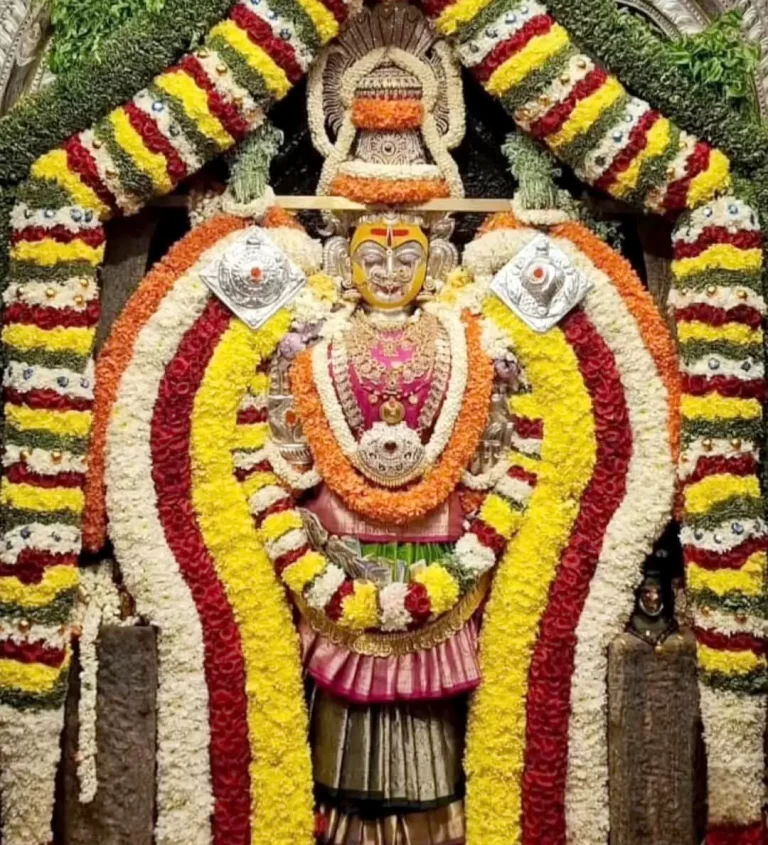
The most significant of all the festivals that are celebrated in grand style is Navaratri. It is an 11-day festival in honor of Goddess Sharadamba (also separately worshipped in a temple close by within the same shrine complex) and it ends with a grand Shathachandi Homa Poornahuti on the day of Mahanavami. Picture plenty of special prayers, music, and decorations – it’s such a happy time!
Special days also include:
Saraswati Puja (Vasant Panchami): This is a festival to worship Goddess Saraswati, goddess of learning and knowledge.
Deepotsava: On Karthika Poornima, this is a festival of lights, where the temple shines brightly with hundreds of lamps.
Shankara Jayanti: On this day, the birthday of the great saint Adi Shankaracharya is celebrated.
During special days such as these, you can be sure that Sringeri temple will be very full, with devotees from all parts of the world flocking in to make their offerings and witness the special ceremonies. October to March is usually peak season by virtue of good weather, and you are likely to have more visitors during this period, particularly during festivals.
Special Poojas: Meeting the Divine
On the Vidyashankara Temple Sringeri, one can perform a variety of sevas (services) and poojas (worship rites) in order to make their offerings. Some of the popular poojas are:
Archana: Flower offerings and chanting of deity names. It may be Ashtotram (108 names), Trishati (300 names), or Sahasranamam (1000 names).
Rudrabhisheka: A special abhisheka where a Shiva Linga is bathed with different sacred materials, usually conducted with Vedic mantras. Different forms such as Ekavara, Ekadashavara, and Shatarudrabhisheka exist based on the number of repetitions.
Panchamrita Abhisheka: An abhisheka where the deity is bathed with five sacred materials: milk, curd, ghee (clarified butter), honey, and sugar.
Aksharabhyasam: A special ritual for young kids, welcoming them to learning and education, asking Godess Sharadamba’s blessings for their studies.
Such special poojas aid devotees in feeling more intimate with the divine and asking for blessings for health, wisdom, and prosperity.
Stories and Beliefs: Myths and Beliefs
Though the overall tale surrounding Vidyashankara Temple Sringeri concerns the great Guru Vidyashankara and the Vijayanagara monarchs, there are a few beliefs surrounding the region as well. For one, the fish in the Tunga River adjacent to the temple are believed to be sacred, and pilgrims normally feed them puffed rice. The fish are said to be auspicious. Moreover, the careful construction of the zodiac pillars, in which the rays of the sun fall upon the zodiac signs, is not only architectural genius but also imbued with the belief of cosmic harmony and the significance of heavenly motions in our existence. It’s a lovely synthesis of science and spirituality.
When to Visit: Vidyashankara Temple Timings
If you are visiting the Vidyashankara Temple Sringeri, below are the hours you need to note:
The Vidyashankara Temple Sringeri and the Sri Torana Ganapati Temple tend to be open from 7:00 AM to 1:00 PM during the morning and from 5:00 PM to 8:30 PM during the evening.
Do note that timings may vary a bit during special festivals or significant days, so it’s always best to check nearer your visit, particularly if you’re visiting from far away.
Places to Visit Nearby: Hindu Sites to Visit Around the Temple
Sringeri abounds in stunning and significant places. After you’ve visited the Vidyashankara Temple Sringeri, you can also visit:
Sri Sharadamba Temple: It’s a very significant temple in the same compound, which is that of Goddess Sharadamba, the goddess of knowledge. It’s just lovely!
Adi Shankaracharya Temple: A temple devoted to the illustrious Adi Shankaracharya, who founded the Sringeri Matha.
Sri Malahanikareshvara Temple: This temple is situated on a small hill and involves climbing a few stairs but provides a peaceful experience and accommodates several deities.
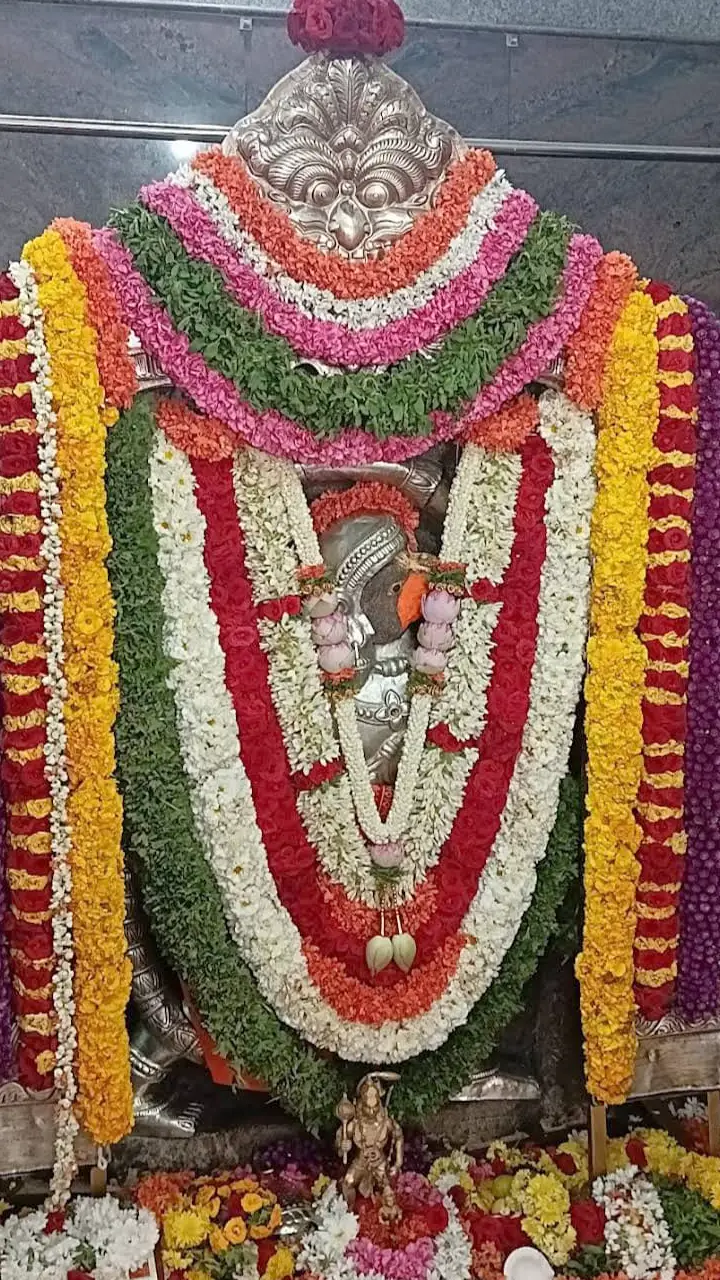
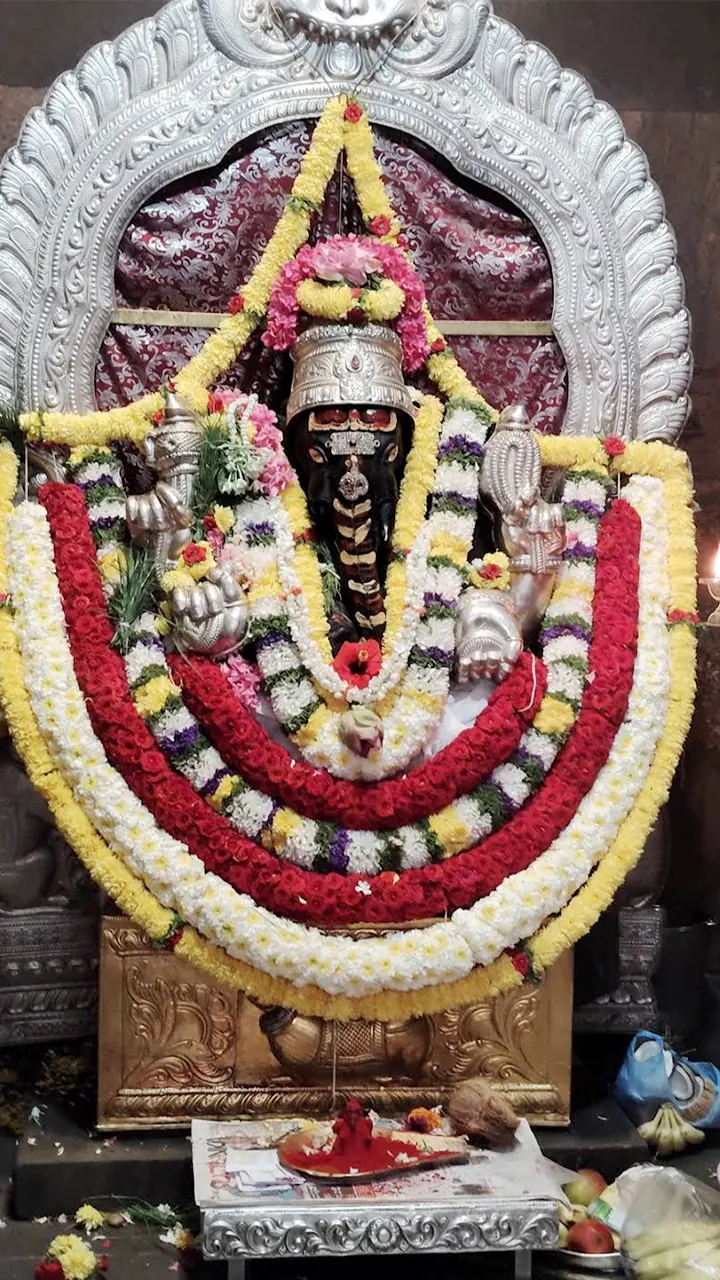
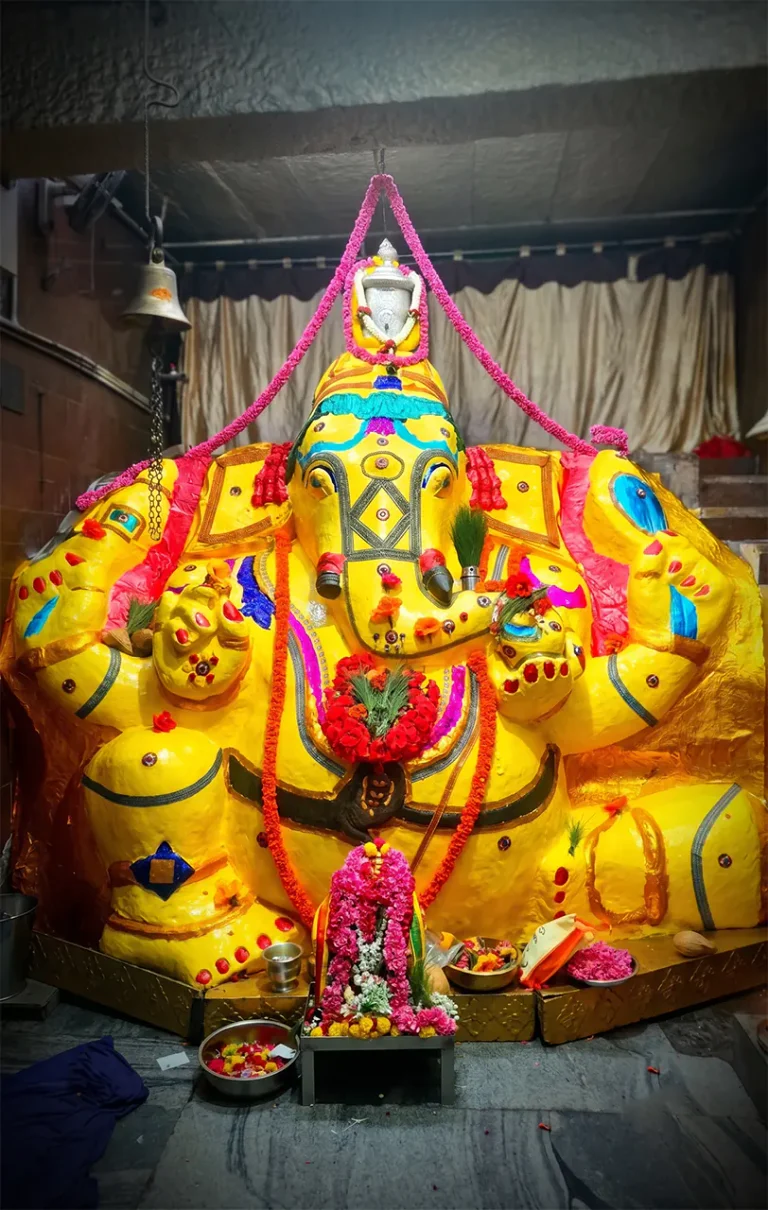
Torana Ganapati Temple: A temple inside the complex, also to Lord Ganesha.
Kere Anjaneya Temple: The temple of Lord Hanuman, on the shore of a lake.
Horanadu Annapoorneshwari Temple: Though a bit far off, this temple to Goddess Annapoorneshwari (goddess of food) is a much-visited pilgrimage destination and could be worth visiting if you have time.
Kigga: A tiny village famous for its natural scenery and a pilgrimage center in honor of Lord Rishabha.
These destinations provide a bountiful experience of spirituality, culture, and the area’s natural scenery.
Where to Stay: Accommodation Options
Sringeri receives a large number of visitors, and therefore you will find various places to stay:
Temple Guest Houses: The Sringeri Matha itself offers accommodation to pilgrims, which can be a really handy and holy experience. It’s generally plain but clean and cozy.
Hotels and Lodges: There are a few private hotels and lodges in Sringeri such as Hotel Shringeri Residency, Shree Poorna Lodge Sringeri, Hotel Sharada Comforts, and HOSAMANE FARM INN. You have a choice to suit various budgets.
Homestays: For a more intimate experience, there are some homestays to book, where you can taste local hospitality.
It’s always a good idea to pre-book your stay, in case you’re visiting during high season or festivals.

Getting Here: How to Reach the Temple
Reaching the Vidyashankara Temple Sringeri is very easy, regardless of where you’re coming from!
By Road: Sringeri is well-linked by bus facilities from Karnataka cities such as Bangalore, Mangalore, and Shivamogga. It is also possible to drive your personal vehicle or take a taxi. The ride through the Western Ghats is extremely picturesque!
By Train: The nearest railway station is Udupi, 80 km from here. A taxi or bus can be taken from here to Sringeri. Alternatively, Mangalore railway station is also a little distance away but also well connected.
By Air: Mangalore International Airport (IXE) is the closest airport, located around 100 km away from Sringeri. From the airport, one can take a taxi or bus to Sringeri.
So, if you like to travel in a relaxed bus journey, by train, or fly swiftly, reaching this fantastic Sringeri temple is pretty easy.
FAQs: Your Questions Answered!
What is the importance of the 12 zodiac pillars in Vidyashankara Temple?
Oh, these pillars are truly special! The 12 zodiac pillars in the Vidyashankara Temple Sringeri are not just for show; they are designed in such a way that the sun’s rays fall on each pillar in the chronological order of the twelve Hindu calendar months. It’s like a giant, ancient astronomical calendar! This shows the incredible knowledge of astronomy and architecture that ancient Indian builders possessed. They used these pillars to determine important dates for rituals and festivals based on the sun’s position and zodiac signs. It’s a brilliant blend of science and spirituality!
Are there any specific dress codes for visiting Vidyashankara Temple Sringeri?
Yes, my dear friends, it’s always good to dress respectfully when visiting a temple. Although there is no strict official dress code for general temple admission such as in some temples, it is usually advisable to dress modestly and traditionally. For men, this will typically involve taking off shirts and banians before the main sanctum (Gurunivas area), and refraining from shorts or jeans if at all possible, wearing a dhoti or trousers instead.
For women, it’s recommended to don traditional Indian wear such as sarees or salwar kameez, including shoulders and knees. Keep in mind, the concept is to demonstrate respect for the sanctity of the location. Furthermore, you’ll have to take off your shoes before stepping into the Sringeri temple grounds.