Agara Shri Jagannatha Swamy Temple
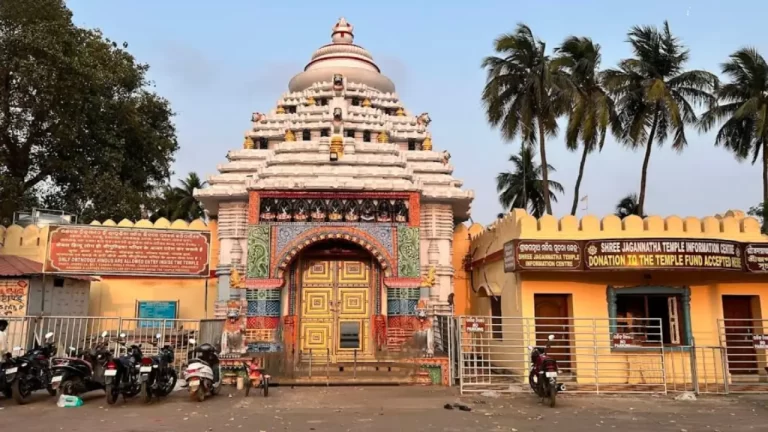
Agara Shri Jagannatha Swamy Temple in the busy city of Bengaluru, Karnataka, India. Think of a fragment of a distant land, all the way from Odisha, being brought here right to our city! This temple is more than a structure; it’s a living, breathing history, and I’m so excited to share it all with you.

Welcome to Agara Shri Jagannatha Swamy Temple!
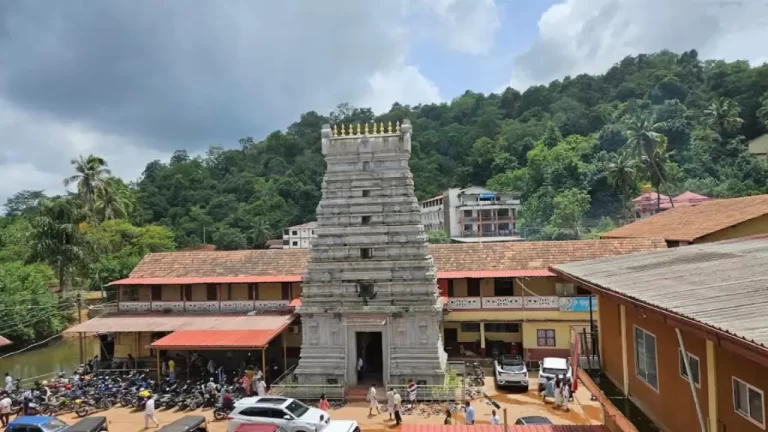
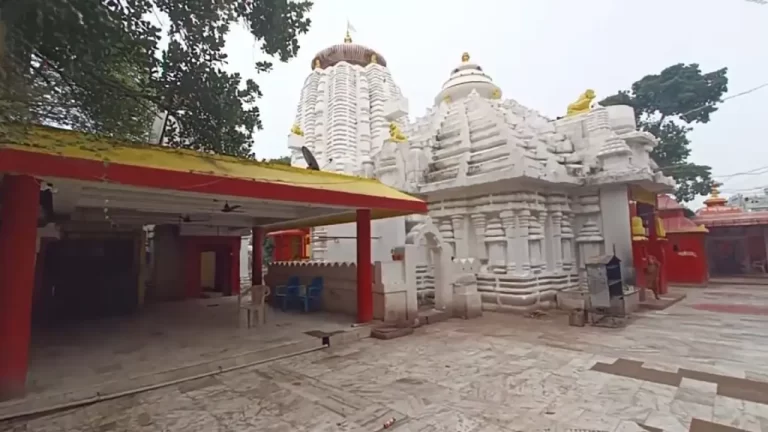
Picture yourself being transported into an enchanted world, removed from the blaring horns of cars and concrete skyscrapers. That’s what you will experience when you find yourself at the Agara Shri Jagannatha Swamy Temple. It’s situated at the Agara region, just at the center of HSR Layout in Bengaluru. You can’t miss it along the Agara Flyover and the Agara Circle, a busy square that mysteriously yields to this tranquil and silent retreat. It’s sort of a secret garden for the soul, in the center of the city!
When I visited for the first time, I was so surprised at how much it resembled the majestic Jagannath Temple in Puri, Odisha. It’s like a tiny slice of Puri within Bengaluru itself! The very air has a different quality, with the fragrance of incense sticks and the gentle hum of prayers. It’s one place where you can sense yourself near God, and tales of yore come alive.
Read More>> Gundicha Temple: Discover Puri’s Divine “Aunt’s House”
History of the Temple: A New Home for Old Traditions
And so, you may ask, how did a temple such as this find its way to Bengaluru? Exactly like several of us have shifted from other locations, lots of individuals from Odisha have migrated to dwell and work in Bengaluru. They felt they missed their dearest Lord Jagannath, who is much loved by them. So, the Odisha Cultural Association resolved to construct a lovely new abode for Lord Jagannath, His elder brother Lord Balabhadra, and His charming sister Devi Subhadra here in our city.
Although the original Jagannath Temple in Puri is extremely, extremely old – constructed many, many centuries ago by a great king called Anantavarman Chodaganga Deva back in the 12th century – our Agara temple is relatively modern. It was constructed to mirror the essence and magnificence of the ancient Puri temple, so that all of us here would be able to enjoy the same divine favors. It’s a great illustration of how individuals maintain their customs even when they are away from their homeland. Just imagine constructing a new school that is exactly the same as your old favorite school, so you still feel like home!
Read More>> Kamalashile Temple | Shri Brahmi Durgaparameshwari Temple
The Legend of the Temple: Puranas’ Stories
Lord Jagannath’s story is absolutely fascinating, and it’s something that has been narrated for millennia in our ancient Hindu scriptures, such as the Puranas. You know, our gods are not merely statues; they are living beings with incredible stories!
One of the most popular legends tells us about how the idols of Lord Jagannath, Lord Balabhadra, and Devi Subhadra were formed. It is stated that Lord Krishna, upon finishing His days on Earth, gave up His earthly body. His body was cremated, but His blue glowing heart was never touched by the flames! It was then buried in the ocean.
Subsequently, a devout king by the name of Indradyumna, residing in Malwa, saw in his dream that Lord Vishnu instructed him to see a miraculous log of wood drifting on the sea. This wood had the divine presence of Lord Krishna within it. The king discovered the log and wished to make idols out of it. However, no one could cut it because the wood was incredibly hard!
Next, a strange old carpenter turned up. He offered to carve the idols, but on one condition: nobody should go near him or open the doors of his workshop until he finished absolutely. He worked for several days. The king and queen, with curiosity and anxiety, could not wait. They heard no noise from within, so they presumed something was amiss and opened the doors!
What they beheld was truly astonishing! The carpenter had disappeared, and the idols were incomplete! Lord Jagannath, Lord Balabhadra, and Devi Subhadra had no arms and legs, only huge, gorgeous eyes. The king was much sad initially, but soon a divine voice instructed him that this was the way the Lord wanted to look – demonstrating that God does not require a whole physical form to bless His followers. His mere presence, and His loving gaze, are enough.
This tale is quoted in books such as the Brahma Purana, Padma Purana, and Skanda Purana. As an example, in the Skanda Purana, deatails concerning the gods and their origin have been described in great detail. These tales impart to us the fact that what matters is devotion, not how beautiful a thing appears. And because of this, idols in the Agara Shri Jagannatha Swamy Temple, similar to those in Puri, are also created in this unique, unplished manner, using sacred neem wood!
Read More>> Ranakpur Temple | Ranakpur Jain Temple Mystery
Importance of the Temple: A Site of Great Significance
Agara Shri Jagannatha Swamy Temple is very significant for numerous reasons, particularly for devotees who worship Lord Jagannath.
A Replica of Puri: Suppose you are very far from your preferred playground, but someone constructs an identical replica near your residence. That’s what this temple does to numerous devotees! It makes the religious force and heritage of the well-known Puri temple accessible to them, so it is convenient for them to visit and pray.
A Universal Lord: Lord Jagannath is quite unique in that he is a “Lord of the Universe.” This implies that he belongs to everyone, irrespective of where he or she is from, whether he speaks what language, or his religion. His big, round eyes are explained to reflect his omniscient nature, that he sees all that happens to everyone in the entire universe.
Rath Yatra (Chariot Festival): This is the largest and most thrilling festival at the Agara temple! Once a year, typically in June or July (the date varies according to the Hindu calendar), special chariots are constructed for Lord Jagannath, Lord Balabhadra, and Devi Subhadra. The deities are taken out of the temple in a majestic procession called Pahandi Bije, where they swing and move magnificently. Thousands of people congregate to drag these huge chariots along the roads. It is thought that even touching the ropes of the chariots confers great blessings and gets you to salvation. It’s a festive, boisterous, and very holy occasion where the entire community comes out.
Special Poojas and Prasadam: Similar to Puri, special poojas (worship rituals) are conducted daily. The diet provided to the gods, which is known as Mahaprasad, is very sacred. It’s prepared in clay pots, and even if numerous people arrive, there’s always enough Mahaprasad for all of them – a miracle indeed! It is believed that Lord Jagannath is an extremely benevolent God who takes pleasure in these offerings and blesses those who consume them. On festive days such as festivals, there are grand bhajans (devotional songs), kirtans (chanting together), and discourses that transform the air into divine vibrations.
Read More>> Bada Ganesh ka Mandir Ujjain
Architecture: A Gorgeous Tale in Stone
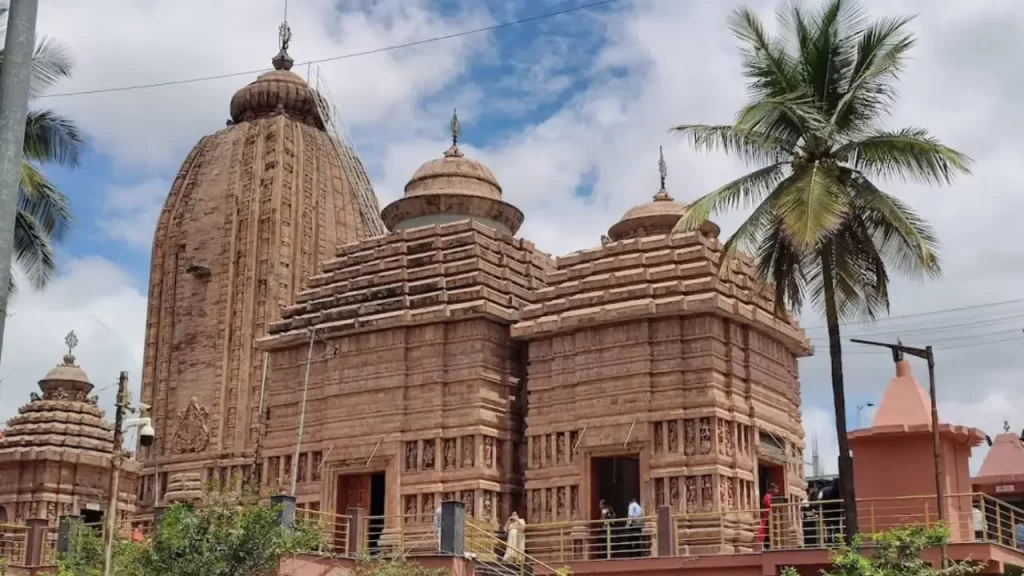
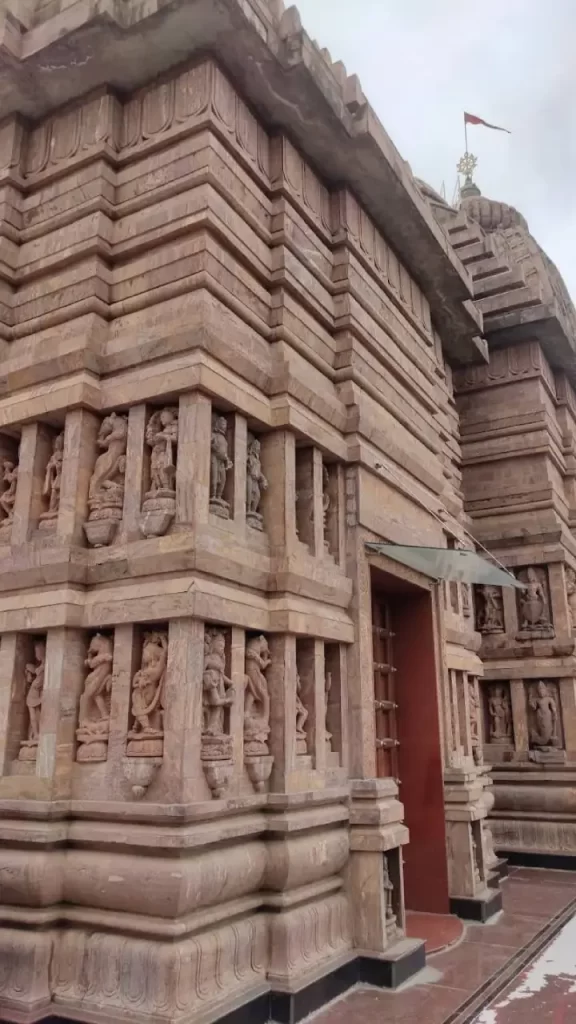
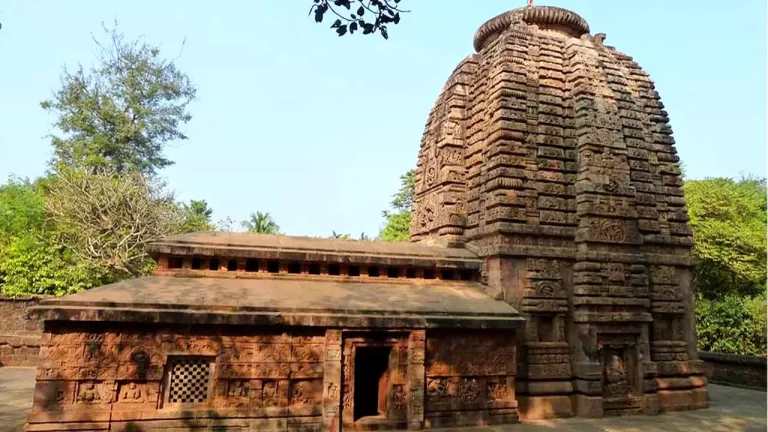
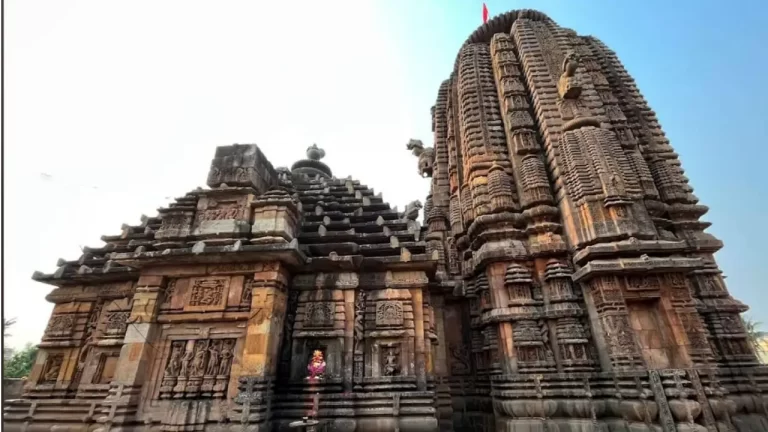
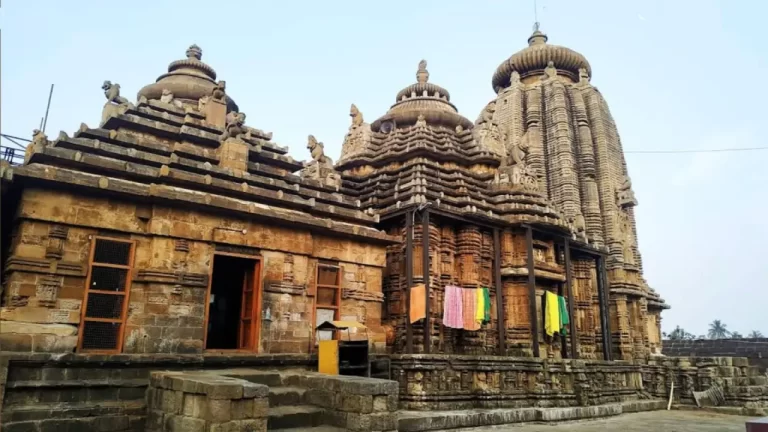
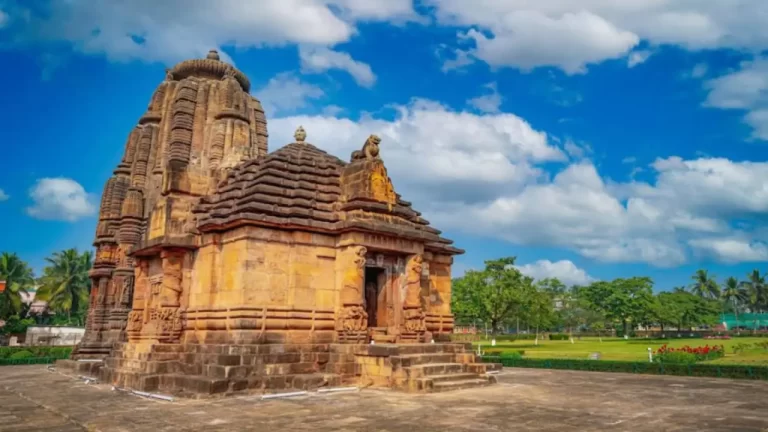
Agara Shri Jagannatha Swamy Temple is an eye feast! It’s constructed in the Kalinga style of architecture, which is the unique manner temples are constructed in Odisha.
Like a Grand Mountain: Picture a tall, intricately carved mountain reaching for the sky. That’s what the temple is like! It has a tall spire, a Vimana, that is similar to the peak.
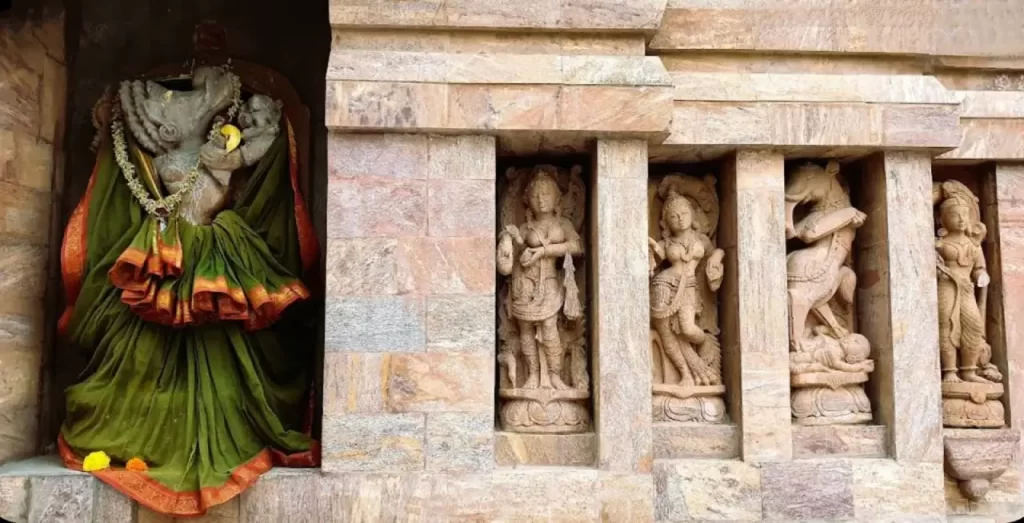
Delicate Carvings: Take a close look, and you’ll notice incredible carvings all over! There are images of gods and goddesses, mythical creatures, and tales from our old books, all delicately carved on the stone. It’s like a gigantic storybook carved in stone!
Vibrant and Inviting: Agara temple is alive with colors, joyous and inviting. The central shrine, where the idols are located, is referred to as the Garbhagriha. Next come the Jagamohana (assembly hall), the Natamandir (hall of dance), and the Bhogamandap (hall of offering) – each unique in design and function. It’s all done to make your walk through the temple memorable and holy.
The Neela Chakra: At the top of the central temple in Puri, there is a large, special wheel called the Neela Chakra. It consists of eight different metals! It’s claimed that however you look at Puri, this chakra always appears to be facing you. Although our Agara temple is a copy, it still retains the character of these unique design features, providing you with a similar feeling of awe.

Myths and Beliefs: Wonders Galore
The Jagannath cult, and consequently the Agara Shri Jagannatha Swamy Temple, is abounding in many wonders of myths and beliefs, particularly those revolving around the temple of Puri. Though our temple in Agara is new, it embodies the same spiritual vibes and mythology!
The Mystery of the Flag: In Puri, locals claim that the flag at the top of the main temple ever so gently sways against the wind direction! Isn’t this unbelievable? It contradicts what we get to learn in science class!
No Shadow: Another unbelievable belief regarding the Puri temple is that its main dome never casts a shadow at any moment of the day regardless of where the sun is! Can you believe it?
No Birds Fly Above: It’s also considered that no birds or planes ever fly over the central temple dome in Puri. It’s as if the sky above it is especially protected!
The Unfinished Idols: We’ve already mentioned this, but it’s a very significant belief – the unfinished versions of the deities show us about accepting things as they are and that real devotion doesn’t need perfection.
The Secret Transfer of Brahma Padartha: Once in 12 to 19 years, a quite unique ceremony known as Nabakalebara takes place in Puri. During this period, the wooden idols are changed to new ones. And here comes the incredible part: a mystic “life substance” or “Brahma Padartha” is clandestinely transferred from the old one to the new one! Nobody can observe this exchange, and it is a very sacred and secretive ritual. This ever-renewing phenomenon reflects how life and divinity are always in a constant flow and changing.
These beliefs impart a touch of magic to the Agara temple, and you find yourself thinking about the secrets of the universe and the strength of faith.
Agara Temple Timings: When to Visit
If you wish to visit and view this lovely temple, it welcomes all visitors to see it within particular timings. Normally, the Agara Shri Jagannatha Swamy Temple operates:
Morning: From approximately 6:00 AM to 1:00 PM
Evening: From approximately 3:30 PM to 9:00 PM
It’s always best to call on their website or the temple beforehand, especially during special festival days, because timing may change a wee bit. But on most occasions, these are the times when you can visit, pray, and experience the tranquil ambiance.
Read More>> Mind Blowing Facts About Temple Gopurams
Special Days and Rituals: Joyful Celebration!
Agara temple really comes to life on its special days and festivals!
Rath Yatra (Chariot Festival): As I said, this is the largest and most thrilling festival. It takes place generally in the month of Ashadha (that is in June or July). Weeks prior to that, preparations begin with Snana Purnima, where the deities are bathed using 108 utensils of water! Following this opulent bath, the deities are said to develop a “fever” and enter a special isolation phase of 15 days called Anasara, resting thereafter. And then arrives the wonderful Rath Yatra proper! It’s a carnival of colors, music, and piety.
Bahuda Yatra: This is the journey back of the chariots, a couple of days after Rath Yatra, when the deities return to the main temple.
Suna Besha: Another wonderful festival, particularly in Puri, where God Jagannath and the other gods and goddesses are decorated with dazzling gold jewelry. At times, our Agara temple also attempts to mimic this big ornamentation on special festivals, drawing massive crowds.
Other Festivals: Similar to most Hindu temples, the Agara Shri Jagannatha Swamy Temple also observes other significant festivals during the year, including Diwali, Durga Puja, Ganesh Chaturthi, and Krishna Janmashtami, with exclusive prayers and ornamentation. These are excellent days to visit and witness the rich cultural festivities.
Crowded Days:
If you wish to visit the Agara temple filled with people, do so during Rath Yatra or any of the big festivals. Weekends, particularly Sunday evenings, also have more tourists. If you like visiting when fewer people are around, visit during a weekday morning. Even on busy days, the atmosphere of faith and happiness is contagious!
Why This Place is Very Important
The Agara Shri Jagannatha Swamy Temple is significant because it’s not only a shrine.
It’s a Cultural Bridge: It brings the people of Bengaluru, particularly the Odia people, closer to their past and heritage. It’s a space where they can celebrate their festivals, speak their language, and feel at home.
Spiritual Oasis: Amidst a busy city like Bengaluru, Agara temple provides a soothing and serene environment for all to think, contemplate, and feel closer to the divine. It’s a call to pause and be with your inner self.
Symbol of Unity: Lord Jagannath is a symbol of unity and welcomes everyone no matter where they come from. The Agara temple reflects this spirit, embracing all who arrive with an open heart.
Special Poojas: Although there are regular daily poojas carried out by the priests, devotees may also organize special Archana or Sevas (services and offerings) to the deities. These range from a simple flower offering to more complex rituals for special events such as birthdays or anniversaries, all done with utmost devotion. The priests will most often go out of their way to explain these.
Read More>> What happens after death in Hinduism
Hindu Places to Visit Near the Temple
Bengaluru is a city of temples! Having visited the Agara Shri Jagannatha Swamy Temple, you can visit other great spiritual sites nearby:
Sri Basaveshwara Gayatri Temple: Another serene temple within the Agara region, with a different architectural design and a tranquil atmosphere.
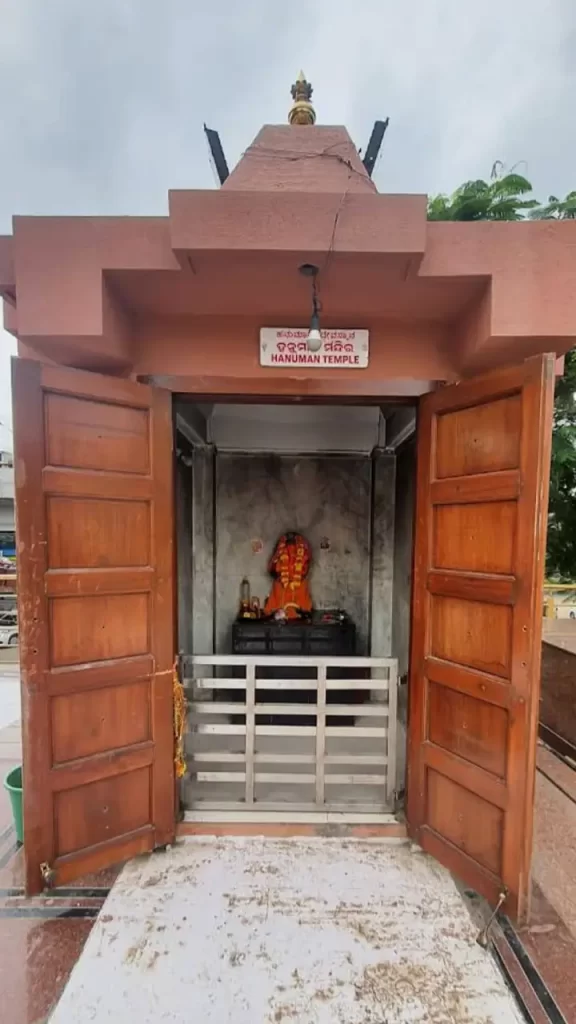
Sri Hanuman Temple: For Lord Hanuman, the monkey god revered for his strength and devotion, these temples are always bustling and vibrant.
Sri Subrahmanya Matha: A matha (monastery) devoted to Lord Subrahmanya, usually a very peaceful place to worship and learn spiritually.
ISKCON Temple, Bengaluru: Although a bit farther away, this is one of the largest and most renowned Krishna temples in the world, with amazing architecture and an energetic vibe. It’s a totally different type of spiritual experience.
Shivoham Shiva Temple: This temple has a colossal Shiva statue and is renowned for its peaceful ambiance and spiritual activities.
All these locations provide an individual spiritual experience and impart us more about the rich Hindu tradition tapestry.
How to Reach the Temple: Your Little Journey
It is easy to go to the Agara Shri Jagannatha Swamy Temple.
By Bus: The closest bus stop is the Agara Bus Stop, which is in close proximity. Bengaluru has an excellent bus network, so you should be able to find a bus that will drop you off at Agara.
By Auto-rickshaw or Taxi: You may easily pick an auto-rickshaw or hire a taxi (such as Ola or Uber) from any part of Bengaluru. Let the driver know “Agara Jagannath Temple” and they will certainly know the way.
By Metro: The closest Metro Station is Rashtreeya Vidyalaya Road (RV Road) on the Green Line. Take an auto-rickshaw or bus from there to access agara temple. It’s a great idea to miss traffic!
By Car: If you are traveling by car, then you can drive through GPS, and it will take you straight to the temple on Sarjapur Road. There is usually parking space nearby the temple complex.
So, little adventurers, I hope the expedition through Agara Shri Jagannatha Swamy Temple has been as fun for you as it is for me every single time I go there! It’s a location full of history, stunning beauty, and a mighty feeling of peace. Keep in mind that temples aren’t structures; they’re where we tie ourselves back to our heritage, honor our present, and anticipate our future. Come and experience the magic for yourself! Jai Jagannath!