
Chinese Kali Temple, Tangra (Kolkata): Complete History, Rituals, Timings, and Visitor Guide
The Chinese Kali Temple in Tangra, Kolkata, is a 90-year-old Hindu shrine where Bengali Shakta traditions merge seamlessly with Chinese cultural heritage. Managed by the local Indian-Chinese community, the temple is world-renowned for offering noodles, chop suey, and sticky rice as sacred prasad, while honoring Goddess Kali with Hindu mantras, red vermilion, and Chinese incense sticks.
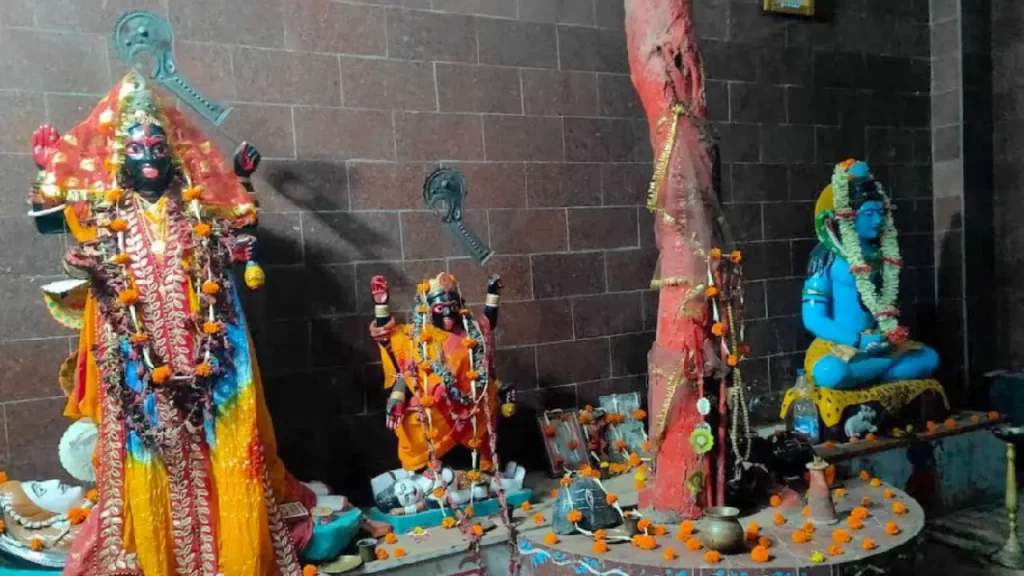
Located on Matheswartala Road in Tangra—often known as Kolkata’s Chinatown—this temple stands as one of India’s most extraordinary examples of interfaith harmony, immigrant integration, and shared devotion.
Quick Information: Chinese Kali Temple, Kolkata
| Feature | Verified Detail |
| Temple Name | Chinese Kali Temple (locally called Chinese Kali Bari) |
| Main Deity | Goddess Kali (Maa Kali) |
| Location | Matheswartala Road, Tangra (Chinatown), Kolkata, West Bengal 700046 |
| Temple Type | Living Hindu Shakta Community Shrine |
| Approximate Daily Timings | Morning: 6:00 AM – 12:00 PM; Evening: 5:00 PM – 9:00 PM (open extended hours during festivals) |
| Special Ritual Days | Tuesdays, Saturdays, and Amavasya (New Moon nights) |
| Major Festival | Kali Puja / Diwali (Kartik Amavasya, October–November) |
| Unique Sacred Offering (Prasad) | Freshly cooked noodles, vegetable chop suey, sticky rice, and sweets |
| Cultural Blend | Vedic rituals and Sanskrit mantras combined with Chinese incense (joss sticks) and paper-burning rituals |
| Entry Fee | Free entry; no booking or registration required |
| Nearest Railway Hubs | Sealdah Station (approx. 4.5 km) and Howrah Junction (approx. 10 km) |
| Nearest Metro Stations | Phoolbagan (Green Line) and Sealdah Metro Station |
| Dress Code & Etiquette | Modest casual or traditional attire; footwear must be removed before entering the inner sanctum |
While many famous temples in West Bengal date back centuries to medieval dynasties, the Chinese Kali Temple represents a modern, living fusion of diverse cultures.
The Origins: How a Chinese Community Embraced Goddess Kali
To understand the Chinese Kali Temple, one must first explore the history of Kolkata’s Chinatown. During the late 18th and early 19th centuries, Chinese immigrants—predominantly Hakka and Cantonese artisans, carpenters, dentists, and tanners—settled in Kolkata (then Calcutta), the bustling capital of British India. While the initial wave gathered around Tiretta Bazaar (Old Chinatown), many Hakka families later established tanneries and shoe-making enterprises in the marshy eastern suburb of Tangra.
Over decades of living alongside their Bengali neighbors, the Indian-Chinese residents developed a deep connection with local customs, language, and spiritual celebrations. Tangra’s residents adopted the veneration of Maa Kali, the guardian deity of Bengal, viewing her fierce protective presence through their own cultural lens of protective deities and ancestral spirits.
The Sacred Tree and the Miraculous Healing
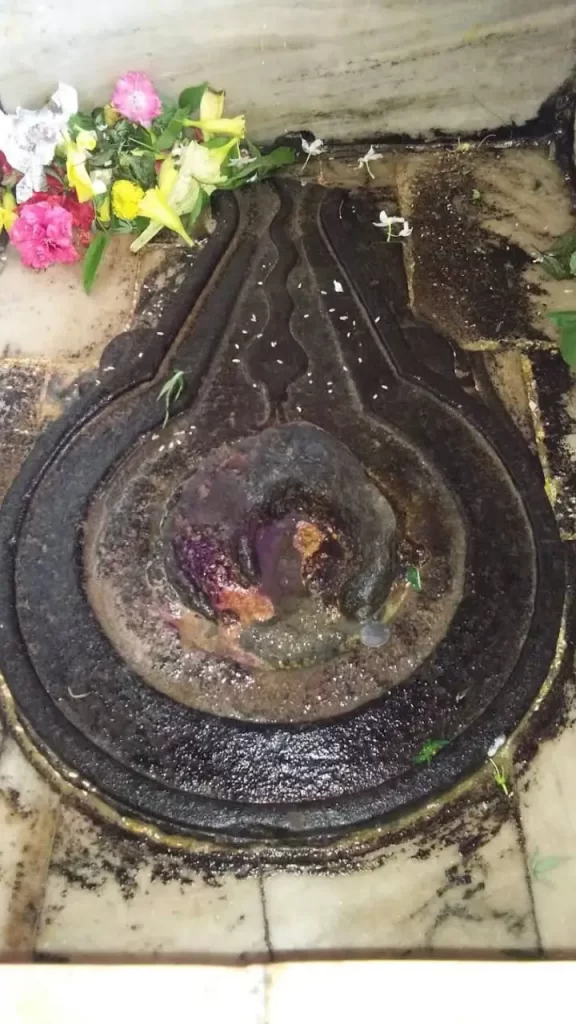
The temple’s oral history dates back roughly nine decades, long before the present brick-and-mortar structure was built. According to local community tradition, the site was originally marked by two sacred black stones resting beneath a banyan tree, smeared with auspicious red vermilion (sindoor). Local Bengali Hindus paused there daily to pray.
The belief in the curative powers of sacred stones and trees reflects a long-standing devotional tradition across Bengal, similar to the healing folklore observed at Shri Jogadya Shaktipeeth.
The pivotal event occurred when a young boy from a local Hakka Chinese family fell severely ill with a life-threatening fever. Despite seeking available medical treatments, his condition deteriorated. Distraught, his parents placed the sick child beneath the sacred tree, praying fervently for his survival beside the consecrated stones.
Within days, the boy’s fever broke and he recovered completely. Deeply grateful, the Chinese family began regular devotional offerings at the site. Inspired by this recovery, the broader Chinese community in Tangra came together to establish a permanent shrine, adopting the worship of Goddess Kali as their own protective mother.
In the late 20th century (circa 1998), the local community raised funds to renovate the open-air altar into the modest, vibrant temple structure that stands today.
Architecture and Sanctum: A Seamless Cultural Blend
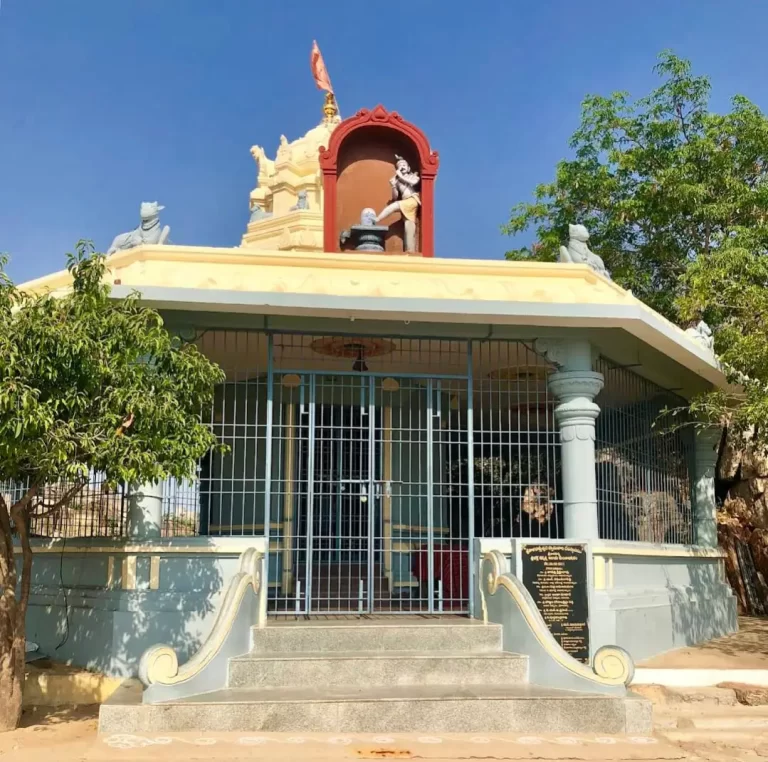
From the outside, the Chinese Kali Temple resembles a modest suburban Bengali neighborhood temple, featuring a clean facade, iron grilles, and a shaded courtyard. However, step across the threshold, and the blend of cultural symbols becomes immediately evident:
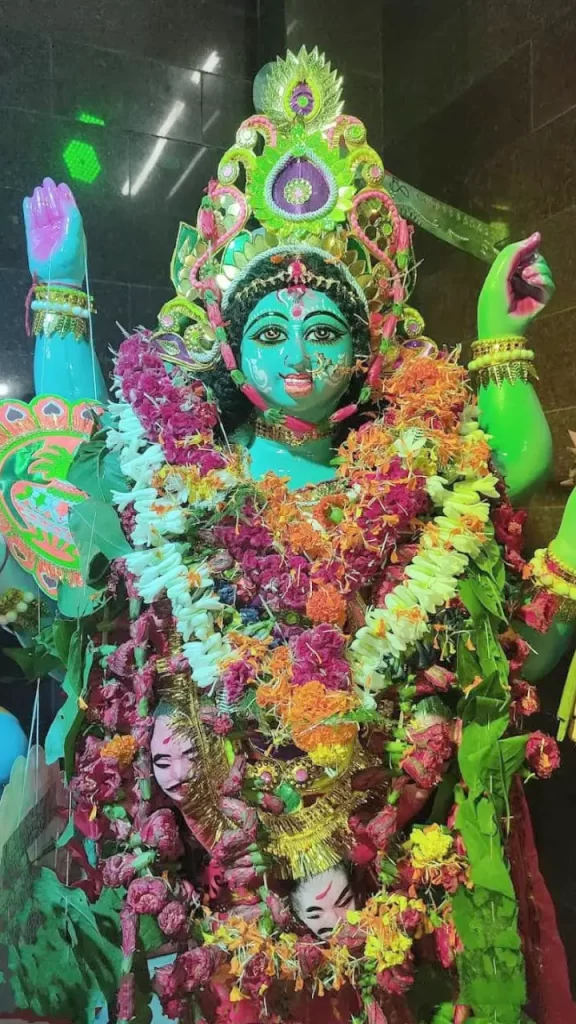
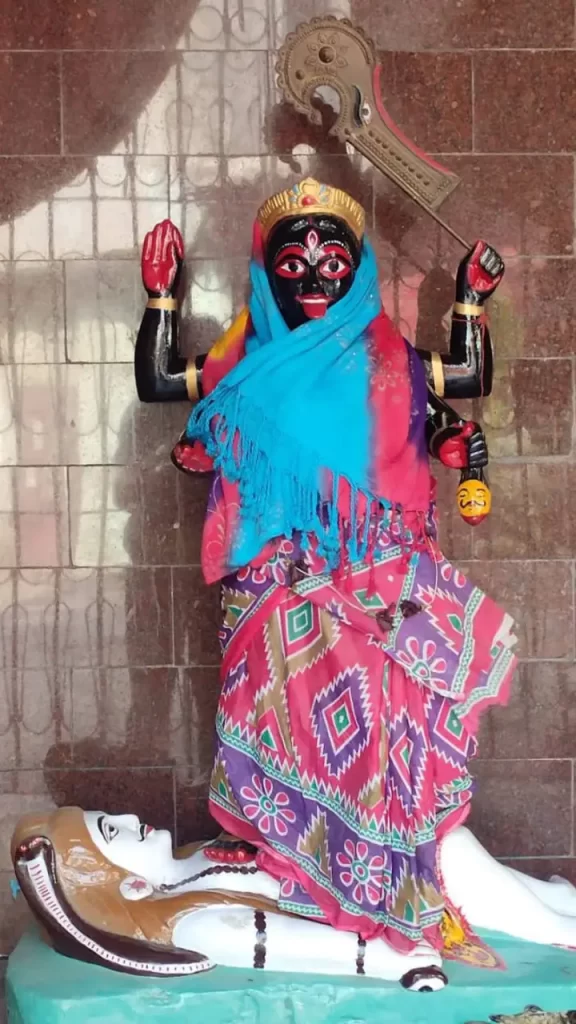
- The Sanctum Sanctorum: The inner sanctum houses two black stone idols representing Goddess Kali, depicted in her classical Bengali Shakta iconography—adorned with shimmering crowns, protruding golden tongues, vibrant sarees, and fresh red hibiscus (jaba) garlands.
- Chinese Ritual Elements: Suspended around the deity are traditional Chinese paper lanterns, calligraphy scrolls expressing wishes of prosperity, and specialized brass censers designed for burning tall red joss sticks (Chinese incense).
- The Fire Chamber: Outside the inner sanctum sits a dedicated brick and iron chamber where devotees burn miniature paper sheets and symbolic prayer talismans, an ancient Chinese practice believed to convey prayers directly to heaven and dispel negative energy.
Devotees entering the temple receive traditional vermilion markings on their foreheads, light fragrant Chinese incense sticks alongside Indian earthen oil lamps (diyas), and bow their heads in reverent contemplation.
The Sacred Noodle Prasad: Understanding the Tradition
The defining hallmark of the Chinese Kali Temple is its consecrated food offering (bhog or prasad). In traditional Hindu temples across India, prasad typically consists of fruits, khichdi, laddus, rice pudding (payesh), or peda.
At Tangra’s Chinese Kali Bari, the deity is honored with what the resident community prepares best:
- Wok-tossed noodles
- Vegetable chop suey
- Steamed sticky rice cakes
- Stir-fried vegetables
Strict Purity in Food Preparation
While these dishes reflect Chinese culinary heritage, the preparation strictly adheres to Hindu temple dietary rules:
- All ingredients are 100% vegetarian (no meat, chicken, or fish is ever brought inside the temple premises).
- The food is prepared with clean cooking oils, free from harsh processed flavorings, and dedicated with reverence.
- Beside the noodles, traditional offerings such as seasonal fruits, sweets, coconuts, and red hibiscus flowers are placed before the altar.
Devotees leaving the temple receive small packets of warm noodles and chop suey, symbolizing unity, mutual respect, and divine grace.

Rituals and Priest Services
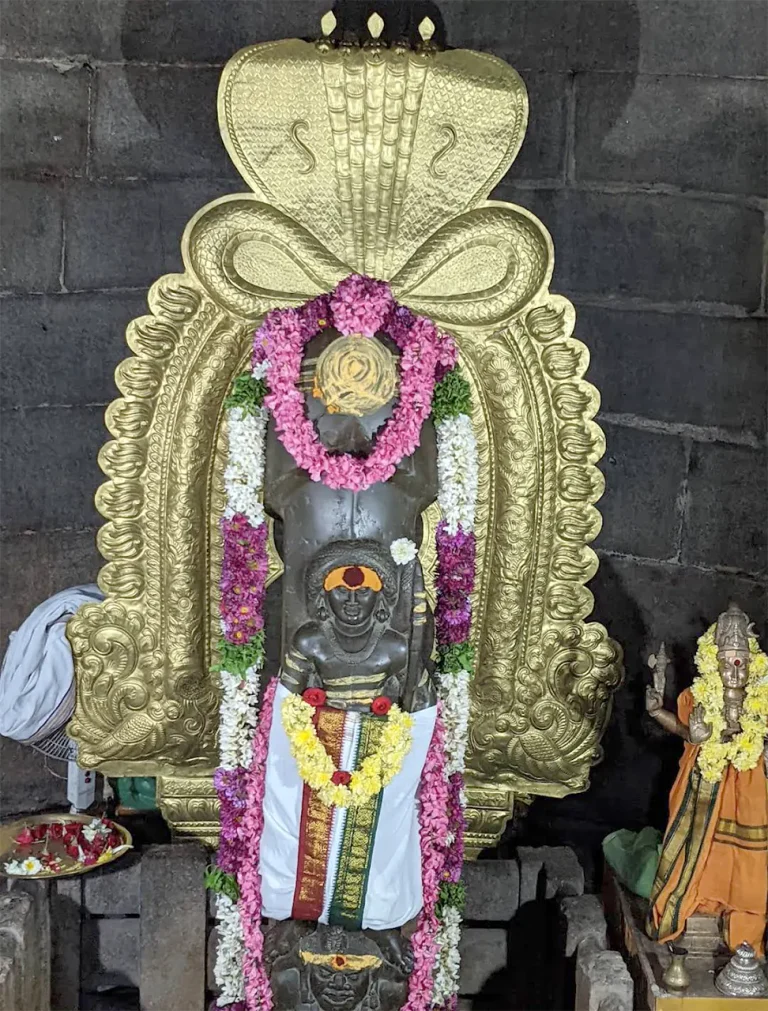
The Chinese Kali Temple operates under shared cultural management. A Bengali Hindu priest (purohit) performs the daily morning and evening aartis, reciting classical Sanskrit mantras, blowing the conch shell (shankha), and waving brass oil lamps.
Simultaneously, the administration, upkeep, cleanliness, and ceremonial logistics are overseen by local Chinese trustees and neighborhood caretakers. On special days:
- Devotees gather to burn joss paper for peace and prosperity.
- Traditional camphor fires are lit alongside incense coils.
- Both Chinese and Bengali families line up together to seek blessings for weddings, family milestones, and new business ventures.
Major Celebrations: Kali Puja and Diwali
While the temple maintains daily visiting hours, the grandest spectacle unfolds on Kartik Amavasya during the annual Kali Puja (coinciding with the festival of Diwali in October or November).
During Kali Puja:
- The temple exterior is illuminated with hundreds of Chinese paper lanterns, fairy lights, and earthen oil lamps.
- Hundreds of Indian-Chinese families—including those who have migrated to Canada, the United States, or Australia—return to Tangra to visit ancestral homes and offer prayers at the temple.
- The queue of devotees stretches down Matheswartala Road, with long-time residents cooking vast cauldrons of noodles and vegetarian delicacies to feed thousands of visiting pilgrims regardless of their caste, religion, or nationality.
Practical Information for Visitors
Daily Darshan Timings
- Morning Window: 6:00 AM – 12:00 PM
- Evening Window: 5:00 PM – 9:00 PM
- Note: The temple remains accessible for longer durations on Tuesdays, Saturdays, and New Moon (Amavasya) nights. Timings may shift slightly based on local priest schedules; visiting between 8:00 AM and 10:30 AM or 6:00 PM and 8:00 PM offers the most reliable window for witnessing active aarti.
Entry Fees and Bookings
- No Entry Fee: Entry to the Chinese Kali Temple is entirely free.
- No Paid VIP Darshan: Everyone stands in the same line; devotion is equal for all.
- Voluntary Donations: Devotees wishing to contribute to the temple’s daily upkeep or prasad preparation can place voluntary donations in the designated hundi (collection box).
Visitor Etiquette & Guidelines
- Footwear: Remove your shoes at the designated racks outside the shrine before entering the main tiled platform.
- Photography: While photographing the outer building and street courtyard is generally permitted, always ask permission from the priest or caretaker before taking close-up photographs inside the inner sanctum.
- Offerings: Visitors who wish to present offerings can bring red hibiscus flowers, incense, or fruits purchased from neighborhood vendors. If bringing pre-packaged food for offering, ensure it is strictly vegetarian.
- Peace and Decorum: The temple is an active place of prayer. Keep mobile phones on silent mode and avoid loud talking during the aarti recitation.
How to Reach the Chinese Kali Temple, Tangra
The Chinese Kali Temple is situated on Matheswartala Road within the Tangra neighborhood of East Kolkata. The area is well-connected via major arterial roads, suburban railways, and the city metro network.
1. By Kolkata Metro
- Nearest Metro Station (Green Line): Phoolbagan or Sealdah Metro Station. From either station, hiring an auto-rickshaw or taxi to Matheswartala Road takes approximately 10–15 minutes.
- From Blue Line (North-South Corridor): Disembark at Esplanade or Park Street, then take a direct yellow taxi or cab toward Tangra / Science City corridor (approx. 20–25 minutes depending on traffic).
2. By Train
- From Sealdah Railway Station: Located roughly 4.5 km northwest of the temple. Prepaid taxis, app-based cabs (Uber/Ola), or cycle rickshaws are readily available. Journey time: 15–20 minutes.
- From Howrah Junction: Located about 10 km west. Take a taxi across the Vidyasagar Setu (Second Hooghly Bridge) or Howrah Bridge via Maa Flyover toward Tangra. Journey time: 35–50 minutes.
3. By Air
- From Netaji Subhash Chandra Bose International Airport (CCU): The temple is roughly 16 km south of the airport. Take an airport taxi down the VIP Road and Eastern Metropolitan (EM) Bypass, turning right toward Tangra near the Park Circus Connector. Journey time: 40–55 minutes.
4. By Bus and Road
- Board any public or private bus traveling along the Eastern Metropolitan (EM) Bypass or Park Circus Connector. Get down at the Tangra Xing (China Town bus stop) or Mathpukur, followed by a brief 5-to-10-minute walk down Matheswartala Road.
Nearby Attractions in Kolkata
If you are planning a heritage day trip around Kolkata, consider combining your visit to the Chinese Kali Temple with these iconic landmarks:
- Tangra Chinese Restaurants: Tangra is famous for pioneering “Indo-Chinese” cuisine. Visitors frequently pair a temple visit with a meal at authentic family-owned Chinese eateries located within walking distance along the same avenue.
- Science City Kolkata: Located approximately 2 km south on the EM Bypass, this science center and planetarium makes an ideal stop for families traveling with children.
- Mother House: Located about 3.5 km away on Ripon Street, the headquarters of the Missionaries of Charity holds historical and spiritual significance.
- Kalighat Kali Temple: Located approximately 8.5 km southwest, Kalighat is one of the 51 sacred Shakti Peethas and provides a deep, historic companion visit for Shakta pilgrims exploring Bengal’s sacred temples.
Frequently Asked Questions (FAQs)
What makes the Chinese Kali Temple in Kolkata unique?
The Chinese Kali Temple in Tangra is unique because it is managed cooperatively by the local Indian-Chinese community and offers authentic noodles, chop suey, and sticky rice as sacred prasad alongside traditional Hindu puja rituals and Chinese joss paper offerings.
Is the noodle prasad at the temple strictly vegetarian?
Yes. Despite Chinese culinary heritage traditionally featuring diverse meat dishes, all food cooked and offered to Goddess Kali inside the temple is strictly 100% vegetarian, prepared in pure vessels in adherence to Hindu devotional sanctity.
Can tourists and non-Hindus visit the Chinese Kali Temple?
Yes. The temple warmly welcomes visitors, cultural travelers, and devotees of all religious backgrounds, nationalities, and communities. All visitors are expected to maintain respectful decorum and remove footwear before stepping into the sanctum.
When is the best time to visit the temple?
The most culturally vibrant time to visit is during Kali Puja (Diwali) in October or November, when the temple is illuminated with festive lanterns and holds large community gatherings. For a quiet, devotional experience, visit on weekday mornings around 8:00 AM to 10:00 AM.
Are there entry charges or advance tickets required?
No. There are no entry fees, tickets, or online bookings required. Darshan is open to everyone free of charge on a walk-in basis.
What is the address of the temple?
The temple is located at Matheswartala Road, Tangra, Kolkata, West Bengal 700046, situated in the heart of Kolkata’s Chinatown district.
