Sree Suvarna Temple Powai
Sree Suvarna Temple Powai, Located on the Jogeshwari Vikhroli Link Road in Powai, Mumbai, this temple is a precious landmark for many devotees and inquiring travelers as well. It’s not just a house of worship; it’s a thriving spiritual community, open to all individuals from all backgrounds. The air itself appears to vibrate with devotion here, providing a sense of calmness and comfort that is simply rejuvenating.

What sets Sree Suvarna Temple Powai apart is its inclusive nature. Although it’s a Hindu temple, you’ll see signs and the ambiance that welcome people of all faiths. This inclusiveness is one of its most striking and lovely aspects, creating a place where different spiritual backgrounds meet in harmony. It’s a reflection of the timelessness of its message of peace and dedication that actually appeals to everyone who crosses its threshold. The religious importance of Sree Suvarna Temple Powai is sincerely experienced by its frequent attenders.
Sree Suvarna Temple Powai History
All great destinations have an origin story, and the Sree Suvarna Temple Powai is no different. Its origins go back to the vision and passion of a venerated religious leader, Shree Shree Shree Suvarna Baba. It was in 1957 that he originally set up the temple complex, the central building of which was constructed in 1963. Imagine this – a little more than six decades ago, a seed of faith was planted here, and it has grown into the wonderful institution we have today.
The history of Powai itself is intriguing. “Powai” is derived from “Padmavati,” a Hindu goddess to which a temple was dedicated in the region’s earlier village life. Although certain historical records directly narrating the building of Sree Suvarna Temple Powai are essentially hearsay and passed down through generations of its followers, the founding by Shree Suvarna Baba is common knowledge in the community.
His commitment and vision paved the way for this ecumenical spiritual hub. The temple has since expanded, broadening its services and welcoming additional deities, mirroring the multi-faceted spiritual aspirations of its expanding congregation. It is a testament to the strength of faith and communal spirit in a fast-developing urban setting. The Sree Suvarna Temple Powai story is simply inspiring.
Read More>> Gangaikonda Cholapuram Temple
Legend of Sree Suvarna Temple Powai
While grand epics mark some temples in ancient times, Sree Suvarna Temple Powai has a more modern, but no less spiritual, legend. It is based on the spiritual journey and vision of Shree Shree Shree Suvarna Baba. The legend of the temple cannot be discovered in ancient Puranas, but in the unshakeable faith and personal testimony of those influenced by Shree Suvarna Baba’s spiritual wisdom.
The myth tells of Shree Suvarna Baba’s deep spiritual understanding and his wish to establish a haven that went beyond the ordinary religious frames of reference. It is said that he had a vision for a haven where the holy presence of all different deities would be equally accessible to all, uniting them and creating peace. The very name, Sree Suvarna Temple Powai, conveys a sense of “golden” (Suvarna) spiritual living, indicative of the light and refinement he wanted to impart.
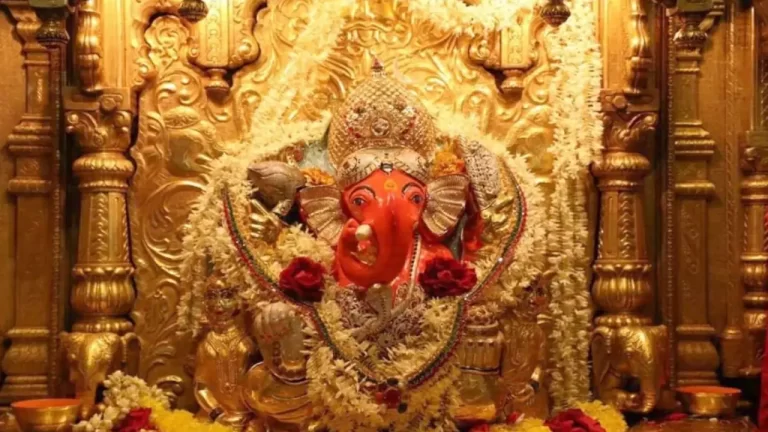
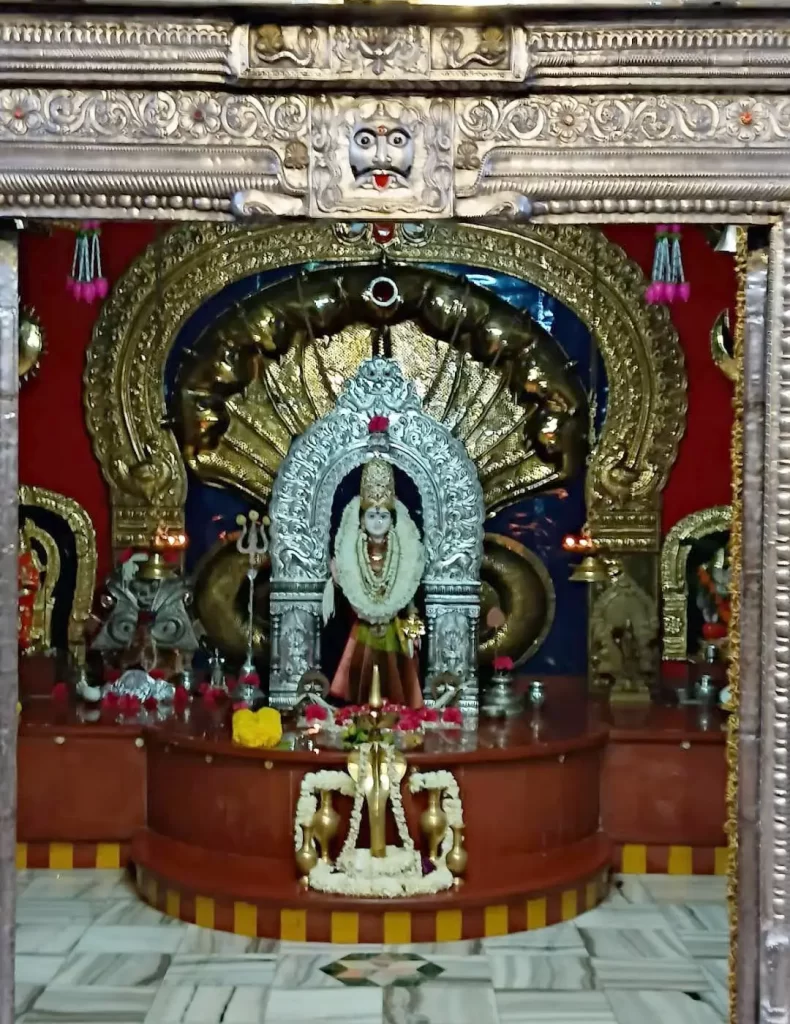
One of the distinguishing features usually put forward in the history of the temple is the worship of multiple deities. Although officially the Shree Mahashesha Rundamalini Temple, it’s home to nine goddesses and a few other gods spiritually. This co-mingling, as with figures such as Lord Shiva, Lord Ganesha, Lord Balaji, Shri Saibaba, Shri Shani Dev, Shri Hanumanji, Navgrahas, Shri Lakshmi Devi, Shri Nagdevi, and Shri Saraswati Devi, is its part of modern lore – a conscious decision by the founder to accept various paths of devotion. This facet makes Sree Suvarna Temple Powai a mini-India of religious diversity.
Although there are no direct quotes available from ancient Hindu scriptures or Puranas about Sree Suvarna Temple Powai, the temple’s worship of gods like Nag Devi (serpent goddess) is consistent with themes in many Puranas, which regularly extol serpent gods as guardians and givers of prosperity. For example, the Skanda Purana and Brahma Vaivarta Purana explain the role of Nagas in Hindu mythology and worship.
Mahabharata too has long accounts of Nagas, describing their strength and position in the cosmic order. The temple’s inclusiveness and shrine space for various forms of divinity repeat the larger Vedantic philosophy of “Ekam Sat Vipra Bahudha Vadanti” – Truth is one, sages call it by various names. This old wisdom supports the temple’s contemporary and universal spiritual philosophy, although not expressly quoted in its inception. The myth of Sree Suvarna Temple Powai bestows its own special appeal.
Cultural, Spiritual, and Mythological Significance of the Temple
The Sree Suvarna Temple Powai serves a many-sided function in the life of believers, far beyond being used merely as a temple of worship. It’s a pillar of society in Powai.
Cultural Significance
From a cultural viewpoint, Sree Suvarna Temple Powai is a dynamic melting pot. It’s where different communities gather together, enjoying festivals, exchanging traditions, and feeling strongly connected. You’ll notice individuals from all areas of India, who speak different languages, but they’re all brought together by their common worship. The temple also invites cultural activities from time to time, promoting traditional arts, music, and dance, thereby preserving these heritage riches in the contemporary urban culture of Powai, Mumbai. It serves as a connecting link between generations, where the old share tales and rituals with the younger generation, perpetuating our culture fabric. This makes Sree Suvarna Temple Powai a cultural gem.
Spiritual Importance
Spiritually, Sree Suvarna Temple Powai is a haven for peace and contemplation. Some visit in search of solace, to meditate, or just to sense the presence of the divine. With many deities present, one can find association with the form of God that speaks the most to them. Whether it’s asking for blessings of Lord Ganesha for new beginnings, channeling the strength of Lord Hanuman, or seeking prosperity to Goddess Lakshmi, the temple provides a rich spiritual experience.
The multi-faith approach, in that it welcomes everyone irrespective of religion, serves to reinforce a larger spiritual message of love and harmony for everyone. It’s where one can actually find spiritual comfort and refreshment, away from the milieu of daily life in Powai. The religious atmosphere of Sree Suvarna Temple Powai is very special.
Mythological Associations
Although the temple itself is not very old, its gods definitely have long associations with Hindu mythology. The inclusion of Nag Devi stands out specifically. Nagas (serpent gods) in Hindu mythology are worshipped as great powers representing protection, fertility, and cosmological energy. They are usually associated with Lord Shiva, being his ornaments, and Lord Vishnu, who lies on the cosmic serpent Shesha Naga. The cult of Nagas, especially on Nag Panchami, is a common tradition, said to bring good fortune and keep evil spirits away. The temple’s emphasis on Nag Devi ties it to these old mythological stories.
Equally, the Navgrahas (nine planets or celestial bodies) worship in Sree Suvarna Temple Powai illustrates the deep influence of astrology among Hindu beliefs. Each of the Navgraha gods is related to certain cosmic forces that affect human existence. The devotees usually perform certain pujas in order to appease such planetary gods, with the hope for harmony and good results. This powerful mythological basis, even in a fairly contemporary temple, will ensure that the age-old beliefs and wisdom continue to inspire and direct the devotees at Powai. Sree Suvarna Temple Powai has an added charm due to the mythological depth.
Festivals and Special Days
The Sree Suvarna Temple Powai really springs to life on its festivals and auspicious days, becoming a center of worship, jubilation, and effervescent energy. If you’d like to see the temple at its busiest and happiest, these are the days to be there!
Nag Panchami
One of the significant annual events at Sree Suvarna Temple Powai is Nag Panchami. This festival is devoted to the worshipping of Shri Nag Devta, which is the serpent god. Pilgrims throng the temple to pour milk, offer flowers, and pray to the serpent gods in the hope of being spared from snake bites and wishing for prosperity and good health.
The whole atmosphere is fascinatingly different with special rituals and traditional music pervading the air. It’s a day when the temple is particularly crowded, so be prepared for a vibrant, albeit packed, experience. The devotion is palpable, and the collective prayers create a powerful spiritual energy. The celebration of Nag Panchami at Sree Suvarna Temple Powai is a sight to behold.
Navratri
Navratri, the nine-night festival dedicated to Goddess Durga and her various forms, is another grand celebration at Sree Suvarna Temple Powai. With nine goddesses worshiped here, along with the central idol and photographs on the walls, Navratri is a grand celebration. Special garba and dandiya nights are usually held, and many people attend them. Grand decoration, devotional songs (bhajans), and special aartis are conducted during these nine days. Every day of Navratri is celebrated in the name of a particular manifestation of the Goddess, and believers perform fasts and present special prayers, praying for her blessings of strength, wisdom, and protection.
Diwali
The lighting festival, Diwali, is observed with great enthusiasm. Temple grounds are plastered with numerous lamps (diyas) and festive ornaments, a breathtaking spectacle. Lakshmi Puja, a ritual in honor of Goddess Lakshmi, the goddess of good fortune and prosperity, is another important activity in Diwali. Worshippers flock to pray for prosperity and good health, making it yet another very busy and spiritually charged day at Sree Suvarna Temple Powai.
Ganesh Chaturthi
As Mumbai has a profound respect for Lord Ganesha, Ganesh Chaturthi is also a grand festival. Though the principal visarjan (immersion) processions take place elsewhere, the temple comes alive with unique modaks (Ganesha’s favorite sweet dumplings), aartis, and decorations. Thousands of devotees throng to pay their obeisance to Lord Ganesha, wishing to pray to him for eliminating obstacles and for bringing success to them. The air is filled with devotion and happiness, so it is a very unique period to visit the temple. Ganesh Chaturthi at Sree Suvarna Temple Powai is an extremely joyous event.
Read More>> Hidden Power of Haridwar Mansa Devi Temple: #1 Wish Granted!
Hanuman Jayanti and Shani Amavasya
The temple also pays special respects to Lord Hanuman and Lord Shani Dev. Hanuman Jayanti, which commemorates the birth of Lord Hanuman, is observed by special prayers, recitals of Hanuman Chalisa, and communal feasts. Saturdays hold special importance for the prayers of Lord Shani Dev, and on Shani Amavasya (new moon day occurring on a Saturday), the temple sees a large turnout of devotees conducting specific pujas in order to please Lord Shani and reduce any malefic planetary effects. These days experience a steady flow of devotees, so they tend to be very busy.
Special Poojas and Offerings
Though certain poojas on a daily basis (such as Rudrabhisheka or Archana for specific deities) might be performed, the exclusive multi-deity aspect of Sree Suvarna Temple Powai has the effect that devotees are free to do different kinds of offerings according to their faith and the deity whom they have chosen to invoke. These usually include:
- Abhishekam: Ritual bath of the idol with milk, water, honey, etc.
- Archana: Presenting flowers, recitation of names of the deity.
- Deepa Aradhana: Presentation of lighted lamps.
- Prasad: Presentation of foodstuffs, which are later shared with devotees.
- Oil offering to Shani Dev: A widespread practice on Saturdays for appeasement of the planets.
These are made available at all times during the open hours of the temple, so individual devotees can conduct their respective rituals. Always check with the temple authorities for particular timings or needs of specific poojas.
Crowded Days
Overall, weekends, particularly Sunday mornings, and all the principal Hindu festival days (such as Nag Panchami, Navratri, Diwali, Ganesh Chaturthi, Maha Shivratri, Janmashtami) are the busiest. Early morning and evening periods during the day-to-day aarti hours also have a fair number of people. If you would like to go on a less busy visit, consider going during a weekday off-peak hours.
Distinct Architectural Styles and Decorations
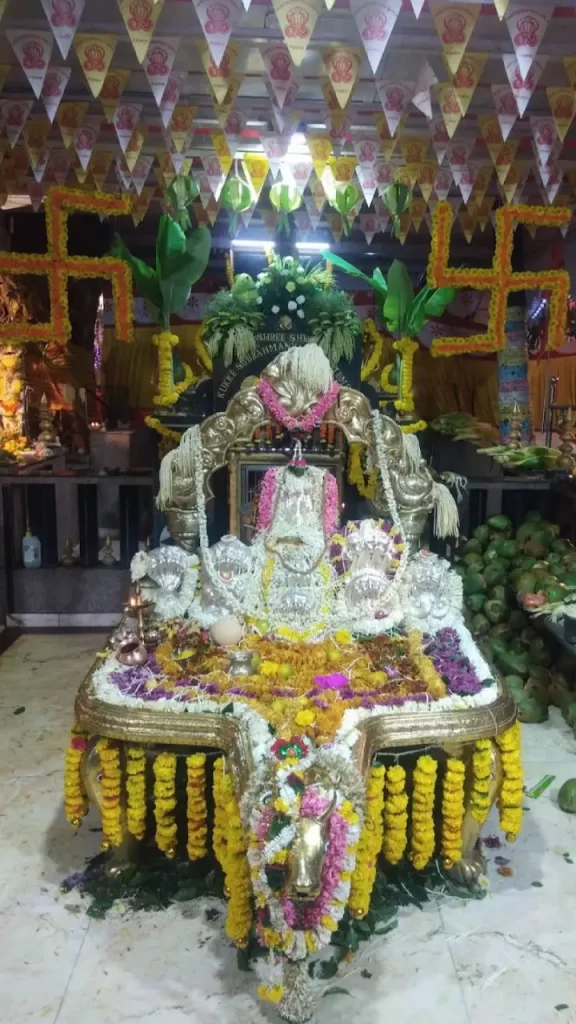
Stepping into the Sree Suvarna Temple Powai is an experience for the senses, and its architecture, though not ancient, holds a charm and uniqueness that is deeply appealing. It blends traditional Indian temple design elements with a touch of modern aesthetics, creating a welcoming and visually rich environment.
Architectural Style
Though not strictly following one of the traditional Dravidian or Nagara styles, Sree Suvarna Temple Powai takes inspiration from both to carve out its own unique persona. Observe the employment of bright colors, ornate details, and multi-tiered form in certain sections, evoking the use of South Indian temple architecture. But the overall space and planning also bear a modern look, intended to address the requirements of a contemporary urban community.
One of the most impressive aspects usually pointed out is the intricately carved golden pillars at the entrance. They immediately catch your attention, evoking an air of greatness and sanctity as you enter the main temple complex. The whole complex is planned for accommodating several shrines, tightly grouped together, each one worshiping a different God or Goddess. This provides a rich texture of worship, with the ability to travel between one god and another, experiencing various aspects of the divine through a single complex. This configuration is very unique, permitting an extensive spiritual experience within a small space. Sree Suvarna Temple Powai’s architecture is absolutely compelling.
Carvings and Idols
The Sree Suvarna Temple Powai is home to a rich collection of idols and carvings, each telling a story and radiating spiritual energy.
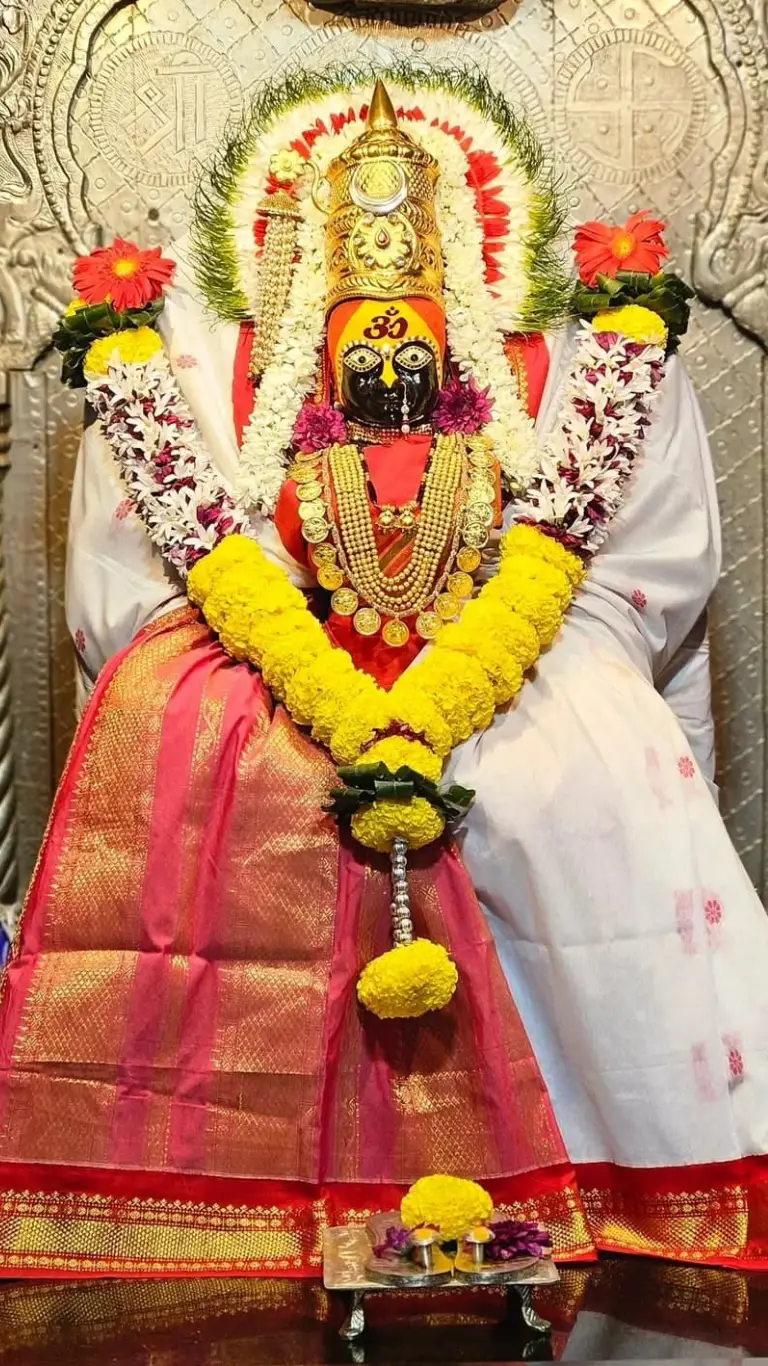
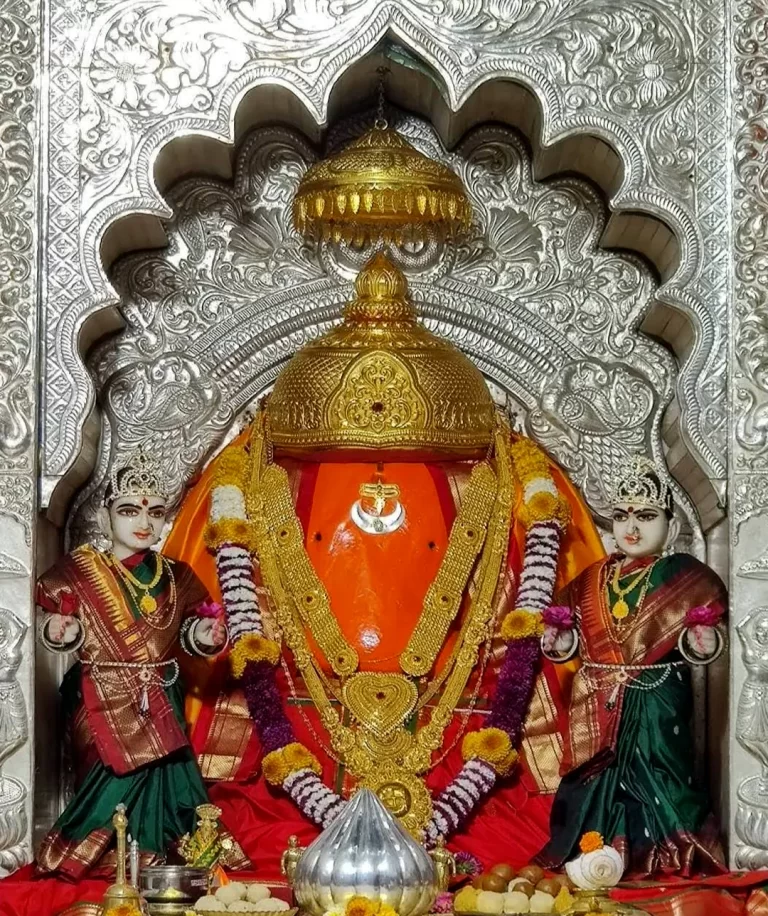
The Main Idols: The top left position is occupied by the main idol, commonly known as the “main idol” among the nine goddesses, while other images and photographs of deities decorate the temple walls. This represents the divine Mother in her different forms, offering complete spiritual experience to the followers.
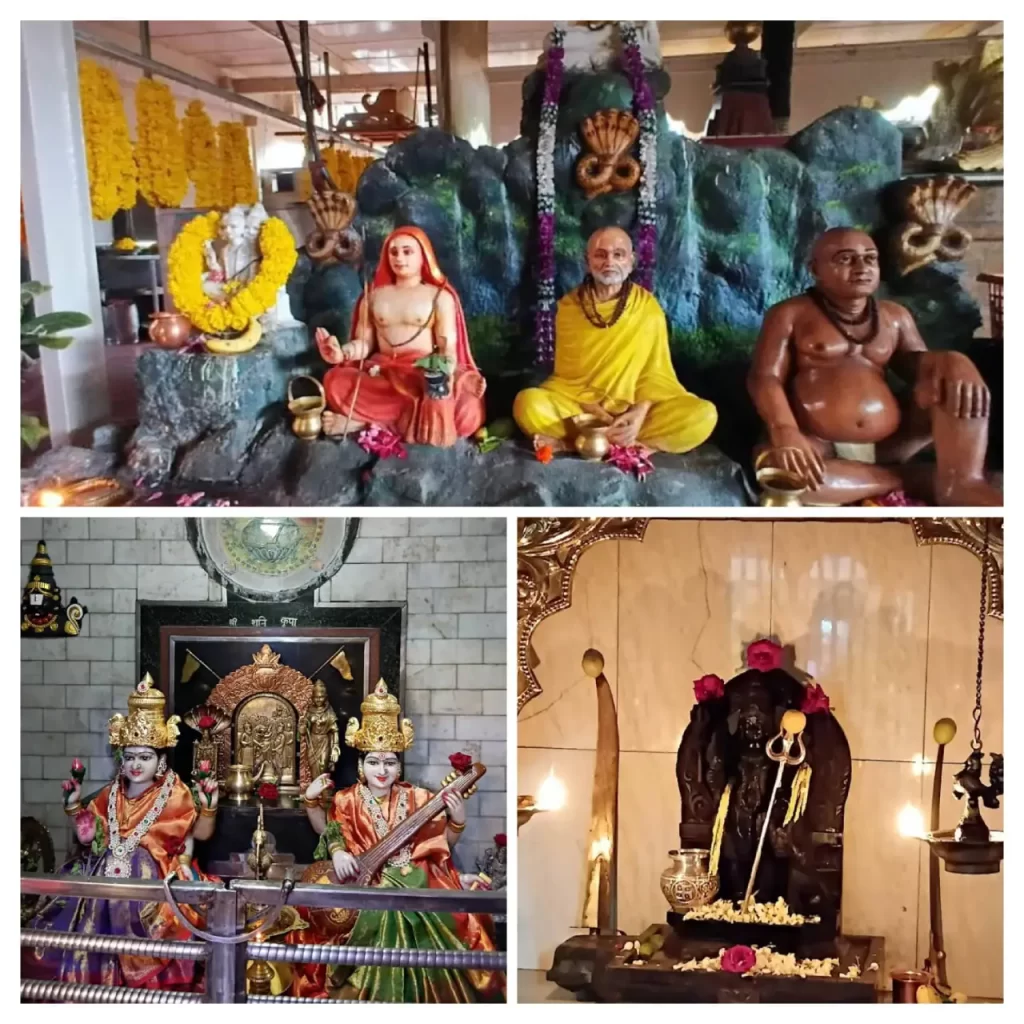
Multi-Deity Representation: What truly stands out is the sheer number and diversity of deities present. You’ll find beautifully sculpted idols of:
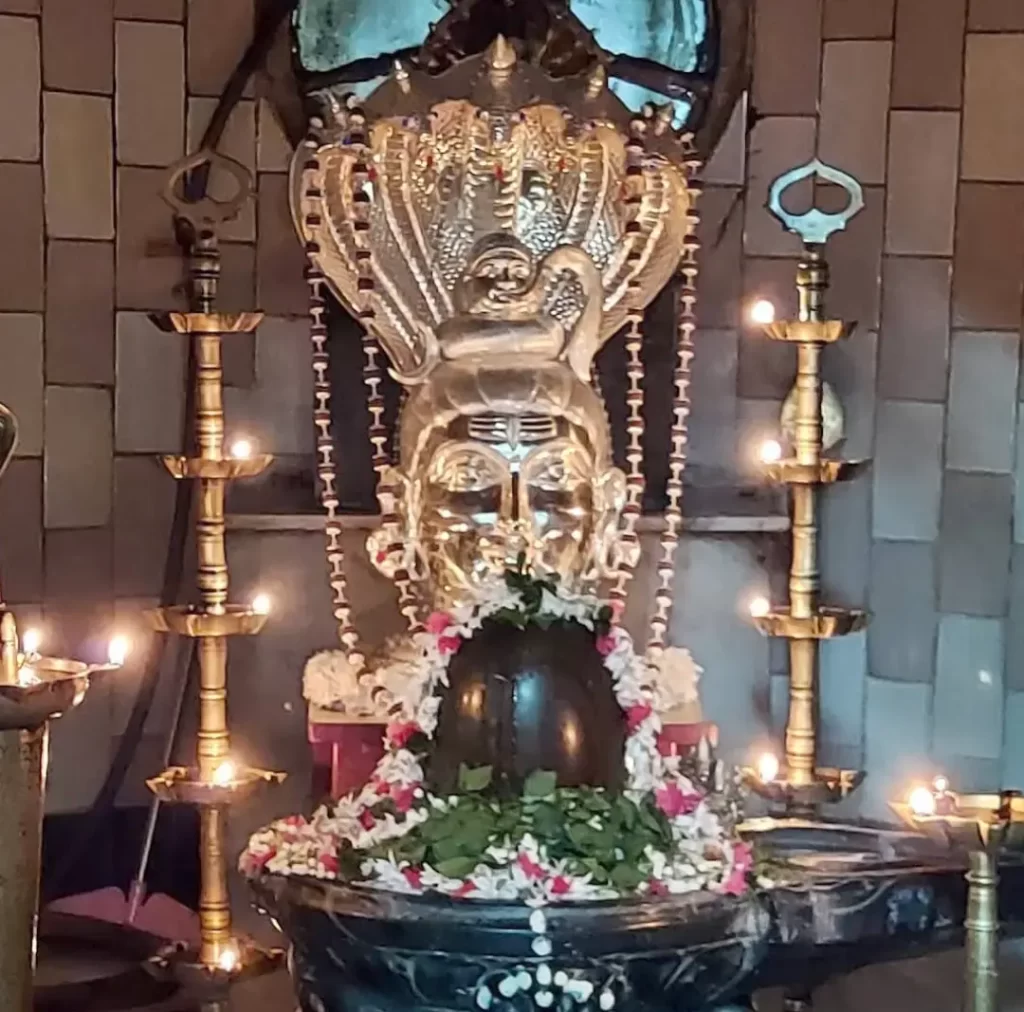
- Lord Shiva: Often depicted in his meditative or cosmic dance (Nataraja) forms.
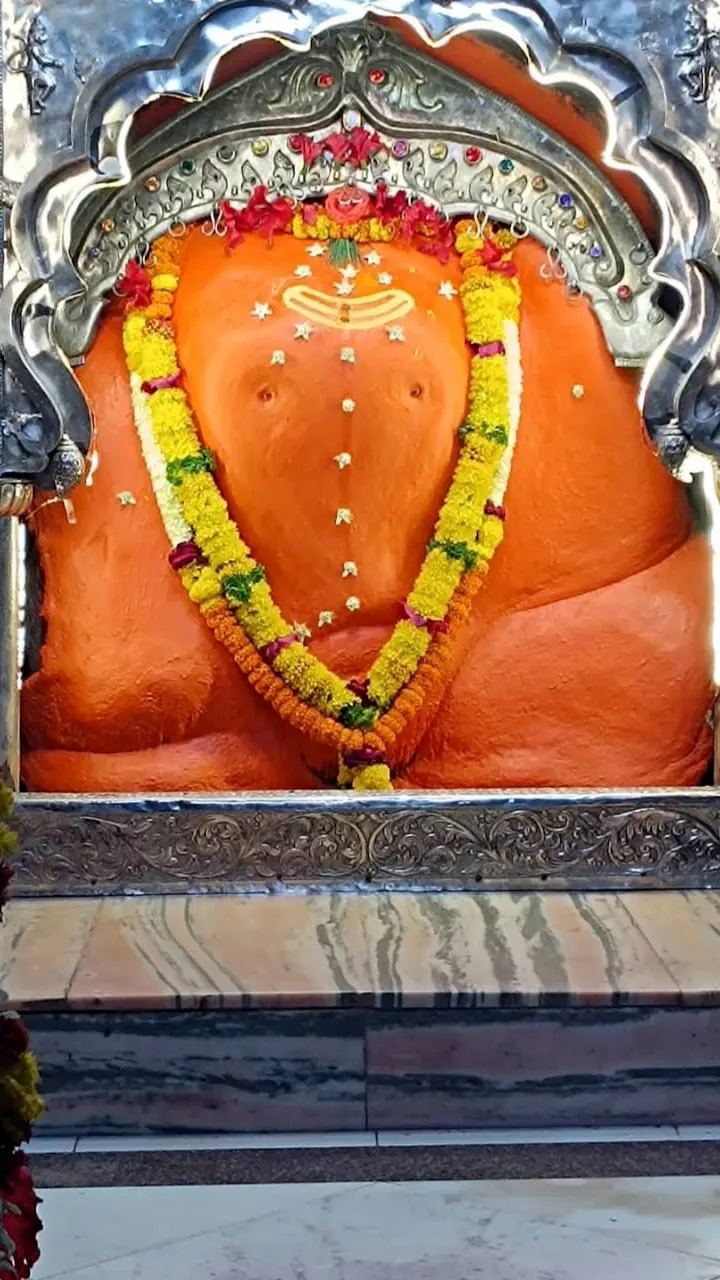
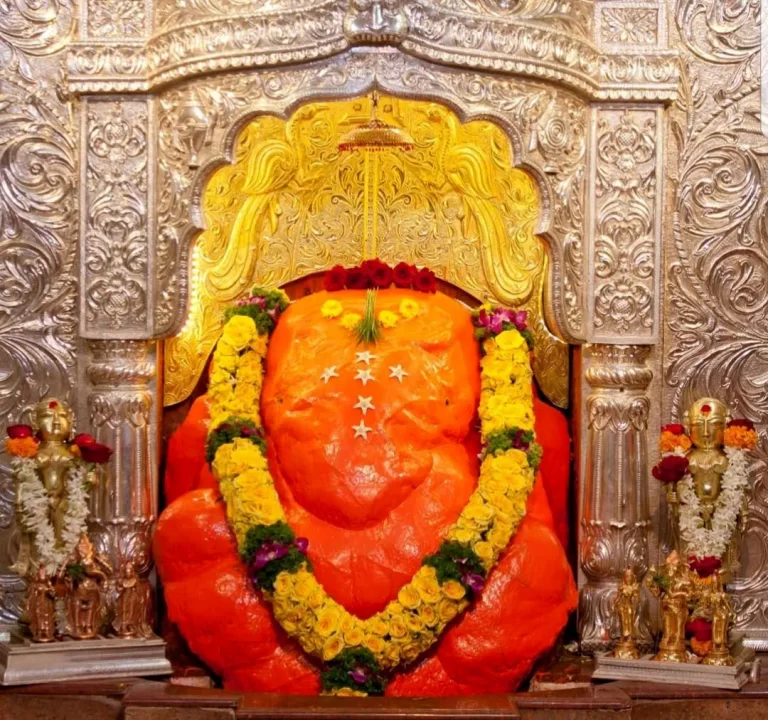
Lord Ganesha: The beloved elephant-headed god, remover of obstacles. - Lord Balaji (Lord Venkateshwara): A very sacred manifestation of Lord Vishnu, especially beloved by South Indian worshippers.
- Shri Saibaba of Shirdi: His presence underlines the temple’s eclecticism, as he is worshiped by individuals from all religions.
- Shri Shani Dev: The planetary god, usually shown black, evoked for safety from malefic energies.
- Shri Hanumanji: The monkey god, the symbol of strength, devotion, and selfless service.
- Navgrahas: Sculptures or representations of the nine planetary gods are usually placed together to enable their devotees to offer specific pujas so that their astrological effects get balanced.
- Shri Lakshmi Devi: Goddess of prosperity and wealth, usually shown in lotus flowers and raining coins.
- Shri Nagdevi: Goddess of the serpent, worshipped for protection and fertility, usually seen with a cobra head.
- Shri Saraswati Devi: Knowledge, arts, and music goddess, typically represented with a Veena (a stringed instrument).
Vaghoba – The Tiger God: A very distinct characteristic described in some versions is the god of Vaghoba, the tiger God. This reflects the regard that the local community, especially those traditionally affiliated with the adjacent Aarey forest (reputed for leopards), have for wild life. This local god places yet another cultural dimension on the Sree Suvarna Temple Powai. Waghoba (from Marathi ‘wagh’ tiger and ‘ba’ respect) is a very old god worshipped by different tribes, representing harmony with nature and defence from wild beasts.
Ornate Details: In addition to the principal idols, observe well the finer details – the ornamental motifs of the pillars, the intricate carvings on the shrine doors, and the brilliant colors employed in the temple painting. These are not necessarily always big carvings like some ancient temples, but they add up to the totality of the aesthetic and spiritual ambiance. The craftsmanship, even if not ancient, is devoted and reverent of conventional Hindu iconography.
The temple carvings and architecture of Sree Suvarna Temple Powai may lack centuries of history, but it presents a distinctive visual history of religion in contemporary Mumbai, reflecting the various ways of worshiping that exist and flourish within its walls.
Read More>> Chelamattom Sreekrishna Swami Temple: Powerful Temple for Ancestors
Myths and Beliefs Linked with Sree Suvarna Temple Powai
Each temple, whether old or new, becomes a treasury of beliefs and mythologies, intertwined into its people. The Sree Suvarna Temple Powai is not different. Although may not be steeped in Puranic lore so much directly regarding its provenance, it has developed a rich fabric of modern-day beliefs and experiences that attract thousands.
The Power of Inclusivity
One of the deepest “beliefs” surrounding Sree Suvarna Temple Powai is that it is inclusive in nature.
It’s generally believed and felt by believers that this temple really accepts all, with no religion, caste, or background restrictions. It’s not something written on a piece of cardboard by someone; it’s an underlying ethos. Most people opine that Shree Suvarna Baba cultivated this atmosphere intentionally, turning the temple into a sanctuary where the divine blessings are within everyone’s reach, and harmony and understanding prevail. This has the tendency to make it a preferred point of call for interfaith families or persons looking for a space of worship that is free from strict dogma. This aspect renders Sree Suvarna Temple Powai quite distinctive.
Blessings of Multi-Deity Worship
With deities galore in one premise, such as Lord Shiva, Ganesha, Balaji, Saibaba, Shani Dev, Hanumanji, Navgrahas, Lakshmi, Nagdevi, and Saraswati, a firm belief remains that everything wished for can be granted here.
The devotees are convinced that by praying to the respective deity that caters to their requirement – either for health (Hanuman), wealth (Lakshmi), removal of obstacles (Ganesha), or peace (Saibaba) – they will be blessed with divine intervention. This “one-stop spiritual solution” feature is a huge appeal for many. The sheer variety of gods and goddesses at Sree Suvarna Temple Powai is a huge pull factor.
Significance of Nag Devi Worship
The existence and the particular respect for Nag Devi create specific beliefs. Most locals, particularly on Nag Panchami, hold a belief that worshipping Nag Devi at Sree Suvarna Temple Powai can offer snake bite protection and fertility and prosperity. The belief lies deep within old Indian agrarian cultures, where snakes were viewed as land guardians and rain-bringers. To some, it also represents safeguard from unseen perils or unexpected challenges.
Shani Dev’s Influence and Mitigation
Saturdays are a proof of the faith in Shani Dev’s influence. Worshipers strongly believe that providing oil, black sesame seeds, and certain prayers to Lord Shani at Sree Suvarna Temple Powai are enough to neutralize the malefic influence of Shani (Saturn) in their astrological charts. This is a common belief system in Hindu astrology, and the temple is an important location for individuals seeking cures for “Shani Dosha” or merely desiring divine benedictions from the strict but fair deity.
The Presence of Vaghoba
The singular incorporation of the tiger god, Vaghoba, strengthens a local narrative and perception of the existence of people with nature in harmony. Particularly since Powai is so close to dense forests such as Aarey, it is thought that Vaghoba guards the community against wild animals, specifically leopards, and earns the community respect for the local environment. This perception demonstrates the convergence of local folklore with general Hindu worship at Sree Suvarna Temple Powai.
Miracles and Personal Experience
Similar to other temples, Sree Suvarna Temple Powai tends to be a canvas for personal experiences as well as perceived miracles. Numerous devotees have accounts of how their prayers were granted, ailments were healed, or challenging circumstances were solved after praying at the temple and performing sincere prayers. The personal experiences, shared word of mouth, further enhance the religious beliefs and attract new devotees to this revered sanctum. Though these may not be written “myths” per se, they constitute the very live belief system that functions in the walls of the temple. The spiritual energy of Sree Suvarna Temple Powai gets expressed in these narratives often.
Sree Suvarna Temple Powai Timings
It is important to plan your visit to Sree Suvarna Temple Powai in order to make the best out of your spiritual journey. Here are the typical timings:
Darshan Timings:
- Morning: 6:00 AM to 11:30 AM
- Afternoon/Evening: 3:30 PM to 9:00 PM
Aarti Timings:
- Morning Aarti: 6:30 AM
- Afternoon Aarti: 12:00 PM (Noon)
- Evening Aarti: 6:30 PM
Dress Code:
It is advisable to wear traditional or formal clothing when visiting the temple, out of respect for the sanctity of the place. Modest attire is always appreciated.
Important Note for Visitors to Sree Suvarna Temple Powai:
Please remember that timings can sometimes change due to special festivals, events, or unforeseen circumstances. It’s a good idea to check the latest timings at all times, particularly if you’re coming from far or have a plan to witness some particular aarti or puja. Updated information can mostly be located through local inquiry or by directly calling the temple (one contact number that can be located in some directories is +91-9920091969, but it’s always better to cross-check). Weekends and festival days tend to be much more crowded, so time your visit appropriately if you want a peaceful experience at Sree Suvarna Temple Powai.
Read More>> Golden Temple Amritsar (Harmandir Sahib) | Complete Guide
Places to Visit Near Sree Suvarna Temple Powai
Powai, and Mumbai overall, is scattered with many religious locations that indicate the city’s rich spiritual diversity. You may wish to visit some other important Hindu temples in the area after Sree Suvarna Temple Powai. This provides a more extensive spiritual experience and an opportunity to see various architectural designs and worshiping processes. Below are some famous Hindu sites to visit around Sree Suvarna Temple Powai:
- Padmavati Devi Temple: Situated on Adi Shankaracharya Marg in Powai itself, the temple is noteworthy because the name “Powai” is said to have originated from “Padmavati.” It’s a prominent historical and religious connection to the origins of the place. It gives an insight into the antiquity of the spiritual roots of the place.
- Shree Ganesh Temple (Jogeshwari Vikhroli Link Road): Given Mumbai’s deep reverence for Lord Ganesha, there are many Ganesh temples. This one, located also on the Jogeshwari Vikhroli Link Road, is a popular local shrine. A visit here complements your experience at Sree Suvarna Temple Powai, as Lord Ganesha is widely worshipped as the remover of obstacles.
- Chinmaya Jagadeeshwara Temple (Sandeepany Sadhanalaya): This lovely and serene temple is one of the Chinmaya Mission’s Sandeepany Sadhanalaya complex along Saki Vihar Road, comparatively near Sree Suvarna Temple Powai. It’s famous for its peaceful environment and camphor-white idol of Lord Jagadeeshwara (Lord Shiva). The highest dome of this temple is specially designed like a Shiva-Lingam. It’s an excellent location for meditation and peaceful reflection.
- Shree Ayyappa Vishnu Temple: This is situated close to the IIT Main Gate, Powai. The temple is for Lord Ayyappan, a highly revered deity, particularly in South India. It has a different experience in devotion and is renowned for its peaceful atmosphere.
- Mahakali Caves: Although not an operational temple per se, the Mahakali Caves are ancient Buddhist rock-cut caves at Andheri East, a short drive from Powai. They were built between 1st to 6th centuries CE and contain stupas and sculptures. While primarily Buddhist, they are a significant historical and spiritual site that reflects the ancient religious landscape of Mumbai and can offer a different perspective on spiritual devotion from centuries past. Some of the carvings here are considered to be the oldest Hindu cave complexes in the region, dating around 500 CE, including depictions of the Sapta-matrikas (seven Goddesses) associated with Lord Shiva, one of whom is Jogeshwari.
- Mini Sabarimala (Kanjurmarg West): It is a temple of Lord Ayyappan that mimics the well-known Sabarimala temple of Kerala to a certain degree. It is a center of spirituality for those who worship Ayyappan in Mumbai and a vital place of worship, being a bit away but within reach from Powai. These temples and shrines provide a rich spiritual mosaic, where the guests can dig deeper into Hindu beliefs and feel the religiosity that pervades the cosmopolitan city of Mumbai. Visits to these places after your excursion to Sree Suvarna Temple Powai can result in a truly fulfilling spiritual experience.
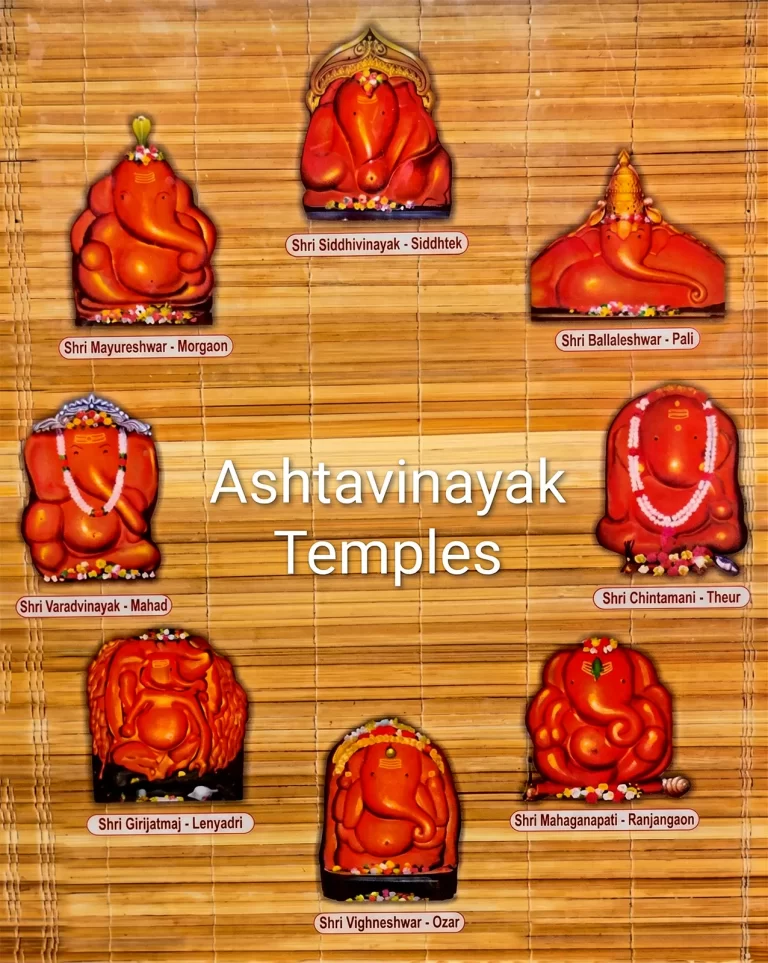
There are many more temples espicially Jyothirlingas and other site seeing places in and around Maharashtra. For more deatails you may check Official Maharashtra tourism website.

Accommodation Options Near Sree Suvarna Temple Powai
Powai is a well-established and posh area in Mumbai, with a variety of accommodations available to cater to different budgets and needs. If you are visiting Sree Suvarna Temple Powai and wish to stay comfortably nearby, you can expect numerous options for you to choose from.
Following are some accommodation types, classified at your convenience:
Luxury Hotels
- Renaissance Mumbai Convention Centre Hotel (Marriott Group): It’s one of the highest-rated luxury hotels in Powai, situated directly on the banks of Powai Lake, providing breathtaking views. It’s famous for its great facilities, various dining alternatives, and international standards service. It’s extremely near Sree Suvarna Temple Powai and gives a luxurious experience.
- Meluha The Fern: Another high-end choice, Meluha The Fern is an ecotel that prioritizes eco-friendliness along with luxurious comfort. It’s near the temple and has modern amenities, comfortable rooms, and decent dining options.
- The Residence Hotel & Apartments: The hotel has a combination of serviced apartments and hotel rooms, perfect for families or longer stays. It is on Saki Vihar Road, quite near the temple, and has a spa, outdoor pool, and several restaurants.
Mid-Range Hotels
- Rodas An Ecotel Hotel: Belonging to the Fern group, Rodas is a second eco-hotel choice in Powai. It provides cozy stays with emphasis on sustainable tactics and is highly rated for its service. It’s situated in Hiranandani Gardens, a popular landmark in Powai, so Sree Suvarna Temple Powai is easily accessible to it.
- Hotel Peninsula Grand: In Andheri East, which is easily accessible from Powai, this hotel provides good accommodation and a decent set of amenities for an affordable price. It’s a safe option for visitors looking for good value.
- Bloom Hotel Saki Vihar Powai: One of the newer and frequently well-rated choices, Bloom hotels provide up-to-date, clean, and cozy rooms at affordable prices. Since it is located in Saki Vihar, temple visits are easily accessible from there.
Budget-Friendly Options
- Treebo Hotels: Treebo is a well-known Indian chain that provides standardized, clean, and affordable accommodation. There are a few Treebo hotels in and around Powai, like Treebo Lake Bloom. They are ideal for travelers who want to enjoy a comfortable stay within their means.
- OYO Rooms/FabHotels: These aggregators provide an assortment of budget hotels in Mumbai, including Powai. Although quality may be inconsistent, they tend to provide cheap and decent ones for short-term stays. It is a good idea to read recent reviews before making a booking.
- Local Lodges and Guesthouses: In the Powai vicinity, you may come across smaller guesthouses or single owner-operated lodges. Although they may have fewer facilities than major hotels, they can be very budget-friendly. One can easily book these through online travel agencies (OTAs).
- Hotel Samadhan: This 3-star property offers a reasonable balance of comfort and price, typically with city views and basic amenities such as free Wi-Fi and parking. It’s conveniently located for temple visits.
Tips for Booking:
- Book Ahead: Especially during peak season or festival periods, accommodation in Powai may get booked up.
- Check Location: Utilize maps to verify that your selected lodging is well-positioned compared to Sree Suvarna Temple Powai and the other sites you intend to see.
- Read Reviews: Always read recent reviews on websites like Google, TripAdvisor, or the booking websites themselves to find out realistically about the hotel’s standard and service.
- Consider Transport: Plan how you will go from your lodging to the temple. Powai boasts decent local transport, which includes ride-sharing and auto-rickshaws.
Regardless of your budget, Powai has many options to ensure your trip to Sree Suvarna Temple Powai and stay in Mumbai are comfortable and enjoyable.
Read More>> Divine Mata Vaishno Devi Temple | Shaktipeeth Complete Guide
How to Reach Sree Suvarna Temple Powai
Getting to Sree Suvarna Temple Powai in Mumbai is relatively easy, considering the central location of Powai and good connectivity in the city. Mumbai has a good public transport system, so it is easily accessible from nearly everywhere.
By Air
- Nearest Airport: Chhatrapati Shivaji Maharaj International Airport (BOM)
Distance: Powai is fairly close to the airport in Mumbai, usually 20-30 minutes driving time depending upon traffic conditions. - From the Airport: It is quite simple to hire a pre-paid taxi, take an auto-rickshaw (for short distances), or use ride-sharing services such as Uber or Ola right to Sree Suvarna Temple Powai. Bus services are also available, but taxis or ride-shares would be the easiest.
By Train
Mumbai has a huge network of local trains, which is generally the quickest means of covering distances within the city, particularly during rush hours.
Nearest Local Train Stations:
- Kanjurmarg (Central Line): This is one of the closest railway stations to Powai. From Kanjurmarg station, you can take an auto-rickshaw or a local bus to reach Sree Suvarna Temple Powai. The auto-rickshaw ride would be around 15-20 minutes.
- Andheri (Western Line/Harbour Line): Although a little out of the way, Andheri is a big junction. You can catch an auto-rickshaw or bus from Andheri towards Powai. It’s a good option if you are traveling from areas served by the Western or Harbour lines.
- By Long-Distance Trains: If you are coming by long-distance train, your stop will probably be Mumbai CST (Chhatrapati Shivaji Maharaj Terminus) or Mumbai Central. From these main stations, you can board a local train (Central Line to Kanjurmarg or Western Line to Andheri) and then continue by taxi or auto-rickshaw.
By Road
Powai is also well linked by road and can be reached by car, bus, or auto-rickshaw.
- By Bus: The Brihanmumbai Electric Supply and Transport (BEST) runs a detailed bus network across Mumbai. There are many routes of buses connecting various locations in the city to Powai. You may ask about routes going towards “Powai Lake,” “Hiranandani Gardens,” or “Saki Vihar Road” since Sree Suvarna Temple Powai lies on the Jogeshwari Vikhroli Link Road, which is a major artery in Powai.
- By Auto-Rickshaw: Auto-rickshaws are a very popular and convenient means of transport for medium to short distances within Mumbai. You can readily pick up one from any point in Powai or local areas nearby. Make sure the driver keeps the meter on.
- By Taxi/Ride-Sharing Apps: Black and yellow cabs are easily found throughout Mumbai. Ride-sharing apps such as Uber and Ola are also popular and provide a convenient and sometimes cheaper alternative, particularly over longer distances. Simply type in “Sree Suvarna Temple Powai” or its address (Jogeshwari Vikhroli Link Road, Powai, Mumbai – 400076) into the app.
- By Private Vehicle: If you’re using your own vehicle, Powai is readily accessible via major arterial roads such as the Jogeshwari Vikhroli Link Road (JVLR), Eastern Express Highway, and Western Express Highway. Parking may be available in the vicinity of the temple but could be limited, particularly on peak days.
General Tip: Mumbai traffic is unpredictable. Always add more time to travel, particularly during peak hours (morning and evening rush hours). Using navigation apps such as Google Maps will provide the best real-time traffic information and estimated travel times to Sree Suvarna Temple Powai.
Read More>> Enchanting Beauty of Madurai Meenakshi Amman Temple
Why Sree Suvarna Temple Powai is Very Important
The Sree Suvarna Temple Powai is very special in the hearts of people, and its significance derives from a variety of factors that make it so much more than a temple. To begin with, its very nature of inclusivity separates it. In a city as cosmopolitan as Mumbai, a temple that openly welcomes all people of any religion, discriminating against none, is a shining symbol of togetherness.
This philosophy, which is said to be infused by its founder, Shree Suvarna Baba, creates a universal spirituality. It’s an environment where distinctions fade away, and a common human aspiration for peace and closeness to the divine overwhelms. This makes Sree Suvarna Temple Powai a distinctly unusual spiritual center. Secondly, the multi-deity arrangement of the temple makes it extremely flexible for worshipers. Instead of having to visit multiple temples for different gods and goddesses, the Sree Suvarna Temple Powai provides a comprehensive spiritual experience under one roof.
Whether one seeks the blessings of Lord Ganesha for new beginnings, Goddess Lakshmi for prosperity, Lord Hanuman for strength, or Lord Shani for astrological balance, all these forms of the divine are present and actively worshipped. This convenience, enhanced by the intense spiritual environment, appeals to the multifaceted needs of the Hindu society and others. Third, its function as a community anchor cannot be doubted. Aside from religious ceremonies, the temple serves as a venue for the people of Powai to gather.
Festivals are widely celebrated with much fervor, involving huge gatherings and deepening community ties. It is a cultural hub, retaining cultural traditions and reflecting a shared identity among individuals who are living in the midst of fast-paced urbanization. The kids learn to come here from a young age, making a steady thread of religion and tradition through generations. The frequent events and the regular activity of devotees make Sree Suvarna Temple Powai live and vibrant. Last but not least, the spiritual comfort and serenity it provides are irreplaceable. In the bustling, overwhelming city of Mumbai, discovering a peaceful oasis for contemplation and inner tranquility is a gem.
The peaceful atmosphere, the frequent chanting of mantras, and the group devotion infuse an energy that many find profoundly comforting and revitalizing. It’s a space where one can take a brief respite from everyday pressures and reconnect with their spiritual self. This profound feeling of tranquility is perhaps the greatest explanation for the timeless relevance of Sree Suvarna Temple Powai. It is indeed a spiritual oasis.
Read More>> Swaminarayan Akshardham Temple, Delhi | Complete Guide
Trending Questions regarding Sree Suvarna Temple Powai
As a well-liked spiritual pilgrimage site, Sree Suvarna Temple Powai tends to raise common questions among inquisitive tourists and prospective devotees. Let us tackle some of these trending questions:
- Is Sree Suvarna Temple Powai very old?
Although not as old as some temples in India that are thousands of years old, Sree Suvarna Temple Powai does have a decent history. It was founded by Shree Shree Shree Suvarna Baba back in 1957, and the main temple building was constructed in 1963. So, it’s more than six decades old, and thus a well-established and trusted institution within contemporary Mumbai.
- Which gods are revered at Sree Suvarna Temple Powai?
This is one of the temple’s specialities! Sree Suvarna Temple Powai accommodates several gods and goddesses, thus making it a holistic center of spirituality. There are idols of Lord Shiva, Lord Ganesha, Lord Balaji, Shri Saibaba of Shirdi, Shri Shani Dev, Shri Hanumanji, Navgrahas (nine planetary gods), Shri Lakshmi Devi, Shri Nagdevi (the snake goddess), Shri Saraswati Devi, and other incarnations of the divine Mother.
- Is there a specific dress code to enter Sree Suvarna Temple Powai?
While there isn’t a strictly enforced, explicit dress code like in some very orthodox temples, it is always advisable to wear modest and respectful clothing when visiting Sree Suvarna Temple Powai. Traditional Indian attire or clean, formal Western wear is preferred. Avoid overly revealing clothes.
- Are non-Hindus allowed to visit Sree Suvarna Temple Powai?
Yes! This is a highlight of Sree Suvarna Temple Powai. The temple is famous for its openness and specifically invites devotees and guests of all religions and backgrounds. Signs often herald this hospitality, and the environment is truly welcoming to everybody who comes searching for spiritual comfort.
- What is so unique about Nag Panchami at Sree Suvarna Temple Powai?
Nag Panchami is one of the largest and most important festivals that are observed at Sree Suvarna Temple Powai. There is a special reverence at the temple for Nag Devi (the goddess of the serpent). On this day, there is a special ritual performed, and devotees pray to the serpent idols with milk and prayers, asking for protection and blessings for fertility and prosperity. It’s one of the most populous and lively days at the temple.
- Are there any special poojas for Shani Dev?
Yes, Lord Shani Dev is specially worshiped at Sree Suvarna Temple Powai. Saturdays are especially deemed to be auspicious days for his worship, and on Shani Amavasya (new moon falling on a Saturday), a large number of devotees visit to perform special poojas (such as offering oil and black sesame seeds) to please Lord Shani and obtain remedies for astrological influences.
- Is parking available near the temple?
Although Sree Suvarna Temple Powai is situated on a commercial road (Jogeshwari Vikhroli Link Road), there is some limited parking available in the surrounding areas or in specifically marked parking lots. Nonetheless, particularly on weekends or festival days, parking may be difficult. Using public transport or carpooling is usually advisable whenever possible.
- What is the best time of day or time of year to visit Sree Suvarna Temple Powai to avoid crowds?
If you would like a quiet visit, it’s better to visit on a weekday off-peak hours, usually mid-mornings after the morning aarti (between 9:00 AM and 11:00 AM) or mid-afternoons before the evening aarti (between 3:30 PM and 5:30 PM). Weekends and all major Hindu festival days are usually very busy.
- Sree Suvarna Temple Powai is how far from Powai Lake?
Sree Suvarna Temple Powai is within very short distance of Powai Lake. It’s literally opposite or a walking/auto-rickshaw distance from portions of the lake area. This facilitates it for one to go visit the temple along with taking a leisurely walk around the scenic Powai Lake.
- Can I make personal prayers or do specific rituals at the temple?
Yes, devotees are usually permitted to make personal prayers and perform several rituals. You can donate flowers, incense, fruits, and other offerings. For particular poojas or more detailed rituals, it is better to ask the temple priests or officials, who can advise you on procedures and any related fees.
These questions identify the shared interests of travellers and seek to offer useful information for anyone intending to visit the lovely and religiously important Sree Suvarna Temple Powai.