Sri Siththi Vinayagar Temple, Colombo: Complete Darshan, History, and Travel Guide
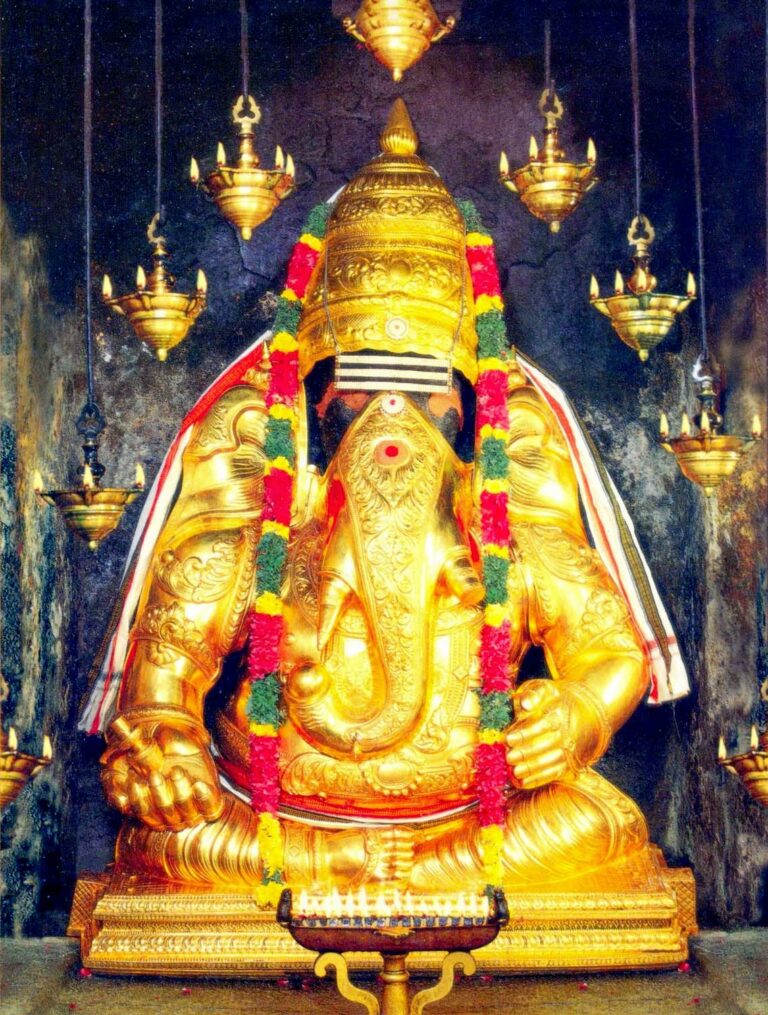
Sri Siththi Vinayagar Temple (often spelled Sri Siththi Vinayakar Kovil) in Grandpass, Colombo, is one of the most revered Hindu sanctuaries dedicated to Lord Ganesha in western Sri Lanka. Revered as the dispeller of obstacles and the granter of spiritual fulfillment (Siddhi), this historic temple serves as an enduring spiritual anchor for the local Tamil community, Indian expatriates, and international devotees visiting Colombo.
Whether you are planning a pilgrimage to seek the blessings of Lord Vinayagar or exploring the rich tapestry of Sri Lanka’s living Hindu heritage, this comprehensive guide provides verified darshan timings, pooja schedules, historical insights, architectural features, and practical transit advice for a seamless visit.
Quick Information: Sri Siththi Vinayagar Temple
| Feature | Verified Details |
| Temple Name | Sri Siththi Vinayagar Temple (Sri Siddhi Vinayakar Kovil) |
| Presiding Deity | Lord Ganesha (Sri Siththi Vinayagar) |
| Location | Grandpass Road, Colombo 14, Western Province, Sri Lanka |
| Temple Style | South Indian Dravidian Architecture |
| Daily Darshan Timings | Morning: 6:00 AM – 12:00 PM | Evening: 4:30 PM – 8:30 PM (Varies slightly on festival days) |
| Key Poojas / Aarti | Ushakkala Pooja (~7:00 AM), Uchikala Pooja (~11:30 AM), Sayaratchai Pooja (~6:30 PM) |
| Major Festivals | Vinayagar Chathurthi, Thai Pongal, Tamil New Year, Maha Shivaratri, Annual Thiruvizha |
| Nearest Railway Station | Colombo Fort Railway Station (approx. 3.5 km away) |
| Nearest Airport | Bandaranaike International Airport (CMB), Katunayake (approx. 30 km via Colombo – Katunayake Expy) |
| Dress Code | Traditional modest attire: Men remove shirts or wear dhotis/veshtis; women in sarees, salwar suits, or long skirts. |
| Entry Fee | Free admission; small optional fees for specific Archana or special pooja receipts. |
| Footwear Rule | Strict footwear removal at designated stalls outside the temple entrance. |
Read More>> Kanipakam Varasiddhi Vinayaka Swamy
The Spiritual Significance of Sri Siththi Vinayagar
In Sanatana Dharma, Lord Ganesha is universally invoked as Prathama Pujya—the first deity worshipped before initiating any enterprise, voyage, or spiritual sadhana. At this sacred Colombo shrine, Ganesha is venerated specifically as Siththi Vinayagar (Siddhi Vinayaka).
- Siddhi (Spiritual Power and Success): Refers to intellect, realization, and the fruition of earnest human efforts.
- Buddhi (Wisdom): Represents discernment and intellect, qualities eternally associated with Ganesha’s divine presence.
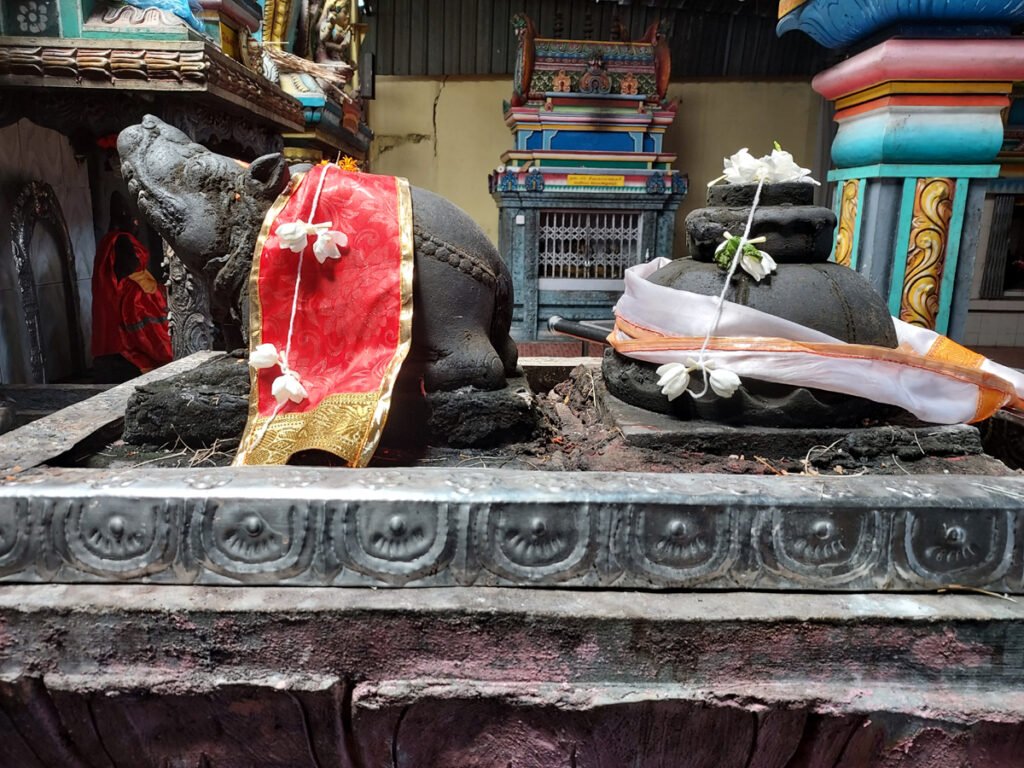
Devotees throng the sanctum sanctorum (Garbhagriha) to break coconuts (Chithu Thengai), an auspicious ritual symbolizing the shattering of the hard outer ego to reveal the pure, unblemished inner consciousness before God. Prayers offered here are traditionally believed to remove prolonged obstacles in business, education, marriage, and family health.
Historical Origins and Cultural Legacy
The presence of Hindu shrines in Colombo is intrinsically connected to the maritime trade corridors and mercantile migrations that flourished during the 19th and early 20th centuries. As South Indian merchants, particularly the mercantile Chettiar and Tamil trading communities, established their commercial presence around Colombo’s port, Pettah, and Grandpass, they consecrated shrines to safeguard their enterprises and anchor their spiritual practices.
Grandpass, situated along the southern banks of the Kelani River, served as a historic gateway for goods and travelers entering Colombo from the interior of the island. The establishment of Sri Siththi Vinayagar Temple provided daily spiritual solace to laborers, harbor workers, merchants, and resident families.
Over the decades, through community endowments and benevolent patronage, the temple expanded from a modest prayer structure into a vibrant temple complex built strictly according to traditional Agamic principles. Even during tumultuous historical periods, the temple has stood resilient as a center of cultural cohesion, religious tolerance, and community charity (Annadanam).
Read More>> Titwala Ganesh Mandir: Where Devotion Meets Serenity
Architectural Grandeur: Dravidian Art in the Heart of Colombo
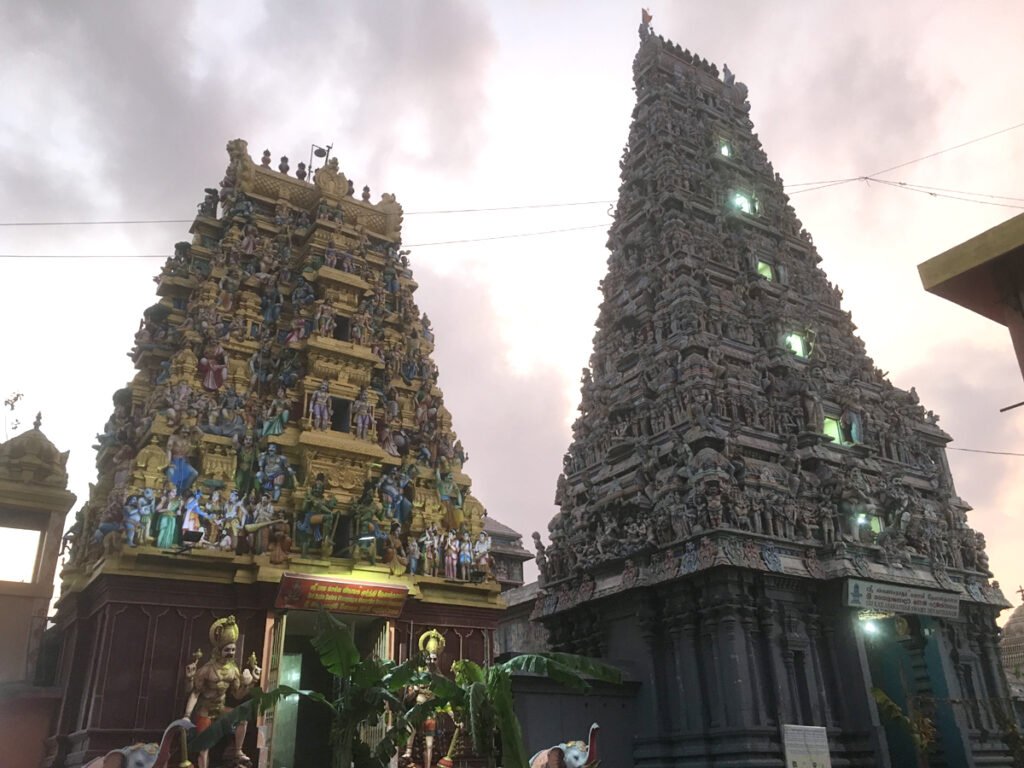
Sri Siththi Vinayagar Temple exemplifies classic South Indian Dravidian temple architecture, reflecting centuries-old sculptural and design standards that evoke the historic temples of Tamil Nadu.
1. The Rajagopuram (Entrance Tower)
As you approach Grandpass Road, the eye is immediately drawn to the ornate Rajagopuram. Decorated with multi-tiered stucco sculptures (Sudhai work), the tower depicts various divine pastimes (Leelas) of Lord Ganesha, Lord Shiva, Goddess Parvati, and Lord Murugan. The vivid polychromatic colors serve not merely an aesthetic purpose, but as a visual encyclopedia of Hindu theology for approaching pilgrims.
2. The Mandapams and Pillars
Passing beneath the gopuram, visitors enter the Maha Mandapam (Great Hall). The interior is supported by stone and masonry pillars sculpted with floral motifs, divine attendants, and traditional yali figures. The high ceilings and open stone corridors allow natural air circulation, creating an atmosphere of deep meditative stillness despite the bustling urban traffic outside.
3. The Garbhagriha (Sanctum Sanctorum)
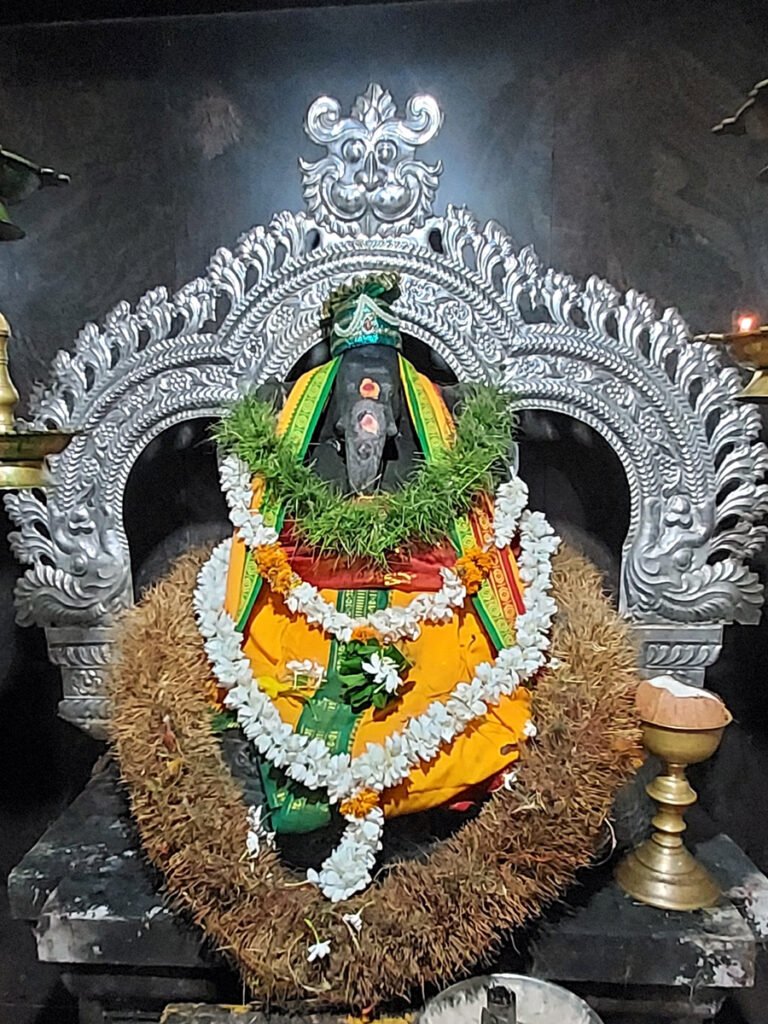
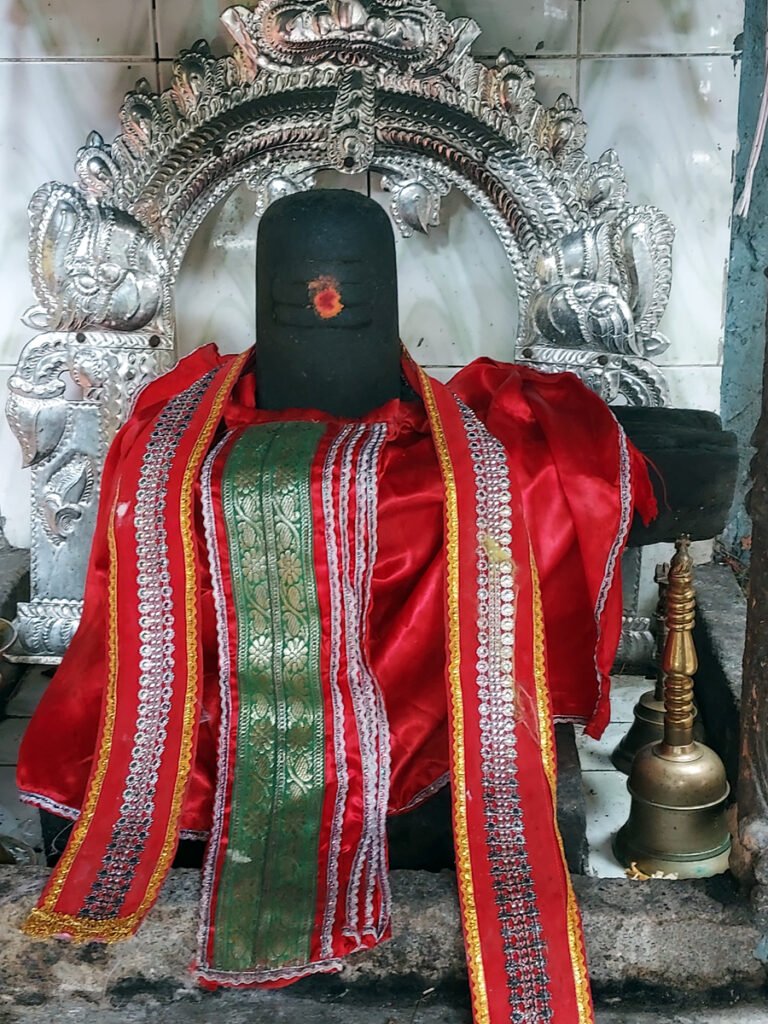
At the heart of the complex lies the sanctum sanctorum, where the stone idol of Sri Siththi Vinayagar is enshrined. Covered in silver ornamentation (Kavacham) and adorned with fresh garlands of grass (Arugampullu), red hibiscus, and bilva leaves, the deity radiates tranquil majesty. An oil lamp (Nanda Deepam) burns continuously before the sanctum, symbolizing eternal divine illumination dispelling spiritual ignorance.
4. Subsidiary Shrines (Parivara Devatas)
In accordance with Saivite temple layout, the complex also houses consecrated shrines for:
- Lord Shiva (in the form of the sacred Lingam) and Goddess Parvati.
- Lord Murugan (Kartikeya) accompanied by his consorts Valli and Deivayanai.
- The Navagrahas (Nine Celestial Influences), where devotees perform circumambulations to alleviate planetary afflictions.
- Lord Bhairava, the fierce protector deity guarding the temple premises.
Read More>> Char Dham Yatra – A Complete Guide to Spiritual Destination
Daily Poojas, Rituals, and Temple Schedule
The daily spiritual cycle at Sri Siththi Vinayagar Temple is carried out by experienced Kurukkals (priests) following traditional Saiva Agamas. Attending these rituals provides devotees with an immersive sensory experience characterized by the resonance of the nadaswaram, the rhythmic beat of the thavil, Vedic chanting, and the fragrant aroma of camphor and fresh sandalwood paste.
Daily Darshan Timetable
- Morning Opening: 6:00 AM – 12:00 PM
- Evening Opening: 4:30 PM – 8:30 PM
Note: The temple doors close during the early afternoon hours between 12:00 PM and 4:30 PM for deity rest and ritual preparation.
Sacred Pooja Timings
- Ushakkala Pooja (Dawn Worship – ~7:00 AM): Commences with the ceremonial waking of the deity, abhishekam (holy ablution with milk, curd, honey, and tender coconut), and nirmalya darshan.
- Uchikala Pooja (Midday Worship – ~11:30 AM): Consecration of cooked rice offerings (Naivedyam) and deepa aarti before the temple closes at noon.
- Sayaratchai Pooja (Dusk Worship – ~6:30 PM): The most popular service for devotees after work hours, marked by grand aarti lights, bell ringing, and distribution of holy ash (Vibhuti) and kumkum.
- Arthajama Pooja (Night Service – ~8:00 PM): The final quiet prayer and milk offering before the sanctum is formally closed for the night.
Major Festivals Celebrated at the Temple
While daily worship continues uninterrupted, Sri Siththi Vinayagar Temple witnesses massive devotional gatherings during major Hindu festival periods.
1. Vinayagar Chathurthi (Ganesh Chaturthi)
Celebrated in the Tamil month of Avani (August–September), this is the crowning festival of the temple. The celebrations often span ten consecutive days with special homams, elaborate abhishekams using 108 ingredients, and cultural music performances. On the primary festival day, thousands of clay lamps are lit, and devotees bring offerings of Modakam (sweet rice dumplings) and Kozhukattai.
2. The Annual Chariot Festival (Ther Thiruvizha)
During the temple’s annual Brahmotsavam, the festive deity (Utsava Murti) of Lord Siththi Vinayagar is seated upon a towering, richly decorated wooden chariot (Ther). Hundreds of devotees, dressed in pure white and traditional veshtis, pull the massive ropes with chants of “Haro Hara!” through the streets of Grandpass, bringing divine sanctification to the surrounding neighborhood.
3. Thai Pongal and Tamil New Year (Puthandu)
Celebrated in mid-January and mid-April respectively, these days draw large crowds of families offering prayers for agricultural prosperity, peace, and new commercial beginnings. Special sweet pongal pots are prepared on open wood fires in the temple outer courtyards.
4. Sankatahara Chaturthi
Observed on the fourth day after the full moon (Krishna Paksha Chaturthi) each month, this specific lunar evening is marked by special homam rituals designed to dissolve acute hardships and family worries.
Essential Devotee Etiquette and Dress Code
Visiting a traditional Hindu Kovil in Sri Lanka requires adherence to customary codes of respect and modesty. To ensure a peaceful visit, keep the following guidelines in mind:
- Footwear Policy: Shoes, sandals, and leather accessories must be removed before entering the outer temple threshold. Dedicated racks are available near the entrance gate.
- Clothing for Men: Men are expected to dress modestly. In accordance with traditional Sri Lankan and South Indian Agamic customs, men are often requested to remove their shirts and vests before entering the inner prakaram, wearing a traditional dhoti (veshti) or trousers.
- Clothing for Women: Women should wear sarees, half-sarees, salwar kameez, or modest dresses that cover the shoulders and ankles. Sleeveless shirts, shorts, or tight-fitting beachwear are strictly prohibited inside the premises.
- Photography Rules: Photography and video recording of the inner sanctum sanctorum (Garbhagriha) and the priests performing rituals are strictly forbidden to maintain the sanctity of the divine murti. Courtyard photography of the exterior towers may be allowed; always request permission from the temple management office first.
- Circumambulation Direction: Always walk around the sanctum in a clockwise direction (Pradakshina), keeping your right shoulder toward the deity.
How to Reach Sri Siththi Vinayagar Temple, Grandpass
Located in northern Colombo (postal zone Colombo 14), the temple is readily accessible via public and private transport from anywhere in the Colombo commercial district.
From Colombo Fort (Pettah)
- By Three-Wheeler (Tuk-Tuk): A direct tuk-tuk ride from Colombo Fort Railway Station or Pettah Central Market takes approximately 10–15 minutes (distance: approx. 3.5 km). Always ensure the meter is turned on or agree on a ride-hailing app (PickMe or Uber) fare beforehand.
- By Public Bus: Local buses operating along routes heading toward Wattala, Negombo, or Grandpass pass close to the temple stop. Inquire at the Pettah Central Bus Stand for buses routing through Grandpass Road.
From Bandaranaike International Airport (CMB)
- Via Airport Expressway: If arriving directly from Katunayake Airport, take the Colombo–Katunayake Expressway (E03) southward toward Peliyagoda. From the expressway exit at the New Kelani Bridge, the temple is just 2.5 km away along Grandpass Road. Total travel time by private taxi is around 35–45 minutes depending on traffic.
Exploring Nearby Hindu Heritage Shrines in Colombo
If you are planning an extended spiritual or cultural itinerary across Colombo, visiting Sri Siththi Vinayagar can be seamlessly paired with several other historic Kovils located within a 3 to 5 km radius:
- Sri Ponnambalavaneswaram Kovil (Kochchikade): Located nearby, this breathtaking temple is constructed entirely out of intricately carved black granite stone, renowned for its serene atmosphere and pure Chola architectural styling.
- Old and New Kathiresan Kovils (Sea Street, Pettah): Revered shrines dedicated to Lord Murugan, serving as the central starting point for the annual Colombo Vel Festival.
- Sri Kailawasanathan Swami Devasthanam (Captain’s Garden, Maradana): One of the oldest surviving Hindu temple complexes in Colombo, celebrated for its sprawling courtyards and vibrant multi-colored gopurams.
Frequently Asked Questions (FAQs)
What is the best time of day to visit Sri Siththi Vinayagar Temple?
The best time to visit is during the morning aarti around 7:00 AM or during the evening Sayaratchai service around 6:30 PM. During these hours, the full temple orchestra plays, the lamps are brightly lit, and visitors experience the authentic ritual atmosphere.
Is there an admission fee to enter the temple?
No. General admission to the temple is completely free. Devotees who wish to perform specialized personal rituals, such as an individual Archana, Sahasranama pooja, or special milk abhishekam, can purchase nominal service tokens at the internal temple administrative counter.
Can non-Hindu foreign tourists visit the temple?
Yes. Foreign visitors and people of all cultural backgrounds are welcome to visit the temple, provided they adhere strictly to traditional behavioral guidelines: dressing modestly, removing footwear outside, maintaining silence, and respecting the restriction on photography within the sanctum.
Are parking facilities available near the temple?
Because the temple is situated along Grandpass Road—a busy urban thoroughfare—dedicated car parking on the temple grounds is limited. Visitors traveling by private vehicle may need to utilize designated roadside parking spaces or arrive via ride-hailing taxis to avoid parking congestion.
What offerings can devotees bring for Lord Vinayagar?
Devotees commonly bring fresh coconuts, bundles of Arugampullu grass, fresh flower garlands (especially red flowers), bananas, and unrefined jaggery. The temple priests will accept these offerings at the entrance to the sanctum and return half as blessed Prasadam.
Plan Your Pilgrimage with Reverence
The Sri Siththi Vinayagar Temple on Grandpass Road stands as an enduring beacon of peace, faith, and architectural beauty in the vibrant cityscape of Colombo. Whether you come seeking the removal of life’s obstacles, hoping to admire the intricate beauty of Dravidian craftsmanship, or simply wishing to sit in quiet contemplation amid flickering brass oil lamps, this sacred shrine offers a profound glimpse into Sri Lanka’s living Hindu heritage.
Remember to plan your visit around the morning or evening pooja hours, dress with traditional humility, and open your heart to the timeless blessings of Lord Ganesha.