Secret of Ramanathaswamy Temple: What 99% of Visitors Miss
Ramanathaswamy Temple is one of the twelve Jyotirlingas located in Tamil Nadu, India on the island of Rameshwaram. In another name it is also known as Rameshwaram temple. The three most revered saints in the history who sang about the grandeur of this temple are Sundarar, Appar and Tirungnana Sambandar. Amongst Hindu temples the Ramanathaswamy temple is to be particularly remembered for its longest corridor of any temple.
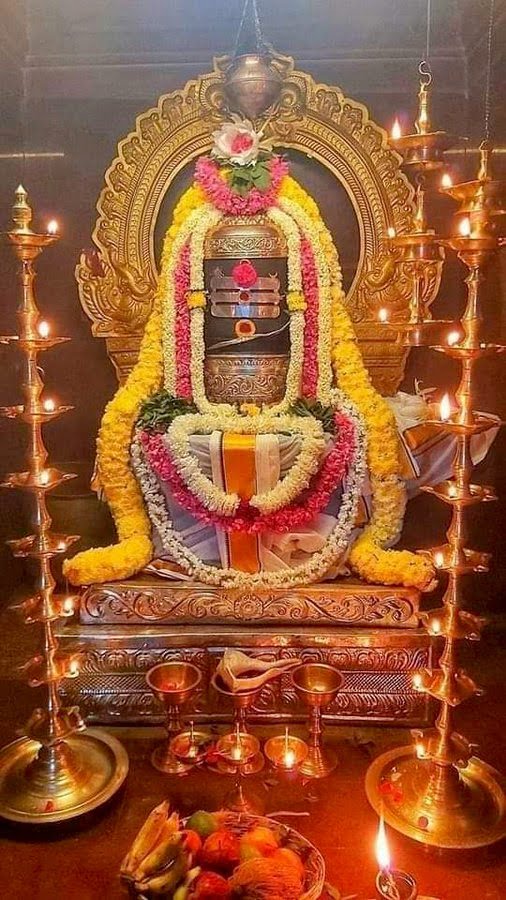
The Sacred Abode: Ramanathaswamy Temple
When we speak of the Ramanathaswamy Temple, we’re not simply referring to a conglomeration of sculptures and stone. We’re referring to a site where divinity descended to earth, where myths become reality, and where millions of hearts have found peace and freedom. Situated on Rameswaram Island in the Gulf of Mannar, the temple is a mainstay of Hinduism, a shining example of devotion that attracts pilgrims from all over the world. It’s frequently just called the Rameshwaram Temple, and its name alone brings to mind a feeling of profound religious affiliation.
Temple History: A Legacy Carved in Stone
We shall begin our search tracing the rich history of this magnificent structure. The origins of the Ramanathaswamy Temple go back to ancient lore, but its current architectural splendor went broadly over centuries with various rulers adding to it. Though the central deity, the Shiva Lingam, is said to have been consecrated by Lord Rama himself, it seems that the earliest masonry structures date back to the 11th or 12th century.
It was primarily the Sethupathy Maravars, local chieftains and benevolent rulers of Ramanathapuram, who significantly expanded and beautified the temple from the 12th century onwards, especially between the 12th and 16th centuries. Their contributions were monumental, leading to the construction of the grand “Third Corridor,” a phenomenal architectural feat that we’ll explore in detail later. Even Sri Lankan monarchs, such as Parakrama Bahu during the 12th century and Nissanka Malla, got involved, funding the construction of the sanctum sanctorum and sending laborers and contributions for its construction. Rameshwaram temple has also had patronage from other kingdoms such as Travancore, Mysore, and Pudukkottai, a testament to its wide reverence.
Read More>> Enchanted Pashupatinath Temple: 5th Century Sacred Hindu Temple
Legend of Ramanathaswamy Temple: Where Mythology Breathes Life
The history of the Ramanathaswamy Temple is inextricably intertwined with the Hindu epic, the Ramayana. It is a story of love, penance, and divine intervention.
According to the Ramayana, specifically during the Yuddha Kanda, after his triumphant war against the demon king Ravana in Lanka to save his wife Sita, who had been taken captive, Lord Rama returned to the shores of what is now Rameswaram. Although a demon, Ravana was also a Brahmin and a great devotee of Lord Shiva. A Brahma-hatya (the killing of a Brahmin) was a sin, and so, Lord Rama was advised by sages to worship Lord Shiva.
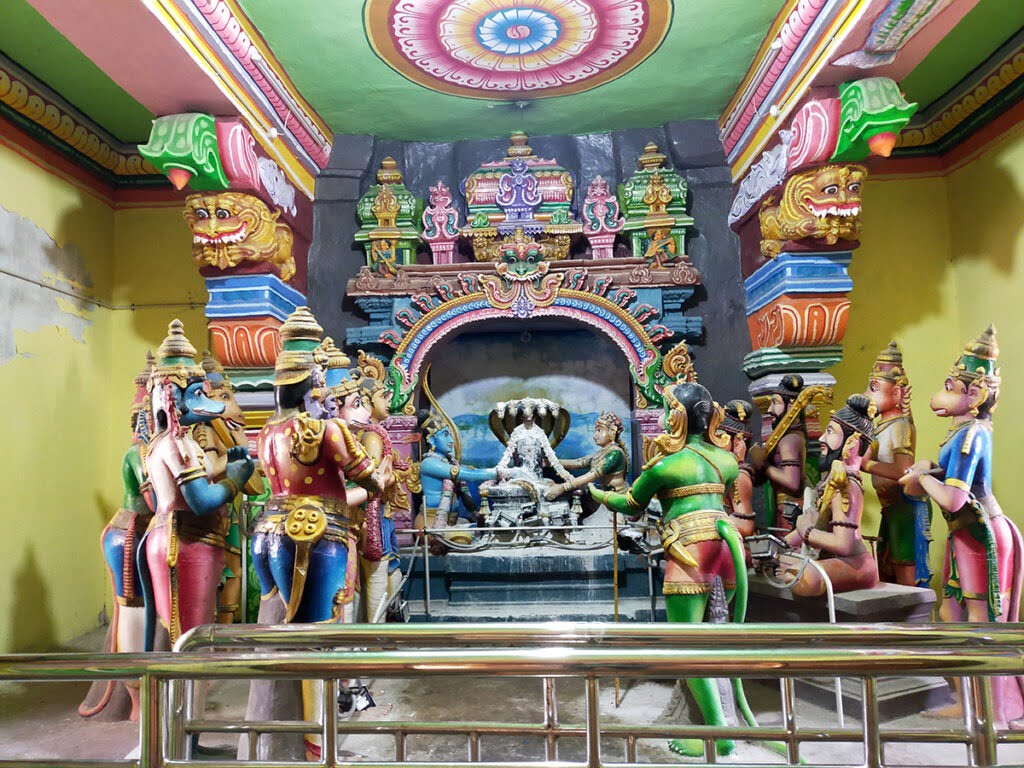
Rama wanted to have the biggest Lingam (an aniconic form of Shiva) for his worship. He sent his devoted follower, Lord Hanuman, to Mount Kailash in the Himalayas to bring a sacred Lingam. But when the time for the installation came near and Hanuman had not returned, Sita, out of her great devotion, made a Lingam from the sand on the beach. This Lingam, sanctified by Lord Rama himself, is called the Ramalingam and is the main deity in the sanctum of the temple.
When Hanuman did eventually come from Kailash with the Lingam he had carried, the Vishvalingam, he was understandably upset that the ceremony had already been performed. To placate Hanuman and as a tribute to his exertion, Lord Rama decreed that the Vishvalingam must always be worshipped first, ahead of the Ramalingam. This ritual is carefully observed even today, a lovely reminder of Rama’s kindness and Hanuman’s love.
Moreover, the region itself, Sethu Karai, roughly 22 km short of Rameswaram Island, is said to have been the site from where Lord Rama used his Vanara Sena (army of monkeys) and the engineering skills of Nala to build the mythical floating stone bridge, Rama Setu (or Adam’s Bridge), in order to reach Lanka. This amazing bridge, constructed of stones that somehow floated on water, is a symbol of unshakeable faith and God’s power. Geological studies indicate that this series of limestone shoals was actually an erstwhile land bridge connecting India and Sri Lanka, an intriguing mix of myth and potential historical fact.
Read More>> Aundha Nagnath Temple: 8th Jyothirling with Divine Serpents
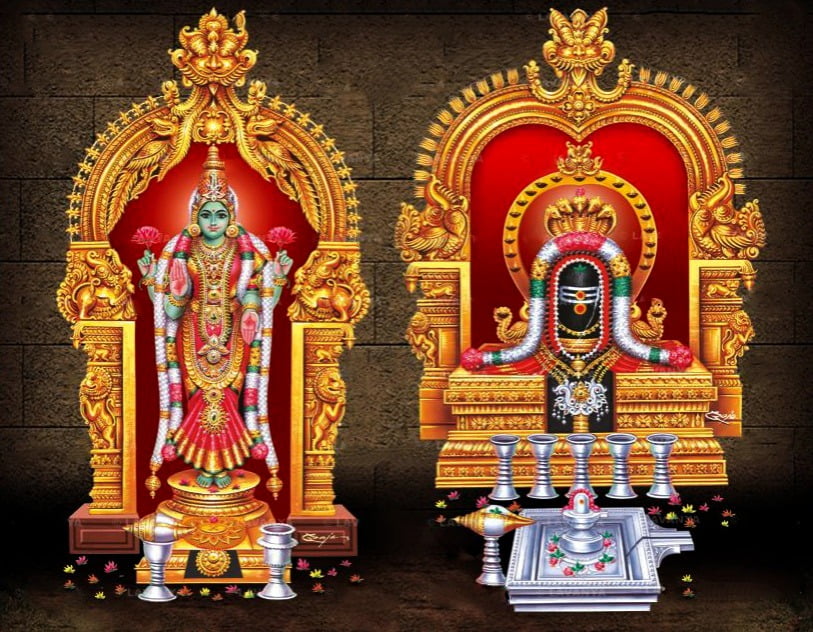
Cultural, Spiritual, and Mythological Significance of the Temple: A Confluence of Faith
This temple holds important values in Hinduism and, therefore, a prime pilgrimage site.
Part of the Twelve Jyotirlingas: This is one of the twelve most sacred Jyotirlinga temples dedicated to Lord Shiva. A Jyotirlinga represents a splendorous column of light. It is a realization of Shiva’s ultimate truth. Worship at a Jyotirlinga is said to have great propitious and purifying effects.
Char Dham Pilgrimage: The temple is also one of the four holy Char Dham pilgrimage centers in India, along with Badrinath, Dwarka, and Jagannath Puri. Pilgrimage to the Char Dham is said to reward moksha (salvation) to pilgrims. It’s said that a pilgrimage to Kasi (Varanasi) isn’t complete unless one goes to Rameswaram.
The 22 Theerthams: One of the peculiarly spiritual experiences of a visit to the Rameshwaram Temple is ritual bath in its 22 Theerthams (holy water bodies). Twenty-two of these lie within the temple premises themselves, and each is said to have unique spiritual and even medicinal powers. The significance of the number 22 is said to be that of the 22 arrows in the quiver of Lord Rama.
The major Theerthas include the first and most important one: Agni Theertham, which is the sea or Bay of Bengal just outside the temple. Traditionally pilgrims take a dip in Agni Theertham before they bathe in the 22 wells within the temple, often under the instructions of priests who are cleansed and have all sins washed from their soul. It is considered that this ritual cleansing is equal to performing penance.
Shaivite and Vaishnavite Concord: What’s really lovely about the Ramanathaswamy Temple is its special status as a holy place shared by both Shaivites (worshippers of Shiva) and Vaishnavites (worshippers of Vishnu). Lord Rama, an incarnation of Vishnu, founded the Shiva Lingam here, which signifies the natural harmony of these two great Hindu sects.
Paadal Petra Sthalam: The temple is also among the 227 Paadal Petra Sthalams, and there the three sacred Nayanar saints – Appar, Sundarar, and Tirugnana Sambandar – have sung praises in honor of the presiding deity, further establishing its religious importance.
Read More>> Grishneshwar Temple: Wealth and Pleasure at Shiva’s Feet
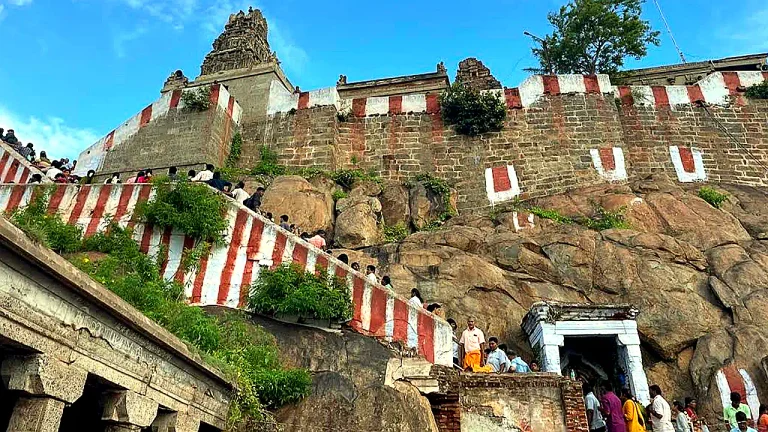

Festivals: Celebrating Divine Grandeur
The Ramanathaswamy Temple is a hub of activity, particularly during its many festivals, which are attended by huge numbers of devotees.
Maha Shivaratri (February/March): This is perhaps the most important festival observed at all Jyotirlinga shrines, including Rameswaram. It lasts for ten days, marking the “Great Night of Shiva” and is observed with rich rituals, processions, and passionate devotion.
Thirukkalyanam (July/August): This is the longest and one of the most celebrated festivals, spanning seventeen days. It marks the celestial wedding of Lord Ramanathaswamy with Goddess Parvathavardhini. The Vedas are recited daily, accompanied by grand processions and cultural programs. Witnessing this divine marriage ceremony is considered highly auspicious.
Vasanthotsavam (May/June): A spring festival of ten days in which the deity is bathed with Abhishekham with sandal paste, flowers, rose water, and other cooling items.
Ramalinga Pratishtha (May/June): A three-day festival observed to mark the installation and worship of the Shivalingam that Sita formed and Lord Rama worshipped. Idols of Lord Ramanathaswamy and Lord Rama are taken out in pompous processions along temple streets.
Adi Amavasai Festival (July/August): Adi Amavasai, new moon day in the month of Aadi, is of great significance, particularly for worship of deceased ancestors. Special prayers, rituals, and offerings are done for the peace of souls. The pilgrim influx is huge this day.
Navaratri & Dasara (September/October): A ten-day festival in honor of the Goddess.
On Fridays, there is a special procession at 9 PM during which Goddess Parvathavardhini is carried around the third prakara (enclosure) in a golden palanquin.
In general, the Rameshwaram temple sees maximum traffic during these big festivals and during the winter season (October to March), when the climate is most favorable for travel and darshan. Weekends and national holidays are also festive days.
Read More>> Sacred 12 Jyotirlingas in India: A Symbol of Eternal Spirit
Distinct Architectural Styles and Carvings: A Marvel of Art
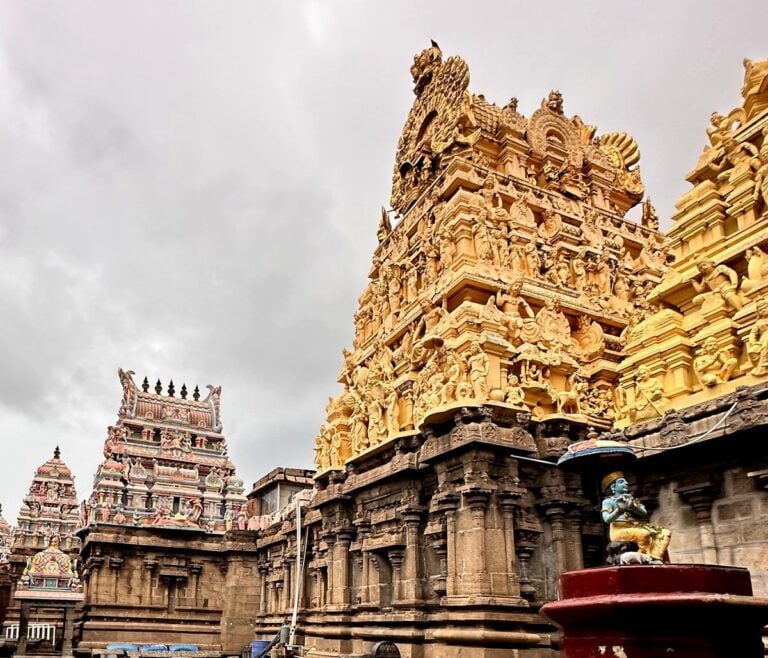
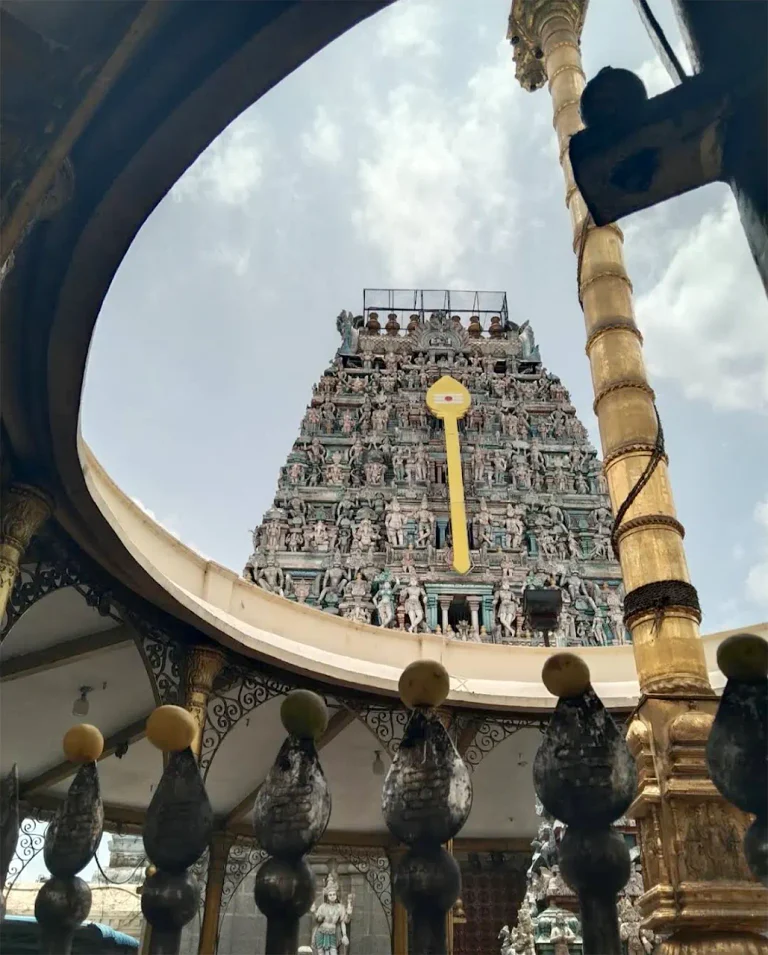
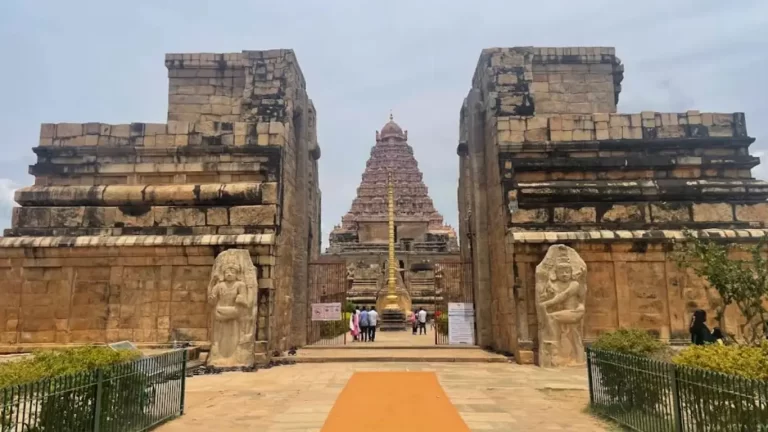
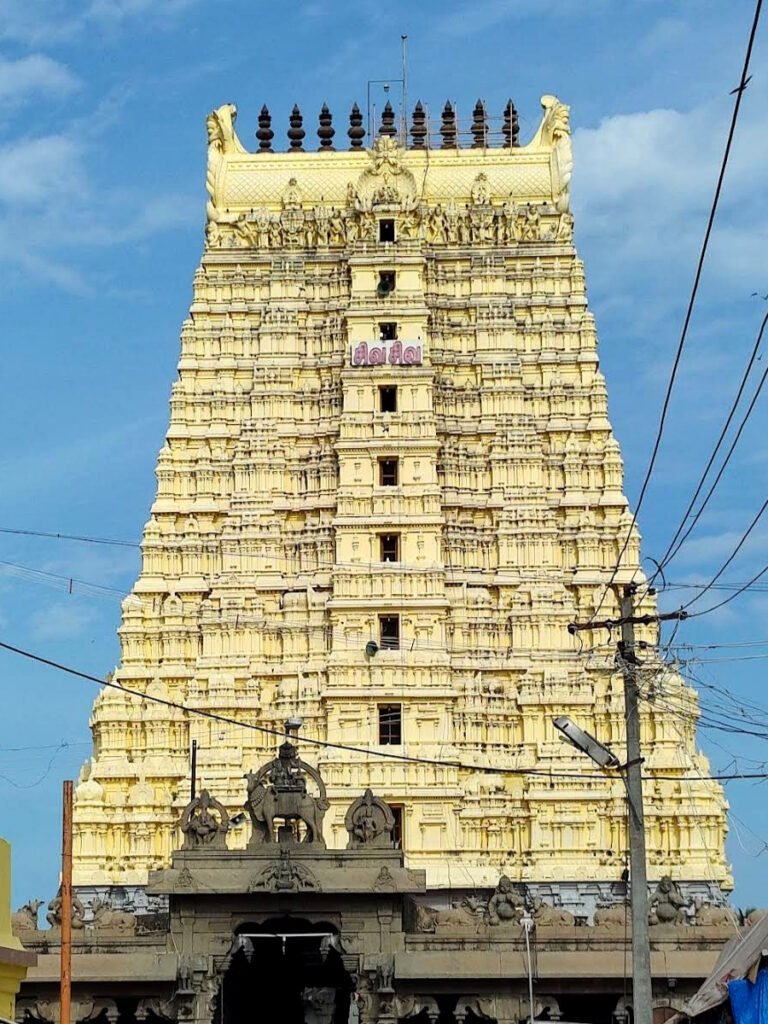
Get ready to be awed by the sheer architectural splendor of the Ramanathaswamy Temple. Occupying a sprawling space of around 15 acres, it’s a beacon of Dravidian architecture, typified by its soaring gopurams (richly decorated gateway towers), massive walls, and refined carvings.
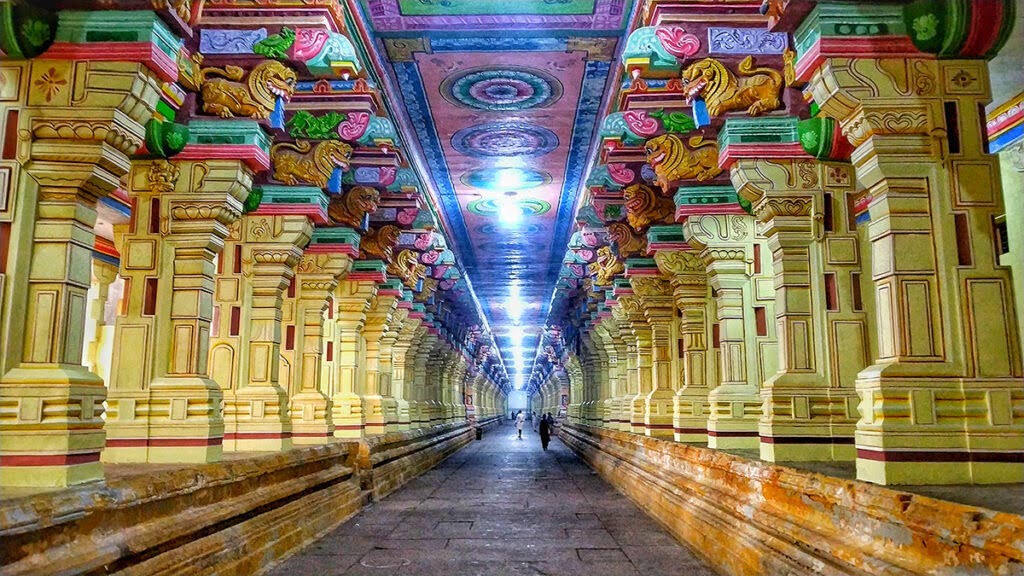
The Longest Corridor: The most breathtaking aspect is sure to be the temple’s awe-inspiring corridors, most notably the “Third Corridor.” This is allegedly the longest corridor of all the Hindu temples in India, and quite possibly the world. It stretches an incredible 197 meters (about 646 feet) from East to West and 133 meters (about 436 feet) from South to North.
Imagine walking through this seemingly endless expanse, flanked on both sides by more than 4,000 intricately carved granite pillars, each a testament to the skills of the artisans of bygone eras. What makes it even more remarkable, however, is that this granite was brought from other parts of Tamil Nadu and probably carried across sea to Rameswaram Islanda monumental undertaking for its time.
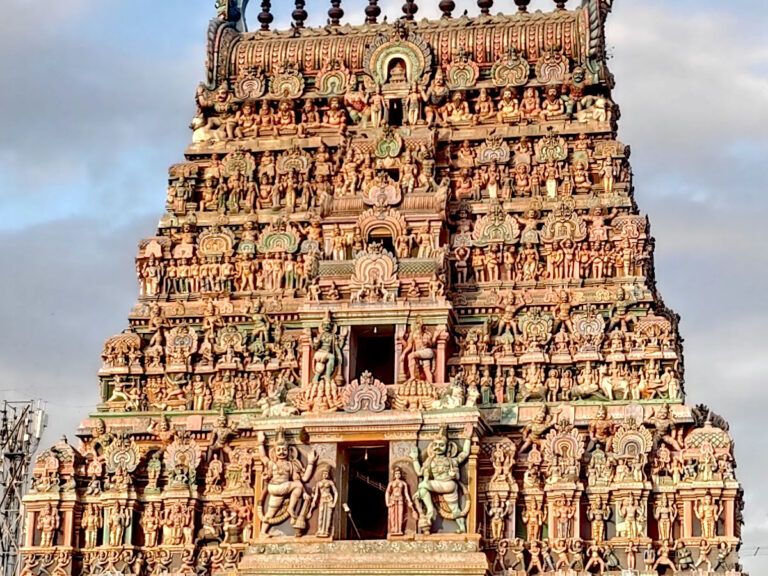
Gopurams: The Eastern Rajagopuram, reaching a height of 126 feet with nine stories, is especially impressive. Although the Western Rajagopuram is also imposing, it’s not so high as the eastern one. These gopurams are decorated with stucco depictions of gods and mythological beings.
Nandi: You’ll also encounter a colossal stucco image of Nandi, Lord Shiva’s bull vehicle, standing about 18 feet tall and 22 feet long, truly a sight to behold.
Other Shrines and Halls: Within the Rameshwaram temple complex, you’ll find separate shrines dedicated to Ramanathaswamy (Shiva) and his consort Goddess Parvathavardhini, separated by a corridor. There are shrines dedicated to Goddess Vishalakshi, Lord Vinayaka, Lord Subrahmanya, and a special one to Sage Patanjali, whose samadhi is said to be present here. The temple has numerous halls such as Anuppu Mandapam, Sukravara Mandapam, Setupati Mandapam, Kalyana Mandapam, and Nandi Mandapam, each with their own historical and architectural importance.
A unique chessboard-like structure known as Chokkattan Madapam is formed by the intersection of the third corridor on the west and the paved path leading from the western gopuram to the Setumadhava shrine. Thus, the sheer scale and meticulous detail of carvings depicting scenes from Hindu mythology and deities really makes the Rameshwaram Temple an architectural miracle that borders on the transcending of religious importance, appealing to both the art and history lover.
Read More>> Sri Puri Jagannath Temple: The Lord of the Universe
Myths and Beliefs: Reveal the Mysteries
Aside from the confirmed myths, some intriguing myths and beliefs revolve around the Ramanathaswamy Temple, contributing to its mystery.
The Rama Setu Floating Stones: As we talked about, belief in floating stones, the remains of Rama Setu, is very strong. To this day, you may spot local traders selling these stones, telling people that they float when submerged in water. Although scientists provide explanations such as pumice stone, to the believers, it’s a living miracle, a sign of divine authority and power of faith.
The Endless Depth of the Jyotirlinga: One of the most fascinating beliefs pertaining to the primary Jyotirlinga is its allegedly endless depth. Notwithstanding the thousands of worshipers pouring milk, water, honey, and holy powders over it every day, the Lingam supposedly swallows them all without brimming over, as if there is no bottom. Many interpret this as a representation of the boundless nature of the universe and the endless presence of Shiva. Priests describe the phenomenon with reverence, proposing a direct link to cosmic energies.
Kodi Theertham: Inside the Rameshwaram temple, the Kodi Theertham is said to be the place where Lord Rama, having installed the Lingam, shot an arrow into the ground to tap a spring of pure water from the ocean’s saltwater, in order to conduct Abhishekam. A bath in this Theertham is said to wash away all sins.
Jada Theertham: Jada Theertham is along the route to Dhanushkodi, where Lord Rama reportedly washed his hair (jada) before praying at Lord Shiva’s shrine. These Theerthams inside and outside the temple complex are not merely water sources; they are sacred with the devotionals and tales surrounding them and are the fulcrum of the pilgrim experience.
Hanuman’s Failure to Remove: The tale of Hanuman attempting to pull out Sita’s sand Lingam in rage, but being unsuccessful, is another widely accepted folklore. There is said to be a deity of Hanuman attempting to lift the Ramalingam near the entrance, which reminds us of this instance.
These legends and beliefs, literal or symbolic, richly enrich the religious experience of a visit to the Rameshwaram Temple, inducing a sense of awe and association with divine stories.
Read More>> Ranganathaswamy Temple Srirangam
Rameshwaram Temple Timings: Planning Your Sacred Visit
For a seamless and rewarding visit to the Ramanathaswamy Temple, it is important to know its timings. The temple typically functions in two shifts a day:
Morning: 5:00 AM to 1:00 PM
Evening: 3:00 PM to 9:00 PM
Kindly note that these hours do occasionally change on special occasions, festivals, or for certain rituals. It’s always best to verify through official sources or ask locally for the latest schedule prior to your visit.
One of the most unique rituals to behold is the Spatika Linga Darshanam or Mani Darshan, which is usually held early in the morning, between 5:00 AM and 6:00 AM. This entails the darshan of a precious crystal Lingam (said to be of Sheshnag, the serpent upon which Lord Vishnu reclines). Both general and special tickets can be procured for this once-in-a-lifetime darshan, providing a really auspicious beginning to your day at the Rameshwaram temple.
For general darshan, the temple is normally open between 6:00 AM to 1:00 PM and later between 3:00 PM and 8:30 PM. Special poojas may have special timings during the day. If you want to take part in an Abhishekam (ritual bath of the deity with milk, honey, sandalwood paste), these are normally done early morning, between 4:30 AM to 6:00 AM, to the sound of Vedic hymns. Thousands of devotees attend to take part in this sacred ritual.
To miss the maximum queues, particularly during peak seasons such as festivals or winter, it’s best to go to the temple early in the morning, preferably before 9 AM, or in the late afternoon/evening.


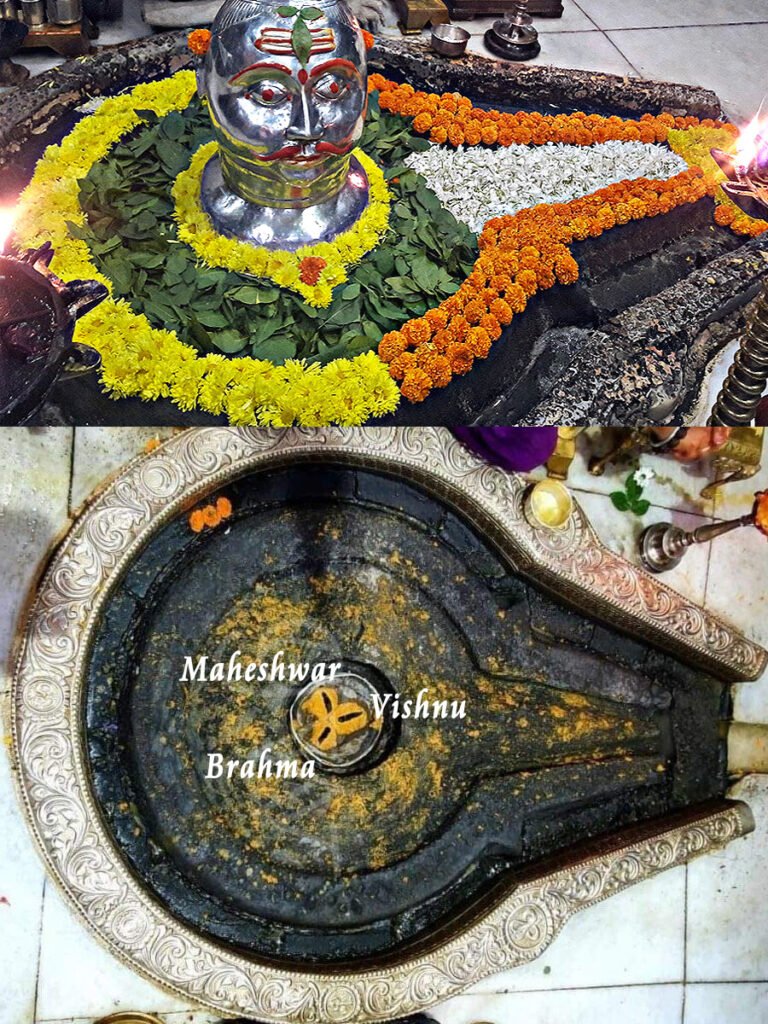
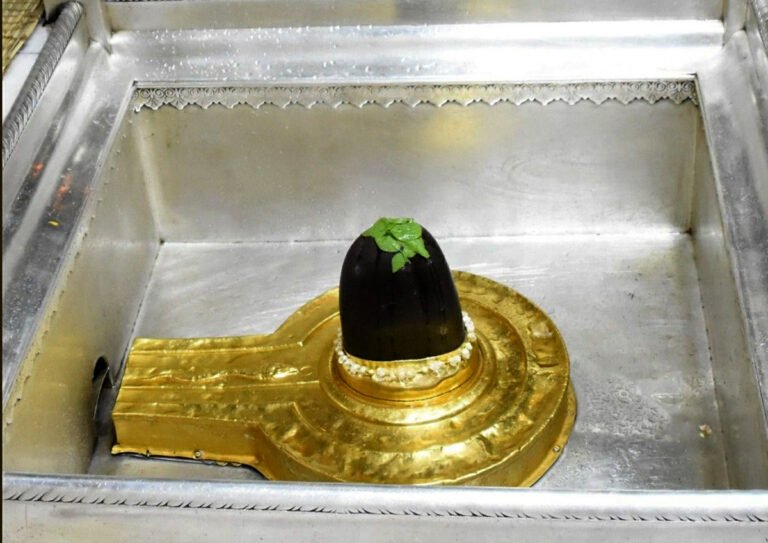
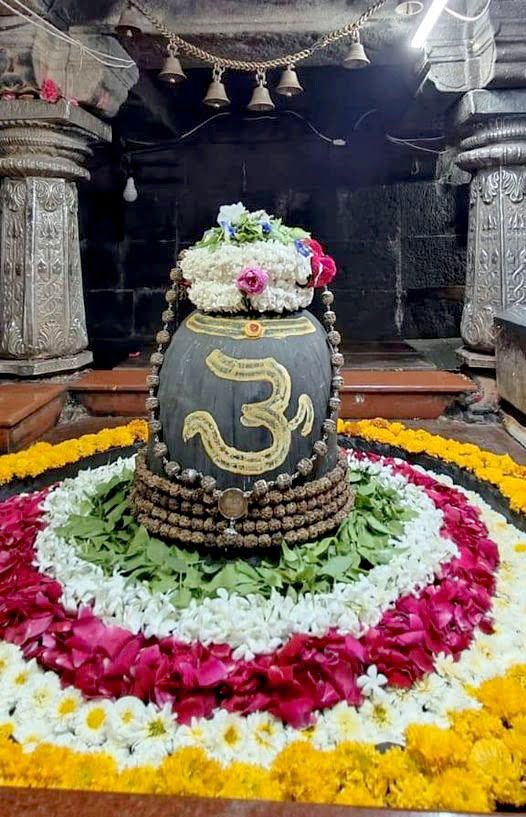
Special Poojas Performed: Deepening Your Devotion
The Ramanathaswamy Temple has a range of special poojas and rituals that one can take part in or observe to enhance one’s religious experience. They vary from complicated Abhishekams to particular Archanas. Although some are routine rituals done on a daily basis, others are done on special days.
Read More>> Sacred 12 Jyotirlingas in India: A Symbol of Eternal Spirit
Some of the following distinctive poojas are worth mentioning:
Spatika Linga Deepa Arathana (Mani Darshanam): As already said, this is a solemn ritual performed at 5:10 A.M. in the morning where the crystal lingam is worshipped. Many pilgrims prefer this darshan.
1008 Silver Kalasa Abishegam / 108 Silver Kalasa Abishegam: This includes the ritual bathing of the deity with sacred water from 1008 or 108 silver pots, along with specific mantras.
108 Sangabishegam: This involves 108 conch shells filled with sacred water.
Rudrajapam: Chanting of the holy Rudra mantras, in devotion to Lord Shiva.
Swami Sahasranama Archanai / Ambal Sahasranama Archanai: Chanting of 1000 names of Lord Ramanathaswamy or Goddess Parvathavardhini, respectively.
Panchamirtha Abishegam: Abhishekam done with five holy ingredients: milk, curd, ghee, honey, and sugar.
Gangabishegam with Ganges & Vessel: Abhishekam done using holy water fetched from the Ganges River, usually by pilgrims who travel from Rameswaram to Varanasi and return.
Silver Car Procession / Ambal Gold Car Procession: On specific special occasions, the Utsava Murti of the Lord or the Goddess is taken out on a grand procession in a silver or golden chariot on the streets of the temple.
Taking part in such poojas is said to grant blessings, fulfill wishes, and result in spiritual elevation. The priests will generally be willing to assist you in the procedure if you are inclined to conduct any given pooja. For detailed information visit temple Official Website.
Places to visit near Ramanathaswamy Temple:
No trip to Rameswaram would be complete without visiting the other important Hindu sites that are strongly associated with the myths of the Ramanathaswamy Temple.
Agnitheertham: Just a short walk from the temple, this sacred sea bath is where pilgrims traditionally take their first dip before entering the Rameshwaram Temple. It’s believed that Lord Rama himself took a bath here to purify himself after the war. The serene waters and the sunrise views are truly breathtaking.
Panchamukhi Hanuman Temple (Five-faced Hanuman Temple): This special temple, about 2 km from the main temple, is devoted to Lord Hanuman, who is said to have shown his five faces (Panchamukhi) here. It’s a spiritually charged and powerful site for Hanuman devotees.
Kothandaramaswamy Temple: Nestled amidst the surrounding beauty of the Bay of Bengal and Gulf of Mannar, at a distance of about 12 km from the main temple, this ancient temple is believed to be more than 1000 years old. It’s supposed to be where Vibhishana, the brother of Ravana, surrendered to Lord Rama. The temple has miraculously survived many cyclones, including the deadly one in 1964.
Gandamadana Parvatham (Lord Rama’s Footprint): Some 3 km from the temple, this hillock provides sweeping views of Rameswaram Island. It is said to be where Lord Rama rested while he was looking for Sita, and you have impressions of his feet on a chakra here. It’s said to be the island’s highest point and provides a great vantage point.
Dhanushkodi: This sad “ghost town,” situated some 20 km from Rameswaram, was destroyed by a cyclone in 1964. It’s said to be the beginning of the Rama Setu. The remains of the ancient town, the meeting of the Bay of Bengal and the Indian Ocean, and the unadulterated beauty of the terrain make it an intense and contemplative place to see. It is here that Lord Rama is reported to have snapped the bridge using his bow (Dhanush) at the request of Vibhishana, having rescued Sita.
Pamban Bridge: Although not a religious destination per se, the Pamban Bridge is an engineering masterpiece that links Rameswaram Island to the Indian mainland. It’s India’s first seabrige, with stunning ocean views. The railway bridge, which swings open for ships to pass, is especially interesting to observe.
Jatayu Theertham: This is one of the important places connected with the Ramayana, where Jatayu, the legendary bird who attacked Ravana as he was kidnapping Sita, fell.
Villondi Theertham: It is the place where Lord Rama dipped an arrow into the ocean, making the salty water drinkable to satisfy Sita’s thirst, and where he buried his bow and arrow.
These websites provide a more in-depth look at the rich mythological fabric of the Ramanathaswamy Temple and the whole island of Rameswaram.
Read More>> 3BCE Pathala Sembhu Murugan Temple: Underground Copper Pot
Accommodation Options: Where to Stay
Rameswaram, as a foremost pilgrimage and tourist spot, has a variety of accommodation options available to cater to different budgets and tastes. You can find anything ranging from low-budget guesthouses to cozier hotels.
Around the Temple: Numerous hotels and lodges are situated within easy walking distance of the Ramanathaswamy Temple, allowing devotees to visit the temple several times or engage in early morning rituals such as the Spatika Linga Darshanam. Some such hotels and lodges include Hotel Sangeeth Palace, Hotel Dusk and Dawn, Hotel Brindavan Elite, HOTEL NNP GRAND, and Hotel Ramleela.
Mid-Range Options: Hotels such as Daiwik Hotels Rameswaram provide good facilities, such as spas and restaurants, and are normally close to the temple. Vinayaga by Poppys, Rameshwaram, and Hotel Star Palace are also good options in this range, normally complimented on being near temples and being clean.
Higher End: For greater luxury, The Residency Towers, Rameswaram, is a highly recommended choice, usually getting very good ratings for comfort and service.
Budget Stays: There are plenty of budget hotels and guest houses to stay in, including Hotel SS Palace and HOTEL TAIKA, that offer minimal but clean facilities for pilgrims.
It is best to pre-book your accommodations, particularly if you’re going between the peak season months (October to March) or during large festivals, as the rooms tend to get filled up early. Packages inclusive of temple darshan arrangements are also available in many hotels.
Read More>> Lalita Devi Temple Naimisharanya
How to reach Ramanathaswamy Temple:
The journey to the Ramanathaswamy Temple in Rameswaram is quite easy since the island is well-linked by road and rail.
By Air: The nearest airports are:
Madurai Airport (IXM): Around 170 km from Rameswaram.
Tuticorin Airport (TCR): Around 180 km from Rameswaram.
From either airport, a taxi or bus can be rented to get to Rameswaram. Madurai is usually the better-connected and more used airport.
By Train: Rameswaram also has a railway station, Rameswaram Railway Station (RMM), which is conveniently connected to major cities in Tamil Nadu and throughout India. Most pilgrims find it preferable to travel by train as it is an easy and scenic mode of transport, given that the train also passes over the Pamban Bridge. The railway station itself is not far from the temple, and auto-rickshaws or taxis are readily available to take you to your accommodation or the temple itself.
By Road: Rameswaram can also be reached by road through the magnificent Pamban Bridge.
The moment you are at Rameswaram, the Ramanathaswamy Temple is strategically located and can be accessed with ease through auto-rickshaws, cycle rickshaws, or even walking if your stay is near.
Read More>> Airavatesvara Temple Darasuram
Frequently Asked Questions (FAQs) About Ramanathaswamy Temple
As your guide, I get asked some general questions about this wonderful temple. Let me answer a few:
Is bathing in the 22 Theerthams mandatory? While not mandatory per se, it is strongly encouraged and part of the active pilgrimage tradition at the Ramanathaswamy Temple. Believers consider it to cleanse the soul and forgive sins. Facilities for changing clothes after the ritual bath are provided.
What is the temple dress code? Yes, there is a traditional dress code. Men are usually supposed to wear dhotis or trousers along with shirts and need to remove their shirts prior to entering the sanctum sanctorum. Women should be modestly dressed, preferably in sarees or salwar kameez. Tight fitting clothes like shorts or sleeveless shirts are usually not welcome.
How long does darshan at the temple take? Darshan can take anything between 2 to 4 hours during peak season and festivals if you want to bathe in all 22 Theerthams and get time to absorb the temple’s ambiance. On off days, it would be faster, about 1-2 hours.
Is Rameswaram safe at night? Rameswaram is mostly a safe destination for pilgrims and travelers. Yet, as with any travel site, it’s always a good idea to take precautions, particularly when exploring independently after sunset (around 10 PM). The temple areas are normally well-lit and congested.
Why is Rameswaram significant to Hindus? In addition to being a Jyotirlinga and Char Dham temple, Rameswaram derives significance from the fact that it is directly associated with Lord Rama and the Ramayana. It is said to be the temple where Rama worshipped Shiva, marking the unity of Vaishnavite and Shaivite traditions, and where the mythical bridge to Lanka commenced. Pilgrimage to this place is considered a must for spiritual satisfaction and moksha.
My friends, as we end our online tour of the awe-inspiring Ramanathaswamy Temple, I hope you have better understood its rich history, entrancing myths, and vast spiritual heritage. This is not a mere temple; it’s a living tapestry infused with faith, piety, and architectural brilliance. The peaceful environment, the whispers of the ancient chants, and the history that every stone carves into your being really make the Rameshwaram Temple a soul-touching experience that leaves an unforgettable stamp on your heart. I sincerely hope you do get to travel to this amazing place and feel its divine presence yourself. Jai Bholenath!