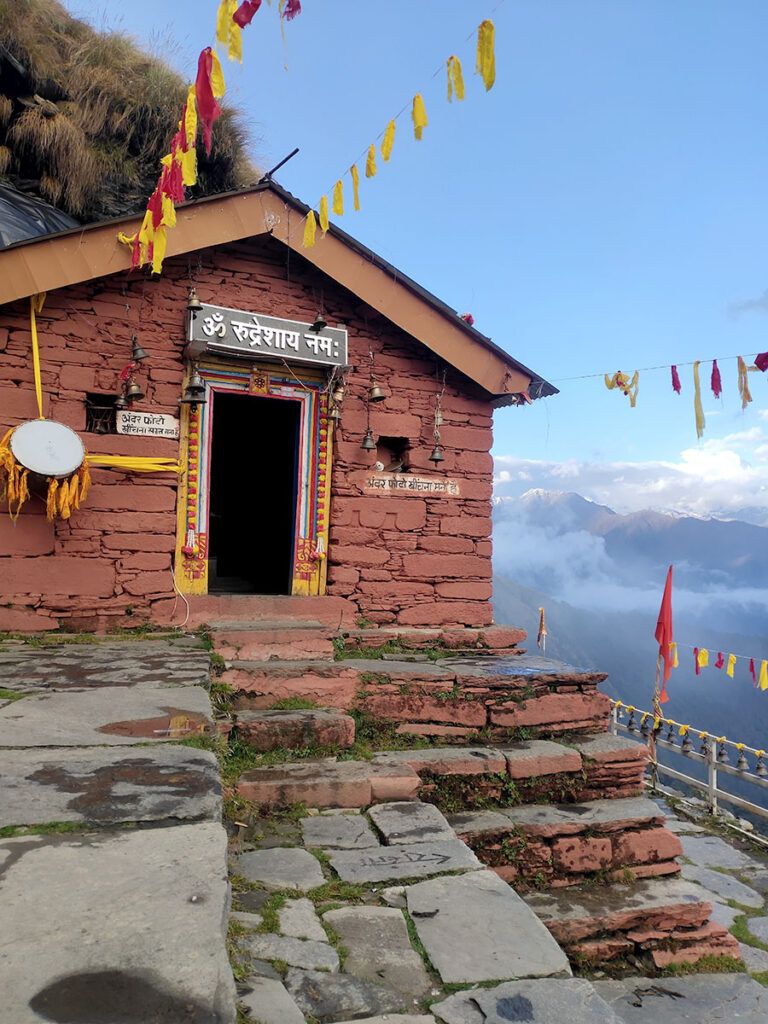
Abimukeswarar Temple, Kumbakonam: Timings, History, Significance, and Pilgrimage Guide
The Abimukeswarar Temple (also spelled Abhimukheswarar Temple) is an ancient, revered Hindu temple dedicated to Lord Shiva, located on the eastern bank of the world-renowned Mahamaham Tank in the temple town of Kumbakonam, Tamil Nadu. Revered as one of the prominent twelve sacred Shiva temples fundamentally linked to the grand Mahamaham festival, the temple enshrines Lord Shiva as Abimukeswarar alongside his divine consort, Goddess Parvati, worshipped here as Amirthavalli Nayagi (or Soundaranayagi).

Unlike many traditional Shiva temples where the presiding deity faces east while the entrance faces south, here the sanctum sanctorum faces east, looking directly out toward the sacred waters of the Mahamaham tank. For pilgrims visiting the Cauvery delta region, this temple represents a vital spiritual stop known for granting peace of mind, relief from planetary afflictions, and ancestral blessings.
Quick Information: Sri Abimukeswarar Temple, Kumbakonam
| Feature | Details |
| Temple Name | Sri Abimukeswarar Temple (Arulmigu Abhimukheswarar Thirukoil) |
| Main Deity | Lord Abimukeswarar (Lord Shiva as an auspicious Swayambhu/Pratishtha Lingam) |
| Consort (Ambal) | Goddess Amirthavalli Nayagi / Soundaranayagi (Goddess Parvati) |
| Location | Eastern Bank, Mahamaham Tank, Kumbakonam, Thanjavur District, Tamil Nadu |
| Pincode | 612001 |
| Affiliation & Governance | Hindu Religious and Charitable Endowments (HR&CE) Department, Tamil Nadu |
| Temple Category | One of the 12 Sacred Shiva Temples of the Mahamaham Festival Circuit |
| Morning Darshan Timings | 6:00 AM – 12:00 PM (open daily; festival hours may vary) |
| Evening Darshan Timings | 4:30 PM – 8:30 PM (extended up to 9:30 PM on Pradosham & Shivaratri) |
| Pooja Schedule | Ushakkala Pooja (Morning), Uchikkala Pooja (Noon), Sayaraksha Pooja (Evening), Arthajama Pooja (Night) |
| Key Festivals | Mahamaham (once every 12 years), Masi Magam (annual), Maha Shivaratri, Margazhi Tiruvadhirai, Panguni Uthiram |
| Special Parikara / Worship | Planetary dosha relief (Rahu-Ketu, Chandra doshas), ancestral peace, health, and removal of obstacles |
| Dress Code | Traditional attire recommended (Dhoti/Kurta for men; Saree/Salwar for women; western shorts/sleeveless restricted) |
| Nearest Railway Station | Kumbakonam Railway Station (Station Code: KMU) — approx. 1.5 to 2 km |
| Nearest Airport | Tiruchirappalli International Airport (TRZ) — approx. 95 km |
Continue Reading >> Karpaga Vinayagar Temple Pillayarpatti – 5th century Temple

The Sacred Sthala Purana and Legends
To understand the spiritual atmosphere of the Abimukeswarar Temple, one must explore the rich mythological origins that tie Kumbakonam to the cosmic recreation of life.
1. The Myth of the Cosmic Pot (Amrita Kalasa)
According to the Sthala Purana documented in regional temple literature and the Bhavishyottara Purana, Lord Brahma was deeply concerned about the destruction of Vedic knowledge, seeds of creation, and sacred texts prior to the great cosmic deluge (Pralaya). Lord Shiva instructed Brahma to prepare a divine pot (Amrita Kalasa) filled with the essence of all creation, divine nectar (amrita), and sacred sand, and set it afloat on the surging waters of the deluge.
When the flood subsided, the cosmic pot came to rest at the spot now celebrated as the temple city of Kumbakonam. Lord Shiva took the form of a hunter (Kirata) and shot a divine arrow at the pot. The pot broke, and its nectar spilled across multiple spots in the surrounding area, creating the holy tanks and self-manifested shrines of the town.
The spot where a specific portion of the nectar and divine fragrance settled on the eastern bank of the holy tank became the sacred abode of Lord Abimukeswarar. The very name of the Goddess here—Amirthavalli—directly commemorates this divine stream of holy nectar (Amrita).
Continue Reading >> Thanumalayan Temple Suchindram
2. The Penance of Sage Agastya
Another widely revered legend associated with this temple involves the diminutive Vedic seer, Sage Agastya. Tradition recounts that when Sage Agastya travelled to South India on the instructions of Lord Shiva to balance the Earth’s spiritual weight during the divine wedding on Mount Kailash, he sanctified numerous shrines along the fertile Cauvery basin.
Arriving at Kumbakonam, Sage Agastya meditated upon Lord Shiva beside the holy waters of the Mahamaham tank. Lord Shiva appeared before the sage, granting him divine darshan facing eastward—hence the name Abhimukha (meaning “facing toward” or “looking favorably upon”). It is believed that worshipping Lord Abimukeswarar bestows the grace of humility, deep spiritual intellect, and relief from karmic burdens, mirroring the blessings granted to Agastya Maharishi.
Continue Reading >> Dhandayuthapani Swamy Temple, Palani
3. The East-Facing Glance Toward the Mahamaham Waters
In traditional temple orientation, the gaze of the deity is believed to radiate immense spiritual energy. Lord Abimukeswarar’s sanctum directly overlooks the eastern rim of the Mahamaham tank. Local devotees hold that during the sacred bathing festival, the Lord casts his benevolent gaze across all pilgrims taking a holy dip, washing away lifetimes of sins (paapa vimochana).
Continue Reading >> Ranganathaswamy Temple Srirangam

Architectural Highlights and Temple Structure
While not as colossal in physical scale as the grand Adi Kumbeswarar Temple or the intricately sculpted Nageswaran Temple, the Abimukeswarar Temple is a classic example of Chola-era temple design refined by subsequent Nayakar-period restorations.
1. The Rajagopuram and Entrance
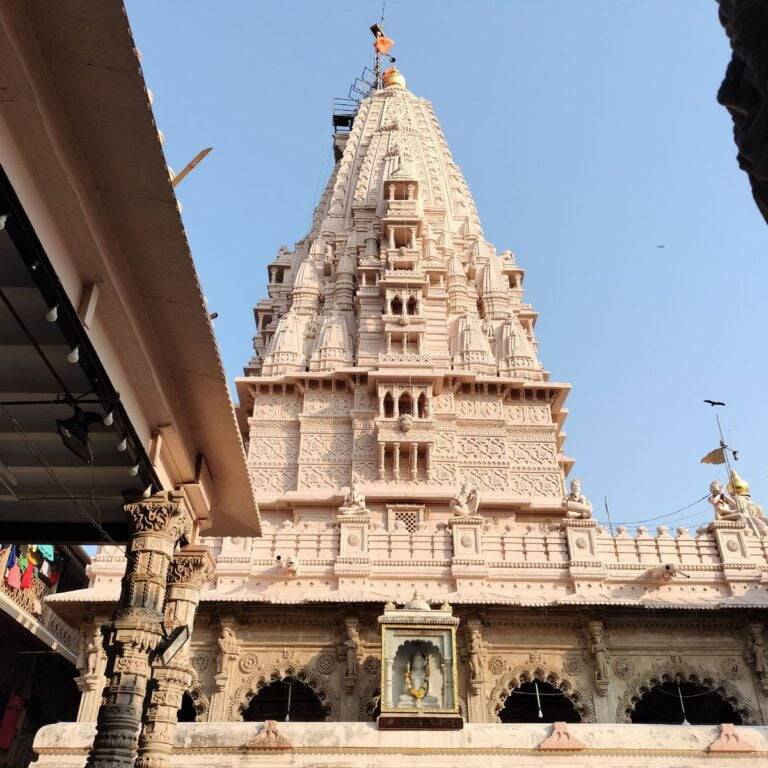
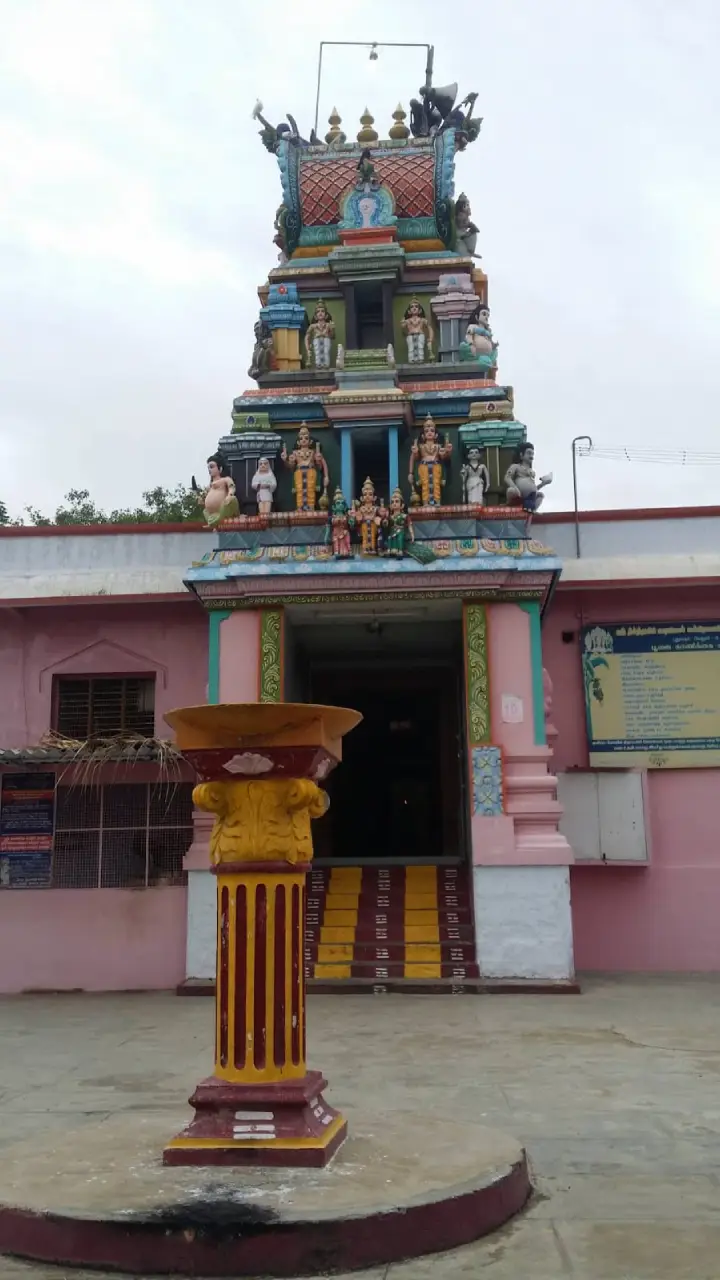
Pilgrims enter the temple through an elegant eastern tower (Rajagopuram) adorned with stucco sculptures depicting classical Saivite legends, the manifestations of Shiva, and scenes from the Puranas. The entrance courtyard immediately offers an open, contemplative environment sheltered from the hustle of the surrounding market streets.
2. The Main Sanctum (Moolasthanam)
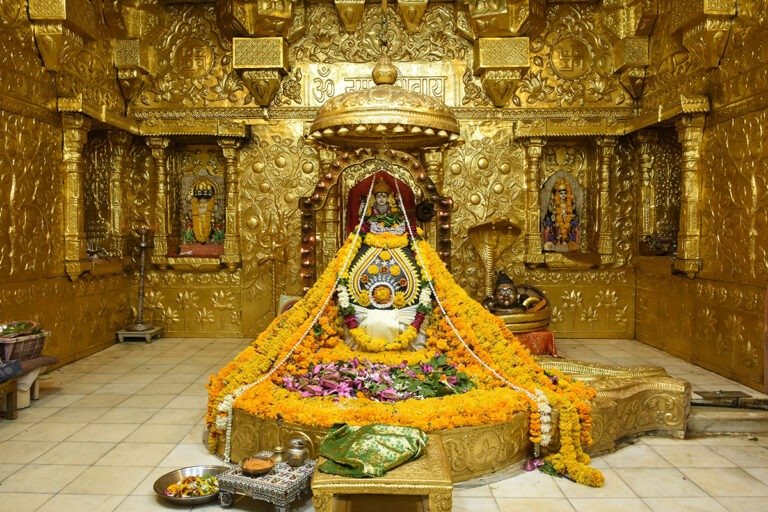
The sanctum sanctorum houses the revered Shivalinga representing Lord Abimukeswarar. Set upon a circular stone base (Avudaiyar), the Lingam radiates a quiet, profound grace. Devotees often remark on the cool, serene energy felt within the Ardha Mandapam during the evening lamps (Deeparadhana).
3. Shrine of Goddess Amirthavalli Nayagi
In a separate adjoining south-facing shrine within the inner corridor stands Goddess Amirthavalli Nayagi (also worshipped as Soundaranayagi). Depicted in a graceful standing posture with four arms, holding the lotus buds and showing the Abhaya (protection) and Varada (boon-giving) mudras, the Goddess is revered as the motherly embodiment of compassion and health. Devotees offer green bangles, turmeric, and silk sarees to seek marital harmony and children.
4. Sub-Shrines and Peripheral Deities
The outer courtyard (prakaram) features dedicated shrines that complete the traditional Saivite pilgrimage circuit:
- Lord Vinayaka (Ganesha): Positioned at the corner to receive the initial prayers before devotees enter the sanctum.
- Lord Murugan with Valli and Deivanai: A serene shrine dedicated to the warrior-philosopher deity.
- Dakshinamurthy: Carved on the southern niche of the outer sanctum wall, receiving special floral offerings on Thursdays.
- Chandikeswarar: The divine accountant of the temple, before whom devotees softly clap hands and meditate to attest their presence.
- Bhairavar, Surya, and Chandra: Dedicated stone murtis situated near the northeastern corner, essential for traditional planetary worship.
- Navagraha Mandapam: A consecrated platform featuring the nine planetary deities, frequently visited for Rahu-Ketu and Shani parikaras.
Continue Reading >> Mahabaleshwar Temple Maharashtra: 1200 yrs Sacred Atmalinga

Spiritual Significance: Why Devotees Visit This Temple
The Abimukeswarar Temple is not merely a sightseeing stop; it holds distinct spiritual significance within the cultural fabric of Tamil Nadu’s temple heritage.
1. Pivot of the Sacred Mahamaham Theerthavari
Once every twelve years, during the astrological transit of Jupiter (Guru) into Leo (Simha Rasi) coinciding with the full moon day of the Tamil month of Masi (February–March), Kumbakonam hosts the mammoth Mahamaham festival. During this event, the processional deities (Utsava Murtis) of the twelve principal Shiva temples are brought in majestic procession to the banks of the Mahamaham tank for the grand water immersion ritual known as Theerthavari.
Because Abimukeswarar Temple sits squarely on the eastern bank of the tank, it plays a frontline ceremonial role during the festival rites, witnessing millions of devotees gathering for the purification dip.
2. Planetary and Astrological Remedies (Parikara Sthalam)
In traditional Vedic astrology, devotees suffering from:
- Afflictions of the Moon (Chandra Dosha),
- Emotional turbulence, distress, or mental anxiety,
- Rahu-Ketu doshas or Sarpa doshas, frequently visit Lord Abimukeswarar and Mother Amirthavalli. Because the temple is intrinsically associated with Amrita (the nectar of eternal vitality that emerged during the churning of the ocean, which is deeply linked to the mythology of Rahu and Ketu), offering milk abhishekam and archana here is believed to pacify malefic planetary influences.
3. Relief from Pitru Dosha and Ancestral Karma
Because the adjoining Mahamaham tank is celebrated as one of India’s most auspicious theerthams for offering oblations to ancestors (Tarpanam and Pinda Daanam), devotees routinely complete their ancestral rites on the banks of the tank and immediately visit the Abimukeswarar Temple to conclude their prayers and seek divine blessings.

Abimukeswarar Temple Timings and Rituals
The temple follows classical Agamic Saivite traditions. Devotees planning their day in Kumbakonam should note the standard schedule:
Regular Temple Hours
- Morning Opening: 6:00 AM to 12:00 PM
- Afternoon Closure: 12:00 PM to 4:30 PM (Temple sanctum remains closed during the afternoon)
- Evening Opening: 4:30 PM to 8:30 PM (often extends to 9:30 PM on auspicious days)
Daily Pooja Timings
- Ushakkalam (Dawn Pooja): ~7:00 AM – Awakening ritual, abhishekam, and morning naivedyam.
- Kalasandhi Pooja: ~8:30 AM – Morning floral worship and archana services.
- Uchikkalam (Midday Pooja): ~11:30 AM – Closes the morning worship with aarti.
- Sayarakshai (Evening Pooja): ~5:30 PM – Popular among locals who gather for the deeparadhana.
- Arthajamam (Night Pooja): ~8:00 PM – The final ritual before closing the sanctum for the night.
Note for Visitors: On auspicious occasions such as Pradosham, Maha Shivaratri, and Karthigai Somavaram (Mondays), the timings extend, and special abhishekam ceremonies are conducted for the Shivalinga and Nandi.
Major Festivals Celebrated at Abimukeswarar Temple
- Mahamaham (Every 12 Years): The crowning spiritual spectacle of Kumbakonam. The temple features prominent flag hoisting, car processions, and the climatic Theerthavari along the tank.
- Masi Magam (Annual, Feb–March): The annual observance of the Magha constellation, drawing thousands of devotees for special abhishekams and chariot outings.
- Maha Shivaratri (Feb–March): An all-night devotional festival featuring four distinct Kaala Poojas, continuous Vedic chanting, and special bilva leaf archanas.
- Margazhi Tiruvadhirai (Dec–January): Dedicated to the cosmic dance of Lord Nataraja, celebrated with sweet Kali prasadam distribution and early-morning aradhana.
- Navaratri & Aadi Pooram: Special grand alankaram (decorative dressing) is performed for Goddess Amirthavalli Nayagi, who is adorned in sandalwood paste, flowers, and traditional golden ornaments.
How to Reach Abimukeswarar Temple, Kumbakonam
Kumbakonam is one of the most accessible and well-connected pilgrimage centers in South India.
By Air
The nearest commercial airport is Tiruchirappalli International Airport (TRZ), located approximately 95 km away. From the airport, visitors can hire private pre-paid taxis or take express buses via Thanjavur to Kumbakonam, which takes roughly 2 to 2.5 hours by road.
By Train
Kumbakonam Railway Station (KMU) is an important junction with direct express trains linking Chennai, Tiruchirappalli, Madurai, Thanjavur, Rameswaram, Bengaluru, and Coimbatore. The temple is situated just 1.5 to 2 km from the railway station. Auto-rickshaws and local town buses are readily available right outside the station.
By Road
Kumbakonam is well serviced by state transport corporations (SETC and TNSTC) as well as private bus operators. Direct buses run frequently from Chennai (approx. 6–7 hours), Tiruchirappalli, Salem, Madurai, and Bengaluru. The central bus stand is within 2 km of the Mahamaham tank.
Local Navigation to the Temple
Because the temple is situated right on the eastern bank of the Mahamaham tank, any local auto-rickshaw driver will recognize the destination immediately. Visitors exploring the town on foot can easily walk to the temple from the southern or northern edges of the Mahamaham tank within 5 to 10 minutes.
Suggested 1-Day Kumbakonam Mahamaham Temple Circuit
Kumbakonam is affectionately hailed as the “Temple Town” of Tamil Nadu. Pilgrims wishing to experience the rich heritage of the area can easily complete a focused heritage circuit surrounding the Mahamaham tank in a single day:
Practical Pilgrimage Tips for First-Time Visitors
To ensure a smooth, culturally respectful visit, keep these practical tips in mind:
- Footwear Storage: Shoes must be removed before entering the temple compound. Free or nominal paid shoe-keeping stands are available near the entrance of the temple and around the tank perimeter.
- Dress Code Etiquette: Visitors should dress modestly. Men typically wear traditional dhotis, pyjamas, or formal trousers with shirts. Women are advised to wear sarees, half-sarees, or churidars. Shorts, tank tops, and short skirts are strictly discouraged by temple administration across Tamil Nadu.
- Photography Rules: While capturing photos of the temple’s exterior Rajagopuram and the adjoining Mahamaham tank from outside is generally permitted, photography inside the inner sanctum and of the Shivalinga is strictly forbidden. Always respect signage and priest guidelines.
- Best Months to Visit: The winter months from October to March offer the most pleasant weather, with moderate daytime temperatures suitable for walking temple circuits. The summer months (April to June) can be intensely hot in the Cauvery delta, requiring early-morning or late-evening darshans.
- Where to Stay: Kumbakonam provides plenty of lodging options ranging from affordable devotee dharamshalas to modern 3-star pilgrimage hotels located around the bus stand, railway station, and near the Town High School road.
Frequently Asked Questions (FAQs)
What makes Abimukeswarar Temple unique among Kumbakonam temples?
The temple is unique because it sits directly on the eastern bank of the Mahamaham tank, with Lord Shiva facing east to look over the holy water body. It is one of the 12 sacred Shiva temples whose processional deities participate in the historic Mahamaham festival theerthavari.
What are the daily opening and closing hours of Abimukeswarar Temple?
The temple is open every day from 6:00 AM to 12:00 PM in the morning and from 4:30 PM to 8:30 PM in the evening. The doors remain closed during the afternoon hours.
Who is the consort (Ambal) worshipped alongside Lord Abimukeswarar?
The divine consort is Goddess Amirthavalli Nayagi (also known as Soundaranayagi), a manifestation of Goddess Parvati associated with the healing nectar (Amrita) that spilled from the cosmic pot.
Is there an entry fee or special darshan ticket required?
No. General darshan at Abimukeswarar Temple is completely free of charge. Devotees may choose to purchase archana tickets (typically a nominal fee of 5 to 20 rupees) at the counter if they wish to have specific names read during floral offerings.
How far is the temple from Kumbakonam Railway Station?
The temple is approximately 1.5 to 2 kilometers away from the railway station. An auto-rickshaw ride takes less than 10 minutes under regular traffic conditions.
Can elderly visitors access the temple comfortably?
Yes. The temple is constructed on a level courtyard with very few steps to enter the mandapams, making it relatively easy for senior citizens to navigate compared to large multi-tiered hill temples. Wheelchairs can access the outer praharams, though inner sanctums may have minor thresholds.
Preserving the Sacred Heritage of Kumbakonam
The Abimukeswarar Temple stands as a quiet yet powerful testament to the spiritual and cultural legacy of Kumbakonam. Far removed from commercial fanfare, this sacred shrine retains the serene cadence of authentic Tamil Saivite devotion.
Whether you are participating in the celestial joy of the Mahamaham festival, performing quiet prayer for family well-being, or admiring the ancient stone architecture flanking the great tank, a peaceful hour spent at Sri Abimukeswarar Temple connects you directly to centuries of living faith on the banks of the sacred Cauvery.