Ashtavinayak Temples Tour: 8 Shrines, 1 Perfect Road Plan
An Ashtavinayak Temples Tour is much more than just an ordinary travel experience; it is a highly profound and spiritual journey where you will visit the eight self-created (Swayambhu) temples dedicated to Lord Ganesha throughout the majestic landscape of the state of Maharashtra. Mostly situated near the city of Pune, and covering the picturesque coasts of Raigad as well as the historical locations of Ahmednagar district, the distance of the Ashtavinayak Temples Tour is about 800-900 kilometers.
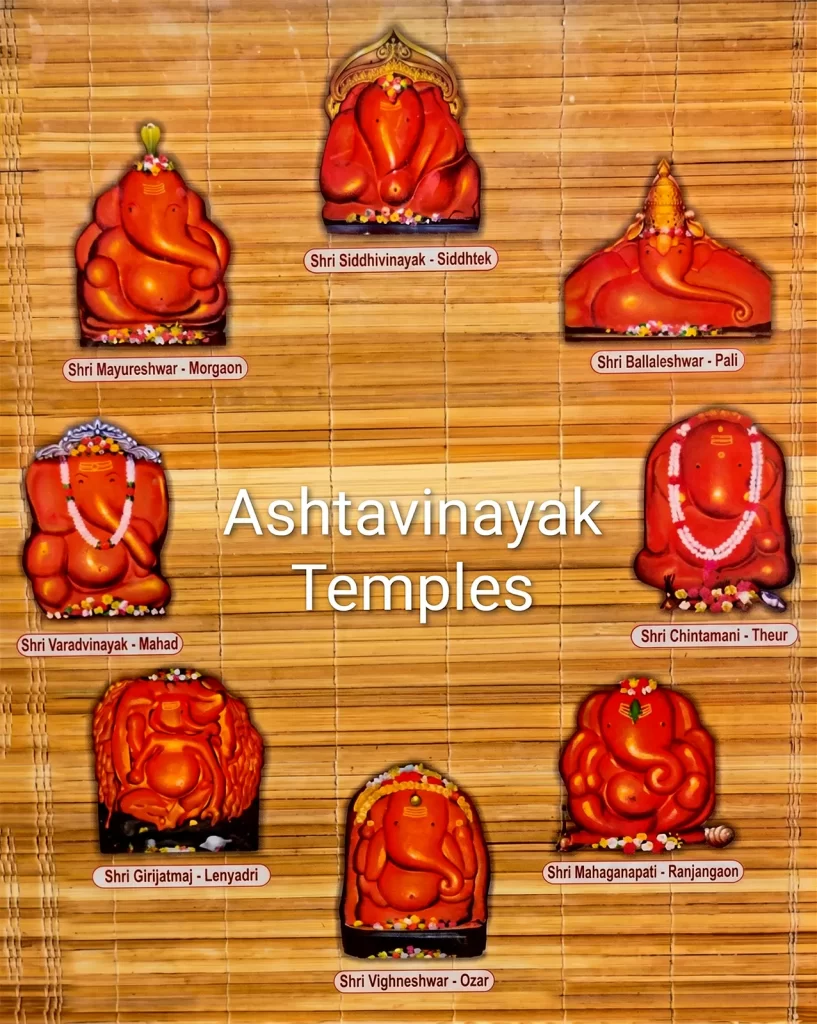
Being a seasoned tour guide who has taken the holy pilgrimage path along with several hundred other visitors, I can assure you that your trip will be extremely life-changing. In Hindi, Ashtavinayak means ‘eight Ganeshas.’ Ashtavinayak Temples Tour is one of the most unique pilgrimages because all these magnificent idols are discovered naturally in nature—they have not been crafted by human hands.
In this comprehensive insider guide, I will reveal all the secrets of planning a flawless journey by exploring the deep scriptural history, timing information, regional food delights, and useful travel hacks.
Why the Ashtavinayak Temples Tour is So Important
No religious activity, marriage, house-warming ceremony, or business undertaking in Hindu culture can commence without seeking the blessings of Lord Ganesha. Ganesha is known as Vighnaharta (remover of obstacles) and Buddhidadata (bestower of wisdom).
The significance of the completion of the Ashtavinayak Temples Tour lies in the very roots of Hindu scriptures, wherein the complete significance of Ganesha is described in books named Ganesha Purana and Mudgala Purana.
The Sacred Scriptural Proof
According to the Ganesha Purana, visiting these eight sacred shrines cleanses one’s thoughts, eliminates karmic obstruction resulting from previous lives, and grants eternal peace (Shanti) to a tumultuous home. It is specifically mentioned in the texts that the cosmic energy of the universe took on the form of these eight places on earth in order to protect mankind from evil Asuras.
Just for you to get an understanding of the age-old sanctity of this circuit, here’s a particular verse from the Ganesha Purana (Upasana Khanda):
“Puraneva Morgaone tu Mayuresham Namamyaham,Siddhateke Siddhivinayakam, Palipure Ballal Vinayakam…Yatra Amrutbhavodbhavam Cha Chintamani Theure Smaret,Lenyadre Girijatmajam, Ozar Vighneshwaram Bhaje,Ranjangaone Mahaganapatim Smaret Vignavinashanam.”
Translation: “I bow before Mayureshwar in Morgaon, Siddhivinayak in Siddhatek, and Ballal Vinayak in Pali. I meditate on Chintamani in Theur, Girijatmaj in the Lenyadri mountain cave, and offer my devotion to Vighneshwar in Ozar. Last but not least, I pray to the omnipotent Mahaganapati of Ranjangaon, destroyer
The Rule of the Divine Circuit
Here’s a golden rule for you, as your guide: Your tour of the Ashtavinayak Temples is to be taken in one single continuous circuit. It is believed that you have to begin your tour from the temple of Mayureshwar in Morgaon, go around the rest of the seven temples in their own proper order, and finally end at the same point where you started.
Which are the 8 Temples of Ashtavinayak? (The Quick Reference Guide)
Before moving on and discussing in detail about the legends, layout, and other aspects of each one of these temples, let us first check out the whole list of the ashtavinayak ganpati temples.
If you want to know everything that you need to know in a single glance, then you can use this handy reference table which I prepared for you.
Master Ashtavinayak Temples Directory:
| Temple Name | Exact Location | Daily Timings | Special Puja / Unique Speciality |
| 1. Moreshwar (Mayureshwar) | Morgaon, Pune District | 5:00 AM – 10:00 PM | Shodashopachar Puja. The idol rides a peacock and features real diamonds embedded in its eyes and navel. The starting and ending point. |
| 2. Siddhivinayak | Siddhatek, Ahmednagar District | 5:00 AM – 9:30 PM | Panchamrut Abhishek. This is the only Ashtavinayak idol with its trunk turned to the Right (demanding strict ritual purity). |
| 3. Ballaleshwar | Pali, Raigad District | 5:30 AM – 10:00 PM | Besan Ladoo Naivedya. The only temple named after a human devotee (a young boy named Ballal). The idol is dressed as a Brahmin. |
| 4. Varadvinayak | Mahad, Raigad District | 5:30 AM – 9:00 PM | Nandadeep (Continuous Lamp). Devotees can enter the Gabhara (sanctum) to touch the idol and perform prayers personally. |
| 5. Chintamani | Theur, Pune District | 5:00 AM – 8:30 PM | Maha Aarti. The idol faces East and is known to absorb all mental anxieties, worries, and stresses of its devotees. |
| 6. Girijatmaj | Lenyadri, Pune District | 5:30 AM – 8:00 PM | Cave Temple (307 Steps). Located inside a mountain cave network. The entire shrine is carved out of a single massive rock monolith. |
| 7. Vighnahar (Vighneshwar) | Ozar, Pune District | 5:00 AM – 10:00 PM | Maha Puja & Haripath. The temple is heavily fortified with a golden dome (Kalas) and features stunning emerald stone work. |
| 8. Mahaganapati | Ranjangaon, Pune District | 5:00 AM – 10:00 PM | Abhishek Puja. Depicts the most massive, fiercest, and most powerful 10-armed avatar of Ganesha that Shiva invoked to destroy Tripurasura. |
Detailed Breakdown of the 8 Shrines: Legends and Guide Insights
So now, let me take you around these amazing temples, one at a time. Let me tell you about the subtle details, the architecture, and the mysteries surrounding these wonderful places.
1. Moreshwar Temple (Mayureshwar) – Morgaon
Our tour of the Ashtavinayak Temples starts from the tranquil, peacock-shaped village of Morgaon. The temple bears a striking resemblance to a fortress and comprises four lofty minarets constructed during the Bahamani era to safeguard the structure against invasions.
- The Legend: As per the Mudgala Purana, Lord Ganesha traveled here on a majestic peacock named Mayur to battle the fearsome demon, Sindhurasur.
- Guide’s Tip: Have a close look at the entrance! There is an imposing stone sculpture of Nandi (bull of Lord Shiva) placed facing the entrance of the temple rather than a mouse. This is extremely rare for a Ganesha temple. According to local legends, the transport vehicle carrying the Nandi to another Shiva temple had to be abandoned here due to a breakdown, and Nandi decided to remain there guarding Ganesha instead.
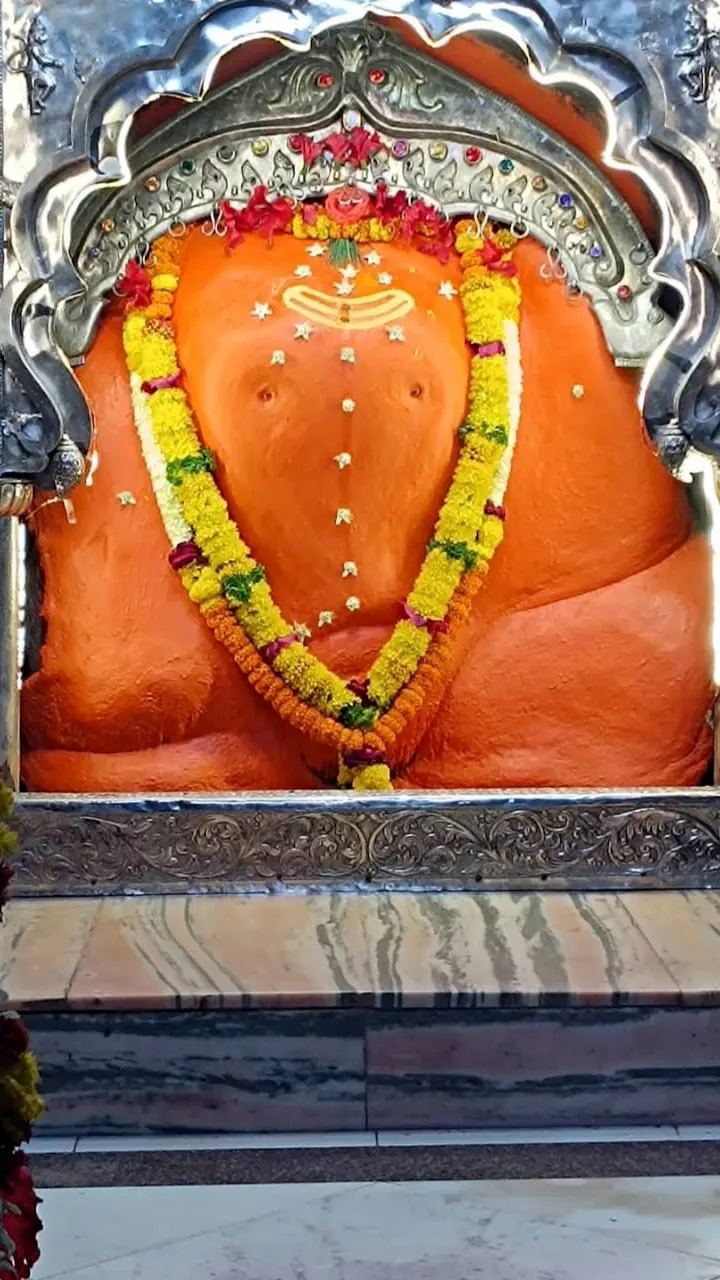
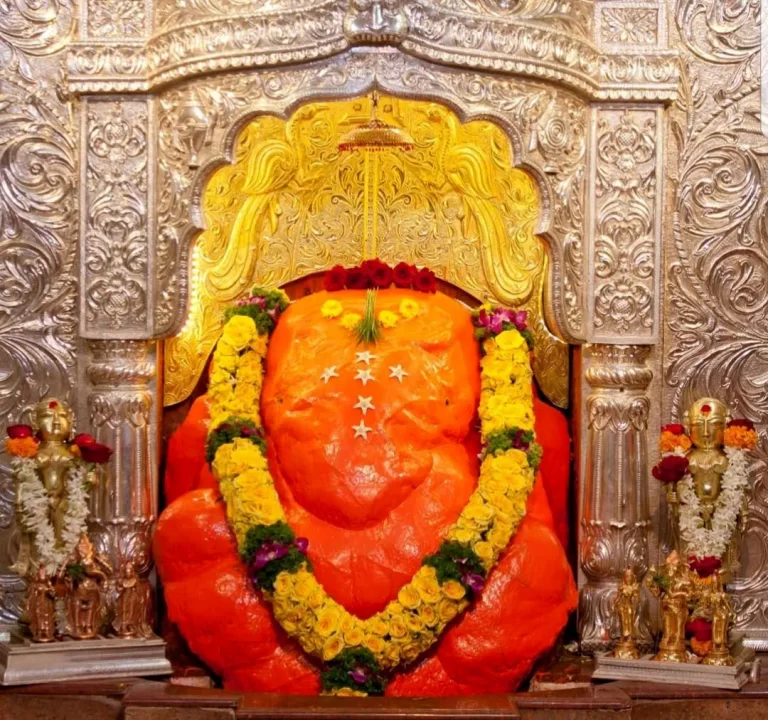
- The Deity: The idol is located facing east with the trunk bent to the left side, and covered with a thick layer of Sindoor.
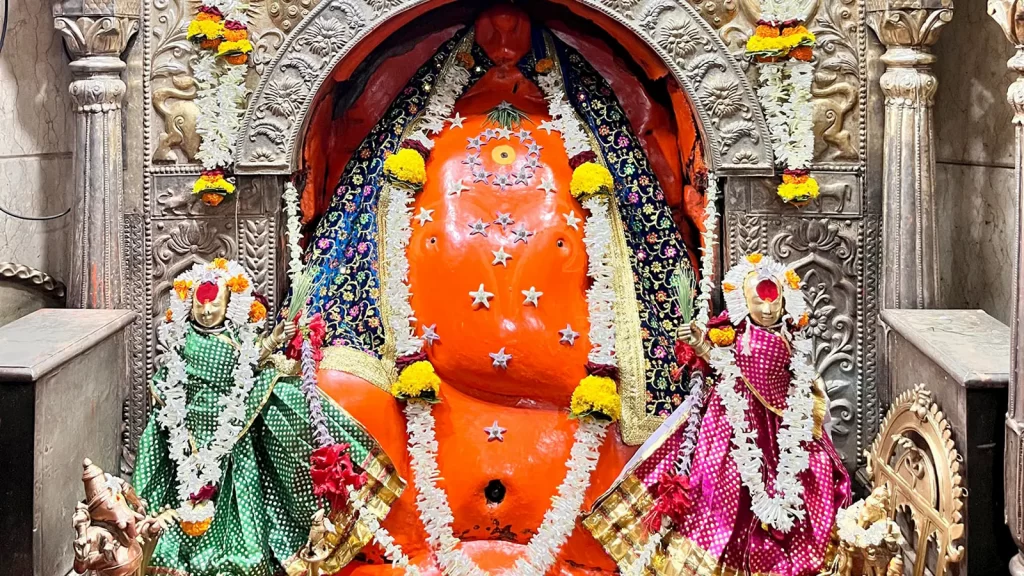
2. Siddhivinayak Temple – Siddhatek
Siddhatek is located on the peaceful northern side of the Bhima River and is steeped in intense spiritual energy.
- The Legend: As per legend, Lord Vishnu lived in this place for more than one thousand years worshiping Ganesha for the divine power to kill the demons named Madhu and Kaitabha. Lord Vishnu attained his desired Siddhi (success/perfection) here; hence it came to be called Siddhatek.
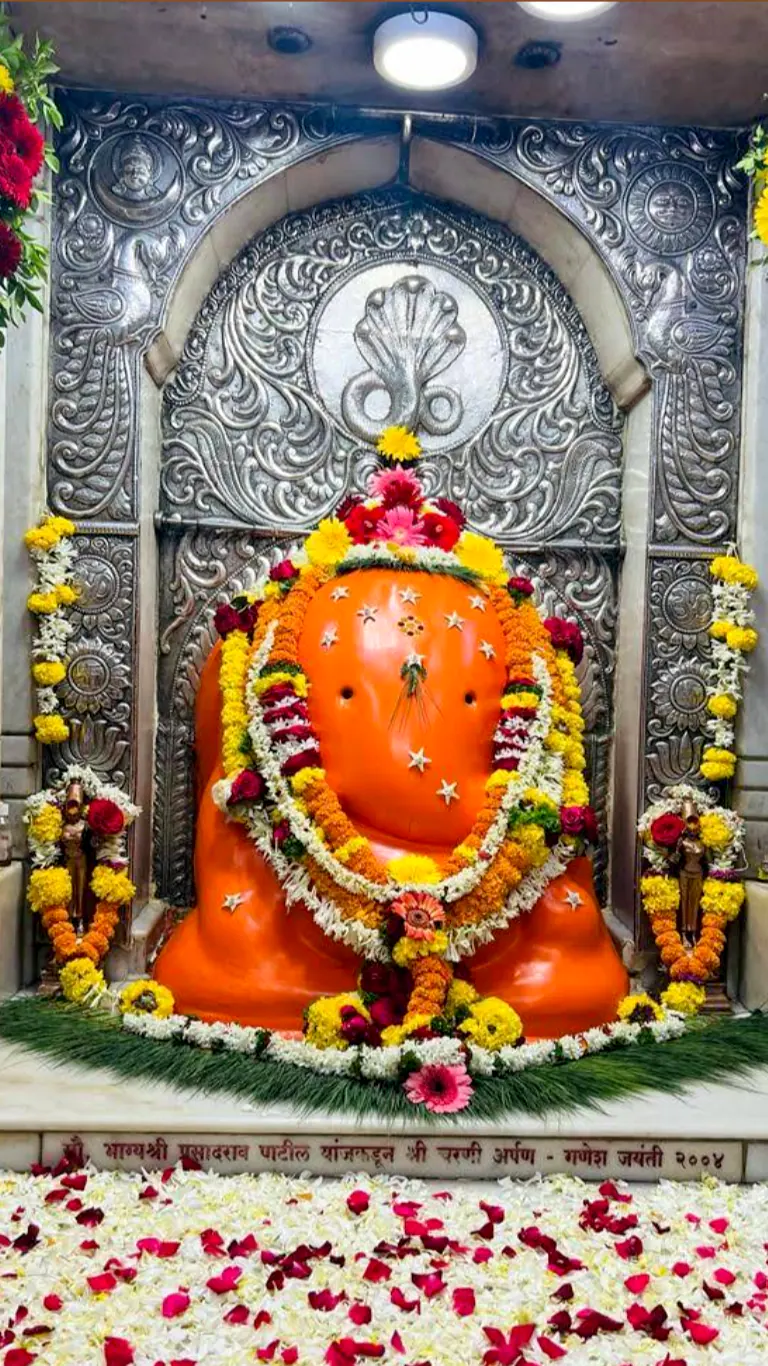
- The Deity: Do pay close attention to the trunk. The right-trunked form of Ganesha is known as Siddhivinayak and requires very stringent and rigorous worship rituals.
- Guide’s Tip: Many devotees make it a point to do a Pradakshina (walking around) of the hillock where the temple is situated. But be forewarned; it is a tough trek of almost 5 kilometers and takes about an hour to two. Walking here with a pure heart will fulfill your life’s desires.
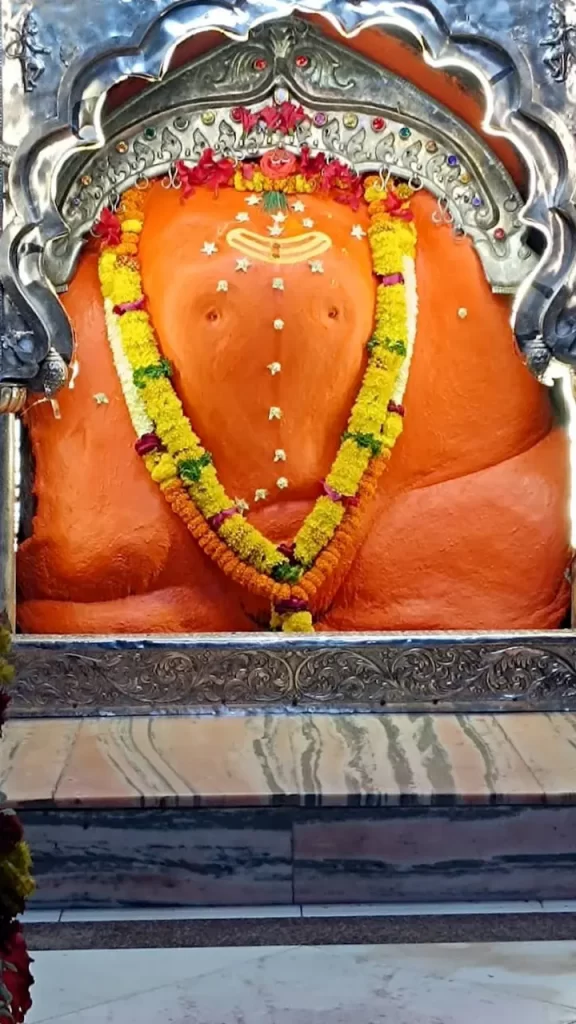
3. Ballaleshwar Temple – Pali
This temple lies between the old Sarasgad Fort and the Amba River and has lots of emotional energy.
- Legend: A boy named Ballal was severely beaten by his merchant father as he kept praying to Ganesha without stopping, but despite getting hurt, the boy tied to a tree continued chanting the name of Lord Ganesha. The Lord felt moved by the devotion of the innocent boy and came before him to heal him, promising to stay here permanently under his devotee’s name.
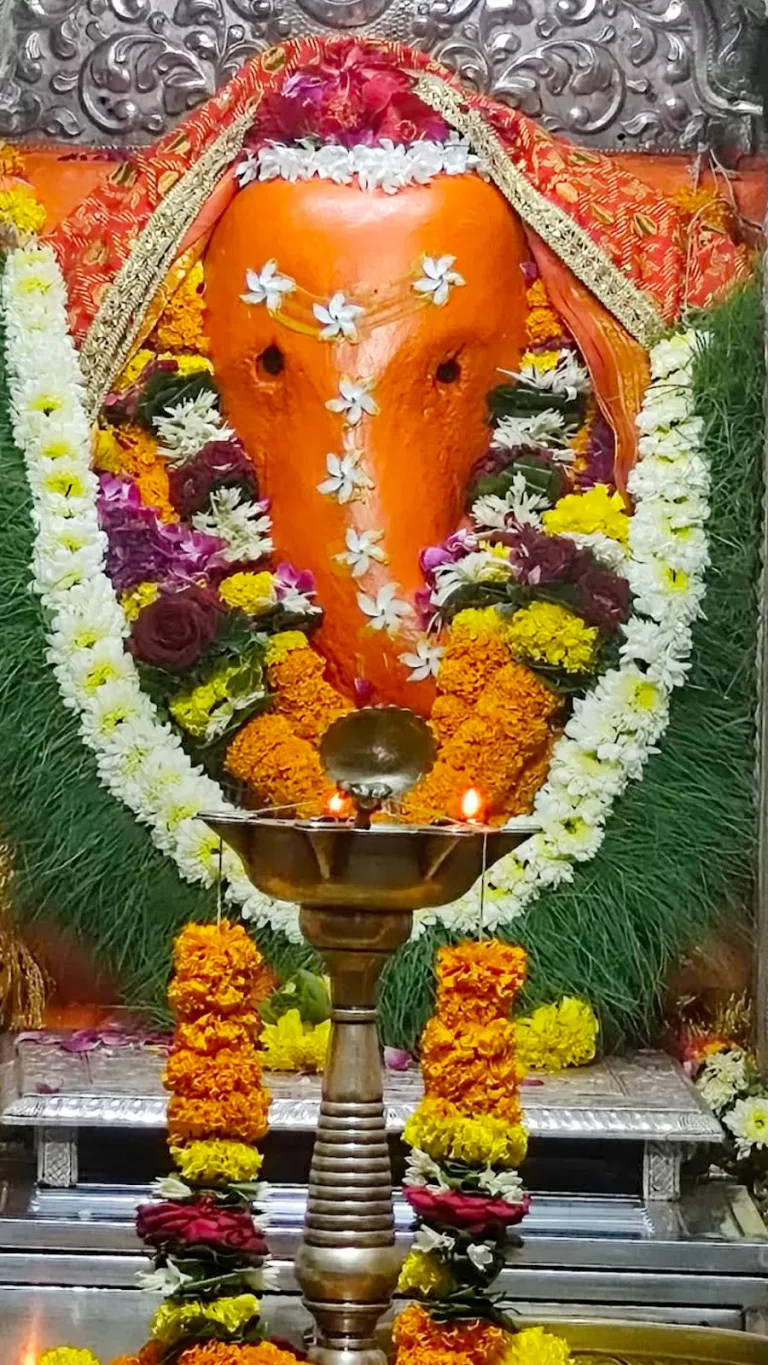
- The Deity: The statue of Ganesha resembles a mountaintop and wears Brahmin clothing.
- Guide Tips: Inside the temple premises, there is a huge Portuguese bell, made up of good quality metal which has been seized by the valiant Maratha soldiers. This ringing of this bell during the evening Aarti session can totally hypnotize you.
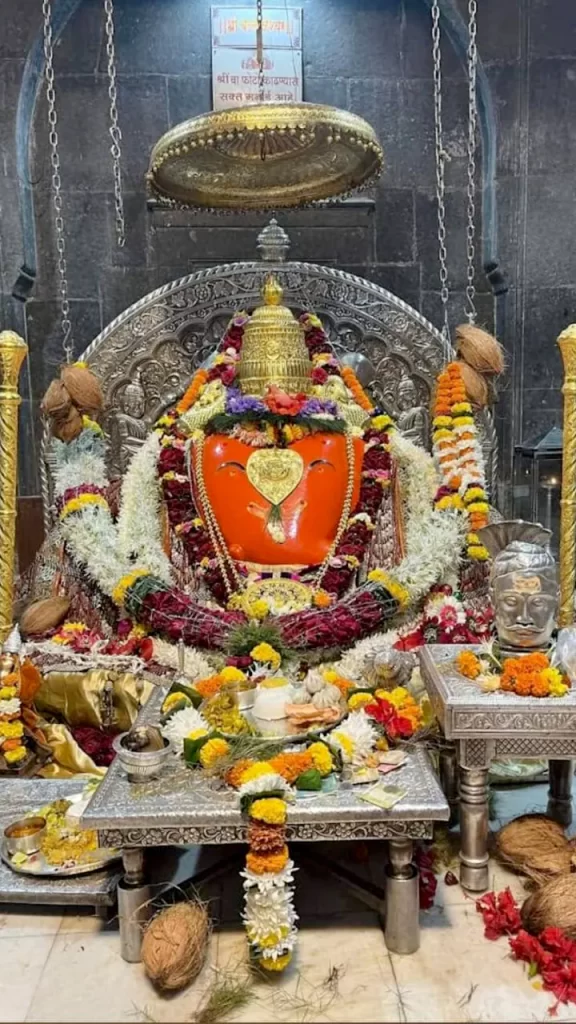
4. Varadvinayak Temple – Mahad
This is perhaps the most peaceful destination that you could experience on your Ashtavinayak temples tour. It is surrounded by verdant green fields and a beautiful lotus pond.
- The Legend: There was once a sage named Gritsamada who received blessings from Lord Ganesha at this place in the form of his creation known as Ganesha Sahasranama (the 1000 names of Lord Ganesha). The meaning of the term “Varad Vinayak” is the “Bestower of Boons.”
- Unique Feature: This is the only place where you can enter the shrine and offer your prayers in front of the Swayambhu idol of Lord Ganesha.
- Guide’s Tip: Don’t miss out on seeing the Nandadeep—the oil lamp which has been continuously lit at this temple since 1892.
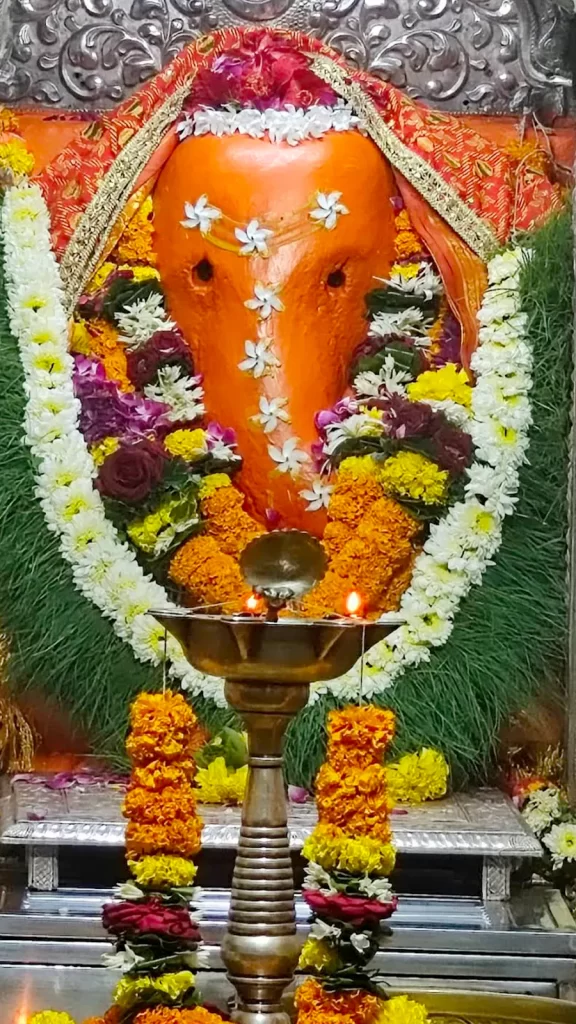
5. Chintamani Temple – Theur
Theur is situated on the confluence of three rivers – the Mula, Mutha, and Bhima, and is a sacred place much frequented by the Royal Peshwas of the Maratha Empire.
- Legend has it that a miserly prince named Guna took away the wish-granting gemstone called Chintamani from Sage Kapila. Lord Ganesha came down to the earth to fight him for the gemstone under a gigantic Kadamba tree, reclaimed it, and gave it to the sage. The sage, being touched by his devotion, put the gemstone around his neck.
- What to Expect: Devotees pray here with the specific purpose of alleviating stress, worry, and domestic strife (Chinta).
- Guide’s Tip: The architecture of the temple’s main gateway combines the ancient Marathi style with medieval stonework. Spend some time sitting quietly inside the wooden prayer chamber (Sabhamandap).
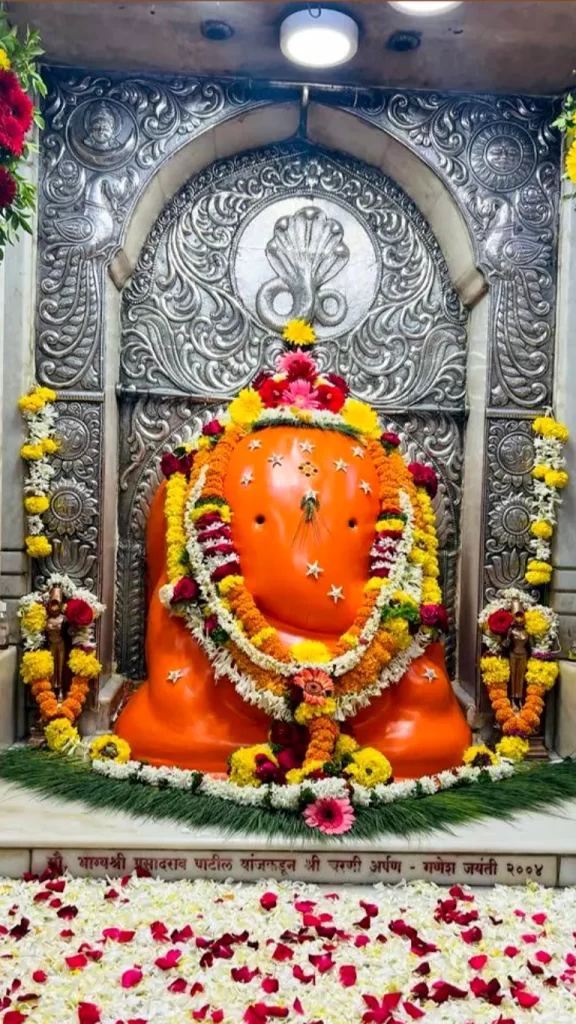
6. Girijatmaj Temple – Lenyadri
Get ready for some adventure! Girijatmaj stands out due to the fact that it is the only temple of all the eight temples in the Ashtavinayak Temples Tour that is situated on a hill within the ancient Buddhist rock-cut caves.
- The Legend: Goddess Parvati performed rigorous penance (Tapasya) for twelve long years in these same caves to get Ganesha as her son. As he appeared as the offspring (Atmaj) of Parvati, the god has been titled Girijatmaj (Offspring of Girija/Parvati).
- The Climb: To reach Cave number 7, you have to climb precisely 307 stairs.
- Guide Advice: There are absolutely no pillars used in building the temple since it is entirely one hall that has been built by carving into the mountain rocks. Moreover, there is no power source in the entire temple but only a natural illumination that comes from the sun rays reflected through the stone floors. Beware of monkeys in the area! Keep your baggage near, make sure your glasses are safely stored in your pocket, and do not keep any open food items or coconuts in your hands while climbing.
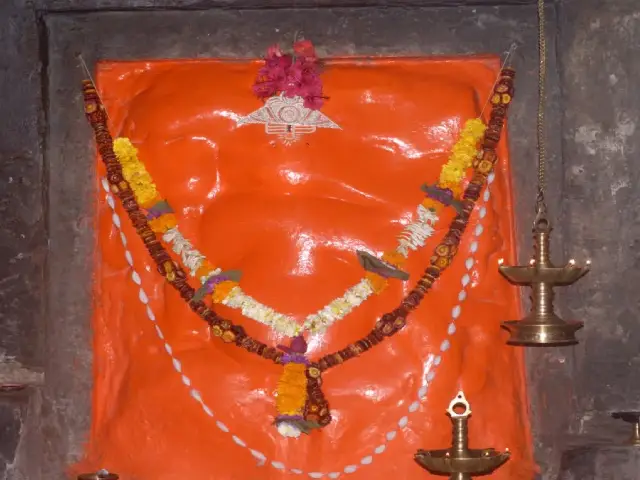
7. Vighnahar Temple – Ozar
Ozar is an exceptionally well-organized, tidy, and very secure temple complex enclosed within strong stone walls and an aesthetically pleasing arrangement next to the river.
- The Legend: A wicked demon called Vighnasur caused a great deal of disruption on Earth, hindering Vedic traditions and troubling the sages. Here, Ganesha triumphed over him. The beaten demon pleaded with the Lord to honor him with his name at the battle. This was accepted by Ganesha, who came to be known as Vighnahar (Destroyer of Obstacles).
- The Architecture: The temple consists of a spectacular golden dome (Kalas) that shines beautifully in the afternoon sunlight. The eyes of the main statue are embellished with priceless diamonds, while an emerald is placed in its navel.
- Guide Tip: The vast courtyard of the temple is paved entirely with stones. One can rest and meditate here peacefully.
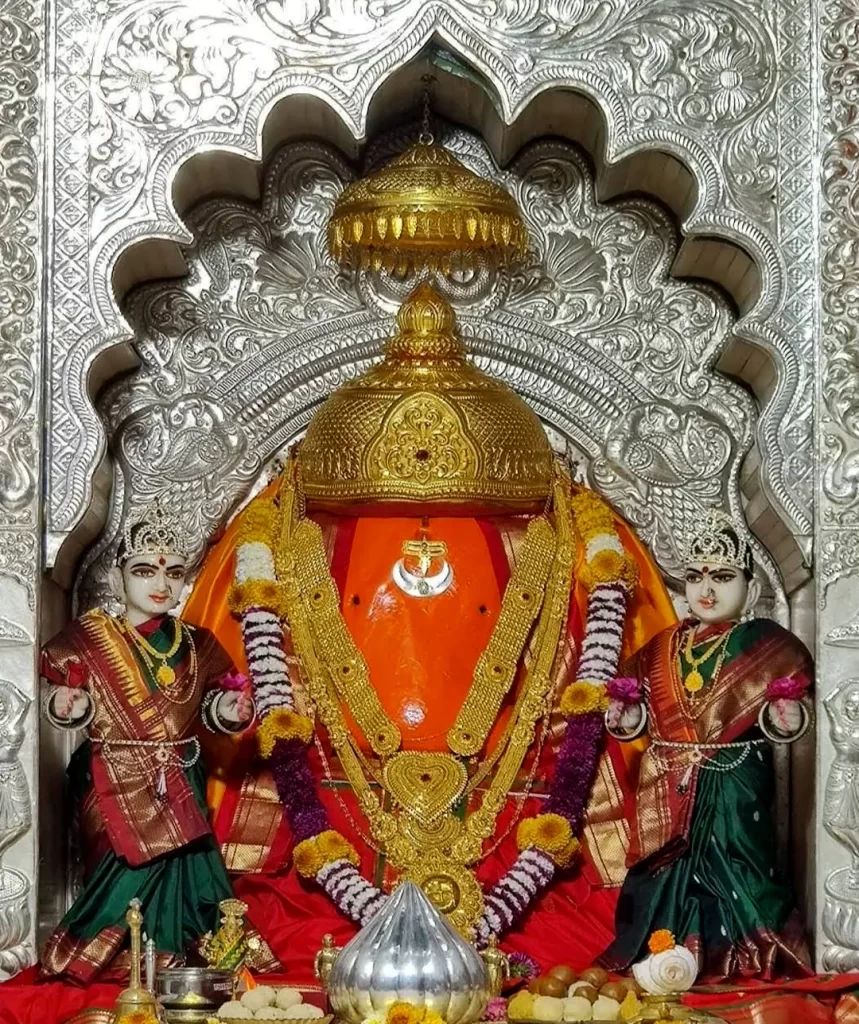
8. Mahaganapati Temple – Ranjangaon
Finally, our last and most important destination is Ranjangaon, which hosts an incredibly ferocious version of the Lord.
- Legend of the Idol: Before declaring total war against Tripurasura, who was ruling three airborne fortresses made of iron, silver, and gold, Lord Shiva forgot to pay obeisance to Ganesha. Realizing his mistake later after some failed attempts, Shiva performed a meditation here on Ganesha and acquired an ultimate weapon from the cosmos, by which he destroyed Tripurasura with just one arrow.
- The Idol: The idol is represented in ten arms armed with a range of divine arms, emitting warrior energy.
- Guide’s Recommendation: According to local gossip, the true version of the idol, which is gigantic, is stored in a secret cellar below the existing temple building. Known as Mahotkat, it possesses twenty arms and ten trunks.
How Can I Complete Ashtavinayak in 2 Days? (The Professional Guide Itinerary)
Several corporate employees have sought my advice: “Sir, can we actually do the entire tour of Ashtavinayak Temples on weekends?”
Certainly! But you will need to be extremely punctual, set off on time at 4:30 in the morning and hire an able driver who can drive through these narrow rural roads efficiently.
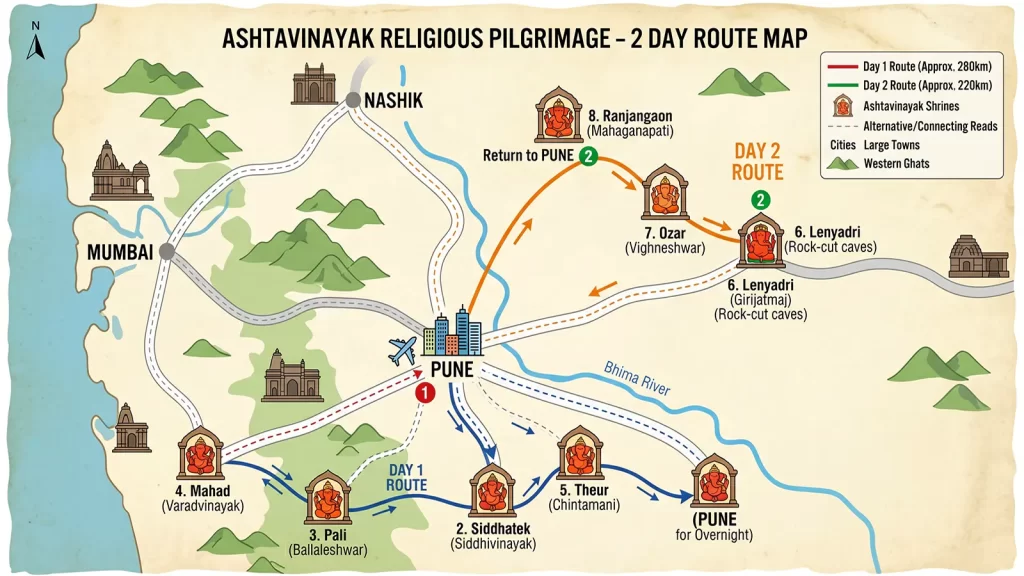
Below are my highly successful 2 days itinerary that begins and ends in Pune.
Day 1: The Eastern and Southern Leg (Involving 4 Temples)
- 04:30 AM – 06:30 AM: Travel from Pune to Morgaon (65 km). Experience the freshness of the morning.
- 06:30 AM – 07:30 AM: Finish your first darshan at Mayureshwar effortlessly without having to wait for the arrival of the tourist buses.
- 07:30 AM – 09:30 AM: Travel from Morgaon to Siddhatek (72 km).
- 09:30 AM – 10:30 AM: Have an easy darshan at the Siddhivinayak Temple and enjoy breakfast comprising of hot poha and tea in the surroundings.
- 10:30 AM – 01:30 PM: Drive from Siddhatek to Theur (90 km).
- 01:30 PM – 03:00 PM: Conclude your Chintamani darshan and enjoy a heavy Maharashtrian lunch.
- 03:00 PM – 04:30 PM: Travel from Theur to Ranjangaon (40 km).
- 04:30 PM – 06:00 PM: Finish Mahaganapati Darshan. 06:00 PM onwards: Travel back
Day 2: The Northern and Coastal Leg (Covering 4 Temples + Loop Closure)
- 06:00 AM – 07:30 AM : Start your day with a visit to the Ozar Vighneshwar temple for a Maha Aarti that is really tranquil in the early morning hours.
- 07:30 AM – 08:00 AM : Take a drive for about 15 km to reach the foothills of Lenyadri.
- 08:00 AM – 10:30 AM : Make the climb up the 307 steps leading to the Girijatmaj Cave Temple on a cool stone step. The morning sun rays will offer you some great photos at the top.
- 10:30 AM – 01:30 PM : Start your most important drive from Lenyadri to Mahad that covers a distance of 120 km through expressway cuts.
- 01:30 PM – 02:30 PM : Get your Varadvinayak darshan and perform your puja in the sanctum.
- 02:30 PM – 03:30 PM : Drive from Mahad to Pali that is a distance of about 40 km.
- 03:30 PM – 05:00 PM : Have your darshan in the Ballaleshwar Temple and have the famous Besan ladoos.
- 05:00 PM – 08:30 PM : Drive back to Morgaon from Pali (or your starting place)
Download the 2-Day Ashtavinayak Road Map PDF
Special Days, Rituals, and Managing the Crowds
Planning your visits to the temples is one area where it really does make a world of difference. If you get unlucky and visit the wrong way, then you’ll end up spending four hours stuck in a queue before reaching the temple idols. Plan things just right though, and you will not have to wait at all, walking right up in under five minutes.
Days Where the Largest Queues Will Occur
- Bhadrapada Ganesha Chaturthi (August – September): During this period, which is the largest festival season for Ganesh, all the temples will be crowded. All the foot travelers will flood into the temples at this time of year, and if you do not like crowds, it is best to try a different month.
- Maghi Ganesha Jayanti (January – February): It is said that this is the actual birthday of Lord Ganesha based on the regional calendar. The queues and road traffic will be quite long around this time.
- Sankashti Chaturthi (Monthly): These days take place once per lunar month, and occur on the fourth day after a full moon. On these days, devotees observe fasts, and gather at the temples in the evening as the moon rises.
- Angarki Chaturthi: This is an incredibly auspicious day that happens only once or twice a year, when a Sankashti Chaturthi falls specifically on a Tuesday. The crowds on this day are massive.
Ideal Times for a Quiet Pilgrimage
For those who seek peace, tranquility, and a more intimate experience on the Ashtavinayak Temples Tour, I suggest visiting on Tuesday, Wednesday, or Thursday between November and February. These months see the best weather conditions in Maharashtra, with cool winds, sunny days, and sparse crowds.
Food and Accommodation Options Along the Circuit
A seasoned guide like me would always remind you, “Keep your spirits high by keeping your health and stomach healthy.” As this is an itinerary through rural Maharashtra, you will have a clear picture about the food and stay during your visit.
Where to Stay: Tips for Accommodation
You don’t have to look out for expensive luxury hotels in the city. Some of the best and cheapest accommodation options available right on the temple circuit paths are listed below.
- Bhakta Niwas: Almost all of the major temples in Ozar, Morgaon, and Ranjangaon have their own Bhakta Niwas. The Bhakta Niwas have basic facilities of clean and affordable rooms with/without AC, clean washrooms, parking facility, etc., at a nominal rate between ₹400 – ₹1500 per night.
- Mid-Range Hotels: You can spend a night at Ozar /Narayangaon on the first day of your itinerary if you prefer luxury accommodations. There are some great resorts and hotels at Ozar/Narayangaon suitable for family stays.
What to Eat: Embracing Local Flavors
The food in this route is very simplistic yet very nourishing and affordable.
Mahaprasad: Temples such as Morgaon, Theur, and Ozar provide a very amazing free of cost or very nominal Mahaprasad lunch meal every day from 12.00 PM to 2.00 PM. Mahaprasad meal is a very nourishing meal that includes hot Varan-Bhat (hot lentils and rice), some local veg dish stir-fried and a very amazing sweets dish.
Local Specialty Food: Make sure you try out authentic Maharashtrian cuisine at small restaurants and Dhabas along the side of the road.
- Misal Pav: Spicy sprouts curry served with hot farsan and soft and fluffy bread roll.
- Pithla Bhakri: Delicious gram flour curry served with tasty pearl millet bhakris and garlic chutney.
- Ukdiche Modak: Divine dessert consisting of hot rice flour balls filled with fresh coconut pieces and jaggery sauce. This is a very favorite sweet dish of Lord Ganesha that you can find being sold outside the Theur and Pali temples.
Essential Packing List and Practical Travel Hacks
For ensuring that your trip runs smoothly, here is an important list of tips which have been derived from my extensive experience as a tourist traveling on road trips:
- Comfortable Dressing: You will be seated in a cross-legged posture on old stone floors and climbing several hundred stairs. You should dress comfortably in cotton clothes, kurta-pyjamas, traditional salwar-kameez. Jeans are not recommended as they are not comfortable for climbing.
- Footwear Recommendation: At each entry point of every temple, you need to take out your footwear regularly. Therefore, you should wear shoes that are easily removable and preferably sandals or slip-on types. Shoes that are difficult to take off due to complicated straps are not recommended.
- Carry Cash: Though payment using UPI-based apps is gaining traction all over India, in areas which are very remote like Siddhatek, there is always a possibility that your phone might not receive the signal to pay using your app. You should keep an amount of about ₹2000 to ₹3000 in small denomination cash.