Ballaleshwar Ganapati Temple, Pali
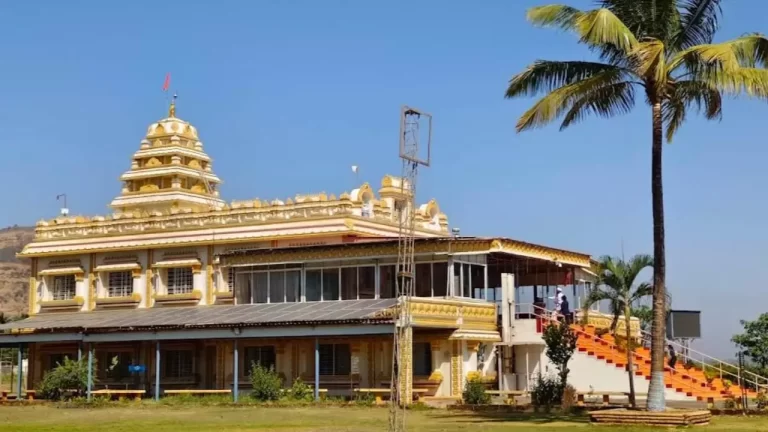
The Ballaleshwar Ganapati Temple, Pali, the place where history, rich mythology, and intense human devotion intertwine. Situated charmingly in the serene village of Pali, which falls under the Sudhagad taluka of Raigad district, state of Maharashtra, India, this historical temple is placed discreetly between the renowned Sarasgad Fort and the gracefully flowing river of Amba. While walking inside the sanctum sanctorum of the ballaleshwar pali ganpati temple, one feels not merely visiting a structure made up of stone and lead but is visiting a monument that represents the eternal devotion of a kid to the almighty remover of obstacles.
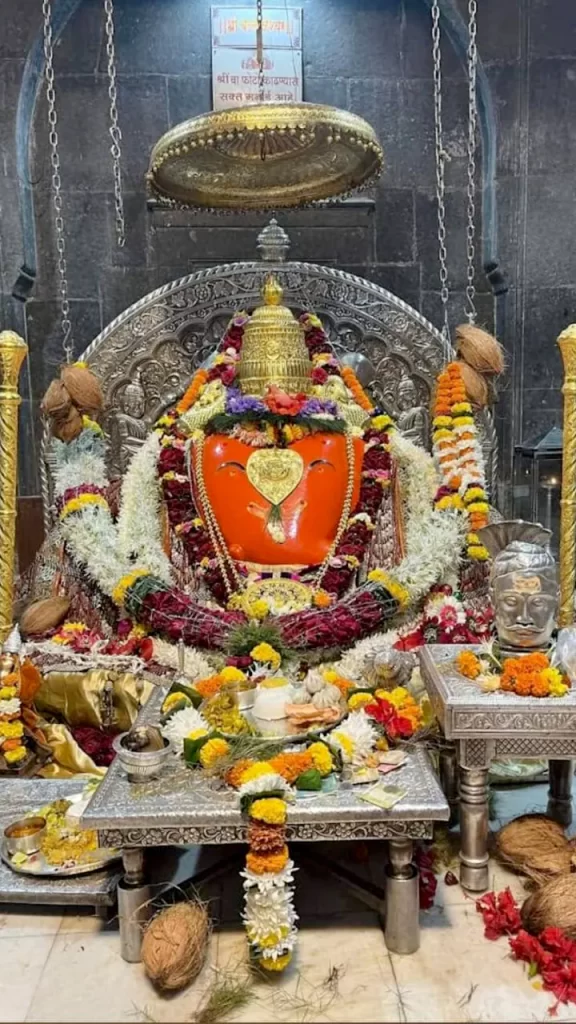
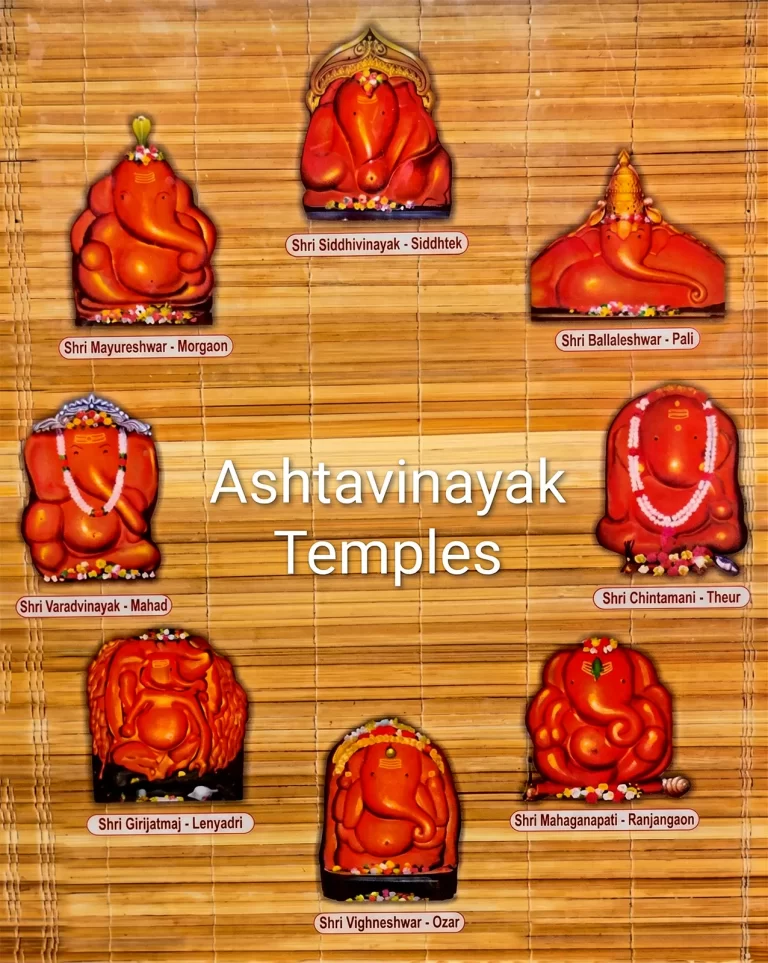
Amongst all the variously located Ganesha temples existing around the world, the Ballaleshwar Ganapati Temple, Pali has a unique distinction that touches the heart. Proudly standing as the third temple among the revered eight self-created temples of Lord Ganesha in Maharashtra, this historic temple is known for its distinctive identity amongst all other Ganesha temples across the globe. The uniqueness of this ballaleshwar pali ganpati temple lies in the fact that it is the only temple of Ganesha whose name bears the title of its devotee.
If you are a religious devotee who believes that divine intervention helps in solving one’s problems, if you are a history enthusiast who wishes to uncover the mysteries of ancient Maratha structures, or if you are a traveler who wishes to immerse himself in the tranquility of village India, then this detailed guide will take you through every aspect of this sacred place. So let us get started on our adventure!
Ballaleshwar Pali Ganpati Temple History
In order to grasp the true meaning and significance of the Ballaleshwar Ganapati Temple, Pali, it is necessary to delve back into history for centuries past. Indeed, the history of the temple is one of romantic love, anger, and divinity.
Legend of Boy Ballal and Merchant Kalyan Sheth
In the prosperous village of Pallipur (modern-day Pali), there lived a merchant known as Kalyan Sheth, with his wife Indumati. Their son, named Ballal, was gifted with exceptional intellectual skills. Ballal was extremely devoted to Lord Ganesha from an early age. While other children of his age engaged in common activities and paid attention to their fathers’ trade, Ballal would take his friends and go off to the forest that bordered their village, set up stone figures and perform poojas.
With the passage of time, the effect of Ballal’s presence became more and more pronounced. The village children got so absorbed by the hypnotic prayers and the hymn-singing done by Ballal that they used to stay for days and nights in the forest without realizing anything except praying, totally oblivious to their hunger, thirst, and responsibilities at home. Fed up with their condition, the parents of these children went to Kalyan Sheth’s house complaining about their son, “Sir, your child Ballal is spoiling our children’s life through excessive asceticism!”
Kalyan Sheth could not control his blind anger and madness after hearing this complaint. Picking up a thick wooden rod, he made a forceful entry into the forest. There he saw the children seated around a large rock, listening to the fascinating stories about Ganesha being told by Ballal.
In an angry state, Kalyan Sheth started breaking all the pandals erected by the children and smashed all the stone temples constructed by them. In a scared and shocked state, all the children dispersed in different directions but Ballal, who was engrossed in deep meditation (samadhi), remained oblivious to everything happening around him.
Enraged, Kalyan Sheth dragged Ballal and beat him brutally till the child’s entire dress was soaked in blood. Next, he bound the heavily bleeding and partly unconscious Ballal with wild vines around the tree trunk. Kalyan Sheth trampled upon all the pooja items collected and lifted the stone idol of the deity worshipped by Ballal. Kicking the idol into the air, he shattered it into pieces. Before leaving the site for the village, he taunted Ballal thus: “Now, see whether your wild God will come here to untie you and feed you!”
Manifestation of the Lord
Ballal, tied to the tree, broken physically but spiritually invincible, shed tears. Not out of the wound sustained, but due to his father’s insult to the beloved Ganesha and desecration of the sacred form. With anguish in his heart, Ballal cursed the brutality of his father, saying: “You will suffer spiritual blindness and even bodily blindness as you have committed the sin against Parvati’s son.”With the very last of his remaining energy, Ballal called out from the depth of his heart: “O, Lord Vinayaka! I have only tried to worship you. Forgive me of my mistakes but don’t leave this place.”Exhausted, Ballal lost consciousness.
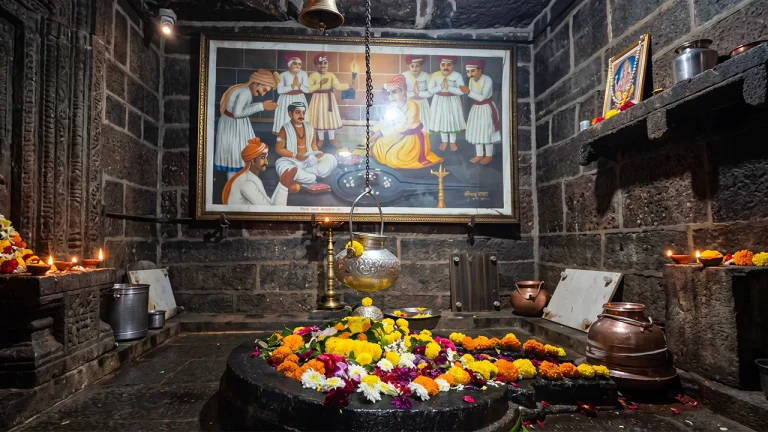
Unable to resist the pure, pristine bhakti of the child, Lord Ganesha appeared immediately at that spot in the jungle, assuming the form of a calm and shining Sadhu (saint). Using His soft hands, Lord Ganesha cut the vines tied to Ballal and cured his injuries. The moment he opened his eyes, his entire hunger, thirst, and fatigue vanished, replaced with divine pleasure.
Understanding that a supreme being stood before him, Ballal offered his pranam to the lord. “Ballal, your bhakti has crossed all barriers. Ask for any boons, and it will be granted,” said Lord Ganesha smilingly. “Deva! I ask for nothing except that I should be your eternal devotee in all my lives, and my next prayer is that you stay forever in this divine forest to bless those who seek your refuge.”
Reaching out his hand to pat the child’s head, Lord Ganesha lovingly said:
“I shall eternally remain in this village, and to honor your pure love, I will take your name before mine. From this day forward, I will be worshipped here as Ballal’s Lord—Ballaleshwar.”
And finally, the Lord merged into His ultimate disciple in a spectacular manner by converting into a big stone statue, which still remains to be the manifest form of God worshipped in the famous Ballaleshwar Ganapati Temple in Pali.
Read More>> Sanwariya Seth Temple: Tycoons Secretly Offer 50% Profits
Evolution Through Time and Royal Patronage
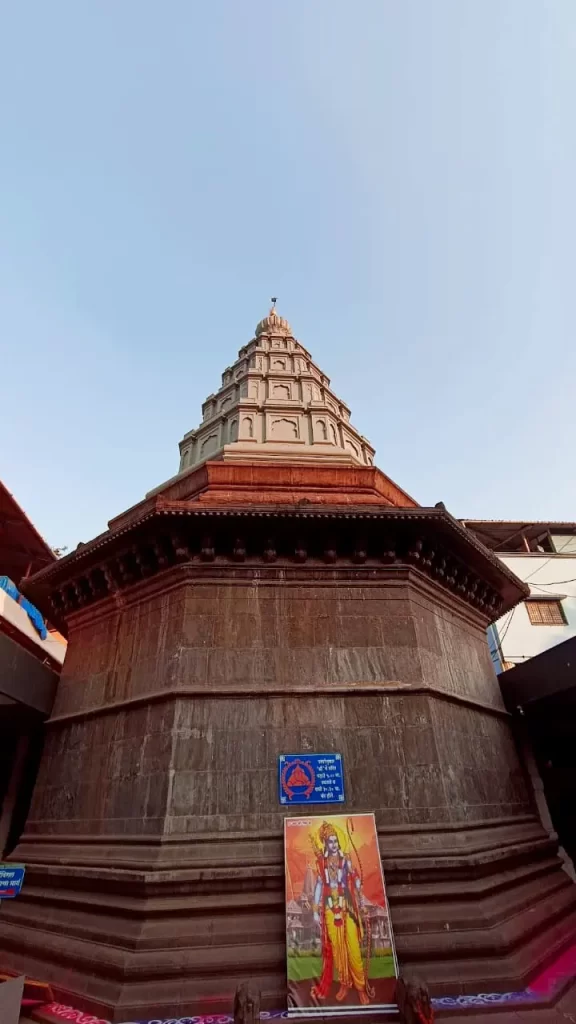
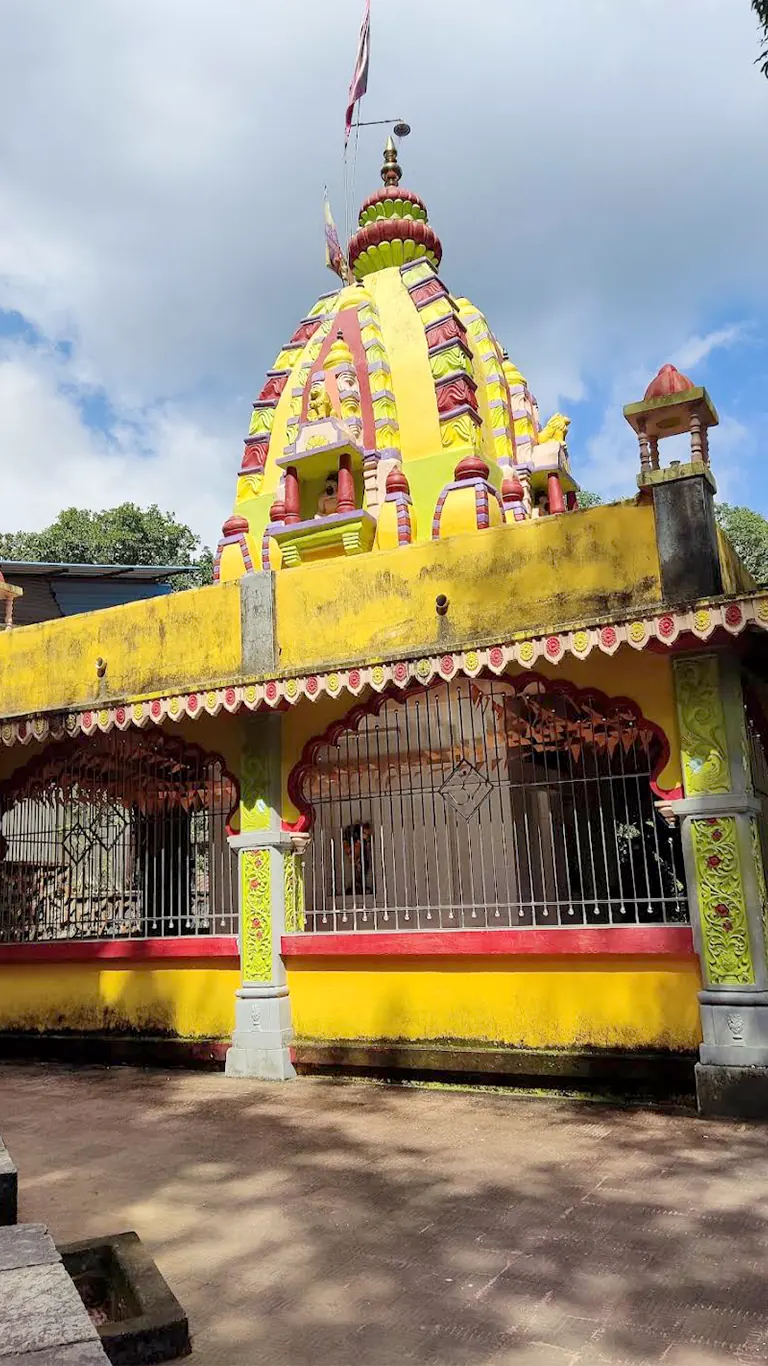
Although the spiritual history of the Ballaleshwar Pali Ganapaty temple goes back to ancient times, the architectural development of this temple can be traced to the glorious rule of the Marathas.
At first, the temple was simply a humble wooden structure constructed in the early seventeenth century around 1640 AD by a devout follower called Moreshvar Vitthal Sindkar (also known as Dighe), who was one of the important personalities associated with social welfare projects of Chhatrapati Shivaji Maharaj.
However, as time passed, the popularity of Ballaleshwar increased considerably throughout Maharashtra, and so did the need to reconstruct the temple. It was only in the year 1760 when the old wooden shrine was completely reconstructed into a gigantic stone temple owing to the vision and financial support of the great statesman of the Peshwa era, Nana Phadnavis, along with Baburao Phadnavis and Moroba Dada Phadnavis.
Religious and Cultural Significance
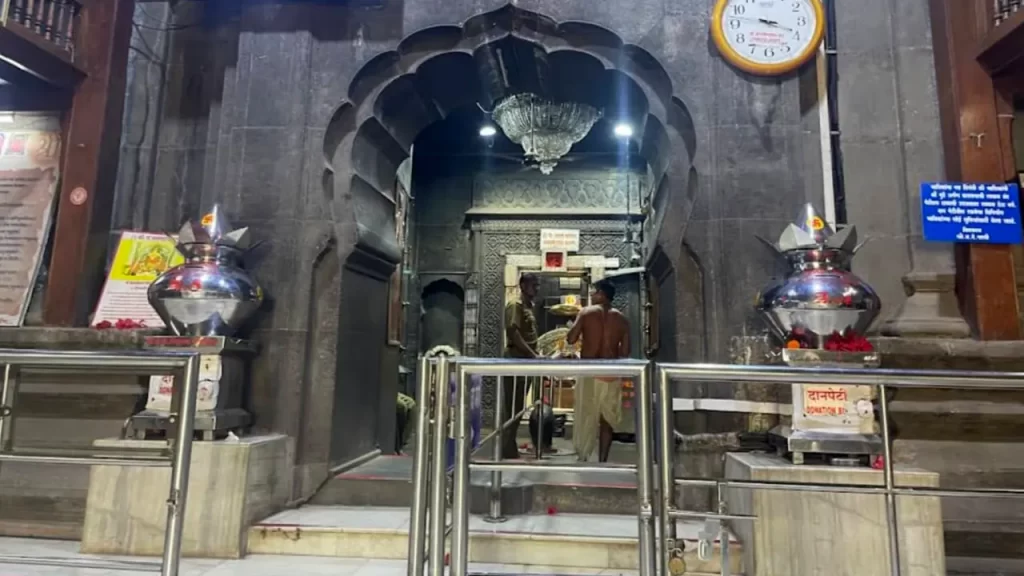
Entering the Ballaleshwar Ganapati Temple, Pali is akin to entering a site of high reverence for ancient Hindu religious texts.
Scriptural Evidence from the Ganesha Purana
In order to substantiate the scriptural sanctity of this holy place, we can refer to the ancient scripture known as the Ganesha Purana, which is a revered Upapurana exclusively devoted to the greatness of Lord Ganesha. The complete legendary episode of Ballal is narrated in the Upasana Khanda, Chapter 22 of the Ganesha Purana.
It is explicitly referred to as Pallipur in this ancient scripture. The scriptures reveal that the Lord of Ganas specifically picked this particular holy place among all others across the cosmos since the purity of the devotee’s heart was superior to the pompous rituals performed by great sages. Worshiping the Lord at Pallipur helps one get released from the cycle of rebirth and the sins of ancestors.
“पाल्लीपुरे तु संजातः बल्लालो नाम बालकः।
तस्य भक्त्या प्रसन्द्नोऽहं बल्लालेश्वर संज्ञितः॥”
(Translation: In the town of Pallipur, a young boy named Ballal was born. Pleased by his unalloyed devotion, I reside here eternally, adopting the name Ballaleshwar.)
Spiritual Importance of the Brahmin Form
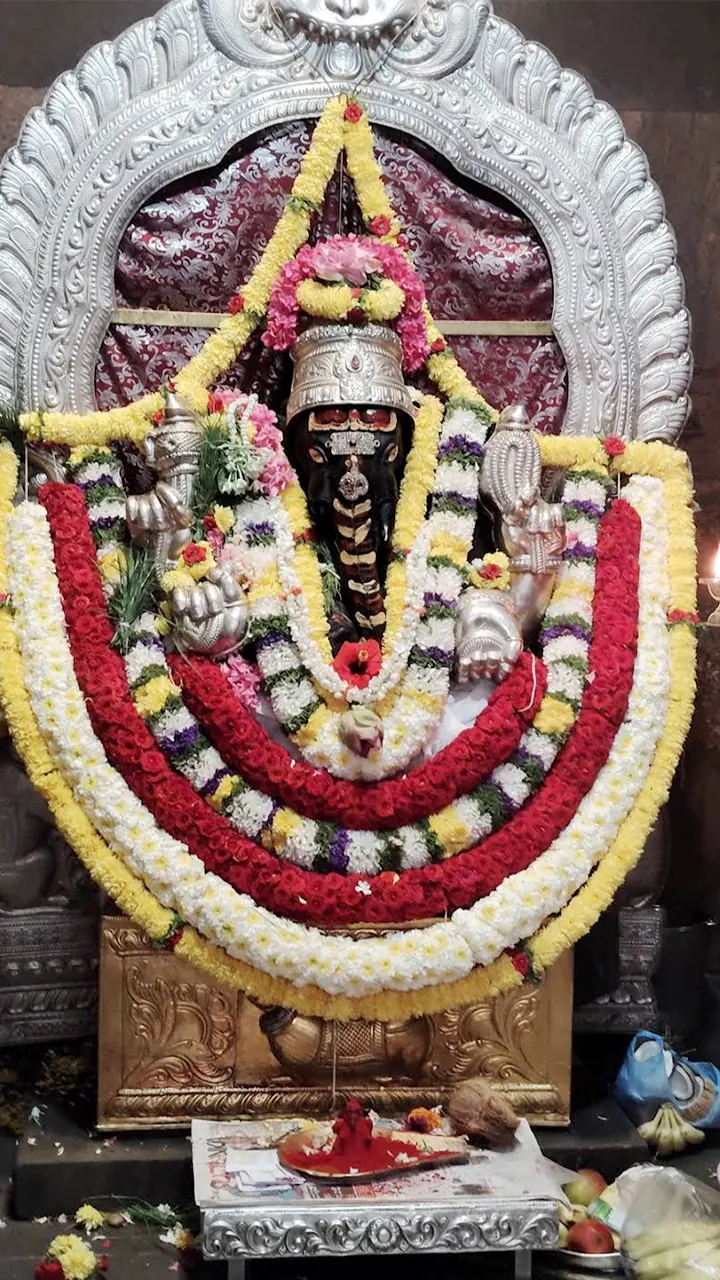
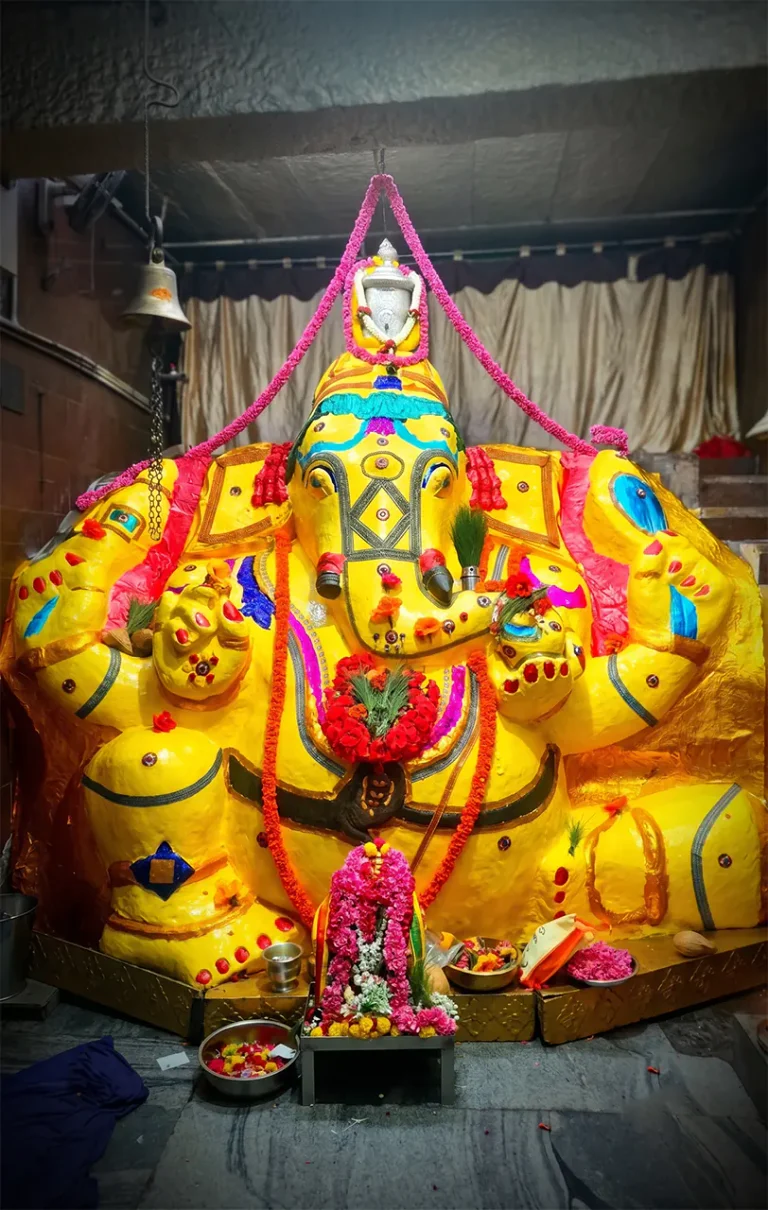
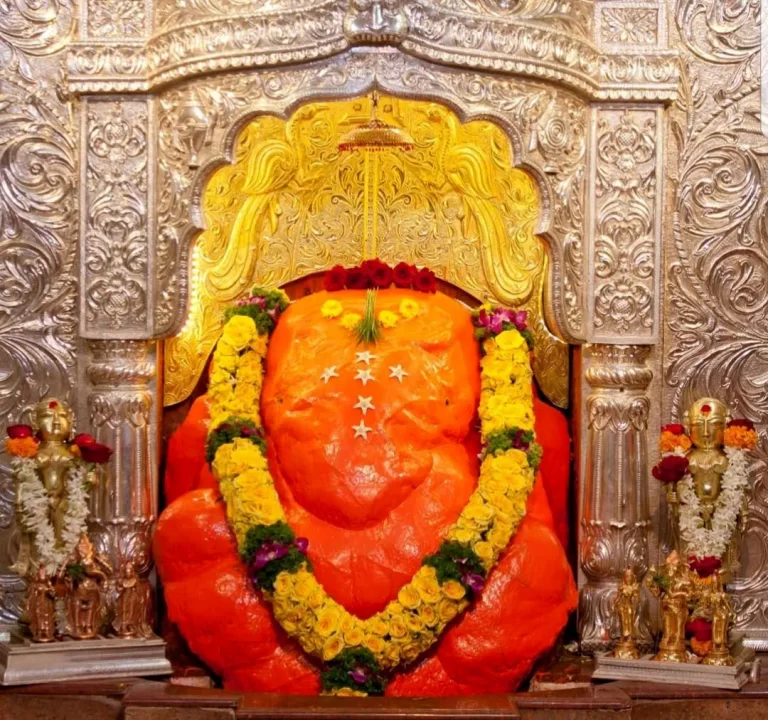
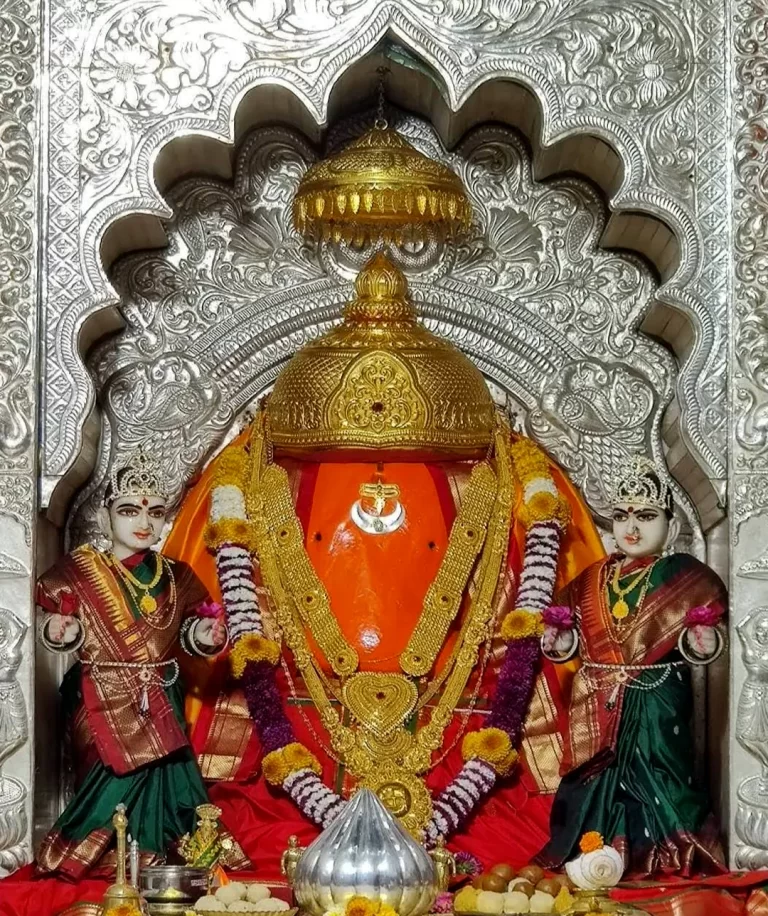
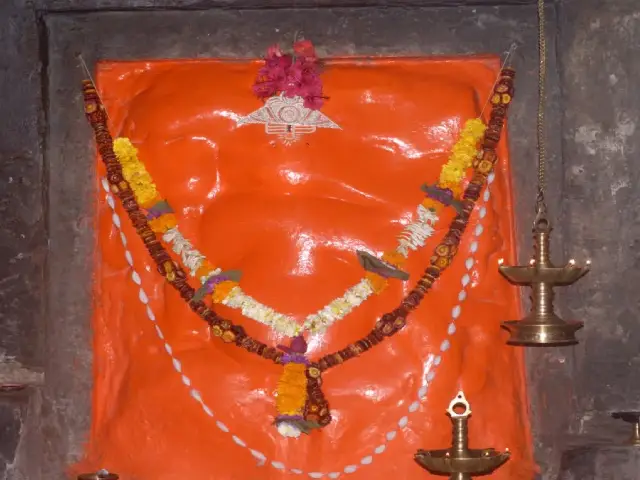
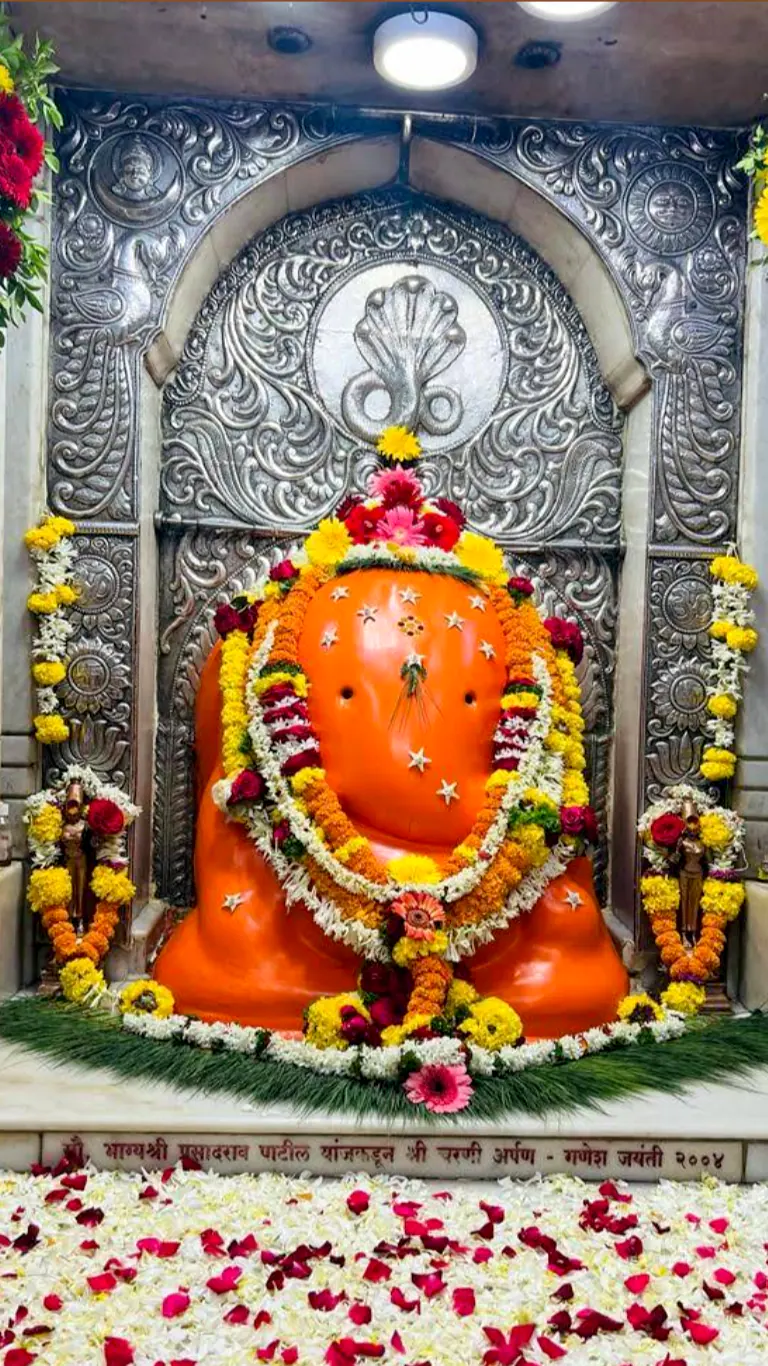
A very rare and special feature of this unique ballaleshwar pali ganpati temple is that of the form and dress of the main deity. In most Ganesh shrines, the Lord wears a very regal and royal raja upachara dress, but in the Ballaleshwar Ganapati Temple, Pali, the main deity wears the typical traditional dress of a Brahmin.
This is because of the form taken by Lord Ganesha when he materialized himself to release Ballal from the knots. The deity dresses simply in a dhoti, and during special ceremonies, His accessories are in keeping with a very simple and pure lifestyle of a great spiritual guide from long ago. It signifies to everyone who sees this that God wants purity of heart from His devotees rather than any materialistic gifts or offerings.

Architecture and Design
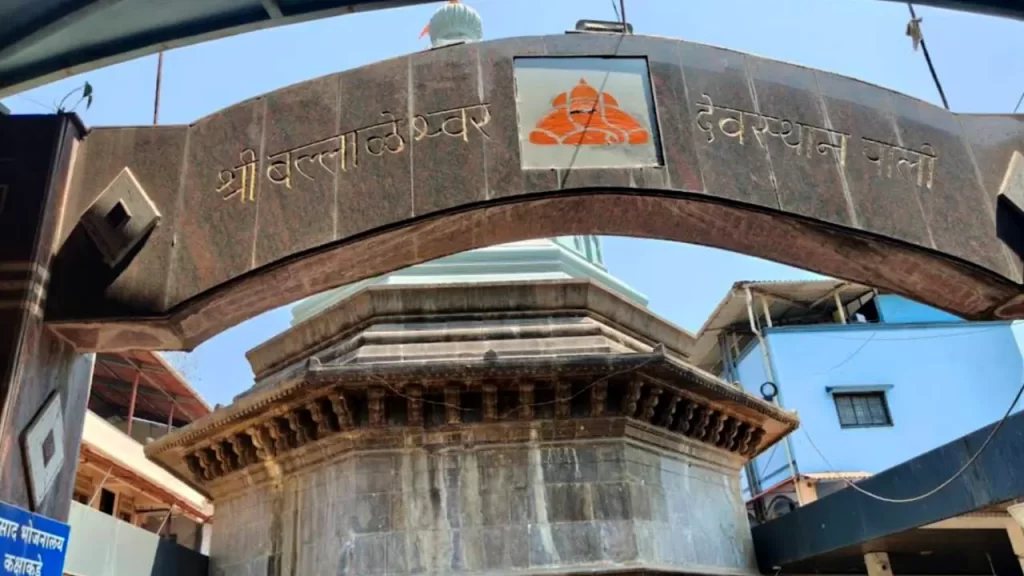
Being a seasoned guide, one of the things that I recommend to travelers is for them to pause at the main entrance of the Ballaleshwar Ganapati Temple, Pali and not to rush inside for darshan. You deserve the architectural genius of the structure!
The Devnagiri “Shree” Layout
Every part of the Ballaleshwar Pali Ganpati Temple complex has been structured with beautiful geometric symbols. From an aerial perspective of the temple complex, it would be apparent to you that the design is carefully laid out in the form of the divine Devnagiri script character “Shree”. This is a unique architectural structure as it is believed that positive energy gets locked up in the temple premises.
Construction Material and Its Novel Genius Way of Construction
Entire temple construction is made up of finest locally available black basalt stones. What is more interesting about this architecture is that while doing renovation of the temple by Nana Phadnavis in 1760, instead of conventional binding materials like mortar, lime or cement used for fixing those big stones; engineers had employed the method of using hot melted lead in joints of those stones!
Grooves have been cut on each of these stones in order to bind those together in joints and hot melted lead was poured into these gaps. In this way it results in a perfect, water tight seal and is also rust proof and earthquake resistant as well. Even after centuries, now you can still not slide even a piece of paper between the joints of the temple wall!
Read More>> Bande Mahakali Temple Bangalore
The Solar Alignment
Indian engineers were excellent astronomers, and the ballaleshwar pali ganpati temple is one piece of evidence for this claim. First, it should be noted that the whole temple is built exactly towards the East direction. The construction of the temple is so well designed that the beams of sunlight falling from the rising sun during the winter solstice and the months of December and January pass through the temple’s entrance into the spacious hall, and then fall on the inner sanctum and enlighten the Ganesha idol face. It is really stunning to observe Surya Rashmi Puja at this place.
Main Attractions or Highlights
As we begin our slow journey into the main complex of the Ballaleshwar Ganapati Temple, Pali, allow me to point out the historical artifacts and artistic elements which are a ‘must-see’.
The Grander Sabhamandap (Assembly Hall)
The assembly hall, which is 40 feet in length and 20 feet in width, was renovated in 1910 AD by a very devoted person called Krishnaji Narayan Pinge. Looking up, you will see eight large pillars bearing the heavy stone roof. You will be surprised by the unique way these pillars have been carved. Notice the shape they take – the form of cypress trees. This makes for an interesting fusion of classical Persian-style Maratha art within the very traditional Hindu temple.
The Giant European Bell
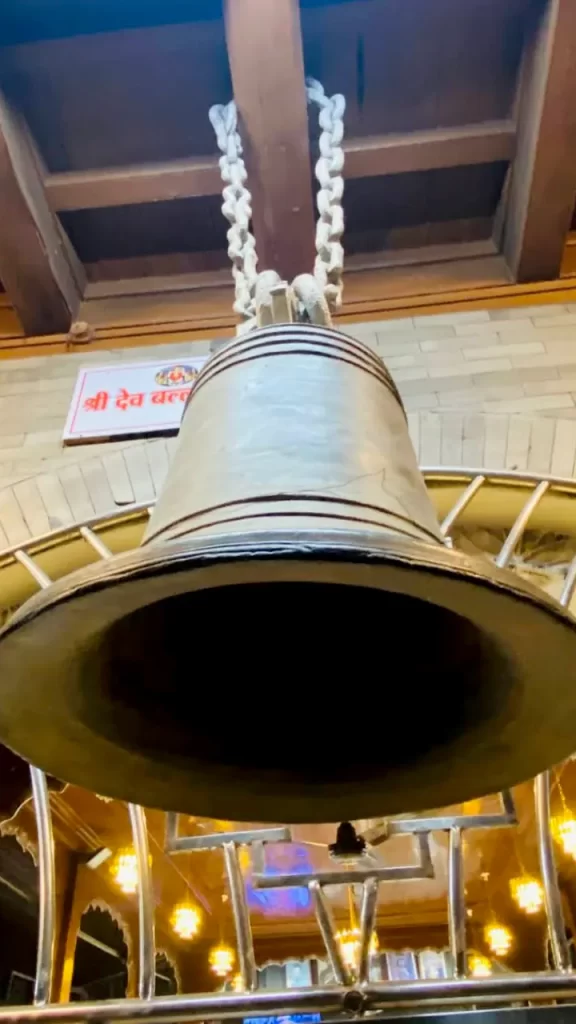
Hanging prominently in the Ballaleshwar Ganapati Temple courtyard is an enormous, heavy metal bell that looks noticeably different from typical Indian temple bells. There is a thrilling piece of military history behind this!
During the expansion of the Maratha Empire, the brave Maratha commander Chimaji Appa (the brother of Peshwa Baji Rao I) waged a fierce war against the colonial Portuguese forces and successfully defeated them at the Battle of Vasai. As war trophies, the Marathas brought back massive, beautifully ringing church bells made in Europe. Chimaji Appa, in deep gratitude for his victory, gifted these monumental bells to the most prominent temples of Maharashtra. The bell here at Pali still rings with a deep, resonant tone that echoes across the entire village, connecting you directly to the military glory of the 18th century.
The Sanctum Sanctorum (Garbhagriha)
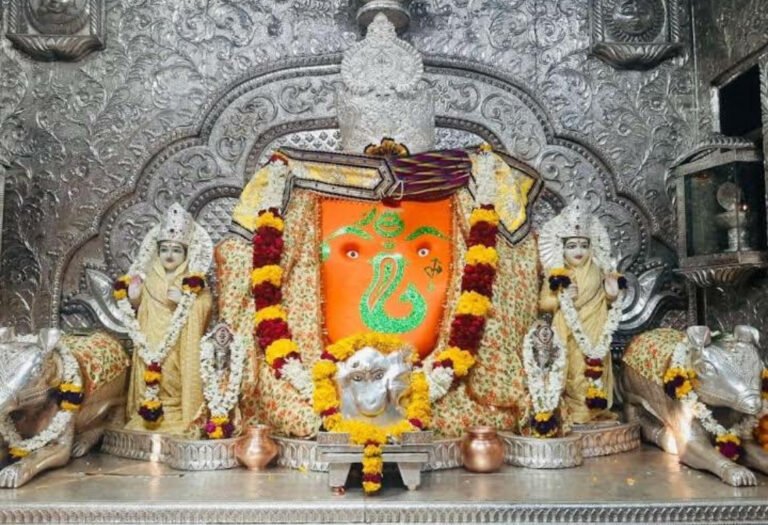
The Ballaleshwar Ganapati Temple exhibits the rare concept of having two sanctums inside one temple structure. In the outer sanctum, which has a total height of 12 feet, a huge beautifully sculpted stone idol of Mushika (vehicle of Lord Ganesha) exists. This mouse statue rests alertly while clasping a delicacy, modak firmly in its paws with eyes focused toward the inner sanctum. While descending into the 15-feet high interior sanctum, one can witness the awe-inspiring figure of Lord Ballaleshwar.
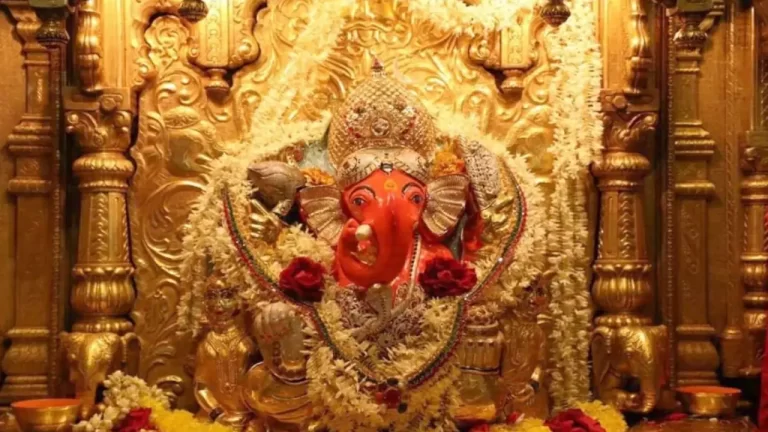
The idol in this temple is Swayambhu and is entirely made from rock with an approximate height of 3 feet and sits atop a beautifully carved stone chair. Note how the idol is designed similarly to the form of the nearby Sarasgad Fort mountain. Also, the posture of the lord with his trunk tilted gently toward the left (Vamamukhi) is a sign of calming, nurturing, and welcoming lunar energy. The beautiful glinting eyes and diamond-inlaid belly of this deity reflect under the flame of oil lamps, giving a soothing look for every devotee. An attractive background sheet made up of pure silver displays idols of goddesses Riddhi and Siddhi carrying whisks.
Sacred Lakes
There are two tranquil lakes to the left and right of the Ballaleshwar Ganapati Temple complex. The lake to the right side is absolutely pure in terms of water, and it is solely used for the ritualistic bathing ceremony of Lord Ballaleshwar.
Ballaleshwar Ganapati Temple Timings and Rituals
Planning the day properly plays an important role to understand the spiritual essence of the Ballaleshwar pali Ganpati temple. Let us try to explore the timing of the temple so that we will not miss out on anything important.
Timing Schedule
The gate of the temple remains open early in the morning and shut late in the evening:
- Opening Time: 5:30 AM
- Closing Time: 10:00 PM
- Please Note: The opening time of the temple is slightly advanced during the festival period, i.e., Sankashti Chaturthi, and stays open until 11:00 PM due to heavy crowds.
Daily Pujas Timing Schedule
- Pratah Aarti (Morning Puja): Performed precisely at 5:30 AM.
- Shringar and Abhishek: During the period from 6:00 AM to 11:30 AM, a special ritual for bathing the Lord with water and milk takes place in addition to adorning Him with clothes, flower, and sandal paste.
- Maha Naivedya (Mid-day Prasad): Served accurately at 12:00 Noon.
- Sanj Aarti (Evening Puja): Offered at sun-set time, i.e., around 6:30 PM to 7:00 PM with traditional beats of drums and a European bell.
- Shej Aarti (Sleeping of Lord): At 9:30 PM, Shej Aarti is performed, and the Lord sleeps thereafter.
Read More>> Somnath Jyotirling Temple: Magical Link to the Moon & Earth!
THE UNIQUE BESAN LAADU PRASAD
For those who have been to other temples dedicated to Ganesha in India,
the standard holy prasad they get is Modak. But in the Ballaleshwar
Ganapati Temple, Pali, the standard offering is none other than the
renowned Besan Laadu (roasted sweet flour in pure ghee).
Why Besan Laadu? It all began from the childhood days of the young
Ballal when his friends did not have any sophisticated sweets to offer
and thus prepared roasted flour sweets. To ensure that this childhood
memory never dies out of their minds and hearts, the trust at the
temple still continues to offer delicious Besan Laadus to the devotees!
And yes, remember to carry some boxes with you on your way back!
Dress Code and Etiquette for Special Poojas
If you’re simply coming for regular darshan, then your regular and modest clothes are totally fine. But if you want to venture into the inner chambers to do the Abhishek Pooja yourself, then you have to follow the strict dressing rules:
- Men: Wear a traditional Dhoti and Uparne (shoulder cloth). Men will have to take off their upper garments such as shirt or vest before stepping inside.
- Women: Women are required to wear either Saree or Salwar Kameez with dupatta.
Festivals and Events
The Ballaleshwar Ganapati Temple, Pali being a tranquil site throughout the week days becomes like an ocean of happiness during certain months. So, if you relish fun-filled days, then you must visit the temple during such days!
1. Bhadrapad Utsav (Ganesh Chaturthi)
The most celebrated occasion at Ballaleshwar Ganapati Temple takes place during Bhadrapad month (August – September) of the Hindu calendar, which is conducted for five days, from Bhadrapad Shudh Pratipada to Panchami.
During the most auspicious day of Chaturthi, the whole temple premises is lit up with thousands of vibrant colored bulbs. The most spectacular event takes place on the fourth day, i.e. the Maha Bhog. In accordance to a mystical belief prevalent in the region, an imprint of Lord Ganesha’s fingers are found on the freshly cooked foods offered during midday on the fourth day. Hence, this becomes the most visited day of the year when hundreds of thousands of pilgrims queue up in anticipation.
2. Magh Utsav (The Winter Celebration)
This five-day festival celebrated during the Hindu month of Magh (January or February) corresponds to the birth month of Ganesha as per the lunar calendar. The grand Palki Procession forms the highlight of this festival on the third day of Magh. The actual Ganesha idol is seated in a beautifully crafted and flower-decorated silver palanquin. Devotees and priests carry this idol on their shoulders through the streets of the Pali village while traditional lezim dances, rhythm beats, and songs surround them.
3. Jyeshtha Dhundi Vinayak Utsav
This is a very particular festival celebrated at Pali between Jyeshtha Shudh Pratipada and Panchami (May or June). It pays tribute to the ancient stone idol destroyed by the father of Ballal who is worshipped here. It is kept in a different building located next to the principal temple.
Best time to visit and managing crowd:
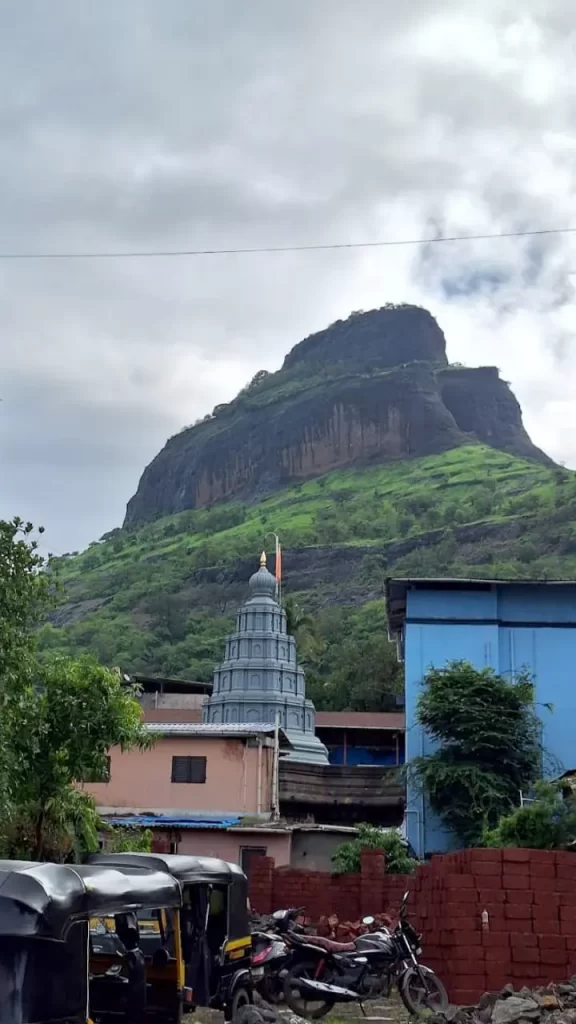
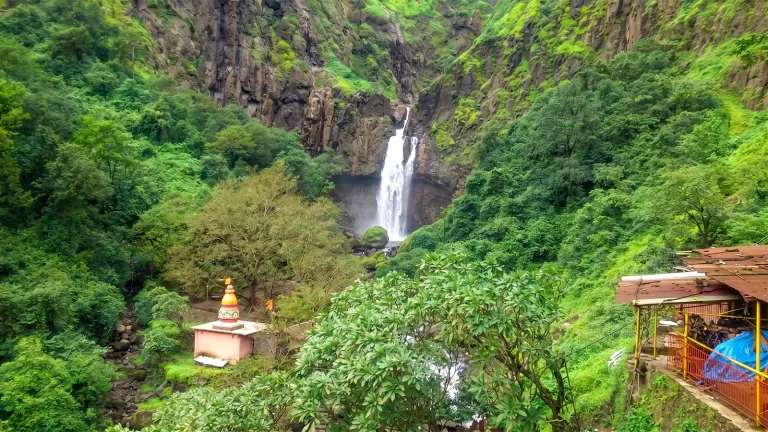
Auspicious & crowded days: There is a huge rush of tourists on each Sankashti Chaturthi (monthly disappearing fourth day of the lunar calendar) and Angarki Chaturthi (Tuesday falling on Chaturthi). If a meditative visit suits you better, then it is recommended to plan a visit on any normal Tuesday or Wednesday morning between the months of July to November, when the surrounding Sahyadri mountains are lush green from the monsoons.
How to Reach and Visitor Facilities
The scenic beauty of the journey to the beautiful town of Pali, due to its wonderful connectivity with large metro cities such as Mumbai and Pune, is worth enjoying.
Options for Transportation
- Road Transport (By Car/Buses): In case you are travelling by car from Mumbai, you have to reach via the Mumbai-Pune Expressway up to the Khopoli junction and then drive on the lovely Khopoli-Pali road. Apart from that, regular buses are operated by state transport corporation MSRTC and other private agencies between cities of Mumbai/Panvel, Thane, and Pune to Pali bus stop, which lies very close to the entrance of the Ballaleshwar Ganapati Temple.
- Railways Transport: The nearest railway stations are Karjat Junction (30km distance) and Roha (28km distance). You can easily get an auto rickshaw or private cab from any of these stations directly to your destination.
- Air Transport: The nearest airport to Pali is Chhatrapati Shivaji International Airport in Mumbai.
Entry Fees & Darshan Facility
The Ballaleshwar Ganapati Temple, Pali, does not charge any entry fee at all. No charges at all! But for those devotees who may be running short of time due to a hectic schedule, or those who may be unwilling to spend much time standing in queue on festive days, there is an official Quick Darshan counter run by the temple trust for a token fee.
Facilities in the Temple
- Dining & Food: The trust operates a Bhojanalaya which serves extremely hygienic, traditional and delicious Maharashtrian vegetarian food (Prasad) for just a few rupees only during lunch time.
- Accommodation: For those who may wish to spend a night at the place of worship, there is a clean and economical Bhakta Niwas (lodging center) managed by the Ballaleshwar Devasthan Trust offering non-AC as well as AC accommodation at moderate prices. There are also many other private budget accommodations in and around Pali village.
- Other Facilities: The temple trust deserves a lot of appreciation for their efforts in laying down the smooth paved pathways for the ease of devotees. Wheelchairs are available to be hired from the main entrance of the temple.
Read More>> Famous Tirumala Tirupati Venkateswara Swamy Temple Guide
Dos and Don’ts
These few vital rules will ensure the preservation of sanctity of this historic site and the success of your trip:
Dos:
- Visit Dhundi Vinayak First: This is the foremost cultural ritual of Pali! Always remember to bow to the Shri Dhundi Vinayak Temple (which is located right behind the temple). The west facing idol of Dhundi Vinayak, who is worshiped by Ballal himself, is said to be the original stone statue and according to tradition one cannot have his pilgrimage fulfilled without bowing to Dhundi Vinayak first!
- Stay Silent: Speak in a whisper in the Sabhamandap so as not to interfere with the pilgrims’ meditation.
- Clothing: Wear clothing that covers the shoulders and knees.
Don’ts:
- No Photography Allowed: No digital camera, camcorders or even mobile phone photography is allowed inside the inner chamber and main chambers. One can certainly photograph from the outer chambers the beautiful stonework and lakes around.
- No Leather Items Allowed: Try not to use leather belts, jackets or even heavy leather bags inside the main building of the temple.
- No Outside Eatables Allowed: Do not eat outside snacks in the Ballaleshwar Ganapati Temple premises.
Read More>> Swaminarayan Akshardham Temple, Delhi | Complete Guide
Nearby Attractions
Since you plan to visit Pali, why don’t you make a full-fledged weekend escape out of it? The entire region surrounding the temple is loaded with beautiful natural attractions and historic sites.
- Shri Dhundi Vinayak Temple
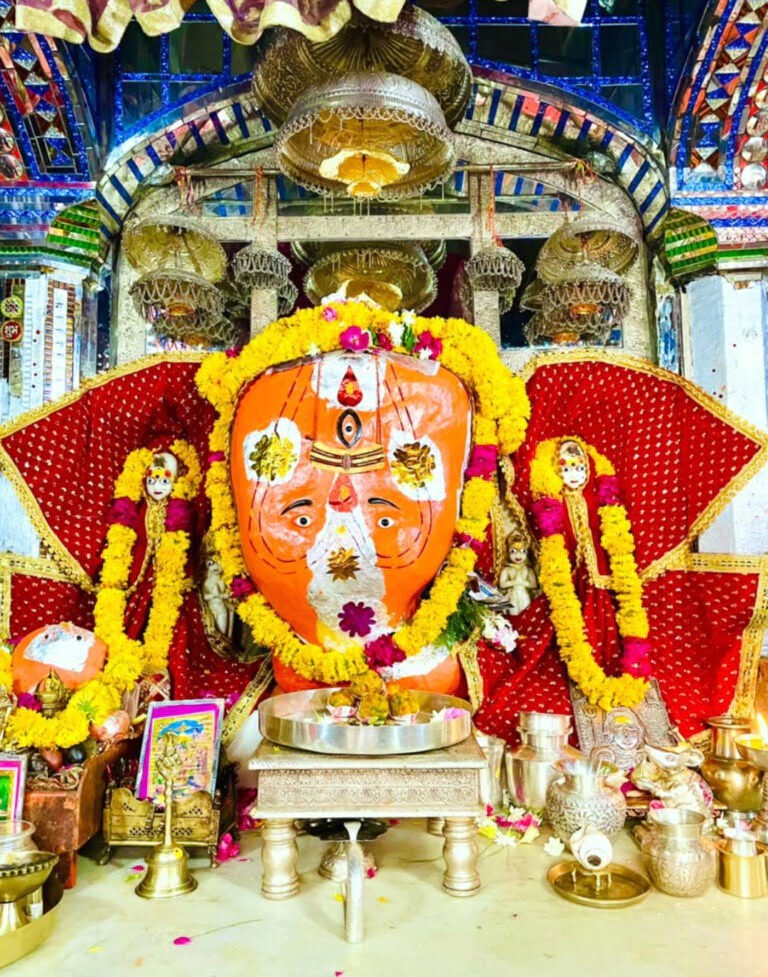
As explained before, the unique west-facing idol of Ganesha is situated just behind the main temple premises. The statue is the exact same rock that was hit and damaged by Kalyan Sheth. Since it managed to survive the parental rage and is a part of Ballal’s strong faith, it carries tremendous power. - Sarasgad Fort and Sudhagad Fort
The adrenaline junkies who enjoy climbing historic forts would be delighted to explore Sarasgad Fort, which stands tall and majestic directly behind the temple of Pali. It served as a watchtower during the rule of Chhatrapati Shivaji Maharaj. Scaling the fort via its carved steps will reward you with amazing views of the whole Amba river valley. The second fort, Sudhagad Fort, is a table-land fort perfect for exploring on a monsoon trekking trip. - Unhere Hot Springs
There are natural perennial hot springs at Unhere, situated within a distance of 4 to 5 kilometers from Pali village. The water in this place contains sulphur and other natural elements, which have amazing healing properties due to which skin and joint problems get cured. The local government has built different bathing places for tourists. - Varadvinayak Temple, Mahad
If one is going through an Ashtavinayak yatra officially, the fourth Vinayak temple on the list is Varadvinayak Temple at Mahad, which lies 35 kilometers away near Khopoli. Both these sites can be visited together in a single day trip.
Read More>> Most Powerful Subramanya Swamy Temple at Thiruchendur
FAQs (Frequently Asked Questions)
Following are the answers to some of the most frequently asked questions that tourists pose while planning their visit to Ballaleshwar Pali Ganpati Temple.
Q1. Why is the temple called Ballaleshwar?
Answer: This particular Ganesha temple is the only one in the entire world that carries the name of its devotee, Ballal. Ballal was a village kid who had such deep devotion for the Lord that He felt compelled to bless him by residing in the village forever and making sure that He was forever associated with his name – hence Ballal’s Lord or Ballaleshwar.
Q2. What is the unique prasad that is offered at Ballaleshwar Pali?
Answer: While Modaks are commonly offered as prasad in most Ganesh temples, the unique offering made at this temple is ‘Besan Laadu’. These are tributes to the humble roasted flour sweets made by Ballal and his friends during their forest rituals.
Q3: Is there any particular order one should follow while taking darshan at Pali?
Answer: Yes, definitely. It is a part of cultural tradition that you have to first go to Shri Dhundi Vinayak Temple, which is present right behind the main temple, and then enter the main Ballaleshwar Ganapati Temple, Pali complex.
Q4: How much time does it take to have a regular darshan?
Answer: On regular weekdays (from Monday till Friday), there is almost no crowd and you can conveniently complete your darshan in around 15 to 20 minutes. But on weekends, on sankasthi chaturthi days, and during major festivals like Ganesh Chaturthi, the wait period may stretch up to 2 to 4 hours.
Q5: Is it possible for us to do our own abhishek in the temple?
Answer: Yes, definitely. You can attend the morning abhishek of the Ballaleshwar Ganapati Temple by purchasing the pooja token from the counter. But you need to maintain the traditional dressing style for the same (men should wear dhoti, and women can either wear saree or salwar).
Conclusion
With our journey almost coming to a close, allow me to invite you to take a moment to close your eyes and picture the following scenes – the reverberating toll of an ancient bell of European heritage resounding off the black stone walls; golden rays of sunlight breaking through the darkness of the lead-jointed sanctuary; and the brilliant sparkle of the diamond eyes of the Lord watching over you, comforting you that no hurdle shall be too big for you to face.
This Pali Temple of Ballaleshwar Ganapati is more than just another touristic attraction or even another ancient archaeological marvel. The temple is a sanctuary to one’s emotional needs and a source of immense joy for those who visit here. The temple serves as a reminder that God doesn’t measure anyone in terms of their social standing, their age, or even the material value of their offerings to Him. What He judges people for is only the extent of their love and affection towards him. Just like he came here to set young Ballal free from his bindings, every single pilgrim comes out of the Ballaleshwar Pali Ganpati temple having had their knots loosened.
.Well, what about your plans for visiting this paradise? So, pack your bags, take your family along with you, and make sure your heart is ready for that peace which only the Lord of Bhakta Ballal can give you. If you have any further queries regarding your trip or your travel plan for the area, do inform me. Safe travels and Ganpati Bappa Morya!