Hidden Power of Haridwar Mansa Devi Temple: #1 Wish Granted!
Haridwar Mansa Devi Temple: Welcome to the holy land of Haridwar, the “Gateway to God.” I’m your guide, and it’s my absolute pleasure to guide you on a spiritual pilgrimage to one of the most sacred temples in this holy city: the Haridwar Mansa Devi Temple.
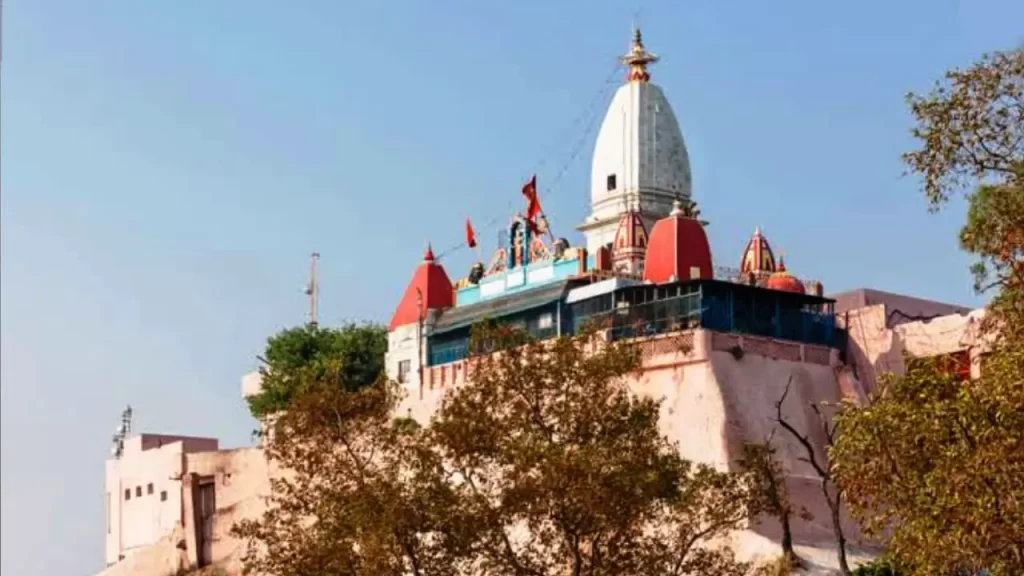
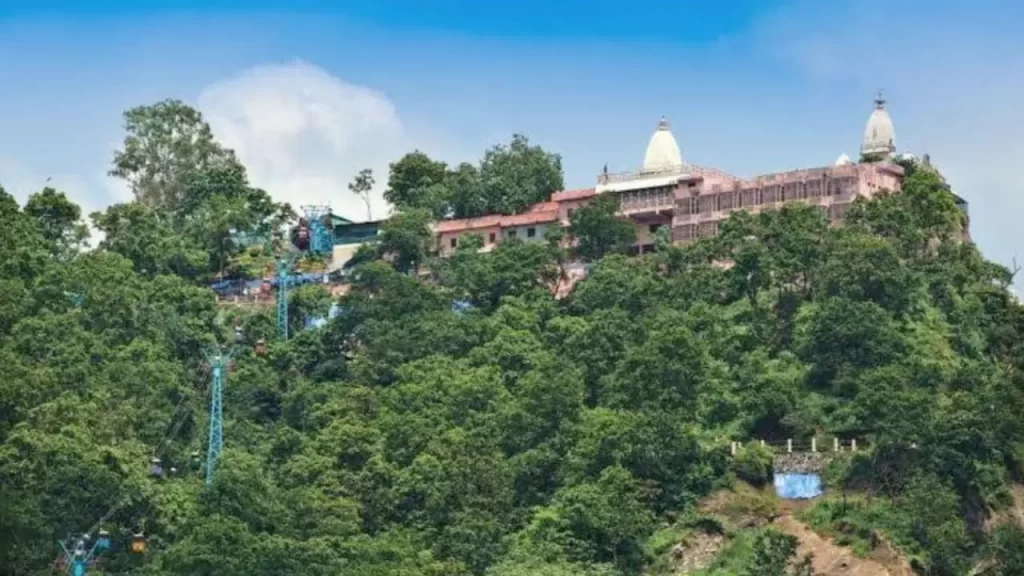
Situated on top of the Bilwa Parvat (Bilwa Mountain), looking down upon the magnificent Ganga River and the vast expanse of plains of Haridwar, this temple is a ray of hope and grantor of wishes for millions of devotees. For, you see, the name “Mansa” itself translates to “wish,” and it is said that Goddess Mansa Devi, a great form of Shakti, possesses divine authority to bestow all genuine longings.
This is why it’s also rated as one of the Siddh Peethas, spots where dreams come true. Just think of it, perched on top of that hill, with the refreshing wind on your cheek, the ringing of temple bells in the air, and the stunning stretch of the Himalayas in the distance – it’s an experience that reaches out to your heart.
Contents
- 1 The Spiritual Significance of Haridwar
- 2 Haridwar Manasa Devi Temple History
- 3 Legend of the Temple
- 4 Cultural, Spiritual, and Mythological Significance of the Temple
- 5 Festivals and Special Days
- 6 Unique Architectural Styles and Carvings
- 7 Myths and Beliefs
- 8 Haridwar Mansa Devi Temple Timings and Best Time to Visit
- 9 Hindu Tourist Attractions Around Haridwar Mansa Devi Temple
- 10 Accommodation Options Near the Temple
- 11 How to Access the Haridwar Mansa Devi Temple
- 12 FAQs About Haridwar Mansa Devi Temple
- 13 Why This Place is Very Important and Special Poojas Performed
The Spiritual Significance of Haridwar
Before we go further into the marvels of Mansa Devi Temple, let me provide you with a brief background about Haridwar itself. This ancient city is so significant in Hinduism. It’s one of the seven most sacred cities, also referred to as Sapta Puri, and one of the four locations where Amrita drops are said to have fallen during Samudra Manthan (churning of the cosmic ocean).
This brings Haridwar to host the world-famous Kumbh Mela once in 12 years, which attracts millions of pilgrims for a sacred dip in the Ganga. It is also the gateway to the Char Dham Yatra, the journey to the four holy shrines in the Himalayas: Badrinath, Kedarnath, Gangotri, and Yamunotri. So, you see, a trip to Haridwar, and particularly to Mansa Devi, is not only a journey; it’s a spiritual experience.
Read More>> Bhadraj Temple Mussoorie: Famous Lord Balabhadra Temple
Haridwar Manasa Devi Temple History
The history of Mansa Devi Temple Haridwar is one of devotion and ancient legend. Though the actual beginnings of the shrine itself are hidden in the pages of history, the current temple as we know it was built by Maharaja Gopal Singh of Manimajra during 1811 to 1815 A.D. Picture the devotion and foresight that went into creating such a monumental temple on a hill over almost two centuries!
Prior to this magnificent edifice, it is said that individuals prayed before three Pindies (rock formations) at the top of the hill, which were then discovered to be the site where a portion of Sati Mata’s head was said to have fallen. This longstanding faith binds Mansa Devi to the strong Shakti Peetha tradition.
The temple remained in the patronage of the State of Manimajra for ages. When the princely states were united into PEPSU (Patiala and East Punjab States Union), the maintenance of the temple was in trouble. The strong belief of people, however, ensured its existence and ongoing devotion. Now, the Haridwar Mansa Devi Temple is a symbol of hundreds of years of unflinching faith and devotion.
Legend of the Temple
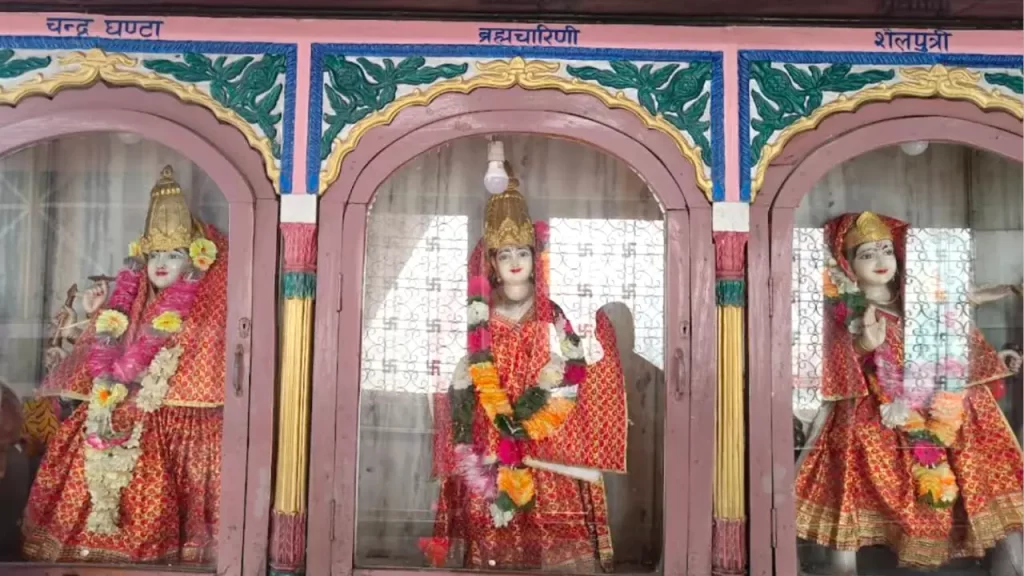
Ah, the myths! All ancient temples in India have tales that give life to its stones, and the Haridwar Mansa Devi Temple is not different. The spectacular legend about Goddess Mansa Devi is that she is the Manas Putri (thought-born daughter) of Lord Shiva. Can you picture? Conceived in the mind and consciousness of great Lord Shiva himself!
Another interesting account states that she is also considered to be the sister of Vasuki Naga, the serpent king who wears Lord Shiva’s neck. It is because of this relation with the Nagas (serpents) that she is also revered as a serpent goddess, and at times as Vishahri, the killer of poison. There exists a popular belief that she rescued Lord Shiva from the effects of the Halahala poison when he drank it during the Samudra Manthan.
As per the Brahma Vaivarta Purana, Mansa Devi was born from the thought of Sage Kashyapa. The Purana speaks of her as a Nagakanya (serpent maiden) who was a staunch follower of Lord Krishna and Lord Shiva, always chanting Vedas and learning about Krishna mantras. It’s a lovely character sketch of a goddess who possesses profound spiritual intelligence and great power.
And then there’s the most common belief, the one that makes this temple a magnet for devotees: it’s a Siddh Peetha. It is said that at this very spot, the forehead of Devi Sati fell when Lord Shiva carried her burning body, performing his Tandava. This makes Haridwar Mansa Devi Temple one of the 51 Shakti Peethas in India, locations where Sati’s body parts are supposed to have fallen, emitting tremendous divine energy. The devotees strongly believe that whatever wish they utter here with a clean mind is fulfilled by the Goddess.
Read More>> Triyuginarayan Temple: Journey to the Eternal Flame
Cultural, Spiritual, and Mythological Significance of the Temple
The Haridwar Mansa Devi Temple is more than just a religious temple. It has a multi-faceted importance.
Cultural Significance: It’s a living center of Hindu culture. When you are there, you will notice families from every walk of life, in their traditional clothes, with offerings, and performing ancient rituals. It’s all the chanting of mantras, the smell of incense, and the shared devotion of thousands. It is a lovely sight of India’s rich spiritual heritage. The custom of tying a thread around the temple’s sacred tree, making a wish, and then coming back to cut it when the wish is granted is a deeply rooted cultural tradition here. It reflects the huge faith the people have in the Goddess.
Spiritual Significance: For most, a pilgrimage to Haridwar Mansa Devi Temple is a highly spiritual experience. The serene atmosphere, coupled with the breathtaking views of the Himalayas and the Ganga, creates an ideal environment for introspection and connecting with the divine. Pilgrims come seeking peace, solace, and spiritual upliftment. The belief that the Goddess grants wishes inspires a deep sense of hope and reinforces the power of faith. It’s a place where one feels truly closer to the divine.
Mythological Significance: As we explained, its classification as a Siddh Peetha associated with Devi Sati’s forehead attribute enormous mythological significance. This association puts the Haridwar Mansa Devi Temple at the large canvas of Hindu mythology, the Shakti Peetha tradition. It supports the philosophy of Shakti – the sacred feminine force – as the ultimate power that rules the universe. Her birth legends from the mind of Shiva or Sage Kashyapa and her affinity with snakes fill her existence with mythical richness and make her a distinctive and revered goddess.
Festivals and Special Days
The Mansa Devi Temple in Haridwar springs to life with even more religiosity on special occasions and during festivals. If you wish to see the temple at its most lively, such are the times to be here (though expect big crowds!). Navaratri: This is by far the most important festival that is celebrated in Mansa Devi Temple.
Navaratri, literally “nine nights,” is devoted to the nine avatars of Goddess Durga, and Mansa Devi, being one of the incarnations of Shakti, is revered with great devotion during these nine days. The temple is beautifully decorated twice a year, once in March-April (Chaitra Navaratri) and once in September-October (Sharad Navaratri), and special pujas, aartis, and havans are conducted. The mood is charged, with devotional hymns and the happy shouts of “Jai Mata Di!” You can see a sea of devotees climbing the hill, all willing to obtain the blessings of the Goddess. It’s an absolutely entrancing view, but be ready to wait in serpentine queues!
Other Auspicious Days: Tuesdays and Sundays are considered particularly auspicious for worshipping Goddess Mansa Devi. You’ll find a noticeable increase in devotees on these days. Additionally, during the Hindu month of Sawan (July-August), many devotees visit the temple, especially after collecting holy water from the Ganga, to offer it to the Goddess. Amavasya (new moon) and Purnima (full moon) days also see a good number of pilgrims.
Crowded Days: Generally speaking, over Navaratri, long weekends, and big Hindu festivals, the Haridwar Mansa Devi Temple is extremely overcrowded. If you’re not fond of a crowded darshan, it is best to avoid them. But if you’d like to see the sheer devotion and energy, these are the days to do so!
Read More>> Char Dham Yatra – A Complete Guide to Spiritual Destination
Unique Architectural Styles and Carvings
The Haridwar Mansa Devi Temple is a good representation of the classic North Indian temple style, specifically in the Shakti Peetha mode. Although it may not have the elaborate majesty of some of the temples in South India, the magic of this temple lies in its simplicity and its strong spiritual energy.
The outside of the temple is largely red, a color usually related to Shakti and energy, in lovely contrast to the green surrounding of the Bilwa Parvat. The striking coloration separates the temple dramatically from the red-band green rolling hills and deep forests within the nearby Rajaji National Park and surrounding Shivalik hills.
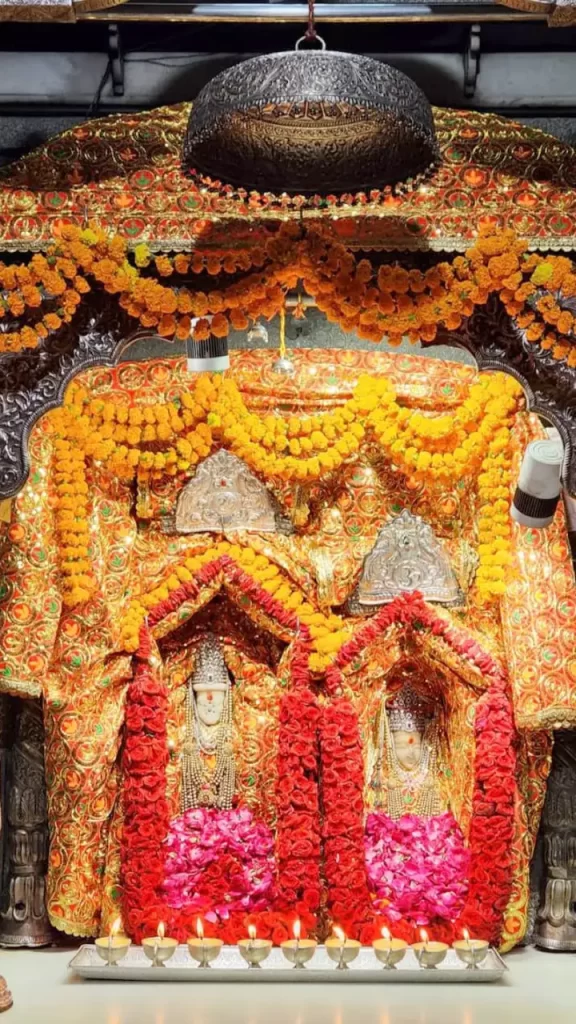
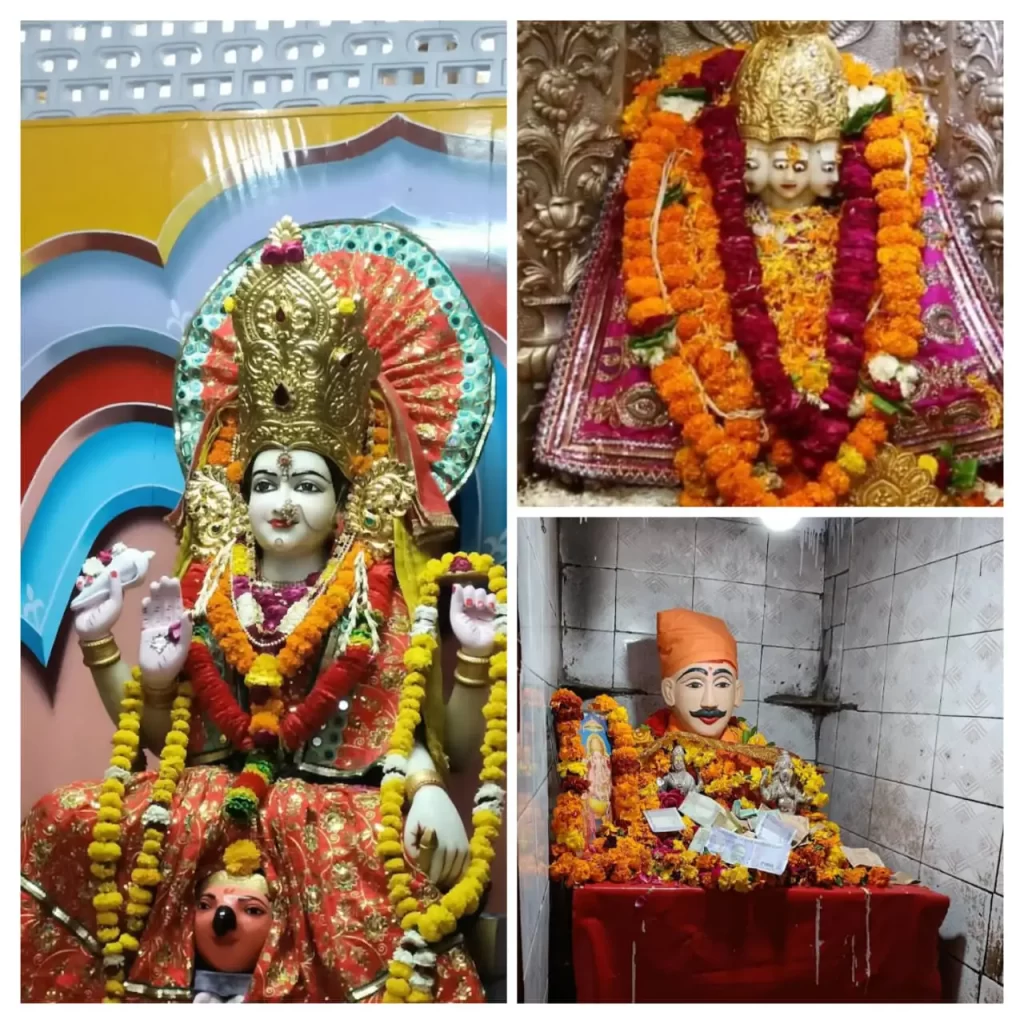
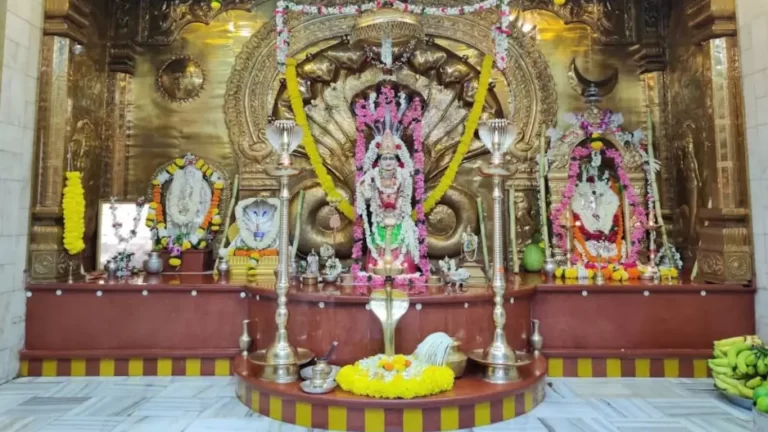
Within Garbhagriha (sanctum sanctorum), two primary idols of Goddess Mansa Devi can be found. One idol has eight hands, representing her colossal power and capability to safeguard devotees in all directions. The other idol is three-headed with five hands, signifying various aspects of her divine power. These idols are exquisitely dressed in clothes, garlands, and ornaments, creating an interesting scene.
The actual temple structure is not highly ornate but rather simple, while concentrating on functionality and devotion. You can note floral designs and wall and ceiling panels wherein different myths of Hinduism and iconography are portrayed. Such subtle artistic impressions enhance the sanctity of the shrine. Overall, it resembles a Shaktipeeth, with the main deity housed in the sanctum.
Read More>> Tungnath Temple: The Highest Shiva Shrine in the World 12k ft
Myths and Beliefs
The Haridwar Mansa Devi Temple is a goldmine of myths and beliefs that have been handed down through ages. It is these beliefs that attract millions of devotees to its sacred grounds.
Wish Fulfillment (Manokamna Siddhi): This is, by far, the most widely held belief connected with the temple. The name “Mansa” itself means “wish,” and the believers strongly feel that by going to the temple with a clean heart and making a genuine wish, the Goddess Mansa Devi will fulfill it. The belief is so strong that you find people commonly stating, “Mansa Devi sabki manokamna poori karti hain” (Mansa Devi fulfills everyone’s wishes).
The Sacred Thread: One of the most unique and stunning rituals at the Haridwar Mansa Devi Temple is to tie a sacred thread around the banyan tree branch inside the temple complex. It is like tying the wish with the Goddess. Once the wish is fulfilled, it is believed that the devotee has to come back to the temple to untie the thread as a way of showing thanks. This practice is a tangible expression of the pilgrims’ unshakeable belief.
Protection against Snakebites: As she is associated with the Nagas (snakes) and has the epithet Vishahri (smasher of poison), Mansa Devi is also worshiped for protection from snakebite and venom. Agriculturalists and individuals dwelling in places where encounters with snakes are frequent pray to her to ensure their protection.
Prosperity and Fertility: Prosperity, good luck, and fertility are also prayed for by many devotees to Mansa Devi. Childrenless couples make a visit to the temple in the hope that her blessings will grant them children.
One of the Panch Tirth: Haridwar Mansa Devi Temple is one of the Panch Tirth (Five Pilgrimages) of Haridwar, besides Gangadwara (Har Ki Pauri), Kushwart, Kankhal, and Neel Parvat (Chandi Devi Temple). Paying a visit to this Panch Tirth round is regarded as extremely beneficial.
Haridwar Mansa Devi Temple Timings and Best Time to Visit
It is important to know a little about the temple timings to plan your trip to Haridwar Mansa Devi Temple.
- Summer Timings (April to October): The temple usually opens early, at around 4:00 AM, and closes in the night, typically at around 10:00 PM. Ropeway (Udan Khatola) typically operates from 7:00 AM and shuts around 7:00 PM.
- Winter Timings (November to March): During the winter months, the temple opens slightly later, around 5:00 AM, and closes slightly earlier, at 9:00 PM. The ropeway generally begins at 8:00 AM and closes at about 5:00 PM.
Always do check the timings in situ, as they may occasionally change marginally, particularly for festivals or maintenance.
Bhog Time: Kindly note that the temple is closed for Bhog (offering of food) for a brief time, usually from 11:00 AM to 11:15 AM every day.
Aarti Timings:
Summer: Morning Aarti: 4:30 AM – 5:00 AM; Evening Aarti: 7:00 PM – 7:30 PM.
Winter: Morning Aarti: 5:30 AM to 6:00 AM; Evening Aarti: 6:00 PM to 6:30 PM.
Best Time to Visit: The pleasant winters between October and March are best for visiting Haridwar and the Haridwar Mansa Devi Temple. The weather is excellent for sightseeing and hill climbing. If you are not averse to heat and wish to enjoy the lively festival spirit, then visiting during Navaratri is possible, but keep in mind that the temple complexes will be extremely crowded. Weekdays are less crowded than weekends.
Read More>> Sivanmalai Temple: Murugan’s Sacred Box Predicts the Future
Hindu Tourist Attractions Around Haridwar Mansa Devi Temple
Your Haridwar Mansa Devi Temple pilgrimage would not be complete without a visit to the other holy sites around Haridwar. Most of them are easily within reach of Mansa Devi:
- Chandi Devi Temple: On the nearby Neel Parvat, this is another Shakti Peetha site of great power in Haridwar. It can be accessed by ropeway (usually one ticket covers Mansa Devi and Chandi Devi) or on foot. It’s a temple dedicated to Goddess Chandi, who is a fierce incarnation of Durga, and a visit to both Mansa Devi and Chandi Devi is very auspicious and constitutes an important pilgrimage circuit.
- Har Ki Pauri: This is Haridwar’s holiest ghat where the sunset Ganga Aarti is a moving symphony of light, sound, and devotion. It is said that bathing here washes away all one’s sin and brings salvation. It’s very accessible as it is located at the foot of Mansa Devi Hill.
- Maya Devi Temple: Dating to be one of the very oldest temples in Haridwar, Maya Devi Temple is also a Shakti Peetha temple where the naval and heart of Devi Sati are said to have fallen. It’s situated near the city center and constitutes the third Siddh Peetha triad of Haridwar, along with Mansa Devi and Chandi Devi.
- Daksha Mahadev Temple: Situated at Kankhal, just near Haridwar, this temple is dedicated to Lord Shiva. It is related to the mythological story of Daksha Yagna and the self-immolation of Sati, a crucial episode in the Shakti Peetha legend.
- Bharat Mata Mandir: A first-of-its-kind multi-storied temple dedicated to Mother India, featuring different deities, saints, and freedom fighters on its various floors. A site where spirituality and patriotism go hand-in-hand.
- Shantikunj Ashram: A globally celebrated spiritual and social body that advocates scientific spirituality and moral development. It’s a serene site for meditation and studying ancient Indian wisdom.
- Sapt Rishi Ashram and Sapt Sarovar: Legend has it that seven great sages meditated here, and the Ganga split into seven streams to avoid disturbing them. It’s a peaceful place with a lovely view of the river.
- Pawan Dham: A contemporary temple famous for its stunning glasswork and beautifully decorated idols, especially that of Lord Hanuman.

Accommodation Options Near the Temple
Haridwar has a broad spectrum of accommodation to suit all budgets, ranging from high-end hotels to low-budget guesthouses and spiritual ashrams. As Haridwar Mansa Devi Temple is a popular attraction, you’ll find plenty of options around.
Mid-Range and Luxury Hotels: There are some popular hotel chains and independent hotels in Haridwar that provide you with comfortable accommodations along with all the modern amenities. Most of these are within walking distance or a short drive from the temple base or city center, making them easily accessible. Some popular options are hotels close to Har Ki Pauri or on the major roads to the temple.
- Pilibhit House, Haridwar – IHCL SeleQtions: Heritage property providing luxurious stay with exclusive ghat. (Approx 1.2 miles from Mansa Devi Temple)
- Ganga Heritage By Howard: Situated nearer to Har Ki Pauri, providing cozy stay. (Approx 0.68 km from Mansa Devi Temple)
- Hotel Midtown: A decent mid-range hotel. (Roughly 0.47 km from Mansa Devi Temple)
Budget Hotels and Guesthouses: For travelers with a limited budget, there are plenty of budget hotels and guesthouses spread across Haridwar. They are located close to the railway station, bus stand, or in by-lanes connecting to the ghats. They provide basic facilities and a clean stay for pilgrims.
- Hotel Babua Hyness By Avadhesh Group Of Hospitality: One of the more affordable options just about next to the temple. (Around 0.47 km from Mansa Devi Temple)
- Avisha Express: Another budget-friendly option. (Around 0.99 km from Mansa Devi Temple)
Ashrams: Haridwar is well-known for its many ashrams, which provide simple, clean, and frequently very cheap accommodation. Life in an ashram offers a special spiritual experience, enabling you to take part in daily prayers, yoga, and meditation sessions. These usually take place on the riverbanks of the Ganga or slightly off the main city center in search of a quiet setting.
Online Booking Sites: It’s always best to pre-book your stay in advance, particularly if you’re visiting during peak season or festivities, through online travel websites. In this way, you ensure you have your first choice and don’t face last-minute inconvenience.
Read More >> 11 CE Adinath Temple Khajuraho
How to Access the Haridwar Mansa Devi Temple
Access to the Haridwar Mansa Devi Temple is itself an experience, providing both traditional and contemporary options for climbing the Bilwa Parvat.
By Road: Haridwar is very well connected by road with other big cities of India. It is very easy to get government and private buses, auto-rickshaws, taxis, or private vehicles to reach Haridwar. Within Haridwar, the ground floor of the Mansa Devi Temple is within easy reach by auto-rickshaws, cycle-rickshaws, or local autos.
From the bus stand or Haridwar Railway Station, the foundation of Mansa Devi Temple lies approximately 1 to 2 kilometers away.
By Train: Haridwar Junction (HW) is a major railway station with good connectivity to most of India. Frequent trains operate to Haridwar from Delhi, Mumbai, Kolkata, Chennai, and other major cities.
By Air: The closest airport to Haridwar is Jolly Grant Airport (DED) in Dehradun, which is about 35-40 kilometers away. From the airport, you can take a taxi or a bus to Haridwar.
Climbing the Hill to the Temple: When you arrive at the foot of the Bilwa Parvat, you have two main ways to get to the Haridwar Mansa Devi Temple:
- On Foot (Trekking): For the healthy and devout, a trek up the hill is a rewarding experience. The paved road is about 1.5 to 2 kilometers long and has a gentle slope with steps in some areas. It should take around 30-45 minutes to the top, depending on how fast you walk. During the walk, you’ll also pass by small stalls selling offerings, snacks, and souvenirs.
- Ropeway (Udan Khatola): This is the most convenient and popular means to visit the temple, particularly for old persons, families with young children, or those who would like a more rapid climb.
The ropeway, or Udan Khatola (flying palanquin), provides stunning panoramic views of Haridwar city, the Ganga River, and the surrounding Shivalik hills. The ropeway leaving point is in the center of town. The ride is enjoyable and only lasts a few minutes. You may purchase individual tickets or combination tickets if you are going to Chandi Devi Temple also.
FAQs About Haridwar Mansa Devi Temple
Now, let’s address some of the most frequently asked questions pilgrims and tourists have regarding the Haridwar Mansa Devi Temple.
Is there an entrance fee for Mansa Devi Temple?
No, there is no entrance fee for the temple itself. But yes, there is a fee for the ropeway ride if you are taking that route.
How much does the ropeway ticket cost?
The rate of the ropeway ticket is currently approximately INR 122 per head for a round trip (as of 2025). The fare is subject to change, so it’s always best to check at the ticket stand. Mansa Devi and Chandi Devi ropeway combo tickets also exist.
How long does it take to go to Mansa Devi Temple?
If you go by the ropeway, the whole trip, including waiting, darshan, and taking in the view, will take anything between 1.5 to 3 hours, depending upon the crowd. If you go for trekking, add a further 1-1.5 hours to that.
Is there any facility for food and beverage at the temple?
Yes, there are many small shops and stalls along the foot of the hill and surrounding the temple compound that offer prasad (offerings), snacks, bottled drinks, and soft drinks. You’ll have many options for a drink.
What do I wear when visiting the temple?
It is better to dress in modest and comfortable clothing when going to any Hindu temple. Traditional Indian dress is always acceptable. As you may be walking or using the ropeway, comfortable shoes are preferable.
May I take photos within the temple?
Photography within the inner sanctum (Garbhagriha) is generally not permitted for religious and sanctity maintenance reasons, but you can photograph within the temple complex as well as of the scenic views outside.
Is it safe to travel to Mansa Devi Temple with children and senior citizens?
Yes, it is normally safe. The ropeway is extremely easy to access for children and the elderly. The trails are clean. But in peak season, people get too crowded, so be careful and closely supervise your friends.
What are the special facilities for Goddess Mansa Devi?
Devotees tend to leave coconuts, flowers, garlands, sweets, and incense sticks as offerings to the Goddess. You can find shops selling these items around the ropeway station and temple entrance.
Read More >> Kanchi Kamakshi Temple: One of Powerful 18 Shakti Peethas
Why This Place is Very Important and Special Poojas Performed
Not only is the Haridwar Mansa Devi Temple significant, but it’s deeply significant in India’s spiritual history. Its significance arises from a number of critical factors:
Siddh Peetha Status: As stated, it’s among the 51 Shakti Peethas and a Siddh Peetha, i.e., a location where wishes are granted. This faith acts as a strong magnet that attracts millions of individuals who visit with hopes and prayers in their hearts, looking forward to divine intervention within their lives. The energy of a Siddh Peetha is reputed to be highly powerful, enabling spiritual growth and granting wishes.
Relation with Haridwar’s Sacred Circuit: With it being one of the Panch Tirthas and being a part of the major trio of Shakti Peethas in Haridwar (Mansa Devi, Chandi Devi, and Maya Devi), it is an essential element of an entire spiritual journey in this sacred city. A large number of people feel that a haridwar pilgrimage is incomplete without a visit to these three influential temples.
Symbol of Divine Feminine Power: Mansa Devi is the symbol of the powerful and benevolent form of Shakti, the divine feminine power. She is revered as the protector, healer, and boon-giver, encompassing the caring and warrior sides of the Goddess.
Panoramic Scenes and Tranquility: Apart from its religious importance, the site of the temple on top of Bilwa Parvat commands panoramic sceneries over the entire Haridwar city, the meandering Ganga River, and the far-off Himalayas. The sheer beauty of nature complements the religious tranquility and renders the pilgrimage an unforgettable experience.
As for special poojas, the daily aartis conducted in the morning and evening are considered to be most sacred. Moreover, devotees can also arrange for a specific pooja to be conducted on their behalf by the temple priests. These tend to include:
- Manokamna Siddhi Puja: A special puja that is conducted to seek the realization of certain wishes. This has a direct connection to the reputation of the temple being a Siddh Peetha.
- Abhishekam: Ritualistic bathing of the deity with holy substances such as milk, water, honey, and curd, along with mantras, to pray for the blessings of the Goddess.
- Chandi Path/Durga Saptashati Paath: Reading of stanzas of the Devi Mahatmyam (also referred to as Chandi Path or Durga Saptashati), an efficacious scripture lauding Goddess Durga’s glory and triumphs, to pray for protection and blessings.
- Havan/Yagna: Fire offerings undertaken to seek blessings from God, cleanse the environment, and make oblations to the gods. These are typically held on festivals or for targeted reasons.
Most devotees will also buy small portions of coconut, flowers, and sweets from the street vendors to offer to the Goddess personally during their darshan. The process of tying the thread around the divine tree is also a ritualistic offering of one’s desire to God.
5 Comments