Mahakaleshwar Jyotirlinga: Powerful Mahakal Temple in Ujjain
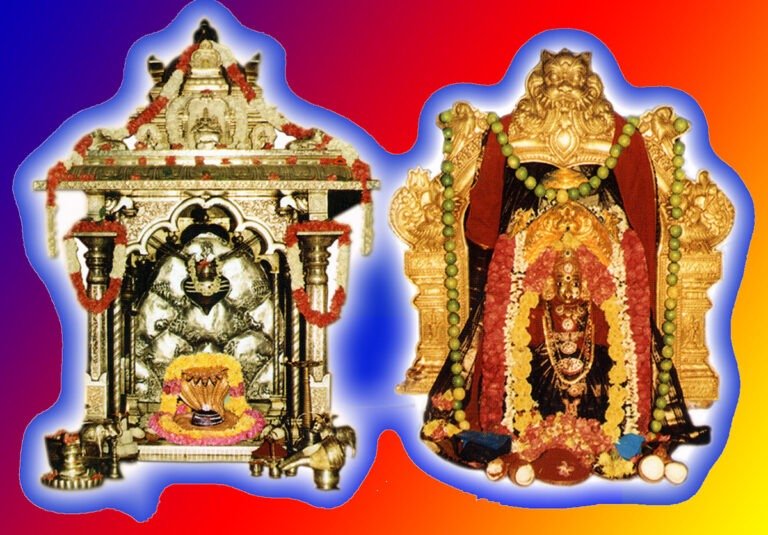
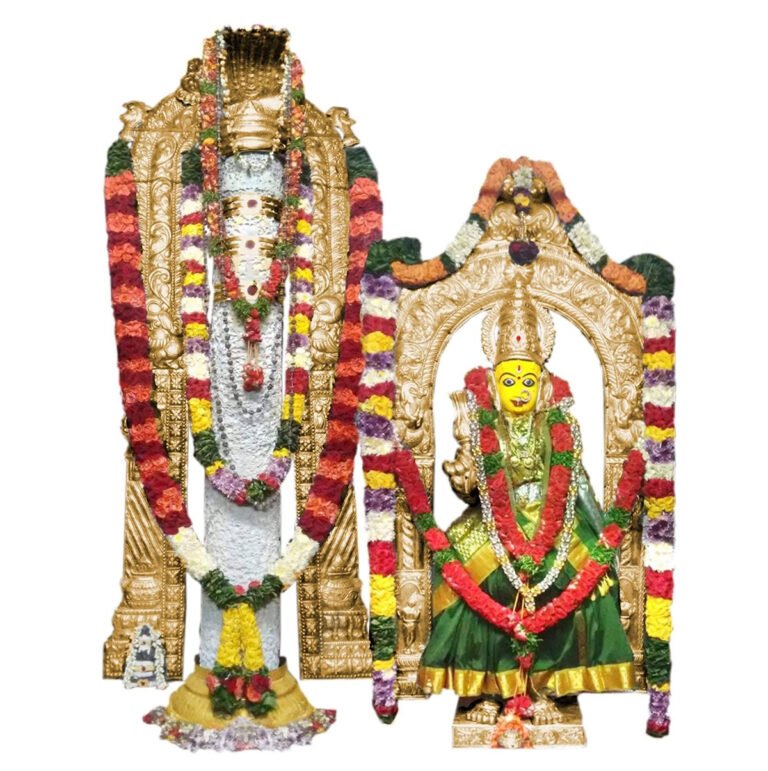
Mahakaleshwar Jyotirlinga or Mahakal Temple is said to be among the twelve Jyotirlingas in India. History reveals that this temple, located in the Madhya Pradesh state’s Ujjain city, is one of the oldest temples in that particular state. Some regard this Shiv Linga as swayambhu, or “originated or found in soil.” Moreover, this Shiv Linga is considered to be more potent and to manifest great power (cosmic energy).
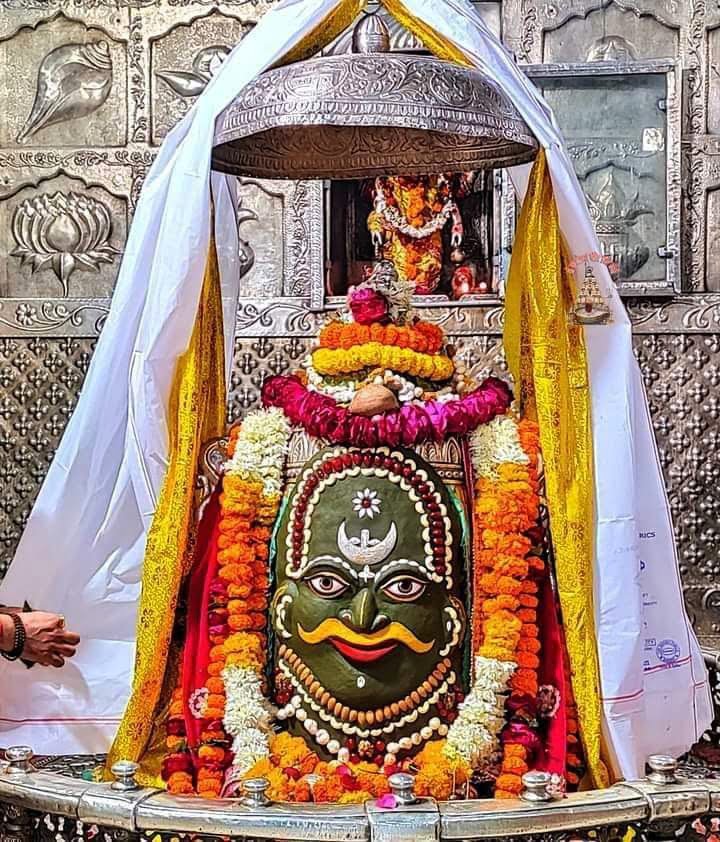
Normally, any idol of the god is preserved either by chanting mantras or by infusing mantras with the help of yantra (mantras imprinted on the copper plate) to ensure power for the idol. However, Mahakaleshwar Jyotirlinga differs from them as it reveals its power without such rituals.
Ancient scripts narrate that Mahakaleshwar Shiv Linga is one that is believed to be “Dakshinamurti” as it faces towards south. And also it is said to have “spiritual shivnetra” which is not found in any other Jyotirlingas. Mahakal Temple is constructed with massive walls on the side of Rudra Sagar Lake and has five storeys. Out of which one is carved underground and a separate idol of Lord “Nagchandreshwar” is placed in the third storey which is opened only during ‘nag panchami’ for darshan.
While other rituals of the temple, we can pray again Prasad to the god. As per the ancient scripts, some ages ago this place was ruled by King Chandrasena, he is a devotee to Lord Shiva. Some time ago, his rivals attacked him with the help of a demon who had been blessed by Lord Brahma to get some form in the invisible world also which was successful.
They killed all Shiva devotees while concurring his dynasty, helpless King Chandrasena prayed to Bola Shankar to help his people, upon hearing devotees plead he appeared in the form of ‘Mahakala’ and destroyed all his rivals. He blessed his devotees that he will remain in the form of Linga (a form of divine light) and also blessed that whoever the devotee worships in this form, they will be free from all kinds of diseases and death.
Read More>> Baidyanath Temple – Sacred Jyotirlinga with Location Dispute
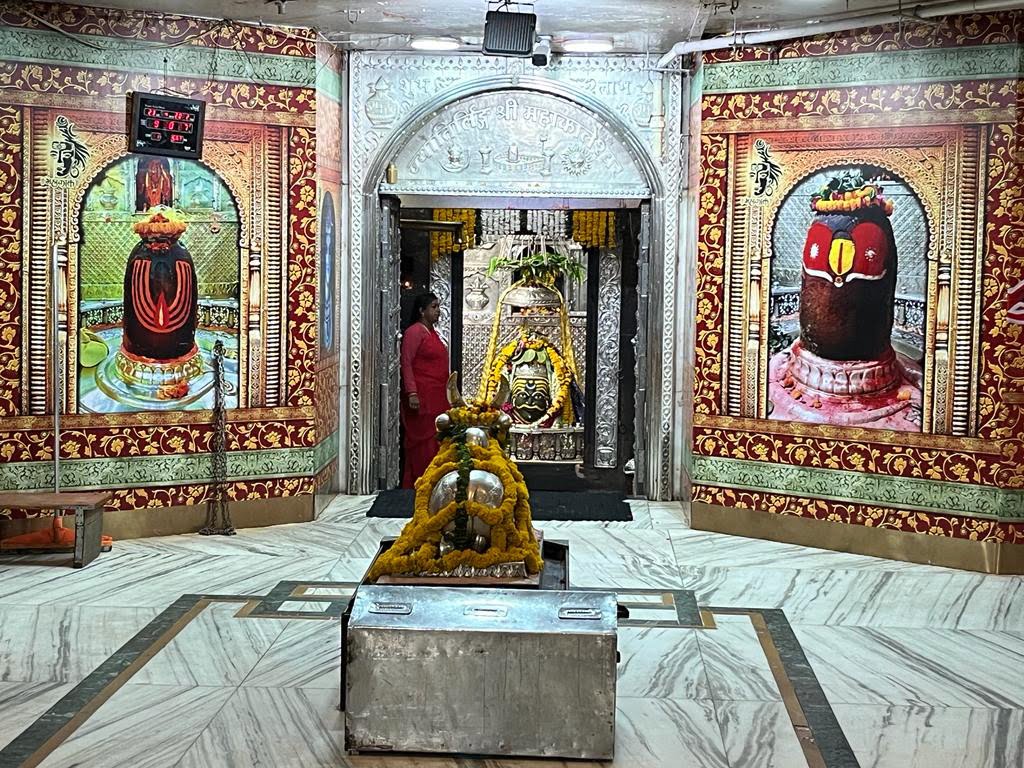
Mahakaleshwar Temple History: A Tale of Time and Rebirth
So, let’s go back in time, hundreds of years ago. The tale of the Mahakaleshwar Jyotirlinga is a big story, full of bravery and dedication. Like a beloved toy that gets damaged but is lovingly fixed up and made even more wonderful, this temple has a similar story.
Ujjain is an old city, once Avantika. It was always a highly significant place for learning and spirituality. The temple we have today did not always exist in this very shape. Different kings and rulers over centuries loved this place. But, like all the valuable things, it went through some challenges too.
In the 13th century, a powerful invader named Iltutmish attacked Ujjain and sadly destroyed the old temple. He even threw the sacred Jyotirlingam into a nearby pond! But true devotion is like a seed that always finds a way to grow, no matter what.
More recently, in the 18th century, a courageous Maratha General by the name of Ranoji Shinde and his prime minister, Ramchandra Baba Shenvi, embarked on the selfless mission to restore Mahakaleshwar temple. They invested their riches and souls in constructing the stunning edifice with which we are familiar today, and which is a testament to unshakeable belief. Therefore, as you stroll across the temple campus, keep in mind that you’re treading on centuries of history, perseverance, and profound, profound devotion. The Mahakaleshwar Jyotirlinga has indeed emerged from its ashes stronger than before!
Read More>> Thousand Pillar Temple: India’s Amazing 1000 Pillar Temple!
Legend of the Temple: Lord Shiva as the Protector
Each great destination has a fascinating tale, and the Mahakaleshwar Jyotirlinga has one that’s simply remarkable, imparting us with courage and divine protection!
In ancient times, the city of Ujjain was known as Avantika. It was a highly prosperous and beautiful city, which was favored by Lord Shiva. Then it was ruled by a kind and wise king named Chandrasena, who was an ardent bhakta of Lord Shiva. The king prayed to Lord Shiva at all times, and his devotion was untainted.
Dushan, a wicked demon, attacked Avantika one day. He was immensely powerful and created a lot of havoc for the people. The people of Ujjain, frightened and powerless, began to pray to save them from Lord Shiva.
At the same time, a boy named Shrikhar, who was a cowherd boy, overheard the king praying. He was so touched that he began praying to Lord Shiva with all his heart as well, even creating a Shiva Lingam on a rock and praying to it. Observing the suffering of his devotees and moved by the untainted devotion of King Chandrasena and little Shrikhar, Lord Shiva could not withstand it.
Abruptly, the ground trembled and a column of fire and light appeared from the ground. Lord Shiva appeared in all his powerful and ferocious form, Mahakal, through this dazzling light. He was angry at the demon Dushan and, with all his power, annihilated the wicked demon, saving his loving city and followers.
After rescuing them, the folks implored Lord Shiva to remain in Ujjain for all eternity, so they could remain protected all the time. Lord Shiva, not wanting to displease them, accepted their prayer. He settled in the presence of the Jyotirlingam at that very place. Since he emerged as “Mahakal,” the “Lord of Time,” to conquer evil, the temple became Mahakaleshwar Jyotirlinga. Isn’t that a wonderful tale of how devotion can attract godly protection?
Read More>> Sacred Kashi Vishwanath Temple: 11th Jyotirling of Liberation
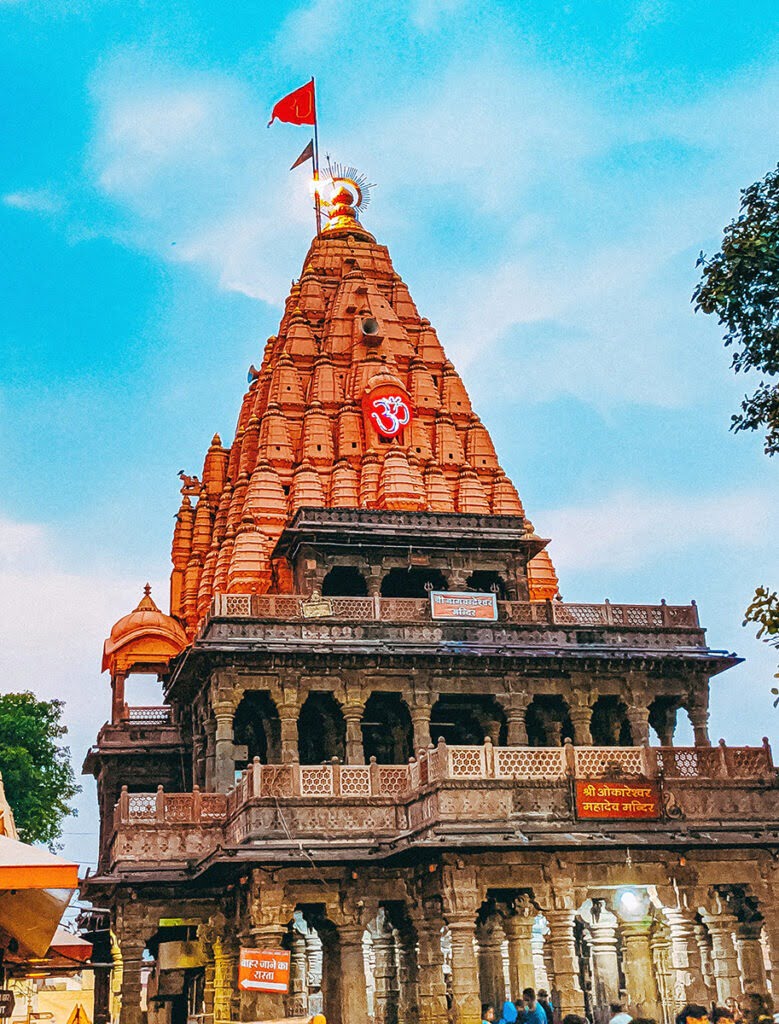
Benefits of visiting Mahakaleshwar Jyotirlinga:
Divine Blessings: A visit to Mahakaleshwar Jyotirlinga may bring the person closer to Lord Shiva and finally receive his blessing and grace. People may find devotion in worship, spiritual up-gradation, prosperity, and peace through their prayers and rituals in the Mahakal Temple.
Fulfillment of Desires: The devotees have beliefs that the aarti and upahara in Mahakaleshwar Jyotirlinga can fulfill all their wishes and desires. The humble and true prayer and devotion attract the divine blessings of Lord Shiva, which ultimately paves the way for achieving all personal goals.
The legend says that going to this Jyotirlinga and performing the religious ceremonies purify the soul and free a person of evil energies and sins. Since such devotion cleanses the entire being and bestows liberation or moksha from birth-death cycle, Ganesha connected himself to the Shiva Lingsa for his liberation and ultimate holiness and obtained what he wanted.
Read More>> Umananda Temple: A Hidden Gem on Brahmaputra River Island
Cultural, Spiritual, and Mythological Significance of the Temple
The Mahakaleshwar Jyotirlinga is of great significance in numerous aspects:
Cultural Significance: This temple is a live museum of Indian culture. Its rituals, festivals, and the unceasing movement of pilgrims illustrate the vibrant traditions carried down from generation to generation. It’s a site where art, architecture, and worship find convergence. The city of Ujjain itself is one of the seven holy cities of Hinduism, that is, Saptapuris, which contributes to its rich cultural heritage.
Spiritual Significance: Pilgrimage to the Mahakaleshwar Jyotirlinga is a very spiritual journey for Lord Shiva’s followers. A glimpse of this Jyotirlinga is said to liberate one from fear of death and diseases and grant moksha (salvation from birth and death). It is also believed that Lord Shiva, as Mahakal, is the guardian of time itself, and by praying to him here, one may attain spiritual growth and tranquility.
Mythological Significance: Being one of the twelve Jyotirlingas, the Mahakaleshwar Jyotirlinga is referenced in various ancient Hindu texts. The Shiva Purana, being an extremely significant holy text on Lord Shiva, provides a list of all twelve Jyotirlingas, and Mahakaleshwar Jyotirlinga stands out unmistakably among them. It says:
“Saurashtre Somnathancha Srisailam Mallikarjunam, Ujjainyam Mahakalam Omkaramamaleshwaram.
Paralyam Vaidyanathancha Dakinyam Bhimashankaram, Setubandhecha Ramesham Nagesham Darukavane.
Varanasyantu Vishvesham Tryambakam Gautamitata, Himalaye Tu Kedaram Ghushmesham Cha Shivalaye.”.
Etani Jyotirlingani Sayam Pratah Pathennarah,
Sarvapapa Vinirmuktah Shivlokam Samapnuyat.
This lovely couplet indicates that whoever recites these twelve Jyotirlingas, including Mahakaleshwar Jyotirlinga at Ujjain, in the morning and evening, will be absolved of all their sins and reach the dwelling place of Shiva. This clearly shows the reverence and might of this spot in our ancient lore. It is also said that Ujjain is exactly where the Tropic of Cancer crosses the zero meridians of longitude, so it is the “navel of the earth” in terms of ancient Hindu astronomy!

Festivals and Special Days
Picture a party that never ends for Lord Shiva! That’s what celebrations at the Mahakaleshwar Jyotirlinga resemble.
Maha Shivaratri: This is the largest and most thrilling festival of all! It’s celebrated as the “Great Night of Shiva.” The temple complex is tastefully festooned with lights, and the devotees remain awake throughout the night, praying and observing special rituals. It’s a great celebration of Lord Shiva’s celestial wedding.
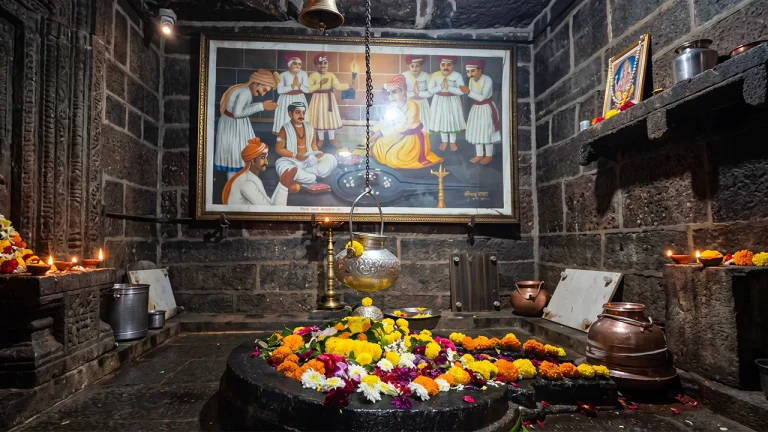
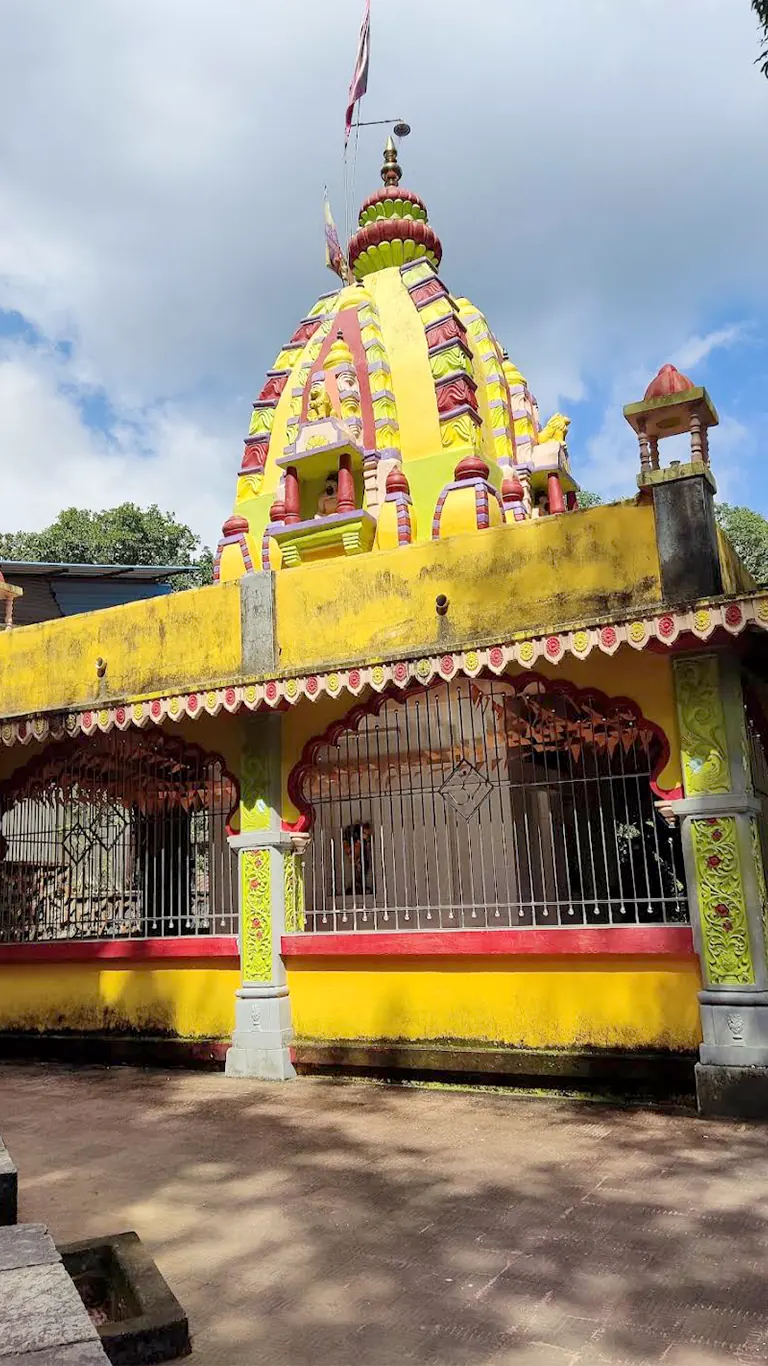
Nag Panchami: This is a festival exclusive to Mahakaleshwar Jyotirlinga! On Nag Panchami, the Nagchandreshwar temple on the third floor of the Mahakal temple complex, which is opened only once a year, is opened again for darshan (viewing) in order to worship the serpent god. It’s an extremely rare and special occasion!
Shravan Month: The whole of the Hindu month of Shravan (typically occurring in the months of July-August) is deemed extremely auspicious for Lord Shiva. The Mahakaleshwar Jyotirlinga is visited by millions of devotees during this period. Daily special abhishekams are done to the Shiva Lingam with milk, water, and other sacred substances, and processions of Lord Shiva are conducted all over the city on every Monday. These processions, known as “Sawari,” are elaborate and colorful, giving common folk an opportunity to have a darshan of Lord Shiva from the streets.
Kumbh Mela: Every 12 years, Ujjain hosts one of the largest spiritual gatherings in the world, the Simhastha Kumbh Mela. Millions of pilgrims gather to take a holy dip in the Shipra River, believing it cleanses sins and grants liberation. It’s an absolutely incredible sight, a sea of humanity united by faith.
Crowded Days: If you wish to see the bustling energy of worshipping, then Mondays are always extremely crowded since they are devoted to Lord Shiva. Weekends are also crowded. At peak festivals such as Maha Shivaratri and during the Shravan month, the temple is full of worshippers from across the globe. If you wish to visit quietly, attempt to visit on a weekday during non-festival season.
Read More>> Strange Bateshwar Sthan Bhagalpur: Bihar’s Hidden Gupta Kashi
Special Architectural Design and Carvings
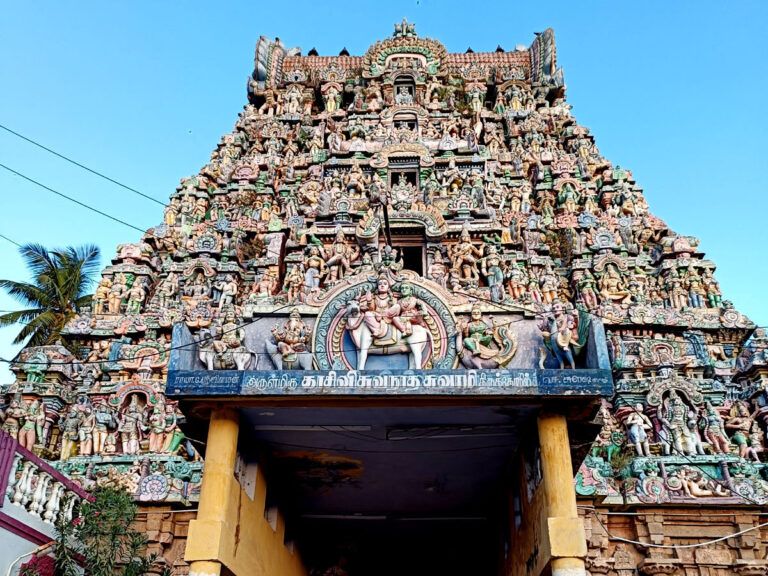
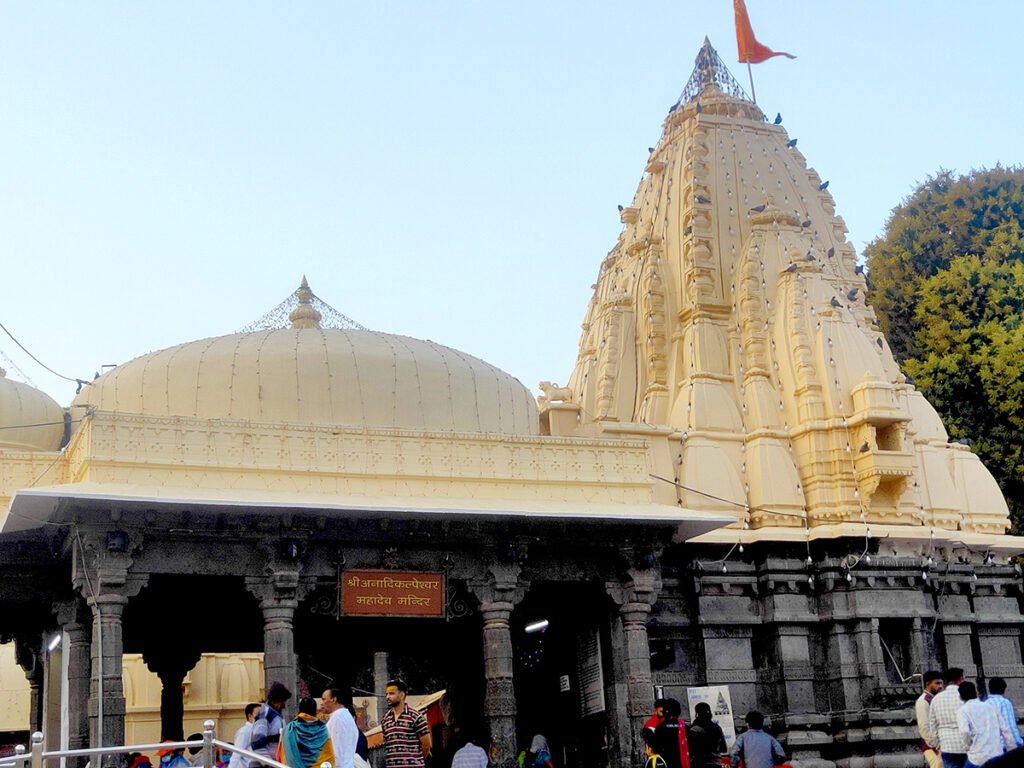
The Mahakaleshwar Jyotirlinga is not only a site of worship; it’s a masterwork of art and architecture too! The temple has been destroyed and rebuilt numerous times, so its design is a gorgeous blend of various eras, largely inspired by the Maratha, Chalukya, and Bhumija styles.
Some special features you’ll see include:
South-Facing God (Dakshinamukhi): This is the reason why Mahakaleshwar Jyotirlinga stands out as the only one among all the Jyotirlingas! The central idol of Lord Shiva actually faces the south direction (Dakshin), which is a very unique and powerful thing in Tantric culture. All other Jyotirlingas face east.
Multi-Level Temple: The temple complex has five different levels, with one level actually below the ground! The layered architecture is really interesting to walk through.
Delicate Carvings: As you move around, you can notice wonderful carvings on the walls, pillars, and ceiling. They are not decorations; they reveal Hindu mythological stories, depict various gods and goddesses, and feature stunning patterns. One can only imagine the skilled hands that crafted these masterpieces centuries ago! You might notice sketches of heavenly beings, dancers, and episodes from ancient epics.
The Garbhagriha (Sanctum Sanctorum): This is the innermost and holiest section of the temple in which the Jyotirlingam of Lord Mahakal resides. It’s an extremely peaceful and energy-charged area.
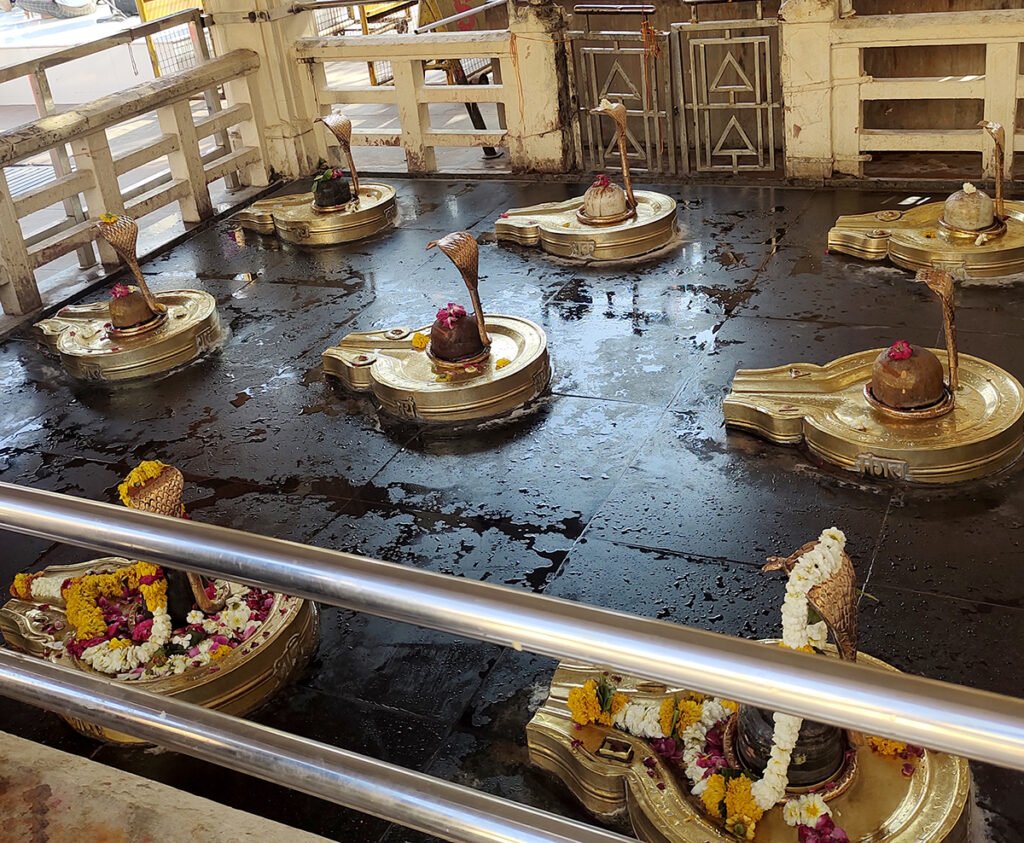
The Omkareshwar Mahadev Shrine: On the floor above the main Mahakal shrine, there is a second Jyotirlinga, the Omkareshwar Mahadev. This gives devotees the opportunity to receive benedictions from two Jyotirlingas in one complex!
Myths and Beliefs
The Mahakaleshwar Jyotirlinga is surrounded by numerous interesting myths and beliefs that enhance its mystic charm:
Lord of Time: Mahakal is actually “Great Time” or “Lord of Time.” Lord Shiva, in this incarnation, is said to be the lord of time and beyond all its limitations. He is worshipped here to overcome the fear of death and the limitations of the world.
The Swayambhu Lingam: The Jyotirlingam itself is said to be Swayambhu, meaning “born of itself” or “self-manifested.” This again makes it more divine, as it was not created by man but manifested naturally, drawing its power from within.
No Ruler Sleeps Overnight: There is a highly widespread belief that no king, chief minister, or even the Prime Minister of India should sleep overnight in Ujjain. This is because Lord Mahakal is said to be the real king of Ujjain, and no other mortal ruler can have authority over his city. Numerous historical personalities, including emperors, are said to have obeyed this convention.
Purification through Bhasma (Ash): The most unique ritual, the Bhasma Aarti, emphasizes the belief in purification and the transient nature of life. The sacred ash symbolizes that everything ultimately returns to dust, and true spiritual liberation lies in detachment from worldly things.
Sati’s Eye: Ujjain is also one of the 18 Maha Shakti Peethas, which are shrines highly sacred and dedicated to Goddess Shakti. It is said that the upper lip or elbow of Goddess Sati (Lord Shiva’s initial wife) fell here. This only adds to the temple’s importance, linking it with both Shiva and Shakti.
Read More>> Famous Sundarnath Temple Araria Bihar | Sundar Nath Dham
Mahakal Temple Timing:
The Mahakaleshwar Jyotirlinga is open to pilgrims nearly round the clock, from 4:00 AM to 11:00 PM. But it’s closed for short durations for cleaning and preparation.
The principal Aartis (special worship ceremonies with lamps) are:
Bhasma Aarti: This is the most renowned and distinctive ritual, done every day from 4:00 AM to 6:00 AM. More about this later!
Dadyodak Aarti: From 7:30 AM to 8:00 AM
Bhog Aarti: From 10:30 AM to 11:00 AM
Sandhya Aarti: Evening, approximately around 7:00 PM
Shayan Aarti: Last Aarti of the day, between 10:30 PM and 11:00 PM, when the temple closes for the day.
It’s always better to confirm the timings a bit in advance of your visit, as they may differ slightly according to the season or special occasions.
Read More>> Shiv Shakti Temple Bhagalpur Bihar
Special Poojas Conducted: The Mystical Bhasma Aarti
The Mahakaleshwar Jyotirlinga is renowned for numerous rituals, but one is particularly unique and mystical in nature: the Bhasma Aarti.
Bhasma Aarti: An ancient and strong ritual conducted every morning, pre-dawn, in which sacred ash (bhasma) is used to bathe the Shiva Lingam. Earlier, this ash used to be taken from the funeral pyre of a dead person, representing the cycle of life and death and Lord Shiva as the destroyer and regenerator. These days, the ash is specifically prepared from dried cow dung and other holy materials and collected carefully and purified. Seeing this Aarti is considered very auspicious.
It’s a highly charged and spiritual experience, filling the atmosphere with chants, the ringing of bells, and devotional vibes. Women tend to watch this Aarti from a special area and have to cover their heads and faces. Because of its popularity, you must pre-book your place for the Bhasma Aarti well in advance, sometimes even a month or two in advance!
The other special poojas and rituals are conducted during the day, such as different Abhishekams (bathling the god with milk, water, honey, etc.), Rudrabhishekams (reciting Vedic mantras devoted to Rudra, a form of Shiva), and Laghu Rudrabhishekams. These poojas may be booked in advance by devotees, and it’s a great way to make an offering to Lord Shiva.
Official Website:
Read More>> Sri Puri Jagannath Temple: The Lord of the Universe
Why is this place very special?
The Mahakaleshwar Jyotirlinga is extremely significant for various reasons:
Unique Dakshinamukhi Jyotirlinga: Its south-facing unique idol makes it unusually powerful and sacred among the twelve Jyotirlingas. It is said to tap special energies as it faces south.
The Bhasma Aarti: It is the one-of-a-kind daily ceremony that lives evidence of deep spiritual practices and attracts pilgrims from all over the world in search of purification and an intense bond with Lord Shiva.
Lord of Time: As “Mahakal,” Lord Shiva here is presented as the controller of time, providing devotees with comfort from temporal fears and facilitating their spiritual journey towards freedom.
Ancient and Mythological Roots: Strongly rooted in Hindu scriptures and ancient history, the temple links devotees to a timelessness of spiritual tradition and tales of divine shielding.
Gateway to Moksha: It is popularly thought that a pilgrimage to Mahakaleshwar Jyotirlinga will result in salvation and liberation from the cycle of birth, making it a top pilgrimage spot.
Read More>>Famous Kottiyoor Temple: Timeless Devotion Ignites the Soul
Places to visit near Mahakaleshwar Jyotirlinga:
Kaliadeh Palace: It is situated on an island in the Shipra River. The river views around seem to be quite sophisticated. Kaliadeh Palace is regarded as very architecturally beautiful and tranquil surrounding.
Harsiddhi Temple: This Harsiddhi Temple is one of the several temples found near Mahakaleshwar Jyotirlinga linked with Goddess Harsiddhi or other words for Goddess Durga. It has been believed that this temple completes all the wishes of the worshipers and holds a position among the sacred temples for pilgrims.
Ram Ghat : It is one of the most important bath ghats in the river Shipra, which is one of the major religious places of worship for the devotees, mainly during Kumbh Mela, one of the major fairs among Hindus.
VEDH SHALA OR OBSERVATORY: Maharaja Jai Singh II built the very ancient observatory, Vedh Shala with various kinds of astronomical instruments. The view is simply plain awesome for any astronomy enthusiast and it opens up a window into ancient knowledge Indian people had regarding the science of astronomy.
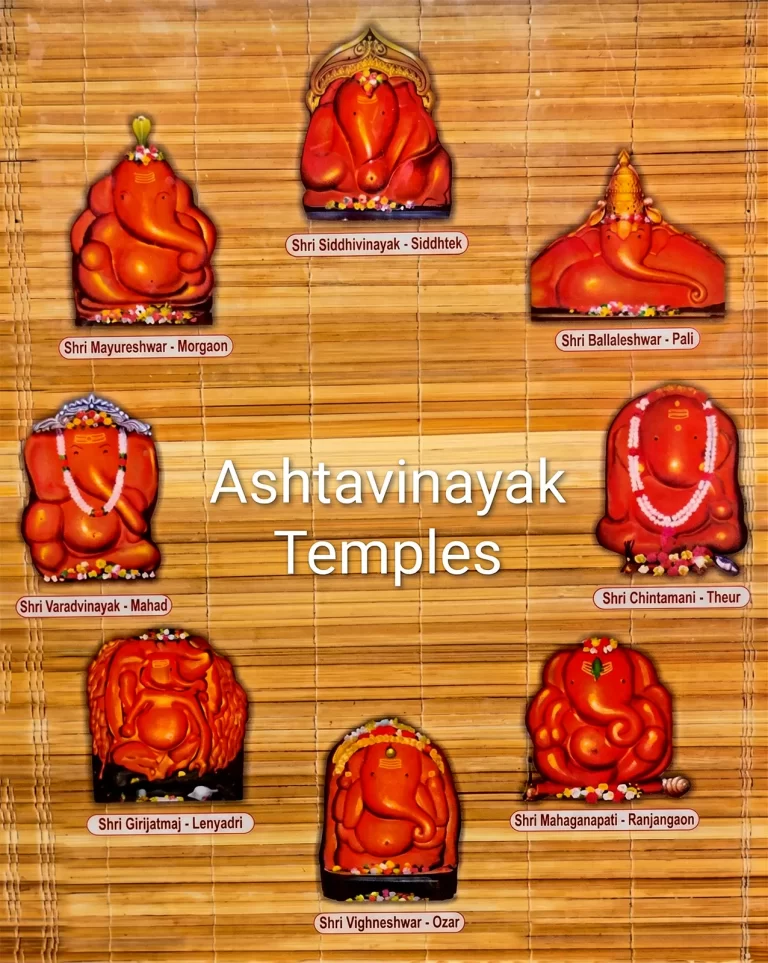
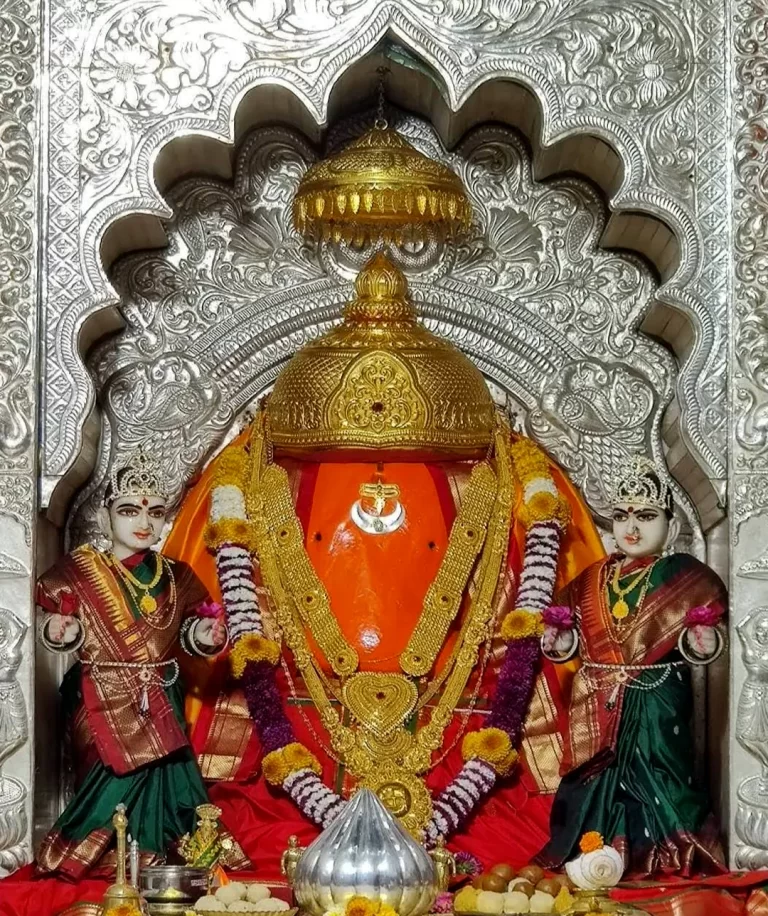
Chintaman Ganesh Temple: It is situated on the riverside of Shipra dedicated to Lord Ganesha. One of the most visited eight Ashtavinayak temples; devotees come here to find get rid of their chintas and find solutions.
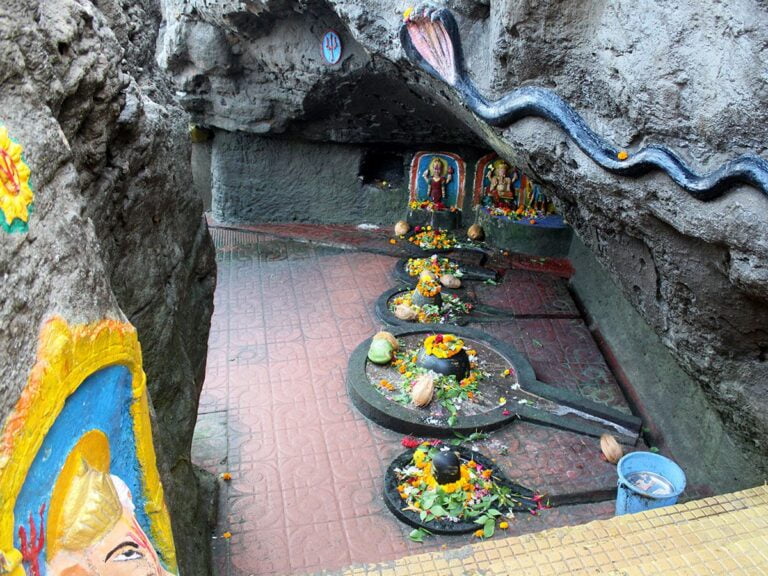
Bhartrihari Caves: Bhartrihari caves are two guhas which stand side by side of Shipra River and are associated with the legendary poet saint Bhartrihari. It is regarded to be his seat of meditation and the place from where all his works had been composed. The caves provide the ambiance for an existential reflection.
Kal Bhairav Temple: It is the temple of fierce lord Bhairav, that is an incarnation of Lord Shiva. Amongst the eight Bhairav temples in Ujjain, Kal Bhairav Temple is besides the Temple.
Read More>> Biraja Temple Shakti Peeth Jaipur
Places to Stay (Accomidation)
Ujjain receives travelers from all parts of the globe, so you’ll have aplenty of good spots to rest close to the Mahakaleshwar Jyotirlinga.
Hotels: There are quite a number of hotels in Ujjain, ranging from budget hotels to luxury hotels. Several of them are at walking distance from the temple so it’s easy to catch early morning darshan. Check for family rooms if you’re going with your family.
Dharamshalas: If you prefer a more traditional and budget-friendly stay, you will be able to find various dharamshalas (pilgrim rest houses) operated by different trusts. They usually have plain, clean rooms and even basic food at times.
Guest Houses: There are smaller guesthouses too, where you can get a homely and personalized experience of stay.
It’s always wise to pre-book your stay, particularly during the festival time or the pilgrim season peak, because the rooms are booked easily!
Read More>> Mind Blowing Facts About Temple Gopurams
How to reach Mahakaleshwar Jyotirlinga:
Getting to the Mahakaleshwar Jyotirlinga of Ujjain is very easy, irrespective of where you’re from!
By Air: The closest airport is Devi Ahilyabai Holkar Airport in Indore (IDR), which is 53 kilometers from Ujjain. You can fly to Indore from most Indian cities such as Mumbai, Delhi, Ahmedabad, and Gwalior. You can take a taxi or bus from Indore airport to Ujjain.
By Train: Ujjain has its own railway station, Ujjain Junction (UJN), which is extremely well-connected to all the major cities in India. You can get direct trains from Mumbai, Delhi, Ahmedabad, Kolkata, Chennai, Bangalore, and Jaipur. The train station is hardly a kilometer away from the temple, so you can hire an auto-rickshaw or a taxi to go to your hotel or the temple directly.
By Road: Ujjain is well connected by a network of state and national highways. You can simply travel to Ujjain by bus (government as well as private) from nearby cities such as Indore, Bhopal, and Ahmedabad. Alternatively, if you wish, you can also rent a private taxi or even travel by your personal car. Roads are quite good, providing a smooth ride.