Bateshwar Sthan Bhagalpur: Complete Pilgrimage, History & Visitor Guide
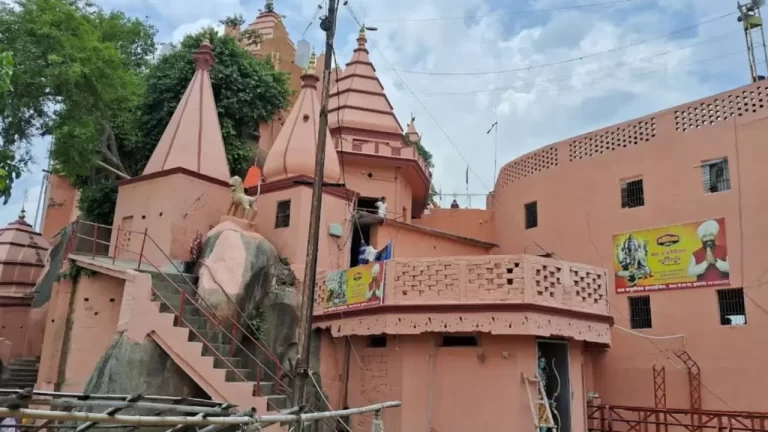
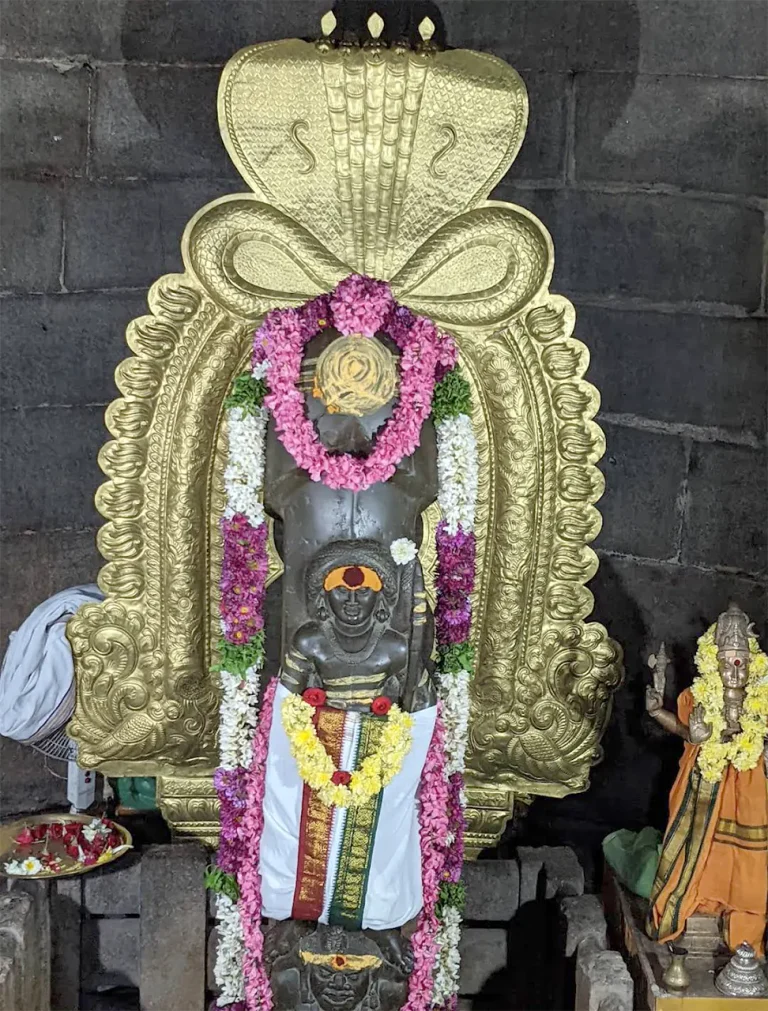
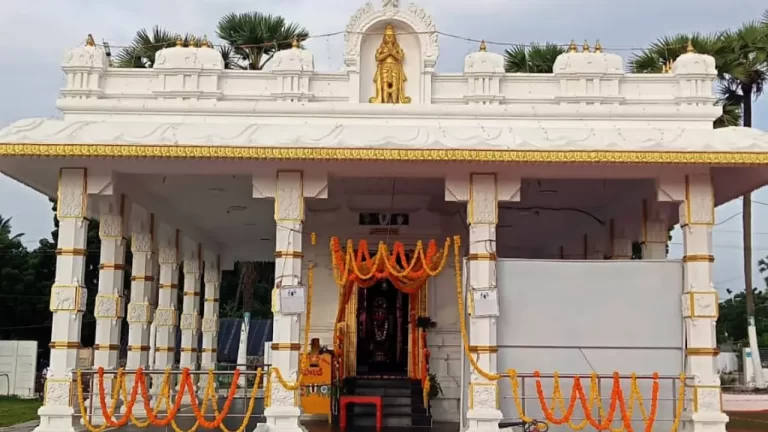
Located on a scenic, rocky cliff where the sacred River Ganga makes a rare northward turn, Bateshwar Sthan (also widely revered as Bateshwar Dham or Bateshwarnath Temple) is one of the most venerated pilgrimage and archaeological sites in eastern Bihar. Situated near Kahalgaon in the Bhagalpur district, this ancient spiritual hub combines deep Shaivite devotion, historic rock-cut caves, and timeless natural beauty.

For generations, devotees have traveled to Bateshwar Sthan to offer holy Ganga water to Lord Shiva, perform ancestral rites on the riverbanks, and explore the ancient meditation caves carved directly into the riverside cliffs. Whether you are planning a devotional trip during the holy month of Shravan, exploring ancient rock art, or pairing your journey with a visit to the nearby ruins of the historic Vikramshila University, this complete visitor guide provides verified temple timings, historical context, travel routes, and practical pilgrimage advice.
Quick Information: Bateshwar Sthan at a Glance
| Feature | Details |
| Temple Name | Bateshwar Sthan (Bateshwar Nath Dham / Bateshwar Asthan) |
| Main Deity | Lord Shiva (Revered as Baba Bateshwar Nath) |
| Location | Bateshwar Hills, Kahalgaon Block, Bhagalpur District, Bihar, India |
| Geographic Significance | Confluence point of hills and the sacred Uttar-vahini (northward-flowing) Ganga |
| Daily Temple Timings | 5:00 AM to 1:00 PM; 3:30 PM to 8:30 PM (Varies slightly during major festivals) |
| Morning Aarti | 5:30 AM – 6:00 AM |
| Evening Sandhya Aarti | 6:30 PM – 7:15 PM |
| Best Time to Visit | October to March (Pleasant weather); July–August for Shravan festivities |
| Major Festivals | Maha Shivratri, Shravan Somwar, Kartik Purnima, and Makar Sankranti |
| Nearest Town | Kahalgaon (Approx. 10 km) |
| Nearest Major City | Bhagalpur (Approx. 38–40 km) |
| Nearest Railway Station | Kahalgaon Railway Station (CLG) — 10 km; Bhagalpur Junction (BGP) — 40 km |
| Nearest Airport | Deoghar Airport (DGH, ~115 km) or Patna Airport (PAT, ~265 km) |
| Entry Fee | Free general entry for all devotees |
| Photography | Permitted in outer premises and ghats; restricted inside the inner sanctum |
Read More>> Ghanteswari Temple Sambalpur

Religious and Spiritual Significance of Bateshwar Sthan
The spiritual eminence of Bateshwar Sthan rests on three sacred foundations: the ancient self-manifested (Swayambhu) presence of Lord Shiva, the rare geographical course of the holy river, and its heritage as a hermitage of great Vedic rishis.
1. The Sanctity of the Uttar-Vahini Ganga
In Hindu tradition, wherever the River Ganga alters her natural eastward or southward journey to flow northward (Uttar-vahini), the site is regarded as exceptionally holy. A northward-flowing river symbolizes a return toward its divine source in the Himalayas.
Just like the sacred pilgrim centers of Kashi (Varanasi) and Ajgaibinath Temple in Sultanganj, the Ganga sweeps gracefully northward at the foot of the Bateshwar cliffs. Taking a bath in these waters before offering prayer at the Shiva shrine is believed to cleanse past negative karmas and grant spiritual peace.
2. The Abode of Sage Vashistha
Local traditions and the regional Sthala Purana associate this hill with Brahmarshi Vashistha, the revered spiritual preceptor of the Ikshvaku dynasty. According to local belief, Sage Vashistha performed intensive tapasya (austerities) on these isolated rocky hillocks facing the river.
Devotees still visit a hillside cavern identified as Vashistha Guha (Vashistha Cave), where monks and ascetics have retreated for silent meditation over the centuries.
3. Pind Daan and Ancestral Rites
Because the river flows northward along rocky promontories, many families from Bihar, Jharkhand, and West Bengal visit Bateshwar Sthan during the Pitru Paksha period and on Amavasya (new moon days) to perform tarpan and Pind Daan rituals for their ancestors.

Archaeological Heritage: The 108 Rock-Cut Caves and Sculptures
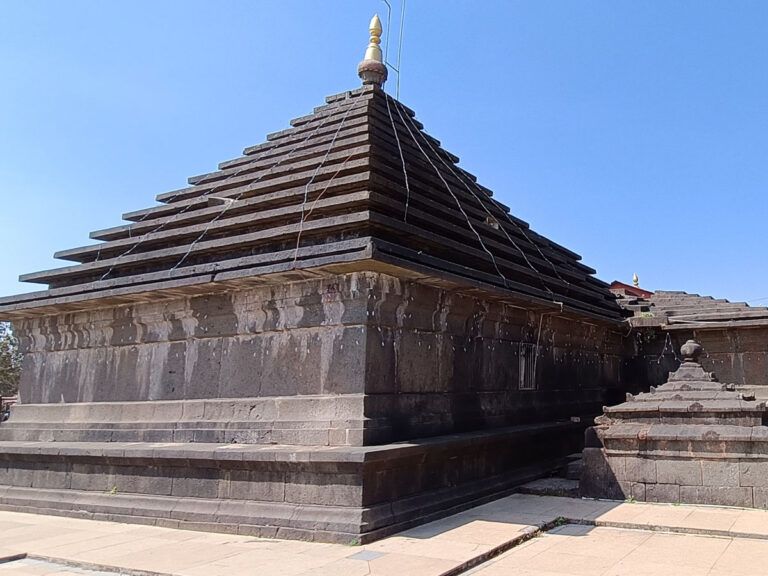
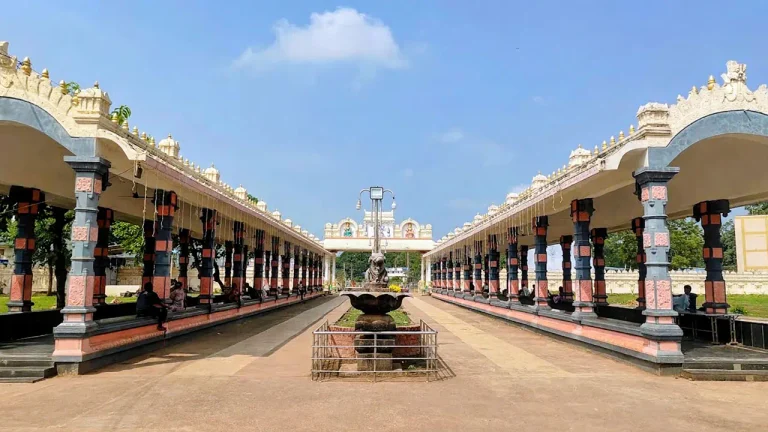
Beyond its living religious traditions, Bateshwar Sthan holds immense historical importance. Rising directly from the riverbed are granitic hillocks carved with historic caves, rock-cut shelters, and bas-relief panels.
- Pala-Period Art and Antiquities: Historians and the Archaeological Survey of India associate the prominent rock carvings around Bateshwar hill with the 8th to 12th century CE, coinciding with the rule of the Buddhist Pala emperors who established the neighboring Vikramshila Mahavihara.
- Syncretic Iconography: Carved into the living rock face are images representing both Hindu and Buddhist traditions. You will observe bas-relief panels depicting Lord Shiva, Ganesha, Vishnu, Surya, and various Mahayana and Tantric Buddhist deities, illustrating a harmonious cultural co-existence during ancient times.
- The 108 Caves: Locally known as the Chaurasi or Ek-sau-aath Guha, these shelters served as solitary living quarters for monks, yogis, and scholars traveling between the spiritual hermitages along the river and the royal university at Vikramshila.
Read More>> 64 Chausath Yogini Temple Hirapur Odisha
Daily Darshan Timings and Temple Rituals
The temple follows a regular daily schedule, welcoming pilgrims throughout the year:
- Morning Opening & Mangala Darshan: 5:00 AM
- Morning Shringar & Pooja: 5:30 AM – 6:30 AM
- General Darshan & Jalabhishek: 6:30 AM – 1:00 PM
- Midday Rest (Bhog & Sanctum Closed): 1:00 PM – 3:30 PM
- Evening Reopening: 3:30 PM
- Sandhya Aarti: 6:30 PM – 7:15 PM
- Final Night Closure: 8:30 PM
Pilgrim Tip: If you wish to offer Gangajal directly to the Shivalinga in a calm environment, arrive between 6:00 AM and 8:00 AM on weekdays. During Mondays (Somwar) and festival days, queues can extend across the temple courtyard.

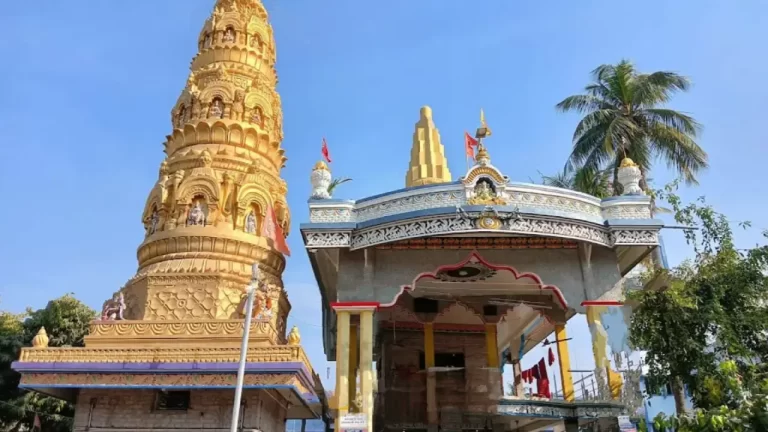
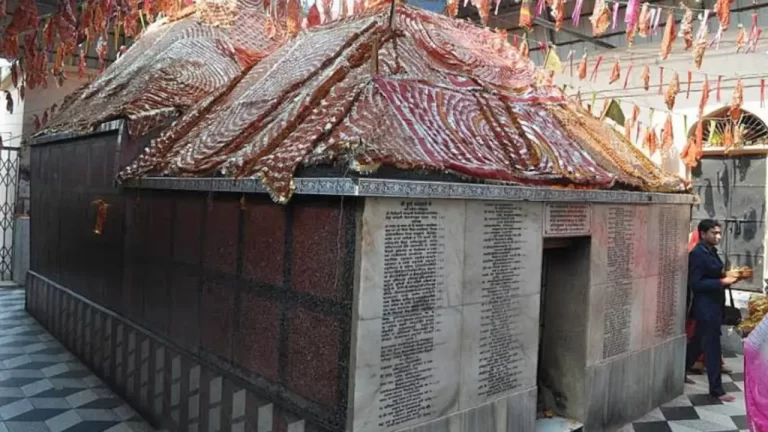
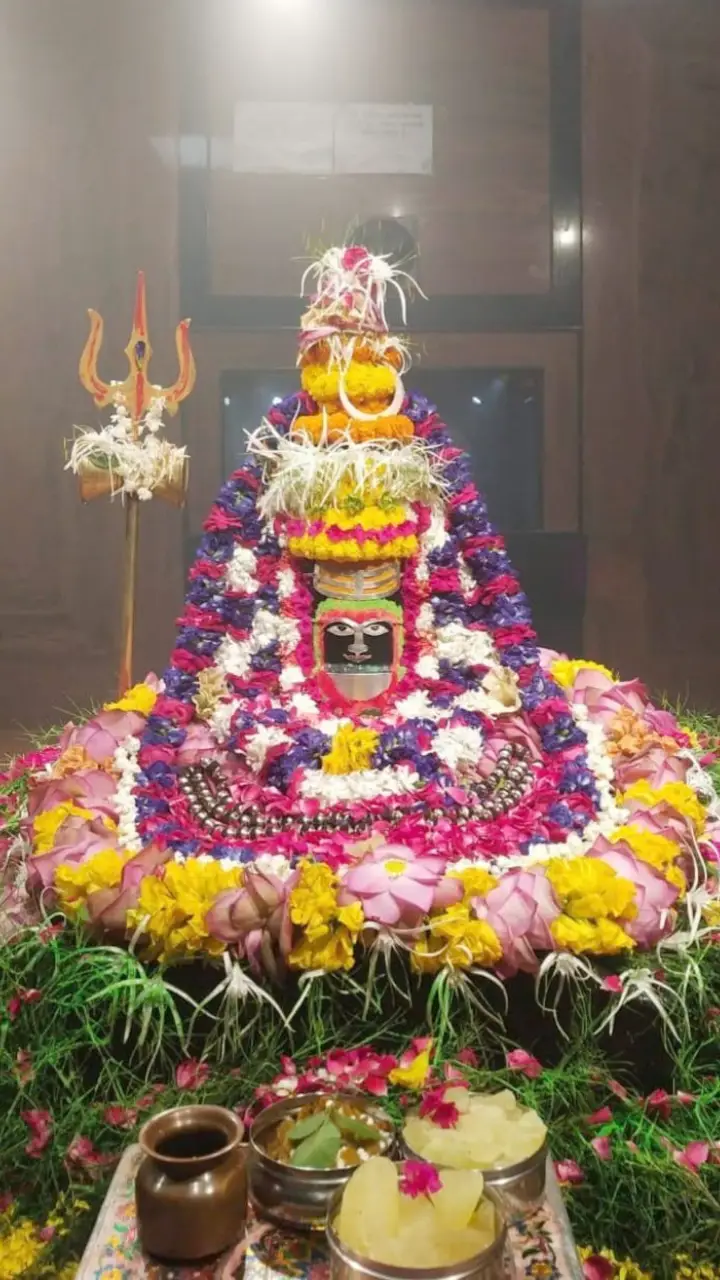
Major Festivals Celebrated at Bateshwar Sthan
Bateshwar Dham transforms into a vibrant spiritual hub during seasonal festivals:
- Shravan Month (July – August): Tens of thousands of Kanwariyas and local pilgrims collect water from the Uttar-vahini Ganga at the Bateshwar Ghat to perform Jalabhishek on Baba Bateshwarnath before continuing toward other regional shrines like Baba Baidyanath Dham in Deoghar.
- Maha Shivratri (February / March): The biggest festival of the year at the temple. The shrine is decorated with traditional marigold garlands and lights, featuring all-night chanting of Shiva stotrams and special four-phase night aartis (Char Prahar Pooja).
- Kartik Purnima (November): Devotees gather before dawn for a holy bath in the river, followed by deepdan (lighting earthen lamps) along the stone ghats and rocky ledges.
- Makar Sankranti (January): A celebrated folk-religious fair takes place at the foothills, where visitors bathe in the cold river and consume traditional Chura-Dahi and sesame sweets.
Read More>> Famous Mehandipur Balaji Temple: Unveiling the Miracles of Hanuman
Step-by-Step Pilgrimage Walkthrough
To make the most of your visit, follow this traditional step-by-step itinerary:
Step 1: The Holy Dip at the Bateshwar Ghat
Begin early at the base of the hill where stone steps descend to the river. Check water levels carefully before stepping into the water. Devotees collect fresh Ganga water in copper vessels (kamandal or lota) to carry up to the sanctum.
Step 2: The Ascent to Baba Bateshwarnath Temple
Follow the paved stairway leading up the rocky mound. The path is lined with small stalls selling belpatra, dhatura flowers, milk, incense, and sweets.
Step 3: Sanctum Darshan and Abhishek
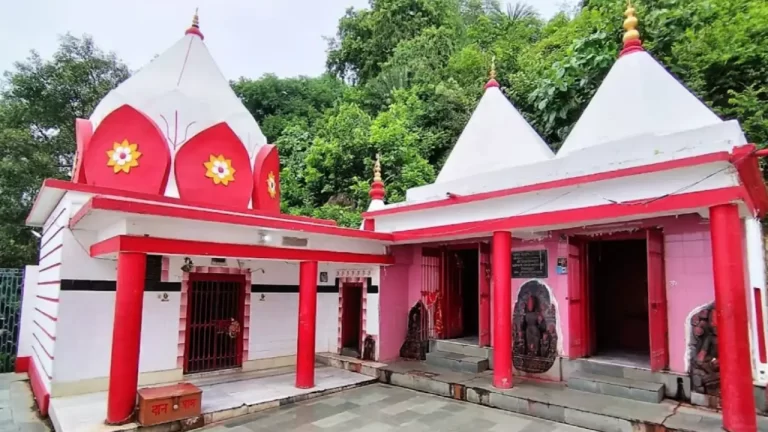
Inside the main shrine, offer the holy water, bilva leaves, and flowers to the Shivalinga. Spend a few quiet moments inside the stone mandapa chanting the Panchakshari Mantra (Om Namah Shivaya).
Step 4: Exploring the Rock-Cut Caves and River View
After completing your prayers, walk along the marked stone trails around the cliff face to observe the ancient rock-cut carvings and meditate near the entrance of the Vashistha Cave. The elevated cliff offers an expansive, panoramic view of the wide river basin.

How to Reach Bateshwar Sthan
Bateshwar Sthan is situated in the Kahalgaon block of the Bhagalpur district in eastern Bihar and is accessible via road, rail, and nearby regional airports.
By Train
- Nearest Small Station: Kahalgaon Railway Station (Station Code: CLG) is approximately 10 km away. Kahalgaon is well connected on the Sahibganj Loop line to Bhagalpur, Patna, Kolkata (Howrah), and Malda. From the station, shared tempos, auto-rickshaws, and private e-rickshaws are readily available to Bateshwar Sthan.
- Nearest Major Rail Junction: Bhagalpur Junction (Station Code: BGP) is roughly 38 to 40 km away. It has extensive connectivity to major Indian cities including Delhi, Mumbai, Kolkata, and Guwahati. Taxis and regular buses run frequently from Bhagalpur to Kahalgaon.
By Road
- From Bhagalpur city, travel east along the National Highway 80 (NH-80) corridor toward Kahalgaon. The journey takes approximately 1.5 to 2 hours depending on road and traffic conditions.
- From Kahalgaon town, head northward toward the river via local approach roads leading directly to the temple foothills.
By Air
- Deoghar Airport (DGH): Located around 115 km south in Jharkhand, offering domestic flights from major cities like Delhi, Kolkata, and Bengaluru. A taxi ride from Deoghar to Bateshwar Sthan takes about 3.5 to 4 hours.
- Patna Airport (Jay Prakash Narayan Airport – PAT): Located roughly 265 km west, connecting all major metro hubs across India.
Read More>> Divine Mata Vaishno Devi Temple | Shaktipeeth Complete Guide

Combined Heritage Circuit: Bateshwar Sthan & Vikramshila Ruins
A visit to Bateshwar Sthan is incomplete without exploring the ancient ruins of Vikramshila Mahavihara, located just 9 to 10 km away at Antichak.
Historical Connection: Vikramshila was one of the two most important Buddhist seats of higher learning in ancient India alongside Nalanda, founded by Emperor Dharmapala in the late 8th century CE. Monks traveling to Vikramshila frequently used the river port and rock caves at Bateshwar Sthan as an anchor for river transit.
For more heritage details on organizing extended temple tours throughout the state, you can refer to the official Bihar Tourism Portal and the administrative resources on the Bhagalpur District Administration website.
Practical Tips, Safety Guidelines & Visitor Facilities
- River Bathing Caution: The river current around the rocky cliffs of Bateshwar can be strong, and the depth drops abruptly beyond the stone steps. Avoid swimming into the deeper channels and always bathe within designated, marked shallow areas, especially with children or elderly family members.
- Footwear Management: Footwear must be removed before climbing to the temple sanctum. Small flower and pooja stalls near the steps offer safe shoe-keeping services for a nominal tip or when you purchase pooja samagri.
- Monkeys on the Hill: Rhesus macaques inhabit the rocky hillocks around the temple. Keep food items, coconut offerings, and sunglasses safely inside closed backpacks to prevent them from snatching your belongings.
- Food & Accommodation: Basic vegetarian eateries, dhabas, and tea stalls are available near the temple gate serving local meals (such as litti-chokha, poori-sabji, and tea). For clean hotel accommodations, guest houses, and family lodges, it is best to stay in Kahalgaon town or the district headquarters at Bhagalpur.
- Wheelchair Accessibility: Because the main sanctum and the ancient caves are located on elevated, rocky terrain accessed via steep stone steps, wheelchair access to the upper shrine is limited.


Frequently Asked Questions (FAQs)
What is Bateshwar Sthan famous for?
Bateshwar Sthan in Bhagalpur is famous for its ancient hilltop temple of Lord Shiva (Baba Bateshwarnath), its picturesque location overlooking the northward-flowing (Uttar-vahini) River Ganga, and historic rock-cut meditation caves that date back to the Pala and Gupta eras.
How far is Bateshwar Sthan from Kahalgaon Railway Station?
Bateshwar Sthan is approximately 9 to 10 kilometers north of Kahalgaon Railway Station (CLG). Auto-rickshaws, shared tempos, and private e-rickshaws are easily available outside the station, taking around 20 to 30 minutes.
Can I visit both Bateshwar Sthan and Vikramshila on the same day?
Yes. The excavated ruins of Vikramshila University at Antichak are only about 9 to 10 km from Bateshwar Sthan. Visitors typically take holy bath and complete darshan at Bateshwar Sthan in the morning and spend the afternoon touring the Vikramshila stupa and the ASI archaeological museum.
What are the main temple timings at Bateshwar Sthan?
The temple generally opens around 5:00 AM and remains open until 1:00 PM. It reopens after the afternoon rest around 3:30 PM and closes following the evening Sandhya Aarti by 8:30 PM.
Is there any entry ticket or online booking required?
No, general entry to Bateshwar Sthan is completely free. No advance online registration is needed for regular darshan or offering Gangajal at the shrine.