Famous Pedakakani Temple/ Pedakakani Malleswara Swamy Temple
Pedakakani Temple, alternatively known as Pedakakani Malleswara Swamy Temple. It’s right here in the Guntur district of Andhra Pradesh, India, not so far from our beautiful city of Amaravati. Envision grasping my hand while we enter a world of ancient tales, stunning carvings, and a lot of tranquility. This isn’t any temple; it’s one where you can sense the whispers of history and piety all around. Are you ready? Let’s start our adventure!
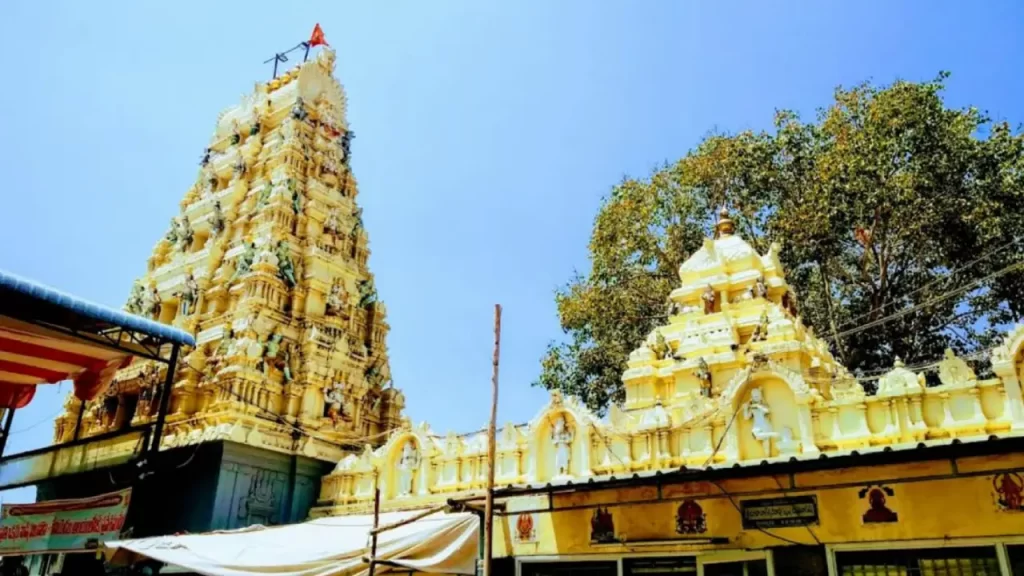
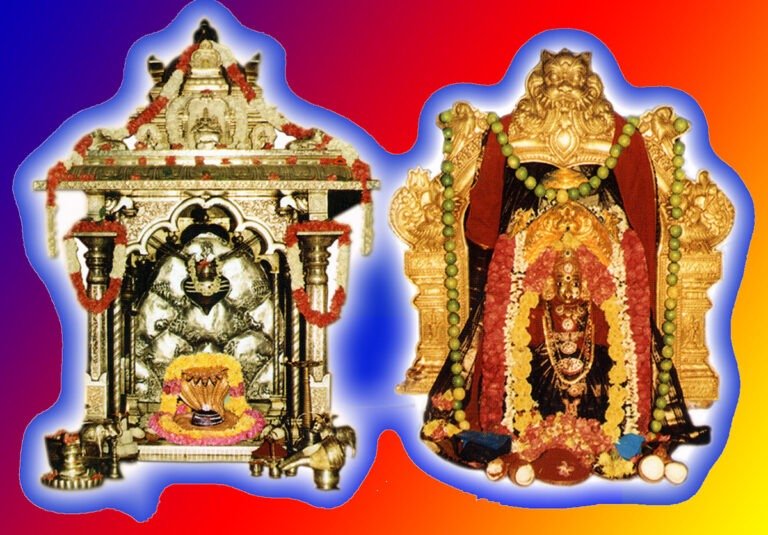
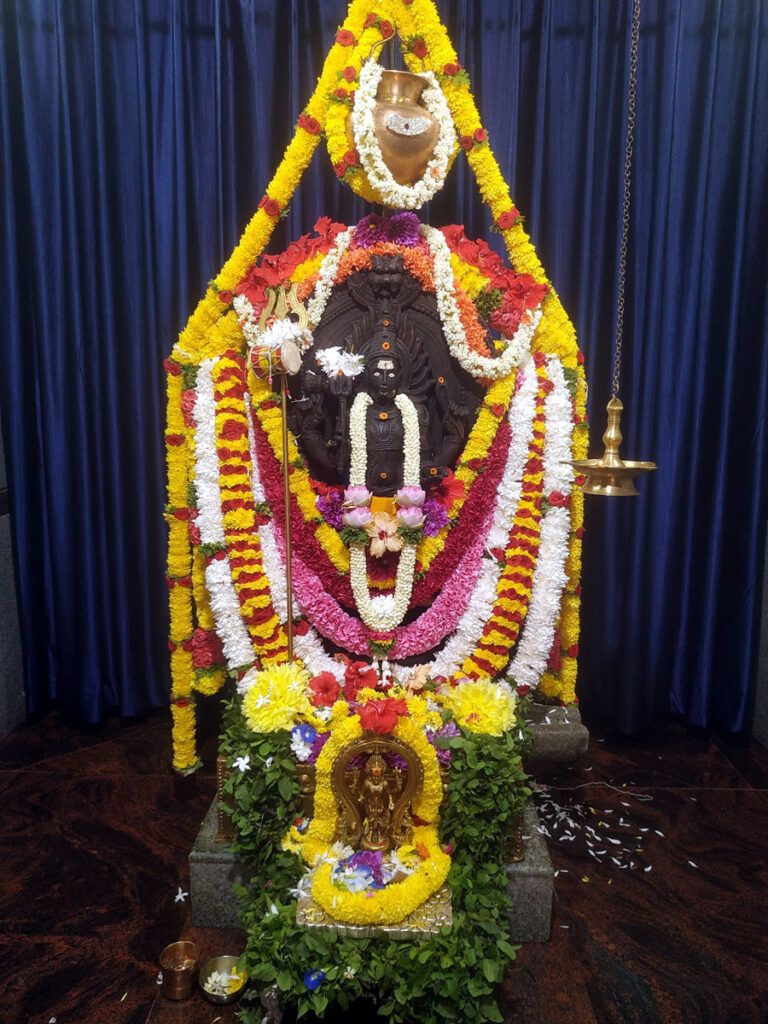
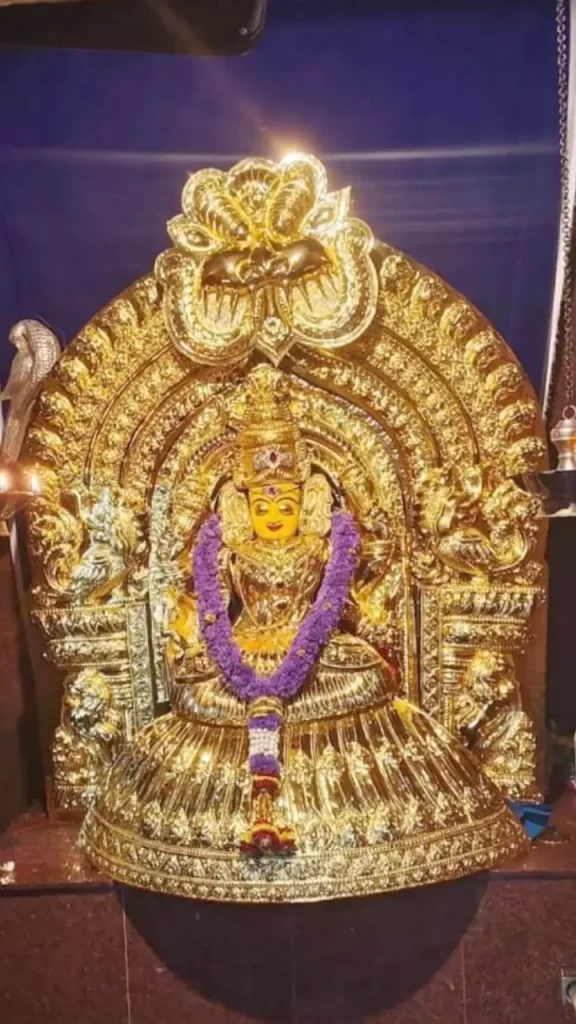
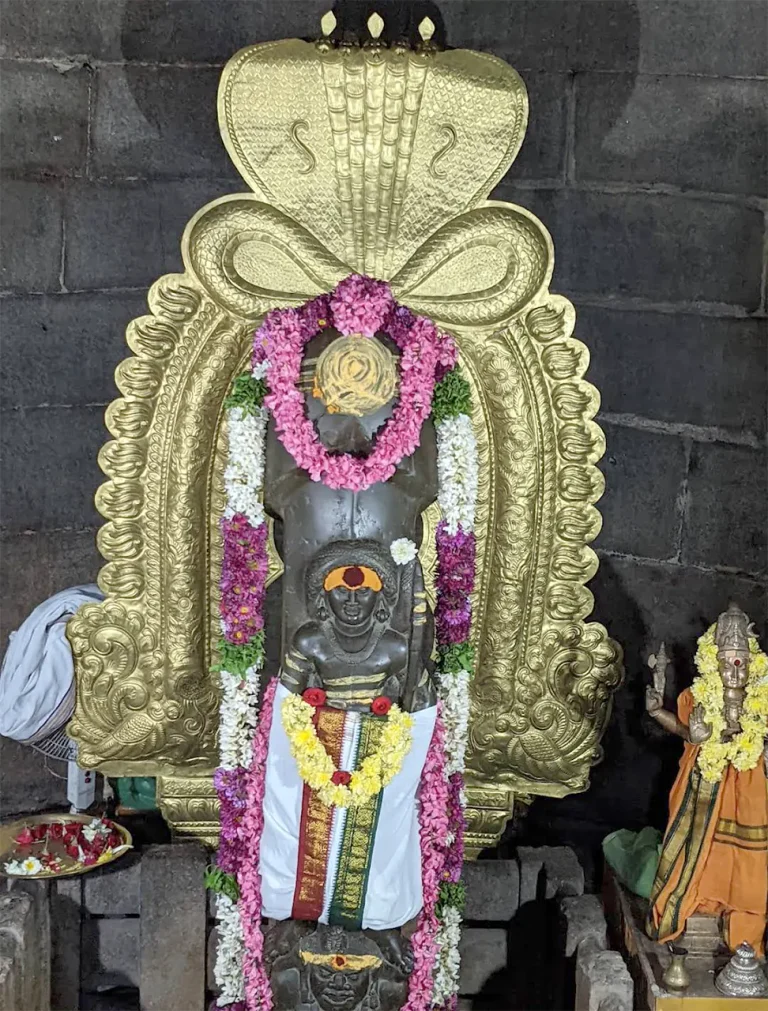
This incredible temple is dedicated to Lord Shiva, in his incarnation as Malleswara Swamy, and by his side, we have Goddess Bhramaramba Devi. Lord Shiva is one of the most significant gods in Hindu mythology, referred to as the destroyer of evil and the bestower of prosperity. And Goddess Bhramaramba Devi is an incarnation of Goddess Shakti, the embodiment of power and love. So, when you go to the Pedakakani Malleswara Swamy Temple, you experience the blessings of both these powerful gods!
Pedakakani Temple History: A Thousand-Year-Old Tale
Picture a temple that has weathered over a thousand years! That is how ancient the Pedakakani Temple is. Can you imagine? It’s like a great big tree that has watched so many seasons pass, with innumerable stories buried in its roots. The Pedakakani Malleswara Swamy Temple’s long history makes it a truly special destination to explore.
According to the wise old tales, this sacred temple was first built by a very, very famous saint named Sri Adi Shankaracharya. He was a great philosopher and spiritual teacher who lived a long, long time ago (around the 8th century AD, which is like 1200 years ago!) and traveled all over India to spread wisdom. Thus, the very roots of this Pedakakani Temple bear his blessings, and hence it is a very sacred place right from the beginning!
Later on, there was a great king named Sri Krishnadevaraya, a renowned ruler of the great Vijayanagara Empire. He also contributed to making this temple more gorgeous and magnificent. He undertook much renovation work in the year 1440 AD. He made the temple as large as we can see today, making Pedakakani Malleswara Swamy Temple shine for generations to come. So, you can imagine that there have been numerous kings, queens, and ordinary people who have come here to this sacred place for centuries to seek blessings and attain peace.
The fact that some of history’s most famous personalities were involved in its creation and revival speaks volumes as to just how pivotal this Pedakakani Temple has ever been. It’s not merely a structure; it’s a living history monument to centuries of religion and culture, and the name Pedakakani Malleswara Swamy Temple encases all of that history in one name.
Legend of the Temple: Sage Bharadwaja’s Sacred Yajna
Each of the ancient temples has a personal tale to tell, a myth that informs us about how they were formed. The Pedakakani Temple also shares a compelling myth surrounding a sage most wise! This adds to the spiritual mystique of the Pedakakani Malleswara Swamy Temple.
The story goes that there was a great sage by the name of Bharadwaja Muni (a muni is an enlightened sage) who happened to visit this precise location on his spiritual quest. He thought that it would be an ideal location to conduct a Yajna. A Yajna is a highly sacred fire ritual, almost tantamount to a grand prayer ceremony, conducted to appease the gods and bring good fortune to the world.
For his Yajna, Sage Bharadwaja got many other sages to come along with him. It was a huge gathering with chanting and prayers all around. It is said that due to this strong Yajna by such great sages, the site became highly pious and divine. And thus began the sanctity of the Pedakakani Temple, calling devotees for centuries, guiding them towards the feet of Lord Malleswara Swamy.
There’s one more fascinating belief about temple premises. You may have heard of crows flying all around, isn’t it? But believe you won’t find crows taking flight in the vicinity of the primary temple over here at the Pedakakani Malleswara Swamy Temple! There’s a reason behind this as well. A long time ago, there used to be a lady who would offer flowers and fruits to Lord Shiva with immense piety. One day, a crow disrupted her offerings on her way to the temple. For this reason, it is said that crows do not circle over the temple grounds, showing due respect for the sanctity of the site. Isn’t that an interesting story?
And here’s another fascinating portion of the legend: there is a well on the east of the temple known as Yagnala Bavi. It is said that Sage Bharadwaja fetched water from all the sacred rivers of India and filled this well to perform his Yajna. There is a strong belief among people that drinking even a glass of water from this well heals all diseases! It’s magic water, blessed with all the sacred rivers, and it’s an integral part of the differentiating experience at the Pedakakani Temple.
Though the Pedakakani Temple itself may not be referred to by name in extremely ancient, particular Hindu scriptures (Puranas) as some other extremely well-known temples are, the idea of Lord Shiva as Malleswara Swamy and Goddess Shakti as Bhramaramba Devi is entrenched in Hindu mythology. The Skanda Purana and Linga Purana, for instance, sing the praises of Lord Shiva and his different forms, while the Devi Bhagavatam praises the glory of the Mother Goddess.
The fact that there exists a Jyotirlingam (a Shiva divine manifestation) such as the one at Srisailam (to which Pedakakani Malleswara Swamy Temple has been traditionally likened as a “mini Srisailam”) symbolizes huge spiritual energy. The stories of wise men conducting Yajnas are also repeated motifs of Puranas, highlighting the spiritual nature and the gods that were worshipped at such locations. Therefore, the sacred nature and the deities worshipped at Pedakakani Temple are strongly in keeping with ancient Hindu traditions.
Significance of the Temple: A Hub of Hope and Healing
The Pedakakani Temple, or the Pedakakani Malleswara Swamy Temple as it is religiously referred to, is a very special temple in the hearts of lots and lots of people. It is not merely a structure for prayers; it is a location where individuals pray with their aspirations, worries, and greatest wishes, hoping for consolation and blessings from Lord Malleswara Swamy.
It is one of the most significant reasons why individuals go to this temple: they do the Rahu Ketu Pooja. Do you know about Rahu and Ketu? In Indian astrology, they are sort of shadow planets, and at times, individuals think they can create problems or issues in life, such as delay in marriage, problems in business, or even illness.
The Rahu Ketu Pooja is a special pooja done here to reduce these ill effects and to bring good luck. Lakhs of pilgrims come to this Pedakakani Temple specifically for this powerful pooja! It’s conducted daily during Rahu Kalam (a particular duration of the day said to be under the influence of Rahu), so the Pedakakani Malleswara Swamy Temple is a favorite for this pooja.
Numerous childless couples also go to the Pedakakani Temple seeking a blessing for a child. Those seeking success in their career, good health, or just inner peace visit this place as well. The temple is renowned for its peaceful ambiance, where you can feel intimate with the divine and receive answers to your prayers. It is a destination that infuses comfort and courage into numerous souls seeking solace, making the Pedakakani Malleswara Swamy Temple a beacon of hope.
The temple has also some resemblance to the Srisailam temple in the sense that it has green surroundings and both Lord Malleswara Swamy and Goddess Bhramaramba Devi are present there. It is commonly affectionately referred to as a “mini Srisailam” by the devotees. This adds to its spiritual power as Srisailam itself is one of the twelve Jyotirlinga shrines of Lord Shiva, a very, very sacred location. This makes the Pedakakani Temple especially powerful for the devotees of Shiva.

Architecture: A Wonder of Stone and Spirit
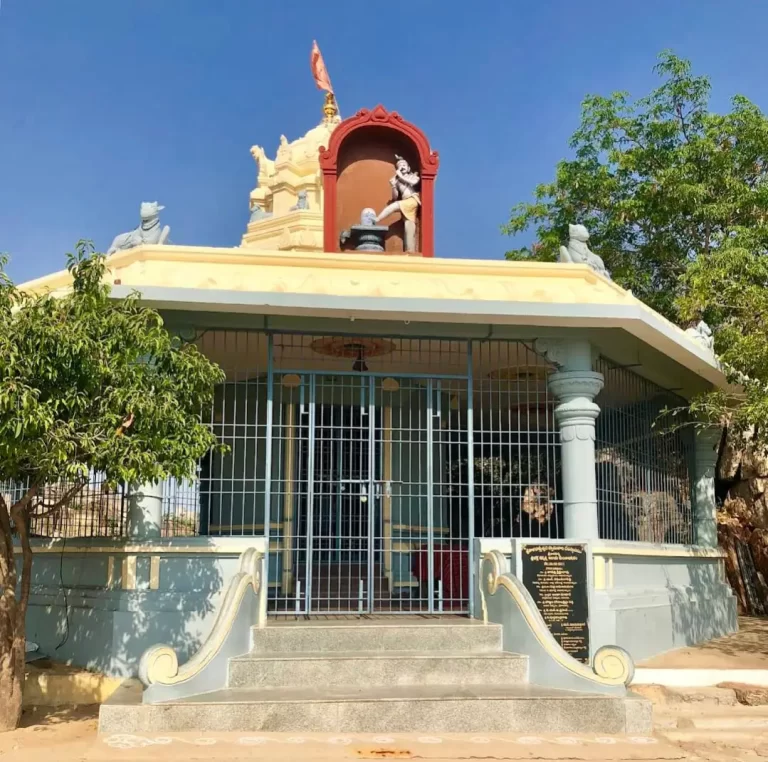
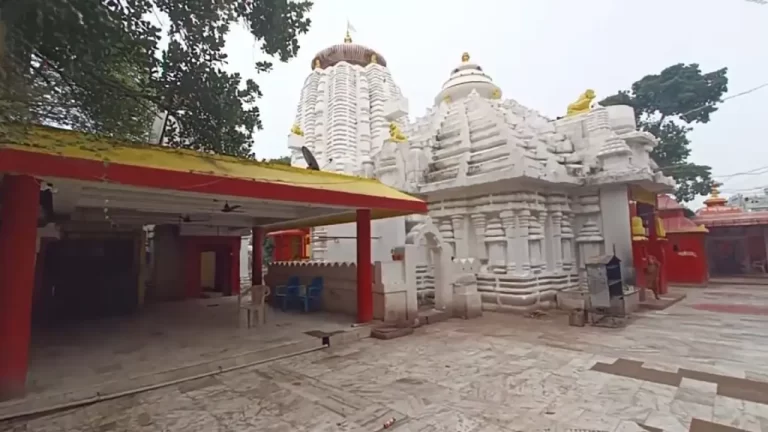
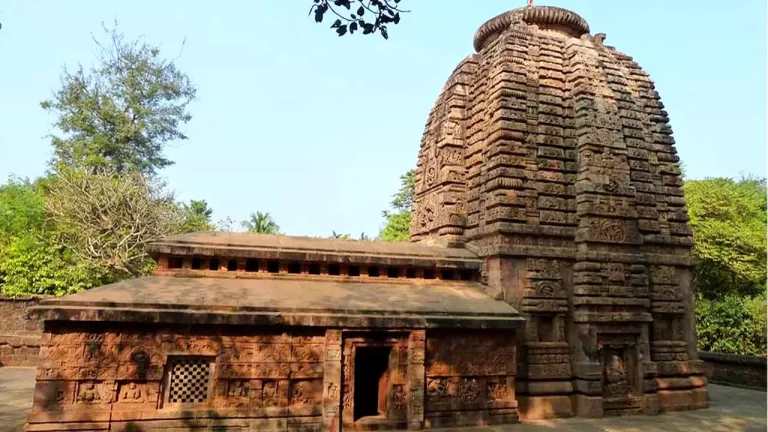
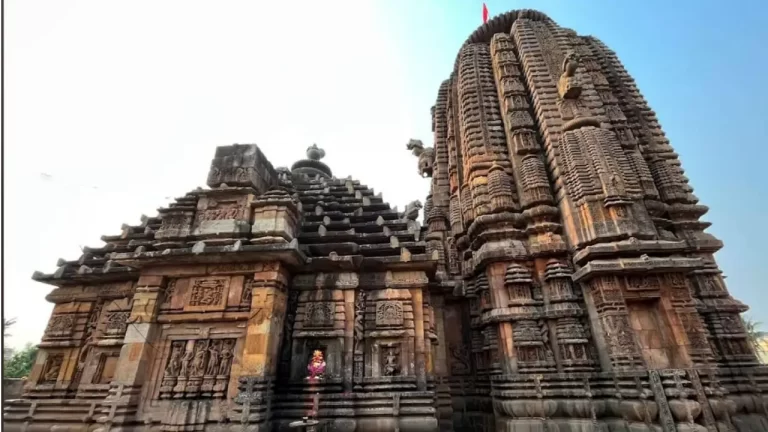
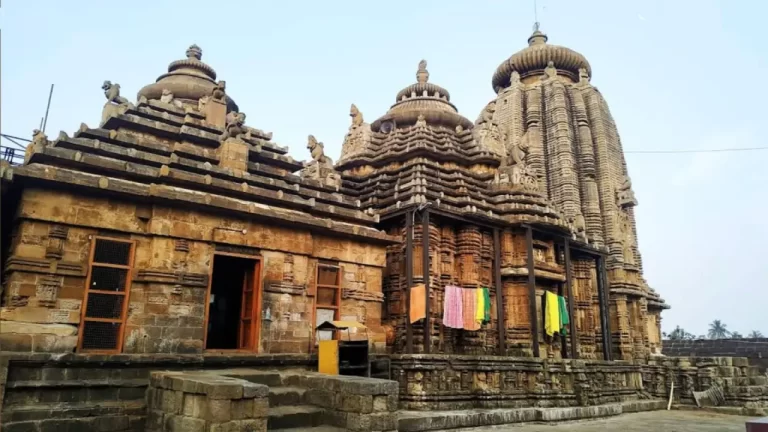
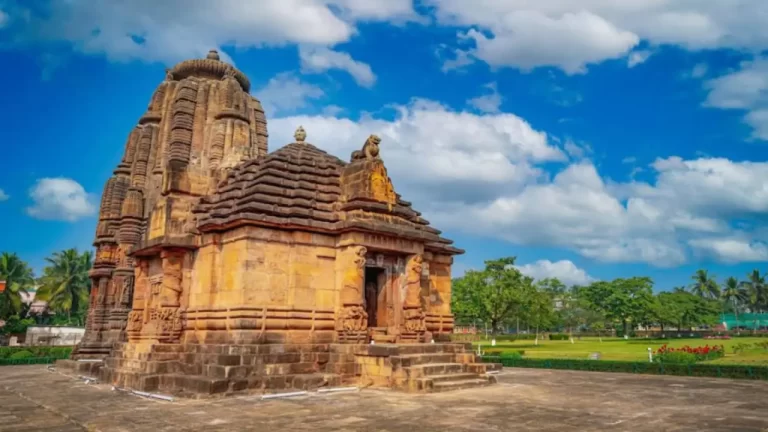
Imagine we’re walking about the Pedakakani Temple and admiring all its beautiful features! You’re going to be awed by the intricate carvings and the sheer size of the temple. The Pedakakani Malleswara Swamy Temple architecture is a reflection of centuries of worship.
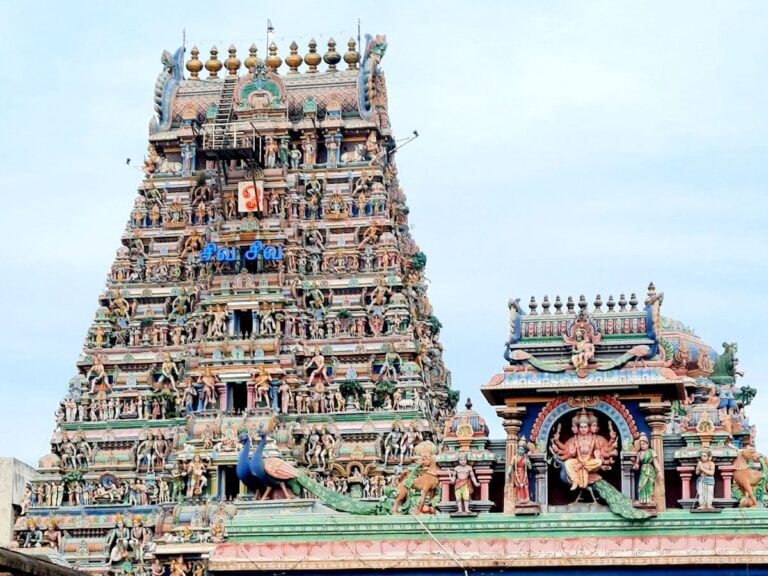
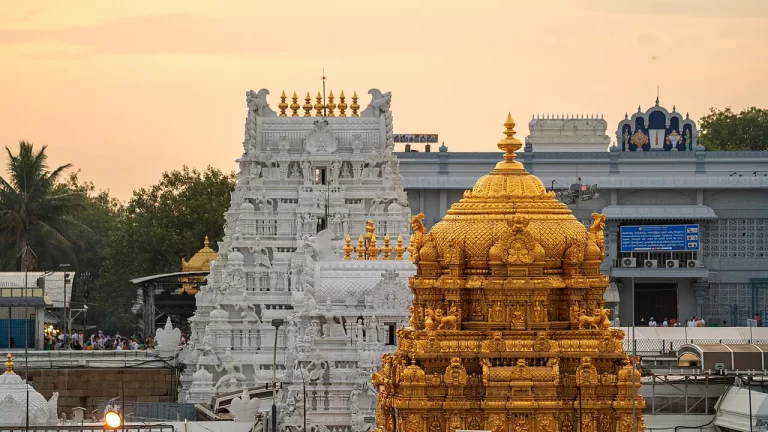
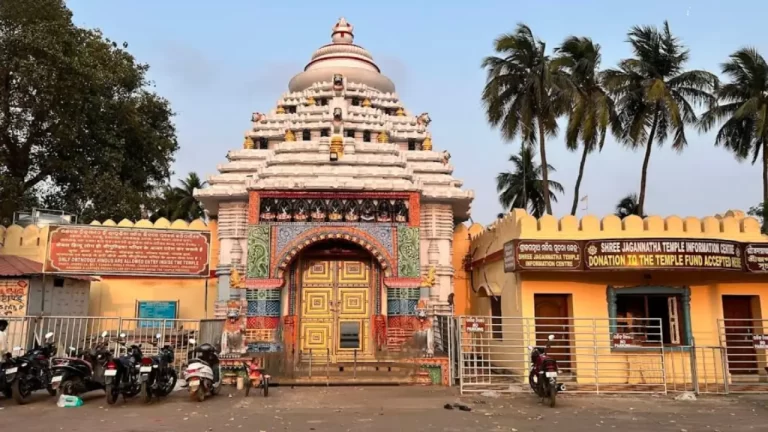
The first thing you’ll likely notice is the Rajagopuram. This is the tall, ornamented tower at the temple entrance, as if a large gateway to heaven. The Rajagopuram here stands at around 60 feet high! Think about standing beneath something that high and intricately sculpted with statues of gods and goddesses. It’s absolutely breathtaking and makes you feel tiny in a great way. This grand entrance foretells the sacred experience in the Pedakakani Temple.
Within, there is a grand Dhwajasthambam, a tall flagpole, where a flag is flown on festivals. It represents the deity’s presence and is an extremely sacred element of the temple. You’ll also observe the strong, traditional South Indian temple design with its numerous pillars and wide halls.
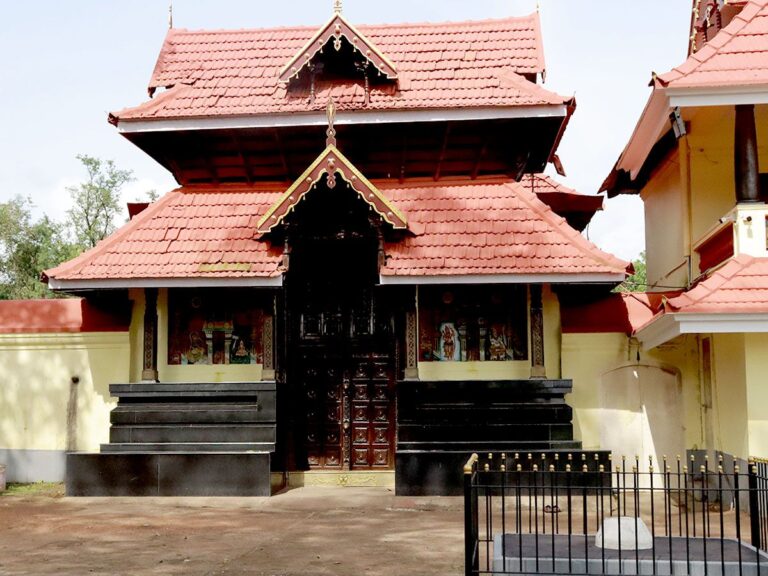
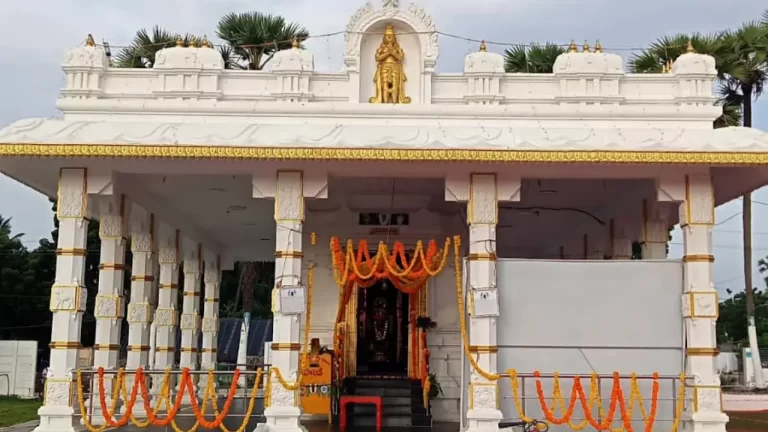
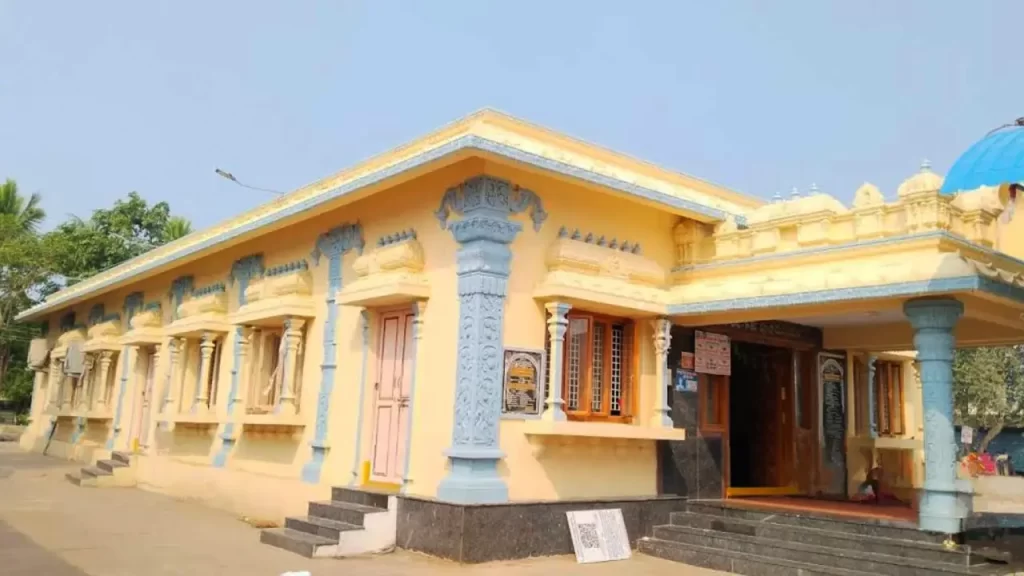
The principal deities, Sri Malleswara Swamy (Lord Shiva) and Goddess Bhramaramba Devi, are kept in exquisite shrines inside the temple. The architecture is a fine representation of South Indian temple architecture, with its intricately carved details and strong stone build. You will notice beautiful gardens surrounding the temple, so the entire atmosphere is serene and beautiful. There is also an Addala Mandapam, a hall of mirrors, that is frequently used either for special ceremonies or for devotees to relax and immerse themselves in the spiritual ambiance. This gives the Pedakakani Malleswara Swamy Temple a certain different charm.
The temple itself, with its combination of old-school methods and large scale, really does make the Pedakakani Temple a wondrous destination to see, testifying to the strong religion that constructed it.
Myths and Beliefs: Echoes of Faith
Pedakakani Temple has numerous myths and beliefs that have been inherited over generations. Such narrations and beliefs enhance the spiritual experience of the Pedakakani Malleswara Swamy Temple visit.
As we told you, the faith in the healing nature of the Yagnala Bavi water is strong. Individuals travel from all corners of the world with the hope of alleviating their health problems by sipping this divine water. It’s a proof of the confidence people have in Sage Bharadwaja’s blessings and the holy energy of the site. This faith is one of the prime reasons for the visit to the Pedakakani Temple.
The popularity of the Rahu Ketu Pooja is another strong belief. Most of the devotees firmly believe that performing this ritual at Pedakakani Temple can eliminate astrological issues (doshas) and erase hindrances in their lives. They arrive with great faith with the hope of finding solutions for their problems, be it marriage, health, or financial issues. The priests guide them carefully through the ritual, and many individuals experience positive changes after doing pooja at the Pedakakani Malleswara Swamy Temple.
Another popular belief is that presenting pongal (a specific dish prepared from rice and lentils) in the temple compound to the deity is a harbinger of good fortune. You’ll frequently find worshippers making and presenting pongal as an offering, a custom cherished at the Pedakakani Temple.
The air of piety, the heritage value, and the common beliefs infuse an immense aura in the Pedakakani Temple, transforming each visit into an intensely personal and spiritual pilgrimage to the Pedakakani Malleswara Swamy Temple.
Special Days and Rituals: A Calendar of Celebrations
The Pedakakani Temple simply comes alive on special days and festivals! Envision a venue filled with life, colors, and the chanting of devotional hymns. These are the special days when the Pedakakani Malleswara Swamy Temple is at its best.
Maha Shivaratri: This is the key festival in the Pedakakani Temple. This is a festive celebration of the divine marriage of Lord Shiva and his cosmic dance. Thousands and thousands of worshippers visit the temple during Maha Shivaratri. The temple organizes Brahmotsavams (grand annual festival) during this period, typically from mid to late February. During the festival, Pedakakani Malleswara Swamy Temple is lavishly decorated, special prayers are performed, and deities are taken out in elaborate processions. It’s a real spectacle.
Rahu Ketu Pooja: As we discussed, this is a highly ritualistic and very often conducted ritual at the Pedakakani Temple. This is conducted on a daily basis, particularly in Rahu Kalam. Though it is conducted daily, Sundays and Tuesdays are given particular importance for this pooja, and thus these two days are even more crowded at the Pedakakani Malleswara Swamy Temple. The fee for the Rahu Ketu Pooja is normally about Rs. 500 for an individual or a couple. The temple supplies all the items needed for the pooja, which is very convenient!
Rudrabhishekam: This is another important pooja where Lord Shiva is showered with holy water, milk, curd, honey, and other favorable items while reciting special mantras. It’s said to give great blessings and cleanse the devotee. The ritual will take approximately Rs. 500 for two people at the Pedakakani Temple. It is usually done on Tuesdays, Wednesdays, Fridays, and Saturdays, but not on Sundays, Mondays, and Thursdays because of the extremely large number of people on these days at the Pedakakani Malleswara Swamy Temple.
Daily Aarti and Poojas: The Pedakakani Temple conducts routine Abhishekam (bathing of the idol) and Aarti (waving lamps in front of the deity) every day. They are gorgeous and serene ceremonies that you can observe when visiting.
Other Rituals: Pedakakani Temple also provides other rituals such as Ekavarabhishekam (Rs. 100), Sahasranamarchana (reciting 1000 names, Rs. 40), Astottara Sathanamarchana (reciting 108 names, Rs. 50), and special occasion rituals such as marriages (Rs. 500), Annaprasana (first rice eating for infants, Rs. 70), offering of hair (tonsuring, Rs. 10), and ear piercing (Rs. 60). All these services make Pedakakani Malleswara Swamy Temple a complete spiritual center.
The Pedakakani Temple becomes extremely busy on Maha Shivaratri and at the weekends, more so on Sundays and Tuesdays because of the demand for Rahu Ketu Pooja. A quieter visit is possible if you go on weekdays.
Pedakakani Temple Timings: Where to Find Peace
Understanding the temple timings is really crucial while scheduling your trip to Pedakakani Temple! It assists in maximizing your time at the Pedakakani Malleswara Swamy Temple.
The temple usually functions in two shifts:
Morning Hours: The temple is open early in the morning at 5:00 AM and closes at 1:30 PM. This is a wonderful time to visit for morning prayers and to experience the peaceful vibes of the Pedakakani Temple.
Evening Hours: Following a brief break, the temple opens again at 4:00 PM and receives devotees until 8:00 PM. The evening hours too are very serene and beautiful for a trip to the Pedakakani Malleswara Swamy Temple.
It’s nice to keep in mind that on extremely special festival days such as Maha Shivaratri, or when there is a very big crowd, these times may vary slightly to fit everyone in. Otherwise, though, these are the times you can rely on for your darshan (sighting of the deity) at the Pedakakani Temple.
Places to Visit Near Temple: Extend Your Spiritual Pilgrimage
Your stop at Pedakakani Temple is merely the start of discovering the abundant spiritual terrain surrounding Guntur! There are numerous other great Hindu temples to see within proximity to Amaravati that you may want to explore:
Amaravati: This old city, being extremely near to your present place in Amaravati, is renowned for its Amaralingeswara Swamy Temple, yet another important Shiva temple. It is also an ancient location with historical links to Buddhism and thus an eclectic cultural destination near the Pedakakani Malleswara Swamy Temple.
Mangalagiri: Houses the renowned Panakala Narasimha Swamy Temple. The uniqueness here lies in the fact that the deity receives jaggery water (panakam), and you can view the sound it produces as the deity “drinks” a fraction of it! This distinctive temple is an excellent addition to your spiritual trip following the Pedakakani Temple.
Ponnur: Famous for its ancient temples and huge monolithic statues of gods such as Hanuman. The Bhavanarayana Swamy Temple here is a widely visited Vishnu temple, providing a unique divine experience compared to the Pedakakani Malleswara Swamy Temple.
Draksharamam: While a little further, if you have time, one of the five Pancha Rama Kshetras (five well-known Shiva temples in Andhra Pradesh). Bhimeswara Swamy Temple here is very ancient and potent, and a wonderful addition to a Shiva pilgrimage including the Pedakakani Temple.
Guntur City: The city itself boasts a number of other temples such as the Bhadrakali Temple, Sri Dasavatara Venkateswara Swamy Temple, and numerous local Shiva and Vishnu temples, which are a pleasure to behold. You will also see the nearby Uppalapadu Bird Sanctuary, a beautiful natural place to spend some time relaxing after your spiritual excursion at the Pedakakani Malleswara Swamy Temple.
Visiting these close-by locations will provide you with a deeper insight into the area’s spiritual richness and grant you even more blessings to your journey, as an addition to your Pedakakani Temple visit.
How to Travel to the Temple: Your Journey to Pedakakani
It is very easy to travel to the Pedakakani Temple from Amaravati! It is not far away, so you can organize a great day trip to the Pedakakani Malleswara Swamy Temple.
By Car/Taxi by Road: Drive is perhaps the most hassle-free mode. Pedakakani Temple would be around 25-30 kilometers away from Amaravati, depending on your location. The journey takes about 45-55 minutes. One can just open a navigation application, and it will take you on the National Highway 16 and then on the local roads that directly reach the Pedakakani Malleswara Swamy Temple.
By Bus: APSRTC (Andhra Pradesh State Road Transport Corporation) public buses are an excellent choice. There are regular buses from Guntur city to Pedakakani. From Amaravati, you may have to reach Guntur by bus and then ride a local bus to Pedakakani Temple. The bus ride is inexpensive and provides an opportunity to observe the local way of life.
By Train: Pedakakani Temple has its closest railway station in Pedakakani Halt Railway Station. But it’s a small station and not all the trains are halt here. The biggest railway station is Guntur Junction (GNT), which is well connected with many cities of India. From Guntur, roughly 8 km away, you can easily get on a local bus or an auto-rickshaw to reach the Pedakakani Malleswara Swamy Temple directly.
Whether you travel by bus, taxi, or bike, your trip to the Pedakakani Temple will be exciting and devout.