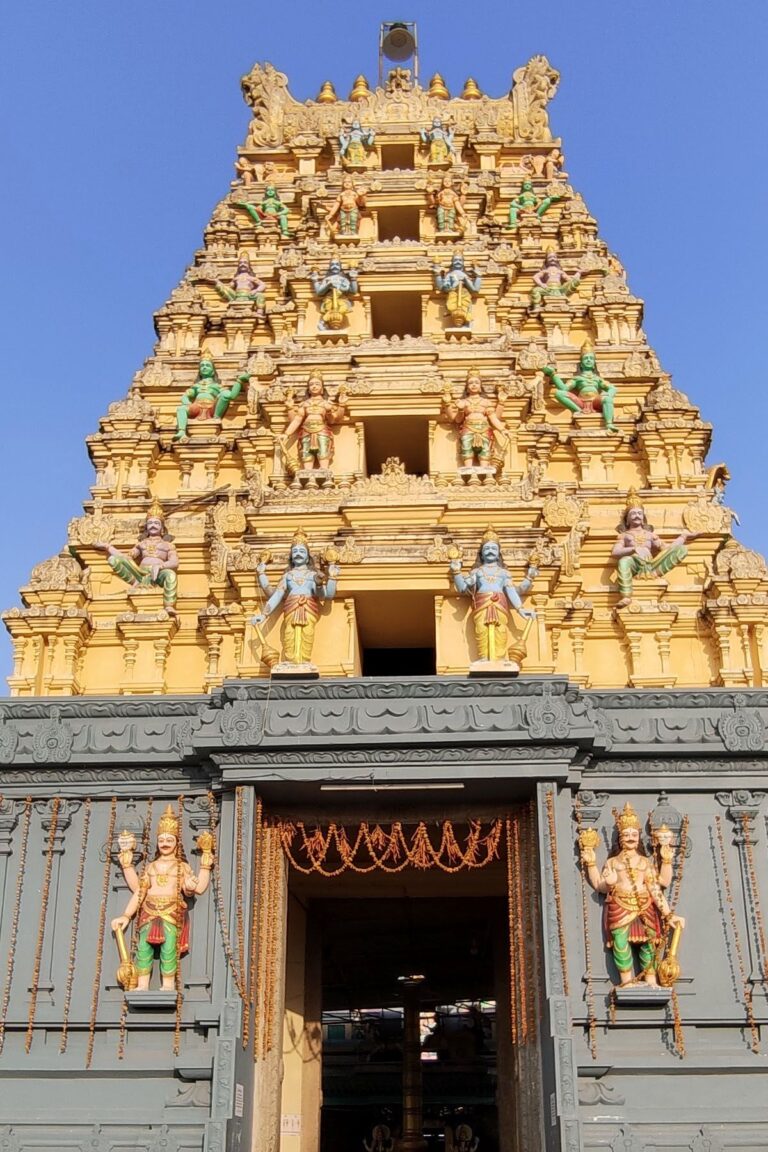
Bhakta Kannappa Temple Srikalahasti
Kannappa Temple Srikalahasti, Andhra Pradesh’s stunning state. Picture a destination where ancient tales come alive, and where a fearless hunter demonstrated to the world what love and devotion are all about. Are you ready? Let’s get started!
A Warm Welcome to Srikalahasti!
Okay, first let me tell you a bit about Srikalahasti itself. It’s a little town in the state of Andhra Pradesh that is so old and full of spiritual energy. You know how places sometimes just have a special feel to them? Srikalahasti is one of those. It’s particularly well-known for its massive temple to Lord Shiva, which is the Srikalahasteeswara Temple, and our small Kannappa Temple is part of this larger, beautiful story.
The Great History of Bhakta Kannappa Temple Srikalahasti
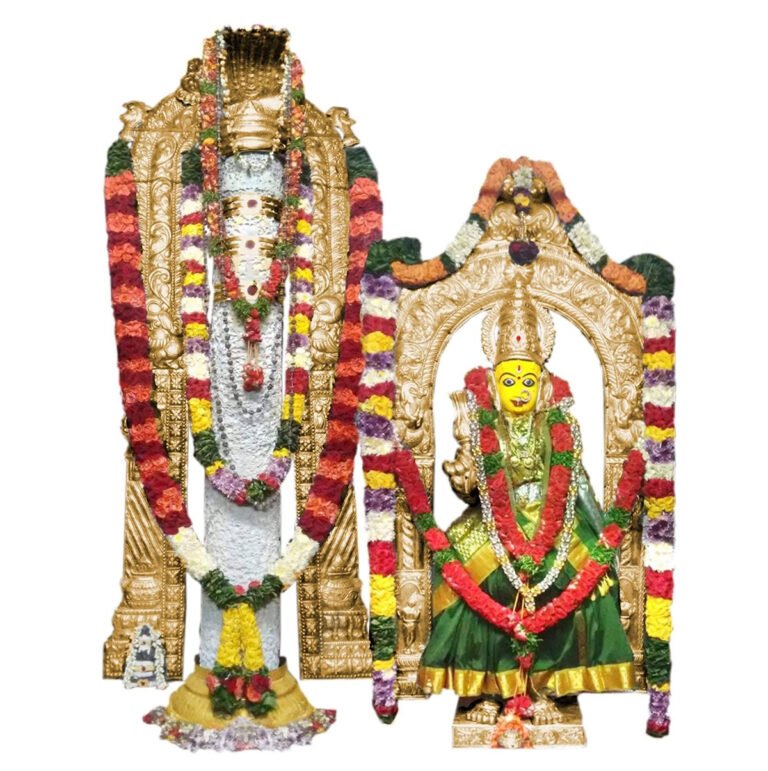
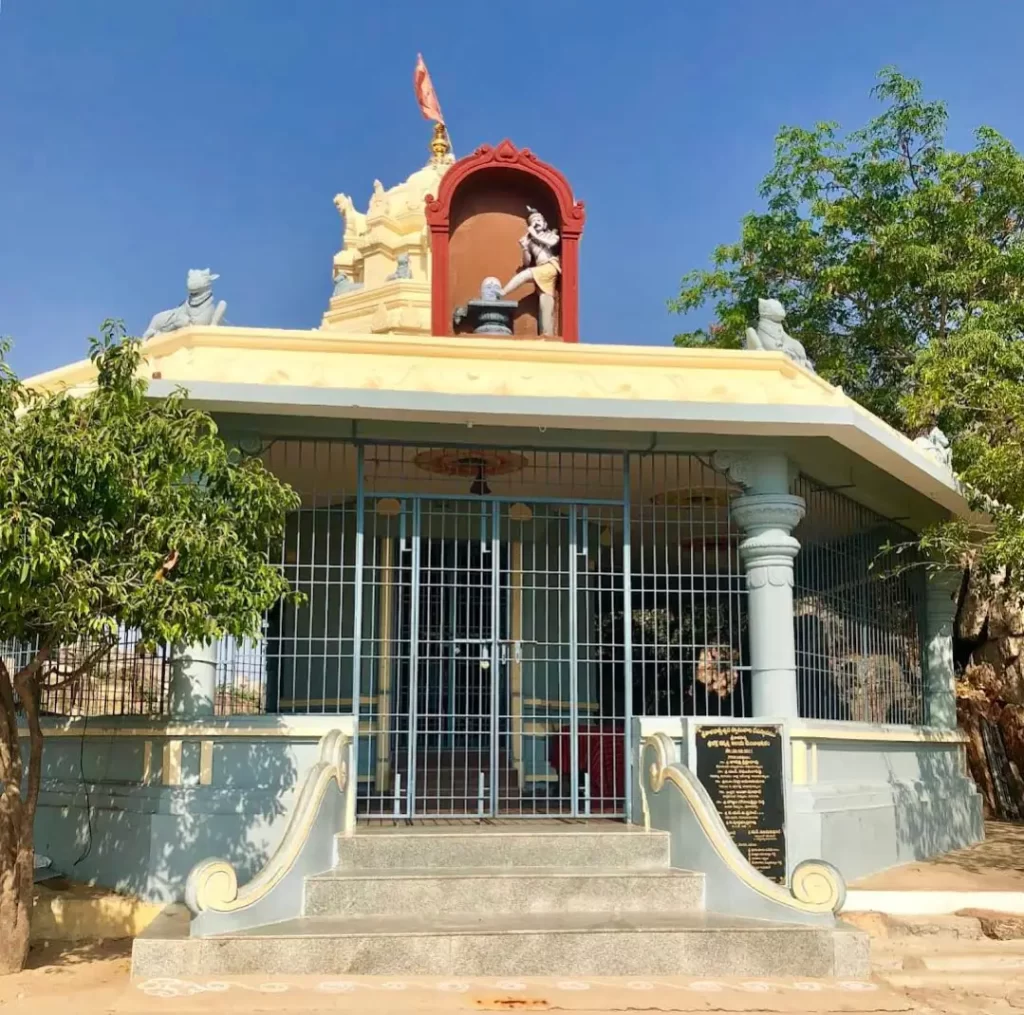
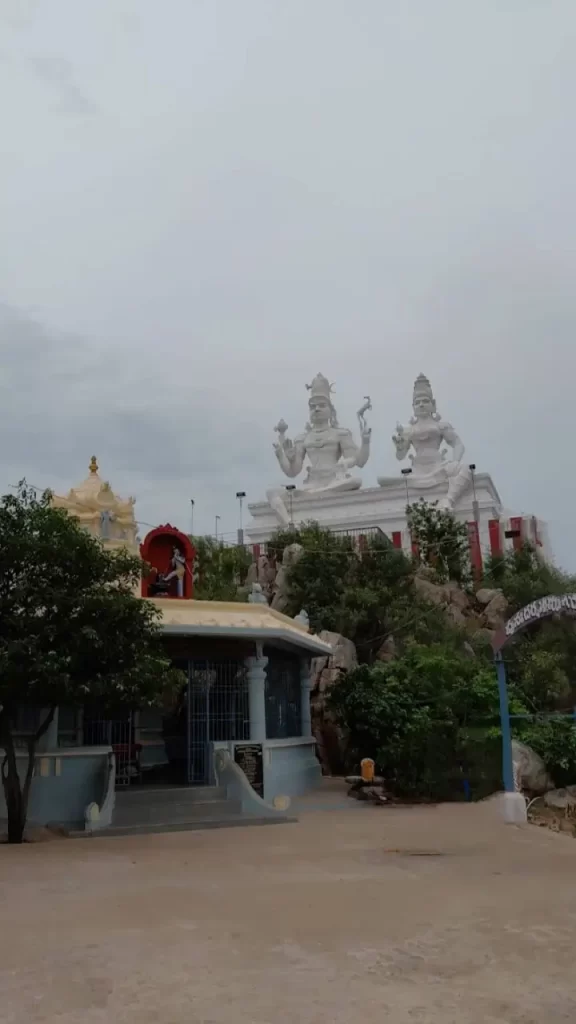
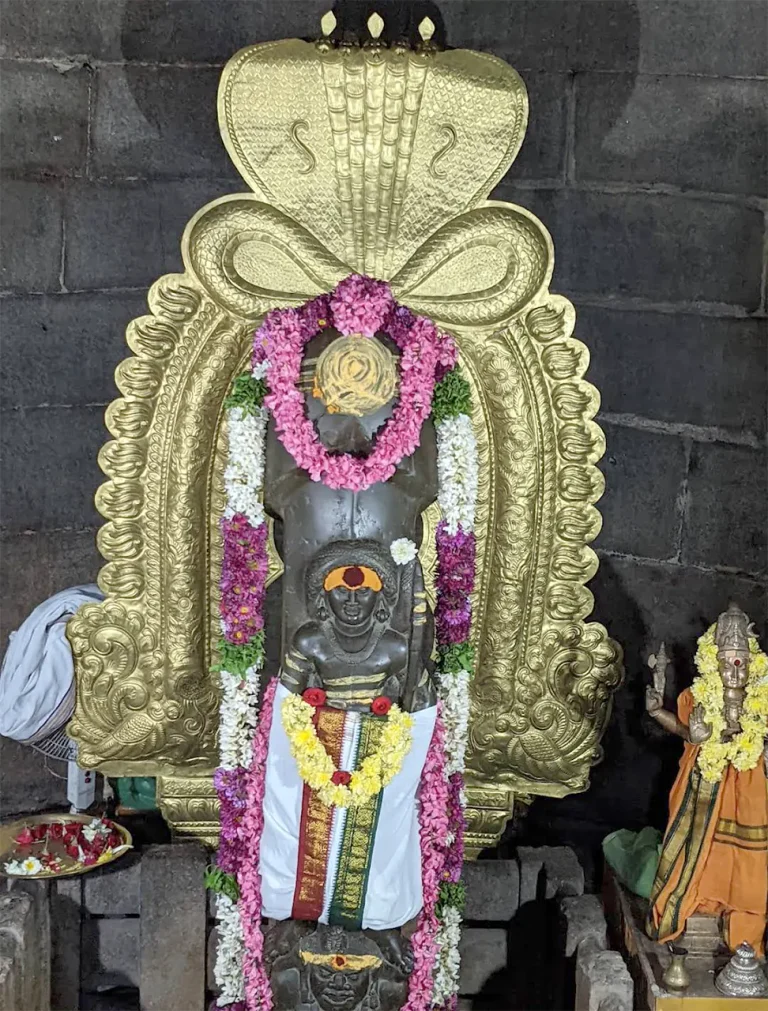
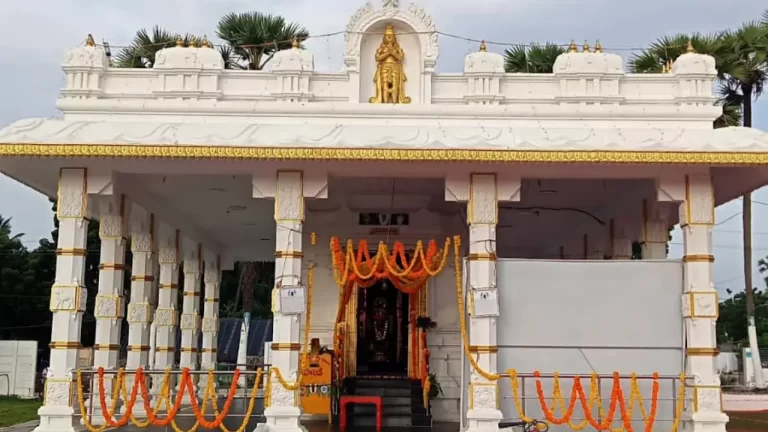
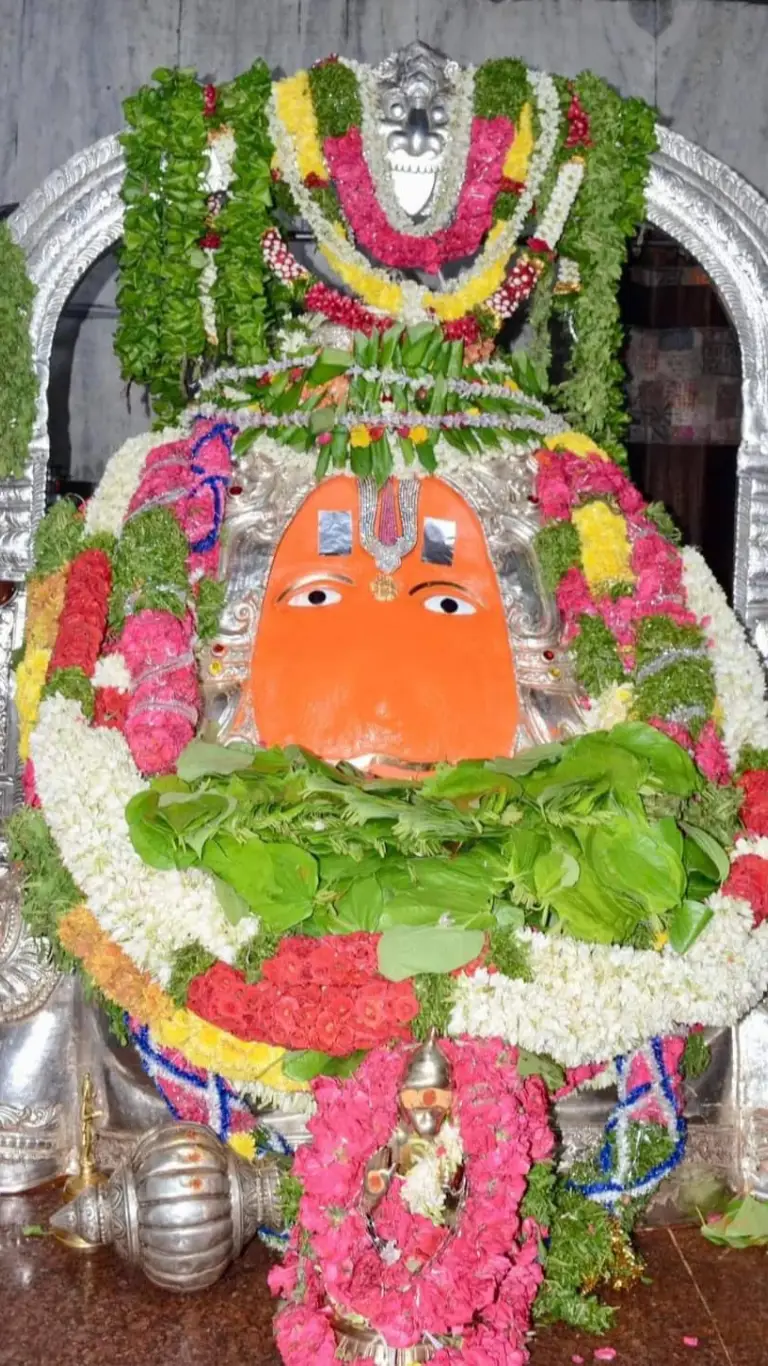
Okay, now let’s discuss the Kannappa Temple itself. It’s not as big and flashy as some other temples, but its history is truly epic! This temple is situated on a hill, and it’s a shrine for a very special follower of Lord Shiva by the name of Kannappa. Folks say this is the actual place where his incredible tale transpired. Picture going up steps, as Kannappa may have done, to ascend to this holy location. The road to the temple is a brief hike, some 2 kilometers from the central bus station, and it’s a beautiful walk.
The main Srikalahasteeswara Temple has a long history that goes back, even to the 5th century! The Pallava rulers initially constructed portions of it, and then the Chola rulers, who were extremely powerful kings, constructed further additions to it during the 10th and 11th centuries. After that, the great Vijayanagara rulers, such as King Krishnadevaraya, made it even more gorgeous in the 16th century, constructing large towers known as gopurams and pillared halls.
Where the Kannappa Temple may lack the grand architectural history of continuous add-ons, it remains a testament to the abiding strength of faith that motivated these very same builders. It’s a structure that causes us to remember the religious fervor that has existed here for hundreds and hundreds of years.
Read More>> Nitya Kalyana Perumal Temple: Unlock Your Marriage Destiny!
The Wonderful Legend of Kannappa
Now, for the most thrilling part – Kannappa’s legend! It is a tale that will certainly move your heart, as it moves mine each time I narrate it.
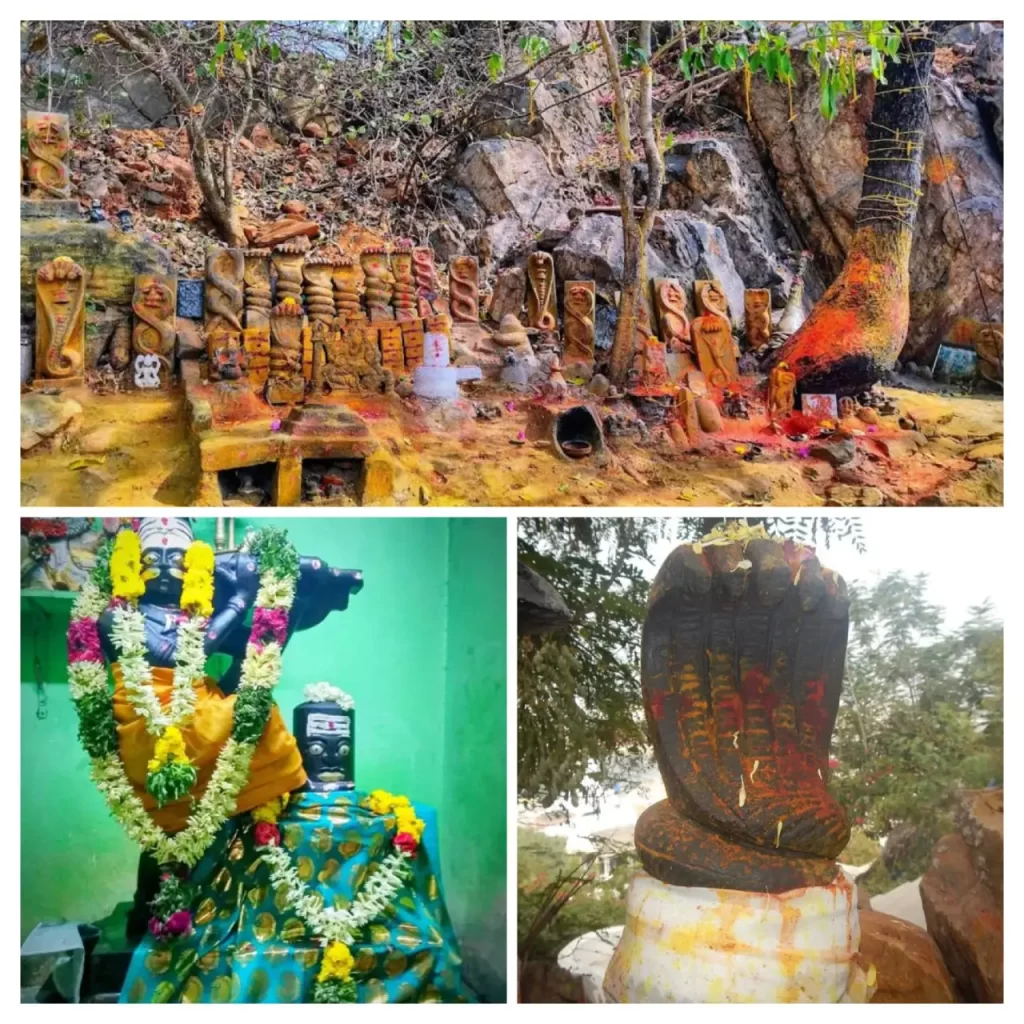
There lived a tribal hunter named Thinna in a forest once upon a time. He was a simple fellow who lived in the woods and hunted animals for food. One day, Thinna discovered a Shiva Lingam (a unique symbol of Lord Shiva) in the woods. Thinna immediately fell deeply in love with Lord Shiva! He didn’t know the proper mode of worship, such as the priests. So, he would bring hunted meat, and river water in his mouth, and offer them to the Shiva Lingam. He would even clean the idol with his foot before placing flowers!
One priest who also made offerings at the same Lingam was extremely disturbed. He looked at the meat and the foot marks and thought someone was messing around with the sacred area! He complained to Lord Shiva. But Lord Shiva wanted to teach everyone a lesson on what real devotion was.
One day, something wonderful did happen. Thinna noticed that Lord Shiva’s one eye on the Lingam was bleeding! He was so grieved and anxious. He did not know what to do. Then, he thought of a gallant idea! He thought, “If a bleeding eye is happening, perhaps I can sacrifice my own eye to help Lord Shiva!” So, being very brave, he pulled out one of his own eyes and put it on the bleeding eye of the Shiva Lingam. Poof! The bleeding stopped! Thinna was overjoyed.
But then, the other eye of Lord Shiva began to bleed! Thinna didn’t hesitate. He placed his foot upon the Lingam to indicate where his second eye should go so that he would be able to know where to put his second eye when he pulled it out. Just as he was going to pull out his second eye, Lord Shiva stood before him! Lord Shiva was simply, simply moved by Thinna’s selfless love and devotion.
He halted Thinna and told him, “My dear Thinna, you have demonstrated the most devotion! From this day forward, you will be called Kannappa,” which is a name that means “the one who gave his eyes.” And Lord Shiva granted him moksha, which is salvation, a special sort of freedom and bliss.
This tale is included in certain very ancient and sacred Hindu texts known as Puranas. To illustrate, the Skanda Purana, Shiva Purana, and Linga Purana all discuss the fame of Srikalahasti and the steadfast loyalty of Kannappa. They inform us that Arjuna, the great warrior of Mahabharata, also came to this shrine to offer worship to Lord Shiva! So you see, the Kannappa story is not merely a story; it’s part of our ancient scriptures, illustrating how much God treasures genuine devotion, irrespective of who you are and what you do.
Read More>> 15 Best Places to Visit in Odisha
Cultural, Spiritual, and Mythological Significance
The Kannappa Temple Srikalahasti is of tremendous significance.
Cultural Significance: The Kannappa legend is a pillar of South Indian culture and worship. It reminds us that proper devotion is not about elaborate rituals or costly offerings, but about selfless love and earnest heart. His legend is sung and recited in songs, plays, and stories, which encourage generations to be single-mindedly devoted and sacrificial.
Spiritual Significance: To most, a visit to the Kannappa Temple is a spiritual experience. It’s where you feel the power of devotion that Kannappa himself injected into his faith. It makes you realize that anyone can be in touch with the divine, no matter who they are. It’s a place where you think about what selfless love really means.
Mythological Significance: As we learned, Kannappa is one of the 63 Nayanmars, who were extremely significant Lord Shiva devotees. His legend is a strong mythological tale that presents the infinite mercy of Lord Shiva and the superhuman strength of bhakti (devotion). The primary Srikalahasteeswara Temple is also one of the Pancha Bhoota Sthalas, being the symbol of the element Vayu (air), and it’s said that the Vayu Lingam here “breathes! You can even sense a mild shiver of the lamp within, even in the absence of wind. This sensory link to nature makes Srikalahasti all the more unique.
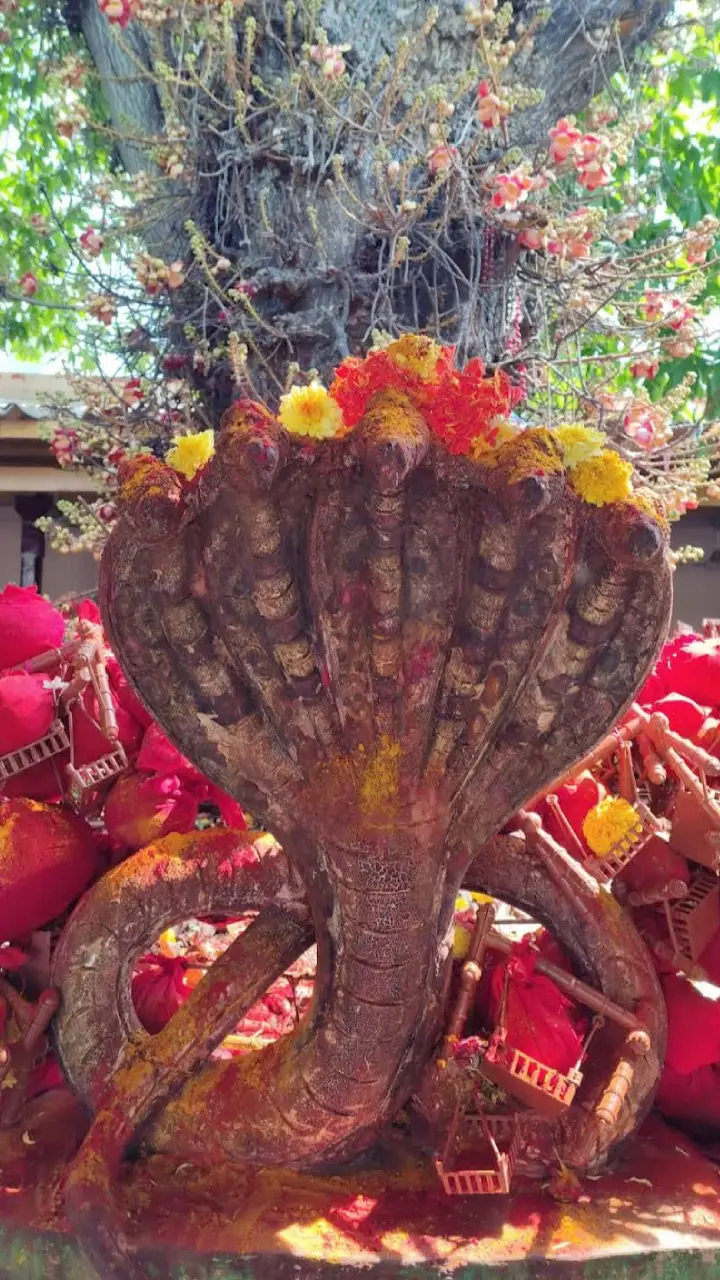
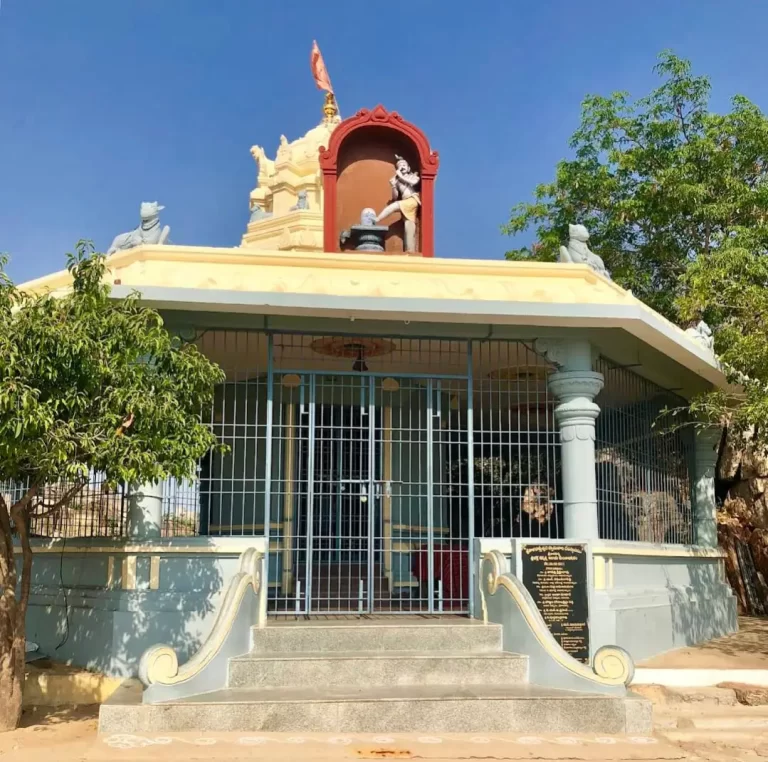

Festivals and Special Days
The Kannappa Temple itself is even more lively during the festivals. The festival of prime significance here, as in most Shiva temples, is Maha Shivaratri. This is the period of 13 days, and the whole town of Srikalahasti, including the hill where the Kannappa Temple is located, is filled with excitement. Lakhs of devotees visit here to make their offerings. Think about so many people, all of whom have devotion within them, gathering in one place to celebrate Lord Shiva! It’s truly an impressive view. The temple also gets extremely crowded in the Shravan month (generally in July-August) and on new moon days (Amavasya), as these are extremely auspicious for worshiping Lord Shiva.
Aside from the major festivals, there are special poojas done every day. The Srikalahasteeswara Temple is renowned specifically for its Rahu-Ketu Sarpa Dosha Nivarana Pooja. This is a special prayer that is offered to benefit people who feel they have specific astrological issues with planets Rahu and Ketu. Though this particular pooja is conducted in the central temple, it is the devotion that Kannappa demonstrated that gives these prayers such potency.
Read More>> Ajgaibinath Temple Bhagalpur
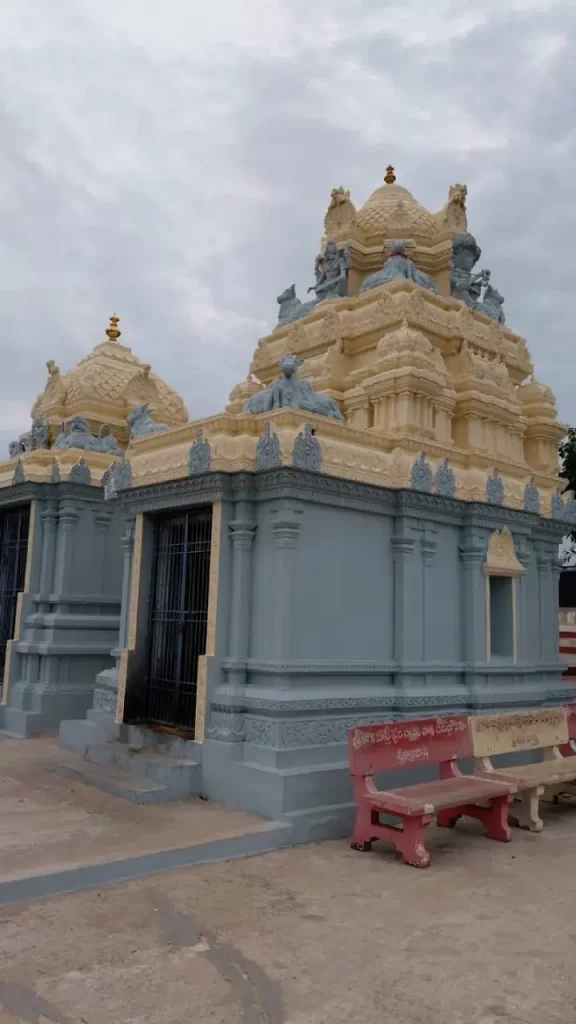
Distinct Architectural Features and Sculptures
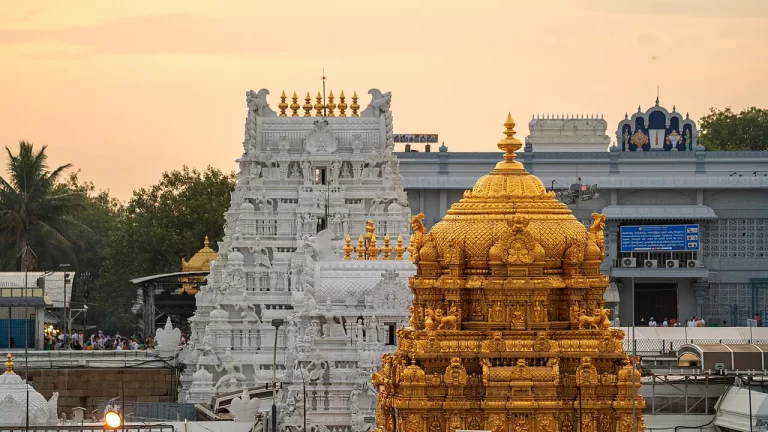
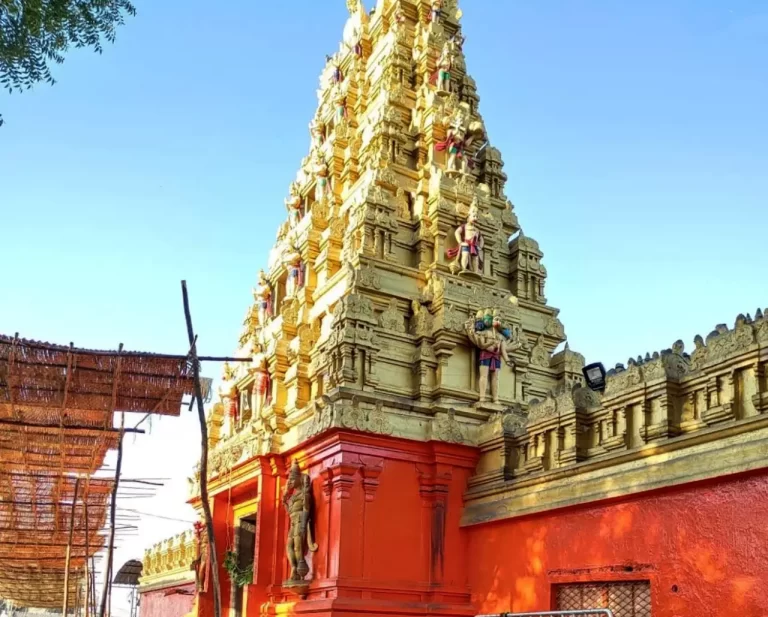
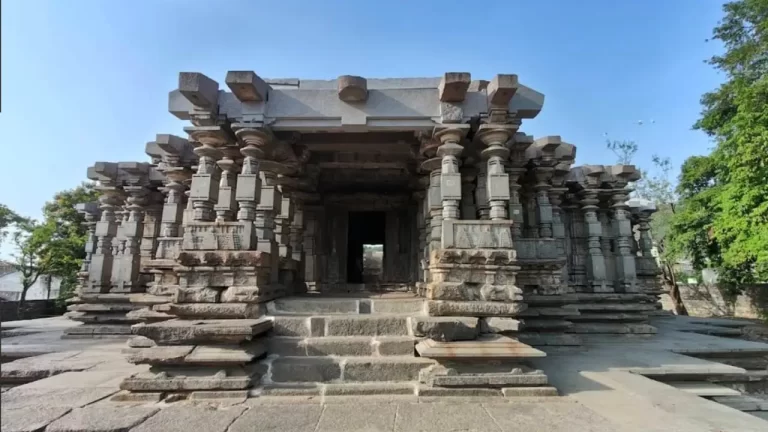
You’ll notice that when you go to the Kannappa Temple, it is actually built into the natural landscape of the hill itself. It has a less elaborate design than the large main temple, but it works well with the tale of a humble hunter. Still, the main Srikalahasteeswara Temple close by is a work of Dravidian architecture to marvel at. It boasts enormous, towering gopurams that are unbelievably tall and decked in detailed carvings of gods, goddesses, and mythical beings.
The carvings depict the stories from our ancient books, and you can spend hours just admiring them and learning new things. Though the Kannappa Temple itself is less imposing, the approach up the hill and the panorama from there enable you to see the sheer scale of the main Srikalahasti temple complex, including its impressive architecture and carvings, from a different perspective.
Read More>> Garbarakshambigai Temple: Secret of Fertility & Safe Birth
Myths and Beliefs
Besides Kannappa’s story, there are some lovely myths connecting Srikalahasti with the central Srikalahasteeswara Temple. Even the name “Srikalahasti” is derived from three committed beings:
Sri: A spider which spun webs around the Lingam to shield it from grime and insects.
Kala: A snake that presented valuable gems to decorate the Lingam.
Hasti: A water-bearing elephant who would fetch water from the river to bathe the Lingam and provide Bilva leaves (a sacred leaf that Shiva is fond of).
All these three animals, each in their own manner, demonstrated high devotion. Although they clashed with one another, unaware of each other’s pure intentions, Lord Shiva appreciated all three of them and rewarded them with salvation, and their names were included in the name of the temple! Thus, Srikalahasti is a site where even animals attained enlightenment due to their unconditional love for Lord Shiva.
Another powerful faith associated with the Srikalahasteeswara Temple is that it’s a Rahu-Ketu Kshetra. A large number of people visit the temple to specifically conduct rituals to minimize the adverse impact of planetary positions in their horoscopes, particularly about Rahu and Ketu. According to belief, the worship of Lord Shiva at this temple aids in overcoming these problems. The temple is kept open even on solar and lunar eclipses, something which is extremely rare as all other temples close their gates at such times! This indicates its special authority and association with celestial occurrences.
Read More>> Vedadri Narasimha Swamy Temple
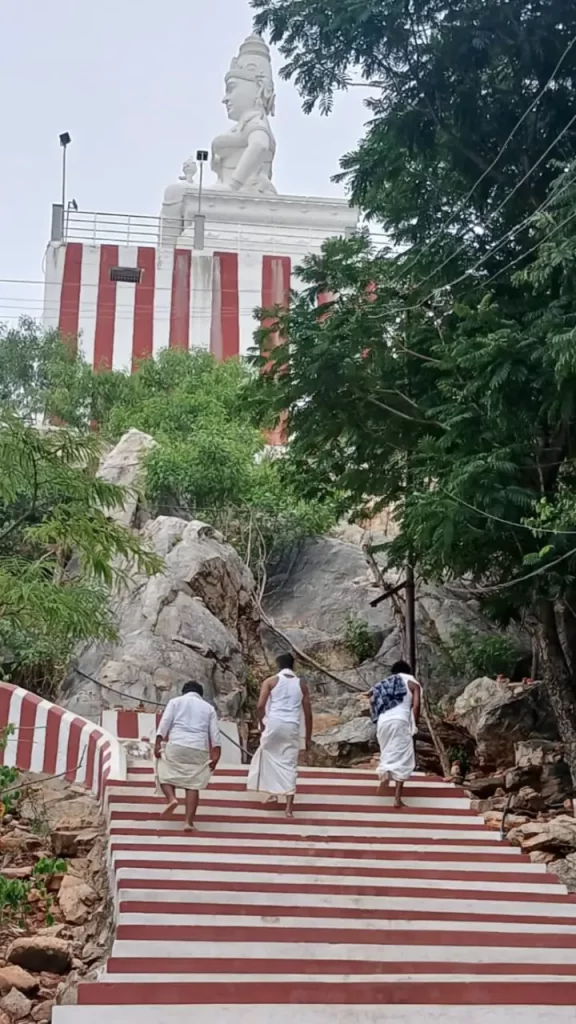
Bhakta Kannappa Temple Timings
Kannappa Temple generally opens at around 6:00 AM and closes by 6:30 PM. It’s always a good idea to verify the exact timings before you visit, but usually, it’s open for quite some part of the day. The primary Srikalahasteeswara Temple also has similar timings, normally between 6:00 AM and 9:00 PM, with different poojas and aartis (light offerings) during the day. If you would like to attend the morning aarti or not encounter large crowds, it is advisable to visit early in the morning.
Read More>> Ayyappa Swamy Temple Dwarapudi
Places to Visit Near the Temple
Srikalahasti is not all about Kannappa Temple and Srikalahasteeswara Temple. There are plenty of other beautiful spots around that you can visit:
Swarnamukhi River: A serene river near the temple. It’s highly sacred, and some pilgrims bathe in its waters prior to entering the temple.
Bharadwaja Tirtham: A holy pond where pilgrims bathe.
Veyilingala Kona Waterfalls: Nature lovers will love this waterfall. It’s a bit off the beaten path, but it’s worth it.
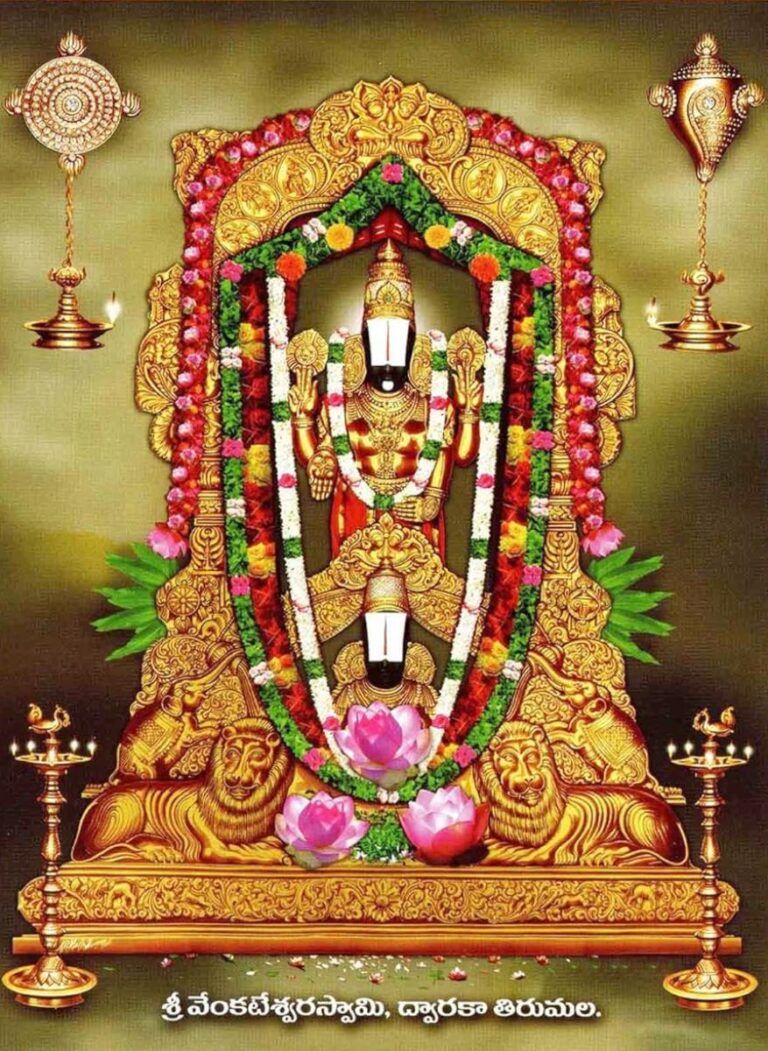
Tirupati: This is a highly renowned pilgrimage town and the home of the Venkateswara Temple, the richest and most visited temple in the world. It’s approximately 40 kilometers from Srikalahasti so it’s an easy day trip.
Chandragiri Fort: A historical fort with a rich history, providing an insight into the structure and life of ancient kings. It’s close to Tirupati.
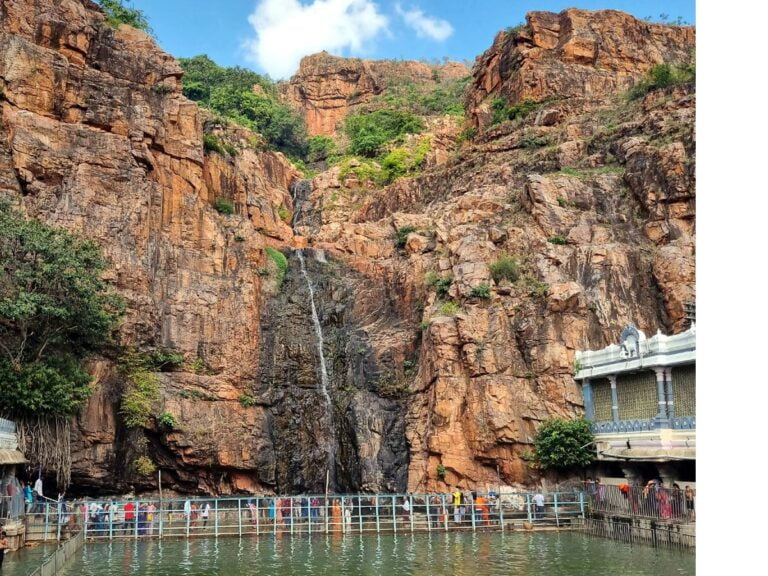
Kailasakona Waterfalls: Another lovely natural place, well-liked for its peaceful surroundings.
For more AP Temples you may visit official website.
Accommodation Options
As Srikalahasti is a famous pilgrimage town, you can find lots of accommodation places, ranging from different budgets. There are numerous hotels and guesthouses nearby the main temple, so they are also relatively close to the Kannappa Temple hill. Some of them are Hotel GMR Pearls, JSN Grand, Hotel KSR Grand, and Hotel Bluestone. They have nice rooms, and a few of them even have restaurants. It’s always best to reserve your accommodation in advance, as when we visit during the peak festival season, the town does get crowded!
Read More>> Unbelievable Facts About Udiyanoor Devi Temple You Never Knew!
How to Reach the Kannappa Temple
Reaching Kannappa Temple Srikalahasti is rather easy!
By Air: The closest airport is Tirupati Airport (Renigunta Airport), approximately 26 kilometers away. From there, you can very easily hire a taxi or a local bus to Srikalahasti.
By Train: Srikalahasti is served by a railway station of its own (Srikalahasti KHT Railway Station), with good connectivity to major cities. After you reach the station, you can get an auto-rickshaw or a local bus for reaching the temple complex.
By Road: Srikalahasti is well connected by road. There are frequent buses from the neighboring towns like Tirupati, Chennai, Nellore, and Bangalore. You can also drive up in your own vehicle or take a taxi. Once you reach Srikalahasti, the Kannappa Temple is on a small hill, which is 2 kilometers from the main bus stand. You can walk, or ride an auto-rickshaw to the foot of the hill and climb up the steps.