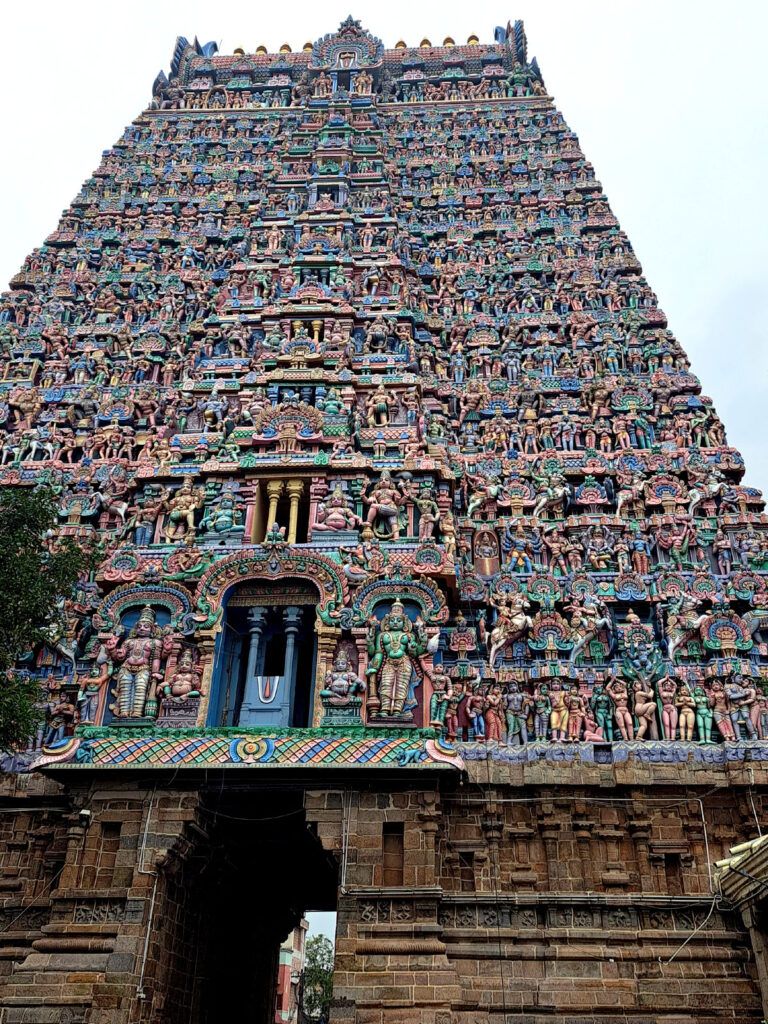
3BCE Pathala Sembhu Murugan Temple: Underground Copper Pot
Pathala Sembhu Murugan Temple is located in the peaceful village of Ramalingampatti, Dindigul district, Tamil Nadu. It’s a temple that’s not only on the earth, but beneath it! Yes, “Pathala” actually means “netherworld” or “underground,” and “Sembu” is a holy copper vessel. And so, the name itself, Pathala Sembhu Murugan Temple, suggests the deep mystery and spiritual depth in store for us. It’s an experience unlike any other, and I assure you, at the conclusion of our journey, you’ll have a feeling of serenity and awe that lingers long after you’ve departed.
Pathala Sembhu Murugan Temple History: A Glimpse into the Past
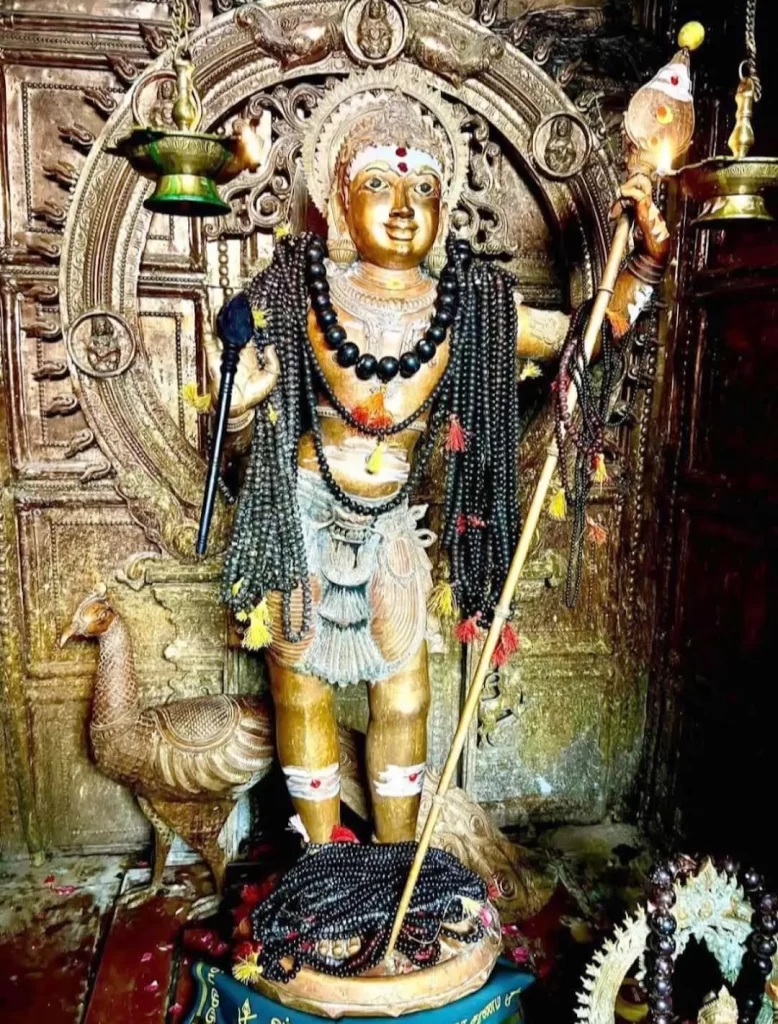
The Pathala Sembhu Murugan Temple is draped in an intriguing mix of old myths and archaeological suggestions. While there are indications that the temple itself is not particularly old in its current design, the sanctum below ground is considered to be well over 1,000 years old. A thousand years of uninterrupted worship resounding through those below-ground chambers!
Archaeological evidence from other temples of Murugan in Tamil Nadu, such as that at Saluvankuppam, shows layers of construction, with the earlier brick temples of the Sangam period (3rd century BCE to 3rd century CE) hidden beneath later Pallava edifices (8th century CE). Although direct proof of Pathala Sembhu Murugan Temple’s earliest origins may be less well-documented in formal archaeological reports, the very existence of its underground temple in itself naturally points to a parallel early heritage. It is not unusual for subsequent edifices to be erected over sites of great spiritual importance that date far earlier.
The temple that we view now, with its Dravidian architectural features, detailed carvings, and a simple gopuram, may have been renovated and expanded through the centuries, but the heart, the soul, rests in that primeval underground shrine. This persistence of worship, dating over millennia, says much of the abiding faith that is of Lord Murugan in this place.
Read More>> Kalluthipara Temple: Lord Krishna Divine Footprint in Stone!
Legend of the Temple: Tales of Divine Power
Each temple holds a tale, and the Pathala Sembhu Murugan Temple is no different. The most well-known myth surrounds the Pathala Sembu itself – the holy cup hidden under the ground. It is said to contain vast divine power, and simply having the presence of this mysterious vessel is claimed to be the reason the temple has a special aura.
One common belief is that the temple possesses an underground sanctum where Lord Murugan’s divine energy is highly concentrated. Pilgrims who visit always talk about a tangible spiritual vibration, an aura of deep peace enveloping them the instant they enter the underground shrine.
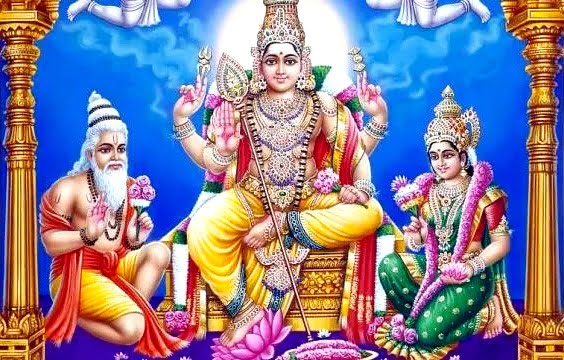
Yet another important legend attributes the temple to Siddhar Bogar, a venerated saint of ancient Tamil heritage. Bogar is hailed as having created the Navapashanam idol of Lord Murugan in the Palani Murugan Temple, which is said to have medicinal effects. Bogar is said to have a disciple in Thirukovilur Siddhar, who is said to have set up the very first idol of Murugan in this very Pathala Sembhu Murugan Temple and worshipped him there.
This descent to such a great Siddhar raises the spiritual status of the temple even higher, which makes it a “Sarva Dosha Nivarthi Sthalam” – a temple where all planetary doshas (malefic influences) could be overcome. This is a very significant factor for many devotees who are finding solutions to the problems of their life.
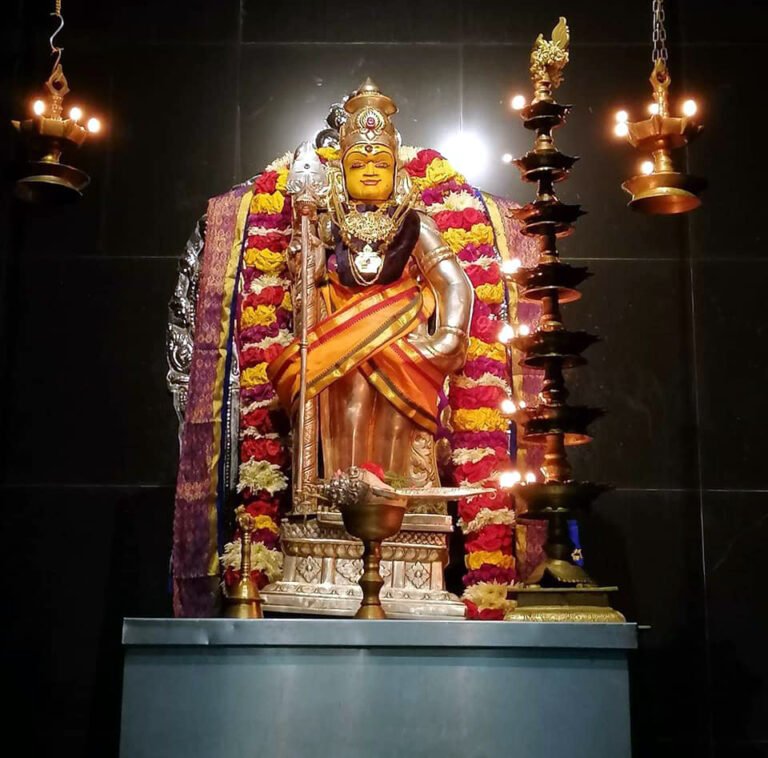
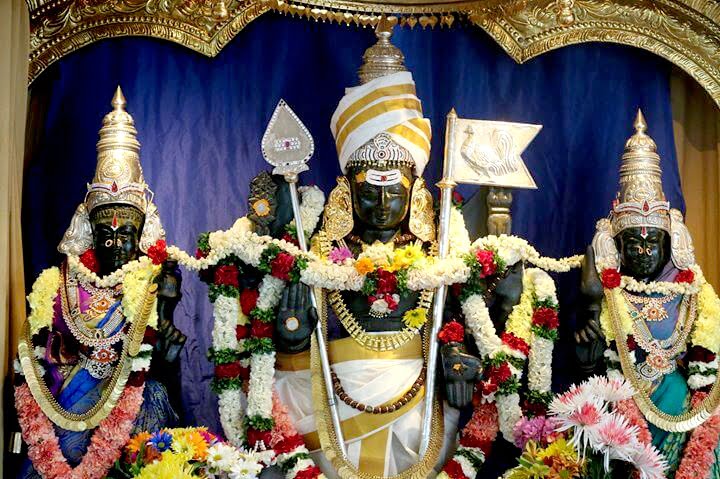
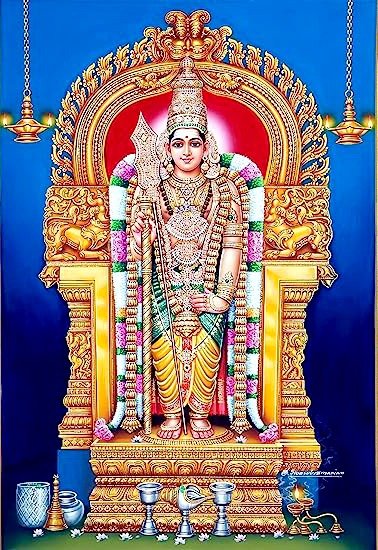
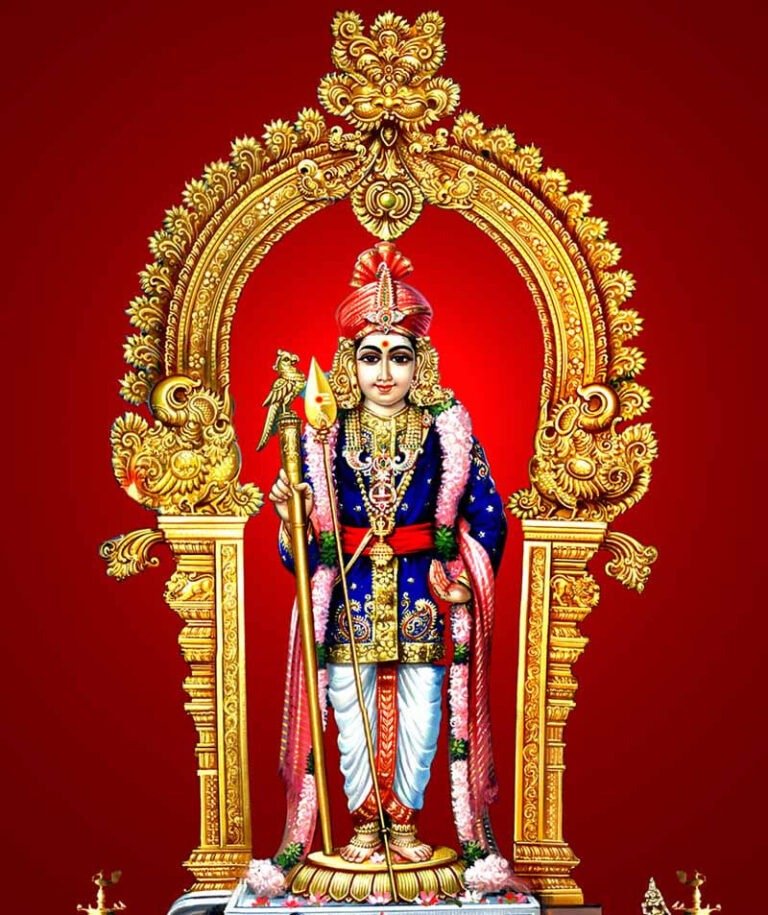
The Lord Murugan idol here, in contrast to the Navapashanam idol at Palani, is reported to be of panchaloha (five-metal) composition – gold, silver, copper, iron, and lead. This was originally worshipped in the underground cave and was bathed periodically in sacred mixtures to enhance its divine power. A later descendant of the Ramanathapuram principality, Gandhamaran, identified the idol’s splendor and initiated regular worship leading to the building of the current temple.
Read More>> Airavatesvara Temple Darasuram
Cultural, Spiritual, and Mythological Significance of the Temple
The Pathala Sembhu Murugan Temple is very significant on several levels.
Cultural Significance: Tamil Nadu and Murugan worship go hand in hand. He is endearingly referred to as Karthikeya, Subramanya, and Skanda, and his adoration is intricately intertwined in the culture of Tamil Nadu. This temple, which has a distinctive underground location, bears testimony to the varied forms of devotion practiced in the state. The religious rituals and customs here, such as the unique offerings of Karungali Malai (ebony wood rosary), form an integral part of the local cultural heritage and pilgrim practices. The enormous crowd of devotees that throngs here, particularly on auspicious occasions, is an indication of its continued cultural significance.
Spiritual Significance: To some, the Pathala Sembhu Murugan Temple is a spiritually strong whirlpool. Lord Murugan is worshipped as the God of war (representing inner struggles against negativity), wisdom, and triumph. He is the personification of divine youth, valor, and spiritual enlightenment. Believers visit here to seek clarity, discipline, and inner fortitude. The temple is particularly famous for its power to eliminate obstacles in life, whether education, profession, marriage, or health. Numerous people affirm feeling deep peace and even miraculous cures after their pilgrimages. Such visits are thought to be greatly helped by the concentration of divine power in the underground shrine. Its reputation as a place where planetary doshas can be corrected also attracts astrological treatment-seekers.
Mythological Significance: Though the Skanda Purana only discourses at length about Murugan’s birth, his triumph over the asura Surapadman, and his different residences, explicit references to this particular Pathala Sembhu Murugan Temple in ancient Hindu scriptures are not commonly found. This is typical of many ancient local temples whose beginnings could be based upon local tradition, Siddhar lore, or regional manifestations of the deity. But the mythos underlying Lord Murugan – his divine strength, his spear (Vel) as wisdom and defence, his peacock as a symbol of transcending ego – is deeply rooted in the religious practices and ideals of this temple. The histories of saints and sages meditating here and achieving enlightenment further raise its mythological stature in local lore.
Read More>> 3000 yr Old Sacred Neerputhoor Shiva Temple Water Encircled
Festivals: A Colourful Reckoning of Devotion
The Pathala Sembhu Murugan Temple is revived during its festivals, bringing in throngs of devotees.
Kanda Sashti: This is surely one of the most significant Lord Murugan festivals. It is observed for six days during the Tamil month of Aippasi (October-November) and marks the triumph of Lord Murugan over the demon Soorapadman. Exclusive pujas, abhishekams, and intense prayers are performed during these days. The temple witnesses a large influx of people during this time as followers go on fasts and perform rituals praying for Murugan’s blessings in subduing their own personal demons and external obstacles.
Thaipusam: Another great festival, Thaipusam, observed in the month of Thai (Jan-Feb), Tamil, commemorates the occasion when Lord Murugan got the Vel from his mother Parvati to defeat the evil forces. Kavadi attam, a self-sacrifice and penance, is a usual sight, albeit perhaps less intense here than in major Murugan temples such as Palani. Special pujas and offerings, however, are conducted, attracting large crowds of pilgrims.
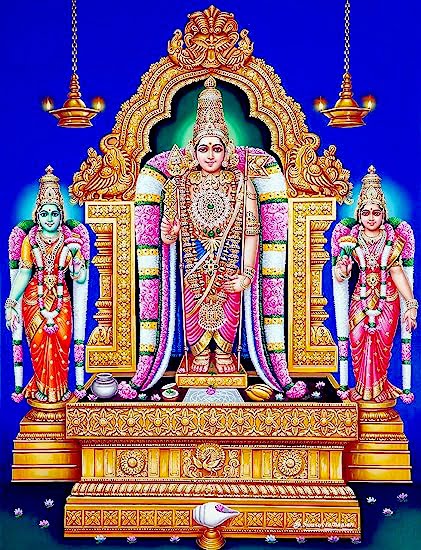
Panguni Uthiram: This festival is observed during the Tamil month of Panguni (March-April) and is meaningful for all divine weddings, such as that of Murugan and Devasena as well as Valli. It is a day of festivities with great fanfare, accompanied by grand processions and special pujas for marital bliss and offspring.
Pournami (Full Moon) and Amavasai (New Moon) Days: These are extremely sacred days for worship at the Pathala Sembhu Murugan Temple. Unique abhishekams and poojas are conducted. Especially so for the distribution of the special Thiruneer (sacred ash), which is reported to be made over a period of seven months from 18 rare herbs gathered only on these special lunar days. The special Thiruneer is extremely valued for its presumed medicinal and spiritual qualities.
Sashti Tithi and Krithigai Nakshatra: These particular astrological periods are most sacred for worshiping Murugan. Numerous devotees schedule their pilgrimages to the Pathala Sembhu Murugan Temple during these days, as they consider that prayers made then are most effective, especially for physical well-being, material prosperity, and inner peace, and to neutralize the ill effects of planets such as Mars (Kuja Dosha).
Read More>> Mangala Gauri Temple Gaya Bihar
Unique Architectural Styles and Carvings
Though the Pathala Sembhu Murugan Temple may lack the towering gopurams of some of Tamil Nadu’s giant temples, the uniqueness of its architecture comes from its subterranean sanctum. The primary deity, Lord Murugan, is 16 feet below the ground level and can be accessed by coming down 18 steps. This subterranean location is what lends the temple its unique identity and sacred ambiance.
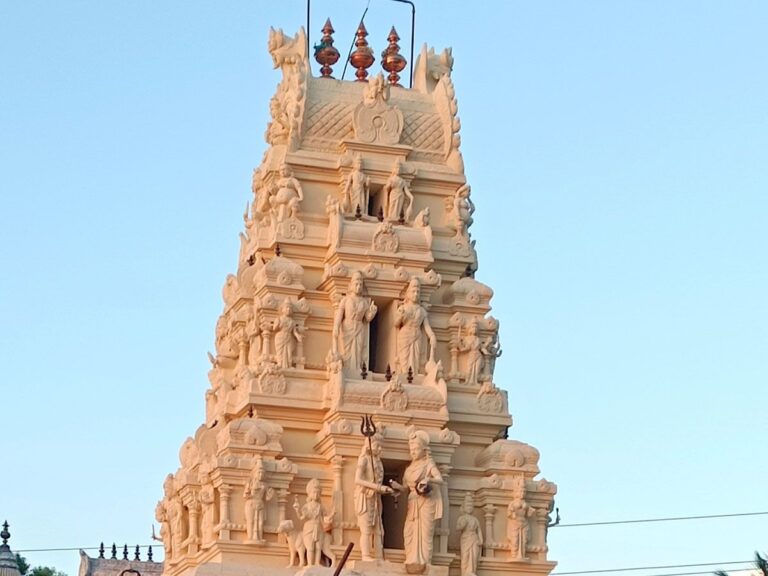
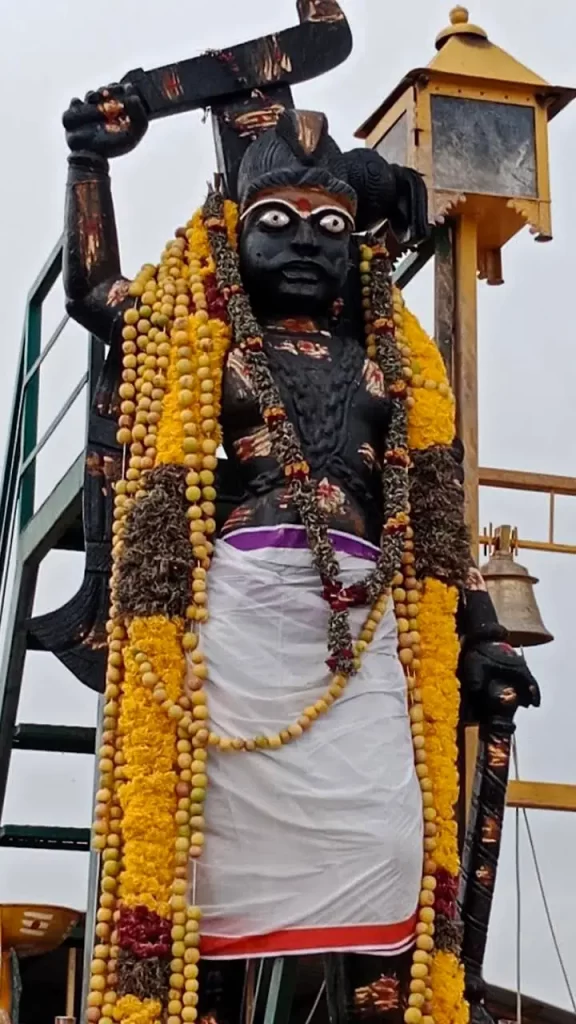
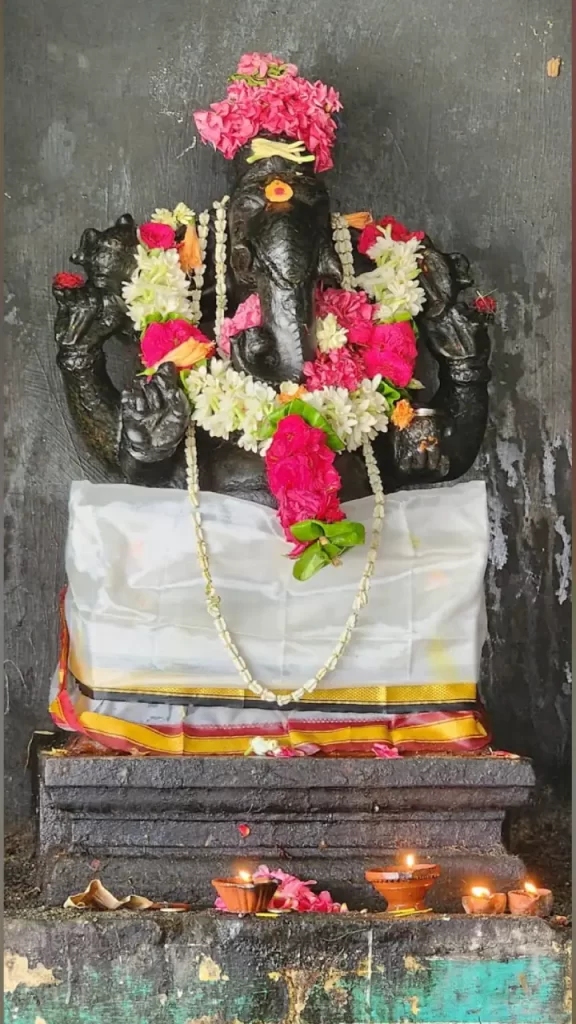
The design is mainly Dravidian, with its stone work, intricate sculptures, and strong pillars. Despite being a small temple, the fine craftsmanship indicates the strong faith and artistic skills that dominated the area. There are elaborate pillars and discreet sculptures portraying different gods and mythological motifs, contributing to the beauty of the temple. The guardian deity Sangi Karuppasamy stands tall at 15 feet at the entrance, providing a strong protective force. Selva Vinayagar (Lord Ganesha) blesses from within in the artha mandapam, and Kalabhairava blesses the east.
It’s the informality and raw energy of the underground shrine, though, that give this temple its real charm. It’s not about size, but about the strong connection one feels in that deep, still space.
Read More>> Golden Temple Vellore
Myths and Beliefs: Lifting the Mystical Veil
The Pathala Sembhu Murugan Temple is a reservoir of myths and beliefs that have been inherited over generations.
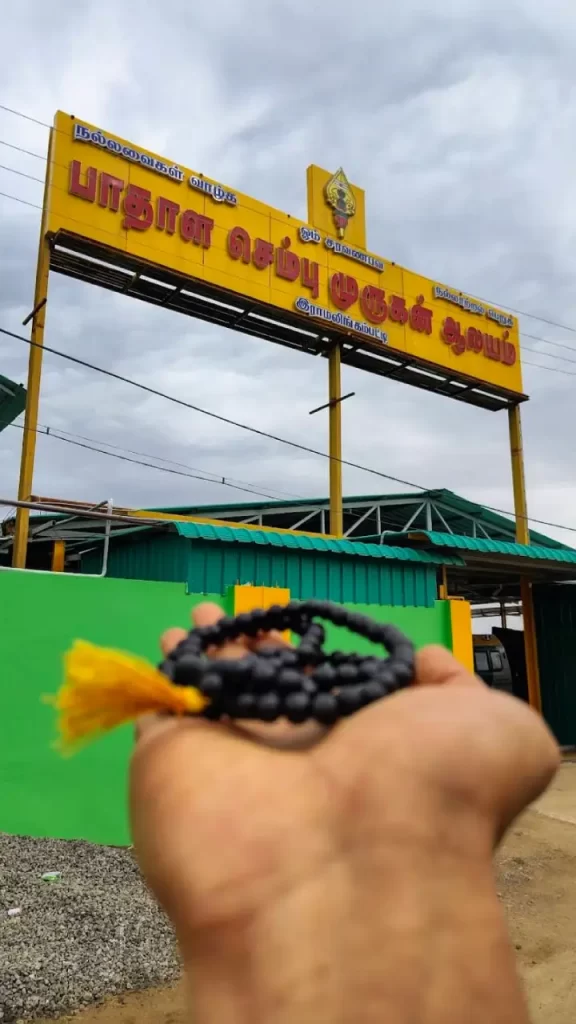
Karungali Malai: The Power of the most popular and trending features of this temple is the Karungali Malai (ebony wood rosary). Karungali wood is said to be very powerful, having the ability to absorb radiation, repel negative energy, and even shield against natural furies. Karungali Malais and Karungali Vel (ebony miniature spears) at Pathala Sembhu Murugan Temple are sanctified by the Lord, frequently kept in the feet of the Lord for 41 days before distributing among devotees.
It is said that wearing this mala would bring prosperity, wealth, peace to the mind, success in professional and commercial ventures, and victory over setbacks and evil forces. It’s most in demand for curing Kuja Dosha (malefic effects of Mars), which is associated with diverse life adversities.
Sarva Dosha Nivarthi Sthalam: As the name indicates, the shrine is generally known to be a site where all planetary doshas are cured. Pilgrims come with their astrological charts, hoping to be relieved from afflictions brought about by planetary positions. Poojas and rituals are specifically conducted to mitigate these unfavorable influences.
Wishing Tree and Offerings: Devotees are of the view that presenting Karungali Malas or other traditional material items to the lord grants their desires. The temple is particularly well-known among the faithful who visit seeking boons for children, success in competitive exams, promotions at work, and general prosperity. Presenting vastras (clothes) and ornaments to the god is also a popular offering.
The 18 Steps: The 18 steps descending to the sanctum sanctorum are not merely a physical movement but are also said to represent the 18 steps one makes on a path to spiritual enlightenment or overcoming 18 such human frailties.
Read More>> Pawapuri Jal Mandir: Sinless City of Lord Mahavira
Pathala Sembhu Murugan Temple Timings: Plan Your Visit Wisely
The Pathala Sembhu Murugan Temple typically follows the following timings:
Morning: 6:00 AM to 2:00 PM
Evening: 4:00 PM to 8:00 PM
Do remember that these timing may fluctuate on special occasions, festivals, or on very busy days. It is always a good idea to inquire locally or from the temple authorities if you’re scheduling your visit around a major festival.
Special Poojas and Their Significance
Apart from the routine daily abhishekams (temple bathing of the deity) and deepa aradhanas (light offerings), various special poojas are conducted at Pathala Sembhu Murugan Temple.
Abhishekam with 18 Herbs: What a unique experience you get here is the Thiruneer (sacred ash) made from 18 such rare medicinal herbs. The extensive process goes on for almost seven months, and herbs are gathered specifically on Pournami and Amavasai days. This Thiruneer is presented as prasadam (sacred offering) to the devotees and is said to heal all kinds of illnesses and give spiritual benefits. This is a very special feature of the temple and not something you get everywhere.
Pooja to counteract Planetary Doshas: As a Sarva Dosha Nivarthi Sthalam, several devotees request specific poojas to counteract the ill effects of planets such as Guru (Jupiter), Shukra (Venus), Shani (Saturn), Surya (Sun), and Ketu. These are generally customized rituals conducted by the priests according to individual astrological requirements.
Karungali Malai Consecration: If you want to obtain consecrated Karungali Malai, the temple performs special rituals of consecration for them. Most individuals buy the malas and get them laid at the feet of the god for a certain number of days, usually 41, to imbibe the divine power before wearing them.
Read More>> Chottanikkara Temple Ernakulam Kerala
Crowded Days: Managing the Rush
As you can probably guess, a temple with this deep spiritual meaning draws a big following, particularly on some days.
Festival Days: As mentioned, Kanda Sashti, Thaipusam, and Panguni Uthiram are very crowded. If you visit during these periods, expect huge lines and a lively, if chaotic, scene.
Pournami (Full Moon) and Amavasai (New Moon) Days: As a result of the special Thiruneer distribution and other good rituals, these days also witness a large number of devotees.
Tuesdays and Fridays: As in most Murugan temples, Tuesdays and Fridays are typically auspicious for the worship of Murugan and are more crowded compared to other weekdays.
Weekends: Weekends, naturally, attract local devotees and pilgrims from the neighboring towns, and hence they are busier compared to weekdays.
My personal recommendation: If you prefer a quieter, contemplative experience, do try to go on a weekday, early morning, or in the late afternoon. But if you wish to experience the whole intensity of devotion, a festival day, crowds notwithstanding, can be positively thrilling!

Sites to See Near Pathala Sembhu Murugan Temple
Your religious quest need not end at Pathala Sembhu Murugan Temple. The Dindigul district and the areas around it are filled with cultural and religious landmarks.
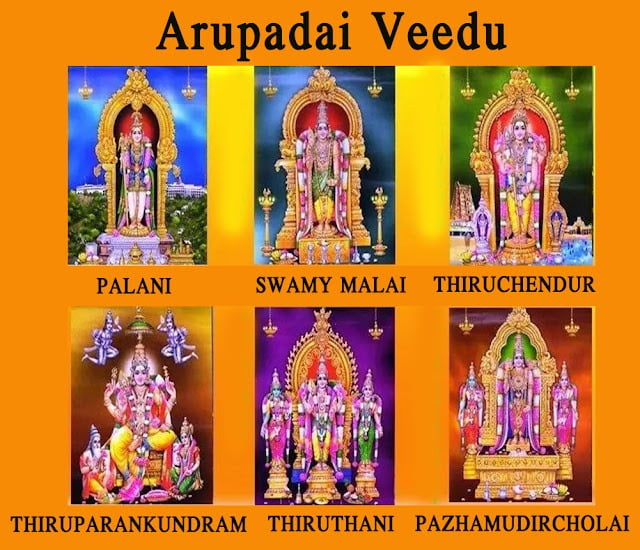
Palani Murugan Temple: Not far from here is the Arulmigu Dhandayuthapani Swamy Temple in Palani, one of the most renowned and sacred Murugan temples, belonging to the Arupadaiveedu (Six Abodes of Murugan). A must-visit destination for any Murugan worshiper. The deity here, a Navapashanam idol crafted by Siddhar Bogar, is worshiped very devoutly.
Dindigul Fort: For a historical sidetrack, the Dindigul Fort provides city views and a glimpse of history in this region.
Malaikovil Murugan Temple: Another Murugan temple in the area that you may find worthy of exploration.
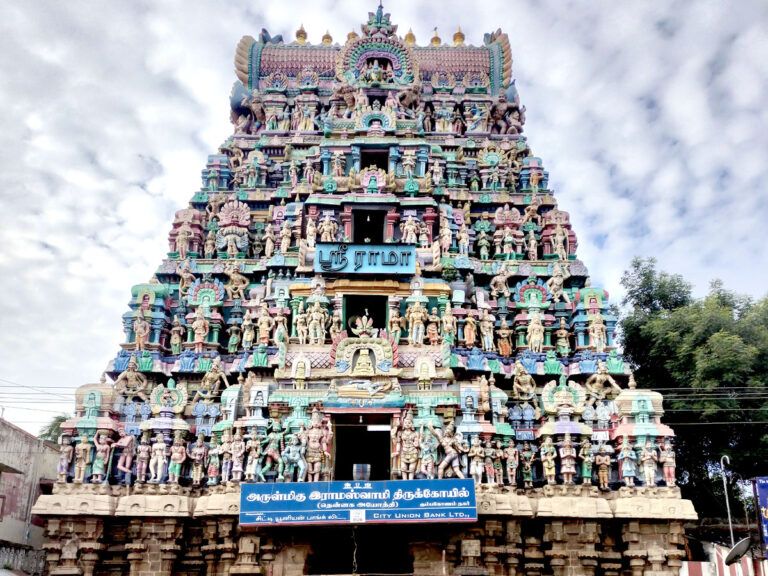
Kothandaramaswamy Temple: Famous for its fine carvings and religious significance.
Kodaikanal (Hill Station): In case you have some extra time, the picturesque hill station of Kodaikanal is not too distant and provides a tranquil break in the lap of nature.
Read More>> Nageswaran Temple Kumbakonam: Abode of Lord of Divine Serpents
Accommodation Options: Rest and Rejuvenate
As Pathala Sembhu Murugan Temple is situated in a village, direct accommodation facilities right outside the temple may not be available. But, you have satisfactory accommodations in the nearby bigger towns, particularly Dindigul.
Dindigul Town: This is your best option for a range of accommodation options, from budget guesthouses to more comfortable hotels. Search for the likes of:
Hotel Vivera Grande: Frequent recipient of high ratings for its facilities and convenience.
Hotel Vales Park: Another fine option, usually providing comfortable stays.
Hotel Parsons Court: A reasonable choice with average hotel amenities.
There are plenty of other local hotels and lodges to cater to differing budgets.
Kodaikanal: And if you’re planning to combine your spiritual pilgrimage with a hill station holiday, Kodaikanal provides a bigger choice of resorts and homestays from luxury to budget. Just keep in mind, it’s not too close to the temple, so arrange accordingly.
My suggestion for accommodation: Always prebook your stay because if you are coming during off-season or festivals, Dindigul is crowded with pilgrims.
Read More>> Kotilingeshwara Temple Karnataka: 108 Ft Massive Lingam in the world
How to Get to the Temple: Your Pilgrimage to Pathala Sembhu
Getting to Pathala Sembhu Murugan Temple is not very difficult, particularly if you are traveling within Tamil Nadu.
By Air: The closest major airport is:
Madurai Airport (IXM): About 60-70 km from there. From Madurai, you may take a taxi or bus to Dindigul and then travel to the temple.
Tiruchirappalli International Airport (TRZ): Approximately 100-110 km away. Similar to Madurai, hire a taxi or take a bus to Dindigul.
By Rail: The closest major railway station is Dindigul Junction (DG). Dindigul is well linked to the major cities in Tamil Nadu, as well as the rest of India. From Dindigul railway station, the Pathala Sembhu Murugan Temple of Ramalingampatti (Reddiarchatram) is approximately 20-25 km. You can take a local auto-rickshaw or taxi, or a local bus.
By Road: Dindigul is well networked by road.
From Dindigul: The temple is situated in Ramalingampatti, close to Reddiarchatram, which lies on the Dindigul-Oddanchatram road. Auto-rickshaws, local buses, and taxis are easily found from Dindigul. The temple is around 3 km from Reddiarchatram.
From Chennai, Madurai, Trichy, Coimbatore: Government and private buses run regularly to Dindigul from all the major cities of Tamil Nadu. You can also come down by road, following the scenic routes.
Local Transport: On reaching Dindigul, an auto-rickshaw or a taxi hired would be the most convenient option to travel to the temple. There are local buses (such as the 7A bus available from Dindigul local bus stand) available that travel to Reddiarchatram, and from there, it is an auto-ride away.
Read More>> Swaminarayan Akshardham Temple, Delhi | Complete Guide
FAQs About Pathala Sembhu Murugan Temple
As a guide, I am frequently asked the same questions, so let’s answer some of the most common questions about the Pathala Sembhu Murugan Temple:
Q1: Is the Pathala Sembhu Murugan Temple the Palani Murugan Temple?
A: No, they are different temples. Although both temples are for Lord Murugan and in the Dindigul district, Palani Murugan Temple is one of the Arupadaiveedu (Six Abodes) and is larger and more famous. The Pathala Sembhu Murugan Temple is special for its underground shrine and for its connection with the Karungali Malai. Pilgrims make it a point to visit Pathala Sembhu Murugan Temple when traveling from or to Palani.
Q2: Why is the Karungali Malai in this temple so special?
A: The Karungali Malai (ebony wood rosary) of Pathala Sembhu Murugan Temple is said to be highly potent as it’s believed to be infused with the divine power of Lord Murugan after having been left at His feet for 41 days and sanctified with special rituals. It’s believed to draw positive energy, ward off negative forces, help in overcoming hurdles, and usher prosperity and well-being.
Q3: Are there any specific dress codes to adhere to?
A: As with most Hindu temples, it’s best to dress modestly. Indian traditional wear is ideal, but in general, any respectful and comfortable clothing (knees and shoulders covered) is okay.
Q4: Are photographs allowed within the temple?
A: Rules regarding photography differ. It’s usually a sign of respect and often a requirement to avoid taking pictures within the main sanctum (garbhagriha) to preserve sanctity. For other regions, it is best to inquire from the temple authorities prior to snapping photos.
Q5: Is Pathala Sembhu Murugan Temple accessible for children or elderly tourists?
A: The temple necessitates walking 18 steps down to access the underground sanctum. Although steps are usually climbable, elderly people or those with mobility problems may find it slightly troublesome. Children are usually okay, but monitor them closely. The novel experience tends to interest young visitors as well!
Q6: Is annadhanam (free meal distribution) offered?
A: Yes, as per information available, annadhanam is arranged at the Pathala Sembhu Murugan Temple at lunchtime on most days, particularly busy ones. It is a great initiative feeding several pilgrims.