Chinese Kali Temple Tangra Kolkata
The Chinese Kali Temple Tangra, situated in the center of the Chinatown, Tangra in Kolkata, is not only a temple of worship but a wonderful representation of how multicultural communities can coexist and respect one another’s faiths. This temple is rather popular because it demonstrates how Hindu and Chinese cultures mix and become one beautifully. It’s a place where individuals, wherever they are from, can feel at home and become one with the divine. It’s a very unique place that warms your heart and makes you feel fuzzy inside knowing that all individuals are welcome here.
Contents
- 1 History of the Temple: A Miracle Under a Tree
- 2 Legend of the Temple: The Healing Touch
- 3 Cultural Significance of the Temple: A Melting Pot of Customs
- 4 Spiritual Significance of the Temple: A Hope and Healing Ground
- 5 Mythological Significance of the Temple: A Contemporary Story of Faith
- 6 Festivals and Special Days: When the Temple Comes Alive!
- 7 Different Architectural Features and Sculptures: A Combination of Beauty
- 8 Myths and Beliefs: Noodles as Prasad!
- 9 Sites to Visit around the Temple: Discover More!
- 9.0.1 Ajgaibinath Temple Bhagalpur
- 9.0.2 Strange Bateshwar Sthan Bhagalpur: Bihar’s Hidden Gupta Kashi
- 9.0.3 Famous Sundarnath Temple Araria Bihar | Sundar Nath Dham
- 9.0.4 Shiv Shakti Temple Bhagalpur Bihar
- 9.0.5 Mangala Gauri Temple Gaya Bihar
- 9.0.6 Is Bhoothnath Mandir Bhagalpur HAUNTED? See For Yourself!
- 10 Accommodation Options: Where to Stay
- 11 How to Get to the Temple: Getting There is Easy!
History of the Temple: A Miracle Under a Tree
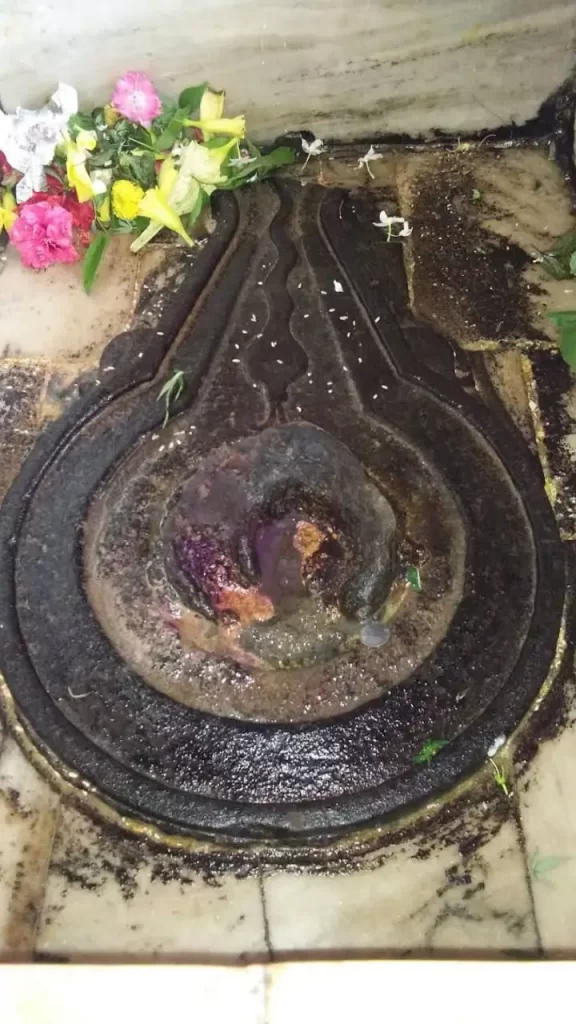
Imagine a long, long time ago, more than 60 years ago, there wasn’t a grand temple building like there is now. Instead, there were just two special black stones under a big, old tree. People in the area, especially the local Hindus, believed these stones were sacred and would often pray to them, smearing them with vermilion (a red powder used in Hindu worship) and offering bell leaves.
Now, the real magic takes place here! There was this 10-year-old Chinese boy who lived not too far from us in Tangra. He got extremely, extremely ill, and even the top doctors couldn’t get him well. His parents were heartbroken and anxious. They had heard about the healing stones beneath the tree, so desperate they took their ill son and placed him beside the stones. They prayed from the bottom of their hearts, day and night, waiting for a miracle.
And lo and behold! A true miracle occurred! After a few days of their devoted prayers, the boy gradually began to recover, and soon he was perfectly cured! Imagine how overjoyed his parents would have been! They felt it was the divine energy of the goddess, with whom they identified the stones, that had cured their son. Since then, that site beneath the tree had been a place very much revered by all members of the community, not only by Hindus but also by the Chinese families who had seen this miraculous recuperation.
Gradually, people began coming in greater numbers to pray here. The Chinese in Tangra, overcome with gratitude and respect, decided to construct a temple in honor of Goddess Kali here. Everyone pooled money, even from small denominations, to fulfill this dream. And that, dear friends, is how the Chinese Kali Temple Tangra was born! It’s a beautiful tale of faith, hope, and community spirit.
Read More>> Mayapur Temple of the Vedic Planetarium
Legend of the Temple: The Healing Touch
As I explained just now, the legend of the Chinese Kali Temple Tangra is inextricably linked to the miraculous healing of the Chinese boy. This legend is the core reason why the temple is so significant to both the Chinese and Hindu communities. It resonates with the universal desire to believe in some higher power and the desire for divine intervention at times of need.
The story points to the way an ordinary act of desperate prayer beneath an ancient tree, where two humble black stones rested, resulted in a miraculous happening. This wasn’t a legend from ancient Hindu texts or Puranas because this temple is a later outgrowth of spirituality and cultural exchange. But the spirit of such miracles – where faith has the power to achieve what seems impossible – is indeed very much present in Hindu mythological lore.
Though you won’t find any verses in the Vedas or Puranas speaking of this Chinese Kali temple as such, the efficacy of Bhakti (faith) and the kind nature of deities such as Kali Maa, who are said to hear the prayers of devotees in good faith, is a constant refrain in Hindu scriptures. For example, in Devi Mahatmyam, a holy Hindu scripture detailing the splendor of the Goddess, it is usually quoted:
“Ya Devi Sarvabhuteshu Matri Rupena Samsthita, Namastasyai, Namastasyai, Namastasyai Namo Namah.”
This lovely verse translates as, “Salutations to that Goddess who is established in all beings in the form of the Mother.” This expression describes the universal motherly compassion and protection that devotees yearn for from Goddess Kali, be they Indian, Chinese, or American. The healing of the Chinese boy at the Chinese Kali Temple Tangra is a contemporary example of this very ancient faith in the Goddess’s infinite largesse.
Cultural Significance of the Temple: A Melting Pot of Customs
The Chinese Kali Temple Tangra is an amazing case of a melting pot of cultures! It indicates how individuals from diverse backgrounds can coexist, exchange their customs, and even forge new ones. When you go there, you will get to witness an interesting mixture of Chinese and Hindu practices. For instance, while the Hindu priest recites Sanskrit prayers and conducts rituals similar to those in other Kali temples, you will also notice Chinese worshippers lighting tall Chinese red incense sticks and even burning specific handmade paper, which is a Chinese tradition to keep away evil spirits. Rather than the typical manner Hindus burn incense in circular fashion, the Chinese worshippers bow three times as they hold their incense sticks.
It fully reflects the spirit of “unity in diversity,” a cliché phrase to describe India. It’s an experience where you can sense the cultural exchange of warmth and observe how religion can look beyond boundaries.
Read More>> Shri Jogadya Shaktipeeth
Spiritual Significance of the Temple: A Hope and Healing Ground
Both for the Chinese and Hindu communities, the Chinese Kali Temple Tangra is spiritually significant. It’s regarded as a site of great power where prayers are granted and miracles are possible, as happened with the young boy’s recovery. Pilgrims visit here in search of blessings of health, prosperity, and protection from evil forces. It’s calm and serene even on busy days, filled with the aroma of incense and the soft sound of prayers being whispered. It is a site where you feel serene and are connected to your inner self.
Mythological Significance of the Temple: A Contemporary Story of Faith
Although the Chinese Kali Temple Tangra is not an ancient temple referred to in Hindu mythology or Puranas, its history forms a contemporary chapter in the rich narrative of Indian faith. It upholds the age-old notion about the benevolent power of Goddess Kali. In Hindu myth, Goddess Kali is normally shown as a ferocious yet benevolent mother, a guardian who kills evil and ignorance in order to deliver peace and freedom to her followers.
Her dark color and imposing figure are indicative of her power to dominate all darkness. The history of this temple, wherein she is said to have healed a Chinese boy, is a perfect example of her mythological function as a merciful savior who responds to the genuine prayers of her people, no matter where they come from. It illustrates that religion can forge new narratives and new holy places, demonstrating that the sacred is ever present and available to believers.

Festivals and Special Days: When the Temple Comes Alive!
The Chinese Kali Temple at Tangra is truly brought alive when there are festivals! The biggest festival that the people here observe is Kali Puja, which takes place on Diwali night, the day of lights. Visualize the entire temple filled with lamps and lights – it’s a peaceful sight to behold! On the occasion of Kali Puja, the Chinese community also gets the day off to join in the festivities. All hands are on deck to prepare for the rituals and offerings.
Another peak season is the Chinese New Year festival in about February. Although it’s a Chinese festival, more people visit the temple because devotees come to pray for prosperity in the coming year.
During packed days, particularly Kali Puja, the temple may be crowded with individuals. Despite the crowds, however, there’s a beautiful feeling of camaraderie and devotion shared by all. Individuals of all ages, from small children like you to grandmas and grandpas, visit seeking blessings.
Read More>> Shree Trishrota Maa Bhramoree Debir Shaktipeeth Temple
Different Architectural Features and Sculptures: A Combination of Beauty
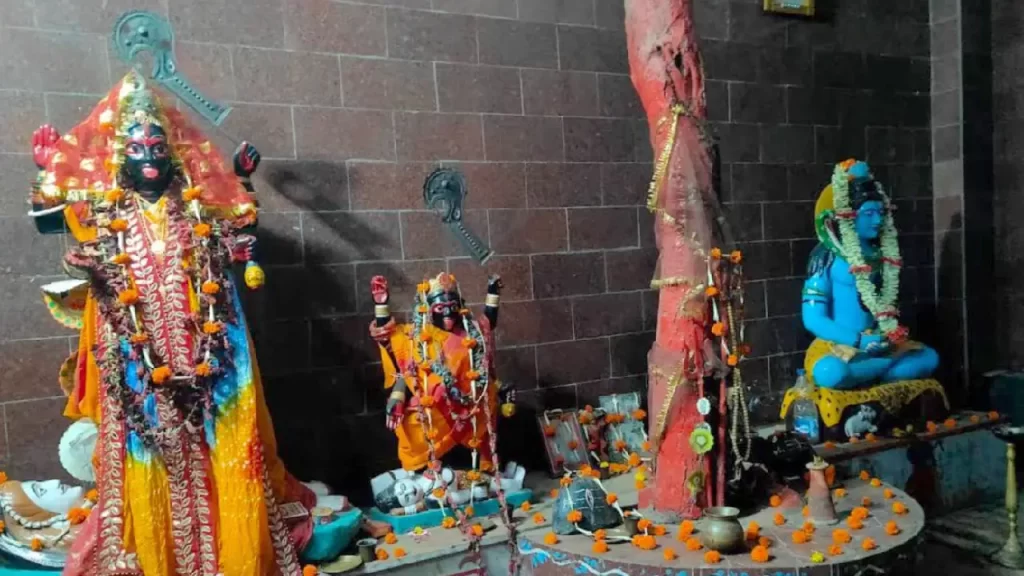
The Chinese Temple of Kali Tangra may not be quite as large or elaborately decorated as some of the extremely ancient, gigantic temples you may encounter in India, but its plainness has a special appeal. The temple in use today, constructed around 1998 by donations from all of the Chinese families in the region, is of granite construction. Although the general design may resemble a traditional Kali temple in India, with the conventional image of Goddess Kali, it’s the little touches of Chinese presence that give it an edge.
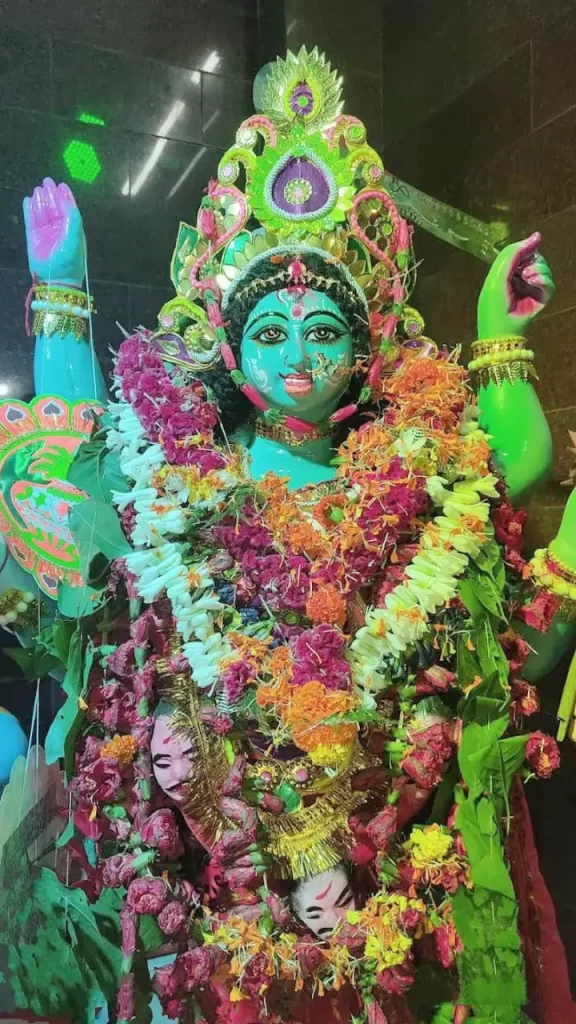
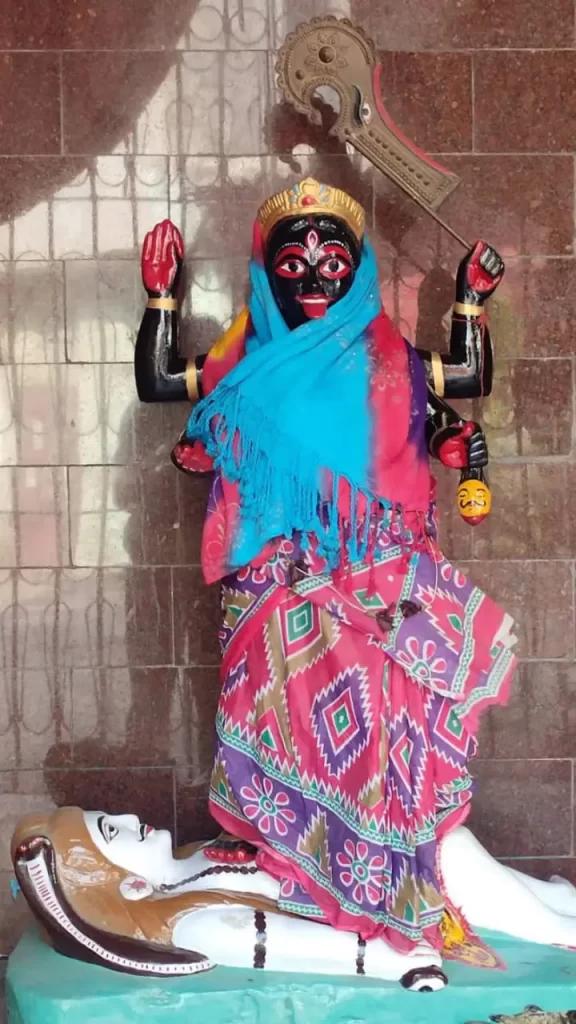
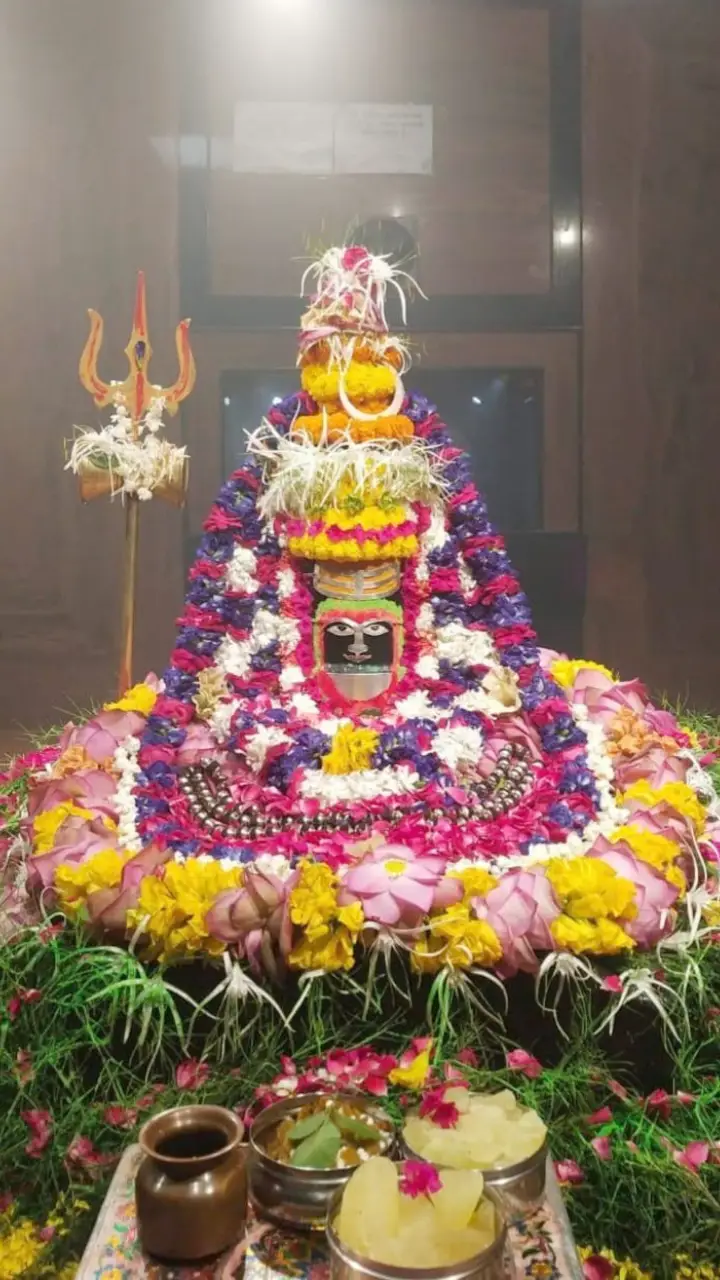
Within, you could see the incorporation of Chinese lanterns, a lovely symbol of Chinese tradition. Even some accounts point out that the idol of Kali Maa here has a slightly Chinese look and is dressed in a Bengali sari, which indicates the harmonious mixture of the two cultures that revere her. The most prominent aspect is the existence of the two original black stones, painted red with vermilion, which are still sheltered inside the granite temple along with the idols of Kali and a small Lord Shiva idol.
This is an example of how the new Chinese Kali temple harmoniously integrates the very foundations of its sacred past. Whereas there are no intricate carvings such as in ancient Hindu temples, the very nature of its construct speaks to the distinctive cultural blend that characterizes it.
Myths and Beliefs: Noodles as Prasad!
And now, something really special and interesting to share! The Chinese Kali Temple Tangra is just extremely well-known for its prasad. You must wonder what prasad is. It’s the blessed food that is offered to the god and then distributed to devotees. Typically in most Hindu temples, prasad would be sweets such as ladoos or pedas, or fruits. But here, in the Chinese Kali Temple Tangra, the prasad consists of noodles and chop suey! Unbelievable, isn’t it?
This beautiful tradition began due to the Chinese believers. When several Chinese families immigrated to Kolkata, particularly during the Chinese Civil War, they took their food culture along with them. They began to give their staple foods, such as noodles, to Maa Kali as an offering for their devotion, just as they used to bring special foods for their family deities in China. Over time, it became a special and popular tradition.
So, when you go there, you may try a spoonful of this tasty and quirky prasad – an experience to remember! It is said that having this prasad imparts special blessings from the goddess. Several Chinese followers also give up beef after beginning their worship of Kali Maa, expressing their utmost respect for Hindu faith.
Read More>> Shree Kiriteswari Shaktipeeth Temple
Temple Timing: When You Can Visit
Chinese Kali Temple Tangra remains open nearly throughout the day, seven days of the week, from Sunday to Saturday. It usually opens early in the morning, about 5:00 AM, and remains open until evening. This facilitates the devotees and visitors to visit and make their offerings at their own convenience. If you wish to enjoy the special rituals, it is advisable to go during morning or evening puja hours.
Sites to Visit around the Temple: Discover More!
As you are in Kolkata, the “City of Joy,” after you have visited the Chinese Kali Temple Tangra, there are simply too many other great Hindu temples and spiritual sites that you can visit! Kolkata is known for its rich spiritual heritage.
Kalighat Kali Temple: It is among the most well-known Kali temples in Kolkata and is a Shakti Peeth, an extremely sacred place that is linked to the Goddess Sati. It’s a very busy and lively temple, and there is a lot of energy.
Dakshineswar Kali Temple: Another stunning Kali temple, situated on the banks of the Hooghly River. It’s well known for its gorgeous architecture and its association with Sri Ramakrishna Paramahamsa.
Birla Temple: A contemporary yet lovely temple of Radha and Krishna, famous for its stunning white marble carvings.
Thanthania Kalibali: An ancient Kali temple in Kolkata city, famous for its traditional Bengali way of worship.
These are just a few recommendations, but Kolkata, West Bengal, is home to hundreds of temples and spiritual attractions, each one full of its own stories.

Accommodation Options: Where to Stay
If you’re traveling to Kolkata and want to visit the Chinese Kali Temple Tangra and other attractions in the surrounding area, you have numerous cozy options to stay. Tangra is famous for being in a lively area, and numerous hotels at various budget prices are available close by.
Luxury Hotels: You can look up luxury hotels such as ITC Sonar, Vivanta Kolkata EM Bypass, or The Lalit Great Eastern Kolkata, which provide top-notch facilities and services.
Mid-Range Hotels: Choices such as The Peerless Hotel Kolkata or ibis Kolkata Rajarhat provide comfortable stays at an affordable price.
Budget Stays: There are numerous small hotels and guesthouses around and in the Tangra area that offer affordable stays.
It’s always a good idea to pre-book your stay, especially if you are traveling during peak festival periods.
Read More>> Bakreshwar Temple | Mahishmardini Shaktipeeth West Bengal
How to Get to the Temple: Getting There is Easy!
Getting to the Chinese Kali Temple Tangra is quite simple since it’s situated in a well-reputed area of Kolkata.
By Metro: The closest Metro station would be either Rabindra Sadan or Science City/Topsia (depending on which direction you’re heading). From there, it is very simple to take a bus, taxi, or auto-rickshaw to Tangra.
By Bus: Kolkata boasts a large network of buses. You can catch buses that head towards Tangra or Chinatown.
By Taxi/Auto-rickshaw: You can find taxis and auto-rickshaws easily throughout Kolkata, which will drop you right at the temple. Just instruct the driver to go to “Chinese Kali Temple, Tangra” or “Chinatown Temple.”
4 Comments